Australia's Aboriginal culture is the world's oldest living culture, with over 65,000 years of continuous history, storytelling, and connection to Country. Our Cultural Immersion Tours offer you the rare privilege of experiencing this living heritage firsthand, guided by local Aboriginal knowledge holders who share their traditions, stories, and deep spiritual connection to the land.
Each tour is a private, intimate experience designed to foster genuine cultural understanding and respect. Whether you're walking ancient songlines, foraging for native foods that have sustained communities for millennia, or participating in vibrant cultural festivals, you'll gain authentic insights into Aboriginal culture that go far beyond superficial tourist experiences.
All our tours are led by Aboriginal guides who bring their personal stories, family knowledge, and cultural authority to each experience. We work in close partnership with local Indigenous communities to ensure authentic, respectful, and mutually beneficial cultural tourism.
Our Cultural Experiences
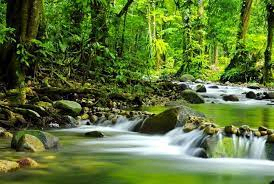
Aboriginal Guided Walk & Dreamtime Stories
Walk in the footsteps of Aboriginal ancestors through sacred landscapes. Learn traditional plant uses, bush survival techniques, and hear authentic Dreamtime stories that have been passed down through generations.
- 4-hour private guided experience
- Welcome to Country ceremony
- Traditional plant identification & uses
- Dreamtime storytelling session
- Ochre painting demonstration
- Morning tea with bush tucker samples
Bush Tucker Culinary Experience
Discover the flavors of Australia's native ingredients through hands-on foraging and traditional cooking methods. Create and enjoy a unique Indigenous-inspired meal using plants that have sustained Aboriginal people for thousands of years.
- 3.5-hour culinary journey
- Guided native plant foraging
- Traditional cooking demonstrations
- Hands-on food preparation
- Bush tucker tasting menu (6 courses)
- Take-home recipe booklet
Seasonal Aboriginal Festival Experience
Immerse yourself in living Aboriginal culture at authentic seasonal festivals. Experience traditional dance, music, art workshops, and community celebrations that showcase the vibrancy of contemporary Indigenous culture.
- Full-day festival experience (6 hours)
- VIP festival access & seating
- Traditional dance performances
- Art demonstrations & workshops
- Community storytelling circles
- Traditional food stalls & tastings
What to Expect on Your Cultural Journey
Every Cooee Tours cultural experience is designed to be transformative, educational, and deeply respectful of Aboriginal traditions and communities.
Expert Aboriginal Guides
All tours are led by local Aboriginal knowledge holders who share their personal stories, family history, and deep cultural understanding. Many of our guides are recognized cultural authorities within their communities.
Authentic Experiences
We partner directly with Aboriginal communities to ensure every experience is culturally authentic, appropriate, and beneficial. No performative "shows" – just genuine cultural exchange and learning.
Family-Friendly
Our private tours are perfect for families. Guides adapt content for different ages, using interactive elements, hands-on activities, and engaging storytelling that captivates children and adults alike.
Small Groups, Big Impact
All experiences are private (2-15 people), allowing for personalized attention, meaningful questions, and intimate cultural connections that aren't possible in large tour groups.
Cultural Respect
We follow strict cultural protocols and guidelines set by Aboriginal communities. Photography, recording, and site access are managed respectfully according to traditional cultural law.
Community Benefit
Your tour fees directly support Aboriginal guides, families, and cultural preservation programs. Tourism income helps sustain traditional knowledge transmission to younger generations.
What Our Travelers Say
Practical Information
📍 Locations
- Uluru-Kata Tjuta, Northern Territory
- Daintree Rainforest, Queensland
- Kimberley Region, Western Australia
- Blue Mountains, New South Wales
- Kakadu National Park, NT
🎒 What to Bring
- Comfortable walking shoes
- Sun protection (hat, sunscreen, sunglasses)
- Refillable water bottle
- Camera (where permitted)
- Weather-appropriate clothing
⏰ Best Times to Visit
- Guided Walks: Year-round (cooler months recommended)
- Bush Tucker: March–November
- Festivals: June–August (peak season)
- Private bookings available daily
♿ Accessibility
- Moderate fitness level required
- Some wheelchair-accessible options
- Contact us for specific needs
- Children of all ages welcome
- Service animals permitted
Practical trip planning
Choose a cultural experience by who leads it, which Country it is on and what the hosts want to share. An Aboriginal or Torres Strait Islander-led walk, art centre visit, performance or talk can be an opportunity to learn the story of a particular place and community. The way a visit works differs between organisations. Ask about the local experience and its protocols before deciding it is right for your party. Tourism Australia provides information on Indigenous tourism and businesses offering public visitor experiences.
Choose an experience led by the right people for that place
Look beyond the tour label and find out who owns or leads the experience, who will be your host and how the visit benefits the organisation or community. What you are invited to hear in a city, coastal community or desert setting may have different languages and histories. A good experience makes space for this specificity. Give the host time to explain context and send any group questions in advance if they need planning.
An interpretive walk can be a good choice for an engaged party that wants to understand landscape, city history or food and seasons. The actual content and pace are set by the operator. Confirm ground conditions, the walking distance and what a participant can do if they need to stop. A gallery or art centre may suit a group that wants a less strenuous visit and time to talk about how contemporary artists work.
A museum or public exhibition can be useful before or after a led visit, especially if an exhibit gives you historical context about Country or local artists. Check who curates or contributes to the exhibition and which hours the venue is open. Ask whether it offers a facilitated visit for the age and size of your party. A guide may be able to suggest a separate visit that complements the experience you have booked.
Ask how to visit respectfully
Follow the local host's guidance about where the public can walk, what can be photographed and how information can be shared. An invitation to join a visit allows you to participate under its particular terms. If you want to write about it, post photographs or use material in a group presentation, ask before collecting or publishing it. People may have different preferences about whether their name, image or voice is shared.
A Welcome to Country is delivered by a Traditional Owner or appropriately authorised person for that Country. Ask the relevant local organisation if arranging one for an event. An Acknowledgement of Country is a separate practice. For an ordinary booked visit, follow the host's lead. If the organiser expects a specific ceremony, it should be discussed with the appropriate people and arranged as part of the actual booking.
Ask before touching artworks or historic features. If browsing at an art centre or gallery, make time for labels, artist attribution and questions about how the work is sold. If you are buying, keep the documentation and treat it with care as part of the work's history. The visitor art buying guide links to the Indigenous Art Code for advice on the questions to ask.
Plan for school, family and club groups
For a school, explain the students’ age and what they have studied. Ask the host about the scope of the visit and what behaviour is expected. Tell them how many staff and students will attend and whether the group needs to arrive in shifts. Agree on breaks, wet-weather alternatives and the resources students are able to use after the experience. Confirm accessibility for all guests and leave time for teachers to organise any return work.
For families, consider whether a hands-on or story-based session works better for younger children than a longer walk. Check eligibility and watch your arrival timing so the children can eat and settle properly. If someone in the family is interested in an artwork or a question about what they have seen, allow an unhurried few minutes at the end. Ask for a good resource to learn more if the subject is outside what the guide intends to cover during the visit.
For a club or a group of older guests, ask about seats or rest breaks, access between the vehicle and the venue, surfaces and toilets. A slower pace can provide useful space to listen and ask questions. Read the operator's instructions about equipment, weather and cancellations and make a plan that works for passengers who need a shorter route. Ask the organiser to confirm whether an alternative can happen at the same venue or needs independent transport.
Plan the experience as a meaningful part of the route
Give the visit time for introductions, interpretation and questions. Booking a quick stop between long drives can mean spending most of the time on basic logistics. For a group arrival, ask when external transport should reach the drop-off and who will greet passengers. Move the rest of the day's route around that appointment if the booked visit is the most important experience.
Transport and direct local reservations may need separate arrangements. Ask what your tour operator handles and how to get in touch with the host if numbers change. For a private group, learn what changes can be made after booking and which participants or guides need to be paid by the organiser directly. Respect customary and local requirements in the same way you respect venue and operator terms.
Useful starting points are Tourism Australia’s Indigenous tourism information, the Australian Government’s Welcome to Country guidance and the Indigenous Art Code. To discuss how to fit a confirmed local experience into a trip, contact Cooee Tours with the destination, dates, group size and transport needs.
At the end of a visit, ask the host which resources they recommend if your group wants to keep learning. Use the organisation's own information when sharing what you learned with other travellers.
Frequently Asked Questions
Are cultural immersion tours suitable for families with children?
Yes, all our cultural immersion tours are private and specifically designed to be family-friendly. Our Indigenous guides are experienced in engaging children with interactive storytelling, hands-on activities, and age-appropriate content. Children often find the Dreamtime stories, bush tucker foraging, and traditional art demonstrations particularly engaging.
We accommodate families with children of all ages, and our guides adjust the pace and content to ensure everyone has a meaningful experience.
Do these tours include access to local Aboriginal cultural events and festivals?
Yes, seasonal Aboriginal cultural events and festivals are included where possible throughout the year. Our Seasonal Aboriginal Festival Experience tour specifically provides access to major cultural celebrations including traditional dance performances, art exhibitions, community gatherings, and ceremonial events.
We work directly with Indigenous communities to ensure authentic, respectful participation. Festival dates vary by region and season, typically occurring June through August.
Can first-time visitors to Australia participate in these cultural tours?
Absolutely! Our tours are perfect for first-time visitors. Our experienced Indigenous guides provide comprehensive cultural context, historical background, and support throughout the experience. No prior knowledge of Aboriginal culture is required.
We welcome guests from all backgrounds and cultures, and ensure everyone feels comfortable and engaged. Many visitors tell us these tours were the most meaningful part of their Australian journey.
What should I bring on a cultural immersion tour?
We recommend comfortable walking shoes, sun protection (hat, sunscreen, sunglasses), a refillable water bottle, camera (for non-sacred sites), and weather-appropriate clothing. For bush tucker experiences, closed-toe shoes are essential.
All specialized equipment, cultural materials, and refreshments are provided. Detailed packing lists are sent with your booking confirmation.
How long do the cultural tours typically last?
Tour durations vary by experience:
- Aboriginal Guided Walks: approximately 4 hours
- Bush Tucker Experiences: 3.5 hours
- Seasonal Festival Tours: full-day (approximately 6 hours)
All tours include breaks, refreshments, and flexible pacing to ensure comfort for all participants. We can adjust timing for special requirements.
Are the tours led by Aboriginal guides?
Yes, 100% of our cultural immersion tours are led by local Aboriginal guides who share their traditional knowledge, personal stories, and deep connection to Country. This ensures authentic, respectful cultural experiences and directly supports Indigenous communities.
Our guides are passionate educators, many recognized as cultural authorities within their communities, committed to sharing their living culture with visitors.
Can I book a private tour for my group?
Yes, all our cultural tours are private experiences exclusively for your group. This allows for personalized attention, flexible pacing, and the opportunity to ask questions freely without the constraints of large group tours.
We accommodate groups from 2 to 15 people comfortably. Larger groups can be arranged with advance notice and may be split into multiple smaller groups for optimal experience quality.
What is your cancellation policy?
We offer free cancellation up to 48 hours before your tour start time for a full refund. Cancellations within 48 hours receive a 50% refund. No-shows or same-day cancellations are non-refundable.
We understand that travel plans can change unexpectedly, and we recommend purchasing travel insurance for your peace of mind. We're always happy to help reschedule when possible.
Is photography allowed during the tours?
Photography policies vary by location and activity out of respect for cultural protocols. Your guide will clearly indicate when photography is permitted and when it is not appropriate.
Sacred sites, certain ceremonies, and some cultural activities may prohibit photography to protect cultural integrity. We ask that you respect these guidelines, which are set by Aboriginal communities themselves.
Are meals included in the tour prices?
Inclusions vary by tour:
- Aboriginal Guided Walks: Morning tea with bush tucker samples included
- Bush Tucker Experience: Full 6-course tasting menu included
- Festival Tours: Traditional food stall vouchers included
All tours include refreshments and water. Specific dietary requirements can be accommodated with advance notice.
Ready to Connect with the World's Oldest Living Culture?
Book your authentic Aboriginal cultural experience today and create memories that will last a lifetime. Our private tours fill quickly, especially during peak season (June–August).
Book Your Cultural JourneyQuestions? Call us at +61 7 XXXX XXXX or email bookings@cooeetours.com.au