🦞 2026 food tours & experiences available — explore packages

Why Queensland Eats So Well

Queensland's extraordinary geography — stretching from the tropical Wet Tropics rainforest to the sun-baked Outback and a coastline of over 7,000 kilometres — creates conditions unlike anywhere else in Australia for growing, fishing, and producing exceptional food.

The state is Australia's largest producer of tropical fruits, beef, and sugar cane, and its coastal waters yield some of the world's finest seafood. Add in a booming farm-to-table movement across the hinterlands, a multicultural dining scene in Brisbane energised by the 2032 Olympics, and one of the world's oldest living food cultures through First Nations bush tucker traditions — and Queensland is quietly one of the most exciting food destinations in the Southern Hemisphere.

Whether you're exploring the Sunshine Coast Hinterland, diving into Brisbane's laneway cafés, chasing fresh coral trout off the Whitsundays, or joining an Indigenous-led bush tucker walk in the Daintree — this guide covers what to eat, where to eat it, and when to go.

7,000+ km of coastline
#1 tropical fruit producer
500+ food producers
12 distinct food regions
60,000 yrs of bush tucker

Queensland's 6 Iconic Foods

These are the dishes and ingredients that define the Queensland table — the flavours every visitor should experience at least once.

🦞 Seafood Icon

Moreton Bay Bugs

Queensland's most celebrated crustacean — a species of slipper lobster found only in Moreton Bay. Sweet, succulent tail meat best enjoyed grilled over charcoal with garlic butter. A non-negotiable for first-time visitors. Buy fresh from Brisbane's Fish Market at Newstead.
🥭 Tropical Produce

Bowen Mangoes

The Kensington Pride variety grown around Bowen and Mareeba is widely regarded as Australia's finest mango. Season runs October to February, peaking in November and December. Buy a box at roadside stalls near Bowen for the full experience.

🐟 Native Fish

Wild Barramundi

Australia's most iconic native fish thrives in Queensland's tropical rivers and estuaries. Pan-seared or baked, its large flaky fillets have a mild, buttery flavour. Ochre Restaurant in Cairns pairs it with native green ant oil — an unforgettable combination.

🍤 Coastal Classic

Queensland Tiger Prawns

Wild-caught from the Gulf of Carpentaria and Coral Sea, tiger prawns are a national obsession. Toss them on the barbie or enjoy them chilled with cocktail sauce. Best bought fresh from Mooloolaba Wharf or Brisbane's Fish Market — the size and sweetness will astonish.

🌿 Native Ingredient

Macadamia Nuts

Originally from Queensland's subtropical rainforests, macadamias are the only domesticated native Australian food plant. The Sunshine Coast hinterland produces exceptional crops — visit Macadamia Castle in Nambour or a farm gate for freshly roasted and salted nuts at their best.

🧀 Artisan Dairy

Hinterland Artisan Cheese

The cool, misty valleys of the Sunshine Coast and Gold Coast hinterlands host boutique dairies producing remarkable washed-rind, aged cheddar, and fresh chevre. Kenilworth Country Foods in the Sunshine Coast Hinterland is the benchmark — pair with local fig paste and Granite Belt wine.

"Queensland's food isn't just about abundance — it's about terroir. Every mango, every prawn, every wheel of hinterland cheese carries the flavour of this extraordinary landscape."

— Cooee Tours editorial team

Indigenous Bush Tucker — Queensland's Oldest Cuisine

Queensland's First Nations peoples have been hunting, fishing, and gathering food from this land for over 60,000 years — making theirs the world's oldest continuously practised food culture. Native plants and animals that were once the exclusive domain of Indigenous knowledge are now experiencing a nationwide revival, appearing on menus from Brisbane's fine dining restaurants to remote Outback campfires.

Key Queensland bush tucker ingredients include lemon myrtle (Australia's most aromatic native spice), wattleseed (with a coffee-chocolate flavour used in damper and ice cream), finger limes (tiny citrus caviar native to Queensland's subtropical rainforests), bunya nuts (giant seeds from ancient Bunya Pine trees in South East Queensland), and quandong (a tart native peach). On the protein side, kangaroo, emu, crocodile, and seafood feature in guided cultural dining experiences across the state.

🌿 Native Spice

Lemon Myrtle

Native to the subtropical rainforests of Queensland's coastal hinterland, lemon myrtle has a stronger lemon fragrance than any other plant in the world. Used in marinades, desserts, and teas. Increasingly common in fine dining as a barramundi crust or in lemon myrtle cheesecake.

🌰 Native Seed

Wattleseed

Ground roasted wattleseed produces a complex flavour combining coffee, chocolate, and hazelnut. Used in damper, ice cream, and pasta. Wattle-seed damper with lilly pilly jam is served at Nyanda Cultural Tours' bush tucker morning tea just north of Brisbane.

🍋 Native Citrus

Finger Limes

Often called "citrus caviar" — tiny, bead-like pearls that burst with tart lime flavour. Native to Queensland's subtropical rainforest. A darling of modern Australian cuisine, appearing as a garnish on oysters, ceviche, and cheese boards at restaurants across Queensland's southeast.

🌲 Native Nut

Bunya Nuts

Enormous pine cones from ancient Bunya Pine trees in South East Queensland contain up to 100 large, edible kernels. A critically important food source for Indigenous Queenslanders for thousands of years. Today, bunya nuts appear in pasta, risotto, and roasted as a standalone snack from February to April.

🐊 Native Protein

Crocodile & Kangaroo

Kangaroo is the leanest red meat available in Australian cuisine — exceptionally high in iron, omega-3s, and protein. Farmed saltwater crocodile tail has a mild, chicken-like flavour that pairs beautifully with native spice rubs. Both feature prominently at Brisbane's Tukka Restaurant in West End and Ochre in Cairns.

🐜 Native Experience

Green Ants & Unusual Flavours

Ochre Restaurant in Cairns serves green tree ants as a garnish — they taste distinctly of lime and lemon, having consumed native citrus their entire lives. An extraordinary flavour experience that's become one of Cairns' most talked-about culinary moments. Only available at specialist Indigenous-focused restaurants.

🌿 Where to Experience Bush Tucker in Queensland

  • Nyanda Cultural Tours, Nudgee (Brisbane) — Bush tucker morning tea walk through wetlands; lilly pilly jam, wattle-seed damper, wild lime, with an Aboriginal guide.
  • Saltwater Eco Tours, Mooloolaba — Native bushfoods and seafood cruise exploring Kabi Kabi people's traditional food and sustainable sea practices.
  • Flames of the Forest, Daintree — Australia's only rainforest dining experience — a candlelit bush tucker-inspired degustation amid ancient rainforest with Aboriginal song and dance.
  • Ochre Restaurant, Cairns — Award-winning fine dining fusing modern Australian technique with traditional bush tucker — kangaroo, crocodile, green ants, native pepper, and wattleseed.
  • Tukka Restaurant, West End Brisbane — Multi-course native Australian degustation pairing kangaroo, emu, crocodile, and possum with native spice preparations and Queensland wine.
  • Birrunga Café, Brisbane CBD — Indigenous-owned café in the Birrunga Gallery featuring charcoal tacos with crocodile, emu, or kangaroo, and native-spiced dishes in a gallery setting.

Queensland's Best Food Regions

Different parts of the state offer dramatically different culinary experiences. Here are the six standout regions for food lovers in 2026.

🌆 Greater Brisbane

A cosmopolitan food hub undergoing rapid transformation ahead of the 2032 Olympics. Excellent Vietnamese, Japanese, and Modern Australian restaurants across Fortitude Valley, West End, and South Bank. Don't miss the South Bank Farmers Markets on Saturday mornings and the Fish Market at Newstead.

☀️ Sunshine Coast

Home to the celebrated Noosa Food and Wine Festival (May). Farm-to-table dining in the Hinterland, fresh prawns at Mooloolaba Wharf, Eumundi Markets (Wednesday and Saturday), and the growing craft brewery scene around Maleny and Montville.

🌴 Cairns & Tropical North

The gateway to tropical produce — lychees, rambutans, papaya, and the famous Bowen mango. Rusty's Market in the CBD features every tropical variety available. Night markets combine Southeast Asian and Indigenous-inspired dishes with fresh reef seafood.

🏝️ Whitsundays & Airlie Beach

Reef-fresh coral trout, red emperor, and crayfish define dining here. Airlie Beach waterfront restaurants deliver some of Queensland's finest fresh fish. Sailing tours routinely incorporate fresh-caught fish feasts aboard vessel — the ultimate farm-to-table experience.

🌾 Darling Downs & Toowoomba

Queensland's agricultural heartland — world-class Wagyu beef, free-range pork, Darling Downs lamb, and grain production. Toowoomba's restaurant scene has flourished in recent years with destination dining celebrating paddock-to-plate cuisine from local producers.

🥑 Gold Coast Hinterland

Artisan cheese makers (Cedar Creek, Tamborine), avocado orchards, winery cellar doors, and boutique restaurants surround the ancient Lamington rainforests. A 90-minute escape from the tourist strip delivering food experiences worth every kilometre of the drive.

Where to Eat in Queensland

A curated list of standout venues by food type — independently selected by Cooee Tours guides.

Food TypeRecommended Venue / LocationWhat to Order
Moreton Bay BugsGambaro Seafood, Brisbane CBDGrilled bugs with garlic butter
Tiger PrawnsMooloolaba Wharf, Sunshine CoastChilled fresh prawns by the kilo
BarramundiOchre Restaurant, CairnsPan-seared barramundi, green ant oil
Tropical FruitsRusty's Market, Cairns CBDBowen mango, rambutan, dragon fruit
Artisan CheeseKenilworth Country Foods, HinterlandAged cheddar & vintage gouda
Beef SteakBlack Hide Steakhouse, BrisbaneDarling Downs wagyu, grain-fed
Bush TuckerTukka Restaurant, West End BrisbaneNative degustation — kangaroo, emu, crocodile
MacadamiaMacadamia Castle, NambourFarm-gate roasted nuts & ice cream
Indigenous DiningFlames of the Forest, DaintreeRainforest bush tucker degustation
PineappleBig Pineapple Farm, WoombyeFresh cut pineapple & tours

Queensland Seasonal Food Guide

Eating in season means better flavour and better value. Queensland's tropical and subtropical climate creates distinct food seasons worth planning your trip around.

🌸 Spring (Sep–Nov)

Early mango season, lychees beginning, macadamia harvest, coral trout fishing peaks. Noosa and Eumundi food festivals in October. Moreton Bay bug season begins.

☀️ Summer (Dec–Feb)

Peak mango and pineapple season, rambutans, lychees, reef prawns at their finest. Hot and lush — ideal for tropical fruit markets in Cairns and the Daintree.

🍂 Autumn (Mar–May)

Avocado season peaks, passionfruit, bunya nut harvest (Feb–Apr), Darling Downs beef season, Noosa Food and Wine Festival (May), artisan cheese-making season.

❄️ Winter (Jun–Aug)

Perfect weather for outdoor markets, strawberry season at Wamuran, Moreton Bay bugs at their fattest, cellar door visits to Granite Belt and Gold Coast hinterland wineries.

Food Travel Tips for Queensland

Maximise your Queensland food experience with these on-the-ground insights from Cooee Tours guides.

  • Always visit a local farmers market — Eumundi, Noosa, Rusty's Cairns, and Brisbane's Jan Powers Markets are outstanding and open weekly.
  • Ask your accommodation host for their secret seafood spot — Queensland locals guard their favourite fish-and-chip shops and waterfront seafood joints fiercely.
  • Order the catch of the day in any coastal town. Menus change daily based on what the boats bring in — that's how fresh it is.
  • Book an Indigenous-led bush tucker experience through a certified Aboriginal operator. These are among the most profound food experiences in Australia, and you'll eat ingredients used by people in this landscape for 60,000 years.
  • Try kangaroo and emu on at least one menu — responsibly sourced bush meats are increasingly featured in Queensland's finest restaurants and are leaner and more sustainable than beef.
  • Look for the Queensland Made logo on products at markets — it guarantees local origin and supports Australian producers directly.
  • Pair local food with Queensland craft beer — the Sunshine Coast's craft brewery scene around Maleny and Montville is world-class and growing rapidly.
  • For tropical fruit, buy directly from roadside stalls near Bowen during mango season — the same fruit sold to supermarkets at 3× the price.
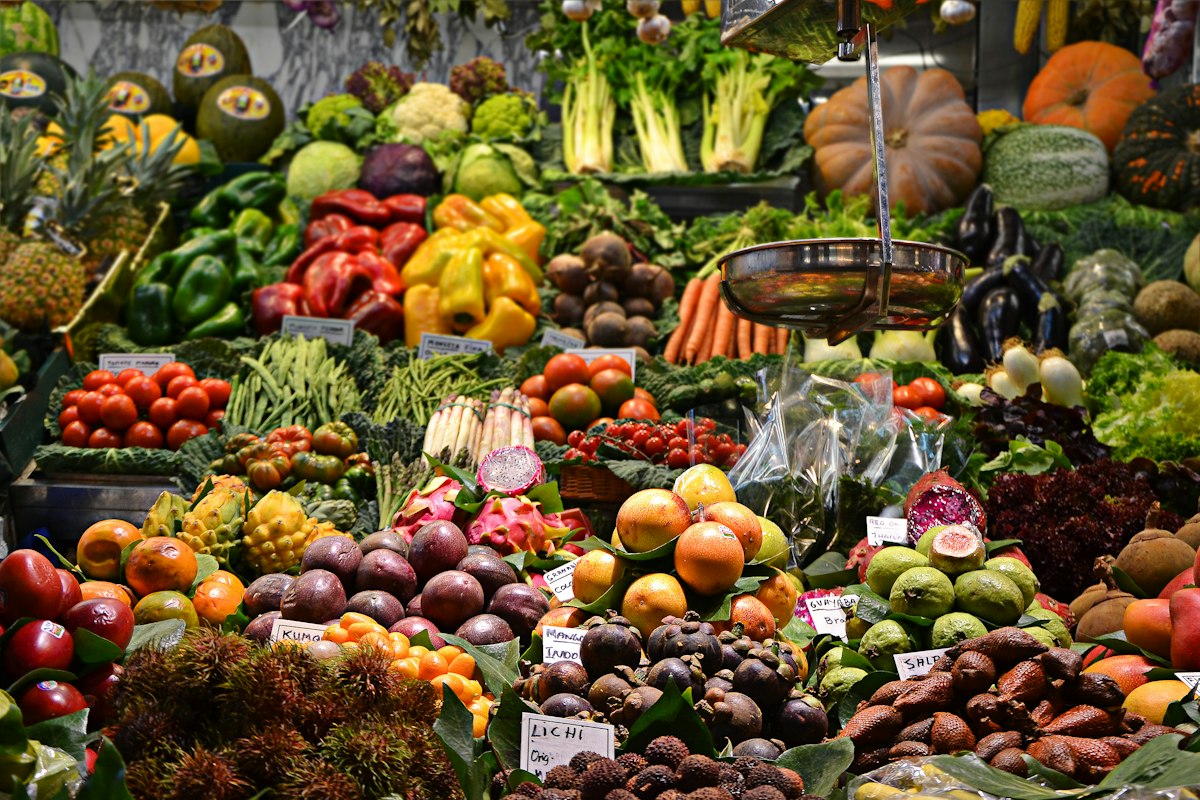
Colourful Queensland farmers market with fresh produce and local food stalls

Ready to Taste Queensland?

Cooee Tours combines world-class scenery with authentic culinary experiences. Join a guided food and scenic tour and let local experts show you the real Queensland.

Explore Queensland Tours Ask a Question

Queensland Food — Frequently Asked Questions

Queensland is most famous for Moreton Bay bugs, wild-caught tiger prawns, freshwater barramundi, Bowen mangoes, macadamia nuts, and locally produced hinterland cheeses. The state also leads Australia in beef and sugar production, and is home to some of the country's finest reef fish. Indigenous bush tucker ingredients including lemon myrtle, wattleseed, and finger limes are increasingly celebrated in Queensland's best restaurants.
Queensland mango season peaks from October through to February, with November and December being the absolute prime window. Bowen and Mareeba in North Queensland are the most renowned growing regions for the prized Kensington Pride variety. Buy from roadside stalls near Bowen for the freshest and best value — the same fruit sold to supermarkets for three times the price.
Moreton Bay bugs (Thenus orientalis) are a species of slipper lobster found only in Queensland's Moreton Bay. Only the tail meat is eaten — it's sweet, firm, and more delicate than regular lobster. They are best enjoyed split and grilled with garlic butter, served with crusty bread and a wedge of lemon. Look for them at Gambaro Seafood in Brisbane or fresh at the Newstead Fish Market.
Bush tucker refers to native Australian food ingredients used by First Nations peoples for tens of thousands of years — including lemon myrtle, wattleseed, quandong, finger limes, and bunya nuts, alongside native proteins like kangaroo, emu, and crocodile. In Queensland, outstanding bush tucker experiences include: Ochre Restaurant (Cairns) for fine dining with native ingredients including green ants; Tukka Restaurant (Brisbane) for a native degustation; Flames of the Forest (Daintree) for a candlelit rainforest dinner with Aboriginal cultural performance; and Nyanda Cultural Tours (Brisbane) for an Aboriginal-guided bush tucker morning tea walk.
Yes. Cooee Tours offers a range of guided food, wine, and scenic tours across Queensland — visits to hinterland farms, artisan cheese makers, coastal seafood restaurants, local markets, and Indigenous food experiences. Tours depart from Brisbane, the Sunshine Coast, Cairns, and the Whitsundays. See the Queensland Food & Wine Guide for detailed winery coverage.
Queensland is Australia's largest beef-producing state, and the Darling Downs region is particularly celebrated for its grain-fed wagyu and Angus cattle. Many of Australia's top steakhouses — including Brisbane's Black Hide — source exclusively from Queensland producers. The combination of climate, pasture quality, and farming traditions creates exceptional marbling and depth of flavour that regularly wins national awards.
Queensland Food Moreton Bay Bugs Bush Tucker Tropical Fruits Barramundi Indigenous Food Macadamia Hinterland Cheese Food Tours Queensland Noosa Food Festival

More from Cooee Tours

Continue planning your Queensland adventure with these related guides and tour pages.

Queensland Wine Guide

Granite Belt cellar doors, Sirromet Winery, and the best restaurants in Brisbane's 2026 dining boom.

Water Activities

Reef snorkelling, Whitsundays sailing, kayaking, and whale watching across Queensland.

Adventure Tours

Compare all Queensland adventure experiences — reef, rainforest, and Outback.

All Queensland Tours

Browse every guided Queensland experience from Cooee Tours, including food and scenic packages.

📝 The Cooee Travel Journal