
Brisbane's restaurant scene has arrived. The city that was once regarded as a stopover between Sydney and Cairns now draws food pilgrims from across Australia and increasingly from overseas — chefs who want access to extraordinary Queensland produce, proximity to the reef and the rainforest, and a dining public that has, over the past decade, developed the kind of appetite and curiosity that serious cooking requires.
The result is a restaurant landscape that offers genuine depth across every category: fine dining with river views and wine lists to match the best in the country, wood-fire programs that have put Brisbane on the national radar, neighbourhood restaurants doing quiet, brilliant things in converted terrace houses in New Farm and West End, and a pan-Asian dining culture in Sunnybank and the Valley that is among the most authentic in Australia. This guide covers the best of it — twelve restaurants reviewed in detail, five suburbs mapped, a practical booking guide, and a dinner trail through the inner city.
Best Fine Dining Restaurants in Brisbane
For celebrations, milestone dinners, or simply an occasion that deserves the full treatment — these are Brisbane's benchmark restaurants.
 Brisbane's Best
$$$$
Brisbane's Best
$$$$
Aria Brisbane
Aria Brisbane is the restaurant by which all other fine dining in Brisbane is measured. It occupies a prime position on Eagle Street Pier with unobstructed views of the Story Bridge and the river — views that would justify the trip even if the food were ordinary, which it is not. The kitchen produces contemporary Australian cuisine with rigorous technique and a genuine commitment to Queensland produce: Moreton Bay bugs, Queensland mud crab, finger lime, Davidson plum, and reef fish prepared with the kind of precision that makes them revelatory rather than familiar.
The degustation menu is the way to experience Aria properly — seven to nine courses that move with confidence from raw to cooked, light to rich, and finish with a dessert course that regularly features native ingredients in combinations that feel surprising without being gimmicky. The wine list is long, serious, and well-priced relative to the cellar depth it represents. Service is warm and professional, which is a more difficult combination than it sounds. Book two to four weeks ahead for Friday and Saturday evenings; weeknight reservations are generally available within a week.
 Best Seafood
$$$
Best Seafood
$$$
Stokehouse Q
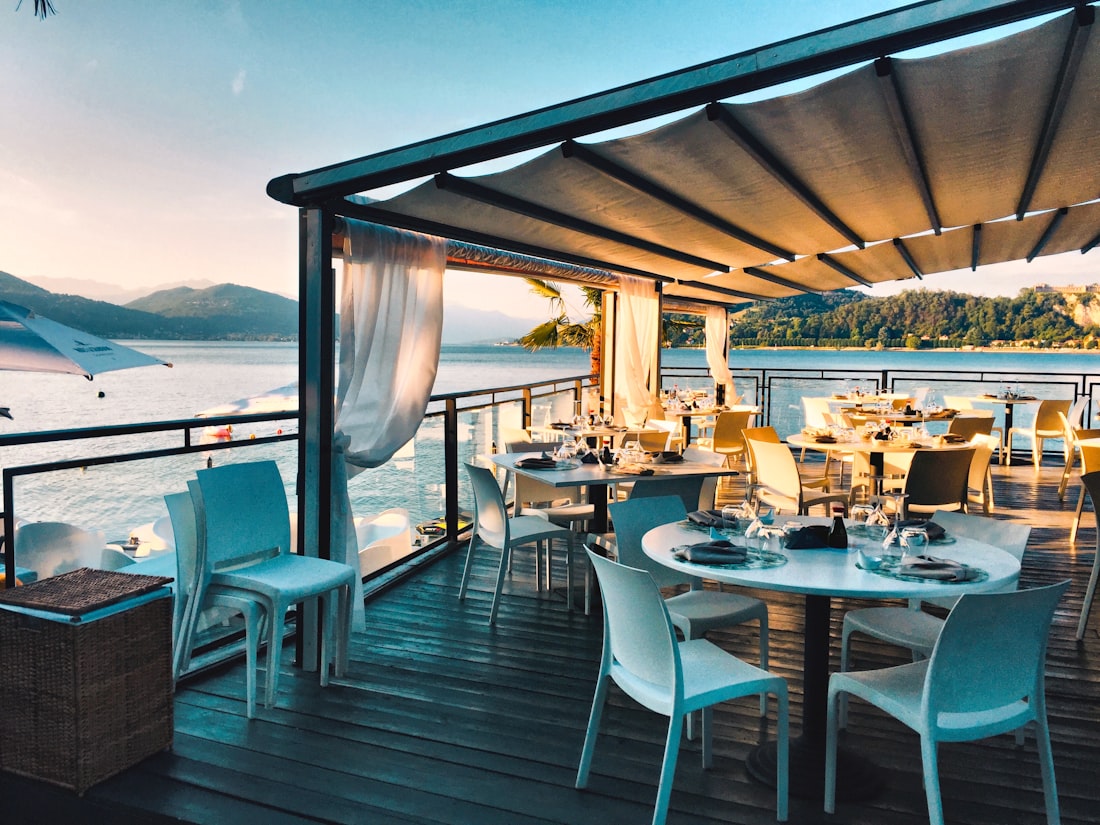
Stokehouse Q is Brisbane's finest seafood restaurant, and one of the most beautifully situated in Australia. The venue occupies the waterfront at South Bank with a long, glass-walled dining room that opens onto an outdoor terrace overlooking the river and city skyline — a setting that is especially compelling at lunch on a clear Brisbane day, when the water and sky seem to operate in collaboration.
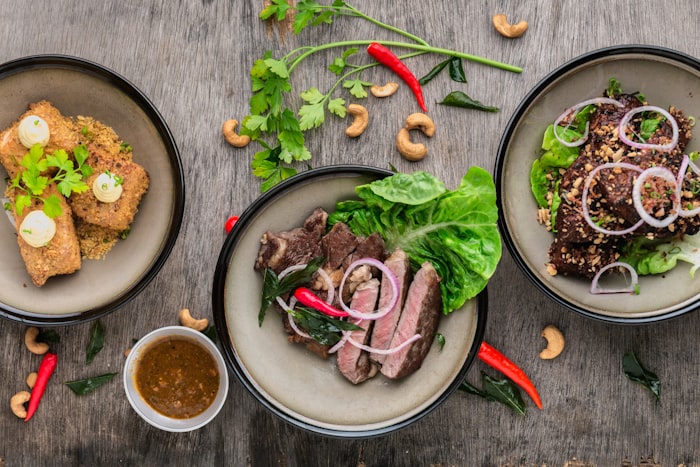
The cooking is confident and seafood-forward without being inflexible: Queensland prawns, Moreton Bay bugs, reef fish, and a raw bar that is one of the best in the city appear in preparations that respect the ingredients rather than subordinating them to technique. The charcuterie and meat sections are also genuinely good, so non-seafood diners are not compromised. The wine list has a strong Australian focus and is one of the best in South Bank. Reservations are recommended for lunch on weekends, when the terrace is at its most popular.
 Best Value Fine Dining
$$$
Best Value Fine Dining
$$$
Alchemy Restaurant & Bar
Alchemy occupies the River Quay precinct at South Bank with one of the most balanced dining propositions in Brisbane: the settings and views of a fine dining restaurant, the food quality of the best contemporary kitchens in the city, and a price point that sits meaningfully below the top tier. For a celebration dinner where the surroundings matter as much as the plate, it is frequently the right answer.
The menu draws widely from Queensland's produce — the charcuterie and share plate section is particularly strong, and the pasta dishes show technique well beyond what the room's informality might suggest. The dessert program has earned the restaurant consistent recognition, and the Sunday long lunch is a particular local institution: three courses, a bottle of wine between two, and four hours spent on a South Bank waterfront on a beautiful Queensland afternoon. Bookings recommended for all weekend sittings.
Best Modern Australian Restaurants
Brisbane's most exciting cooking is happening in these mid-range restaurants — technically accomplished, produce-driven, and genuinely original.
 National Standout
$$$
National Standout
$$$
Agnes Restaurant
Agnes is arguably the most influential restaurant to open in Brisbane in the past decade. Built entirely around a wood-fire kitchen — the fires are fed exclusively with native Australian timbers, each chosen for its flavour contribution — the restaurant has put Brisbane on the national fine dining radar in a way that few individual openings achieve. Everything that comes from the kitchen has passed through smoke or flame, and the results are extraordinary: vegetables and fruit that arrive with a complexity and depth that straightforward cooking cannot replicate, and proteins that are prepared with the kind of careful attention to fire temperature and timing that characterises the best live-fire cooking in the world.
The dining room is warm and designed to feel like you're eating close to the kitchen, which you are — the fire is central to the experience both literally and aesthetically. The wine list is a masterwork of natural and minimal-intervention Australian producers. Book four to six weeks ahead for Friday and Saturday evenings; this is one of the most in-demand restaurants in Queensland and the booking window reflects it.
Most Refined
$$$
Gauge
Gauge represents a particular kind of excellence that Brisbane has been building towards for years: quiet, technically precise, ingredient-led cooking in a room designed to make the food the undivided focus. The small-plate format is executed with genuine intelligence — dishes are sized to encourage sharing and comparison rather than isolation, and the progression of a meal at Gauge has a compositional logic that rewards attention. The kitchen gardens its own produce and works with a small group of local and regional growers whose names appear on the menu with the specificity of attribution that the quality warrants.
The wine list is short and considered, with a strength in natural and biodynamic Australian producers. Gauge is the restaurant for people who find Agnes too dramatic and Aria too formal but want serious cooking — a regular rather than a destination, which is the highest compliment Brisbane's restaurant scene can currently receive. Book a week to two weeks ahead; walk-ins are often possible on Tuesday and Wednesday evenings.
Best Neighbourhood
$$
Harveys
Harveys is the restaurant that New Farm needed and now cannot imagine being without. A neighbourhood bistro in the best sense — daily-changing menu, genuine hospitality, a natural wine list assembled with personality rather than formula, and cooking that manages to be simultaneously casual and genuinely excellent. The room is warm and unhurried; the kind of place where the table next to you is celebrating a birthday, the table on the other side has been coming every Tuesday for two years, and both groups are equally well looked after.
The menu changes with what is available and what the kitchen is interested in — on a given Tuesday evening it might be half a dozen share plates, a pasta, a piece of fish, and something involving the wood grill in the corner. Dishes arrive as they're ready rather than in a formal sequence, which creates a rhythm that suits the atmosphere. This is Brisbane neighbourhood dining at its current best. Book a week ahead for weekends; often available with shorter notice on weekdays.
Brisbane's restaurant scene peaks between April and October when the subtropical climate is at its most comfortable for outdoor dining and Queensland's produce calendar is fullest. The city's best cooking tends to concentrate in three precincts: South Bank and the river (fine dining, waterfront views), Fortitude Valley (the progressive and experimental), and the inner suburbs — New Farm, West End, and Newstead — where neighbourhood restaurants operate with the kind of quiet confidence that doesn't need a river view to justify itself.
Brisbane's Best Dining Neighbourhoods
Each of Brisbane's inner suburbs has developed a distinct dining identity. Here's how to navigate them.
Best Value & Hidden Gem Restaurants
Brisbane's best meals are not always its most expensive. These are the places locals eat without announcing it.
The Vietnamese community along Inala Avenue and the surrounding streets operates some of the most authentic and keenly-priced Vietnamese restaurants in Australia. Pho for $12–15, bánh mì assembled to order for $6–8, and dessert cafés serving che (Vietnamese sweet soup) that you cannot find with this quality elsewhere in Brisbane. The Multicultural Food Tour (see our food tours guide) visits this area — worth doing before an independent return visit when you know what to order.
Sunnybank, about 14km south of the CBD, is where Brisbane's Chinese, Korean, Taiwanese, and Japanese communities eat. The restaurant quality is extraordinarily high relative to the prices — dim sum on Sunday morning, hot pot for dinner, Korean BBQ, Japanese ramen, and Taiwanese night market snacks at a fraction of inner-city prices. The Sunnybank Hills Plaza and surrounding streets are the epicentre. A 30-minute train ride from the city and worth every minute.
Young George in Norman Park (15 minutes east of the CBD) is a consistently excellent modern Australian restaurant attached to a boutique hotel, operating with the food quality of a city-centre destination at neighbourhood prices. The lunch menu in particular — three courses plus wine at around $75pp — represents some of the best value serious cooking in Brisbane. Worth the short trip from the inner city for anyone who wants quality without the South Bank price premium.
Longtime is Brisbane's best Southeast Asian restaurant — a sharply designed Valley venue serving Thai, Vietnamese, and pan-Asian dishes with the kind of flavour precision that most restaurants in this category miss. The green papaya salad, the rice paper rolls, and the wok-fried noodle dishes are the standouts. Excellent for groups, consistently well-priced, and genuinely superior to restaurants charging twice as much for broadly similar cooking. Book for weekend evenings; walk-ins fine on weeknights.
The student precincts around QUT Gardens Point (CBD fringe) and Griffith South Bank generate a cluster of excellent value lunch options that the broader dining public overlooks. Several South Bank restaurants operate lunch specials aimed at the university community — typically $18–25 for a main — that deliver the same kitchen quality as their evening menus at a fraction of the price. Worth investigating on weekday lunchtimes as a genuine local strategy.
The Brisbane Dinner Trail
A single evening itinerary that takes in the best of Brisbane's dining geography — aperitivo, a full dinner, and a final glass somewhere worth staying for.
Begin with a drink somewhere that sets the right mood. The Gresham's basement jazz bar is ideal if you want to build anticipation quietly — an Aperol Spritz or Negroni, thirty minutes, then out. Iris Bar (Level 23, W Brisbane) makes more visual sense if you're headed to Eagle Street Pier for dinner, as you begin elevated and descend to the river rather than the reverse. Either works well as an aperitivo stop; neither requires a booking for a single drink at 6pm on a weeknight.
Choose based on occasion and preference: Aria for a formal degustation experience with the Story Bridge in the window, Stokehouse Q for a more relaxed long dinner on the South Bank waterfront with outstanding seafood. Both require advance reservations — Aria a little further ahead than Stokehouse. If neither is available, Agnes in Fortitude Valley or Alchemy at River Quay are the right alternatives. Aim for a 7:30pm reservation to catch the tail end of dusk over the river before the full night sets in.
Finish the evening at Howard Smith Wharves — a ten-minute walk or rideshare from Eagle Street Pier or South Bank depending on where you've dined. Mr. Percival's for a cocktail under the bridge at the river's edge; FELONS for a final beer in a more casual atmosphere. The precinct stays active until around midnight, and the walk back along the Riverwalk to the CBD is one of the better night-time strolls in Brisbane — well-lit, beside the river, with the Story Bridge and city in the distance.
For milestone celebrations, contact the restaurant directly rather than booking online — most fine dining venues in Brisbane will note the occasion, arrange a preferred table, and often add a small complimentary course or dessert for birthdays and anniversaries. Calling ahead also allows you to arrange a specific wine to be opened before you arrive, or a dietary accommodation that the online system cannot handle. The personal touch makes a significant difference at the level of Aria and Stokehouse Q.
Before You Dine: What You Need to Know
Brisbane Dining Essentials
Book ahead for fine dining. Aria, Stokehouse Q, and Agnes require reservations weeks to months in advance for Friday and Saturday evenings. Set reminders when booking windows open — Agnes in particular releases tables on a rolling 4–6 week schedule that fills within hours. Weeknight reservations are usually available within a week at all three.
Best dining season. April through October is Brisbane's finest dining season — the subtropical humidity drops, outdoor terrace dining becomes genuinely comfortable, and the produce calendar is at its most varied. Summer (December–February) is manageable but warm; indoor air-conditioned venues are preferable for formal dinners in these months.
Dress codes. Brisbane's fine dining venues are notably relaxed about formal dress — smart casual (neat trousers or dress, clean shoes) is the workable standard at Aria and Stokehouse Q. Neighbourhood restaurants from New Farm to West End have no dress requirements. The only Brisbane restaurants with enforced formal requirements are a small number of private dining rooms in CBD hotels.
Dietary requirements. Brisbane's better restaurants handle vegetarian, vegan, gluten-free, and other requirements with genuine skill rather than as an afterthought — particularly Agnes (the vegetable menu is outstanding) and Gauge. Note requirements at booking and the kitchen will prepare alternatives that match the quality of the main menu rather than a reduced version of it.
BYO and corkage. Some Brisbane neighbourhood restaurants are BYO-friendly (particularly in New Farm and West End), typically charging $5–10 corkage per bottle. Call ahead to confirm — licensed restaurants that also permit BYO are a genuine opportunity to bring a bottle from a cellar or purchase something at a bottle shop before dinner at a significant saving over restaurant wine list pricing.
Walk-in strategy. Several of Brisbane's best restaurants hold bar seats for walk-ins — Agnes, Gauge, and Harveys all offer bar dining without reservations. Arriving at 6pm or after 8:30pm avoids peak sitting times and increases the chance of walk-in success. Wednesday and Thursday evenings are the most accessible without bookings at most mid-range restaurants.
Most Brisbane restaurants book through OpenTable, Dimmi (now TheFork), or their own website booking systems. Agnes uses a bespoke system on their own website. Aria and Stokehouse Q book directly via their websites. For same-day or next-day availability, calling the restaurant directly is more reliable than any online platform — a phone call also allows you to mention the occasion, which online forms rarely communicate effectively to the kitchen.
Frequently Asked Questions

Emma has been writing about food and restaurants in Brisbane for ten years and is a contributing reviewer for several Australian food publications. She eats at Agnes every six weeks whether she needs to or not, considers Stokehouse Q's Sunday lunch the best three hours in Brisbane, and believes the Vietnamese strip in Inala is the city's most underrated dining secret. Her work also appears in the Cooee Travel Journal's café and free things-to-do guides.
More articles by Emma →