
Melbourne is Australia's undisputed food and coffee capital — a city where world-class dining hides behind unmarked laneway doors, baristas are regarded with the reverence of artists, and communities from over 140 nations have built one of the most extraordinarily diverse food cultures on Earth. The labyrinth of laneways threading through the CBD is the city's defining feature: graffiti-washed corridors that open into tiny hole-in-the-wall espresso bars, candlelit cocktail dens, hatted restaurants and shifting gallery walls. Underneath the laneways, above them, behind them — Melbourne rewards the curious at every turn. This is your complete guide for 2026.
Melbourne's Essential Laneways
Melbourne's laneway network is the city's living nervous system — a grid of narrow passages that runs between and beneath the main streets of the CBD. They house everything from the world's most Instagrammed street art to the quietest six-seat cocktail bar in Australia. The best approach: turn off the main road at random, follow your instincts, and discover the city the way locals do.
🎨 Hosier Lane — Street Art Capital
Street ArtPhotographyFreeMelbourne's most famous laneway, running directly off Flinders Street opposite Federation Square. The walls — and ceiling — are a constantly evolving outdoor gallery, repainted continuously by local and international artists with commissioned murals, political art, stencils and paste-ups. No two visits look the same. Best visited in early morning light before the crowds arrive. Rutledge Lane nearby extends the art trail, and Union Lane further north is quieter and equally extraordinary. The street art scene is actively managed by the City of Melbourne — an artist in residence program keeps the walls fresh year-round.
☕ Degraves Street — Cafe Lane
CoffeeCafesBrunchThe archetypal Melbourne cafe lane. Al fresco tables crowd the narrow bluestone corridor between Flinders Street and Flinders Lane, espresso machines hiss throughout the morning, and the aroma of freshly ground coffee drifts past boutiques and breakfast spots. This is where Melbourne's Italian-descended cafe culture feels most alive and most European. Onigiri Kitchen has recently opened a Degraves location for Japanese comfort food alongside the classic espresso bars. Start any laneway tour here.
🍸 Centre Place — Hidden Bar HQ
Hidden BarsBoutiquesStreet ArtConnecting Flinders Lane to Collins Street, Centre Place bristles with independent cafes, boutiques and constantly evolving small bar openings. Mörk Chocolate — Melbourne's celebrated drinking chocolate specialist — anchors Centre Place with its dramatic dark interior and exceptional hot chocolates served alongside Patricia Coffee. The laneway branches into unexpected passages that hide some of Melbourne's most intimate cocktail experiences.
🍕 Hardware Lane — Al Fresco Dining
ItalianDiningJazzA warmly sociable dining lane lined with Italian trattorias, wine bars and broad al fresco tables. The new Hotel Nacional on Hardware Lane is a five-storey food destination with a rooftop gluten-free Mexican restaurant, cocktail bar and city views. Maker Fine Coffee occupies the coveted corner of Hardware Lane and Little Bourke Street with sleek interiors and exceptional beans. After dark, live jazz provides an atmospheric soundtrack that draws a distinctly Melbourne late-night crowd.
🍽️ Flinders Lane — Fine Dining Strip
Fine DiningGalleriesWineMelbourne's most prestigious dining address runs along the southern edge of the CBD grid. Hatted restaurants, contemporary art galleries, natural wine bars and chef-driven tasting menus define the strip. Tonka in nearby Duckboard Place brings Indian-inspired modern cooking to an airy, design-forward laneway space. The stretch between Swanston and Russell contains some of Australia's most acclaimed dining rooms operating behind deceptively modest entrances.
🎸 ACDC Lane & Healey's Lane
Rock HeritageKoreanMusicACDC Lane honours Australia's greatest rock export with murals of Bon Scott and the band across its walls — a short detour that captures Melbourne's deep love of live music. Healey's Lane, known affectionately as "Kimchi Street," is now the de facto home of Korean food in the CBD, with Korean fried chicken, hotteok pancakes and bibimbap spilling out of tiny shop fronts. Waratah Place nearby brings Thai street food from the Yaowarat Bangkok tradition, open until midnight daily.
Melbourne Coffee Culture
Melbourne helped pioneer specialty coffee globally, transforming it from a commodity into a craft. The city's coffee obsession dates to Italian and Greek migrants of the 1950s who arrived with espresso culture in their DNA — and today Melbourne is a world reference point for single-origin pour-over, cold drip, batch brew and perfectly extracted espresso. The flat white was popularised here. So was the piccolo. So was the practice of asking where the beans came from.
Flat white (espresso, textured milk, no froth), piccolo (double ristretto, small milk), long black (double espresso, hot water — never an Americano), magic (double ristretto in a 5oz cup). Specifying milk type is expected. Asking for a decaf is no longer embarrassing. Asking for a large is.
Patricia Coffee Brewers
Little William Street institution. Meticulously prepared espresso and filter — pure quality with zero fuss and no seating, by design. The definitive laneway coffee experience.
ST. ALi, South Melbourne
Iconic warehouse-style cafe and pioneering specialty roaster since 2005. Bold blends, exceptional cold brew and a brunch menu that matches the coffee's ambition.
Proud Mary, Collingwood
Collingwood institution pushing specialty coffee's frontiers. Direct-trade single-origins, experimental brewing methods and a menu equal to the coffee.
Little Rogue
Hidden laneway gem with a cult following for delicate, Japanese-inflected drinks and perfectly calibrated espresso. Matcha lattes and pour-overs as good as any in the city.
Seven Seeds & Traveller
Seven Seeds in Carlton is a coffee pilgrimage site — exceptional beans, relaxed warehouse setting, outstanding filter bar. Traveller in Crossley Street is its inner-city sibling.
Axil Coffee Roasters
Multiple CBD locations including Flinders Gate. Excellent beans roasted in-house, stellar viennoiseries and one of Melbourne's more welcoming specialty coffee environments.
Multicultural Food Neighbourhoods
What distinguishes Melbourne's food scene is its decentralisation. The best dining is rarely in the most obvious place. The city's food geography follows its immigrant communities — and the result is a ring of extraordinary neighbourhood food cultures radiating out from the CBD.
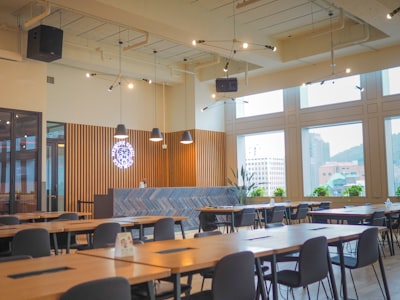 Richmond
Victoria Street — Little Saigon
Melbourne's Vietnamese heartland. Pho houses, banh mi bakeries and bánh xèo crispy pancake shops run the length of Victoria Street. Cheap, extraordinary and deeply local.
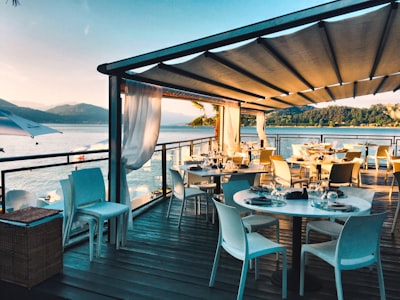 Carlton
Lygon Street — Little Italy
Melbourne's "Little Italy" and the city's original cafe culture hub. Traditional trattorias, gelaterias and espresso bars at their most authentic. Home of the flat white's Italian ancestors.
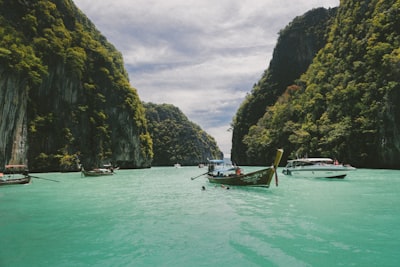 Chinatown
Little Bourke Street — Longest Chinatown
The longest continuous Chinese settlement in the Western world (1850s). Flower Drum for Cantonese fine dining, ShanDong Mama for dumplings, and Healey's Lane for Korean.
 Fitzroy/Collingwood
Smith Street & Gertrude Street
The inner-north's creative dining heartland. Wine bars, Ethiopian eateries, natural wine lists, Vietnamese bakeries and chef-driven small plates. Less polished, more adventurous.
 Footscray
Footscray — The Melting Pot
Melbourne's most genuinely multicultural dining destination. Ethiopian injera restaurants, Vietnamese grocers, Sri Lankan curry houses and African music playing through open doors at lunch.
 St Kilda
Acland Street & Fitzroy Street
Beachside dining from brunch to late-night bars. Acland Street's European cake shops, Luna Park backdrop and the Sunday Esplanade Market make it Melbourne's most eclectic coastal dining strip.
Markets & Food Halls
Queen Victoria Market
Melbourne's iconic open-air market has operated since 1878 — over 600 traders selling fresh produce, artisan cheeses, deli goods, seafood and global street food across two city blocks. Saturday morning is the quintessential Melbourne experience. The seasonal Night Market runs Wednesday evenings (November to March) with food trucks, live music and bars. The Market also hosts a Winter Night Market with mulled wine and warming cuisine from September through October.
South Melbourne Market
A more intimate local alternative open Wednesday, Friday, Saturday and Sunday. Famous for the South Melbourne dim sim — a larger, meatier local adaptation of Chinese dim sum that is uniquely Melburnian, sold steamed or deep-fried, and a genuine Melbourne food icon. Excellent gourmet delis, fresh seafood, specialty coffee roasters and a beloved cheese section.
Prahran Market & Neighbourhood Markets
Prahran Market (open Tuesday, Thursday, Friday, Saturday and Sunday) is South Yarra's upscale food destination — exceptional butchers, fishmongers, providores and organic grocers. The Red Hill Community Market (Mornington Peninsula, first Saturday of the month) and the Collingwood Children's Farm Market (Abbotsford, second and fourth Saturday) are beloved producers' markets that draw serious food lovers from across the city.
Fine Dining & Hatted Restaurants
Melbourne's fine dining scene is among Australia's strongest and its diversity is unmatched. Attica in Ripponlea — regularly ranked among the world's 50 best restaurants — delivers a tasting menu celebrating native Australian ingredients through chef Ben Shewry's deeply personal lens. Flower Drum on Market Lane has been Melbourne's grand dame of Cantonese fine dining for over four decades. Tipo 00 serves handmade pasta that draws nightly queues. Vue de Monde offers modern Australian cuisine from the 55th floor of the Rialto Tower with sweeping city panoramas. Supernormal on Flinders Lane combines Asian street food influences with Melbourne creativity in one of the CBD's most buzzing dining rooms.
Booking essentials: Attica, Flower Drum and Vue de Monde require bookings weeks — sometimes months — in advance. Tipo 00 takes walk-ins but queues form quickly. Most hatted restaurants maintain weekend wait lists, so contact them directly if online availability shows nothing.
Hidden Bars & Melbourne After Dark
Melbourne practically invented the hidden bar concept. Behind unmarked doors, down basement staircases and up narrow corridors above laneway restaurants, the city's most intimate bars reward the curious. No sign, no neon, no velvet rope — just the right door if you know where to look.
Brunch Culture & All-Day Cafes
Melbourne invented Australian brunch. Smashed avocado on sourdough was born here (the city considers it a historical achievement). Ricotta hotcakes, eggs Benedict variations on every second menu, seasonal fruit bowls, bircher muesli and beautifully calibrated coffee — the all-day Melbourne cafe is a social institution as much as a dining venue. The best are in neighbourhood streets rather than tourist zones: Fitzroy's Smith and Gertrude Streets, Collingwood's Johnston Street, South Yarra's Toorak Road, and the laneways of the CBD itself.
Melbourne Food Events 2026
Melbourne Food & Wine Festival
Victoria's flagship culinary celebration runs throughout March. The 2026 program includes masterclasses, the World's Longest Lunch (celebrating Melbourne's new wave of Greek restaurants), pop-up restaurants, long-table dinners and regional food events across Victoria.
Queen Victoria Market Summer Night Market
Wednesday evenings through the summer season. Food trucks, live music, bars and the full Queen Vic experience after dark — one of Melbourne's most loved free community events.
Winter Truffle Menus
As truffle season peaks across the Yarra Valley, Mornington Peninsula and Macedon Ranges, Melbourne's best restaurants rotate in special truffle menus — shaved truffle, truffle risotto, truffle butter matched with cool-climate Victorian wines.
Melbourne International Coffee Expo (MICE)
The Southern Hemisphere's largest specialty coffee trade show brings the world's leading roasters, equipment makers and baristas to the Melbourne Convention Centre. Open to trade and increasingly to public coffee enthusiasts.
Getting Around Melbourne's Food Scene
The Free Tram Zone covers the entire CBD — unlimited, free travel on any tram within the central city. The heritage City Circle Tram (Route 35) loops past major CBD landmarks and is an ideal scenic introduction. Walking remains the best way to experience the laneways, which cluster between Flinders Street, Spring Street, La Trobe Street and Spencer Street in a compact grid you can walk end-to-end in 20 minutes. Guided laneway walking tours (typically 2–3 hours) combine curated food tastings, street art commentary and neighbourhood history with a local guide who knows the hidden doors.
Explore Melbourne's Food Scene with Cooee Tours
Melbourne's laneways, coffee culture and multicultural dining scene rewards exploration with a local who knows the unmarked doors, the best flat whites and the laneway shortcuts between them. Our Melbourne food experiences combine walking tours with tastings, Queen Victoria Market visits and cultural commentary — revealing the stories behind Australia's most celebrated eating and drinking city.