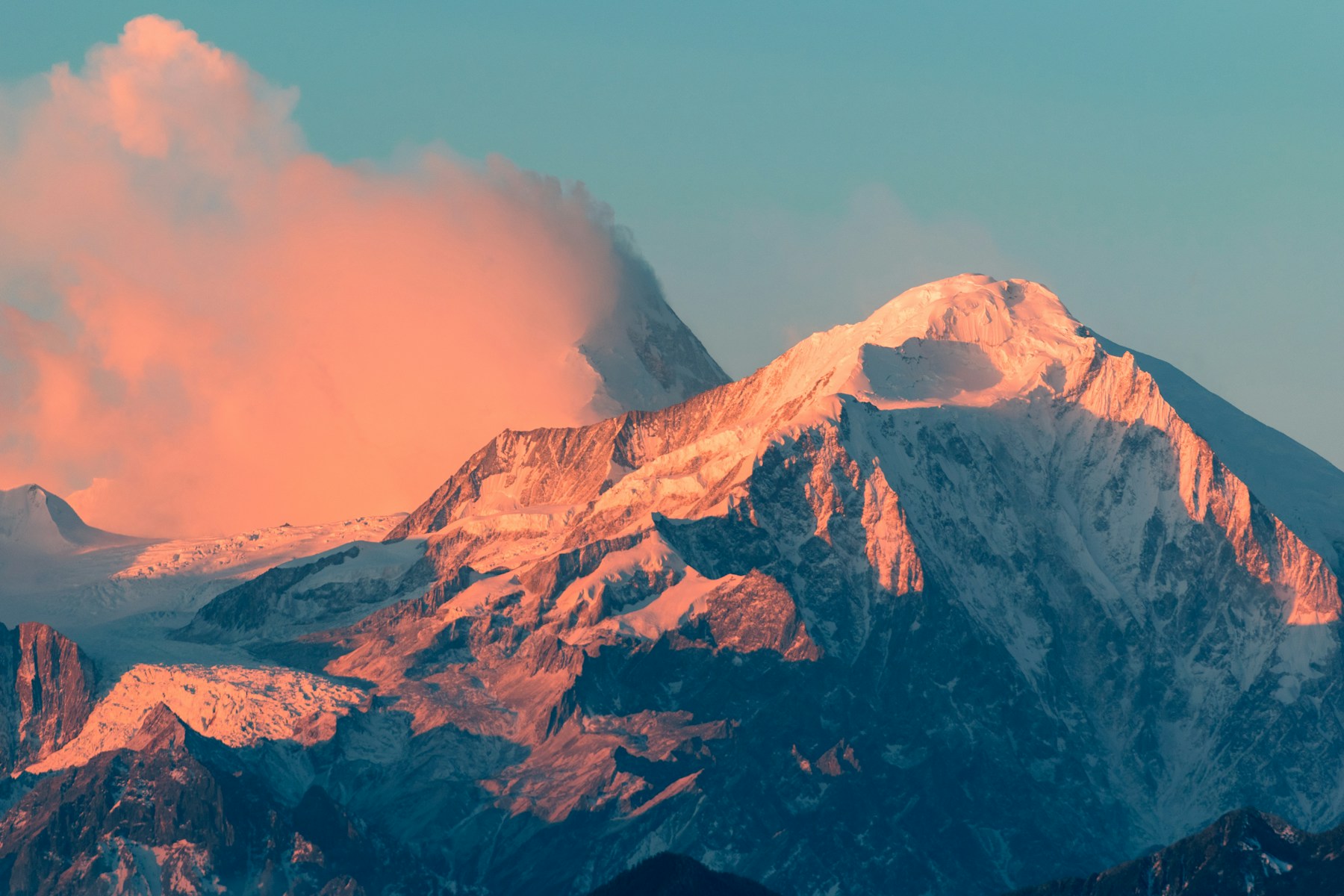
Australia's Last Great Wilderness
The Kimberley covers 423,000 square kilometres of northwestern Western Australia — an area three times the size of England that receives fewer visitors than a single Sydney weekend. It is not merely remote. It is the kind of remote that rewires something in your sense of scale.
The landscape is among the oldest exposed geology on Earth. The rocks in the Carr Boyd Ranges near Kununurra are 1.8 billion years old. The gorges were carved by rivers that have been running the same courses for millions of years, interrupted only by the wet season floods that turn the waterfalls to white thunder and close every unsealed road in the region for six months.
The Kimberley stretches from Broome on the Indian Ocean coast to Kununurra near the Northern Territory border. Between them: the Gibb River Road, the Bungle Bungles, Mitchell Falls, Horizontal Falls, Lake Argyle, and some 40,000 years of Aboriginal cultural heritage — rock art painted on limestone shelters, renewed by the same communities whose ancestors first created it, still living in country that has been home to continuous human culture longer than anywhere else on Earth.
This page is the regional guide. The four town guides — Broome, Derby, the Gibb River Road, and Kununurra — cover each area in full detail. This page covers the defining Kimberley experiences that span the whole region, along with practical planning information for the trip as a whole.
What Makes This Region Different from Everything Else
The Kimberley's Essential Experiences
The eight experiences that define what the Kimberley is. Each one is covered in detail in the relevant town or route guide.
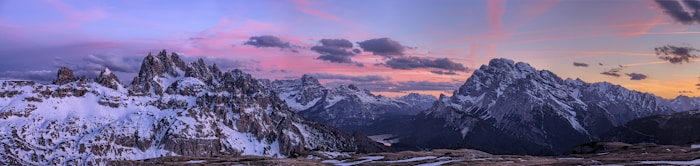
Australia's most famous 4WD track. Six hundred and sixty kilometres of corrugated red dirt connecting Derby to Kununurra through the heart of the Kimberley — with access to Bell Gorge, Manning Gorge, Windjana, Tunnel Creek, Barnett River, and El Questro along the way. The drive is not the point. The places it takes you to are.
- Bell Gorge — most beautiful swimming hole on the Gibb (Day 3–4)
- Manning Gorge — best overnight experience on the route
- El Questro Wilderness Park — Emma Gorge and thermal springs (final 2 nights)
- Guided 8-day expedition from Derby to Kununurra — max 10 guests — all-inclusive
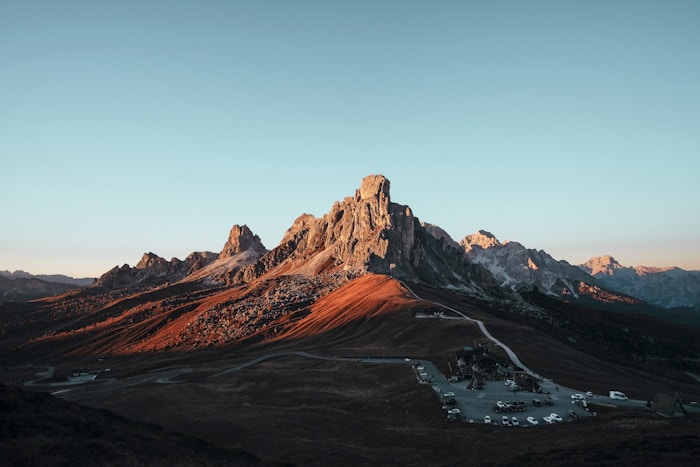
The Bungle Bungle Range in Purnululu National Park is the Kimberley's most recognizable natural wonder — orange and black striped sandstone domes rising from the savannah, sacred to the Kitja people for 20,000 years and unknown to the wider world until 1983. Cathedral Gorge (natural amphitheatre, 3km return walk) and Echidna Chasm (narrow slot gorge, sunlit at midday) are the two defining walks.
- Cathedral Gorge walk: 3km return · Easy · Natural amphitheatre with remarkable acoustics
- Echidna Chasm: 2km return · Moderate · Best at 11am–1pm when light descends
- Scenic flight day tour: aerial + ground walk in one day without 4WD requirement
- Park open April 1 – December 1 (seasonal, check WA Parks before visiting)
Massive tidal movements push enormous volumes of seawater through two narrow coastal gorges in Talbot Bay, creating horizontal waterfall effects of extraordinary force. David Attenborough described them as "one of the greatest natural wonders of the world." Accessible only by seaplane or boat — tours depart from Broome or Derby daily in dry season.
- Seaplane flights over the Buccaneer Archipelago — extraordinary aerial perspective
- Boat viewing of the tidal forces — the noise and speed are felt as much as heard
- Barramundi lunch on floating pontoon at Talbot Bay
- Tours from Derby are typically shorter and cheaper than Broome departures
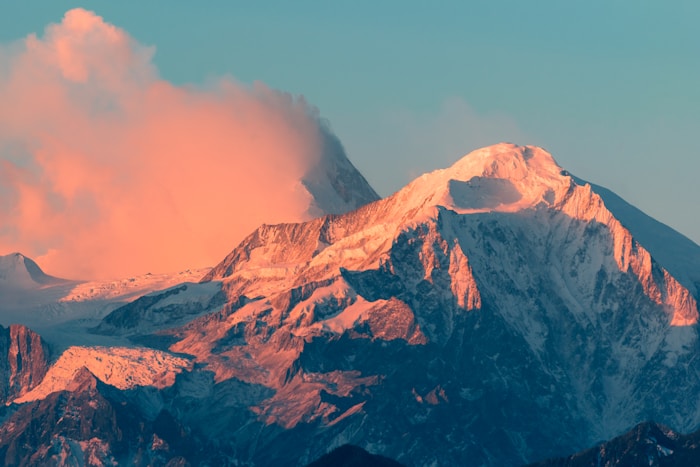
Four tiers of waterfall cascading over ancient sandstone layers in the remote Mitchell River National Park. Known as Punamii-Uunpuu to the traditional Wunambal owners, the falls are surrounded by some of the finest Gwion Gwion (Bradshaw) rock art on Earth. The 8.6km return walk passes Little Mertens Falls, swimming holes above the cascade, and art sites rarely seen by visitors.
- 8.6km return walk · Moderate–difficult · Budget 4–6 hours for the full experience
- Scenic flight from Kununurra or Broome — land at the plateau airstrip
- Gwion Gwion rock art en route — some of the oldest and most intricate in the Kimberley
- Self-drive via Gibb River Road + Kalumburu Road — experienced 4WDers only
Australia's largest freshwater lake by volume, created by the Ord River Dam in 1972. Nine times the volume of Sydney Harbour, 740 square kilometres of surface area, and a thriving ecosystem of 30,000+ freshwater crocodiles and 270+ bird species. The sunset from the lake surface — light turning the Durack Range from ochre to deep violet — is the most celebrated experience in the East Kimberley.
- Sunset cruise: ~3 hours · Multiple operators · Book ahead Jul–Aug
- Morning cruise: better for birdlife and croc sightings
- Infinity pool at Lake Argyle Resort — open to cruise visitors
- Scenic flights over the lake available from Kununurra Airport
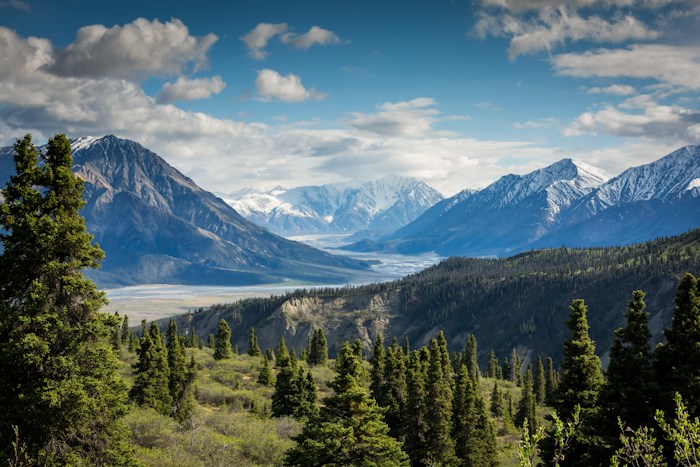
The Kimberley contains one of the world's greatest concentrations of rock art. Two distinct traditions: the Wandjina — large spirit beings with halo-like headdresses, created by Worora, Ngarinyin, and Wunambal peoples, still renewed by those communities today — and the Gwion Gwion (Bradshaw figures) — delicate human forms painted over 20,000 years ago that represent some of the oldest narrative art on Earth.
- Mitchell Falls walk passes extraordinary Gwion Gwion sites en route
- Tunnel Creek and Windjana Gorge area: sites with cultural interpretation
- Mowanjum Art Centre (Derby): living Wandjina tradition — purchase direct from artists
- Waringarri Aboriginal Arts (Kununurra): East Kimberley tradition — Miriwoong people
A million-acre former cattle station transformed into one of Australia's most extraordinary private wilderness destinations. Emma Gorge — a 1.6km walk to a towering waterfall and thermally heated plunge pool — is the centrepiece. Zebedee Springs, where warm thermal water bubbles from a cliff face into Livistona palm-ringed pools, is the finest hot spring experience in the Kimberley. Chamberlain Gorge boat cruise rounds out an extraordinary two-night stay.
- Emma Gorge walk: 1.6km return · Moderate · Thermal waterfall plunge pool
- Zebedee Springs: short walk · Thermal pools · Must arrive early — closes at 10am
- Chamberlain Gorge boat cruise: ~1 hour · Gorge wall reflections · Freshwater crocs
- Accommodation from bush camping to luxury homestead — book months ahead
The Kimberley's most remote and spectacular attractions are accessible only by boat or air. King George Falls — twin 80-metre waterfalls dropping directly into a tidal gorge — and Montgomery Reef — a 400km² coral reef that appears to rise from the sea as the tide recedes — are the coastal highlights. Multi-day expedition cruises run Broome to Wyndham (or vice versa) during April–September.
- King George Falls: twin 80m waterfalls · Only accessible by expedition cruise or charter flight
- Montgomery Reef: 400km² reef visible only at very low tides · Extraordinary wildlife
- Horizontal Falls: accessible by seaplane day tour from Broome or Derby
- Expedition cruises: Broome to Wyndham · 7–14 nights · Book 12+ months ahead
"I've been guiding the Kimberley for eleven years and I still can't fully explain what it does to people. Something about standing in Bell Gorge — cold water, ancient rock, complete silence except for the water — recalibrates your sense of what the world is. Every guest describes it differently. None of them are wrong."
— Sarah McKenzie, WA Specialist, Cooee Tours · 11 years guiding the Kimberley
The Kimberley's Two Seasons
The Kimberley has the most strictly seasonal tourism in Australia. Understand this before you book anything.
- Gibb River Road open — all gorges accessible
- Purnululu (Bungle Bungles) open April 1
- Waterfalls flowing May–July, diminishing Aug–Oct
- Comfortable temperatures (25–32°C days)
- All tour operators running full schedules
- Peak season July–August — book 3–6 months ahead
- Gibb River Road completely closed — flooding
- Purnululu access road closed December 1
- Waterfalls at full spectacular power
- Extreme heat (35–45°C), very high humidity
- Horizontal Falls flights still operating
- Broome beach accessible; no gorges
Practical Guide for the Kimberley
Western Gateway: Fly Perth–Broome (~2.5hrs), then drive 220km to Derby to start the Gibb River Road. Eastern Gateway: Fly Perth–Kununurra (~2.5hrs) or Darwin–Kununurra (~1.5hrs) for the East Kimberley and Bungle Bungles. Most guided tours fly guests into Broome and out from Kununurra (or vice versa) as a fly-drive circuit.
For the Gibb River Road and Purnululu: high-clearance 4WD is non-negotiable. Two spare tyres, recovery gear, satellite communicator, and fuel for 500km range. Hire vehicles available in Broome and Kununurra — book months ahead in peak season. For Broome town, Derby town, and Kununurra: any hire car is fine.
Minimum to see the Kimberley: 7–10 days for either the Gibb River Road or the East Kimberley (Kununurra + Bungle Bungles). To do both: 14–21 days. Our Kimberley Signature Experience (10 days, Broome to Kununurra) covers the Gibb River Road gorges, El Questro, and Lake Argyle in a single well-paced departure.
The Kimberley is not a budget destination. Fuel is expensive, station access fees add up, and remoteness means everything costs more. Self-drive budget: $400–$700/day per couple (fuel, stations, food). Guided small-group tours: from $490/day per person (all-inclusive). Luxury options at El Questro Homestead: $1,500+/night per person.
Crocodiles: Saltwater crocs in all tidal and coastal water — never swim in unmarked locations. Freshwater crocs in gorge pools — generally safe but do not disturb. Heat: Carry 5L water per person per day minimum. Remote rescue: Register a trip plan with DFES WA. Satellite communicator essential on the Gibb.
The Kimberley is home to some of the world's oldest continuing cultures. Never touch rock art — skin oils damage pigment irreparably. Book Indigenous-guided tours where possible. Ask permission before photographing community members or entering communities. The Mowanjum Festival (Derby, July) and Kununurra's Waringarri Arts Centre are both excellent cultural engagement points.