📅 When to Camp — Seasonal Overview
K'gari (Fraser Island) — Queensland
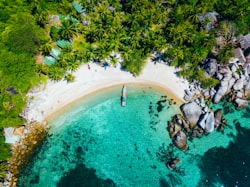
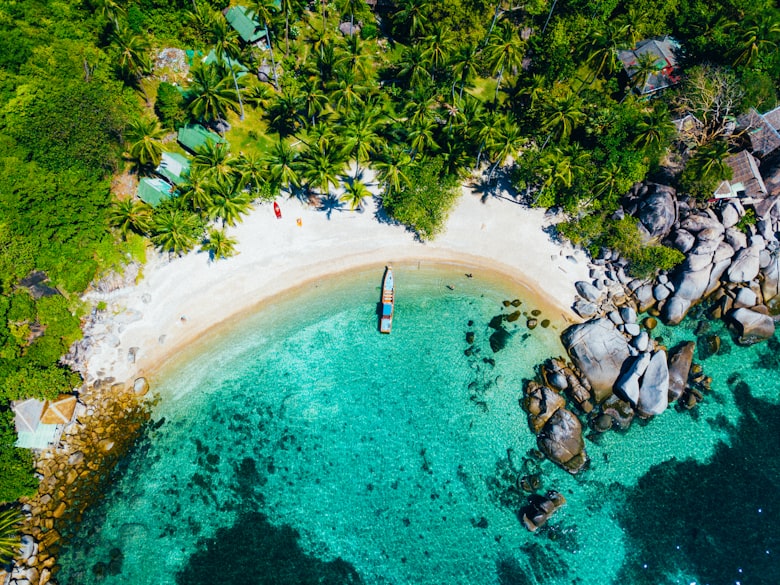
The world's largest sand island is a UNESCO World Heritage site with crystal-clear freshwater lakes, towering sand dunes, rainforest growing directly on sand, and pristine beach camping. Multi-day trips combine beach driving, swimming at Lake McKenzie and Eli Creek, and wildlife spotting — including the island's famous dingo population.
You need a 4WD vehicle and a camping/vehicle access permit from Queensland Parks. Beach campsites are basic but the setting is extraordinary — falling asleep to waves on a deserted beach is hard to beat anywhere in the world.
Blue Mountains — New South Wales
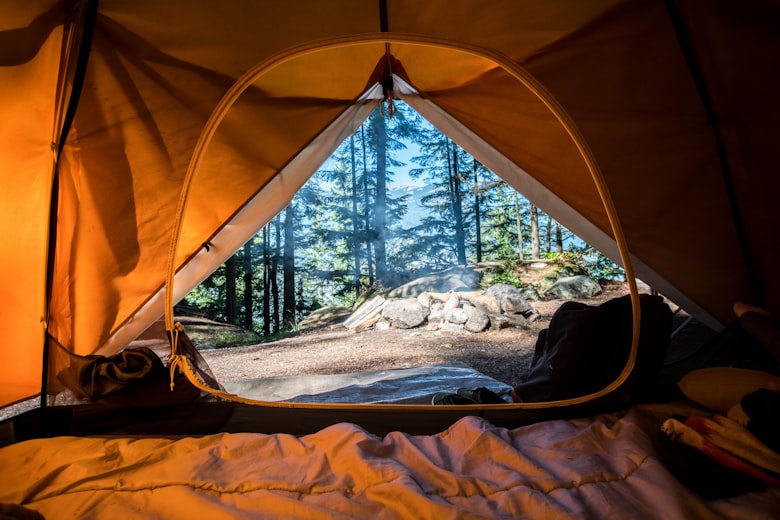
Just two hours from Sydney, the Blue Mountains deliver dramatic sandstone cliffs, eucalyptus forests with their distinctive blue haze, and hidden waterfalls accessible only on foot. Campgrounds range from drive-up sites at Euroka to walk-in bush camps along the Six Foot Track.
Nights get cold year-round at altitude — bring warm layers even in summer. The combination of accessibility from Sydney and genuine wilderness makes the Blue Mountains one of the most practical camping destinations in the country for first-timers.

Grampians National Park — Victoria
Victoria's Grampians combine sandstone ranges, Aboriginal rock art, abundant wildlife, and some of the darkest skies in southeastern Australia. Hike to the Pinnacle or Boroka Lookout during the day, then camp beneath a canopy of stars. The park is also one of Australia's premier rock climbing destinations.
Campgrounds range from established sites at Halls Gap to walk-in only bush camps. Wildlife is remarkably visible — kangaroos, emus, and echidnas are common around camp at dawn and dusk.
Wilsons Promontory — Victoria
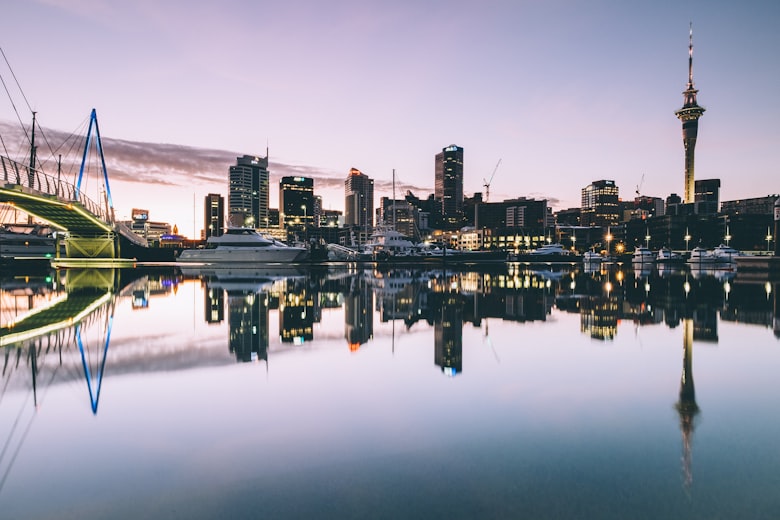
"The Prom" is Victoria's most beloved national park — rugged coastline, pristine white-sand beaches, granite headlands, and wildlife that's completely unafraid of campers. Tidal River is the main campground with excellent facilities, while multi-day hikers can access remote coastal camps at Sealers Cove and Waterloo Bay.
The park is ideal for families. Short trails to Squeaky Beach and Lilly Pilly Gully work for all ages, and wombats regularly wander through the campground at dusk — an experience children remember for years.
Kakadu National Park — Northern Territory
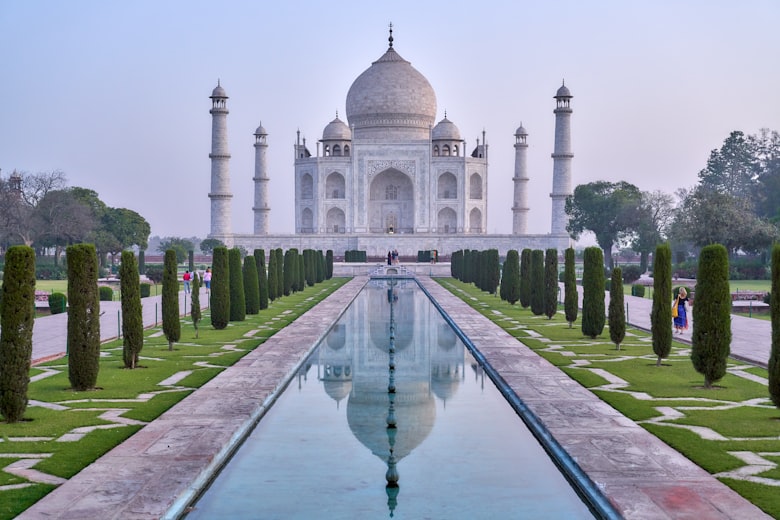
Kakadu is vast, ancient, and culturally profound — a dual World Heritage site recognised for both natural and cultural significance. The sandstone escarpment, floodplains, and rock art galleries at Ubirr and Nourlangie are among the most impressive in the world. Camping here puts you inside a landscape that has been inhabited for over 65,000 years.
Dry season only for most visitors — the wet season floods many roads and campgrounds. Camp near waterholes like Gunlom or Maguk for the best combination of scenery and swimming access, and take time to learn about the Bininj and Mungguy peoples whose Country this is.
Byron Bay & Northern Rivers — New South Wales
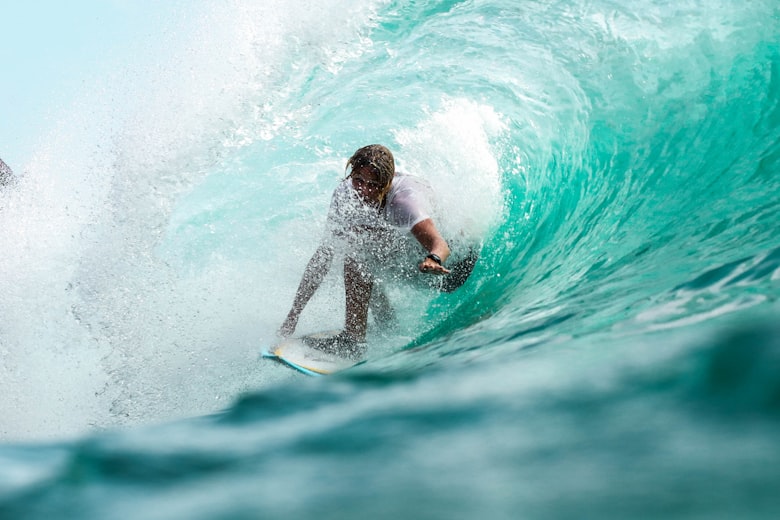
Byron Bay combines camping with surfing, coastal walks, and a relaxed creative culture. The main attraction is the coastline — long beaches, headland trails, and Australia's most easterly point lighthouse. Campgrounds range from beachside caravan parks to quieter bush camps inland in the Northern Rivers hinterland.
The area works year-round thanks to its subtropical climate, though summer gets busy and expensive. Autumn and spring offer warm water, fewer crowds, and better surf consistency.
Tasmanian Wilderness — Tasmania
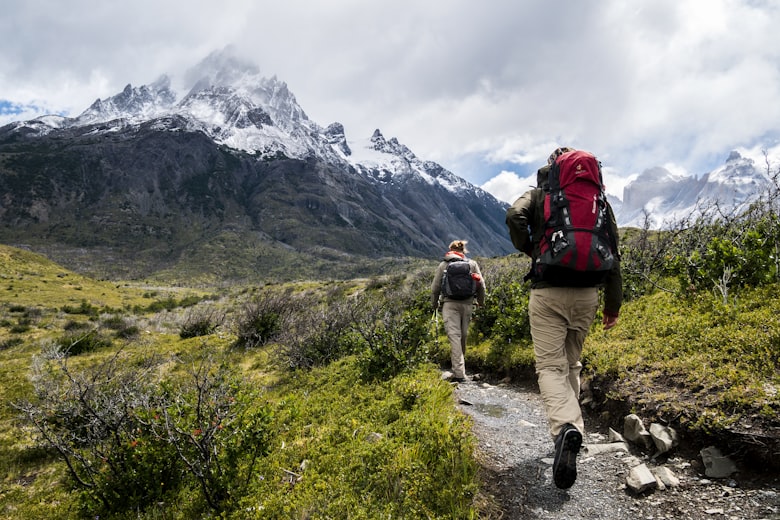
Tasmania's wilderness areas are among the most pristine in the Southern Hemisphere. The Overland Track through Cradle Mountain–Lake St Clair is Australia's premier multi-day hike, with campgrounds and huts along the route. For something more remote, the South Coast Track and Western Arthur Range offer genuine wilderness isolation.
Weather is unpredictable and temperatures drop sharply at altitude. Even in summer, pack for four seasons in one day. The effort is rewarded with ancient temperate rainforest, glacial lakes, and landscapes that feel completely untouched by the twenty-first century.
Karijini National Park — Western Australia
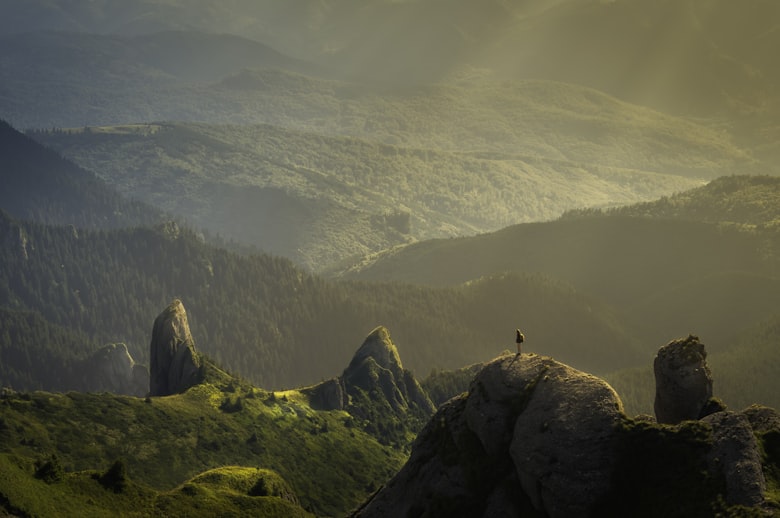
Karijini is one of Australia's most visually striking parks — deep, narrow gorges cut through two-billion-year-old banded iron formations, with waterfalls dropping into emerald pools. The geological scale is genuinely overwhelming. Camping at Dales Gorge or the eco-retreat puts you within walking distance of the main gorge systems.
The park is remote — about 14 hours' drive from Perth or accessible by fly-in to Newman. That remoteness is part of the appeal. Night skies are extraordinary, and the gorge swimming is some of the best in the country.
North Queensland Rainforest — Queensland
North Queensland is the only place on earth where two World Heritage sites — the Daintree Rainforest and the Great Barrier Reef — sit side by side. Camp in the rainforest and take reef day trips from Cairns, Port Douglas, or Mission Beach. The combination is genuinely unique and available nowhere else on the planet.
The wet season (November–March) brings heavy rain, road closures, and stinger season in the ocean. The dry season delivers warm, stable weather, clear seas, and the best conditions for both camping and reef access.
Coorong National Park — South Australia
The Coorong stretches 130km along the South Australian coast — a network of lagoons, sand dunes, and ocean beach that's one of Australia's most important bird habitats. It's quiet, wild, and uncrowded. Camping here is about stillness: kayaking through mirror-calm lagoons, watching pelicans and migratory waders, and walking deserted beaches.
Bush camping is basic — no facilities at most sites — so bring everything you need, including water. That self-sufficiency is part of the appeal for experienced campers who prefer solitude over convenience. The Coorong is one of Australia's least-visited remarkable places.
🎒 Essential Camping Gear for Australia
This list covers core essentials — adjust for climate, duration, and how remote your destination is. The outback and alpine extremes require additional preparation beyond this baseline.
- Quality tent (freestanding for sandy sites)
- Sleeping bag rated for overnight lows
- Sleeping mat / pad for insulation
- Camp stove + fuel + cooking gear
- Water containers (2L/person/day min.)
- First aid kit + personal medications
- SPF 50+ sunscreen + broad-brim hat
- Insect repellent (DEET for QLD/NT)
- Headlamp + spare batteries
- Map / GPS — don't rely solely on phone
- Layered clothing inc. warm mid-layer
- PLB / satellite communicator (remote)
Pair Your Camping Trip with a Cooee Day Tour
Base yourself at a Queensland campground, then join a Cooee Tours day trip to the reef, rainforest, or hinterland. Small groups, expert local guides, and no camping logistics to worry about for the day.
❓ Frequently Asked Questions
Do I need a permit for camping in Australian national parks?
When is the best time to camp in Australia?
What essential gear should I bring for camping in Australia?
Is it safe to camp in the Australian bush?
Can I camp near the Great Barrier Reef?
⛺ Start Planning Your Camp
The best camping trips start with honest research — pick the right season, book permits early, pack for the actual conditions (not the ones you're hoping for), and leave your campsite cleaner than you found it. Australia's camping landscape is vast and varied enough that there's something for every experience level, from drive-up beach sites to multi-day alpine traverses. Pick one destination, commit to it, and go.
For more adventure travel planning, see our Australian Adventure Guide, Best Travel Apps for Australia, and Responsible Travel Guide.