Travel after dark — increasingly called noctourism — is one of the fastest-growing trends in global travel. Across Australia, certified dark-sky reserves are drawing visitors who swap daytime checklists for slow, immersive evenings under unspoiled skies: guided constellation walks, astrophotography workshops, river-boat star cruises, and Indigenous star-story nights that connect ancient knowledge with the cosmos above. With noctourism growing 25% in 2024 and 2026 marking a solar maximum, this guide explains why the moment is now, where to find Australia's best stargazing, and how to plan your own dark-sky escape.
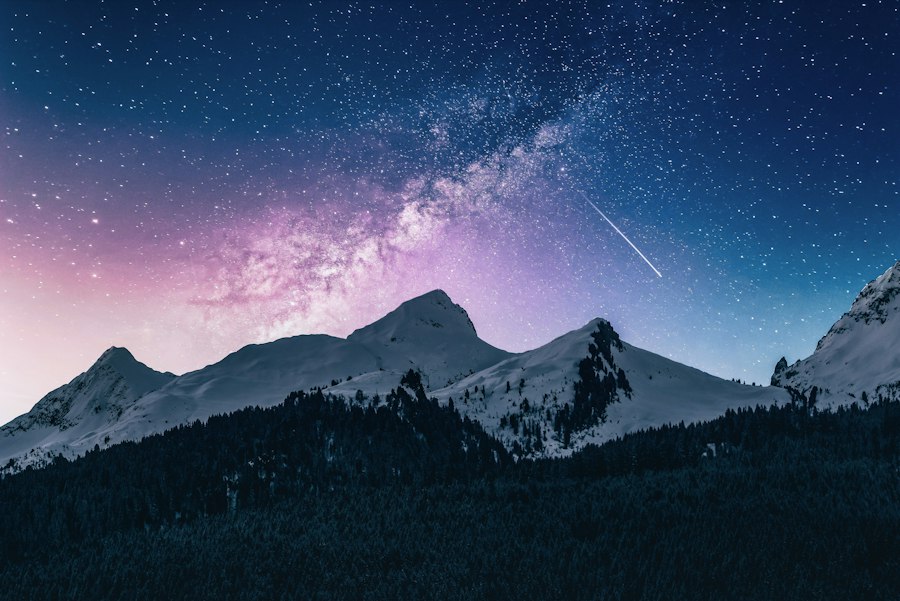
The Rise of Noctourism
TrendFor most of human history, the night sky was a shared spectacle — a map for navigation, a canvas for mythology, and a nightly reminder of scale. Today, more than 80% of the world's population lives under light-polluted skies, and a third of humanity can no longer see the Milky Way at all. That loss has sparked a counter-movement: people are actively seeking out the darkness.
Noctourism goes beyond simply looking up. It encompasses guided constellation walks led by astronomers, multi-night astrophotography workshops, river-boat cruises that drift into the darkest reaches of a reserve, and evening cultural experiences that connect the sky with landscape and story. The appeal is part adventure, part mindfulness — a radical slowing-down in an era of constant stimulation.
A Booking.com survey found 62% of respondents across 33 countries were considering holidays featuring night-based experiences. Luxury tour operator Wayfairer Travel reports nocturnal excursions grew 25% in 2024, and the market is anticipated to double by 2035. In Australia, the trend aligns with the country's natural advantages: vast, sparsely populated inland regions with some of the darkest skies on Earth, and a growing number of internationally certified dark-sky reserves.

Why It's Surging in 2026
InsightSeveral forces are converging to make 2026 a landmark year for dark-sky tourism across Australia and globally.
Solar maximum makes 2026 special
The sun follows an 11-year activity cycle, and 2026 is near the peak — solar maximum. This means enhanced aurora australis activity visible from Tasmania and parts of South Australia, more visible planetary detail, and greater Eta Aquarid meteor fireworks in May. Astrophotographers and casual stargazers alike will find more drama in 2026 skies than in most years.
Escape from light pollution
Urban light pollution has grown by an estimated 10% per year over the last decade. For city-dwellers, seeing thousands of stars — let alone the galactic core of the Milky Way — now requires a deliberate journey. That scarcity creates value: a clear, dark sky has become a genuine luxury experience that can't be replicated at home.
Conservation alignment
Dark-sky management goes hand-in-hand with broader environmental goals. Better lighting policies protect nocturnal wildlife — insects, birds, sea turtles, marsupials — and reduce energy waste. Travellers who already care about sustainability are drawn to destinations that demonstrate this kind of holistic stewardship.
New infrastructure and investment
The River Murray Dark Sky Reserve is set to expand with a new planetarium and observatory — a development that will make the region accessible even when cloud cover interrupts outdoor viewing. New app-guided self-tour trails, upgraded visitor centres, and dedicated stargazing platforms are making dark-sky regions more accessible than ever.
Accessible remoteness
Some of Australia's darkest skies are within a few hours' drive of major cities — the River Murray reserve is roughly 90 minutes from Adelaide, and Warrumbungle National Park is a comfortable day's drive from Sydney. This makes dark-sky trips viable as long-weekend escapes, not just bucket-list expeditions.
Where to Experience Dark Skies in Australia
DestinationsAustralia now has several internationally certified dark-sky places, each offering different landscapes, access levels, and cultural context. Here are three of the best.
River Murray International Dark Sky Reserve
Australia's first internationally recognised Dark Sky Reserve stretches along the Murray River through a landscape of limestone cliffs, open farmland, and quiet riverside towns. The combination of water and sky creates extraordinary reflection photography opportunities, and the region's accessibility makes it the easiest entry point for first-time stargazers. A new planetarium and observatory are planned, further expanding the experience.
River Murray Dark Sky Tours runs clifftop astronomy sessions with telescopes, river cruises timed to new-moon darkness, and sunset-dinner-to-stargazing packages. The reserve covers over 3,200 square kilometres and draws visitors from 18 countries.
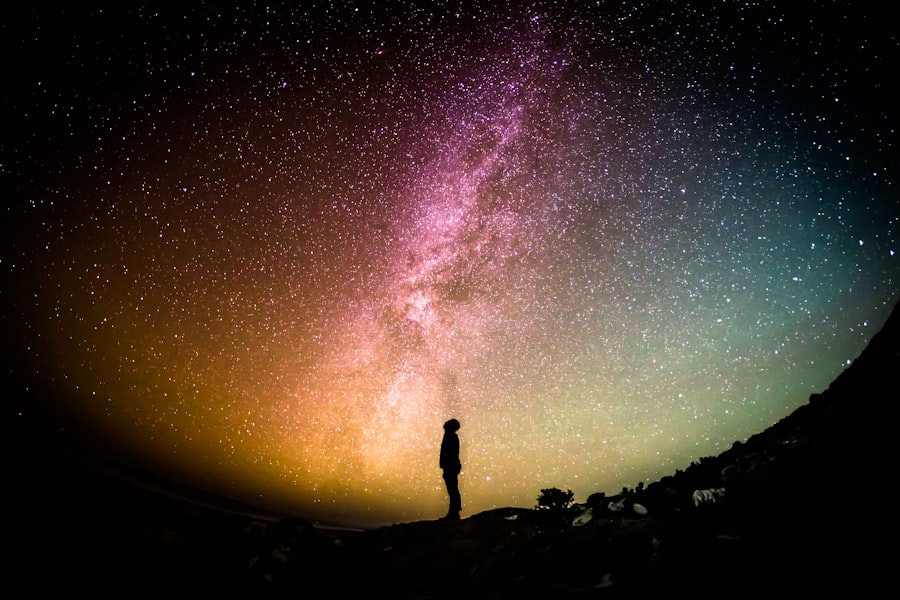
Arkaroola Wilderness Sanctuary
Arkaroola is an International Dark Sky Sanctuary set in some of the most ancient and rugged geology on the planet — the northern Flinders Ranges, where 1.6-billion-year-old rock formations meet skies of extraordinary clarity. The sanctuary runs guided astronomy sessions from its on-site observatory, "Under the Stars" campfire evenings, and the famous Ridgetop Tour — a 4WD journey along knife-edge ridges. This is the destination for serious astrophotographers who want a genuinely immersive outback-and-sky experience.
Warrumbungle National Park
Australia's first designated Dark Sky Park, the Warrumbungles are famous for their dramatic volcanic rock formations. The park sits near Coonabarabran, known as the "Astronomy Capital of Australia" and home to the nearby Siding Spring Observatory, which houses Australia's largest optical telescope (the 3.9m Anglo-Australian Telescope). NSW National Parks runs regular "Explore the Dark Sky" guided programs, and local operators offer small-group stargazing sessions and observatory visits.
Indigenous Astronomy & Star Stories
CultureAboriginal and Torres Strait Islander peoples have been reading the sky for at least 65,000 years — making Indigenous Australian astronomy the oldest continuous astronomical tradition on Earth. Where Western astronomy sees constellations formed by connecting bright stars, many Indigenous traditions also read the dark spaces between them — the "dark constellations" like the Emu in the Sky, formed by dark dust lanes of the Milky Way, which tracks seasonal changes and signals when to harvest emu eggs.
A growing number of dark-sky destinations now offer Indigenous star-story experiences led by Aboriginal guides. In Western Australia, First Nations tour guides like Rennee Turner of Wooramulla Eco Cultural Journeys share creation stories from the Yinggarda people under regional skies — experiences that have seen 500% booking increases following the 2023 eclipse. These aren't just cultural add-ons; they're the most powerful and distinctive experiences available in Australian astro-tourism.
Where available, prioritise these tours. They support Indigenous-led cultural tourism, offer a perspective on the sky that exists nowhere else in the world, and transform stargazing from a visual spectacle into a deeply human, place-based experience.
Practical Tips for Stargazers
PlanYou don't need expensive equipment or deep astronomical knowledge to enjoy a dark-sky trip — but a few preparations make the experience significantly better.
- Time it right: Check a lunar calendar and aim for new-moon periods. Apps like Stellarium or PhotoPills show moon phase, Milky Way position, and — in 2026's solar maximum — aurora probability for any location and date.
- Bring binoculars and a tripod: Binoculars reveal star clusters, nebulae, and Jupiter's moons invisible to the naked eye. A tripod is essential for astrophotography — even a smartphone can capture impressive night-sky shots with the right settings.
- Dress warmer than you think: Remote, clear-sky areas lose heat rapidly after sunset. Desert and inland locations can drop 15–20°C from day to night. Layer up, bring gloves, and consider a thermos.
- Use red light only: White torchlight ruins night vision for up to 30 minutes. Use a red-filtered headlamp or cover your torch with red cellophane. Most guided sessions require this.
- Stay multiple nights: Weather is unpredictable. Booking two or three nights dramatically increases your chances of a clear sky — and gives time for daytime activities in between.
- Plan for remoteness: Many dark-sky sites have limited mobile coverage, fuel stops, and services. Fill up beforehand, download offline maps (Google Maps offline, Maps.me), pack food and water, and tell someone your plans.