The most common question from international visitors planning a trip to Australia: "How much will it actually cost?" The honest answer is that Australia is mid-to-upper range globally — more expensive than Southeast Asia, roughly comparable to the UK or Canada. But the cost is manageable on most budgets, and some of the finest experiences here are completely free. Here's how to plan realistically.

Realistic Daily Budgets (Per Person, AUD)
These are honest daily estimates for 2026, including accommodation, food, local transport, and some activities. International flights are not included — they're a separate one-off cost covered below.
| Category | Backpacker | Mid-Range | Comfortable |
|---|---|---|---|
| Accommodation | $30–50 | $100–160 | $200–350 |
| Food & drink | $25–40 | $50–80 | $80–150 |
| Local transport | $10–20 | $20–40 | $40–80 |
| Activities & tours | $10–20 | $30–60 | $60–120+ |
| Daily total | $80–130 | $200–340 | $380–700+ |
Budget by City — What to Expect
Costs vary meaningfully between cities. Sydney and Melbourne are the most expensive; regional Queensland and the Cairns corridor offer the best value for the quality of experience on offer.
Gold Coast
Best-value beach destination in Australia. Free surf beaches, affordable accommodation at Surfers Paradise and Broadbeach, supermarket-friendly. Day tours to the hinterland from $99.
Cairns
Gateway to the reef and rainforest. Accommodation is affordable, reef trips are the big spend ($150–250). The Esplanade lagoon, botanic gardens, and night markets are free.
Brisbane
South Bank, the Gallery of Modern Art, and City Botanic Gardens are free. Good hostel scene. Base for day trips to the Sunshine Coast, Gold Coast, and hinterland.
Sydney & Melbourne
Priciest cities in Australia. Stay 20–30 min from CBD by public transport to save 40–60% on accommodation. Coastal walks, markets, and galleries are all free.
Saving on Flights
International flights are usually the single biggest expense of an Australian trip — and also where the biggest savings are available if you're strategic.
Accommodation Strategies
Accommodation is your second-biggest ongoing cost. The range is enormous — from $25 hostel dorms to $500+ hotel suites. Your choices here determine your daily budget more than almost anything else.
Eating Well Without Blowing Your Budget
Australia's food scene is genuinely excellent — but restaurant dining adds up fast. A sit-down dinner for two with drinks can easily reach $120–180. The good news: you can eat extremely well for much less.
Self-catering is the biggest saver
Australian supermarkets (Coles, Woolworths, Aldi) are affordable and well-stocked. Breakfast and lunch prepared from a supermarket costs a fraction of eating out every meal. Many accommodations have kitchens — use them for at least one meal per day and save restaurant dining for the experiences you genuinely want.
Where to eat cheaply and brilliantly
Asian restaurants and food courts offer the best value dining in every Australian city — generous, fresh portions for $12–18. Pub bistros serve hearty meals for $18–28. Bakeries are excellent for cheap, filling breakfasts (bacon and egg roll: $7–10). Weekend farmers' markets in most towns offer extraordinary fresh food at accessible prices. Avoid tourist-strip restaurants — you're paying for the postcode, not the food.
Free BBQ culture — a genuine budget superpower
Australia has free public BBQ facilities in parks, beaches, and picnic areas right across the country. Buy meat, vegetables, and bread from a supermarket and cook a proper, sociable meal for under $10 per person. This isn't a budget compromise — it's a deeply Australian cultural experience that locals genuinely love.
Getting Around Australia
Australia is vast — and underestimating distances is the single most common budgeting mistake international visitors make. Sydney to Melbourne is 900 km. Sydney to Cairns is nearly 2,400 km — the equivalent of London to Istanbul. Building realistic transport costs into your budget from the start is essential.
Free and Low-Cost Experiences
Some of Australia's very best experiences cost absolutely nothing. This is not a platitude — the country's natural landscape and open public spaces are the primary attraction, and most of it is freely accessible to everyone.
- All public beaches (no beach charges, ever)
- National park bushwalks (most QLD parks: free entry)
- Coastal headland walks
- City botanic gardens
- State museums & galleries
- Weekend farmers' markets
- Free public BBQ areas
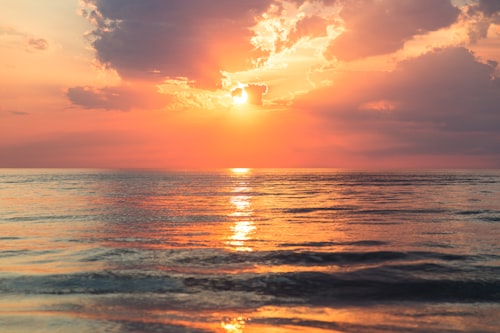
- Sunrise & sunset viewpoints
- Street art precincts (Melbourne, Brisbane)
- Swimming holes & waterfalls
- Kangaroos, kookaburras & cockatoos
- South Bank Brisbane Lagoon
- Cairns Esplanade Lagoon
- Sydney Coastal Walk (Bondi to Coogee)
Timing Your Trip for Maximum Value
When you visit has a larger impact on cost than most travellers realise. The difference between peak and shoulder season can be 30–50% on accommodation alone, with meaningful differences in flight prices too.
Sample 10-Day Budget: Mid-Range East Coast
A realistic 10-day trip for a couple on a mid-range budget, flying into Sydney and out of Cairns — the classic east coast circuit:
| Expense | Cost (per person) | Notes |
|---|---|---|
| International return flights (from London/LA) | $1,200–1,800 | Shoulder season; open-jaw routing |
| Domestic flights (SYD→OOL, OOL→CNS) | $200–350 | Booked 6–8 weeks ahead |
| Accommodation (10 nights × ~$75 pp sharing) | $750 | Mix of 3-star hotels & apartments |
| Food & drink (10 days × $60 pp) | $600 | Mix of self-catering & eating out |
| Local transport & transfers | $200 | Public transport + 1 airport transfer |
| Activities & tours (reef + 2 × day tours) | $450–650 | Great Barrier Reef trip + Cooee day tours |
| Travel insurance | $80–120 | Essential — don't skip this |
| Estimated total per person | $3,480–4,470 | Mid-range east coast, 10 days |
Where Guided Day Tours Fit Into a Budget Trip
One of the most common budget travel mistakes is trying to do everything independently to save money — and ending up spending more on car hire, fuel, entry fees, and missed turns than a tour would have cost. Guided day tours make genuine economic sense for specific experiences.
When a tour is actually cheaper than self-driving
A Cooee Tours day trip from the Gold Coast to Springbrook or Tamborine Mountain costs from $99 per person — all transport included. The same trip self-driven requires car hire ($60–80), fuel (~$30), parking ($15–20), and the stress of navigating unfamiliar mountain roads. For solo travellers or couples, the tour is frequently the same cost or less, with a local guide's knowledge added for free.
Experiences that genuinely require a guide
The Great Barrier Reef requires a boat. The Daintree Rainforest is most safely explored with an Indigenous guide who knows its ecology. Whale watching, sea kayaking, and multi-day hikes in remote national parks require specialist operators for safety and access. Budget well for these — they're the experiences that define an Australian trip and are worth every dollar.
Frequently Asked Questions
Roughly $80–130 AUD for backpackers, $200–340 AUD for mid-range, and $380–700+ AUD for comfortable travel. These are per-person estimates including accommodation, food, transport, and some activities. Costs are higher in Sydney and Melbourne than in regional Queensland or the Gold Coast.
Shoulder seasons — February to April and September to November — offer the best combination of lower prices and good weather. Avoid December–January and Australian school holidays when prices peak and availability drops. For Queensland specifically, the shoulder months around the dry season (April and October–November) are ideal.
More expensive than Southeast Asia, broadly comparable to the UK or Canada. The biggest costs are international flights and internal transport given Australia's vast size. Day-to-day expenses are manageable on a mid-range budget, and many of the country's finest experiences — all beaches, most national parks, coastal walks, public gardens — are genuinely free.
Set Google Flights price alerts 2–4 months before travel. Be flexible on dates (±3 days makes a significant difference). Fly shoulder season (Feb–Apr, Sep–Nov). Consider open-jaw routing — fly into Sydney, out of Cairns. Use Jetstar or Bonza for domestic connections, but book domestic at least 6 weeks ahead to avoid last-minute price spikes.
Beaches (all public, no charges), national park walks (most Queensland parks: free entry), coastal headland trails, botanic gardens, the Bondi to Coogee walk in Sydney, South Bank and GOMA in Brisbane, the Cairns Esplanade lagoon, street art precincts in Melbourne and Brisbane, wildlife spotting, swimming holes, and weekend markets. Some of the country's best experiences cost absolutely nothing.
The Bottom Line
Australia is worth the investment — and it doesn't have to break the bank. The key is being realistic about costs, strategic about timing and transport, and knowing that many of the country's finest experiences are free or low-cost. Budget carefully for your big fixed expenses — international flights, internal transport, and the must-do experiences that genuinely require a guide or boat. The rest — beaches, national parks, coastal walks, sunsets, wildlife — Australia gives you for nothing.
A well-planned mid-range 10-day trip from Europe or North America can be achieved for around AUD $3,500–4,500 per person all-in. That's not a budget trip by Southeast Asia standards, but it's exceptional value for a destination of this scale, quality, and uniqueness. Start planning, and browse Cooee Tours for the guided experiences that make the difference.