Start with the access details that matter to you
“Accessible” can mean different things on different websites. Make a short list of your actual requirements: step-free access, doorway width, bathroom layout, a shower seat, space beside the bed, limited walking distances, hearing support or a quieter environment. Share the relevant details with accommodation and tour providers before booking. A written confirmation is more useful than a general badge. This guide offers planning questions rather than certifying individual venues.
Choose a manageable base
A central Adelaide stay can reduce daily transfers, but check the route from the entrance to your room and the surrounding footpaths. In regional areas, a convenient parking space and a nearby meal option may matter more than proximity to a headline attraction. Avoid changing accommodation every night if packing, transfers or equipment setup require extra time. A two- or three-night base gives room to adjust the day when energy, weather or transport availability changes.
Accommodation questions
Ask for current photographs or a floor plan where that helps you judge suitability. Confirm steps at the entrance, lift access, bed height, bathroom turning space, shower arrangement and whether equipment is fixed or available only on request. Check that the specific room type is reserved, not simply a preference added to the booking. If travelling with a support person, discuss adjoining or nearby rooms. Include parking and the route from the vehicle to the reception area in the conversation.
South Australia in pictures
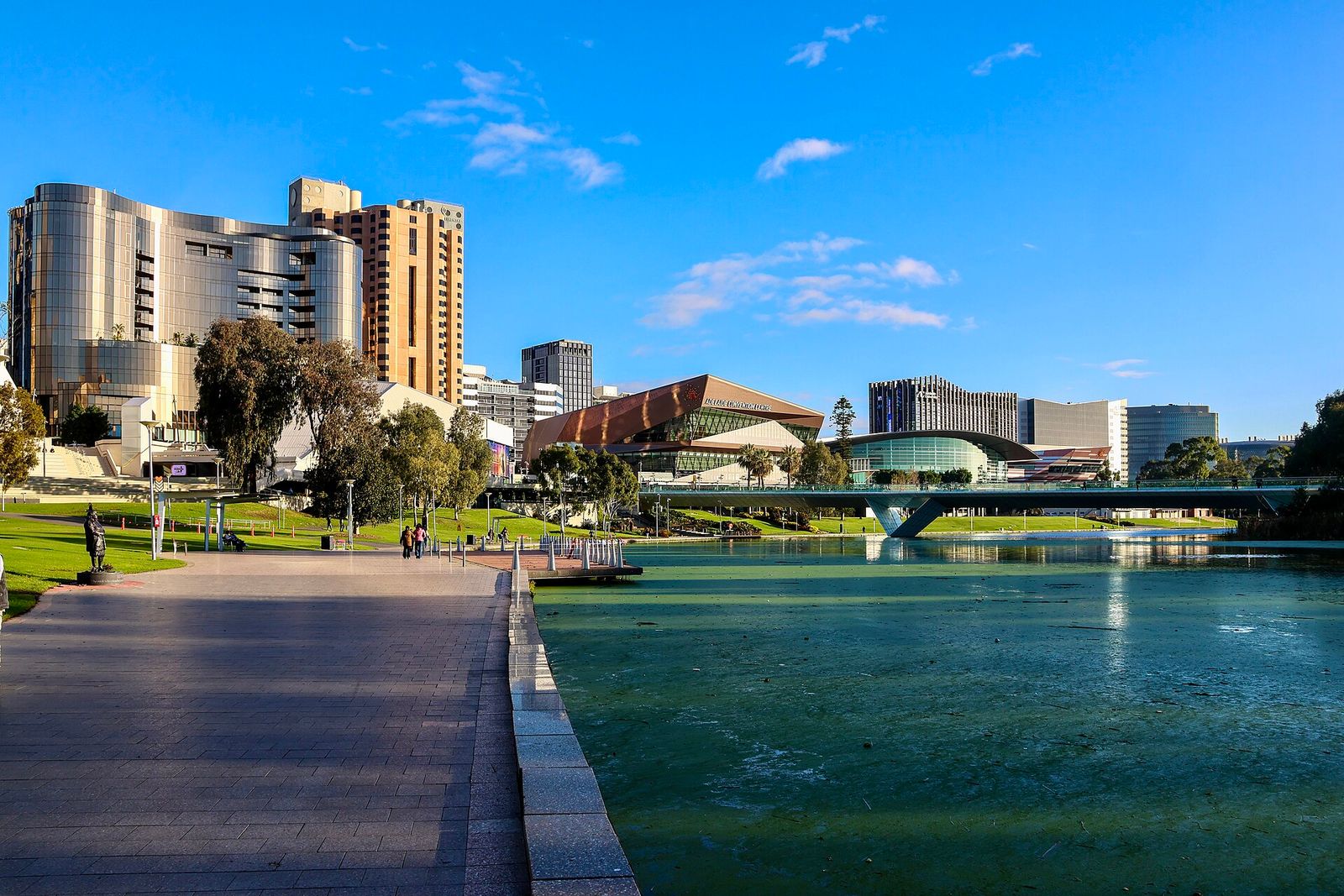
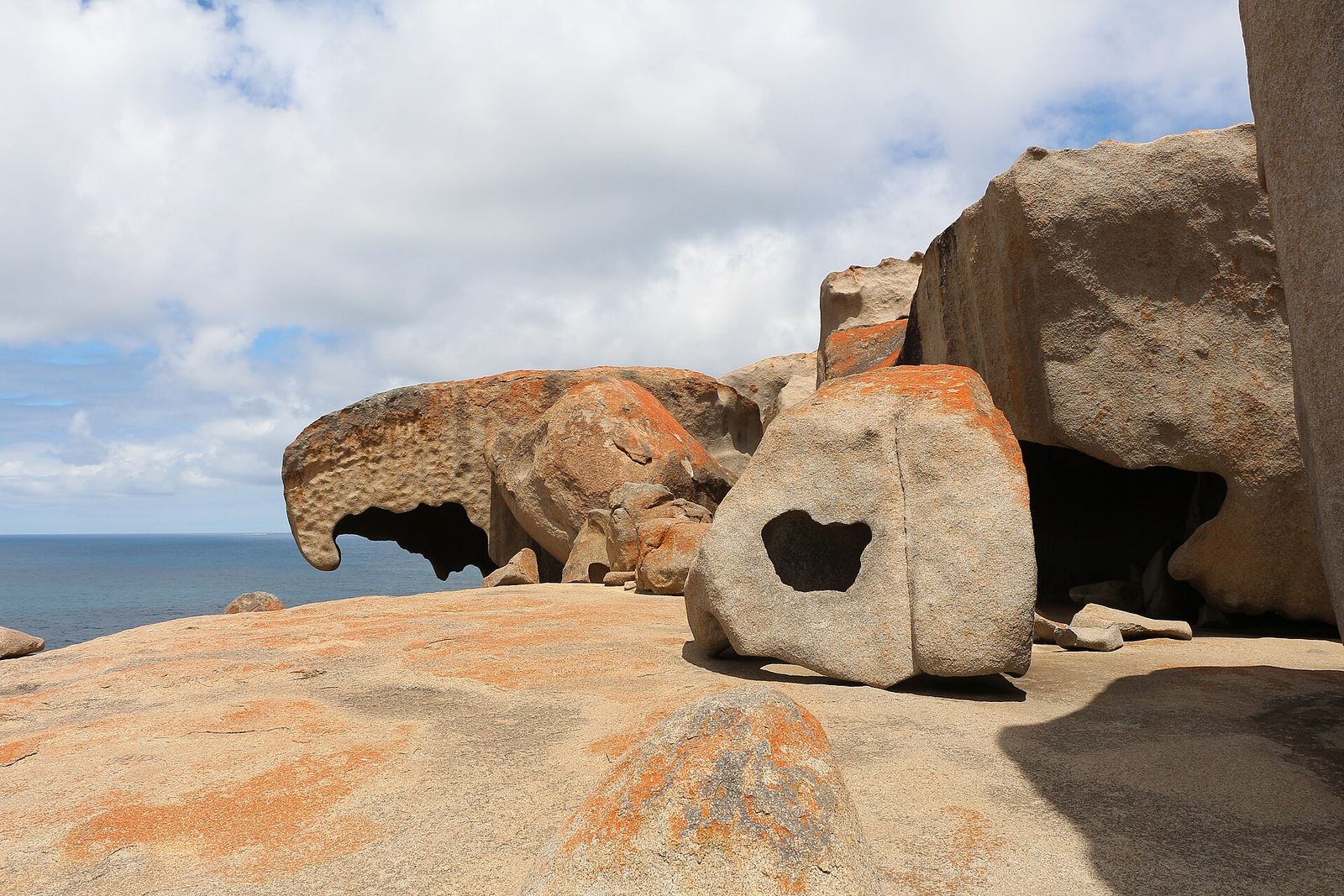
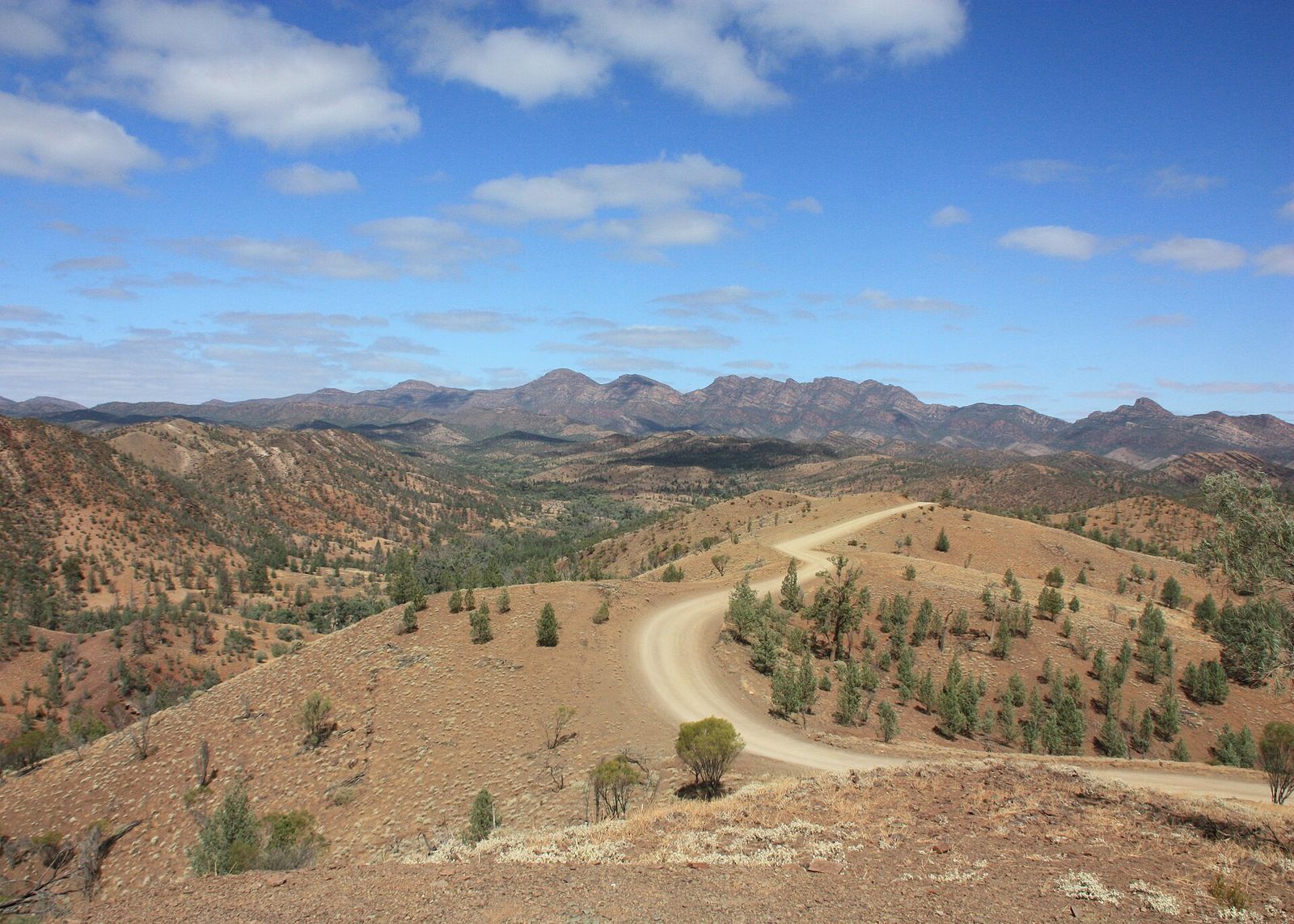
Vehicles, ferries and tours
Explain whether you can transfer into a standard seat or need to remain in a mobility device. Ask about lift or ramp availability, restraint arrangements, storage dimensions, boarding surfaces and assistance at stops. For a ferry, cruise or small-group tour, check the actual vessel or vehicle used on your date. A step-free terminal does not guarantee step-free boarding or accessible toilets aboard. Confirm the process for changes if a different vehicle or vessel is substituted.
Attractions and nature experiences
Published walk length is only one part of the decision. Ask about gradients, loose surfaces, stairs, seating, shade and the distance from parking to the attraction. Cave visits, island lookouts and coastal trails differ substantially in their demands. Check official access information and speak to the operator when details are unclear. Choose an alternative nearby so the day remains enjoyable if a route is unsuitable. Rest time and a comfortable lunch stop are worthwhile parts of the itinerary.
Keep the itinerary flexible
Schedule one main activity each day, with shorter optional stops rather than a chain of fixed appointments. Put essential contact details and booking confirmations in an easy-to-access format. Check equipment charging, storage and any delivery arrangements before travelling. For regional trips, identify where you can obtain the services you personally rely on. Before departure, reconfirm the key arrangements directly; access features and operating conditions can change between planning and travel.
Questions that reveal whether an experience will work
| Part of the day | Ask for specific information |
|---|---|
| Accommodation | Door and bathroom clearances, shower layout, bed height, lift access and the route from parking or drop-off. |
| Tour vehicle or vessel | Boarding method, steps, lift or ramp capacity, storage for mobility aids, seating and accessible toilet availability. |
| Walking or sightseeing | Distance, surface, gradient, rest points, shade and the full return route, not just the entrance. |
| Communication and sensory needs | Written instructions, hearing support, quieter visiting times and what changes can be arranged in advance. |
Confirm the whole chain
An accessible room is only one part of a trip. Check the route from the airport or car park, the hotel entrance, dining spaces, transport and the attraction itself. A single unconfirmed transfer can affect the whole day. Ask providers to send current photographs or measurements where those details determine suitability, and retain their written confirmation with the booking.
Choose fewer moves and longer stops
One comfortable base can reduce repeated packing, boarding and bathroom uncertainty. In Adelaide, compare the actual street route between accommodation and the places you want to visit. In the regions, plan around confirmed accessible facilities and allow more time for boarding and rest stops. Keep an alternative that is genuinely workable, rather than simply naming another attraction nearby.
Do not infer suitability from a label
Terms such as easy, family-friendly and accessible can mean different things to different providers. Explain the requirements that matter to your party and ask about limitations. This guide does not certify any property, vehicle or attraction. Use official access information as a starting point, then confirm the specific arrangements directly with the operator.
Keep planning your journey
South Australia Itineraries: 7, 10 & 14 Days
Compare seven, ten and fourteen-day South Australia routes, with sensible overnight bases, island logistics and options for wine, coast and outback.
Explore the guide →Where to Stay in South Australia
Where to stay in South Australia: compare Adelaide, Barossa, Clare Valley, Kangaroo Island, Flinders Ranges and coastal bases, with practical booking tips.
Explore the guide →Getting Around South Australia
Plan how to get around South Australia: Adelaide public transport, car hire, regional flights, Kangaroo Island ferries and driving times to wine regions and the outback.
Explore the guide →Useful official planning sources
Check current access, opening times and booking conditions before travel.
- South Australian Tourism Commission: maps and regional planning
- Official South Australia itineraries
- National Parks and Wildlife Service: closures and alerts
Planning content reviewed 14 November 2026.
Photography credits & licences
Real location photography; dates and conditions may differ from your visit. Images resized or compressed for web delivery and cropped by the page layout. Adaptations retain the source licence. Photography does not imply endorsement.
- River Torrens riverbank trail loop, Adelaide, July 2026 (028A8439).jpg — Yu Chu Chin / Wikimedia Commons / CC BY-SA 4.0
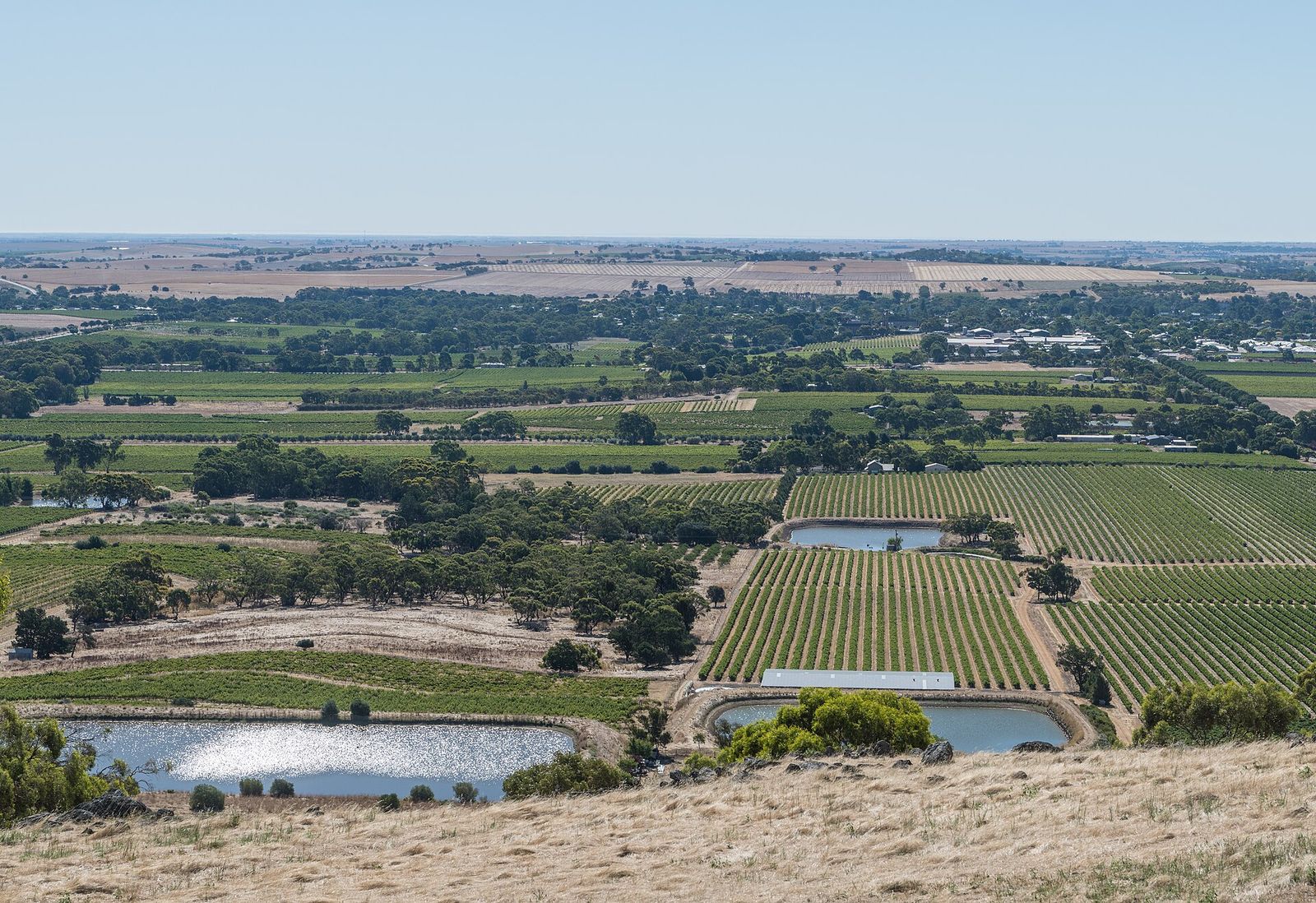
- View of Barossa Valley from Mengler Hill 20230207-2.jpg — User:DXR / Wikimedia Commons / CC BY-SA 4.0
- Remarkable Rocks 01.jpg — Bernard Gagnon / Wikimedia Commons / CC BY-SA 4.0
- Bunyeroo Valley Lookout, Ikara-Flinders Ranges National Park.jpg — Afisch80 / Wikimedia Commons / CC BY-SA 4.0


