
✈️ Before You Book: Essential Pre-Trip Facts
Citizens of eligible countries (UK, USA, Canada, most EU nations) can apply for a free eVisitor visa (subclass 651) or low-cost ETA (subclass 601, ~$20 AUD) online at homeaffairs.gov.au or via the AustralianETA app. Processing is usually instant or within minutes and allows multiple entries for up to 12 months. Apply before booking flights — do not arrive without a visa.
When to Visit — A Genuinely Regional Answer
Australia's seasons are reversed from the Northern Hemisphere (summer is December–February), and the country spans enough latitude that the "best time to visit" changes dramatically depending on your destination. Think regionally:
Spring (Sep–Nov)
Best all-round season for first-timers. Mild temperatures nationwide, wildflowers, fewer crowds, better prices.
Summer (Dec–Feb)
Beach season in the south. Busy and expensive. TOO HOT for the Red Centre (40°C+) and Outback.
Autumn (Mar–May)
Excellent nationwide — comfortable everywhere, wine harvest, lush landscapes from summer rain.
Winter (Jun–Aug)
Peak season for tropical Queensland and the Reef. Perfect Outback weather. Cold in Melbourne and Tasmania.
✅ Pre-Booking Checklist
- Apply for ETA or eVisitor visa online
- Book flights 3–6 months ahead for best prices
- Get comprehensive travel insurance (medical coverage critical)
- Plan for at least 10–14 days minimum
- Research which regions to prioritise
- Check driving requirements if renting a car
- Buy universal power adapter (Type I plugs, 230V)
- Download offline maps before losing cell coverage
🌟 Australia's Iconic Must-Do Experiences
These six experiences define Australia and should anchor your first itinerary. Each offers a genuinely different perspective on what makes this country extraordinary.
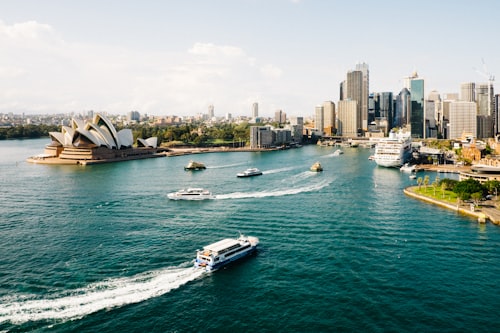
Sydney Opera House & Harbour
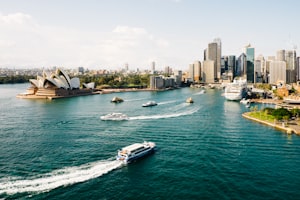
See the Opera House exterior, take a guided tour inside, and ride the Manly Ferry from Circular Quay at sunset — the most beautiful 30 minutes in Australian tourism. Climb the Harbour Bridge for 360° panoramic views. Budget 3 days minimum for Sydney.
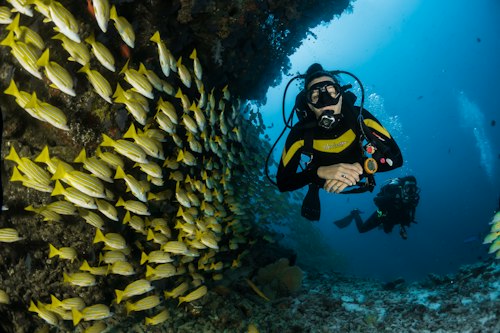
Great Barrier Reef
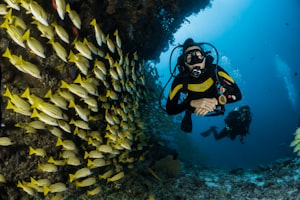
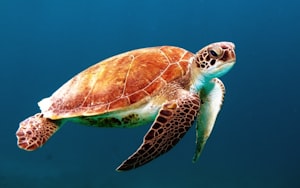
Snorkel or dive the world's largest coral reef system. 1,500+ fish species, turtles, manta rays, and reef sharks. Access from Cairns or Port Douglas (2 hours by boat to the Outer Reef). May–October for the best visibility. Choose tours supporting reef conservation.
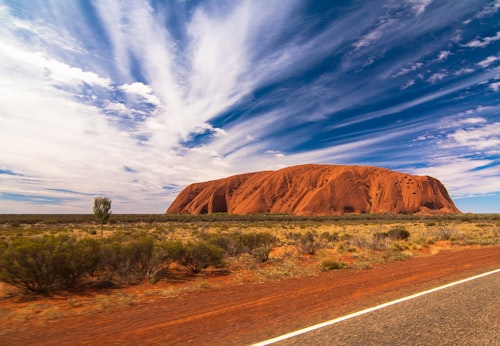
Uluru — Sacred Red Centre
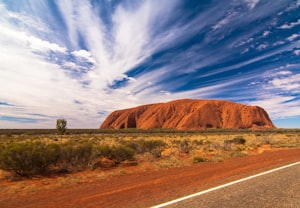
Watch the 348-metre sandstone monolith shift from rust to crimson to deep purple at sunrise. The Mala Walk with an Anangu ranger (free, 2km) shares Dreamtime stories you cannot access any other way. Climbing is permanently closed — and the base walk is the better experience anyway.
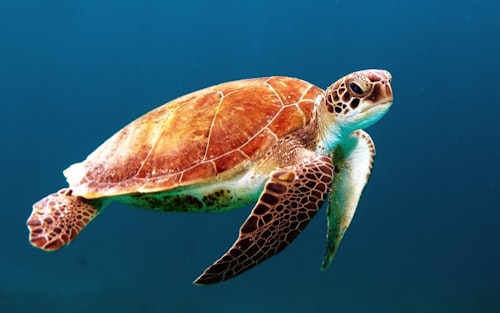
Native Wildlife Encounters
Kangaroos, koalas, wombats, echidnas, and platypus are all unlike any animals you have encountered before. Wildlife sanctuaries guarantee sightings and fund conservation — or take a guided tour where an experienced guide knows where and when to find them in the wild.
A Great Australian Beach
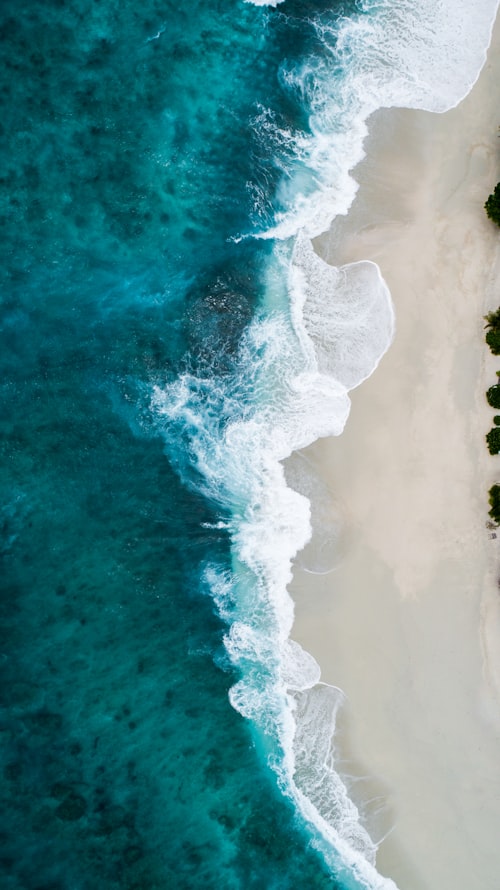
Whether it's the surf culture of Bondi, the crystalline silica sands of Whitehaven in the Whitsundays, or the wildlife beaches of Kangaroo Island — Australia's beaches are among the world's finest. The beach is fundamental to the national character.
Aboriginal Cultural Experience
Australia's First Nations culture is 60,000+ years old — the oldest continuous living culture on Earth. Aboriginal-led tours at Uluru, Kakadu, the Daintree, and dozens of other sites transform landscapes from geological wonders into living stories. This is the experience most visitors say was most profoundly memorable.
October 2026 marks the 40th anniversary of the handback of Uluru's title deeds to the Anangu traditional owners. In April 2026, the new Uluru-Kata Tjuta Signature Walk launches — a five-day journey with Anangu storytellers including overnight stays inside the national park. Condé Nast and National Geographic both named Uluru a must-visit in 2026. This is the most culturally significant year to visit in a generation.
🗺️ Choose Your Regions Wisely
Australia is roughly the size of the continental United States — you cannot see it all in one trip. Focus on 2–3 regions based on your interests. For most first-timers, the southeast (Sydney + Melbourne) and Queensland (Reef) are the natural starting point.
New South Wales
Sydney's harbour, Bondi Beach, Blue Mountains, and Hunter Valley wine country. The most iconic starting point, with the best transport links and widest range of experiences.
Queensland
Great Barrier Reef, Whitsundays, Gold Coast, Sunshine Coast, and Daintree Rainforest. The tropical adventure state — perfect for water-based experiences and marine wildlife.
Victoria
Melbourne's arts and café scene, Great Ocean Road (Twelve Apostles), Phillip Island penguin parade, and Yarra Valley wineries. Culture, wildlife, and dramatic coastline.
Northern Territory
Uluru, Kata Tjuta, Kakadu National Park, and the deepest First Nations cultural experiences in Australia. The ancient Red Centre — remote but unforgettable.
Tasmania
Cradle Mountain wilderness, MONA art museum, Bay of Fires (Australia's #1 beach), and world-class food. Perfectly sized for a 7-day self-drive — ideal as a second trip.
South Australia
Barossa Valley wine, Adelaide's food scene, Kangaroo Island wildlife (kangaroos, sea lions, echidnas), and Flinders Ranges. Premium experiences for return visitors.
Western Australia
Perth's beaches, Margaret River wine, Ningaloo Reef (whale shark swimming, March–July), Broome, and the Kimberley. Remote, stunning, worth a dedicated trip.
ACT — Canberra
Australia's capital and national cultural institutions — National Museum, War Memorial, Parliament House. A rewarding day trip from Sydney or stand-alone 2-day visit.
☕ Eat & Drink Like an Australian
Australian food culture reflects a multicultural population with exceptional access to fresh produce, outstanding seafood, and a coffee seriousness that rivals any city in the world. Melbourne is frequently rated the world's best city for coffee — a flat white at a Fitzroy laneway café is one of the great simple pleasures of Australian travel.
Flat White
Australia invented it (disputed with New Zealand — ask neither). A double espresso with a small amount of velvety steamed milk. Order one at any Melbourne laneway café.
Meat Pie & Sausage Roll
The unofficial national snack. Grab one from a local bakery (not a chain), ideally at a sporting event with tomato sauce. Under $6.
Fresh Seafood
Barramundi, Moreton Bay bugs, Sydney rock oysters, prawns. Sydney Fish Market is Australia's best. Also: fish and chips on the beach is a near-religious experience.
Tim Tams
Chocolate biscuits so good they've inspired their own ritual: the "Tim Tam Slam" (bite both ends, suck hot coffee through the biscuit before it collapses). Ask any Australian to demonstrate.
Vegemite
Try it once — a thin scrape on buttered toast. Not a tablespoon. Not as a test. Just try it properly. It is an acquired taste that Australians develop from birth.
BBQ Culture
Many public parks have free electric BBQs. Sunday arvo, the smell of sausages ("snags"), cold beer, and a mix of nationalities sharing a grill — this is Australian life at its most genuine.
Australia uses the Australian Dollar (AUD). Card payment (EFTPOS) is almost universal — you rarely need cash. Use an ATM for cash rather than airport currency exchanges (rates are significantly better). Consider Revolut or Wise for zero-fee international spending. Budget: $120–150 AUD/day for budget travel, $220–320 AUD/day for mid-range comfort, $400+ for premium experiences. Tipping is not expected — service staff earn fair wages.
🔑 Essential Things to Know Before You Arrive
Drive on the LEFT
This is the single most important thing international visitors forget. Australia drives on the left-hand side of the road. Practice before turning out of car parks and roundabouts.
Emergency: Dial 000
Australia's emergency number is 000 (police, fire, ambulance) — not 911, not 999. The Emergency+ app (free) transmits your GPS location accurately when calling 000 from a remote area.
Sun is Genuinely Dangerous
Australia has some of the world's highest UV levels. Sunburn in 10–15 minutes, even on overcast days. SPF 50+, hat, and sunglasses are non-negotiable between 10am–3pm. "Slip, Slop, Slap" is the national sun safety mantra.
Tap Water is Safe
Australia's tap water is safe and clean everywhere. Bring a reusable bottle — bottled water is expensive and wasteful. Water in cafes and restaurants is always free.
Power Plugs (Type I)
Australia uses unique Type I three-pin plugs at 230V/50Hz. Bring a universal adapter — available at airports but cheaper at Woolworths or Kmart. Most hotels have USB ports but not always your plug format.
Mobile SIM Cards
Buy a prepaid SIM at the airport from Telstra, Optus, or Vodafone (~$30 for 30 days with 20GB data). Telstra has the best rural coverage — important for Outback travel. Free WiFi is common in cafes and hotels.
Wildlife Reality Check
Australia's dangerous wildlife reputation is heavily exaggerated. Fatal encounters are extremely rare. Wear closed shoes when bushwalking, don't put hands where you can't see, and obey crocodile warning signs in the tropical north. The most dangerous creature you'll actually encounter is probably a magpie (swoops in spring, August–October).
Swim Between the Flags
Australia's beaches are patrolled by volunteer surf lifesavers who mark the safest swimming areas with red and yellow flags. Always swim between the flags — currents are real and rip tides cause most drowning fatalities among tourists.
Sydney to Perth is the same distance as London to Istanbul (3,900km). Sydney to Cairns is like driving from London to Cairo. Do not plan to drive between major cities in a day — fly between regions, then use hire cars for local exploration. Australia rewards those who focus on fewer places and explore each one properly.
🗣️ Aussie Slang: Your Survival Cheat Sheet
Australians have one of the world's most distinctive dialects — words abbreviated, vowels flattened, and terms invented for no apparent reason. Understanding a few key phrases will make locals warm to you immediately (and avoid embarrassment). The most important phrase: "Yeah, nah" means "no". "Nah, yeah" means "yes".
🗓️ Sample 14-Day First-Timer Itinerary
This itinerary covers Australia's four essential first-timer experiences in a logical flight loop. It can be booked entirely as guided tours (Cooee Tours handles everything) or self-guided with the connections below.
-
1–4Days
Sydney, NSW
Day 1: Arrive, Circular Quay orientation, Opera House exterior + sunset Manly Ferry. Day 2: Bondi Beach coastal walk (Bondi–Coogee, 6km, free), Sydney Opera House interior tour. Day 3: Harbour Bridge climb at sunset, Sydney Harbour National Park ferry tour. Day 4: Blue Mountains day trip — Three Sisters at Echo Point, Scenic World Skyway, Leura village lunch.
-
5–7Days
Cairns & Great Barrier Reef, QLD
Fly Sydney → Cairns (3 hrs). Day 5: Arrive, Esplanade lagoon, Kuranda Scenic Railway through rainforest. Day 6: Full-day Outer Reef tour — snorkelling, guided dive, marine biologist briefing. Day 7: Daintree Rainforest day tour — Mossman Gorge, Cape Tribulation, Kuku Yalanji cultural guides.
-
8–10Days
Uluru & the Red Centre, NT
Fly Cairns → Ayers Rock Airport (2.5 hrs). Day 8: Arrive, Talinguru sunrise viewing platform (arrive 60 min before dawn). Day 9: Free Mala Walk with Anangu ranger (2km, 90 min, highly recommended), Cultural Centre, Field of Light experience at sunset (book ahead). Day 10: Kata Tjuta Valley of the Winds walk at sunrise (7.4km), afternoon flight to Melbourne.
-
11–14Days
Melbourne & Great Ocean Road, VIC
Day 11: Melbourne city — laneways, NGV (free permanent collection), Fitzroy lunch, evening show at Arts Centre. Day 12: Melbourne café and food tour, Queen Victoria Market, Federation Square. Day 13: Great Ocean Road — Torquay surf, Kennett River koalas, Loch Ard Gorge, Twelve Apostles at sunset. Day 14: Return to Melbourne, depart or extend.
Flying Sydney → Cairns → Ayers Rock → Melbourne forms a geographic loop — no backtracking, no wasted flight time. Alternatively, fly into and out of Sydney and use internal flights as needed. Domestic flights between major cities typically cost $80–200 AUD booked 4–8 weeks ahead on Jetstar or Rex. Always book accommodation in advance for Uluru — limited options and they fill months ahead.
Let Us Plan Your First Australian Adventure
Cooee Tours' expert guides handle everything — flights between regions, accommodation, guided experiences, and the local knowledge that makes the difference between a good trip and a transformative one.
Browse First-Timer Tours →