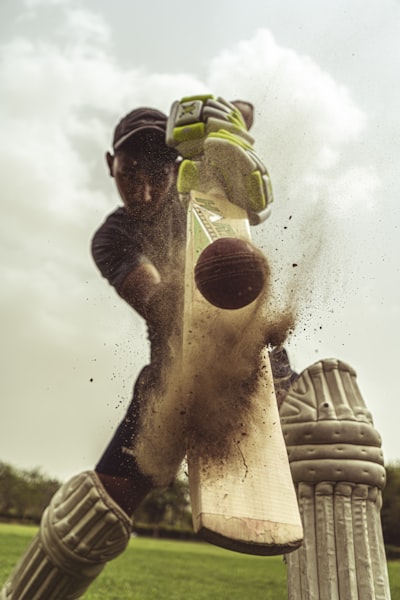
Boxing Day Test at the MCG. Ashes series drama. Big Bash League nights under the lights. This is your complete guide to experiencing cricket in Australia — from absolute beginner to lifelong devotee — with expert tickets, guides, and cultural context from Cooee Tours.
Cooee Tours Expert TeamBrisbane, QLD · Australian Cricket & Sports Travel Specialists · Updated March 2026
15 min read
Cricket in Australia is not simply sport — it is the soundtrack of summer. From the annual Boxing Day pilgrimage to the MCG, to the long afternoons of an Ashes Test, to the fireworks and music of a Big Bash League evening, cricket offers tourists one of the most genuinely Australian experiences possible. Here is everything you need to enjoy it.
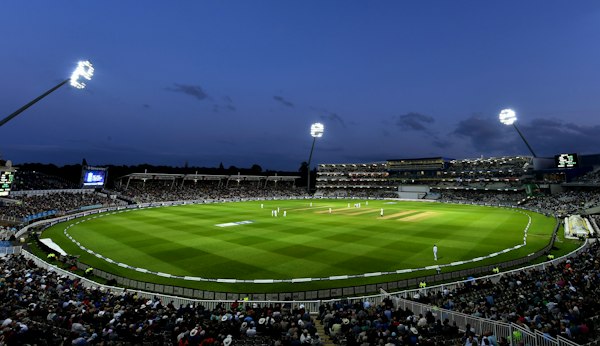
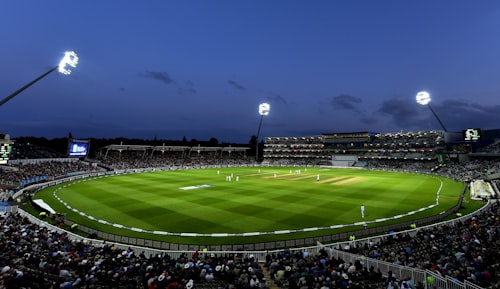
The MCG on Boxing Day — 90,000+ spectators creating the greatest regular cricket atmosphere on Earth
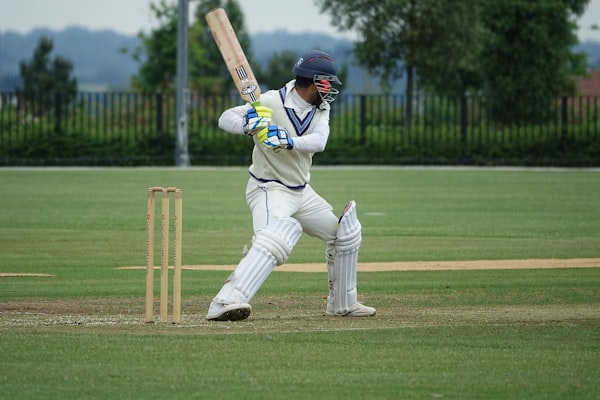
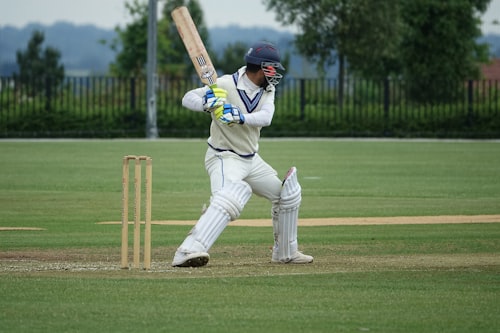
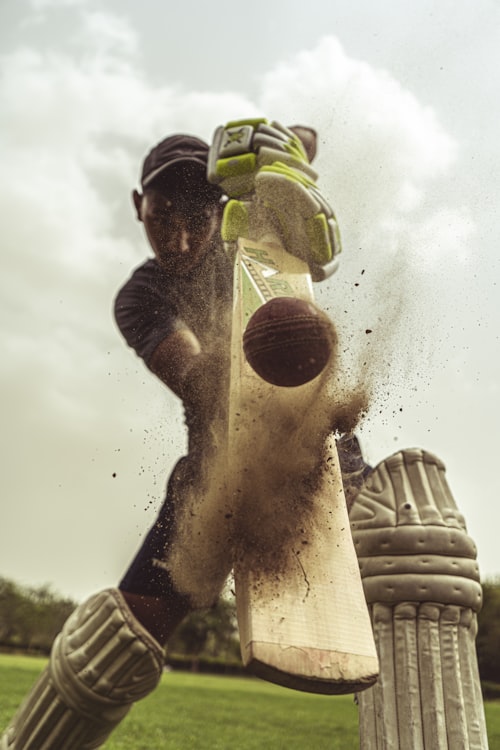
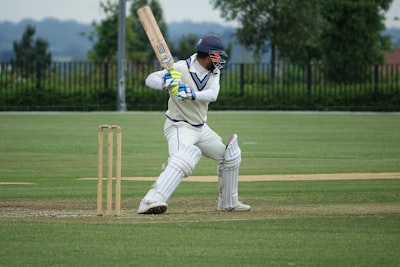
Test match cricket at its purest — five days of strategic beauty
Adelaide Oval — regularly voted the world's most beautiful cricket ground
Big Bash League under the lights — three hours of carnival cricket entertainment
The SCG New Year Test — heritage grandstands and Sydney summer cricket since 1848
The Culture
Cricket in Australia
Australia's relationship with cricket stretches back to the 1800s, making it one of the oldest and most successful cricketing nations on Earth. But to understand cricket's place here is to understand something deeper than sport. The Australian summer has a rhythm — and cricket sets it. School holidays start, the MCG ground staff prepare the Boxing Day pitch, families plan their annual trek to the Gabba or the Adelaide Oval, and the nation's sporting conversation shifts entirely to bat, ball, and pitch.
For international visitors, experiencing Australian cricket offers something no other attraction can replicate: authentic immersion in Australian cultural life. Sitting in the MCG with 90,000 other spectators on Boxing Day morning, watching the Australian team walk out to the sustained roar of an expectant crowd, is one of the most genuinely extraordinary sports experiences anywhere in the world. And it requires no cricket knowledge to feel it.
The Australian cricket season runs from October through March — perfectly aligned with the country's summer and with international tourist high season. The fixtures range from the five-day Test matches that demand patience and reward it generously, to the three-hour Big Bash League evening spectacles designed for maximum entertainment regardless of cricket familiarity. Whatever your schedule, your budget, or your cricket knowledge, there is a cricket experience in Australia built for you.
🏏
3 Formats
Test, One-Day International, and T20 cricket — something for every schedule and preference
📅
Oct–March Season
Australian summer cricket season — perfectly timed for international visitors
🏟️
100,000+ MCG
The MCG hosts the Boxing Day Test with the largest regular cricket crowds on Earth
🏆
5 World Cups
Australia is the most successful nation in cricket history — 6× Test world ranking #1
The Basics
Cricket Formats Explained — Test, ODI & T20
Cricket's evolution into three distinct formats is one of sport's most successful adaptations. Each delivers an entirely different experience — in duration, pace, atmosphere, and strategic depth. Understanding the difference helps you choose the right match for your schedule, interests, and cricket knowledge.
Test Cricket
The Traditional Game
Test cricket is the pinnacle — five days of tactical depth, endurance, and history. Teams bat twice each, with the ebb and flow of a match shifting over multiple sessions in ways that reward the patient spectator enormously. A day at a Test match is genuinely one of the world's great sporting experiences, even if you don't follow every delivery.
The social experience matters as much as the cricket — long afternoon sessions, lunch breaks, the gradual drama of a deteriorating pitch. Attending one or two days of a five-day Test is perfectly normal and completely satisfying.
Duration
Up to 5 days
Daily Play
6 hrs / 90 overs
Clothing
White / Red ball
Tickets
AUD $35–$180+
Best for: Cricket enthusiasts, cultural immersion, those with multiple days. The Boxing Day Test and Ashes series are Test cricket at its most magnificent.
ODI Cricket
One-Day International
Each team bats for 50 overs (300 deliveries), completing a full match in a single day. This format balances tactical cricket with guaranteed results — you always know by evening who has won. The coloured clothing, white ball, and day-long narrative arc make ODIs highly accessible for tourists unfamiliar with Test cricket's rhythms.
Australia's ODI schedule typically runs through January and February, with matches at all major venues. The Cricket World Cup — held every four years — is the ODI pinnacle and creates extraordinary tournament atmosphere.
Duration
~7–8 hours
Each team
50 overs
Clothing
Coloured / White ball
Tickets
AUD $40–$120
Best for: A complete cricket experience in one day. Good middle ground between Test depth and T20 speed. Guaranteed result.
T20 / BBL
Twenty20 & Big Bash
Twenty20 cricket was designed for accessibility and it delivers. Each team bats for just 20 overs (120 deliveries), creating approximately three hours of constant action — big hitting, sharp fielding, explosive pace bowling, and a carnival atmosphere built around evening entertainment. The basic objective (score more runs than the other team) is immediately obvious to anyone.
The Big Bash League runs eight city franchises through December to February, with most matches in the evening. Music, fireworks, giveaways, family zones, and food from across the world make BBL matches among the most accessible and enjoyable live sport experiences in Australia.
Duration
~3 hours
Each team
20 overs
Timing
Usually evenings
Tickets
AUD $20–$60
Best for: Beginners, families, time-limited visitors, and anyone who wants three hours of entertainment without needing to follow every nuance.
Which Format Should You Choose? For your first Australian cricket experience, go to a Big Bash League evening match — three hours, great atmosphere, simple to follow, affordable. If you have a full day and want cultural immersion, a day at a Test match is extraordinary even without deep cricket knowledge. If the Ashes are on — go to anything you can get tickets for.
The Grounds
Iconic Australian Cricket Venues
Australia's cricket grounds are themselves destinations. Each has a distinct character, history, and atmosphere — from the cathedral scale of the MCG to the heritage elegance of the Adelaide Oval. Here are the venues every cricket tourist should know.
🏟️ Melbourne · Victoria
Melbourne Cricket Ground — "The G"
Australia's sporting cathedral — the MCG is the largest stadium in the Southern Hemisphere and cricket's most iconic venue. Originally established in 1853, it has hosted everything from the first-ever Test match (1877) to multiple World Cup finals. On Boxing Day morning, when 90,000 spectators file in through the gates and the Australian team walks onto the ground, the MCG produces an atmosphere that belongs in a category of its own.
The venue offers world-class facilities, the National Sports Museum, guided tours on non-match days, and exceptional sightlines from every stand. It hosts Melbourne Stars and Melbourne Renegades BBL fixtures as well as international cricket.
100,024
Capacity
1853
Established
Dec 26
Boxing Day Test
Sydney · NSW"The SCG"
Sydney Cricket Ground · Since 1848
Sydney Cricket Ground
Australia's oldest cricket venue combines Victorian-era heritage grandstands with modern facilities and an intimate atmosphere that the MCG simply cannot replicate. The SCG hosts the New Year's Test (January 1–5) — five days of cricket in Sydney's peak summer, with afternoon harbour breezes and the landmark Members Pavilion providing extraordinary backdrop. Sydney Sixers and Sydney Thunder play BBL fixtures here.
New Year's TestHeritage GrandstandsBBL Fixtures
👥 48,000 capacity📅 Jan 1–5 Test
Adelaide · SA"The Oval"
Adelaide Oval · South Australia
Adelaide Oval
Regularly voted the most beautiful cricket ground in the world, Adelaide Oval's combination of heritage scoreboard, cathedral backdrop, and lush parklands setting is extraordinary. It pioneered day-night Test cricket in Australia — pink ball under floodlights creates a genuinely unique cricket experience. The Strikers play BBL here. The venue's location in Adelaide's parklands makes it one of the most accessible and beautiful sporting venues in Australia.
Brisbane's fortress — the Gabba traditionally hosts the first Test of each Australian summer (typically November) and has developed a fierce reputation as a ground where touring teams historically struggle. Queensland's warm subtropical climate makes the Gabba particularly comfortable for outdoor sport, and the Brisbane Heat BBL fixtures create superb evening entertainment. The city's proximity to the grounds means excellent pre-match dining options.
First Test VenueSubtropical ClimateBrisbane Heat BBL
👥 42,000 capacity📅 Nov/Dec Opening Test
Perth · WA"Optus Stadium"
Optus Stadium · Western Australia
Optus Stadium
Opened in 2018, Perth's Optus Stadium represents the cutting edge of Australian sports venue design. With 60,000 capacity and a dramatic position on the Burswood Peninsula with Perth CBD skyline views, the stadium combines world-class facilities with remarkable aesthetics. Test cricket here (typically December or January) benefits from Western Australian sunshine and the Perth Scorchers BBL team — the competition's most successful franchise with five titles. Every seat has excellent sightlines.
Modern DesignPerth Scorchers BBLCBD Skyline Views
👥 60,000 capacity🏆 5× BBL Champions
There is no other place on Earth quite like the MCG on Boxing Day morning. The scale of the crowd, the sound of it rising as the teams walk out, the smell of the ground — it is one of those genuinely irreplaceable experiences.
— Cooee Tours Sports Guide · 20 years at the Boxing Day Test
Australia's Greatest Tradition
Boxing Day Test — The MCG's Greatest Day
If you could attend only one sporting event in Australia, many people who have lived here for decades would tell you: make it the Boxing Day Test. Not necessarily for the cricket — though the cricket can be extraordinary — but for what it represents. Played annually at the Melbourne Cricket Ground beginning December 26, the Boxing Day Test is one of those rare sporting events that genuinely belongs to the culture rather than merely filling it.
The tradition formalised in 1968, though cricket on December 26 in Melbourne dates to the 1800s. The timing proved perfect: Australians at leisure, summer at its peak, Christmas over, and a nation looking for something communal and magnificent to do. Over decades the match transformed from a cricket fixture into a cultural institution. Total five-day attendance regularly exceeds 250,000 spectators. Opening day draws 85,000–95,000 — in some years the MCG has been at absolute capacity.
For international visitors, the Boxing Day Test delivers several things simultaneously: the atmosphere of 90,000 engaged spectators (unlike anything in Test cricket elsewhere), the post-Christmas festive mood with families, fancy dress, and carnival energy, the iconic MCG venue at its most magnificent, and a window into Australian sporting identity that no museum or guidebook can replicate.
Opening day at the Boxing Day Test — 90,000+ spectators and an atmosphere unlike anywhere else in world cricket
The MCG from above — 100,024 capacity, the largest cricket venue on Earth
Test match action — the strategic beauty of the five-day game unfolds across the week
Fancy dress, families, and festive season — Boxing Day at the MCG is as much celebration as sport
What to Expect on Opening Day
The MCG gates open at 9:00 AM for a 10:30 AM start. For general admission, arriving early secures the best unreserved positions and lets you absorb the extraordinary building atmosphere before the first ball. For reserved seating, you have more flexibility — though being there for the teams walking out is worth any extra effort. Sessions run until lunch (around 12:30 PM, 40-minute break) and tea (around 3:00 PM, 20-minute break), with stumps at approximately 6:00 PM.
Many international visitors attend one or two days rather than the full five — which is perfectly normal and completely satisfying. Opening day provides the peak crowd and carnival atmosphere; later days often feature more compelling cricket as the match situation tightens. Day four and five, when a result approaches, can be the most dramatic cricket you'll ever watch.
🎫 Booking Boxing Day Test Tickets: Tickets go on sale each October through Cricket Australia (cricket.com.au) and Ticketek. Opening day sells out months in advance. Cooee Tours secures premium seating for international visitors, eliminating overseas purchasing complications and card verification issues. Book October–November for best availability.
Ticket Category
Price Per Day
Notes
General Admission
AUD $35–$50
Unreserved — arrive early for best spots
Reserved Seating
AUD $65–$120
Specific seat allocated — most popular for tourists
Premium Reserved
AUD $120–$180
Best sightlines, excellent positions
Corporate Hospitality
AUD $350–$600+
Food, beverages, premium seating, lounge access
5-Day Package
Variable
Significant savings for multi-day attendance
Cricket's Greatest Rivalry
The Ashes Series — Australia vs England since 1882
The Ashes is not just a cricket series — it is 140 years of contested history between two nations for whom the rivalry runs deeper than sport. When Australia and England meet in an Ashes series, the intensity in the stands, in the streets, and across the media is unlike anything else cricket produces. For international visitors, witnessing an Ashes Test provides an insight into both Australian and British cultural identity that years of reading cannot deliver.
The name originates from an 1882 satirical obituary in British newspaper The Sporting Times, published after Australia defeated England at The Oval. The obituary declared English cricket dead, stating its body would be cremated and the ashes taken to Australia. The tradition of competing for "The Ashes" — symbolised by a small terracotta urn — has persisted ever since. It is cricket's oldest international trophy and its most celebrated.
When the Ashes is hosted in Australia — every four years — it runs from November through January across five cities. The series visits the Gabba (Brisbane), Adelaide Oval, the MCG (Boxing Day Test), the SCG (New Year's Test), and a rotation venue — typically Perth's Optus Stadium or Hobart's Bellerive Oval. Each venue creates a different atmosphere; each city brings its own crowd energy. For cricket tourists, following the Ashes across two or three cities is among the great sporting journeys in the world.
1882
Year the Ashes began
5
Tests in Australian series
6 wks
Duration of Australian Ashes
4 yrs
Cycle for Ashes in Australia
Test 1
Brisbane · November
The Gabba
Traditional Ashes opener — Australian fortress, passionate Queensland crowds. Typically the most hostile environment for touring England sides.
Test 2
Adelaide · December
Adelaide Oval
Often the day-night Ashes Test — pink ball under floodlights in the world's most beautiful cricket ground. A genuinely unique cricket experience.
Test 4
Sydney · January 1–5
Sydney Cricket Ground
The New Year's Ashes Test at the SCG — heritage grandstands, Sydney summer, and often the most dramatic final-series cricket of the Australian summer.
Next Ashes in Australia — 2025–26: The next Australian-hosted Ashes series is scheduled for summer 2025–26 (November–January). Exact fixtures are announced approximately 12 months in advance. This is the pinnacle of cricket tourism and accommodation, transport, and tour packages sell out quickly once the schedule is confirmed. Cooee Tours Ashes packages offer multi-city itineraries, premium ticket procurement, interstate travel, and expert guides who know this rivalry's history inside-out. Register your interest early.
Evening Entertainment
Big Bash League — Australia's Premier T20 Competition
Launched in 2011, the Big Bash League transformed Australian cricket by creating family-friendly, city-based T20 entertainment that works for absolutely everyone — lifelong cricket followers and people who have never watched a game of cricket in their lives. It is the easiest entry point to Australian cricket and, for many visitors, produces the most purely enjoyable evening they have during their entire holiday.
Eight city-based franchises play across mid-December through February. Most matches start at 6:15 PM or 7:10 PM and finish around 9:30 PM, leaving your days free for sightseeing. Venues feature DJs, music, fireworks, kids zones, and food from cuisines across the world. The basic cricket is easy to follow: bowler runs in, batsman tries to hit as hard as possible, fielders try to stop them. That is genuinely enough to enjoy the experience.
Melbourne
Melbourne Stars — MCG
Green & Gold. Plays at the iconic MCG — a BBL match in this venue carries a special atmosphere no other team can match.
MCG MatchesGreen & Gold
Melbourne
Melbourne Renegades — Marvel Stadium
Red. The beloved underdogs of Melbourne cricket — and the city's most entertaining rivalry is the Melbourne derby between Stars and Renegades.
Marvel StadiumRed
Sydney
Sydney Sixers — SCG
Magenta. One of the competition's most successful teams, playing at the heritage SCG under summer evening lights.
Heritage SCGBBL Champions
Perth
Perth Scorchers — Optus Stadium
Orange. The most successful BBL team with five titles — in the most modern stadium in Australia, with Perth skyline views.
5× BBL ChampionsOptus Stadium
BBL Ticket Prices: General admission AUD $20–$35 (adults), children often free or heavily discounted. Reserved seating AUD $35–$60. Premium/hospitality AUD $80–$150+. BBL tickets are usually available close to match day except for finals or city derby fixtures. Outstanding value for three hours of entertainment.
Planning Your Visit
Australian Cricket Ticket Guide 2026
Format / Match
Ticket Range (AUD)
Best Booking Time
Big Bash League (BBL)
$20–$60
1–4 weeks before (usually available day-of)
Test Cricket (general)
$35–$120 per day
4–8 weeks before
Boxing Day Test — Opening Day
$50–$180+
October release — book immediately
New Year's Test (SCG)
$45–$160+
October–November
Ashes Series Tests
$60–$250+ per day
6–9 months before (Ashes years)
One-Day Internationals
$40–$120
4–6 weeks before
BBL Finals
$35–$100+
2–3 weeks before
International Tourist Tip: Purchasing Australian cricket tickets from overseas often creates complications — card verification failures, international transaction blocks, and ticket collection issues. Cooee Tours eliminates all of these through pre-arranged package procurement with guaranteed seats, no overseas purchasing complications, transport solutions, and expert guides included. For high-demand matches like the Boxing Day Test or any Ashes fixture, using an experienced local operator like Cooee Tours is the most reliable path to the seats you want.
Practical Guide
What to Wear & Bring to Australian Cricket
☀️ Sun Protection
Protecting Yourself from the Australian Sun
This is non-negotiable. Australian summer sun is intense — Test matches expose you to 6+ hours of direct sunlight. Apply SPF 50+ sunscreen before you leave your accommodation and reapply every 90–120 minutes. A wide-brimmed hat and UV-rated sunglasses are essential. Most venues offer some shaded seating — reserved covered stands are worth considering for first-time visitors.
Must bring: SPF 50+ sunscreen · Wide-brimmed hat · UV sunglasses · Reusable water bottle (filling stations at all venues)
👕 What to Wear
Clothing for Cricket in Australian Summer
Daytime Test matches call for light summer clothing — shorts, t-shirts, and breathable fabrics. Evening BBL matches can cool down surprisingly quickly once the sun drops, so bring a light jacket or thin layer. Supporting team colours adds to the experience but is absolutely not required — the crowd is varied and welcoming. Comfortable walking shoes are better than sandals for long days at grounds.
For Test cricket: Light summer clothing, hat, sunscreen. For evening BBL: Add a light jacket for after sunset.
🎒 Bags & Food
Venue Bag Policies and Food
Most Australian cricket venues allow small soft-sided bags (typically A4 size or smaller) with food and non-alcoholic beverages — check the specific venue policy before attending as rules vary. All major grounds provide excellent food and beverage options including traditional cricket pies, international cuisines, and diverse drinks. Alcohol is available at venues but policies about bringing your own vary.
Always check: Each venue publishes its bag policy on the official website before your match day.
📱 Arrival Tips
Getting There & Arrival Timing
For major matches (Boxing Day Test opening day, Ashes Tests, BBL Finals), allow extra travel time as public transport peaks sharply. Melbourne's MCG is served by Jolimont and Flinders Street stations; the SCG by Moore Park buses; the Gabba by South Brisbane station. Arriving 45–60 minutes before the first ball lets you settle in, find food, and absorb the atmosphere building before play. Cooee Tours coordinates all transport logistics for package guests.
Cooee Tours packs: transport, guides, and venue access — no logistics stress for international visitors.
Expert Cricket Tours
Why Choose Cooee Tours for Cricket
International visitors attending Australian cricket face a specific set of challenges that Cooee Tours has been solving for decades: ticket procurement from overseas, transport to and between venues, cultural and rules context that makes the match genuinely meaningful rather than confusing, and the logistics of multi-city Ashes journeys. Our cricket specialists have attended hundreds of Test matches, Big Bash League fixtures, and Ashes series — and they bring that experience to every guest we host.
🎫
Guaranteed Tickets
We secure premium seats for even the most in-demand matches — Boxing Day, Ashes Tests, BBL finals — eliminating overseas purchasing complications entirely.
🧭
Expert Guides
Our guides explain the rules, tactics, player histories, and cultural significance in real-time — making every over more engaging regardless of your cricket knowledge.
🚌
Seamless Transport
Door-to-venue transport for every match, including multi-city Ashes itineraries coordinating flights, transfers, and accommodation between Brisbane, Adelaide, Melbourne, and Sydney.
🏟️
Venue Access
Pre-match ground tours, behind-the-scenes access at select venues, and hospitality options that take cricket attendance beyond the standard spectator experience.
📋
Flexible Packages
From a single BBL evening to a full Ashes series across five cities — packages tailored to your schedule, group size, budget, and cricket interest level.
⭐
60+ Years Experience
Cooee Tours has been guiding international visitors through Australian sporting culture since the 1960s — with 50,000+ guests and a 4.8/5 average rating to prove it.
Ready for Your Ultimate Cricket Experience?
Join thousands of international visitors who've experienced the magic of Australian cricket with Cooee Tours — from iconic Boxing Day Test opening days to Big Bash League evenings with the family.
Available October–March · Boxing Day Test specialists · Ashes multi-city packages · BBL family experiences · International tourist specialists · Wheelchair accessible
Common Questions
Australian Cricket FAQ
Everything tourists commonly ask about cricket in Australia — from the season schedule to Ashes tickets to what to pack.
When is the Australian cricket season and what matches can tourists see?+
The Australian cricket season runs from October through March — perfectly coinciding with summer and international tourist high season. Tourists can experience Test cricket (November–January, typically 4–5 Tests), One-Day Internationals scattered through the season, Big Bash League T20 from mid-December through February, and occasional Women's cricket matches. Major highlights include the Boxing Day Test (December 26), New Year's Test (January 1–5), and the Ashes series when hosted in Australia (every four years). Cooee Tours provides comprehensive season schedules and helps you select matches matching your itinerary.
How do I get Boxing Day Test tickets as an international tourist?+
Boxing Day Test tickets go on sale each October through Cricket Australia (cricket.com.au) and Ticketek. International tourists frequently face challenges: overseas card rejections, two-factor authentication tied to Australian mobile numbers, and ticket collection complications. Cooee Tours offers guaranteed ticket procurement through our pre-arranged packages — no overseas purchasing complications, premium seating selections, and transport and guides included. Book 2–3 months in advance. Opening day consistently sells out; later days remain available longer. Prices range from AUD $35 (general admission) to $180+ (premium reserved) per day.
What's the difference between Test cricket, ODI, and T20/Big Bash?+
Test cricket lasts up to 5 days (6 hours daily) in traditional white clothing — the strategic pinnacle of the sport. You can attend any individual day. ODI (One-Day International) completes in a single day (~7–8 hours) with coloured clothing — a complete match with guaranteed result. T20/Big Bash finishes in approximately 3 hours, usually in the evening — fast, loud, explosive, and easy to follow without any prior cricket knowledge. For tourists new to cricket, BBL is the recommended starting point. For cultural immersion regardless of cricket knowledge, the Boxing Day Test is the answer. Cooee Tours guides explain every format in plain language during matches.
Can I enjoy cricket without understanding all the rules?+
Absolutely. The core of cricket is simple: the bowling team tries to dismiss batters; the batting team tries to score runs. Everything else — LBW, field placements, over rates — becomes clearer through watching. Big Bash League is the most accessible format, with explosive hitting and obvious excitement moments. Even Test cricket's slower pace delivers cultural experience and social atmosphere that transcends complete rules understanding. Cooee Tours guides explain rules, tactics, and cultural context in real-time during matches, making any format genuinely engaging for complete beginners while adding depth for knowledgeable fans.
What should I wear and bring to cricket matches in Australia?+
Australian summer cricket occurs under intense sunshine. Essential items: SPF 50+ sunscreen (reapply every 90 minutes), wide-brimmed hat, UV-rated sunglasses, light comfortable clothing (shorts and t-shirts are perfectly appropriate), comfortable shoes, and a reusable water bottle (filling stations at all venues). Most venues allow small soft-sided bags with food and non-alcoholic beverages — always check the specific venue's policy. For evening BBL matches, bring a light jacket as temperatures drop once the sun sets. Sun protection is the most important preparation — Australian summer sun is significantly stronger than most international visitors anticipate.
How much do cricket tickets cost in Australia?+
Big Bash League: AUD $20–$60 (excellent value). Test cricket (general): $35–$120 per day. Boxing Day Test opening day: $50–$180+. Ashes series: $60–$250+ per day. One-Day Internationals: $40–$120. Children receive substantial discounts across all formats (under 5 typically free). Cooee Tours packages often provide better overall value by bundling tickets, transport, and expert guides — and guarantee procurement of sought-after matches that are difficult to purchase from overseas. Corporate hospitality options are available for premium experiences.
When is the next Ashes series in Australia?+
The next Australian-hosted Ashes series is scheduled for summer 2025–26 (November–January). The series comprises five Test matches at the Gabba (Brisbane), Adelaide Oval, MCG (Boxing Day Test), SCG (New Year's Test), and Optus Stadium Perth or Hobart. Exact fixtures are confirmed approximately 12 months prior. The Ashes is cricket's most anticipated event and generates enormous international demand — tickets, accommodation, and tour packages sell quickly once the schedule releases. Cooee Tours Ashes packages include multi-city itineraries, premium ticket procurement, interstate travel, and specialist guides. Early registration is strongly recommended.
Which Australian cricket venue should tourists prioritise?+
MCG (Melbourne) — for the Boxing Day Test tradition and sheer scale; cricket's most iconic venue. Adelaide Oval — for the most beautiful venue, especially the day-night Test under lights. SCG (Sydney) — for heritage grandstands combined with the January summer atmosphere. Gabba (Brisbane) — for passionate Queensland crowds and excellent subtropical weather. Optus Stadium (Perth) — for modern cutting-edge facilities and spectacular skyline setting. For absolute beginners or families, any Big Bash League venue provides the most accessible and entertaining introduction to Australian cricket. All venues are wheelchair accessible with excellent facilities.
Is cricket suitable for families and children visiting Australia?+
Cricket — especially Big Bash League — is outstanding for families. BBL venues feature dedicated kids zones, face painting, games, entertainment, and activities. Evening matches (~3 hours) fit family schedules. Children under 5 typically receive free entry; older children receive substantial discounts. All major venues provide parent rooms, family seating areas, and diverse kid-friendly food. The carnival atmosphere, music, fireworks, and giveaways engage children who have never seen cricket. Australian cricket crowds are welcoming, safe, and family-oriented. The outdoor summer setting, moment-to-moment excitement (boundaries, wickets, spectacular catches), and general festive vibe make cricket an excellent family activity during Australian summer holidays.
What's the best time to visit Australia for cricket experiences?+
November through January is the peak: Test matches against quality opposition, Boxing Day Test (December 26), New Year's Test (January 1–5), Big Bash League in full swing, and ideal summer weather and holiday atmosphere. December is particularly rich — Boxing Day Test plus BBL festive season matches. Ashes years (every four years in Australia, next 2025–26) are the absolute peak, with five Tests across November–January creating extended cricket tourism opportunities across multiple cities. For tourists prioritising cricket, plan your visit around the Boxing Day Test week for a guaranteed iconic experience, or the Ashes series for extended multi-city cricket immersion.