From 65,000-year-old Indigenous bush tucker to Barossa Shiraz and Sydney Rock Oysters — discover the iconic flavours that define Australian food culture, where to find them, and how to experience them at their very best.
Cooee Tours Food & Culture TeamBrisbane, QLD · Australian Food & Wine Specialists · Updated March 2026
15 min read
Australian cuisine is the product of three intersecting forces: 65,000 years of Indigenous food knowledge, some of the world's finest and most diverse natural produce, and wave upon wave of multicultural migration that has woven Italian, Greek, Vietnamese, Lebanese, Japanese, and dozens of other cuisines into the national food fabric. The result is one of the world's most genuinely exciting and underrated food cultures — and one that rewards curious visitors enormously.
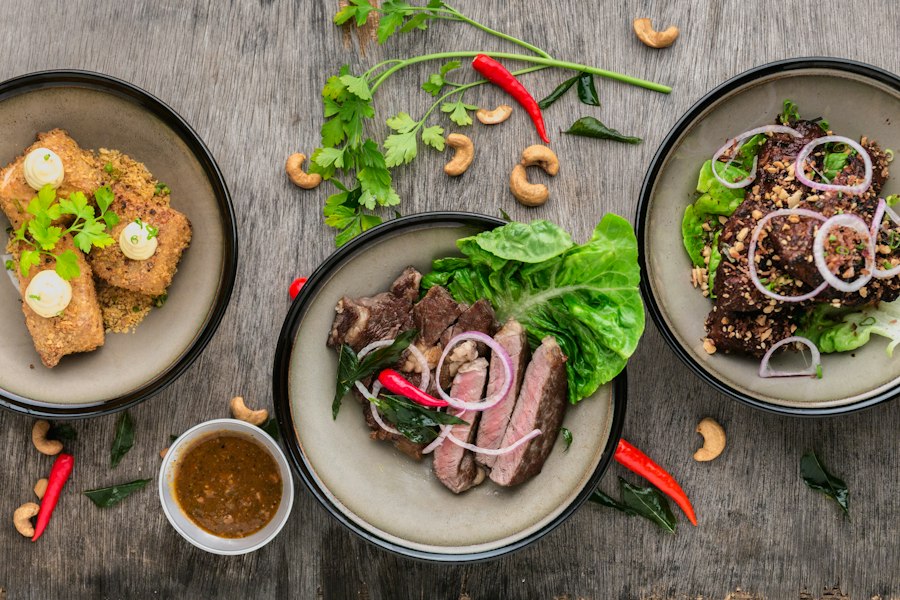
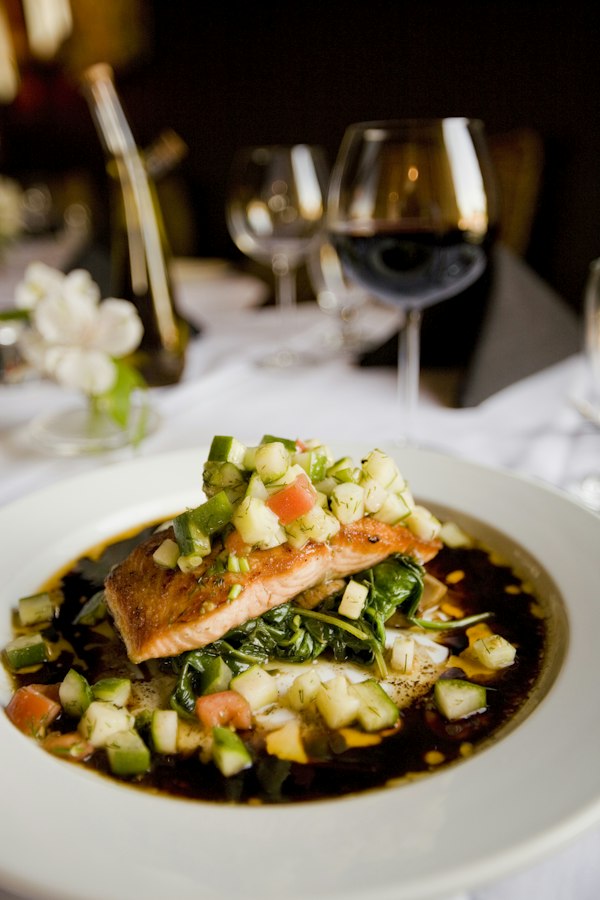
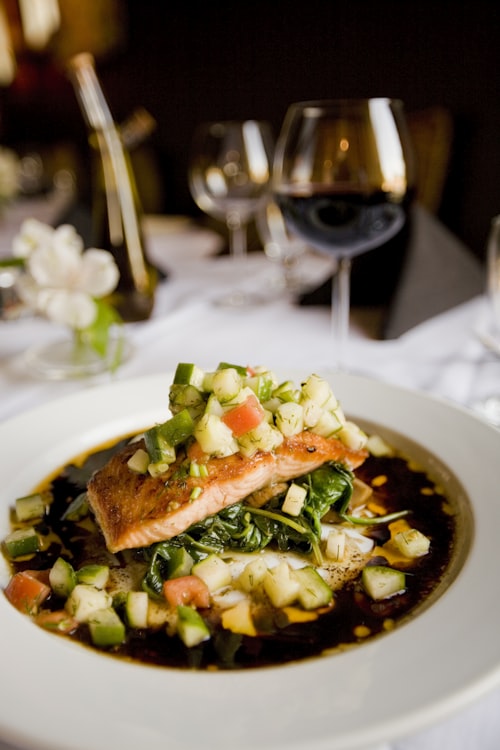
Australia's 25,000km coastline produces some of the world's finest prawns, oysters, barramundi, and rock lobster
Meat pie — the unofficial national dish, found in every Australian bakery since the 1800s
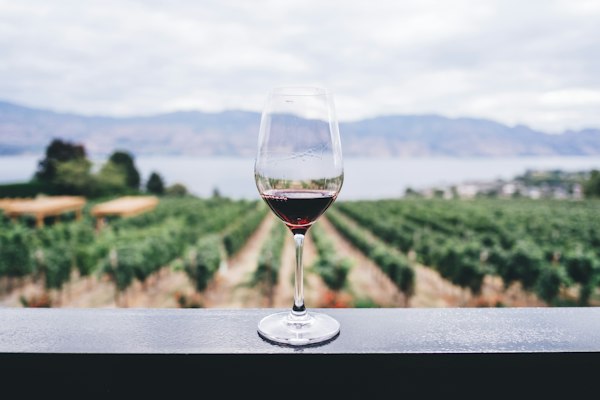
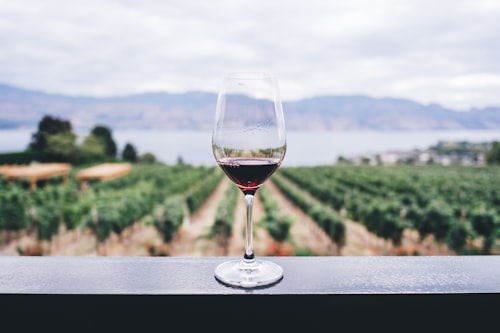
Barossa Valley — Australia's most famous wine region, producing world-class Shiraz from vines over 170 years old
Melbourne's flat white — Australian coffee culture is considered among the world's finest
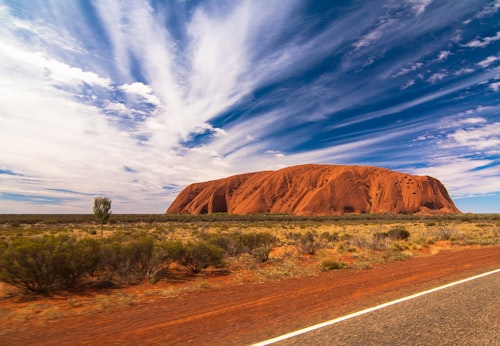
Indigenous bush tucker — 65,000 years of food knowledge in native ingredients found nowhere else on Earth
The Big Picture
🌏
Why Food Is Central to the Australian Travel Experience
Most first-time visitors come to Australia for the wildlife, the landscapes, and the beaches — and discover, often by accident, that the food is extraordinary. Australia's food culture doesn't announce itself with Michelin stars and celebrity chefs (though it has both). It reveals itself more quietly: in the perfect flat white from a laneway café on your second morning in Melbourne, in the mud crab pulled from a Queensland mangrove estuary and cracked open at a waterfront table, in the moment you first understand what wattleseed tastes like and realise there is nothing else on Earth quite like it.
Over 30% of Australians were born overseas, making the country one of the world's most genuinely multicultural food cultures. Vietnamese pho, Lebanese mezze, Japanese ramen, Italian pasta, and Indian curry are not "fusion" here — they are as much part of the daily food fabric as meat pies and Vegemite. This layering of influences on top of ancient Indigenous food knowledge, extraordinary natural produce, and world-class wine regions creates a food scene that consistently surprises and rewards visitors who lean into it.
65,000+
Years of Indigenous food culture
200+
Cultural influences on cuisine
60+
Wine regions producing world-class wine
25,000km
Coastline rich in premium seafood
The Must-Tries
🥧
Classic Australian Favourites
These are the foods that define the Australian food experience for most visitors — some genuinely iconic, some simply ubiquitous, all worth seeking out in good versions rather than settling for mediocre ones. The difference between a good meat pie and a great one is the difference between a snack and a revelation.
National Icon
🥧
Meat Pie
The unofficial national dish — a shortcrust pastry shell filled with minced or chunked beef in rich gravy, often with a puff pastry lid. Found in bakeries nationwide since the 1800s and eaten at every footy match, country show, and school fête. The best versions come from family-owned country bakeries that have been perfecting their recipe for decades. Four'N Twenty is the most recognized brand; independent bakeries are usually far better.
Cultural Rite
🍞
Vegemite on Toast
Vegemite is more than a breakfast spread — it is a national identity marker. Made from concentrated brewer's yeast extract, it has an intensely savoury, salty, slightly bitter flavour rich in B vitamins. The uninitiated error is applying it like jam. The correct approach: thick layer of butter on hot toast, then the thinnest possible scrape of Vegemite. Hotel breakfasts invariably include a small portion — use it as your introduction.
Biscuit Legend
🍫
Tim Tams
Two chocolate malted biscuits sandwiching a chocolate cream filling, enrobed in smooth chocolate. Simple on paper; deeply satisfying in practice. The Tim Tam Slam is an Australian tradition: bite opposite corners of the biscuit off, use it as a straw to drink hot chocolate or coffee through, and eat the whole thing before the structure collapses. This is not optional — do it at least once.
Heritage Favourite
🍪
ANZAC Biscuits
Golden, chewy biscuits made with oats, golden syrup, and desiccated coconut — with a WWI heritage story attached. Originally sent by Australian and New Zealand women to soldiers overseas, they were made without eggs (which spoil quickly) and travelled well. Today they appear in bakeries year-round and are particularly prominent around ANZAC Day (April 25). Crispy or chewy versions divide Australian families as passionately as political parties.
Celebration Dessert
🍰
Pavlova
A large meringue with a crisp outer shell and soft marshmallow interior, topped with whipped cream and fresh fruit — typically kiwi fruit, strawberries, and passionfruit. The traditional Christmas dessert for Australian families. Both Australia and New Zealand claim invention (the dispute remains unsettled and deeply felt). Named after Russian ballerina Anna Pavlova during her 1920s tour of the region.
Bakery Classic
🧁
Lamingtons
Squares of day-old sponge cake dipped in chocolate icing and rolled in desiccated coconut — the texture contrast between the chewy coconut exterior and soft cake interior is the point. Often filled with jam and cream. Found in every Australian bakery and at every community fundraiser since the late 1800s. Named after Baron Lamington, Governor of Queensland from 1896 to 1901.
Weekend Ritual
🌭
Sausage Sizzle
A grilled snag (sausage) in a single slice of white bread with caramelised onions and your choice of tomato or BBQ sauce — folded, never rolled. This is weekend Australia distilled. Hardware stores (most famously Bunnings) run sausage sizzle fundraisers every weekend across the country; the Bunnings sausage sizzle has its own devoted following and is considered an indispensable part of Australian culture.
Childhood Memory
🍬
Fairy Bread
White bread, butter, and rainbow sprinkles (called "hundreds and thousands" in Australia). A staple of every Australian children's birthday party since the 1920s. Completely illogical; utterly irresistible. Several Australian dessert bars have successfully built tasting menus around elevated fairy bread interpretations for adult nostalgia seekers.
Summer Treat
🍦
Golden Gaytime
A toffee and vanilla ice cream bar coated in chocolate and honeycomb biscuit crumbs — manufactured by Streets since 1959 and one of Australia's most beloved ice creams. The slogan — "It's hard to have a Gaytime on your own!" — has aged into a camp cultural touchstone. Find them in any milk bar, servo, or corner shop with a freezer.
The Bunnings sausage sizzle, the Tim Tam Slam, Vegemite on toast at a hotel breakfast — these aren't tourist experiences. They're the real thing. The food that Australians actually eat, every day, with genuine affection.
— Cooee Tours Food Guide · 20 years curating Australian food experiences
Coastal Bounty
🦞
Seafood & Coastal Specialties
Australia's 25,000 kilometres of coastline, washed by the Pacific, Indian, and Southern Oceans, produces seafood of extraordinary diversity and quality. Unlike many countries where "fresh" seafood has travelled days from ocean to plate, regional Australian coastal dining often means the seafood was caught the same morning. This proximity is the difference between good and extraordinary.
Premium Native Fish
🐟
Barramundi
Australia's most celebrated native fish — a large, silver freshwater and estuarine species with firm, white, buttery flesh and large scales. Barramundi (or "barra") is sustainably farmed and wild-caught across tropical northern Australia. Best preparation: grilled or pan-fried with the skin crisped, served with lemon myrtle butter. A genuinely delicious fish with a mild enough flavour that non-fish-eaters often enjoy it. Try it in Darwin, Cairns, or any Queensland coastal town restaurant.
Queensland Icon
🦞
Moreton Bay Bugs
Despite the name, these are not insects — they are a species of slipper lobster (Thenus orientalis) found in Queensland and northern Australian waters. Sweet, delicate meat with a flavour similar to lobster but slightly more subtle. They're halved and grilled with garlic butter, and appear on menus throughout Queensland as a signature regional speciality. Named after Moreton Bay near Brisbane where they were first commercially harvested.
Christmas Tradition
🍤
King & Tiger Prawns
Fresh Australian prawns — king prawns (large, sweet, pink) and tiger prawns (patterned, slightly firmer, intensely flavoured) — are among the finest in the world. The traditional Australian Christmas lunch involves prawns on the barbecue, eaten outside in summer heat, and this tradition is observed in households across the country. Sydney Fish Market, Queensland seafood markets, and fresh coastal fish-and-chip shops provide the easiest access to excellent fresh prawns for visitors.
NSW Specialty
🦪
Sydney Rock Oysters
A species unique to Australia — Saccostrea glomerata — with a creamier, more complex, intensely mineral flavour than Pacific oysters. Grown in NSW and Queensland estuaries, they are smaller than Pacific oysters but considered by many connoisseurs to have a superior flavour. Best eaten raw with a squeeze of lemon or native finger lime pearls. Also try Coffin Bay Pacific oysters from South Australia (plump and sweet) and Tasmanian oysters (cold-water clean flavour).
Queensland Gold
🦀
Mud Crab
The Queensland mud crab (Scylla serrata) is the signature seafood of tropical Australia — a large, dark-shelled crab with dense, sweet, rich meat that is a fixture of waterfront restaurants from the Gold Coast to Cairns. It is typically cooked by steaming or boiling, then cracked open and eaten with drawn butter or chilli sauce. The effort required to extract the meat is entirely worth it. Ordering a whole mud crab is a genuinely memorable food experience.
WA Premium
🦐
Western Rock Lobster
Panulirus cygnus — the Western Rock Lobster — is one of Australia's most economically significant seafood exports and one of its finest. Caught in the cold, clean waters of the Indian Ocean off Western Australia's Abrolhos Islands and southern coast, it has firm, sweet, slightly nutty meat superior to most other lobster species. WA rock lobster is served in Perth's finest restaurants and Fremantle's waterfront eateries; eating it at the source is a genuinely special experience.
🍽️ Where to eat the best Australian seafood: Sydney Fish Market (largest in the Southern Hemisphere — visit on weekend mornings when the stalls are freshest). Noosa Main Beach seafood restaurants. Fremantle (Perth) waterfront fish markets. Cairns esplanade and waterfront restaurants for mud crab and barramundi. Port Lincoln in South Australia for tuna and Coffin Bay oysters. Hobart's Constitution Dock for fish punts selling fresh cooked fish.
65,000 Years of Knowledge
🌿
Indigenous Bush Tucker & Native Ingredients
Indigenous Australians developed the world's oldest continuous food culture — a comprehensive and sophisticated knowledge of thousands of plant, animal, and insect food sources, adapted across every biome from tropical rainforest to desert. When you encounter native ingredients in Australian restaurants, you are tasting the product of tens of thousands of years of human knowledge, care, and ingenuity. Many of these flavours exist nowhere else on Earth.
🌏 Why Bush Tucker Matters
Bush tucker is not a curiosity — it is a living, evolving food culture that is increasingly central to what makes Australian cuisine unique and world-class. When Bennelong at the Sydney Opera House or Attica in Melbourne uses native ingredients, they're doing so because those ingredients deliver flavours and nutritional profiles that nothing in European or Asian food traditions can replicate. The finger lime's citrus pearls bursting on the tongue. The coffee-chocolate depth of wattleseed. The extraordinary heat-then-sweetness of native pepperberry.
Experiencing these ingredients connects you with the world's oldest continuous food culture. The ethical imperative for doing so through Indigenous-owned or operated businesses, or restaurants that credit and compensate Aboriginal knowledge holders, is equally important.
🌱
Environmental Adaptation
Native Australian ingredients are adapted to local conditions over millennia — requiring far less water, pesticide, and fertiliser than introduced crops. Bush tucker is inherently sustainable.
💊
Exceptional Nutrition
Kakadu plum has 100× more vitamin C than oranges. Davidson plum has extraordinary antioxidant levels. Wattleseed is rich in protein and minerals. Traditional bush foods are nutritional powerhouses.
🤝
Cultural Respect
Seek out Indigenous-owned restaurants, bush tucker tours with Aboriginal guides, and restaurants that properly attribute and compensate Aboriginal food knowledge. Support the communities that created this culture.
Native Proteins
🦘
Kangaroo
Lean, high-protein red meat with a gamey flavour milder than venison. Best served rare to medium-rare — overcooking makes it tough. Sustainably harvested from wild populations. Lower environmental impact than beef per kg of protein produced. Common on menus in fine dining and casual restaurants alike. Try it as a steak or in a kangaroo burger.
🦤
Emu
Rich, dark red meat similar to beef but significantly leaner. Slightly sweet flavour. Farmed sustainably, primarily in Western Australia. Try emu prosciutto (sliced thin, served as antipasto), grilled emu fillet, or emu jerky. Available at many bush tucker restaurants and some Adelaide and Melbourne meat specialists.
🐊
Crocodile
White meat from farmed saltwater crocodile tails, with a mild flavour often described as a cross between chicken and fish with a firmer texture. Try it grilled, in a curry, or as "croc bites" (breaded and fried) at restaurants and markets across Darwin, Cairns, and tropical north Queensland. A reliable conversation starter.
🦐
Witchetty Grub
Large wood-eating larvae (Endoxyla leucomochla) — the most iconic bush tucker food. Traditionally eaten raw (nutty, almond-like flavour) or lightly cooked in hot coals (crunchy outside, soft inside). High in protein and fat, and genuinely more palatable than their appearance suggests. Available at Indigenous food experiences and some Darwin and Alice Springs restaurants.
Native Plants & Flavours
☕
Wattleseed
Ground seeds from Acacia species with a rich coffee-chocolate-hazelnut flavour. Caffeine-free. Used in bread, ice cream, pavlova, pancakes, and coffee alternatives. One of the most accessible native flavours for first-timers and widely available in specialty food shops across Australia.
🍋
Finger Lime
"Bush caviar" — small cylindrical citrus fruit (Microcitrus australasica) containing hundreds of tiny flavour pearls that burst with intense citrus flavour. Available in green, yellow, red, and pink varieties. Extraordinary with oysters, in cocktails, on desserts. Native to the rainforests of coastal Queensland and northern NSW.
🌿
Lemon Myrtle
Backhousia citriodora — a Queensland rainforest tree whose leaves contain more citral (the compound responsible for lemon flavour) than lemons themselves. The flavour is intensely, almost impossibly lemony and clean. Used in tea, baking, marinades, butter, and as a seasoning for fish. Available dried or fresh at specialty food shops.
🫐
Davidson Plum
Davidsonia pruriens — a deep purple fruit with intensely sour, astringent flavour (too sour to eat raw in quantity) and extraordinary antioxidant content. Used in restaurant sauces, jams, ice cream, and as a souring agent in cooking. Increasingly available in specialty food stores. Visually dramatic; flavour is a revelation once experienced in a properly sweetened preparation.
🍑
Quandong
Australia's "native peach" (Santalum acuminatum) — a desert fruit with tart, slightly apricot-like flavour. Traditional food source for Aboriginal communities across arid Australia. Used in pies, jams, chutneys, and sauces. High in vitamin C and antioxidants. Available dried or in processed form from specialty food shops; fresh quandong is rarer and seasonal.
🫒
Kakadu Plum
Terminalia ferdinandiana — holds the world record for natural vitamin C content (3,000mg per 100g, versus 30mg per 100g in oranges). Tart, slightly acidic flavour. Used in jams, sauces, beauty products, and wellness supplements. Native to the woodlands of the Northern Territory and Western Australia. Increasingly available in specialty stores and restaurants across Australia.
🌶️
Native Pepperberry
Tasmannia lanceolata — Tasmanian mountain pepper. Produces berries with a flavour profile unlike any other pepper: sweet and slightly fruity to start, followed by building, lingering intense heat. Antimicrobial properties are well established. Used in high-end restaurants as a premium finishing spice, in beer brewing, and in artisan chocolate. Genuinely distinctive — nothing else tastes quite like it.
🍅
Bush Tomato
Solanum centrale — a small, sun-dried desert fruit with a complex caramel-tomato-tamarillo flavour. Traditionally sun-dried and eaten or ground into a seasoning paste. Used dried and ground in rubs, sauces, bread, and chutneys in modern Australian cooking. Available from specialty food retailers and Indigenous food producers. Pairs beautifully with red meat.
🍽️ Where to Experience Authentic Bush Tucker
Sydney: Bennelong Restaurant at the Sydney Opera House (native ingredients in fine dining setting); Barangaroo House
Melbourne: Attica (world-renowned native ingredient tasting menu); Charcoal Lane (Indigenous social enterprise training restaurant)
Uluru (NT): Tali Wiru and Sounds of Silence outdoor dining experiences with bush tucker and Indigenous storytelling
Brisbane: Gunyah Restaurant and Bar; Stradbroke Island Cultural Centre
Darwin: Mindil Beach Sunset Markets bush tucker stalls; guided Indigenous food tours through the NT
Cairns: Tjapukai Cultural Park; Rainforestation Nature Park bush tucker walks
State by State
🗺️
Where to Eat in Australia — Regional Food Guide
Every Australian state and territory has a distinct food identity shaped by geography, climate, and migration history. The tropical north is all fresh seafood and mangoes; cool-climate Tasmania produces pristine dairy and cold-water fish; South Australia's wine regions rival the world's finest; and Melbourne's café culture has influenced specialty coffee globally. Knowing what each region does best is the key to eating extraordinarily well in Australia.
🌴 Queensland
QLD — Tropical North to the Gold Coast
Fresh, Tropical & Coastal
Queensland's long coastline and tropical climate produce some of Australia's finest seafood — mud crabs, Moreton Bay bugs, tiger prawns — alongside world-class tropical fruits. The Sunshine Coast hinterland is a serious farm-to-table destination; Brisbane's dining scene has become genuinely world-class over the past decade.
Mud CrabMoreton Bay BugsTropical FruitsMacadamia NutsBarramundi
Brisbane: Eat Street Northshore, South Bank dining precinct, Jan Powers Farmers Markets
Sydney's extraordinary multicultural dining scene — with authentic Vietnamese, Lebanese, Italian, Japanese, Chinese, and Korean precincts — operates alongside world-class harbour fine dining. The Hunter Valley, two hours north, is Australia's oldest wine region. Byron Bay has developed a serious organic food culture.
Sydney Rock OystersHunter Valley SemillonLebanese CuisineVietnamese PhoFish & Chips
Sydney: Sydney Fish Market, Chinatown, Cabramatta (Vietnamese), Lakemba (Lebanese), Surry Hills fine dining
Hunter Valley: Cellar door tastings, winery lunches, cheese and olive producers
Orange: Cool-climate wines and a thriving farm gate trail
Byron Bay: Organic farm experiences, weekend markets, Byron Bay Brewing
☕ Victoria
VIC — Melbourne & Surrounds
Australia's Culinary Capital
Melbourne is widely considered Australia's food capital — a city that takes its coffee, restaurant culture, and wine regions with the same seriousness that Paris takes its food. The world's largest Greek diaspora outside Greece, an enormous Italian community in Carlton, and deep Vietnamese and Chinese food cultures give Melbourne a multicultural food depth that few cities anywhere can match.
Flat WhiteYarra Valley PinotGreek CuisineItalian CarltonArtisan Cheese
Melbourne: CBD laneway cafés, Queen Victoria Market (since 1878), Lygon St (Little Italy), Smith St (Collingwood), Fitzroy
High Country: Alpine cheeses, craft beer, farm-to-table lodges
🍷 South Australia
SA — Barossa Valley to Kangaroo Island
Wine, Provenance & Gulf Seafood
South Australia produces more than 50% of Australia's wine by volume and is home to the country's most concentrated wine region network — Barossa Valley, McLaren Vale, Clare Valley, Coonawarra, and more. Adelaide's Central Market, in continuous operation since 1869, is one of the finest fresh food markets in the Southern Hemisphere. Kangaroo Island is an outstanding food and wine destination in its own right.
Barossa ShirazCoffin Bay OystersKing George WhitingBlue Swimmer CrabPie Floater
Adelaide: Central Market (multicultural food hall), Gouger St restaurants, East End dining
McLaren Vale: Wine and olive oil trail; beautiful cellar doors with Mediterranean landscapes
Kangaroo Island: Ligurian honey (world's last pure strain), fresh seafood, KI Spirits gin
🌊 Tasmania
TAS — Hobart to the Huon Valley
Pure Produce & Paddock-to-Plate
Tasmania's cold, clean waters produce exceptional seafood; its cool climate is ideal for Pinot Noir, sparkling wine, and world-class single malt whisky; its pure air and pristine soils grow outstanding stone fruit, berries, and dairy. The Bruny Island Food Trail is one of Australia's great food day-trips. MONA has transformed Hobart into a cultural and culinary destination of genuine international significance.
Hobart: Salamanca Market (Saturdays), waterfront oyster bars, MONA food experiences, Constitution Dock fish punts
Bruny Island: Oyster farm, cheese, salmon, Get Shucked oyster bar — all in one extraordinary day-trip
Tamar Valley: Cool-climate wine, cider, and farm gate trail north of Launceston
Distilleries: Sullivans Cove, Lark, Hellyers Road, and more — Tasmania is now a world whisky destination
🌅 Western Australia
WA — Perth to Margaret River
Indian Ocean Seafood & World-Class Wine
Western Australia's remoteness has paradoxically created an exceptional food culture — Fremantle's waterfront fish market is among Australia's finest; Margaret River produces world-class Cabernet Sauvignon and Chardonnay alongside craft beer, cheese, and chocolate; Shark Bay prawns are renowned for size and sweetness. The winter truffle season (June–August) in the southwest is a remarkable experience for food lovers.
WA Rock LobsterMargaret River Cab SavShark Bay PrawnsAbaloneSW Truffles
Fremantle: Fremantle Markets, fish markets, Little Creatures Brewery, South Tce café strip
Margaret River: Over 200 cellar doors, Bootleg Brewery, Venison farm, artisan chocolate and cheese
Swan Valley: Wine, craft beer, distilleries, and produce just 25km from Perth CBD
Manjimup (winter): Premium black truffle hunting experiences, June–August
🏜️ Northern Territory: Darwin's Mindil Beach Sunset Markets (dry season, April–October) are one of Australia's great outdoor food experiences — 200+ stalls of multicultural food on the beach at sunset. Uluru's fine dining experiences (Tali Wiru, Sounds of Silence) combine extraordinary landscape with native ingredient cuisine. Indigenous bush tucker tours across the NT offer unparalleled authenticity.
Drink Culture
☕
Wine Regions & the Australian Coffee Revolution
Australia has been producing world-class wine since the 1840s and has developed one of the world's most innovative and diverse wine cultures. It is also responsible for — alongside New Zealand — the specialty coffee revolution that has reshaped how the world drinks coffee in the 21st century. The flat white, the long black, the careful attention to espresso extraction and milk texture: these are Australian inventions that changed global café culture.
Coffee Icon
☕
The Flat White
A double ristretto shot in a small ceramic cup (180–220ml) topped with velvety steamed milk and a thin microfoam layer — richer and stronger than a latte, more milk than a cappuccino. Invented in Australia (or New Zealand — both claim it) in the 1980s and now served globally. In Melbourne and Sydney, ordering a flat white is a signal that you understand coffee. The standard at any decent independent café is remarkably high.
SA King
🍷
Barossa Valley Shiraz
Old-vine Shiraz from the Barossa Valley — some from vines planted in the 1840s and 1860s — produces Australia's most internationally celebrated wine style: richly concentrated, full-bodied, with dark fruit, leather, and spice. Penfolds Grange (made predominantly from Barossa Shiraz) has been named Wine of the Year multiple times. The Barossa is the single most important Australian wine region to visit.
NSW Heritage
🥂
Hunter Valley Semillon
Hunter Valley Semillon is arguably Australia's most distinctive and underappreciated wine style — harvested early at low alcohol, it tastes lean and almost austere when young, then transforms over 10–20 years into extraordinary honey, toast, and lanolin complexity. A wine that rewards patience and punishes those who drink it too young. The Hunter Valley, two hours from Sydney, is Australia's oldest wine region, established 1827.
VIC Cool Climate
🫙
Yarra Valley Pinot Noir
The Yarra Valley's cool climate and varied geology produce Pinot Noir of genuine elegance and complexity — lighter in body than Burgundy but with real depth, bright cherry fruit, and earthy savouriness. De Bortoli, Coldstream Hills (founded by legendary wine critic James Halliday), and Yering Station are the headline names. An hour from Melbourne, the Yarra Valley is an excellent one-day food and wine escape.
WA Premium
🍇
Margaret River Cabernet
Margaret River in WA's southwest produces Cabernet Sauvignon and Chardonnay of world-class quality in a distinctive style — the Cabernets have more structure and European elegance than Barossa Shiraz, the Chardonnays are restrained and mineral. Cullen, Moss Wood, and Leeuwin Estate produce wines that consistently rank among Australia's finest. The region combines outstanding wine with excellent food, craft beer, and beautiful karri forest scenery.
TAS Rising Star
🥃
Tasmanian Whisky & Sparkling
Tasmania has in 20 years become one of the world's most exciting whisky regions — Sullivans Cove French Oak Cask won World's Best Single Malt in 2014, triggering a global reevaluation of Tasmanian distilling. Equally, Tasmania's cool maritime climate and volcanic soils produce exceptional sparkling wines — Jansz and House of Arras are benchmarks — and elegant Pinot Noir. Whisky distillery visits are essential for any visitor to Hobart.
☕ Understanding Australian Coffee Culture
Australian café culture is anchored in independent specialty roasters, not chains. A café that buys pre-roasted generic beans is considered mediocre at best. The expectation — in Melbourne especially, but increasingly across all major cities — is single-origin beans, precise extraction, and properly textured milk. The flat white, long black (double espresso topped with hot water, served in a ceramic cup), and magic (similar to a flat white but smaller) are distinctly Australian orders that baristas worldwide now recognise.
Tipping in cafés is not expected, but the quality of coffee served in a typical Melbourne independent café reliably exceeds what you'll pay three times as much for in most international cities. The country town café, however — proceed with caution.
Eat Seasonally
📅
Seasonal Food Calendar — What to Eat & When
Australia's seasons are opposite to the northern hemisphere — summer runs December through February, winter June through August. Each season brings distinct produce, seafood, and food experiences. Travelling in alignment with seasonal availability dramatically improves the quality of what you'll eat.
🌸
Spring
Sept — Nov
New-season lamb
Asparagus
First strawberries
Spring truffles (Vic)
Artichokes
Snapper season begins
Cherry blossom harvest events
🎉 Melbourne Food & Wine Festival
☀️
Summer
Dec — Feb
Mangoes (QLD trophy)
Lychees & stone fruit
Christmas prawns on BBQ
Tiger & king prawns peak
Pavlova for Christmas
Tropical fruits in abundance
Outdoor dining & markets
🎉 Christmas seafood tradition
🍂
Autumn
Mar — May
Grape harvest in wine regions
Apples & pears (TAS, VIC)
Mushroom season
Truffle season begins (WA)
Chestnuts (High Country)
Oysters building richness
Best wine region weather
🎉 Vintage festival events
❄️
Winter
Jun — Aug
Black truffle peak season
Oysters at their creamiest
Tasmanian scallops
Root vegetables & kale
Hearty red wine dining
Whale season (coastal tours)
Fewer tourists, better prices
🎉 Truffle festivals (WA, NSW)
Expert Advice
🗺️
Planning Your Australian Food Adventure
🌸
Travel Seasonally
Autumn (Mar–May) is the best overall season for food travel — vintage harvest, mushrooms, perfect weather, and fewer crowds. Summer for tropical seafood and mangoes. Winter for truffles and oysters. Spring for new-season lamb and festival season.
📖
Book Ahead
Popular restaurants, winery lunches, and guided food experiences require advance booking — particularly from October to February. Top fine dining in Melbourne, Sydney, and wine regions can require booking 4–8 weeks ahead. Most farmers markets require no booking but arrive early for best selection.
🚗
Explore Regional Areas
The best Australian food is rarely in tourist precincts. Country town bakeries, farm gate stalls, coastal fish-and-chip shops, and regional pub meals are often the most memorable eating of any trip. Rent a car for wine regions, farm gates, and coastal towns. Always designate a driver for winery days.
💰
Budget Guide
Café breakfast: $18–28. Pub lunch: $20–35. Mid-range dinner (2 courses, no wine): $55–80 per person. Fine dining tasting menu: $150–250. Winery lunch: $65–120. Bakery pie or sausage roll: $5–9. Markets and food halls: $12–22 per meal. Tipping is not mandatory; 10% for excellent service is appreciated but not expected.
🍷
Wine Region Etiquette
Most cellar doors charge $5–20 for tastings, often waived with a wine purchase. Limit yourself to 3–4 cellar doors per day — quality over quantity. Many winery restaurants require separate bookings from cellar door visits. BYO (bring-your-own wine) restaurants exist across Australia and allow significant savings; check in advance.
🌿
Eat Sustainably
Choose Indigenous-owned food experiences and businesses. Buy native ingredients from Aboriginal cooperatives. Choose seasonal, local seafood. Farmers markets support regional producers directly. Look for MSC certification for seafood and organic or biodynamic certification for wine and produce. Consider the environmental impact of your food choices — bush tucker is inherently sustainable.
💡 Insider Tips from 60+ Years of Australian Food Travel
Ask locals for bakery recommendations — every Australian has a strong opinion about the best meat pie in their town, and they're usually right
Hotel breakfasts usually include Vegemite — an ideal controlled environment for your first encounter
Markets are Saturday morning affairs — arrive by 8am for the best selection; most pack up by noon
The best seafood is often at fish markets, not restaurants — Sydney Fish Market, Fremantle Market, Hobart's Constitution Dock fish punts
Regional pubs serve surprisingly good food — the "pub counter meal" is a legitimate Australian institution: generous, inexpensive, and often excellent
Tap water is safe and free everywhere — no need to buy bottled water; ask for it at any restaurant
BYO restaurants save money in cities — particularly in Melbourne, many unlicensed BYOB restaurants allow you to bring your own wine for a small corkage fee
Cooee Tours
🎯
Experience Australian Food with Cooee Tours
Our food experiences are woven through all of our Australian tours — from Queensland coastal seafood to South Australian wine country to Indigenous bush tucker in the Northern Territory. We work with local producers, Aboriginal-owned food businesses, and regional restaurants to ensure our guests eat as well as Australians eat, not as tourists are usually fed.
🌴 Queensland
Day Tours & Multi-Day Experiences
Queensland Food & Scenic Tours
Visit local bakeries, coastal seafood spots, farmers markets, and Sunshine Coast hinterland producers. Explore Noosa, Fraser Island, and the Gold Coast with food stops built into the itinerary. Includes seafood tastings, hinterland farm visits, and a local guide who knows where to eat.
Barossa Valley cellar door tastings with 170-year-old Shiraz vines. McLaren Vale and Clare Valley wine and olive oil trails. Adelaide Central Market with a local guide. Kangaroo Island food and wine day tour. The full South Australia wine circuit for serious wine travellers.
Learn about 65,000+ years of food culture through bush tucker walks with Aboriginal guides. Native ingredient tastings and cooking demonstrations. Uluru dining under the stars with Indigenous storytelling. These experiences are among the most profound and memorable food experiences available in Australia.
Melbourne laneway café culture tour with a specialty coffee expert. Yarra Valley winery and artisan cheese visits. Queen Victoria Market guided tour with tasting stops. Mornington Peninsula cellar doors. The full Melbourne food and culture day experience for visitors who want to understand why Melburnians take food so seriously.
We believe food is the fastest route to understanding a place. Our tours are built around authentic food experiences — local producers, regional flavours, Indigenous ingredients, and the people who grow, catch, and cook them.
Australia is famous for its meat pies (often called the unofficial national dish), Vegemite (yeast extract spread, divisive but culturally essential), pavlova (Christmas meringue dessert), lamingtons, Tim Tams, and ANZAC biscuits. On the savoury side: fresh prawns and seafood (particularly at Christmas), barramundi, Moreton Bay bugs, and Sydney Rock Oysters. Indigenous bush tucker — wattleseed, finger lime, kangaroo, lemon myrtle, Kakadu plum — is increasingly central to what makes Australian cuisine distinctive and world-class.
How do you eat Vegemite correctly? +
The fundamental error most non-Australians make is applying Vegemite like jam — a thick layer. The correct technique: spread butter generously on hot toast first, then add the absolute thinnest scrape of Vegemite — it should be barely visible. The butter is essential, not optional. The flavour should be present but not overwhelming — intensely savoury and salty with a yeasty depth. Once you've mastered the basic, try it on crackers with cream cheese and avocado, in a toasted cheese and Vegemite sandwich (a classic), or mixed into pasta. It is very high in B vitamins and Australians generally eat it daily from childhood.
What are the best wine regions in Australia to visit? +
Australia has over 60 wine regions. The essential ones for visitors are: Barossa Valley (SA — old vine Shiraz, the most famous Australian wine region); Hunter Valley (NSW — 2hrs from Sydney, Semillon and Shiraz, oldest wine region); Margaret River (WA — Cabernet and Chardonnay, beautiful setting); Yarra Valley (VIC — 1hr from Melbourne, Pinot Noir, day-trip friendly); McLaren Vale (SA — Shiraz, Mediterranean landscape, excellent food); Tasmania (cool-climate Pinot, sparkling wine, whisky distilleries). Most have cellar doors open daily, and many have excellent winery restaurants.
What are Indigenous Australian bush foods and where can I try them? +
Bush tucker (Indigenous Australian food) includes native proteins (kangaroo, emu, crocodile, witchetty grubs) and plant ingredients (wattleseed, finger lime, lemon myrtle, Davidson plum, quandong, Kakadu plum, native pepperberry, bush tomato). These ingredients have been used for 65,000+ years and are increasingly featured in fine dining. The best places to experience them: Bennelong (Sydney Opera House); Attica and Charcoal Lane (Melbourne); Tali Wiru/Sounds of Silence (Uluru); guided bush tucker tours in the Northern Territory and Queensland. Support Indigenous-owned businesses where possible.
Is Australia a good food destination for food tourists? +
Australia is an exceptional food tourism destination — consistently underrated by international visitors who don't know what they're looking for. World-class specialty coffee, 60+ wine regions producing world-class wine, 25,000km of coastline with extraordinary fresh seafood, the world's oldest Indigenous food culture, a genuinely multicultural restaurant scene in every major city, outstanding dairy and cheesemaking particularly in Tasmania and Victoria, and a farm-to-table culture that has been developing seriously for 20+ years. The food requires some knowing where to find it — the tourist district sushi train is not the real thing — but with local guidance, Australian food is a genuine revelation.
What is the best time of year to visit Australia for food experiences? +
Autumn (March–May) is the ideal season: vintage harvest in wine regions, mushroom season, perfect weather nationwide, truffle season beginning in the southwest. Spring (September–November) is also excellent: new-season lamb, asparagus, strawberries, and the weather improving across most of the country. Summer (December–February) is best for tropical Queensland (mangoes, coral trout, mud crabs) and the traditional Christmas prawn barbecue. Winter (June–August) is peak oyster and truffle season — less tourist competition, fewer crowds at wine regions, and hearty winter menus with exceptional produce.
Where can I find the best coffee in Australia? +
Melbourne is widely considered Australia's coffee capital and one of the world's finest coffee cities — a city of specialty roasters, single-origin beans, and baristas who consider their craft seriously. Look for any independent café with a visible roaster or a named single-origin bean on the board. Outside Melbourne: Sydney (Surry Hills, Newtown, Marrickville have excellent coffee precincts); Brisbane (West End, Fortitude Valley, Paddington); Adelaide (CBD and Norwood); Perth (Fremantle and Leederville). In all cases, avoid chains and seek independent cafés. The flat white is the signature order; a long black (double espresso with hot water) if you drink black coffee.
What does a food tour with Cooee Tours involve? +
Cooee Tours food experiences range from half-day market and café tours in cities, to full-day wine region visits with cellar door tastings and winery restaurant lunches, to multi-day itineraries combining food experiences with sightseeing. All tours include a local guide who knows the region's food culture intimately, skip queues and reservations at key venues, and are structured around small groups (typically 6–14 people). We work with Indigenous food guides for bush tucker experiences, local winemakers for cellar door visits, and regional producers for farm gate and market experiences. Food is central, not incidental. Contact us to discuss building a food-focused itinerary.