
Reviewed 13 November 2026
Choose by responsibility, not just price
Self-drive puts you in charge of route planning, daily conditions, fuel, parking and accommodation. That freedom can be the main attraction for travellers who enjoy arranging their own days. A guided itinerary transfers some of that organisation to the operator, but the exact support depends on the product and written inclusions.
Compare the type of holiday you want. Do you enjoy changing plans during the day, or prefer knowing the evening arrangements are settled? Is someone comfortable doing the driving, and will they also get to enjoy the scenery? There is no universally better choice; the practical fit matters more than the label.
Where self-drive works well
A manageable route between major towns gives independent travellers room to stop, revisit an attraction or stay longer. It can suit couples, families and friends who share a similar pace. Establish who will drive, how costs will be divided and what happens if one person wants a rest day.
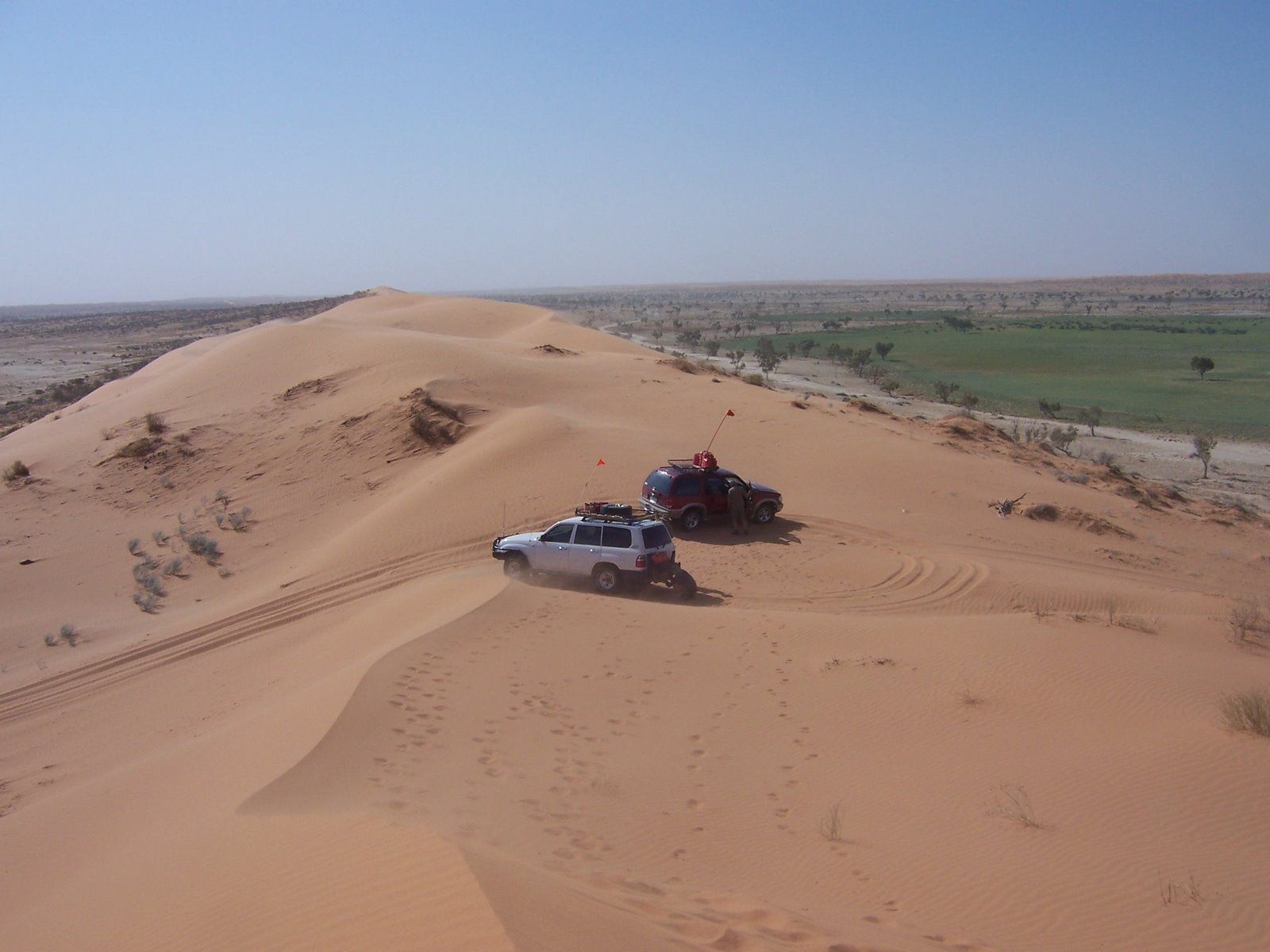
The freedom comes with work. Confirm road access, accommodation and activity times yourself. Rental conditions may restrict particular roads even if another traveller has used them. Choose a route compatible with the vehicle and your experience rather than assuming that a larger vehicle automatically makes a remote trip suitable.


What guided touring can add
Guided travel can make a multi-stop holiday easier when you prefer not to drive or organise every booking. Commentary and coordinated attraction visits can add context, while shared travel may appeal to solo visitors and social groups. Ask how much free time is available and whether passengers can choose alternatives.
Read the itinerary day by day. Check the longest driving stages, hotel changes, walking demands and meal schedule. Confirm whether the tour is accompanied throughout or consists of separately arranged services. Ask who provides assistance if a connection changes and what the operator will do if weather affects an included attraction.
Consider a combined approach
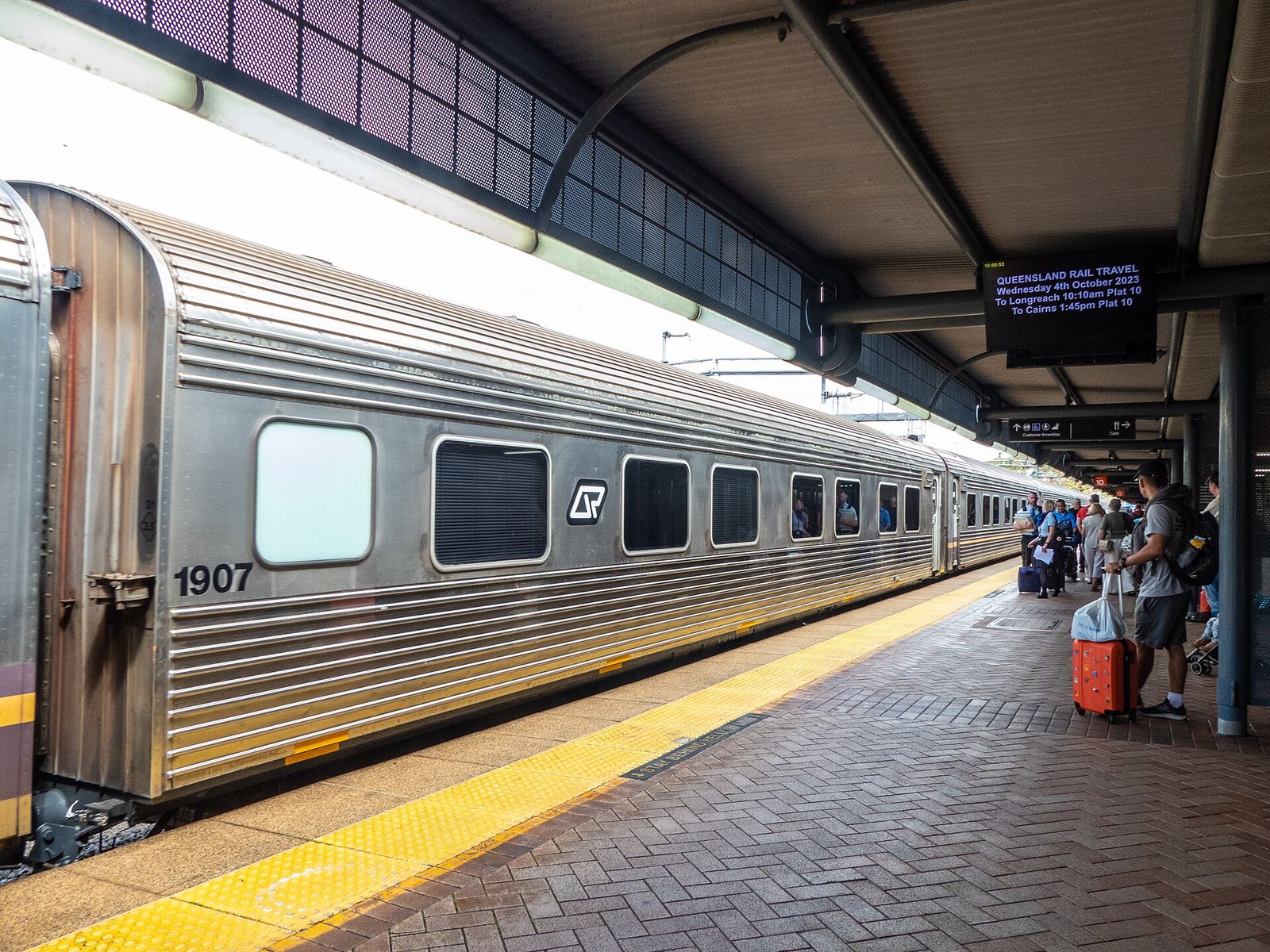
Flying or travelling by rail to a base and joining local experiences can reduce the amount of driving while preserving flexibility. It still needs coordination: arrival transfers, luggage, hotel check-in and tour departure points must fit together. A rail ticket is not automatically a complete transport solution after reaching the destination.
Another option is self-driving between towns and booking guides for particular experiences. This can work well when specialist interpretation matters. Check cancellation terms across the separate bookings and leave a buffer before timed departures. Do not assume that one provider will wait because another service is late.
Compare like with like
Put transport, rooms, meals, admissions and optional activities in separate columns. Add fuel and vehicle costs to the independent plan, and add excluded meals and activities to the guided plan. Compare room occupancy and the actual number of days at the destination. A package with more inclusions may still require spending money.
Avoid treating a displayed from-price as a final quote. Request the fare for your date and party size, including single rooms where needed. Check minimum numbers, departure confirmation and payment terms. The cheapest plan is not necessarily good value if it forces a pace or room arrangement you would not enjoy.
Questions to answer before booking
Write down the trip’s priorities, the available dates, the number of travellers and any access needs. Decide whether you want a private group, a scheduled departure or independent arrangements. Include your preferred room standard and the experiences you would be disappointed to miss.
Send those details with a Cooee Tours enquiry so the response can address your actual holiday. Before paying, confirm the named services, itinerary, exclusions and conditions. Retain the written confirmation and contact details offline. A clear agreement at the start makes it easier to enjoy the journey once you arrive.
Check before you travel
Outback Queensland visitor planning · QLDTraffic · Queensland Parks alerts · Regional accommodation directory