
Reviewed 13 November 2026
Separate highway touring from remote travel
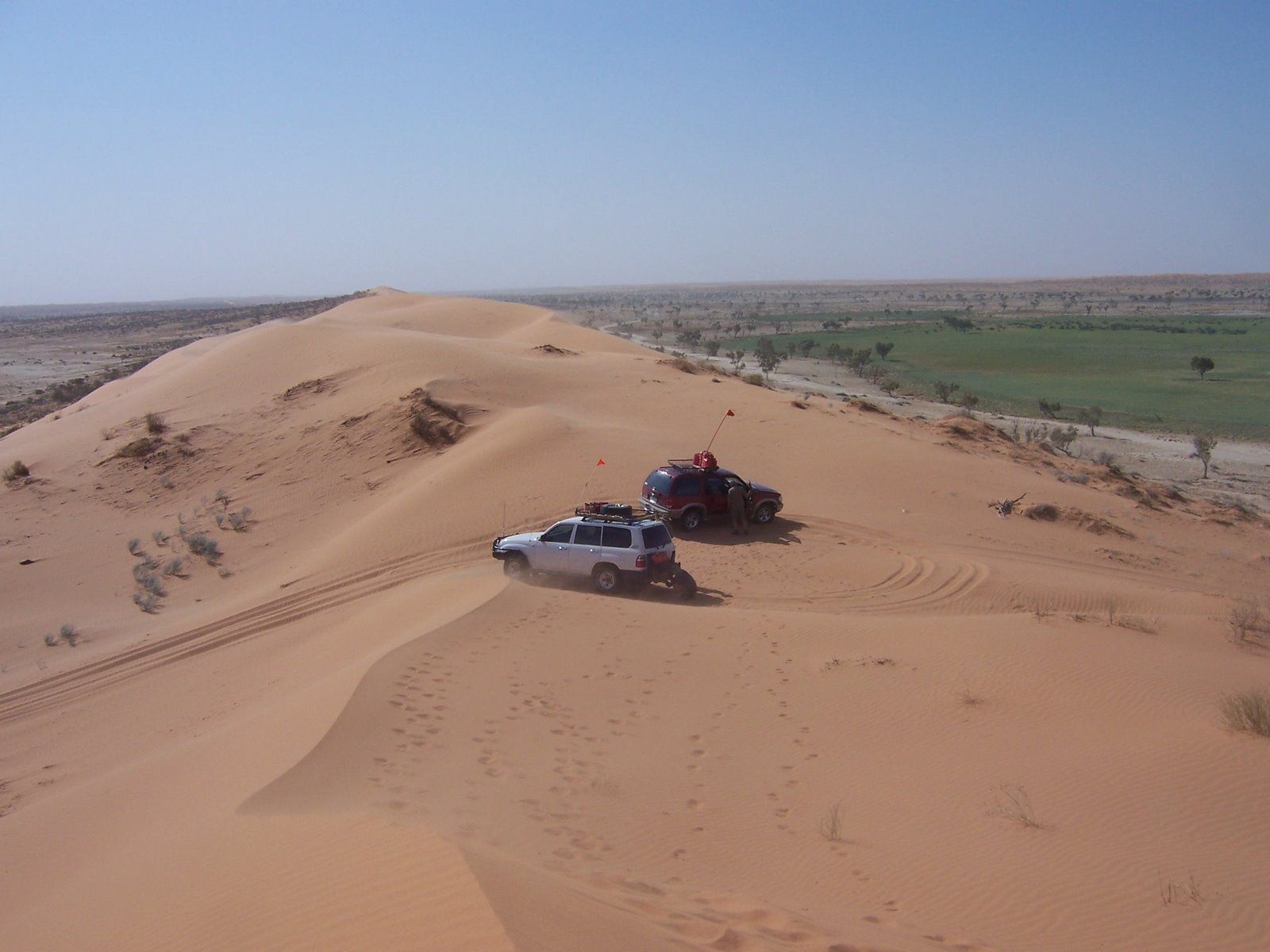
A route linking major towns on sealed highways is a different undertaking from an unsealed park road or remote desert crossing. Decide which journey you are planning before choosing a vehicle or itinerary. A regular car may suit a highway holiday while an optional side trip requires different clearance, equipment or permission. Read the vehicle rental conditions as well as the road description.
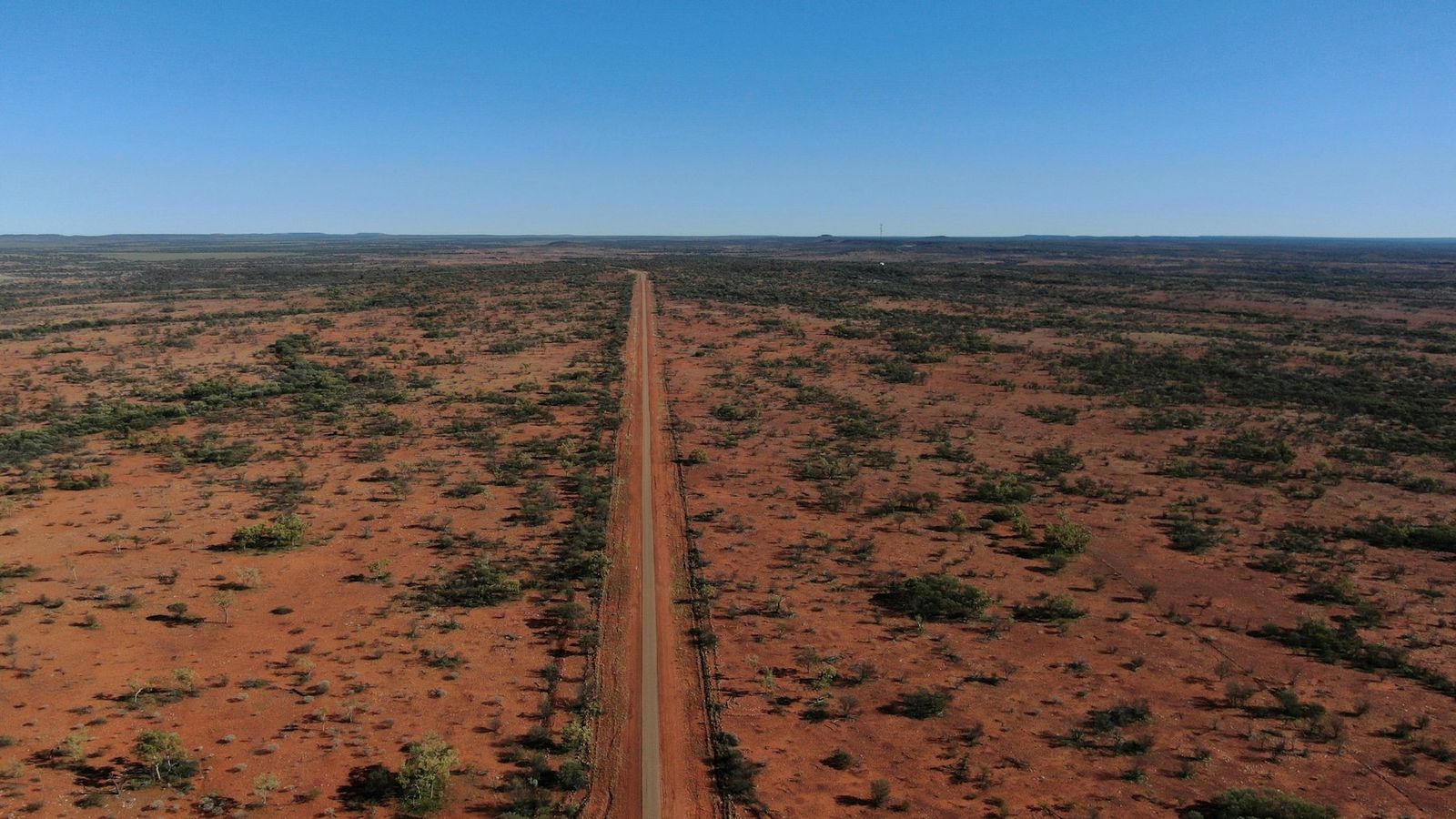
Do not infer road suitability from a straight line on a map. Check each access road to your accommodation and attractions. A sealed highway can lead to a final unsealed section, and a road marked open may still be unsuitable for your vehicle or trailer. Ask the local visitor centre or road authority about the particular route.
Check conditions at each stage
Use QLDTraffic, relevant council road reports and Queensland Parks alerts before a travel day. Weather can affect the next catchment even when your current town is dry. Obtain current information rather than relying on an old travel blog, a saved screenshot or advice from someone who visited last season.
Build an alternative overnight stop into the plan and keep enough flexibility to wait. Never pass a closure sign or drive into floodwater. If access is uncertain, contact the accommodation before leaving the last service town. An attraction booking is less important than a suitable road and a safe arrival.

Make daylight the default
Plan arrival before dusk and leave room for breaks, roadworks, slow vehicles and unplanned stops. Navigation estimates generally do not account for your meal, fuel and sightseeing time. A day with several attractions should contain less driving than a transit day. Give yourself permission to remove a stop rather than recover time by rushing.
Wildlife and livestock are part of the driving environment. Stay alert and adapt to visibility and conditions. If fatigue develops, stop somewhere safe; swapping drivers is useful only when the next driver is rested. A late departure is a reason to shorten the day, not to assume the original schedule must be completed.
Fuel, water and communication
Identify intended fuel stops and confirm their hours before a remote section. Allow for detours and the consumption of the actual vehicle, particularly while towing. Do not assume that the next marked settlement has fuel available. Arrange drinking water and food for the route, including a contingency for delays.
Download maps and booking details, but do not treat a downloaded map as live road information. Check network coverage for the route and consider suitable satellite communication or emergency equipment for remote travel. Learn how to use any hired equipment before departure and share the itinerary and check-in arrangements with someone you trust.
Road trains and narrow roads
Leave space around heavy vehicles and avoid overtaking unless it is legal and you have a clear, adequate view. Long vehicles need more time and distance than ordinary cars. On narrow roads, reduce speed early and assess the shoulder before moving onto it; soft or damaged edges can create another hazard.
Dust can hide vehicles, animals and road damage. Increase the gap and wait for visibility rather than following closely. Follow signs, posted speed limits and current authority advice. This planning guide is not driving instruction for remote recovery or off-road conditions: obtain appropriate training where the itinerary requires it.
Vehicle and daily departure checks
Arrange maintenance before the journey and confirm tyre suitability, spare-wheel equipment and towing limits with a qualified professional. Pack essential documents where they can be reached without unloading the car. Keep water, medication, hats and a torch accessible rather than buried beneath luggage.
Each morning, review the route, fuel, conditions, weather and intended arrival with everyone travelling. If the day has changed, update the person expecting your check-in. When a breakdown happens, contact assistance using the available communication equipment and follow emergency-service advice; do not turn an uncertain situation into an improvised walk through unfamiliar country.
Check before you travel
Outback Queensland visitor planning · QLDTraffic · Queensland Parks alerts · Regional accommodation directory