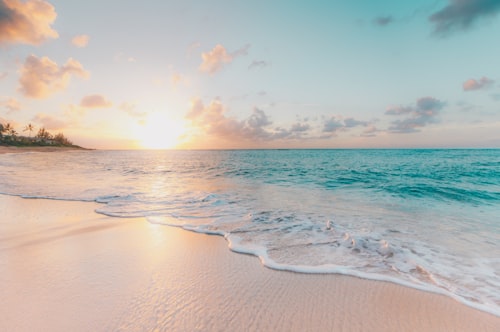
Crystal waters, 15 sunken shipwrecks, towering sand dunes, and wild dolphins — all just 75 minutes from Brisbane. The island escape that surprises everyone who makes the crossing.
Gheebulum Kunungai — Moreton Island — is the world's third-largest sand island and one of Queensland's most extraordinary natural treasures. It sits just 40 kilometres from Brisbane's CBD, yet the moment the ferry docks you feel the full distance from the city. Almost entirely national park, the island has no sealed roads, no high-rises, and — once you leave the Tangalooma area — very few other visitors.
What makes Moreton truly special is the variety packed into a single day. You can snorkel an artificial reef built from 15 deliberately-sunk ships in the morning, sandboard down dunes that rise 280 metres above sea level in the afternoon, and watch wild bottlenose dolphins come to shore at dusk. Very few places on earth offer that range in one day trip.
75-min ferry from Holt Street Wharf
🌊 World's 3rd largest sand island
🏞️ 98% national park
🐬 Wild dolphin encounters at dusk
A Full Day From the City
Depart from Brisbane in the morning and return the same evening. All logistics — ferry, equipment, activities and lunch — are handled for you.
All Equipment Provided
Snorkel gear, life jackets, safety briefings, and sandboards are provided on the relevant tours. Just bring sunscreen and a towel.
Something for Every Group
From gentle family cruises to adrenaline-packed 4WD safaris, there's an experience suited to every age, fitness level, and appetite for adventure.
Getting to Moreton Island independently involves booking the ferry, hiring 4WD equipment, paying national park fees separately, and managing your own schedule. Here's what a guided tour changes.
Everything Pre-Arranged
Return ferry transfers, gear hire, national park fees, and activity scheduling are all handled. You arrive at the wharf and step aboard — nothing else to organise.
Local Knowledge
Expert guides know exactly where the best snorkelling spots are on any given day, which dune runs are most spectacular, and when dolphin feeding is scheduled.
Safety Comes First
Snorkelling briefings, life jackets, and certified guides ensure the day is as safe as it is memorable. All tours are and fully insured.
Our Experiences
Choose Your Moreton Island Adventure
Four distinct ways to experience the island, each departing directly from Brisbane with everything included on board.
⭐ Most Popular 4.9 (320)
1-Day Moreton Island Cruise
Step aboard a luxury catamaran for a full day of sun, swimming, and pure relaxation. This is the ideal introduction to Moreton Island — comfortable, all-inclusive, and genuinely beautiful from start to finish. Perfect for first-time visitors, families, and anyone who wants a seamless island day without complications.
Return ferry crossing from Brisbane's Holt Street Wharf
Pristine beach time at Tangalooma Island Resort
Swimming, snorkelling, and coastal walks
Buffet lunch and refreshments included
Guided commentary on Moreton Island's ecology
Full day All ages🍽️ Lunch included
🌿 Eco Certified 4.8 (210)
Eco Adventure Moreton Island
A guided nature immersion led by an expert naturalist. This tour goes deeper into the island's extraordinary ecology — snorkelling coral gardens teeming with tropical fish, tracking sea turtles and dugongs through the shallows, and trekking coastal dunes with the context that only an on-the-ground expert can provide.
Snorkel coral gardens with naturalist guidance
Sea turtle, dolphin, and dugong spotting
Guided coastal dune and bushland walk
Marine ecology commentary throughout
All snorkel gear and safety equipment provided
Full day Gear included🏃 Moderate activity
🤿 Bucket List 4.9 (145)
Snorkel the Tangalooma Wrecks
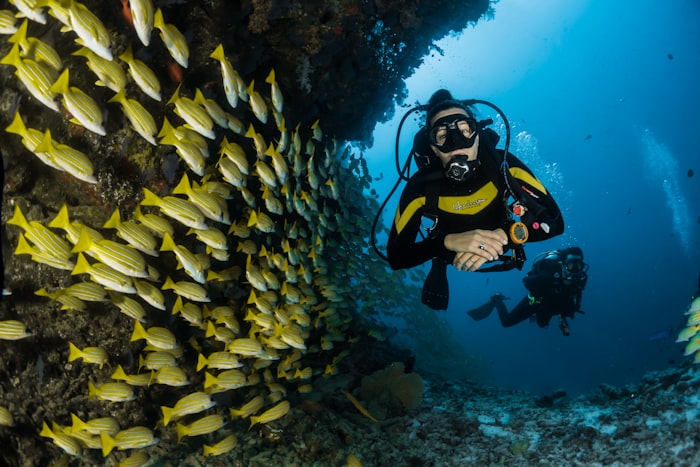
Fifteen ships were deliberately sunk off Moreton Island's western shore between 1963 and 1986 to create an artificial reef. Six decades later, the wrecks are home to more than 200 species of tropical fish, healthy hard and soft corals, sea turtles, and rays. This guided snorkel tour is suitable for all skill levels — including those who have never snorkelled before.
Guided snorkel over 15 historic shipwrecks
200+ species of tropical fish and marine life
Turtles, rays, and wobbegong sharks common
All gear provided — wetsuits available in winter
Safety briefing and in-water guide support
Half or full day All gear incl.👦 Ages 6+
🚙 Thrill Seeker 4.7 (190)
4WD & Sandboarding Adventure
Moreton Island's interior is a landscape that has to be seen to be believed. Towering sand dunes rise up to 280 metres above sea level, with views across Moreton Bay and the Queensland coast. A guided 4WD safari takes you through beaches, coastal tracks, and the Tangalooma Desert — and sandboarding down those dunes is genuinely one of the most fun things you can do in a day.
Guided 4WD safari through beaches and coastal tracks
Sandboarding on dunes up to 280 m above sea level
Cape Moreton Lighthouse visit (optional)
Blue Lagoon freshwater lake stop
Picnic lunch on the beach
Full day⚡ Active / adventurous👦 Ages 10+
Island Wildlife
What You Might Encounter
Moreton Island is a protected national park. The wildlife here hasn't been habituated to large tourist crowds — encounters feel genuinely wild.
🐬
Bottlenose Dolphins
Wild pods visit Tangalooma daily at dusk for one of Australia's most iconic wildlife experiences. Hand-feed them in the shallows under ranger supervision.
🐢
Sea Turtles
Green and loggerhead turtles are frequently spotted in the calm bay waters, particularly around the Tangalooma Wrecks reef during snorkel tours.
🐳
Humpback Whales
Each year from June to November, thousands of humpback whales migrate past Moreton Island on their annual journey — visible from the ferry and shoreline.
🦈
Wobbegong Sharks
Harmless and well-camouflaged carpet sharks are a common and fascinating sighting for snorkellers exploring the wreck reef on the island's western shore.
Dec–Feb Best for swimming, snorkelling & warm water
Year-round Dolphins, turtles, dunes & wrecks accessible all year
15
Sunken Ships
Featured Attraction
The Tangalooma Wrecks — Queensland's Most Accessible Reef
Between 1963 and 1986, fifteen vessels were deliberately scuttled in shallow water off Moreton Island's western shore to create an artificial reef and provide coastal protection. What followed was one of nature's most impressive colonisation projects. The rusting hulls are now covered in hard and soft corals, hosting a marine ecosystem that supports over 200 species of tropical fish, sea turtles, rays, and reef sharks.
The beauty of the Tangalooma Wrecks is accessibility. The shallowest wrecks sit in just 2 metres of water — perfectly suited to novice snorkellers, children, and those who simply want to look without effort. More experienced divers can explore deeper sections. No prior snorkel experience is required on our guided tours.
1
Depth Range: 2–8 metres
Accessible to all skill levels with provided gear. Guides stay in the water with you throughout.
2
200+ Marine Species
Parrotfish, batfish, trumpetfish, turtles, rays, and wobbegong sharks on any given day.
3
Best Visibility: Sep–May
Calm waters and good visibility make spring through autumn the optimal snorkelling season.
What to Expect
Your guide briefs the group before entering the water and stays in with you throughout. Wetsuits are available for cooler months (June–August). Water shoes are recommended for entry from the beach.
Moreton Island — Mulgumpin, Quandamooka Country — is the world's third-largest sand island, 95 percent of it protected national park. Its statistics read like fiction: Mount Tempest rises around 280 metres, among the highest stabilised coastal sand dunes on Earth; Cape Moreton's 1857 lighthouse was Queensland's first, built from the island's own sandstone; and the surrounding Moreton Bay Marine Park shelters dugongs, turtles, dolphins and — in season — passing humpback whales in numbers that turn ferry crossings into wildlife cruises.
Beyond Tangalooma's famous corner, the island unfolds for those with transport and a guide: the Blue Lagoon's freshwater swimming, the bubbling natural spa of the Champagne Pools at the island's north, ocean-side beaches that run unbroken for tens of kilometres, and inland tracks through wallum heath that flowers spectacularly in late winter.
Day trip, overnight or longer? A guided day trip nails the icons — wrecks, dunes, dolphins on evening departures — with zero logistics. Overnight unlocks the island after the day boats leave: sunset over the bay toward the city, the evening dolphin program at the resort, and a second day for the island's wilder corners. Self-sufficient campers with 4WDs love Moreton too, but the permit, barge, tide-timing and recovery-gear checklist is exactly the workload our guided options exist to delete.
Respect notes: Mulgumpin is Quandamooka Country, returned to its Traditional Owners' care in recent years, and the island's protection rules are simple and serious — stay off the dune vegetation that holds the island together, take everything out, and let the wildlife set the terms of every encounter. Our guides carry these standards on every departure; the island repays it.
When to Go
Moreton Island Through the Year
Summer (Dec–Feb) is full-throttle island time — warmest water for the wreck snorkel, longest days, biggest energy, and the season to book earliest. Autumn (Mar–May) is the connoisseur's window: water still warm, visibility at the wrecks often at its yearly best, crowds easing and the light turning gold by mid-afternoon.
Winter (Jun–Aug) swaps swimming-first for spectacle-first — humpback whales streaming past the island in their tens of thousands, dugongs in the seagrass shallows, and crisp, clear days made for the dunes and lighthouse end of the island. Spring (Sep–Nov) blends it all: returning warmth, southbound whales with calves, and the wallum heath in flower.
The constants never take a season off: the Tangalooma Wrecks' fish life, the desert's sandboarding runs, the bottlenose dolphins' evening visits at the resort, and a bay so protected that day trips run comfortably year-round. There is no wrong month for Moreton — only different versions of a very good day.
Booking rhythm: summer weekends and school holidays sell first; whale-season Saturdays go next; and the quiet genius move is the mid-week autumn departure, which delivers the island at its most generous. Whatever the date, one booking with us covers ferry, island transport, gear and guiding — the whole moving puzzle in one piece.
Layers of the Island — A Short Human History of Mulgumpin
People have known Mulgumpin for millennia. The Quandamooka Peoples' connection to the island spans countless generations — middens, story places and pathways that long predate every European chart — and that connection is living and legal: native title over Mulgumpin was formally recognised in the modern era, with the island's care increasingly guided by its Traditional Owners. Visiting well starts with knowing whose island it is.
The colonial layers came fast and strange: Matthew Flinders ran aground here; the Cape Moreton lighthouse — Queensland's first, 1857 — rose from local sandstone to tame a treacherous shipping approach; and Tangalooma spent the 1950s as Australia's largest whaling station, processing the very humpback population that now parades past the island in joyful, recovered tens of thousands. The whaling station's bones became the resort; the hunted became the headline act. Few places anywhere offer a neater redemption arc.
The wrecks complete the story: fifteen vessels deliberately scuttled along Tangalooma's shore between the 1960s and 1980s to create a small-boat anchorage, now colonised into Queensland's most accessible artificial reef — wobbegongs, trevally schools and coral growth a flipper-kick from the beach. History here isn't in a museum; you snorkel through it. Our guides carry all these layers on every departure, which is how a beautiful day trip becomes a memorable one.
Choosing between this page's options is simpler than it looks: day-trippers wanting the icons take the classic tour; snorkellers and photographers weight toward wreck-focused departures; families calibrate by youngest member (the dunes and dolphins carry any age); and anyone whispering 'lighthouse' or 'Champagne Pools' should be talking to us about the longer-range and overnight formats. One conversation sorts it — and every option ends the same way, salt-dusted and grinning on the homeward ferry.
Availability follows the seasons described above, so the practical advice is short: pick the experience first, the date second, and call early for summer weekends and whale-season Saturdays. Mulgumpin has been worth the crossing for a few thousand years; your booking window is somewhat shorter.
Every option on this page includes the essentials — return crossing, island transport, guiding and gear where listed — with the inclusions itemised plainly before you pay. One island, one booking, zero logistics: that's the product, and Mulgumpin supplies the magic. The bay is an hour away and the island is waiting — all that is missing is the date in your diary.
Mobile coverage is patchy away from the western side. Drinking water is limited. Whatever you need for the day should come with you, which is one of the underrated advantages of a guided trip — food, water and equipment arrive as part of the arrangement rather than as your problem.
Moreton is a national park across most of its area with a small resort and three tiny settlements — Bulwer, Cowan Cowan and Kooringal. There is no supermarket, no petrol station outside the resort, and no ATM you should rely on.
Facilities on the Island
Standard hire-car agreements prohibit unsealed roads outright, so taking a rental across voids the insurance entirely. That leaves three options: a guided tour, a properly equipped private vehicle, or staying at the resort and using its transfers.
Moreton is the third-largest sand island in the world and has no sealed roads at all. Every route on the island is soft sand track, which requires a high-clearance four-wheel-drive with tyres deflated to suit — a conventional vehicle will bog within metres of the barge ramp.
Why You Cannot Drive a Normal Car There
Vehicle spaces sell out on weekends and through school holidays well ahead of foot passengers. If you are taking a four-wheel-drive across independently, that booking is the constraint.
The timetable governs the day completely. There are only a handful of sailings each way, they are fixed, and a missed departure is not a ten-minute inconvenience — it can be the whole day. That is why island tours start early and why the return time is non-negotiable rather than us being inflexible.
Moreton Island has no bridge and no airstrip for visitors, so everything runs on the barge. Services depart from the Port of Brisbane at Howard Smith Drive and from Holt Street Wharf at Pinkenba, and the crossing takes 75 to 90 minutes depending on the service and the destination.
Getting to Moreton — the Barge and the Timetable
An overnight is also the only way to see the dusk dolphin feeding without a late return.
Camping requires a permit booked in advance through Queensland's national park system, and sites are basic — some have no water at all. The reward is the island after the day barges leave: the dunes at sunset, genuinely dark skies, and the beaches to yourself.
Most visitors day-trip, but Moreton has a resort at Tangalooma and a number of national park camping areas, and an overnight changes the island considerably.
Camping and Staying Overnight
Good to Know
Moreton Island Tours — FAQ
Common questions before booking your Moreton Island day trip from Brisbane.
All Cooee Tours Moreton Island tours include return ferry transfers from Brisbane's Holt Street Wharf. The crossing takes approximately 75 minutes each way on comfortable vessels with seating, a café, and views across Moreton Bay. There's nothing to arrange independently — the ferry is included in your tour price.
Moreton Island is approximately 40 kilometres from Brisbane's CBD. The ferry departs from Holt Street Wharf in Pinkenba (accessible from central Brisbane) and takes around 75 minutes. It's one of the closest offshore island destinations in Australia to a major city.
Swimwear, reef-safe sunscreen, a hat, a towel, and water shoes (recommended for beach entry to the water). Most tours supply snorkel equipment, lunch, and safety gear — your booking confirmation will list exactly what is provided for your specific tour. Spending money if you'd like to purchase additional food or souvenirs on the island.
Yes — the 1-Day Cruise is suitable for all ages and is the most family-friendly option. Snorkel tours recommend ages 6 and above. The 4WD and Sandboarding Adventure is best suited to ages 10 and up. Family pricing is available and each tour listing includes specific age guidance.
Moreton Island is enjoyable year-round. Summer (December to February) offers the warmest water and best snorkelling visibility. Winter (June to October) is peak season for humpback whale watching and wild dolphin encounters. Spring (September to November) and autumn (March to May) offer the best balance of warm weather, good visibility, and smaller crowds — our recommended time to visit.
Free cancellation is available up to 48 hours before departure. If a tour is cancelled due to adverse weather conditions or operational reasons, guests receive a full refund or a complimentary rebooking to an alternative date. We never charge for changes caused by weather.
Secure your spot on a 2026 Moreton Island tour. Peak summer dates and school holiday periods sell out quickly — book early to lock in your preferred experience.
 ⭐ Most Popular