Choose your base in one minute
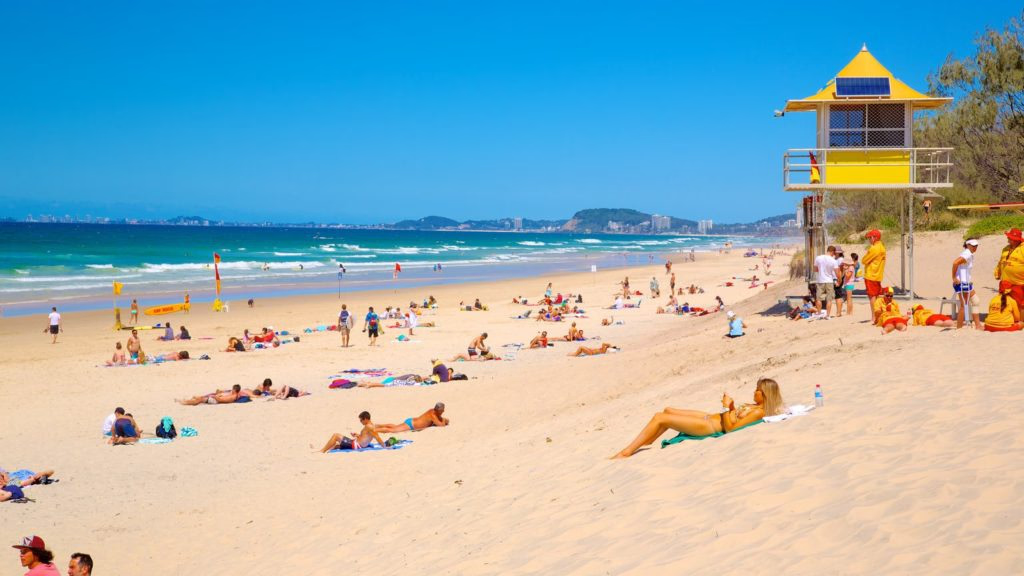
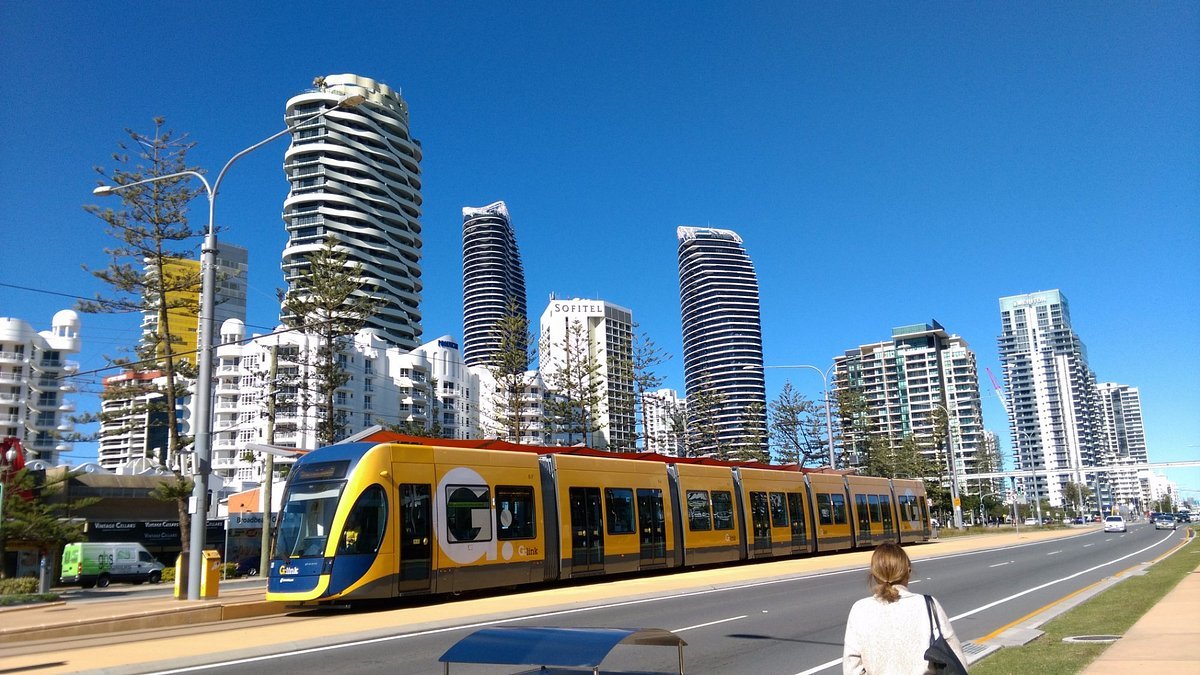
Choose Surfers Paradise if you want the easiest combination of transport, accommodation and things to do after dinner. Stay near a G:link stop and you can use the same line for your evening out and your return to Helensvale. Choose Redcliffe if the point of staying overnight is a quiet dinner followed by an unhurried morning beside Moreton Bay. The last bus connection matters more here, so pick your accommodation around the pedestrian route from the stop. Choose central Ipswich if heritage streets, independent cafés and an art gallery are more appealing than a beach. It rewards travellers who are happy to spend most of the break within one compact area.
| Base | Best for | Route from Brisbane | Plan around |
|---|---|---|---|
| Surfers Paradise | A beach break with dinner and plenty of accommodation choices | Gold Coast line to Helensvale, then G:link | Trackwork notices and the walk from the tram stop to your room |
| Redcliffe | A waterfront dinner and an easy morning outdoors | Train towards Kippa-Ring and a local bus, or a Sandgate connection where the planner suggests it | The final connection and the distance between your room and the waterfront |
| Central Ipswich | Heritage, cafés, galleries and a gentle pace | A train calling at Ipswich, then walk or book a short transfer | Opening days, station-to-hotel gradients and access to Queens Park |
All three plans assume one night and a small overnight bag. Start with your actual address and departure time in the Translink journey planner. A Friday from the Brisbane CBD can give a different result from a Saturday after an airport arrival. The examples are itinerary shapes, so you can move the times and stops without losing the point of the trip.
Surfers Paradise for the easiest beach break
Where to stay
Look near the Surfers Paradise, Cavill Avenue or Cypress Avenue tram stops if you want the beach and dinner within easy reach. The map can make a hotel look close to the ocean while leaving you with a longer walk from the tram, particularly if the main entrance is on the opposite side of a block. Open directions to the entrance, then check the walk to dinner separately. If you are planning an early night, ask about the room orientation before paying for a central location. A quieter room can be worth more to you than a view over the busiest strip.
Broadbeach is a worthwhile alternative when dinner is the main event and you want a different atmosphere. The tram gives you access to both areas, so compare two hotels using the location of your evening meal, the beachfront walk and the return to Helensvale. A booking near a stop means you can leave your bag at reception and go straight out when you arrive before check-in. Confirm luggage storage and the latest arrival time directly with the hotel.
Day one from Brisbane to the beach
Take a Gold Coast line service that stops at Helensvale and change there to the G:link. Keep the interchange in your plan even if your map app initially offers a different route based on driving time. Helensvale is the place to check whether the train and tram are both running normally that day. If rail replacement arrangements apply, let the planner recalculate the whole journey including the tram and your walk to the hotel. On a one-night trip, a late departure with a long replacement bus leg can change whether the trip feels worthwhile.
Drop your bag first, then choose an easy walk along the esplanade. Give yourself permission to use one stretch of beach really well. You might spend the afternoon alternating between the foreshore, a café and your accommodation. If the group wants an activity, pick one that has a clear end time and enough room before dinner for a shower or a short rest. Stay near the base if anyone is carrying equipment, walking slowly, or needs frequent breaks. A small route that everyone can enjoy is usually easier to manage than an ambitious itinerary that depends on meeting back at the hotel at an exact time.
Reserve dinner if you have a specific place in mind, especially when an event or school holiday increases demand. Pick a table that you can reach along streets you are comfortable using after dark. If your group cares more about time together than about one particular restaurant, identify a second option in the same neighbourhood. That way a delayed train or a change of weather need only move the meal, while the rest of the evening still works. If you have an early return the following day, order breakfast or make sure there is an open café close to the hotel.
Day two with a flexible morning
Start with a beachfront walk or a long breakfast, then either return directly to Helensvale or take the tram to Broadbeach for a short visit. Decide before checkout whether to leave the bags at reception or carry them. Leaving them gives you a more comfortable morning close to the hotel, while taking them avoids a return leg if you are ready to head straight back. Choose one approach and leave the group with a clear meeting point that is easy to describe without a map pin.
Wet weather is easiest to manage if your morning was meant to be flexible anyway. Make a café, a meal or an indoor stop your anchor and leave the beachfront as a short optional walk. If you are travelling as a family, a dependable early lunch may be more useful than trying to fit in a large attraction before the train back. If you are using the trip to meet friends for an event, plan the return separately from the event finish time and check the provider’s latest timetable close to departure.
When a tour makes more sense
Keep the tram for an urban beach break. Consider a separately booked tour if the experience you want is away from the line, collecting different travellers at several hotels, or tied to a venue you cannot reach on a sensible schedule. A rainforest or hinterland outing is typically a different sort of day from a beachfront stay. If you want both, allow a second night or put the out-of-town activity first and keep checkout day for the return. Check the pickup address, the advertised finish point and the luggage policy with the operator before committing to a train.
Redcliffe for a slower waterfront stay
Choose the waterfront before choosing the bus
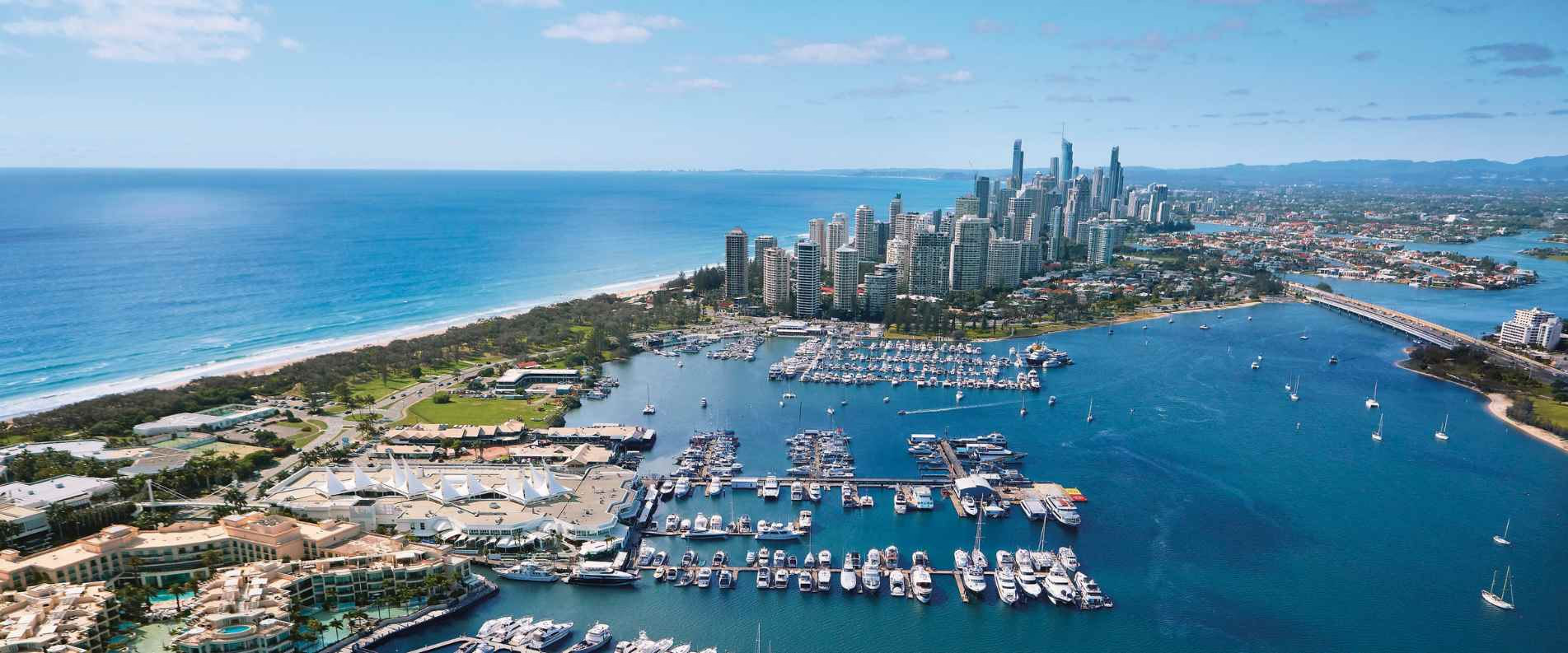
Redcliffe works best if you start with a room within easy walking distance of the jetty area, the Esplanade or the part of the peninsula you actually want to use. An address described as being near Redcliffe could put you nearer a road corridor than the waterfront. Check the directions from the hotel to dinner, to an evening walk and to the return bus stop. On a short break the hours saved between these little stops can matter more than the view from the room.
Use Translink for a train and bus combination via Kippa-Ring, or compare a Sandgate connection when the journey planner offers it. Translink lists route 690 between Kippa-Ring and Sandgate via Redcliffe. Check the stop names and direction on the day you intend to travel. Your best stop depends on your room and activities. Plan the homeward buses too. Local services do not necessarily line up with trains or the finish time of a late dinner.
A one-night plan built around the foreshore
Arrive in the afternoon, leave the overnight bag at the accommodation and start with the jetty and esplanade area. Make the first decision based on the weather. If it is fine, continue along a manageable stretch of waterfront and leave time for an early meal. In hot weather, split the walk into shorter sections around shade, seating and a drink stop. A windy day may make an inland café more inviting and a brief look over the bay plenty. The benefit of staying a night is the chance to come back out when the conditions change.
Wake early enough for breakfast and a short second outing before checkout. An uncomplicated morning is the advantage of choosing Redcliffe. If there is an event or market on the date you are visiting, build your plans around the venue and the operating hours that the organiser lists. Avoid relying on a recurring event simply because it was on the previous weekend. Leave a clear window for the local bus on the way back, with a backup option if you miss your chosen service.
Who will get the most from it
This is the easiest suggestion to adapt for relatives who want conversation, lunch and a walk at different paces. Nominate a café or seating spot where someone can pause while other members of the group go a little farther. If someone needs access to a particular bathroom, covered waiting area or level path, confirm it before you go. Check both the hotel and the transport legs. Being able to use a bus is only one part of a journey that may also include kerbs, crossings and weather exposure.
If you already live near the peninsula, an overnight rarely saves much travel. It might still make sense for a special dinner or a meet-up with visitors staying nearby. Alternatively travel there for a long lunch and return before the connections thin out. Visitors from central Brisbane may get more from an overnight if an early walk is part of the plan or if they want the flexibility to stay for dinner without watching the route home.
Central Ipswich for heritage and a compact centre
Pick the station and room as a pair
Choose a train that calls at Ipswich. The suburban rail network has branches, so follow the destination and stop list rather than assuming every westbound train reaches the city centre. Put the accommodation’s street address into a walking map from Ipswich station and check the grade. Central streets and park approaches can feel steeper than the map suggests. Book a short ride if the hill, heat or weight of the bags would start the trip badly. Ask the hotel whether you can leave them before check-in instead of carrying everything to the first stop.
Look for central accommodation that puts the station, dinner and at least one chosen attraction within manageable reach. When accommodation farther out is markedly cheaper, compare the saving with two local rides and the extra time. For a short visit, a slightly dearer central room may give you a longer afternoon and a lighter morning. A room close to breakfast can also help if you are arriving on a Sunday or a public holiday, when venue hours may be different.
A relaxed afternoon and a flexible second day
Begin around the centre with a café and a look at the heritage buildings. Choose Ipswich Art Gallery if its exhibitions and opening hours suit your visit. It can be your indoor anchor on a hot or wet day and still leaves time for a meal before the evening. Check the gallery programme first if you are travelling with children or expect to see a particular exhibition. Treat each gallery session as its own commitment and allow time to sit down afterwards rather than filling the rest of the day with appointments.
Consider Queens Park the following morning if the route and your mobility suit it. Allow time for the return as well as the outward trip, especially on a hot day. Identify the specific entrance you need because a directions app may send you to the nearest corner of a large park. If your aim is the nature centre or gardens, check their access and hours separately from the general park. You can swap the park and gallery between days if venue hours or forecasts make that easier.
Check the Rail Workshops before planning around them. Queensland Museum Rail Workshops was listed as temporarily closed at the time of publication, following storm damage. The museum’s closure page had no reopening date to share. Plan the trip around the city centre and Queens Park for now, and use the official museum page to confirm any future return. A rail-themed visit can still include the journey itself and Ipswich’s broader industrial heritage. It is worth taking the central stay on its own merits.
When to keep the trip small
For a first visit, a shorter route between the station, gallery and a meal is enough to decide whether you want to explore more of the city. Do that version if the group moves at different speeds, if your booking is during a humid spell or if you only have the afternoon before an early departure. If your interests take you to several attractions across Greater Ipswich, look at bus frequency and reserve the longest connection for the middle of the day. A fixed appointment far from the rail line can become a reason to take an organised small-group trip or arrange a private transfer.
Compare the costs before paying for a room
Write down the room price at the total for your group, then add the return journey, any special transfers, meals, and the one activity you would regret missing. Add early check-in or late checkout only if it changes the trip. Include any bag storage charge, booking fees or extra transport to a venue. Once you can compare the same set of costs for all three places, the cheapest hotel listing has less influence over the decision. The relevant number is the amount you pay for the whole break and the amount of usable time it buys.
When the plan involves a car-free hotel and a private activity transfer, request the complete scope of the quote. Supply pickup and return addresses, preferred times, passenger numbers, luggage and any accessibility equipment. Ask exactly where the driver is waiting during the activity and how extra time is handled. Groups often underestimate the variability between the advertised activity finish and the actual time everyone is ready. Time for a restroom stop or a walk from the venue to the vehicle belongs in the plan.
If your group consists of two people, public transport generally gives you more room to choose your hotel based on location. For a group of friends with different starting points, pick one central boarding stop and one contingency meeting place at the destination. A family group may prefer a room that sleeps everyone over a nicer location with two separate rooms. For any group, check what your accommodation cancellation covers and what happens to separate attraction tickets if the dates move. Put a note beside every booking that is tied to an exact time.
Plan the journey from door to door
Start with the longest leg and work outwards. Set a realistic departure time from your own address and use the arrival time at the hotel front door. A short train journey can become lengthy when you first need to reach a station, transfer between platforms and then walk in heat. Identify exactly which station, which bus stop and which hotel entrance you are using. Screenshot the essential details if the group will be splitting up or sharing directions with someone who uses a different map app.
Before paying for accommodation, run the same journey in reverse for your preferred checkout time. If it works only with a tight transfer, find a second connection or move checkout earlier. Save a return option that gets you home while you still have energy to unpack, especially if work or a school run follows the next morning. Weekend trackwork can appear after you have already booked, so check your date once when paying, once a few days out, and again before you leave. A planned rail bus may have a different stop or take longer than the train even when the itinerary looks similar on paper.
Travelling with accessibility needs or young children
Break the route into the boarding point, vehicle, interchange, pavement and destination entrance. Contact the operators if a step, a lift or a particular space is essential. Have a backup for each fixed requirement. Ask accommodation about step-free access to the assigned room and whether that includes the bathroom and dining area. Ask about where a ride can drop off and where the accessible entrance is. A useful accessibility plan tells the people travelling exactly what to expect at each transition and where to take a break.
For young children, think about whether you will use the stroller on both days and which bags you can carry while holding hands or moving through a station. Keep a snack, clean clothes and any essentials in something you can reach while seated. Choose the location for the morning meal before the first day ends. Time between checkout and the return service is easier to manage if the group can wait indoors or sit in shade. Families who want the simplest exchange of plans can pick the Gold Coast route and stay within a few minutes of one tram stop for the whole visit.
Rain, heat and major events
Decide in advance how much of the trip needs to be outdoors. An esplanade walk can move to the next morning, while a ticketed experience or event may have its own weather conditions. Book one indoor anchor if the forecast is poor. In warm months, use the cooler part of the day for walking and put the longest exposed segment early. If a major event is on, check accommodation prices and transport changes together. An evening finish can increase the time needed to get through a station or reach a local bus.
For beach and bay visits, check local advice before entering the water and treat the foreshore plan as worthwhile even if you stay dry. For city parks, check the specific venue’s operating updates and respect signs about temporary access. There is no need to fill every open hour. A sheltered lunch and a short walk can be the right version of a one-night break.
Make it a day trip or add one more night?
A day trip works if you only want one activity and can do it between straightforward connections. For example, an early Ipswich gallery visit and lunch can give you enough time in the city without paying for accommodation. Stay overnight when the evening meal, a night event or a slower start is a meaningful part of why you are going. A single room near your main activity can also help if the group has different stamina levels or needs to step away for a rest during the afternoon.
Add a second night if the first day already contains a long intercity journey or an event that ends late, or if you want to combine two places that require different transport. Two nights give you a full day between check-in and checkout. Use that day for the outing that actually needs a fixed tour time and reserve the first and third days for travel. For a beach and hinterland combination, this often feels smoother than a single-night booking with an early excursion and a rushed return to Brisbane.
Booking order and final checklist
- Check your actual outbound and return journeys in the Translink planner and note any service changes.
- Choose one base and one reason to stay overnight, such as dinner, a sunrise walk or a local event.
- Check openings and the walk or ride between stops before you reserve the room.
- Reserve accommodation close to your evening plans and confirm luggage storage and access needs.
- Book any limited-availability activity and check how to reach its actual meeting point.
- Share a simple itinerary with one flexible outdoor option and a service buffer on the way home.
A good version of this checklist fits into a message to the group. Include the station, the address, the piece of the plan that is booked and the time decision everyone has to make. Someone who does not enjoy journey planning should still be able to look at it and know where to be. If you are unsure between two destinations, try writing that message for both. The simpler one often shows where you will enjoy more time at the destination.
Common questions
Which trip is easiest for a first-time visitor?
Start with Surfers Paradise. The train-to-tram connection at Helensvale and the range of accommodation near light rail make it easier to adjust if your plans change. Use the journey planner and set the destination to the hotel entrance rather than the suburb. If your priority is a quiet morning by the bay, Redcliffe is a better match and takes a little more attention to the final bus leg.
Can I do the trip on public transport with a suitcase?
You can make any of these itineraries work with suitable luggage, but a small bag makes changes of vehicle and short walks easier. If you arrive from the airport with large cases, confirm storage at your Brisbane hotel, at the destination hotel or through an appropriate service. When bringing the case, choose a route with the fewest transfers and look up station and hotel access before departure.
Where should I go for the fewest paid activities?
Compare Redcliffe and central Ipswich. A waterfront walk and breakfast in Redcliffe or a city-centre walk and a gallery visit in Ipswich can anchor the trip. Check admission and event details for the actual places and dates you choose. Your accommodation and meals will usually drive the comparison more than the free time you spend outdoors.
Why isn’t the Sunshine Coast in this shortlist?
It can be done without a car, especially when you plan around a specific centre and bus connections. This shortlist focuses on three one-night breaks where you can build a clear itinerary around a single base. For the Sunshine Coast, start with the accommodation’s bus stops and plan the complete rail and bus transfer before deciding whether one night is enough.
Can a group combine one of these stays with a guided outing?
Yes. Share your base, the number of travellers, any luggage and the times you can travel. Ask for the meeting point, the inclusions and the expected return before you reserve onward travel. For a small group with one base, a shared tour can fit naturally. For multiple pickups or an inflexible event finish, ask about a private vehicle and an agreed schedule.