📞 0409 661 342 | ✉️ contact@cooeetours.com.au | 🕐 Office hours: 7am–7pm AEST, daily
🌎 Americas Travel Specialists About Us Americas Hub
🐢 Things to Do · Ecuador 🧬 Darwin's Laboratory of Evolution · Updated April 2026

The GalápagosThings to Do in 2026

19 volcanic islands, 1,000 km off the coast of Ecuador, where unafraid wildlife comes to you. Blue-footed boobies, giant tortoises, marine iguanas, and sea lions that swim alongside snorkellers. Cruise or land-based? Which islands? Here's the 2026 Galápagos guide our Americas specialists send Australian travellers.

🚢 Expedition Cruises 🏝️ Land-Based Tours 🐢 Unafraid Wildlife 🤿 World-Class Snorkelling
🏝️
19 Islands4 inhabited
📏
1,000 kmOff Ecuador's coast
📅
5–8 DaysRecommended
💰
USD $200Park fee pp
🌤️
Year-roundBoth seasons excellent
Updated 2024
Park entry fee doubled to USD $200 per adult (Aug 2024) First increase in 26 years. Budget accordingly. Still paid in cash (USD) on arrival at the airport.
Aussie Checklist →
⭐ 4.9/5 Trusted Travel Planner 🌎 Americas Specialists 🛂 Vaccine & Visa Guidance 📅 Operating Since 2008
SL
Written by an Americas travel specialist · Reviewed for accuracy April 2026

Sophie Leclerc · Americas Travel Specialist, Cooee Tours

I have been to the Galápagos three times — twice on cruises (8-day Metropolitan Touring on Santa Cruz II, 5-day Ecoventura) and once land-based (Santa Cruz + Isabela + San Cristóbal). Most recently October 2025. This is the guide I'd plan for an Aussie friend's first visit.

📅 Published Jan 2026 🔄 Updated 15 Apr 2026 📖 ~14 min read

The Galápagos Islands are unlike any other wildlife destination on Earth. 19 volcanic islands (plus 108 smaller islets), located 1,000 km off the Ecuadorian coast, straddling the equator at the intersection of three ocean currents. The result: species found nowhere else — Darwin's finches, giant tortoises, marine iguanas, flightless cormorants, Galápagos penguins — and wildlife that has never learned to fear humans. You walk within a metre of nesting blue-footed boobies; sea lions swim up to investigate snorkellers; giant tortoises plod across trails like they own them (they do). This guide covers the big decision (cruise vs land), the dozen experiences worth planning around, and the practical Australian-specific info.

19
Main Islands
4 inhabited · 6–10 on a trip
1835
Darwin's Visit
Origin of Species followed
~2,000
Species
~20% found nowhere else
5–8
Days Ideal
Minimum to do it properly
First Decision

Cruise or Land-Based Tour?

This is the single biggest choice for any Galápagos trip. Both deliver extraordinary wildlife — but they're fundamentally different experiences at very different price points.

🚢 Option 1 — Classic Experience

Expedition Cruise

The traditional way to see the Galápagos. Small expedition ships (16–100 passengers) sail between islands overnight, so you wake up somewhere new each morning. Naturalist guides lead twice-daily landings and snorkelling. Some islands (Genovesa, Fernandina, western Isabela) can only be reached by cruise.

Advantages
  • Reach remote islands (Genovesa, Fernandina, Tower)
  • Maximise wildlife — two landings daily, no commuting
  • Expert naturalist guides throughout
  • All-inclusive: meals, park fees, activities, transfers
  • Better for snorkelling — reach pristine dive sites
  • The "classic" Galápagos experience Darwin had
Drawbacks
  • Expensive — USD $2,500–$8,000 pp for 5–8 nights
  • Seasickness possible on smaller vessels
  • Fixed itinerary — limited flexibility
  • Cabin space is compact even on luxury ships
Typical length4, 5 or 7 nights
Budget (mid-range)USD $4,500 pp 5-night
Island access6–10 islands
Book ahead6–12 months
Best forWildlife-focused travellers wanting the classic experience, first-time visitors with the budget, keen snorkellers and photographers.
🏝️ Option 2 — Flexibility & Value

Land-Based Island Hop

Stay in hotels on the inhabited islands (Santa Cruz, Isabela, San Cristóbal), take day trips by speedboat or yacht to surrounding visitor sites. 30–50% cheaper than cruising, more flexible, no seasickness risk — but you'll miss the cruise-only remote islands and commute 2–3 hours to/from day-trip sites.

Advantages
  • Significantly cheaper — USD $150–$400/night for hotels
  • No seasickness — sleep on solid ground
  • Flexible — build your own itinerary
  • Explore towns, beaches, restaurants independently
  • Mix and match — pick specific activities that interest you
  • Works better for families with young kids
Drawbacks
  • Miss Genovesa, Fernandina, western Isabela
  • 2–3 hour speedboat transfers between islands (choppy)
  • Day tours arrive midday when wildlife is least active
  • Requires more self-planning
Typical length5–8 nights
Budget (mid-range)USD $2,500 pp 7-night
Island access3 inhabited islands
Book ahead3–6 months
Best forBudget-conscious travellers, families with young children, anyone prone to seasickness, travellers wanting to combine with surf/beach time.
The Iconic Experiences

Top 12 Things to Do in the Galápagos

The dozen experiences I'd never let a first-time Australian visitor skip. Some are cruise-only (badged accordingly); others are accessible on both cruise and land-based itineraries.

1
All islands

Snorkel with Sea Lions

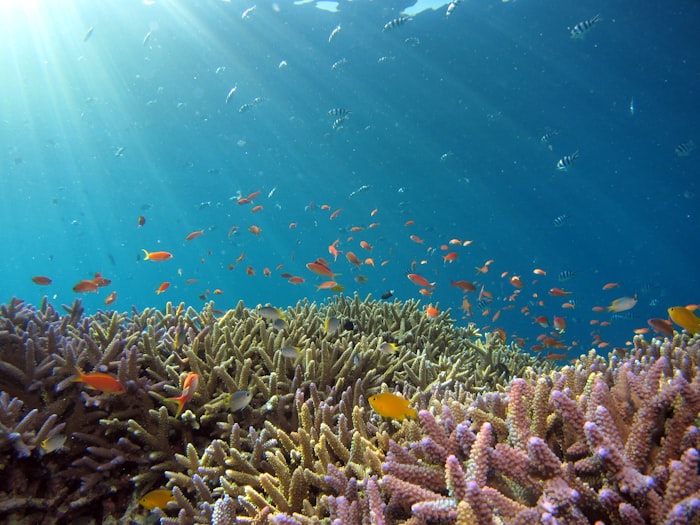
The signature Galápagos experience — sea lions are genuinely curious and playful. Young males will spiral around you, mimic your movements, blow bubbles. Best spots: La Lobería (San Cristóbal), Los Tuneles (Isabela), Punta Pitt. Keep a respectful distance from alpha males. Water is 22–26°C (wetsuit helpful).

🤿 Every snorkel🕓 1–2 hrs
2
Santa Cruz

Charles Darwin Research Station

In Puerto Ayora — the gateway to understanding everything else you'll see. Home to the giant tortoise breeding programme (after the loss of Lonesome George in 2012), interpretive exhibits on finches, and adolescent tortoises in outdoor pens. Free entry; the Tortoise Reserve at El Chato is a better spot for wild adults.

🆓 Free🕓 2 hrs
3
Bartolomé
Cruise

Bartolomé Island & Pinnacle Rock

The single most photographed view in the Galápagos — a 375-step climb up Bartolomé's volcanic cone for the panoramic view of Pinnacle Rock, Santiago Island beyond, and the golden-sand beach below. After the climb, snorkel off the beach — Galápagos penguins are resident here.

🥾 375 steps🐧 Penguins
4
North Seymour / Española

Blue-Footed Booby Nesting

The Galápagos poster animal. North Seymour (Cruise or half-day from Santa Cruz) has the best accessible boobies plus frigatebirds inflating their red throat pouches in courtship. Española (Cruise only) adds Nazca boobies and the waved albatross. The famous blue-foot dance runs April–July.

🦆 Apr–Jul dance🕓 Half day
5
Fernandina
Cruise

Marine Iguana Colonies — Fernandina

The youngest and most pristine island, accessible only by cruise. Punta Espinoza hosts the largest marine iguana colonies in the archipelago — hundreds piled together on the black lava. Flightless cormorants, Galápagos hawks, and sea lions round out the sighting list. Raw and extraordinary.

🦎 Largest colonies🕓 Half day
6
San Cristóbal

Kicker Rock Snorkel & Dive

The sheer vertical cliffs of León Dormido (Kicker Rock) rise 150 m straight from the sea. Snorkel or dive the channel between them: reliable hammerhead sharks, white-tipped reef sharks, Galápagos sharks, eagle rays, sea turtles. Half-day tours from San Cristóbal. Visibility 15–25 m.

🦈 Sharks & rays🕓 Half day
7
Isabela

Sierra Negra Volcano Hike

The second-largest volcanic caldera in the world (10 km wide). 16 km round-trip hike from the trailhead above Puerto Villamil across active volcanic landscapes — solidified lava flows, fumaroles, parasitic cones. Most recent eruption was 2018. Takes a full day; leave at 8am with a guide.

🥾 16 km hike🕓 Full day
8
Santa Cruz

Tortuga Bay Beach

A 40-minute walk from Puerto Ayora through Galápagos cactus forest brings you to one of the most beautiful beaches in the Pacific — white sand, turquoise water, and marine iguanas basking by the hundreds. The inner bay (Playa Mansa) is calm and swimmable. Free. Bring water and sunscreen.

🆓 Free🕓 Half day
9
Genovesa
Cruise

Genovesa "Bird Island"

The single best birding island in the Galápagos — reached only by cruise, via the dramatic Great Darwin Bay caldera. Red-footed boobies, Nazca boobies, great frigatebirds, short-eared owls, storm petrels all nest in walking distance. Prince Philip's Steps offer spectacular cliff views.

🦅 Bird island🕓 Half day
10
Floreana
Cruise

Post Office Bay

A wooden barrel used by whalers since 1793 as a rudimentary post office — write a postcard, leave it in the barrel, take someone else's card home to hand-deliver. A 230-year-old working tradition. Combine with snorkelling at Devil's Crown, one of the best snorkel sites in the archipelago.

📮 1793 tradition🕓 Half day
11
Española
Cruise

Española Waved Albatross

The Galápagos's only albatross and one of its most extraordinary sights — April to December only, when the entire species (~35,000 birds) breeds on this single island. Their courtship "fencing" with beaks is unforgettable. Punta Suárez also hosts dramatic blowholes and Nazca boobies.

🦢 Apr–Dec only🕓 Half day
12
Isabela

Los Tuneles Lava Tunnels

One of the top snorkel sites on Earth — collapsed lava arches and tunnels off Isabela's south coast. Reliable sightings of sea turtles, white-tipped reef sharks, seahorses, penguins, rays, sea lions. Half-day tour from Puerto Villamil (USD $120). Ideal for land-based travellers who want a cruise-quality snorkel.

🤿 Top snorkel🕓 Half day
The Archipelago

The Galápagos by Island

19 main islands, 4 inhabited, countless visitor sites. You won't see them all — a typical trip covers 6–10. Here are the four that matter most for planning.

Island 1 of 4 · The Gateway

🐢 Santa Cruz — The Main Base

📍 Central archipelago 🏨 Most hotels & dining ✈️ Near Baltra airport

The logistical heart of the Galápagos and almost every traveller's first stop. Puerto Ayora is the largest town — 12,000 people, most restaurants, most dive shops, cruises departing from the harbour. A short ferry hop from Baltra airport. Home to the Charles Darwin Research Station, Tortuga Bay beach, the El Chato Tortoise Reserve (wild giant tortoises at close range), and Los Gemelos (twin sinkholes with endemic Scalesia forest). A full day covers the highlights. 1–3 nights is typical.

🏛️ Charles Darwin Research StationFree, walking distance from Puerto Ayora centre.
🐢 El Chato Tortoise ReserveWild giant tortoises in the highlands — USD $10.
🏖️ Tortuga Bay45-min walk from town — one of the Pacific's great beaches.
🥘 Fish Market + KiosksNightly outdoor grills on Charles Binford street — fresh ceviche.
🕳️ Los GemelosTwin sinkholes in Scalesia forest — Darwin's finches.
🛶 Las GrietasCrystal-clear swim hole in a volcanic crevasse — 30 min walk.
Island 2 of 4 · The Wild One

🌋 Isabela — Largest & Most Remote

📍 Western archipelago 🌋 6 volcanoes, 5 active 🐧 Penguins & flamingoes

The largest island in the Galápagos — bigger than all the others combined, and the most seahorse-shaped on the map. Puerto Villamil (the southern port) is smaller and sleepier than Puerto Ayora, with sandy streets and a genuinely remote feel. Best for volcano hiking (Sierra Negra), wetland flamingo lagoons, snorkelling at Los Tuneles and Concha de Perla, and Galápagos penguin sightings (the only penguin species north of the equator). 2–3 nights recommended. 2-hour speedboat transfer from Santa Cruz (can be rough).

🌋 Sierra Negra Volcano16 km caldera hike — a full day's activity.
🐧 Las TintorerasWhite-tipped reef sharks in volcanic channels + penguins.
🤿 Los TunelesThe best snorkel tour available to land-based travellers.
🦩 Flamingo LagoonWalk-up flamingo wetland, 10 min from Puerto Villamil.
🏝️ Muro de las LágrimasHistorical penal colony ruins, 5 km coastal walk.
🐢 Tortoise Breeding CentreIsabela's own tortoise rearing facility — 1 km from Puerto Villamil.
Island 3 of 4 · The Historic Gateway

🦭 San Cristóbal — Sea Lion Central

📍 Eastern archipelago ✈️ Second airport 🦭 Sea lions everywhere

The easternmost inhabited island — Darwin's first Galápagos landfall in 1835, and now the provincial capital. Puerto Baquerizo Moreno is famous for its urban sea lion population — they lounge on every bench, beach, and boat deck in town. San Cristóbal's big day trip is Kicker Rock (León Dormido), one of the best snorkel-and-dive sites in the archipelago. The Interpretation Centre tells the human history of the Galápagos unusually well. An increasingly popular alternative entry point to Baltra — some itineraries fly in here.

🦈 Kicker Rock (León Dormido)Hammerheads and sharks — half-day tour USD $120.
🦭 La LoberíaSea lion beach 2 km from town, good snorkelling.
🏛️ Interpretation CentreFree museum covering human history of the Galápagos.
🏝️ Punta PittOnly site to see all three booby species in one walk.
🌊 Cerro BrujoPristine white-sand beach — boat access only.
🗿 Tijeretas HillWalk to frigatebird colony + snorkel cove — 30 min from town.
Island 4 of 4 · Cruise-Only Gems

⛵ Cruise-Only Islands — Genovesa, Fernandina, Española

📍 Remote outer islands 🚢 Accessible only by cruise ⭐ Wildlife highlights

The reason to choose a cruise over land-based. These three islands are inaccessible as day trips and host the Galápagos's most spectacular wildlife concentrations. Genovesa is "Bird Island" — red-footed boobies, Nazca boobies, great frigatebirds, short-eared owls, and a dramatic caldera harbour. Fernandina is the youngest, most pristine island with the largest marine iguana colonies. Española hosts the waved albatross (April–December), blowholes, and Nazca boobies. If these are deal-breakers for you, you need a cruise.

🦅 Genovesa — Darwin BayShort-eared owls, storm petrels, red-footed boobies.
🦅 Genovesa — Prince Philip's StepsCliff walk with Nazca boobies nesting at arm's length.
🦎 Fernandina — Punta EspinozaThe Galápagos at its most primordial — black lava + iguanas.
🦢 Española — Punta SuárezWaved albatross (Apr–Dec), blowholes, Nazca boobies.
🏖️ Española — Gardner BayWhite-sand beach — sea lion colony and reef snorkel.
🌋 Santiago — Sullivan BayWalk across pristine 150-year-old solidified lava flows.
Trip Length

How Many Days Do You Need in the Galápagos?

Transfer time to the islands is a full day each way from Quito or Guayaquil. Plan a minimum of 6 total days to make it worth the journey from Australia.

Trip LengthWhat You Can DoBest For
3 days (1 night on mainland + 2 on Santa Cruz)Charles Darwin Station, Tortuga Bay, one day tourNot recommended — barely worth the flights from Australia
4-night cruiseCentral islands only — Santa Cruz, Bartolomé, North SeymourTight schedules or combining with Machu Picchu
5-night cruise or 5-day landBroader sample — central + western or southern islands PopularFirst-time visitors, mid-budget
7–8 night cruiseWestern + northern + southern itinerary — Fernandina, Genovesa, Española, everything BestSerious wildlife travellers, photographers
10–12 days (land-based island hop)Santa Cruz + Isabela + San Cristóbal, multiple day tours eachBudget travellers, families, slow-pace preference
Combined tripAdd Amazon (5 days) + Quito (2 days) = 14–18 day Ecuador tripThe classic Australian Ecuador itinerary
Seasonal Timing

Best Time to Visit the Galápagos

Unlike most destinations, the Galápagos is genuinely good year-round. The question is which experience you want — warmer water or more wildlife activity.

☀️Warm/Wet Season
December – May

Warmer water (24–28°C, snorkelling in rashie only), warmer air (24–30°C), calmer seas, shorter afternoon showers. Peak breeding season — sea turtles nesting, flamingoes breeding, blue-footed booby courtship (Apr–Jul).

  • Warmest water — most comfortable snorkelling
  • Calmer seas — better for seasickness-prone
  • Blue-footed booby dance (Apr–Jul)
  • Green sea turtles nesting (Jan–Mar)
  • Land iguana courtship displays
  • Lush vegetation after rain — Darwin's finches active
🌊Cool/Dry Season
June – November

Cooler water (18–22°C — wetsuit recommended), cooler air (18–24°C), stronger currents from the Humboldt. Peak marine life — whale sharks (Jul–Nov), humpback whales (Jun–Sep), penguin activity, bigger pelagic species.

  • Whale sharks (July–November) — for divers
  • Humpback whales passing through (June–September)
  • Penguins most active (cooler water = more fish)
  • Waved albatross nesting (April–December)
  • Drier on land — comfortable hiking weather
  • Garúa (mist) common — atmospheric photography

The honest version: Wildlife is abundant year-round. Seasoned guides say March–May (peak warm season ending) and September–November (dry season, marine life strongest) are the two sweet spots. Avoid mid-December to early January and Easter week if you can — Ecuadorian school holidays mean higher prices and fully-booked ships.

From Down Under

Visiting the Galápagos from Australia

A long journey from Australia — plan for 30 hours travel each way. Sort these 10–12 weeks before departure.

🇦🇺 The Australian Visitor's Checklist

The Galápagos has strict biosecurity — stricter than Australia's, which is saying something. Respect it. Here's what Aussie travellers need to know.

✈️ Flights & RoutingSydney/Brisbane/Melbourne to Santiago (Chile) direct on Qantas or LATAM (~13 hrs), then connect to Quito or Guayaquil, then 2 hours to Baltra (GPS) or San Cristóbal (SCY). Total ~30 hours. From AUD $3,200 return including internal flights.
💉 Yellow Fever VaccineTechnically not required for Galápagos entry, but required if you combine with the Amazon. Recommended for all Ecuador travel. Get 10+ days before departure. Book your GP or travel clinic 6+ weeks ahead. Valid for life.
💰 Park FeesEntry fee is USD $200 per adult (doubled in Aug 2024 — first rise in 26 years). Payable only in cash USD on arrival at the airport. Separately: INGALA transit card USD $20 pre-paid at Quito/Guayaquil before boarding.
🧳 BiosecurityStrict inspections at the airport in/out. No fresh fruit, vegetables, seeds, dairy products, meat. Baggage is sniffer-dog checked. Invasive species are the #1 threat to the islands — take it seriously.
🛂 VisasAustralians visa-free for Ecuador (90 days). Passport must have 6+ months validity. Check current requirements via smartraveller.gov.au — rules do change.
🎒 What to PackRashie (essential — for snorkelling + sun protection), 3mm wetsuit or rental from ship/shop if visiting Jun–Nov, reef-safe SPF 50+ sunscreen (required by law), quick-dry clothing, walking sandals (Teva/Keen), sunhat, motion sickness tablets.
🛡️ Travel InsuranceEssential — $10M+ medical cover. Evacuation coverage matters — the nearest hospital to the islands is on the mainland. Cover snorkelling, diving (if you'll dive), and volcano hikes. Cover-More, Allianz, World Nomads all standard.
💵 Cash & TippingEcuador uses USD. Bring plenty of small USD bills — ATMs are limited on the islands. Tipping: cruise crew USD $15–$20/day pp (pool collected), guides USD $8–$10/day, hotel staff USD $3–$5/day. Tips matter in this industry.
Practical Info

Essential Galápagos Tips

The on-the-ground advice we give every client. Things first-time Galápagos visitors wish they'd known.

📏 Two-Metre Rule

Keep a minimum of 2 metres from all wildlife. They don't fear you — but that doesn't mean they want you closer. Alpha male sea lions will bite if you crowd them. No touching, no feeding, no flash photography. Guides enforce this; so should you.

🩹 Motion Sickness Prep

Even on large cruise ships. The crossings to Genovesa and Fernandina are 8+ hours on open water. Bring patches (Scopolamine) or Kwells — both work. Land-based travellers: the Santa Cruz ↔ Isabela speedboat is notoriously rough.

🧴 Reef-Safe Sunscreen Only

Oxybenzone and octinoxate sunscreens are banned in the Galápagos (damages coral and marine life). Buy reef-safe (mineral-based: zinc, titanium) in Australia before you fly. Harder to find on the islands. Australian brands: SunButter, UV Natural, We Are Feel Good.

👢 Wear Real Walking Shoes

Terrain is sharp volcanic rock — jagged, uneven, sometimes hot underfoot. Closed-toe sandals (Keen, Teva) or light hiking shoes. Thongs are miserable on the lava. Many landings are "wet" (step off a panga into knee-deep water) — shoes you can get wet.

🤿 Bring Your Own Snorkel

Cruise masks/snorkels are hit-or-miss on fit and quality. Bring a snorkel and mask from home that fits. Prescription-lens masks transform the experience if you wear glasses. A GoPro on a pole is worth the weight.

📷 Camera Strategy

Wildlife is close — a 200–300mm lens is plenty (you don't need 600mm). A waterproof camera or housing for snorkelling is a highlight-saver. Daily cleaning in saltwater conditions. Dry bags essential on panga rides.

⏰ Book 6–12 Months Ahead

Top cabins on Galápagos cruises fill 6–12 months in advance, especially school holidays and Christmas. Book early for choice; late for deals — last-minute bookings (6 weeks out) can get 30% off if cabins are unsold. Land-based hotels: 3–6 months ahead.

🌡️ Acclimatise in Quito

Quito sits at 2,850 m altitude — Australians from sea level often feel mild altitude sickness. Spend at least one night in Quito before or after the Galápagos to acclimatise. Drink water, avoid alcohol on day one, and take it slow until your body adjusts.

🏥 Medical Access

Puerto Ayora has a basic hospital; Isabela and San Cristóbal are more limited. Serious medical issues require evacuation to Quito or Guayaquil. Keep prescription medications in carry-on. Bring basic first-aid supplies: plasters, antihistamines, rehydration salts.

Frequently Asked

Galápagos FAQ

The questions Australian travellers ask us most often. If yours isn't here, our Americas team is on the phone seven days a week.

Cruise or land-based tour — which is better for the Galápagos?
Cruise for the fullest wildlife experience — some islands (Genovesa, Fernandina, western Isabela) are cruise-only. Naturalist guides throughout, no commuting time, overnight passages mean you wake up at a new island. Land-based for flexibility, lower cost (30–50% cheaper), no seasickness risk, choice of specific tours, and time to explore towns. For most first-time Australian visitors — cruise if budget allows; land-based is an excellent alternative.
How many days do you need in the Galápagos?
Five to eight days is the sweet spot. 4-day cruises cover the central islands. 7–8 day cruises are the classic — you see the western, northern, and southern islands with time for proper snorkelling and hikes. Land-based itineraries work similarly — 5–7 days covers Santa Cruz + Isabela + San Cristóbal with day trips. Anything less than 4 days feels rushed and doesn't really justify the 30-hour Australian journey.
When is the best time to visit the Galápagos?
Both seasons are excellent — it's rare to pick wrong. December–May (warm/wet season) brings calmer seas, warmer water (24–28°C), and peak breeding activity (sea turtles nesting, blue-footed booby courtship). June–November (cool/dry) brings cooler water (18–22°C — wetsuit needed), stronger currents, bigger marine life (whale sharks July–November). For an Australian first-timer: March–May or September–October. Avoid mid-December to early January and Easter week — Ecuadorian school holidays.
How do I get to the Galápagos from Australia?
Fly Sydney/Brisbane/Melbourne to Santiago or Buenos Aires (direct on Qantas/LATAM, ~13 hrs), connect to Quito or Guayaquil (mainland Ecuador), then a 2-hour flight to Baltra (GPS) or San Cristóbal (SCY) in the Galápagos. Total ~30 hours travel. There are no direct flights to the Galápagos — you must clear Ecuadorian immigration and the separate Galápagos biosecurity first. From AUD $3,200 return including internal flights.
How much does a Galápagos trip cost?
For a couple from Australia: AUD $10,000–$18,000 mid-range for 10 days including a 5-night cruise; AUD $6,500–$11,000 for land-based 7 days. Cruise costs: budget USD $2,500 pp, mid-range USD $4,500 pp, luxury USD $8,000+ pp for a 5-night voyage. Add-ons: park fee USD $200 pp (rising to $200 in August 2024), INGALA transit card USD $20, internal flights USD $450 return, hotels USD $150–$400/night on land-based trips.
Is the Galápagos good for non-divers?
Yes — absolutely. Most of the Galápagos experience is snorkelling, hiking, and boat-based wildlife viewing, not diving. The underwater world is accessible via snorkel from beaches and day-trip boats. Sea lions, reef sharks, sea turtles, rays, and tropical fish are all seen easily while snorkelling. Divers get additional access (hammerheads at Wolf and Darwin Islands, whale sharks) but you do not need to dive to have an extraordinary Galápagos experience.
Which Galápagos islands are the most important?
There are 19 main islands; you'll visit 6–10 on a typical trip. The headline islands: Santa Cruz (gateway, Charles Darwin Research Station, giant tortoises), Isabela (largest, volcanoes, penguins), San Cristóbal (sea lions, Kicker Rock), Bartolomé (iconic Pinnacle Rock viewpoint), Española (waved albatross, blue-footed boobies), Genovesa ("Bird Island" — cruise-only), Fernandina (pristine, marine iguanas — cruise-only).
Can I combine the Galápagos with the Amazon?
Yes — this is the classic Ecuador trip for wildlife-focused Australian travellers. Quito → Galápagos (5–8 days) → back to Quito → fly to Coca → Yasuni Amazon (4–5 days). 14–18 days total gives the full wildlife experience. Some travellers extend further with Cuenca or Otavalo Market. See our Ecuador Galápagos + Amazon itinerary.
Is the Galápagos safe?
Yes — the Galápagos is one of the safest destinations in Latin America. Very low crime, strictly regulated tourism, and extensive biosecurity. Main risks are sunburn (equatorial sun at close range to water reflection), mild motion sickness, minor injuries from volcanic rock, and unexpected reactions to wildlife (sea lion bites from alpha males if crowded). Gateway cities Quito and Guayaquil require normal Latin American city precautions — watch bags at bus stations and ATMs.
Is the Galápagos good for kids?
Excellent for kids 6 and up who love animals. Sea lions, penguins, and giant tortoises are magical at any age. Many cruise operators have minimum-age policies (typically 6 or 7). Land-based trips are more family-friendly for younger kids — towns have proper amenities, beaches are safe, pace is manageable. Some cruises run dedicated family departures with kid-focused activities. Beware: snorkelling in cool water can be hard for young children — consider timing.
Plan Your Galápagos Trip

From a 5-night expedition cruise on a luxury small ship to an 8-day land-based island-hopping tour, our Americas specialists handle flights (including Quito/Guayaquil connections), the right ship or hotel for your style, cruise cabin selection, Amazon combinations, and the biosecurity logistics. Free initial consultation, no obligation.

🌎 Speak to an Americas Specialist Browse Americas Guides 📞 0409 661 342
⭐ 4.9/5 Rated 🇦🇺 Australian-owned 🌎 Americas Specialists 📅 Since 2008