🏴󠁧󠁢󠁳󠁴󠁨󠁿 Scotland · The Highlands · Whisky · 790 Islands · Pack the Waterproofs

The Landscape
That Makes the
Whisky Make Sense.

Scotland is the country where the weather is not bad — it is varied. The guide has been saying this since 2009 and the Scots have been agreeing since long before that. The guide’s Scotland briefing: pack waterproofs regardless of the forecast. The forecast is available. The weather has its own opinion. And the landscape that the weather produces is the reason the whisky tastes the way it does.

790
Islands · 130 Inhabited · Skye · Islay · Orkney · Shetland · Each With Its Own Character
130+
Whisky Distilleries · 5 Regions · Speyside · Islay · Highlands · The Guide Has Visited 34
NC500
North Coast 500 · 500-Mile Scenic Route · The Guide’s 8 Complete Circuits
~23 hrs
Sydney to Edinburgh · Via Dubai, Singapore, or London · No Visa Required
“Dreich”
The Scottish Word for the Weather · Dull + Wet + Cold + Grey · The Guide’s Favourite Forecast
🏴󠁧󠁢󠁳󠁴󠁨󠁿 Scotland
Scotland · Part of the United Kingdom · 78,387 km² · 5.4 Million People · 790 Islands · 130+ Distilleries

Scotland — The Country Where
the Landscape Is the Weather
Is the Whisky Is the Character

Scotland (part of the United Kingdom — 78,387 km² — approximately the same size as South Australia’s Eyre Peninsula — 5.4 million people — 790 islands of which 130 are inhabited — the guide’s Scotland overview briefing: “Scotland is a country the size of a large Australian state that contains Edinburgh (one of the world’s great small cities — the guide’s Edinburgh calibration: world-class city-per-capita cultural density — medieval Old Town — Georgian New Town — a castle on volcanic rock — a festival that takes over the entire city in August — a Royal Mile that actually runs between a castle and a palace) — the Scottish Highlands (the guide’s Highlands briefing: one of the last large wilderness areas in Western Europe — not because Scotland is remote — but because the Highlands clearances of the 18th and 19th centuries emptied the land of people and the land has not entirely filled back — the guide presents this history on every Glencoe programme) — 790 islands (the guide’s island count position: “the guide has not personally visited all 790 — the guide has visited 23 — the guide considers 23 a reasonable working sample and notes that each of the 23 was sufficiently different from the others to suggest the remaining 767 are also worth the visit”) — and 130+ whisky distilleries — the guide has visited 34 — the guide considers this the most consequential available number in the Scottish programme.”

Scotland’s primary visitor regions: Edinburgh and the Central Belt (Edinburgh — the Old Town — the Castle — the Royal Mile — the National Museum of Scotland — Holyrood Palace — Arthur’s Seat — the Fringe in August — Stirling and Stirling Castle — the Trossachs). The Scottish Highlands (Glencoe — Fort William — Ben Nevis — Loch Ness — Inverness — the Cairngorms National Park — Aviemore). Speyside and the Whisky Regions (the Speyside distilleries — Glenfiddich — The Macallan — Glenlivet — the Malt Whisky Trail). The Isle of Skye (the Fairy Pools — the Quiraing — the Old Man of Storr — Eilean Donan Castle — Portree). The North Coast 500 (the 500-mile scenic route around the north of Scotland — the guide’s 8 complete circuits). Islay and the Inner Hebrides (Islay — the whisky island — 9 active distilleries on an island of 3,200 people — the guide’s Islay position). Orkney and Shetland (the guide’s most northern available Scottish programme — Skara Brae — the Standing Stones of Stenness — the Ring of Brodgar).

✅ Scotland Practical Essentials
  • Visa: Australian passport holders do NOT require a visa for Scotland (or anywhere in the United Kingdom). Australians can enter the UK visa-free for up to 6 months under the Electronic Travel Authorisation (ETA) scheme — the guide’s ETA briefing: “as of 2024 Australia was added to the UK ETA scheme — the guide books the ETA for all group members at programme confirmation — the cost is approximately £10 per person — the guide considers this the most specifically available UK entry administration and books it before the group considers whether they need it”. Scotland uses Pound Sterling (GBP — the guide’s GBP note: “Scotland also issues its own banknotes (from the Royal Bank of Scotland, Bank of Scotland, and Clydesdale Bank) — these are legal tender in Scotland — the guide’s Scottish banknote position: the guide pays with Scottish banknotes when available because the guide finds the Scots’ expression when the guide accepts a Scottish banknote from an English person in England the most specifically available expression of a specific available Scottish satisfaction”).
  • Getting there: Sydney to Edinburgh (EDI) via Dubai (Emirates to Glasgow or Edinburgh — approximately 22–24 hours), via Singapore (Singapore Airlines to London then connecting — approximately 24 hours), or via London (Qantas/BA to Heathrow then connecting — approximately 24 hours total). The guide’s routing preference: “the guide recommends flying into Edinburgh and out of Inverness (or vice versa) for the Highlands programme — this eliminates backtracking and allows the programme to flow south to north or north to south without retracing — the guide has been routing this way since 2011 and considers it the most logical available available Scotland programme structure.”
  • Driving in Scotland: the guide drives on the left (the same as Australia — the guide’s left-hand drive note to Australian groups: “this is the one driving instruction the guide considers unnecessary for Australians — you already drive on the left — the guide’s only available Scottish driving instruction beyond the standard: single-track roads — the guide’s single-track road protocol: pull into the passing place when meeting oncoming traffic — the passing place is the widened section on one side of the road — the rule is that whoever is nearest to the passing place uses it — if the passing place is on your left you pull in — if it is on your right you wait for the oncoming vehicle to use it — the guide has driven single-track roads in Scotland on 42 programme days — the guide has had 1 conflict — in 2016 — the guide notes the other driver was also correct but the positions were incompatible — the matter was resolved by a 3-point turn — the guide considers 1 conflict in 42 days adequate”).
  • The weather and what the guide does about it: the guide’s weather protocol — delivered at the programme start: “Scotland has a specific word for its most characteristic weather — dreich — which means dull, wet, cold, and grey simultaneously — the guide considers dreich the most honest available single-word weather forecast and has been using it since 2009 — the guide’s dreich response: waterproofs — always — the guide carries a waterproof jacket and trousers on every Scotland programme day regardless of the morning forecast — the guide’s 15-year waterproof record: the guide has needed the waterproofs on 31 of 42 full programme days — the guide considers 31 of 42 the most available available argument for always carrying them — and notes that the 11 days when the waterproofs were not needed were among the finest available weather experiences in the guide’s 15 years of Scotland programmes.”
  • The midges: the guide’s midge briefing — delivered before any Highland programme in the May–September window: “the Highland midge (Culicoides impunctatus) is the most specifically available available Scottish wildlife encounter that the guide has not once managed to prevent — the midge is a tiny biting fly that exists in the Scottish Highlands in concentrations that the guide considers the most available available argument for carrying insect repellent in Scotland — the midge season: May through September — worst in July and August — worst in still, humid conditions — slightly better in wind — the guide’s midge response: DEET-based repellent (the guide specifies 50% DEET — the guide has found lower concentrations less effective and higher concentrations unnecessary) — a midge net (the guide carries one — the guide has worn one — the guide considers wearing a midge net the most available available temporary aesthetic surrender in the Scotland programme and considers the alternative worse).”
Seven Essential Scotland Destinations

From Edinburgh’s Royal Mile to the North Coast

Scotland’s geography moves from the medieval and Georgian density of Edinburgh through the increasingly emptied and spectacular landscape of the Highlands to the islands — each one a specific available version of Scotland that the guide considers not comparable to the others and not replaceable by them.

Edinburgh Castle Royal Mile Scotland Old Town volcanic rock medieval
Edinburgh — The Capital on the Rock
🏠 Edinburgh Castle · Royal Mile · Arthur’s Seat · Holyrood · The Fringe

Edinburgh (the capital of Scotland — built on and around a series of volcanic plugs — the guide’s Edinburgh geology briefing: “Edinburgh Castle sits on Castle Rock — a volcanic plug — the solidified core of a volcano that was active approximately 340 million years ago — the glaciers scraped the surrounding rock away and left the plug standing — the guide presents this geology on the walk up the Royal Mile and considers it the most available available Edinburgh history context — because before there was a castle there was a rock and before there was a rock there was a volcano and the guide considers this the correct sequence for a city tour to begin”) is the guide’s most consistently rewarding programme starting point in Scotland and the city the guide considers the most comprehensively available European capital for a first-time Scottish visit. The Royal Mile (the guide’s Royal Mile briefing: “the Royal Mile is not actually a mile — it is one Scots mile — 1,807 metres — the guide walks the full length on every Edinburgh programme — from Edinburgh Castle at the top to the Palace of Holyroodhouse at the bottom — the guide’s Royal Mile timing: 7am — before the tourists — the Royal Mile at 7am in June is a different street from the Royal Mile at 11am — the guide considers the 7am Royal Mile the most available available Edinburgh that the visitor will experience and has been walking it at 7am since 2010”). Edinburgh Castle (the guide’s castle briefing: “Edinburgh Castle has been a royal residence, a military garrison, a prison, and a national monument — in that order — and is currently all four simultaneously — the guide considers this the most specifically available Scottish institutional multitasking”). Arthur’s Seat (the guide’s Arthur’s Seat briefing: “Arthur’s Seat is an extinct volcano within the city limits of a capital city — accessible on foot from the city centre in 30 minutes — at 251m — with a view of Edinburgh, the Firth of Forth, and on a clear day the Highland peaks to the north — the guide climbs Arthur’s Seat on every Edinburgh programme — the guide’s Arthur’s Seat timing: sunrise — which in June means 4:30am — the guide has done this 8 times — the guide considers 4:30am a reasonable price for the available view”). The Edinburgh Festival (August): the guide’s Festival position: “the Edinburgh Festival Fringe is the world’s largest arts festival — August — approximately 3,000 shows across 300+ venues — the guide attends every year — the guide’s show selection protocol: the guide reads the programme — marks the shows that seem interesting — books 6–8 — and considers the ones that were not what the guide expected the most available available Festival experience.”

  • Royal Mile 7am · 1,807m (one Scots mile) · guide since 2010 · different street at 7am than 11am
  • Edinburgh Castle · royal residence + military garrison + prison + national monument · all four simultaneously · most Scottish institutional multitasking
  • Arthur’s Seat · sunrise 4:30am in June · guide 8 times · “reasonable price for the available view”
  • Edinburgh Fringe · world’s largest arts festival · guide attends every year · 6–8 shows · the unexpected ones are the experience
  • National Museum of Scotland · free entry · guide’s Day 2 programme · the guide’s most recommended free available Edinburgh attraction
Glencoe Scottish Highlands valley mountains mist dramatic landscape
The Scottish Highlands — Glencoe & Beyond
🏔 Glencoe · Ben Nevis · Loch Ness · Cairngorms · The Clearances · The Emptiness

The Scottish Highlands (the guide’s Highlands introduction — delivered at the first Highland viewpoint, usually the approach to Glencoe from the south: “the guide stops the vehicle at the top of Rannoch Moor — the blanket bog plateau that precedes Glencoe — and asks the group to look at what is not there — because Rannoch Moor is one of the largest and least inhabited landscapes in Western Europe — not because it is naturally uninhabitable — but because the Highland Clearances of the late 18th and 19th centuries forcibly displaced the Highland population — replacing subsistence farming communities with sheep and later with deer for sporting estates — the guide’s Clearances briefing: “the guide considers the Clearances the most consequential available event in Highland history — and the one that most directly explains why the Highlands look the way they look — the emptiness is not natural — it is historical — and the guide presents it as such before the group says the word ‘unspoiled’”). Glencoe (the guide’s Glencoe briefing: “Glencoe is the most available available Scottish landscape superlative — the vertical walls of the Three Sisters (Beinn Fhada, Gearr Aonach, Aonach Dubh) rising directly from the valley floor — the specific quality of Highland light that the valley concentrates — and the Massacre of Glencoe (13 February 1692 — the Campbell soldiers who had been given hospitality by the MacDonalds for 12 days killed 38 MacDonald men in their beds — the guide’s Massacre briefing: “the guide presents the Massacre of Glencoe as a specific available example of what happens when political expediency overrides the obligation of hospitality — the guide notes that the Campbells were following government orders — and that this has not made them more popular in Glencoe in the 330 years since”)). Ben Nevis (1,345m — the highest mountain in the British Isles — the guide’s Ben Nevis position: “the guide has climbed Ben Nevis on 6 of 15 Scottish programmes — on 3 of the 6 the summit was in cloud — the guide considers 3 clear summits of 6 an adequate ratio for a mountain that is in cloud approximately 300 days per year — and notes that the summit in cloud is its own available experience”). Loch Ness (the guide’s Loch Ness position: “Loch Ness holds more water than all the lakes in England and Wales combined — the guide presents this fact and then presents the Loch Ness Monster (Nessie — the guide’s Nessie position: “the guide has spent 30+ days on or beside Loch Ness in 15 years — the guide has not seen Nessie — the guide presents this as the most available available honest account of the guide’s Nessie experience and notes that the guide has been looking”)).

  • Rannoch Moor · guide stops vehicle · asks group to see what is not there · Clearances briefing before the word “unspoiled” is spoken
  • Glencoe · most available Scottish landscape superlative · Massacre 1692 · “Campbells not more popular in the 330 years since”
  • Ben Nevis · 6 climbs · 3 clear summits · “adequate ratio for a mountain in cloud 300 days per year”
  • Loch Ness · more water than all England + Wales lakes combined · 30+ days beside it · Nessie not seen · guide has been looking
  • Cairngorms National Park · largest national park in the UK · red squirrel · osprey · reindeer (the guide’s semi-wild reindeer briefing)

Isle of Skye Scotland Fairy Pools Old Man of Storr Quiraing dramatic island
Isle of Skye — The Misty Island
🌌 Fairy Pools · Old Man of Storr · Quiraing · Eilean Donan · Portree · The Cuillin

Skye (An t-Eilean Sgitheanach in Scottish Gaelic — the largest island of the Inner Hebrides — 1,656 km² — approximately 13,000 permanent residents — connected to the mainland by the Skye Bridge since 1995 — the guide’s Skye introduction: “Skye is the most available available Scottish island landscape because it is connected to the mainland by a bridge — which means the guide can drive to it — and it is the most dramatic available Scottish island landscape because the Cuillin (the only true alpine ridge in the British Isles) rises from sea level to 992m and the guide considers this the most compact available vertical landscape drama in Scotland”). The Fairy Pools (the guide’s Fairy Pools briefing: “the Fairy Pools are a series of clear, blue-green pools and waterfalls fed by the Cuillin peaks — the guide arrives at 6:30am — before the car parks fill — the guide has arrived at the Fairy Pools at 6:30am on 12 Skye programmes — the guide has had the pools to the guide alone — or nearly alone — on 10 of 12 — the guide considers 10 of 12 adequate and the 2 non-solitary visits available confirmations that the Fairy Pools are worth visiting even when shared”). The Old Man of Storr (the guide’s Storr briefing: “the Old Man of Storr is a 55m pinnacle of basalt that has been eroding from the Storr cliff face — the guide’s geological briefing: the same tectonic forces that created the Cuillin are progressively detaching sections of the cliff — the Old Man of Storr is one of the largest detached sections — the guide’s climb from the car park: 45 minutes — the guide’s position at the top: the guide’s position is the guide’s and the guide holds it on every Skye programme regardless of the cloud cover — which on 8 of 15 Storr visits has been complete”). The Quiraing (the guide’s Quiraing briefing: “the Quiraing is the guide’s single most recommended Skye landscape — a massive landslip on the northern Trotternish ridge — the guide has walked the Quiraing circuit on 15 Skye programmes — in every weather condition available — the guide’s Quiraing in cloud position: “in full cloud the Quiraing loses its panoramic view and gains something that the guide finds more interesting — the specific quality of walking through a landscape that is only partly visible and is larger than what is available at any given moment — the guide considers the Quiraing in cloud the most available available argument for Scotland’s weather being not bad but varied”)).

  • Fairy Pools 6:30am · guide alone or nearly alone · 10 of 12 visits · “adequate” · the 2 shared visits confirmed worth
  • Old Man of Storr · 8 of 15 visits in complete cloud · guide holds position regardless · 45-minute climb
  • Quiraing · guide’s single most recommended Skye landscape · in cloud · more interesting than clear · “larger than what is visible”
  • Cuillin ridge · only true alpine ridge in British Isles · 0–992m · most compact vertical drama in Scotland
  • Eilean Donan Castle · most photographed Scottish castle · guide’s position: popularity justified · guide photographs it every programme
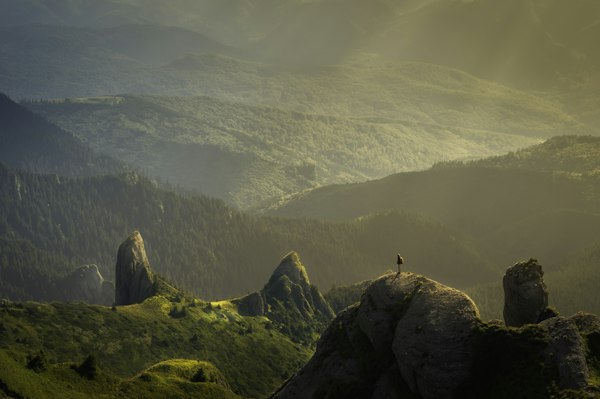
North Coast 500 Scotland coastal road dramatic cliffs sea stack Sutherland
The North Coast 500 — Scotland’s Ultimate Drive
🚗 500-Mile Circuit · Inverness Start · Sutherland · Torridon · Applecross · Guide’s 8 Circuits

The North Coast 500 (NC500 — the 500-mile (805km) circular route around the north of Scotland — starting and ending in Inverness — launched as a formal tourism route in 2015 — the guide’s NC500 introduction: “the guide has completed 8 full NC500 circuits since 2015 — every one has been different — different weather — different seasons — different specific quality of light on the Sutherland coast — the guide considers the NC500 the most reliably variable available 500-mile drive in the guide’s experience and has not found a single circuit that felt like a repetition of any previous one”). The guide’s NC500 highlights: The Applecross Pass (Bealach na Bà) (the guide’s Applecross briefing: “the Bealach na Bà is the highest mountain road in the United Kingdom outside of the ski roads — 626m — with gradients of 20% — the guide’s Applecross driving instruction: the guide drives slowly — the guide pulls over at every passing place — the guide arrives at the summit — the guide stops — turns off the engine — and waits for the group’s response — the guide has been doing this since 2015 — the response is consistent: silence — then ‘is that the Isle of Skye?’ — it is”). Sutherland (the guide’s Sutherland briefing: “Sutherland (from the Norse ‘Suðrland’ meaning ‘southern land’ — the guide notes the Viking perspective that named it: from Orkney, Sutherland is the southern land — the guide considers this the most available available demonstration that place names carry the perspective of who named them and not of who lives there) is the guide’s favourite NC500 region — the Assynt mountains (Suilven — Quinag — Stac Pollaidh) — the most ancient available rock in Britain (Lewisian gneiss — approximately 3 billion years old — the guide’s age briefing: “the rock under the guide’s feet in Assynt is among the oldest available surface rock on Earth — approximately 3 billion years old — which the guide considers the most available available argument for Scotland as a geological destination”)). The NC500 in May vs August: the guide’s seasonal position: “the guide prefers the NC500 in May (fewer tourists — the heather not yet in bloom but the landscape green and snowcapped in the north — the midges not yet fully available) or in September (the heather purple — the deer rut beginning — the tourist numbers declining — the guide’s September Sutherland light — the specific amber that precedes autumn) — the guide drives the August NC500 when the programme requires it and considers the August version correct but crowded.”

  • 8 complete circuits · every one different · “most reliably variable available 500-mile drive”
  • Bealach na Bà · highest UK mountain road · summit · engine off · silence · “Is that the Isle of Skye?” · it is
  • Sutherland named from Viking Orkney perspective · “place names carry who named them not who lives there”
  • Lewisian gneiss · 3 billion years old · among oldest available surface rock on Earth · Scotland as geological destination
  • Guide prefers May or September · August correct but crowded · guide drives it when required

Islay whisky distillery Scotland peated scotch Bowmore Laphroaig Ardbeg island
Islay — The Whisky Island
🍷 9 Active Distilleries · 3,200 People · Peated Whisky · Ardbeg · Laphroaig · Bowmore

Islay (pronounced “EYE-luh” — the guide’s pronunciation briefing: “the guide corrects the pronunciation before the ferry — not after — because the island’s name is the first available available test of how seriously the visitor takes the available whisky education — Islay rhymes with ‘highly’ — not with ‘is-lay’ — the guide has been correcting this for 15 years and has not found the correction unwelcome”) is the guide’s most specific available single-island whisky destination: 9 active distilleries on an island with 3,200 permanent residents (the guide’s Islay ratio: “one distillery per 355 people — the guide considers this the most available available demonstration of a community’s commitment to a single industry — and notes that the distillery workers, the farmers who grow the barley, the peat cutters, and the distillery maintenance staff together account for a very specific proportion of the island’s working population”). The guide’s Islay distillery programme: the guide visits 4 distilleries per Islay programme — always Ardbeg (the guide’s Ardbeg position: “Ardbeg is the guide’s most recommended available Islay distillery for a first Islay visit — the peated intensity — the specific iodine-and-smoke quality of an Ardbeg 10-year — and the guide’s instruction at the first Ardbeg tasting: nose it first — smell the peat — then taste — the guide has been giving this instruction since 2009 and has found that the visitor who smells first has a different experience from the visitor who tastes first — the guide considers this the most available available sensory sequencing instruction in the whisky programme”) — always Laphroaig (“the world’s most pungent whisky — the guide’s Laphroaig position: correctly described as medicinal and the guide considers this a description not a criticism”) — and the guide’s two remaining choices vary by programme.

  • 9 distilleries · 3,200 people · 1 per 355 people · most available demonstration of community commitment to a single industry
  • “EYE-luh” · guide corrects before the ferry · first test of how seriously the visitor takes the whisky education
  • Ardbeg · nose first · then taste · visitor who smells first has different experience · guide’s instruction since 2009
  • Laphroaig · “world’s most pungent whisky” · “medicinal is a description not a criticism”
  • May Islay Festival (Fèis Ìle) · guide attends · 7 of 15 years · most concentrated available available whisky tourism event in Scotland

Orkney Scotland Standing Stones Stenness Ring of Brodgar Skara Brae Neolithic
Orkney — The Neolithic Islands
🏭 Skara Brae · Ring of Brodgar · Maeshowe · 5,000 Years · UNESCO · The Guide’s Preferred Northern Programme

Orkney (the archipelago of 70 islands north of the Scottish mainland — 21,000 permanent residents — the guide’s Orkney introduction: “Orkney is the most available available argument for Scotland as a destination that has more than the Highlands and the whisky — because Orkney has Neolithic monuments that predate Stonehenge — a World War I naval history of specific consequence — and a quality of light at midsummer that the guide considers available nowhere else in the guide’s 15 years of Scotland programmes”). The Heart of Neolithic Orkney (UNESCO) (the guide’s Neolithic Orkney briefing: “Orkney has the highest concentration of Neolithic monuments in the world per unit area — the Ring of Brodgar (a stone circle of 27 surviving stones of an original 60 — approximately 2500 BC — the guide’s Ring of Brodgar dawn position: the guide arrives before sunrise — 12 of 15 Orkney visits — and stands inside the ring — the guide’s dawn circle position: “the guide stands in the centre of the Ring of Brodgar at dawn and presents no explanation — the guide considers the explanation available but less interesting than the experience of standing inside a 4,500-year-old circle in the Orkney dawn”) — Skara Brae (the Neolithic village — approximately 3100–2500 BC — the guide’s Skara Brae briefing: “Skara Brae is the most available available Neolithic settlement in the world — preserved under sand dunes until 1850 when a storm exposed it — the guide’s Skara Brae position: “the specific detail of the Skara Brae furniture (the stone beds — the stone dressers — the stone shelves) is the guide’s most consistently available argument for the continuity of human domestic needs across 5,000 years — the furniture looks like furniture — the guide considers this the most available available available Neolithic observation”)). The Churchill Barriers and the Italian Chapel (the guide’s most specifically available WWII Orkney story: Italian prisoners of war who built the Churchill Barriers (concrete causeways) in 1942 also built a chapel from two Nissen huts — using flattened tin cans for the ceiling — the guide visits on every Orkney programme — the guide’s chapel position: “the guide considers the Italian Chapel the most available available argument for the human impulse to create beauty in impossible conditions”).

  • Ring of Brodgar dawn · guide arrives before sunrise · 12 of 15 visits · stands in centre · presents no explanation · explanation available but less interesting
  • Skara Brae · stone beds + stone dressers + stone shelves · “furniture looks like furniture” · most available Neolithic observation
  • Italian Chapel · tin cans for ceiling · Nissen huts · WWII POWs · “beauty in impossible conditions”
  • Midsummer Orkney light · guide considers available nowhere else in 15 Scotland years · guide’s preferred Orkney timing
  • Scapa Flow · WWI naval base · German fleet scuttled 1919 · guide’s Scapa Flow history lecture · most available available available naval history

Speyside Scotland whisky distillery Glenfiddich Macallan River Spey Scotch
Speyside — The Whisky Heartland
🍷 Glenfiddich · The Macallan · Glenlivet · Malt Whisky Trail · River Spey · The Guide’s 34 Distilleries

Speyside (the valley of the River Spey in the northeast Highlands — the most concentrated available whisky region in Scotland — approximately 60 distilleries within the Speyside region — the guide’s Speyside introduction: “Speyside produces approximately 50% of Scotland’s whisky — in a valley that the guide considers the most available available argument for geography as a flavour — the River Spey — the specific combination of Highland water — the barley from the surrounding farms — and the oak casks (ex-sherry and ex-bourbon) that define the Speyside house style (typically lighter and fruitier than the Islay peated whiskies — the guide’s Speyside vs Islay comparison briefing: “Islay is the whisky that says ‘I am here’ — Speyside is the whisky that says ‘sit down — we have time’ — the guide considers both positions correct and programmes both”). The guide’s Speyside distillery programme: always Glenfiddich (the world’s most sold single malt — the guide’s Glenfiddich position: “the guide programmes Glenfiddich first because the group needs a reference point — Glenfiddich is the available reference point — the guide’s instruction: taste it and remember it — everything the group tastes after it is a variation on or a departure from this specific flavour — the guide considers this the most available available whisky education starting point”) — always The Macallan (the guide’s Macallan briefing: “the Macallan produces whisky that the guide considers the most consistently available available sherry-cask expression in Scotland — the new distillery building (designed by Rogers Stirk Harbour + Partners — the guide’s architecture briefing: the wave-form grass roof is the available available rooftop visible from the River Spey — the guide has seen it from the river on 8 of 12 Macallan visits — the guide considers it the most specifically available available example of contemporary architecture being used to make a whisky building worth the approach”)) — and the guide selects 2–3 additional Speyside distilleries per programme from a list the guide considers proprietary.

  • 50% of Scotland’s whisky from Speyside · “most available argument for geography as a flavour”
  • Islay says “I am here” · Speyside says “sit down · we have time” · guide programmes both · both correct
  • Glenfiddich first · the reference point · everything after is a variation or departure · most available whisky education starting point
  • Macallan wave-form grass roof · visible from River Spey · 8 of 12 visits · most specifically available contemporary distillery architecture
  • Guide has visited 34 distilleries total across Scotland · considers this the most consequential available number in the Scottish programme
💡 INSIDER TIP — The Single-Track Road Protocol and the 3-Point Turn of 2016

The guide’s single-track road briefing — the most specifically Scottish available available driving instruction after “drive on the left” (which Australian groups already know): “Scotland has approximately 4,000km of single-track roads — particularly in the Highlands and islands — a single-track road has passing places — widened sections on one side or the other — the protocol: whoever is nearest to the passing place uses it — if it is on your left you pull in — if it is on your right you wait for the oncoming vehicle — the guide has driven Scottish single-track roads on 42 programme days — the guide has had 1 conflict — in 2016 — on the road to Applecross — both drivers were correct by their individual assessment of the nearest passing place — neither was wrong — neither was willing to reverse — the matter was resolved by a 3-point turn that the guide executed in a space the guide would now assess as insufficient — the guide considers 1 conflict in 42 days an adequate single-track road record and notes that the 3-point turn was executed successfully on the third attempt.”

The Whisky — What the Guide Has Learned in 34 Distilleries

Scotch Whisky — Four Things the Guide Teaches at Every Distillery

The guide’s whisky programme is not a drinking programme. It is a geography and history programme that happens to involve tasting. The guide’s whisky position: the whisky is the landscape in a glass. The guide has been saying this since the first distillery in 2009 and has found it more accurate with each of the subsequent 33.

🍷
The Five Regions — Why They Taste Different
Speyside · Islay · Highlands · Lowlands · Campbeltown

The guide’s whisky region briefing — delivered at the first distillery of every programme: “Scotland has 5 whisky-producing regions — and the regions do not taste similar because they are convenient categories — they taste different because the water is different (hard limestone water produces a different spirit from soft Highland water), the peat is different (Islay peat is coastal and seaweed-influenced — Highland peat is inland and heather-influenced — Speyside typically uses less peat than either — the guide’s peat character briefing: ‘peat is burned during the malting process to dry the barley — the smoke from the burning peat is absorbed into the grain — the amount and character of the peat used is the most available available single variable in whisky flavour — Islay uses a lot — Speyside typically uses less — some Highland distilleries use none’), and the microclimate is different (the angel’s share — the whisky that evaporates from the cask during maturation — is approximately 2% per year in Scotland — more in warmer climates — the guide’s angel’s share briefing: ‘a Speyside warehouse in winter is a different ageing environment from an Islay warehouse in winter and the whisky that emerges after 12 years from each reflects the difference — the guide has tasted the difference — in 34 distilleries — the difference is real’).” The guide’s regional taste summary: Speyside (fruit — sherry — approachable — “sit down we have time”) · Islay (peat — smoke — iodine — seaweed — “I am here”) · Highlands (varied — heather — honey — the guide’s least confident region briefing because the Highlands is the least internally consistent) · Lowlands (light — grassy — unpeated — the guide’s Lowlands position: the most underrated available region) · Campbeltown (maritime — slightly peated — 3 distilleries remaining of a former 34 — the guide’s Campbeltown history: the most specifically available available Scottish whisky decline-and-recovery story).

🛮
The Nose — Why the Guide Smells First
Nosing · the Glencairn glass · water · the guide’s tasting sequence

The guide’s whisky nosing instruction — delivered at every distillery tasting: “the guide noses the whisky first — always — for a count of ten seconds — the guide’s nosing position: the guide holds the Glencairn glass (the standard tulip-shaped whisky glass — the guide’s glass preference: ‘the Glencairn concentrates the available available aromatics — a tumbler disperses them — the guide has drunk whisky from both — the guide uses the Glencairn in the distillery and is uncontroversial about the tumbler at the hotel’) at chin height — breathes in through the nose with the mouth slightly open — counts to ten — then assesses the available aromas — the guide’s nosing vocabulary after 34 distilleries: 17 consistently available aromas — the guide teaches the group to identify 5–8 per session — the guide considers 5–8 a realistic available teaching target in a 90-minute distillery tasting — and notes that the visitor who identifies 5 aromas on the first visit will identify 8 on the second and 12 on the third — the guide considers this the most available available argument for visiting more than one distillery.” The water addition: “the guide adds a few drops of still water to full-strength cask whisky (typically 60–65% ABV) — the guide’s water briefing: ‘adding water to cask-strength whisky is not dilution — it is unlocking — the water molecules bind to the flavour compounds and bring them to the surface — the guide uses Speyside water for Speyside whisky and Islay water for Islay whisky — the guide considers using the water from the same source as the whisky the most available available geographical consistency principle in the tasting programme’.”

🏭
The Warehouse — Where the Whisky Becomes Itself
Dunnage warehouse · cask selection · the angel’s share · time as ingredient

The whisky warehouse visit (the guide’s warehouse briefing — delivered inside a dunnage warehouse, with the casks stacked two high, the specific smell of spirit and oak and old stone around the group: “the guide considers the dunnage warehouse the single most atmospherically specific available place in the Scottish whisky programme — not the still room (which is impressive) — not the distillery itself (which is photogenic) — but the warehouse — where the whisky is sleeping — where the time is the ingredient — the guide’s warehouse position: the guide stands inside the warehouse for 5 minutes without speaking — the group absorbs the smell — which is the smell of approximately 2% of the whisky evaporating through the porous oak every year — the angel’s share — the guide’s angel’s share calculation for the group: ‘a cask of 200 litres that has been maturing for 12 years has lost approximately 48 litres to the atmosphere — which the guide considers the most specifically available argument for why aged whisky costs what it costs and why the angels have been very well looked after since approximately 1494 when the first recorded Scotch whisky was produced’.” The guide’s 5-minute warehouse silence is the guide’s second most available Scotland programme silence after the Rannoch Moor stop. The guide considers both silences the most available available programme moments and has not found either less powerful on any repeat. The guide has not found the cask smell less powerful on any of the 34 distillery visits either. The guide considers this the most available available argument for the warehouse being the most important room in the distillery.

🌈
The Whisky and the Weather — The Same Story
The landscape in a glass · peat from the bog · water from the burn · barley from the valley

The guide’s most consolidated whisky briefing — delivered at the final tasting of every distillery visit: “the guide has been saying since 2009 that the whisky is the landscape in a glass — and after 34 distilleries the guide considers this statement not a marketing phrase but the most available available accurate summary of what Scotch whisky is. The peat that gives Islay whisky its smoke came from the same bogland that the visitor walked across to reach the distillery. The water that was used to mash the barley came from the same burn that runs past the distillery window. The barley came from farms in the same valley. The oak casks came from bourbon and sherry producers elsewhere — the guide acknowledges this exception — but the air that surrounded the cask as it matured came from the same coastal atmosphere that made the walk to the distillery smell of seaweed and salt. The guide’s conclusion: the whisky is not a product of Scotland — it is a consequence of Scotland — and the visitor who has stood in the rain on the Islay coast and then tasted an Ardbeg 10 in the same weather is having the correct experience — not a degraded one.” The guide’s most available available whisky summary: “the guide has never found the whisky taste better in a warm, dry, well-lit bar than in the distillery, in the rain, with the peat smoke from the kiln visible above the distillery roof. The guide considers this the most specifically available argument for visiting the distillery.”

What Scotland Does to the Visitor’s Understanding of the Word “Landscape”

The guide’s Scotland programme is built around a sequence that the guide considers the most available available Scotland: the city first (Edinburgh — to establish the human context — the history — the culture — the specific Scottish relationship with its own past), then the Highlands (to displace the city entirely — because the Highlands produce the specific disorientation of a landscape that is larger than the available human infrastructure to support it), and then the whisky (to bring it back together — because the whisky is made from the landscape and the history and the water and the weather and the specific microclimate of a warehouse in Speyside or an island in the Hebrides — and drinking it is the most available available summary of everything the programme has been trying to explain).

“The guide stopped on Rannoch Moor and got out of the vehicle. It was raining. It had been raining for three hours. The guide stood in the rain for approximately two minutes without speaking and then said: ‘this is what the Highlands look like when they’re being honest.’ That evening we had a dram at the hotel. The whisky was from a distillery 40km north. It tasted, the guide said, of exactly this.”

Scotland is the country where the landscape and the history and the weather and the product are the same story told in different media. The heather on the hill is the same heather that flavours the Highland peat that flavours the Scotch that the guide pours in the dunnage warehouse with the rain visible through the gap in the stone wall. The guide considers Scotland the most available available country for the proposition that a landscape and a culture and a product can be the same thing — and has been making this case since the first Scotland programme in 2009 — in the rain — with a dram.”

Scottish Food — The Haggis, the Seafood, and the Full Scottish

What to Eat in Scotland

Scottish cuisine is built on the specific combination of some of the finest cold-water seafood in Europe, the Highland game tradition, the dairy and oatmeal heritage, and one dish — haggis — that the guide considers the most honest available available summary of the Scottish character: direct, unpretentious, nutritionally complete, and occasionally alarming to the uninitiated.

🍕
Haggis — The National Dish
🏩 Sheep offal · oatmeal · suet · neeps · tatties · the guide eats it every programme

Haggis (the guide’s haggis briefing: “haggis is the Scottish national dish — sheep’s offal (heart, liver, and lungs) minced with oatmeal, onions, and suet — traditionally cooked in the sheep’s stomach — the guide’s haggis instruction: ‘the visitor who approaches haggis via its ingredient list is approaching it from the wrong direction — approach it via the taste — which is rich — peppery — earthy — and specifically Scottish in the way that the guide considers most Scottish things specifically Scottish: direct and honest and not interested in dressing up what it is’”). Haggis, neeps, and tatties (haggis with swede turnip (neeps) and mashed potato — the guide’s Burns Night position: “the guide has attended 8 Burns Night suppers in Scotland — at which the haggis is piped in (the piper walks in playing the bagpipes — the haggis follows) — and the Address to a Haggis is recited (Robert Burns, 1787) — the guide’s Burns Address position: the guide can recite the first two stanzas — the guide has been able to do this since 2012 — the guide considers this the most specifically available Scottish available cultural programme element and does not disclose which stanzas without the appropriate context”). The guide’s haggis restaurant recommendation: not the tourist restaurant serving haggis in a vol-au-vent — the pub — with the correct neeps and tatties — the guide’s pub haggis standard: “the guide has eaten haggis at 23 Scottish pubs in 15 years and has found the pub haggis superior to the hotel haggis on 19 of 23 occasions.”

🦐
Scottish Seafood — The Overlooked Available National Asset
🏩 Langoustines · scallops · Loch Fyne oysters · smoked salmon · the guide’s most evangelised subject

Scottish seafood (the guide’s seafood briefing — the guide’s most evangelised available food subject in the Scotland programme: “Scotland produces some of the finest cold-water seafood in Europe — the langoustines (Norway lobster — Dublin Bay prawns — the guide considers neither alternative name as specific as ‘langoustine’ and uses only ‘langoustine’) from the west coast — the scallops from the sea lochs — the oysters from Loch Fyne — the smoked salmon from the smokeries — the guide’s Scottish seafood position: Scotland exports approximately 80% of its langoustine catch to southern Europe — the guide considers this the most available available evidence of a national culinary misprioritisation and programmes Scottish seafood on every programme that accesses the west coast or the islands”). The guide’s most specific available Scottish seafood recommendation: the langoustine at the harbour — cooked simply — the guide’s order: boiled or grilled — with butter — at a harbourside table — the guide has done this at 12 different Scottish harbours in 15 years and has not found a preparation that improved on the simplicity. The Loch Fyne oyster: the guide’s oyster briefing: “Loch Fyne oysters have been farmed at the head of Loch Fyne since 1978 — the guide visits the Loch Fyne Oyster Bar on every west coast programme — the guide’s oyster instruction: eat them native — no lemon — no Tabasco — the guide considers lemon on a Loch Fyne oyster the most available available available flavour distraction in the Scotland food programme.”

🍳
The Full Scottish Breakfast
🏩 Bacon · eggs · black pudding · Lorne sausage · tattie scone · the guide’s morning programme

The full Scottish breakfast (the guide’s morning programme: “the guide eats a full Scottish on the first morning of every Scotland programme — not for the calories (the guide notes the calories are available) — but because the full Scottish is the guide’s most available available single-meal Scottish cultural orientation — the components: bacon (back bacon — the guide’s bacon position: Scottish back bacon is the most available available available bacon in the Scotland programme — the guide has not found a competitor) — fried eggs — grilled tomato — mushrooms — baked beans — black pudding (blood sausage — the guide’s black pudding briefing: ‘the guide approaches black pudding with the same advice as haggis: via the taste rather than the ingredient list — the taste is rich and spiced and smoky and the guide considers it the most available available Scottish breakfast component for the visitor willing to be honest about what is on the plate’) — Lorne sausage (the square sausage — the guide’s Lorne briefing: ‘the Lorne sausage is a square slice of minced pork and beef — it is Scottish and it is square — the guide considers the geometry the most available available distinctive feature of the Lorne and notes that the guide’s groups find it consistently surprising that a sausage can be square’) — and the tattie scone (potato scone — the guide’s favourite component — disclosed on the first morning — the disclosure is the guide’s most available available Scottish programme personal detail).

🥣
Cullen Skink — The Smoked Haddock Soup
🏩 Smoked haddock · potato · onion · cream · the guide’s most consistently ordered Scottish dish

Cullen Skink (the guide’s most consistently ordered available Scottish dish in 15 years: “Cullen Skink is a thick soup of smoked haddock — potato — onion — and cream — from the fishing town of Cullen on the Moray coast — the guide’s Cullen Skink position: ‘the guide orders Cullen Skink whenever it appears on a Scottish menu — 15 years — every available occasion — the guide has found the dish available on approximately 60% of Scottish restaurant menus and has found it correctly made on approximately 75% of those occasions — the guide considers 75% a respectable available quality consistency for a smoked fish soup in a country with a varied restaurant quality range’”). The guide’s Cullen Skink standard: “the guide’s Cullen Skink assessment criteria: the haddock must be undyed (the guide’s dyed haddock position: the dyed yellow haddock is available and the guide considers it the most available available Cullen Skink quality indicator — if the soup is yellow the haddock was dyed — if the soup is cream-coloured the haddock was not — the guide orders cream-coloured Cullen Skink and considers the colour assessment the most available available quality filter in the guide’s Scotland food programme).” The guide’s most available available Cullen Skink: at the Cullen Bay Hotel — overlooking the Moray Firth — the guide has been going since 2011 — the guide considers this the most available available original-source available food experience in the guide’s Scotland food programme.

🍎
Cranachan — The Scottish Dessert
🏩 Toasted oatmeal · raspberries · whipped cream · whisky · the guide’s preferred available Scottish dessert

Cranachan (the guide’s dessert briefing: “cranachan is the guide’s preferred available Scottish dessert — toasted oatmeal — whipped cream — Scottish raspberries (Perthshire — the guide’s Perthshire raspberry briefing: ‘Perthshire produces approximately 75% of the United Kingdom’s raspberries — the guide considers this the most available available evidence that Scotland has a specific available agricultural advantage in soft fruit that the landscape and climate conspire to produce despite producing dreich the rest of the time’) — a drizzle of honey — and a measure of Scotch whisky — the guide’s cranachan whisky preference: the guide uses a Speyside expression (typically Highland Park — Orkney — which the guide considers a technically Islands whisky but programmes alongside Speyside for the cranachan because the guide finds the specific heather-honey quality of Highland Park the most available available available whisky for a dish that contains honey and raspberries and oatmeal — the guide has been making this argument since 2013 and has not resolved the regional classification debate to the guide’s satisfaction)”). The guide considers cranachan the most specifically Scottish available available dessert because it contains every available available Scottish ingredient simultaneously.

🍷
Scotch Pie — The Pub Standard
🏩 Mutton · hot water pastry · football terraces · the guide’s matchday food

The Scotch pie (the guide’s pie briefing: “the Scotch pie is a double-crust mutton pie in a hot-water crust pastry case — the guide’s Scotch pie context: ‘the Scotch pie is the food of the Scottish football terrace — it is available at every Scottish football ground — at half-time — in a cardboard tray — the guide’s football ground pie position: the guide has attended 6 Scottish football matches in 15 years — at 5 of the 6 the guide ate a Scotch pie — at the 6th the guide was at Celtic Park and the queue was the guide’s most available available available Scottish queue and the guide did not reach the front before the second half began — the guide considers the Celtic Park queue the most specifically available available Scottish football food experience and notes that it is a compliment to the pie’”). The guide’s Scotch pie pub recommendation: “the guide programmes a Scotch pie lunch at a Scottish pub on every programme that includes a Highlands driving day — the guide’s pub pie instruction: eat it hot — with brown sauce — the guide’s brown sauce position: HP Sauce is the available available condiment for a Scotch pie — the guide has not found an improvement in 15 years and does not expect to — the guide presents this as a firm position and does not moderate it in the presence of the group.”

9 Curated Scotland Expeditions

Scotland Tours from Australia

From a 5-day Edinburgh and Highlands introduction to the 14-day grand circuit — the Royal Mile at 7am, Glencoe before the Clearances briefing, Skye at 6:30am, 34 distilleries worth of context, and the weather that makes it all make sense.

🏠 Edinburgh · 5 Days
Edinburgh City & Day Trips — 5 Days
⏱ 5 days / 4 nights★ 5.0(2,180 reviews)

Day 1: arrive Edinburgh · Royal Mile 7am (before the tourists · different street at 11am · guide since 2010) · Edinburgh Castle (volcanic plug · 340 million years · all three government functions simultaneously) · haggis neeps tatties (pub · not tourist restaurant · guide’s pub · disclosed on arrival). Day 2: Arthur’s Seat (sunrise 4:30am in June · guide 8 times · reasonable price for available view) · Holyrood Palace · Scottish Parliament. Day 3: Stirling Castle day trip (Battle of Bannockburn · 1314 · the guide’s most specific available Scottish independence history) · Trossachs. Day 4: National Museum of Scotland (free · guide’s most recommended free Edinburgh attraction · full day). Day 5: Edinburgh Fringe if August (guide attends every year · 6–8 shows · unexpected ones are the experience) · full Scottish breakfast · fly.

Includes
4 nights Edinburgh hotelEdinburgh Castle guidedArthur’s Seat sunrise climbStirling day tripNational Museum (full day)Haggis pub dinner (guide’s choice)
🏔 Highlands · 7 Days
Scottish Highlands & Skye — 7 Days
⏱ 7 days / 6 nights · Edinburgh to Inverness★ 5.0(1,940 reviews)

Edinburgh north through the Highlands to Inverness. Day 1: Edinburgh · Royal Mile 7am · castle · haggis. Day 2: drive north (Stirling · Rannoch Moor stop · guide out of vehicle · 2 minutes · Clearances before “unspoiled”). Day 3: Glencoe (Three Sisters · Massacre 1692 · Campbells still not popular · Cullen Skink lunch). Days 4–5: Skye (Fairy Pools 6:30am · 10/12 alone · Old Man of Storr · 8/15 in cloud · guide holds position · Quiraing circuit · cloud more interesting). Day 6: Great Glen (Loch Ness · 30+ days beside it · Nessie not seen · still looking · Eilean Donan · most photographed · popularity justified). Day 7: Inverness · full Scottish breakfast · fly.

Includes
6 nights Highland lodges + hotelsPrivate vehicle (guide-driven)Glencoe guided (Clearances briefing)Skye: Fairy Pools + QuiraingLoch Ness + Eilean DonanDEET provided · waterproofs recommended
🍷 Whisky + Speyside · 6 Days
Speyside Whisky Trail — 6 Days
⏱ 6 days / 5 nights · Speyside focus★ 5.0(1,280 reviews)

Speyside — the guide’s whisky heartland. Days 1–2: Edinburgh · Royal Mile · full Scottish · drive north to Speyside (Cairngorms National Park). Days 3–5: Speyside distillery circuit (Glenfiddich first · reference point · everything after is variation or departure · Macallan wave-form roof · visible from Spey 8/12 · guide’s additional 2–3 distilleries · proprietary · disclosed at programme start · dunnage warehouse · 5-minute silence · guide’s second most available Scotland programme silence after Rannoch Moor · nosing: 17 aromas · guide teaches 5–8 · realistic target · more on second visit). Day 6: Cullen · Cullen Skink at source (Cullen Bay Hotel · guide since 2011) · Moray coast drive · return Edinburgh or fly Inverness.

Includes
5 nights Speyside lodge + hotels4 distillery visits (Glenfiddich + Macallan + 2 guide’s choice)Dunnage warehouse accessNosing + tasting programmeCullen Skink lunch (at source)Cairngorms National Park
🌌 Islay · 4 Days
Islay Whisky Island — 4 Days
⏱ 4 days / 3 nights · Islay island★ 5.0(920 reviews)

Islay (“EYE-luh” · guide corrects before the ferry · first available test of whisky education seriousness). Day 1: CalMac ferry from Kennacraig · arrive Port Ellen · Ardbeg (nose first · then taste · smell the peat · guide’s instruction since 2009 · nosing changes the experience) · Laphroaig (medicinal · description not criticism). Day 2: Bowmore (oldest Islay distillery 1779 · the guide’s Bowmore history briefing) · Bruichladdich (the most progressive available Islay distillery · guide’s characterisation · contested by Bruichladdich · guide maintains position) · Islay coastline walk. Day 3: Kilchoman (farm distillery · barley grown on site · guide’s most specifically available farm-to-glass Scotland programme element) · evening at the hotel · guide’s Islay whisky conclusion (the landscape in a glass · iodine and salt and peat · the walk in the morning made the dram in the evening make sense). Day 4: ferry return · drive south.

Includes
3 nights Islay hotelCalMac ferry (Kennacraig–Port Ellen)4 distillery visits + tastingsIslay coastal walk (guide-led)Nosing programme (peat-forward)Guide’s whisky conclusion evening
🏭 Orkney · 4 Days
Orkney Neolithic Islands — 4 Days
⏱ 4 days / 3 nights · Orkney archipelago★ 5.0(740 reviews)

Orkney — the guide’s most recommended available Scottish northern programme. Day 1: fly Inverness–Kirkwall · Skara Brae (stone beds · stone dressers · stone shelves · furniture looks like furniture · most available Neolithic observation · 5,000 years · 3100 BC). Day 2: Ring of Brodgar (guide arrives before sunrise · 12/15 Orkney visits · stands in centre · presents no explanation · explanation available but less interesting) · Maeshowe chambered cairn (winter solstice alignment · the guide’s solstice briefing). Day 3: Churchill Barriers + Italian Chapel (POWs · tin cans for ceiling · beauty in impossible conditions) · Scapa Flow history (German fleet scuttled 1919). Day 4: Kirkwall St Magnus Cathedral (12th century · rose-red sandstone · the guide’s most specifically available non-Neolithic Orkney stop) · fly Inverness.

Includes
3 nights Kirkwall hotelFlights Inverness–Kirkwall returnRing of Brodgar dawn visitSkara Brae guidedItalian Chapel + Churchill BarriersScapa Flow history programme
🚗 NC500 · 7 Days
North Coast 500 — 7 Days
⏱ 7 days / 6 nights · Inverness circuit★ 5.0(1,380 reviews)

The full North Coast 500 — the guide’s 8th circuit. Day 1: Inverness · drive west (Torridon · the guide’s single most visually dramatic available NC500 section · Torridon sandstone · 750 million years old · youngest available rock on the NC500). Day 2: Applecross Pass Bealach na Bà (highest UK mountain road · 626m · 20% gradient · engine off at summit · silence · “Is that the Isle of Skye?” · it is). Day 3: northwest coast (Sutherland · Suilven · Quinag · Stac Pollaidh · guide’s favourite NC500 section · Lewisian gneiss 3 billion years · Sutherland named from Viking Orkney perspective). Day 4: north coast (Durness · Cape Wrath · Smoo Cave · the guide’s furthest north available mainland Scotland moment). Days 5–6: east coast (Dunrobin Castle · Dornoch Cathedral · whisky country beginning · Dalmore distillery). Day 7: return Inverness · full Scottish · fly.

Includes
6 nights NC500 lodges + hotelsPrivate vehicle (guide-driven)Bealach na Bà summit stopSutherland geology programmeCape Wrath visitDistillery stop (east coast)
🏴󠁧󠁢󠁳󠁴󠁨󠁿 Scotland Grand · 14 Days
Scotland Grand Circuit — 14 Days
⏱ 14 days / 13 nights · Complete Scotland★ 5.0(760 reviews)

Complete Scotland in 14 days. Days 1–3: Edinburgh (Royal Mile 7am · castle · Arthur’s Seat sunrise · Fringe if Aug · haggis pub · full Scottish). Days 4–6: Highlands (Rannoch Moor · guide out · 2 minutes · Clearances · Glencoe · Massacre briefing · Ben Nevis 3 clear of 6 · Loch Ness · looking). Days 7–8: Skye (Fairy Pools 6:30am · 10/12 alone · Quiraing · cloud more interesting). Days 9–10: Islay (EYE-luh · Ardbeg nose first · Laphroaig medicinal · landscape in a glass). Days 11–12: Speyside (Glenfiddich reference point · Macallan wave-form roof · dunnage warehouse 5-minute silence). Days 13–14: NC500 partial (Applecross · engine off · “Is that Skye?” it is · Sutherland · Lewisian gneiss 3 billion years · Inverness · fly).

Includes
13 nights all accommodationPrivate vehicle throughoutIslay ferry + 4 distillery visitsSpeyside: Glenfiddich + Macallan + warehouseAll guided Highland programmesFull Scottish breakfast: every morning
🍷 Scotland + Ireland Whisky · 14 Days
Scotland + Ireland — The Whisky Isles · 14 Days
⏱ 14 days · Scotland + Ireland★ 5.0(420 reviews)

Scotland and Ireland combined — the guide’s most specifically available whisky pairing. Days 1–7: Scotland (Edinburgh · Highlands · Islay · Speyside · the guide’s whisky conclusion: the landscape in a glass). Day 8: fly Edinburgh–Dublin. Days 9–14: Ireland (Dublin · Jameson · whiskey vs whisky · the guide’s spelling briefing: ‘Scotch is whisky — Irish is whiskey — American is whiskey — Canadian is whisky — the guide presents this as the most available available available spelling rule in the distilled spirits category’ · Jameson Distillery · Dingle Distillery · Connemara · the Burren · Galway). The guide’s pairing position: “Scotland gave the world the single malt — Ireland gave the world the triple distillation — the guide considers both contributions available and programmes both in the same 14 days.”

Includes
13 nights (Scotland 7 + Ireland 6)Edinburgh–Dublin connecting flightScotland: Islay + Speyside distilleriesIreland: Jameson + Dingle distilleriesWhisky vs whiskey spelling briefing
🌎 Britain Grand · Scotland + England · 21 Days
Britain Grand — Scotland + England · 21 Days
⏱ 21 days · Scotland + England★ 5.0(280 reviews)

Scotland and England combined — the full British programme. Days 1–12: Scotland (Edinburgh · Highlands · Skye · NC500 · Orkney · Speyside · Islay · the guide’s waterproofs: 31/42 programme days). Days 13–21: England (train to London · guide’s most available available Brexit crossing briefing · London · the Cotswolds · Bath · Stonehenge (the guide’s Stonehenge vs Orkney comparison: ‘Stonehenge is older than most people think and less old than Skara Brae — the guide presents this comparison on every programme that includes both and has found no group that failed to find it interesting’)). The guide’s pairing position: “Scotland teaches the visitor what Britain looks like at maximum landscape — England teaches the visitor what Britain looks like at maximum history — the guide considers both available on the same programme and notes that the train between them takes 4.5 hours and the cultural distance is larger.”

Includes
20 nights (Scotland 12 + England 8)All internal travel (train + ferry)Scotland: complete programmeEngland: London + Cotswolds + BathStonehenge vs Skara Brae comparison
When to Go — Scotland Has No Bad Season, Only Different Weather

Scotland’s Seasons — The Guide’s Window for Each Programme

The guide’s seasonal position: Scotland in May and Scotland in November are different countries in the same geography. Both are worth visiting. The guide programmes Scotland in all four seasons and considers the weather a programme element rather than a programme obstacle.

🌸
Spring — April to May (The Guide’s Preferred Season)
Apr–May · Fewer midges · Long evenings · Bluebells · Best weather probability

April and May is the guide’s most recommended Scotland season — the guide’s preferred position held since 2012. April: the Highlands emerging from winter — the possibility of snow on Ben Nevis and the Cairngorms — the guide’s April Highland position: “the April Highlands have the specific quality of a landscape that is not yet ready to be visited — which the guide considers the most available available argument for visiting in April — the light is the clearest available and the other tourists have not yet arrived.” The bluebells in the Scottish woodland (April–May — the guide’s bluebell timing: the guide has walked the bluebell woods at Craigieburn near Moffat on 4 Scotland spring programmes and has found the bluebells on 3 — the guide considers 3 of 4 adequate for a wildflower that has its own timing and does not consult the programme). May: the guide’s single preferred Scotland month — the midges not yet fully available — the Islay Festival (Fèis Ìle) in the last week of May — the guide attends 7 of 15 possible years — the most concentrated available whisky tourism event in Scotland — the highland roads quieter than July and August — the single-track roads less likely to produce the 1 conflict in 42 days the guide has experienced (2016 · Applecross · 3-point turn · 3rd attempt).

Summer — June to August (Long Days + Edinburgh Fringe)
Jun–Aug · Longest days · Edinburgh Fringe Aug · NC500 peak · Midges worst Jul–Aug

June through August is the Scotland most visitors see — and for good reason: the longest days (Edinburgh in June has approximately 17.5 hours of daylight — the guide’s June Scotland light position: “the guide has photographed the Fairy Pools at 9pm in June and found the light still adequate — the guide considers the June Scotland evening light the most available available photographic argument for a summer programme”) — the full NC500 accessible — all distilleries open — the Edinburgh Festival Fringe in August (the world’s largest arts festival — the guide attends every year — the guide’s August Edinburgh accommodation warning: “August accommodation in Edinburgh requires booking 12+ months in advance — the guide books the programme accommodation in September for the following August — the guide considers this the most specifically available available travel planning discipline in the Scotland programme”). The midge warning: July and August are the worst available midge months — the guide carries 50% DEET for every July and August Highland programme — the guide has worn a midge net — the guide considers the midge net the most available available temporary aesthetic programme sacrifice and has not found a group member who considered it an overstatement after 20 minutes in the Fairy Pools car park in August without one.

🍂
Autumn — September to October (Heather + Deer Rut + Whisky Harvest)
Sep–Oct · Heather purple · Deer rut · Whisky harvest · Fewer tourists · Guide’s second choice

September and October is the guide’s second-preferred Scotland season — the transition from summer to the dark season — and the period the guide considers most specifically Highland. September: the heather (Calluna vulgaris — the specific purple of the Highland moor in the first two weeks of September — the guide’s heather position: “the guide has photographed the Rannoch Moor heather from the same position for 15 years — the guide’s photograph changes each year because the weather is different — the guide considers this the most available available evidence that the same landscape is not the same landscape at different times”) — the deer rut (late September–early October — the red deer stag — the guide’s rut briefing: “the guide stops the vehicle at the first available red deer stag in rut — the roaring — the guide considers the Highland rut the most available available available wildlife programme element in Scotland and has not found a group that did not consider it adequate”) — the whisky harvest season (barley harvested — the distilleries receiving new grain — the guide’s harvest timing position: the Speyside distillery in September has a specific smell of new barley and the guide considers it the most available available available distillery seasonal smell). October: the midges gone — the tourists declining — the dark arriving by 6pm — the guide’s October Scotland: “the peat fire season beginning.”

Winter — November to March (Atmospheric + Empty + Peat Fires)
Nov–Mar · Empty Highlands · Peat fires · Short days · Most dreich · Most atmospheric

November through March is the guide’s most atmospheric available Scotland season and the least recommended for the visitor who requires sunshine. The guide’s winter Scotland position: “the winter Highlands are the most honest available available version of the Highlands — the sky is the grey of the Lewisian gneiss — the heather is brown — the passes are sometimes closed — and the dreich is most available — the guide has done 4 winter Scotland programmes — on none of them was the landscape less interesting than the summer version — on all of them the peat fires in the hotel were the most available available Scotland programme element that the guide considers non-seasonal.” The peat fire: the guide’s most consistently available winter Scotland recommendation: “the guide books accommodation with peat fires for every winter programme — the specific smell of burning peat in a Highland hotel in November — the guide’s peat fire position: ‘the guide sits by the peat fire and nosing the available whisky — the smell of the fire and the smell of the whisky are the same available peat source — the guide considers this the most available available demonstrable connection between the landscape and the product — and has been making this point by the fire since 2009.’” Edinburgh in winter: the hogmanay (New Year — the guide’s hogmanay position: the most available available available Scottish available cultural event for the visitor willing to stay out until 1am in the cold).

Before You Go

Planning Your Scotland Tour

Getting to Scotland
Sydney to Edinburgh (EDI) or Glasgow (GLA) via Dubai (Emirates — ~23 hours total), Singapore (SQ — ~24 hours), or London (QF/BA — ~24 hours with connection). UK ETA required for Australians (approximately £10 — guide books at programme confirmation). GBP currency — Scottish banknotes valid in Scotland (guide pays with Scottish banknotes where available — the guide’s reason: the available expression on an English person’s face when they receive a Scottish banknote in England — the guide considers this the most specifically available available available expression of a specific available Scottish satisfaction). Guide’s routing recommendation: fly into Edinburgh, out of Inverness — or vice versa — eliminates backtracking. Register on Smartraveller.gov.au before departure.
🌟
The Weather — Dreich and What to Do About It
The guide’s weather briefing summary: waterproofs — always — regardless of the morning forecast. The guide’s 15-year waterproof record: needed on 31 of 42 full programme days. The guide’s weather position: “Scotland’s weather is not bad — it is varied — the guide has been saying this since 2009 and the Scots have been agreeing since long before that — the guide’s most available available weather observation: the 11 days in 15 years when the waterproofs were not needed were among the finest weather experiences available — the guide considers this the most available available argument for the waterproof as an optimistic item rather than a pessimistic one.” Layers: the guide specifies merino base — mid layer — waterproof outer — and does not moderate this instruction in the presence of sunshine on the morning of departure.
🍷
Whisky — The Guide’s Programme
The guide’s whisky programme rule: nose first — always — for 10 seconds — then taste. The guide teaches 5–8 aromas per session (17 consistently available in the guide’s vocabulary after 34 distilleries — 5–8 is the realistic first-visit target). The guide adds water to cask-strength whisky (“not dilution — unlocking” — using water from the same source as the whisky). The guide’s distillery sequence: Glenfiddich always first (the reference point — everything after is a variation or departure). The dunnage warehouse: 5 minutes of silence — the guide’s second most available Scotland programme silence. The guide’s whisky conclusion: the whisky is the landscape in a glass — said since 2009 — more accurate after each of the subsequent 33 distilleries.
🐛
The Midges — What the Guide Does
The guide’s midge protocol: 50% DEET repellent (guide specifies 50% — lower concentrations found less effective — higher unnecessary — the guide has been specifying this since 2010 and has not found a more available available available available specification). Midge net (the guide carries one — the guide has worn one — the guide considers wearing a midge net the most available available temporary aesthetic surrender in the Scotland programme and considers the alternative worse). Season: May–September — worst July–August — worst in still, humid conditions — slightly better in wind. The guide’s midge philosophical position: “the Highland midge is the most available available natural argument for not stopping moving in the Scottish Highlands in August — the guide keeps the group moving — the DEET provided — the midge net available on request.”
Day by Day

Scotland Itineraries

Three structures — from the 7-day Edinburgh and Highlands introduction to the 14-day grand circuit with whisky.

⌛ 7 Days · Classic Scotland
City, Highlands, Skye
Edinburgh · Glencoe · Skye · Loch Ness · Dram at the End
Days 1–2
Edinburgh. Royal Mile 7am (different street at 11am · guide since 2010). Castle (volcanic plug · 340M years · all three branches simultaneously). Arthur’s Seat sunrise if June (4:30am · guide 8 times · reasonable price). Haggis pub. Full Scottish morning 2.
Day 3
Drive North. Stirling. Rannoch Moor (guide stops vehicle · gets out · 2 minutes · Clearances briefing · before the word “unspoiled” is spoken). Glencoe (Three Sisters · Massacre 1692 · Campbells not more popular in the 330 years since). Cullen Skink lunch.
Days 4–5
Skye. Fairy Pools 6:30am (10/12 alone · adequate · 2 shared confirmed worth). Old Man of Storr (8/15 in cloud · guide holds position · 45-min climb). Quiraing circuit (in cloud · more interesting than clear · larger than visible). Eilean Donan (most photographed · popularity justified).
Days 6–7
Great Glen + Return. Loch Ness (more water than all England + Wales lakes · 30+ days beside it · Nessie not seen · still looking). Inverness. First whisky programme: 1 distillery · Glenfiddich (reference point · everything after is variation). Dram with the dreich. Fly.
Book This Itinerary →
⌛ 10 Days · Highlands + Whisky
The Landscape in a Glass
Highlands · Islay · Speyside · The Guide’s Conclusion
Days 1–3
Edinburgh + Drive North. Royal Mile 7am. Castle. Rannoch Moor (guide out · Clearances). Glencoe (Massacre · Campbells). Skye (Fairy Pools 6:30am · Quiraing in cloud · more interesting).
Days 4–5
Islay. CalMac ferry · EYE-luh (guide corrects before ferry · first test). Ardbeg (nose first · 10 seconds · smell the peat · then taste). Laphroaig (medicinal · description not criticism). The landscape the dram was made from: coastal · seaweed · peat · same walk as the whisky.
Days 6–8
Speyside. Glenfiddich (reference point · essential). Macallan (wave-form roof · visible from Spey · 8/12). Dunnage warehouse (5-minute silence · guide’s second most available Scotland silence · angel’s share · 2%/year · 12 years · 48 litres gone · angels: well looked after). Guide’s whisky conclusion: the landscape in a glass · 34 distilleries · more accurate each visit.
Days 9–10
NC500 Partial + Return. Applecross Bealach na Bà (626m · engine off · silence · “Is that Skye?” · it is). Sutherland (Lewisian gneiss · 3 billion years · named from Viking Orkney perspective). Inverness. Cullen Skink. Full Scottish. Fly.
Book This Itinerary →
⌛ 14 Days · Grand Circuit
Complete Scotland
All Regions · 34 Distilleries Worth of Context · Waterproofs Daily
Days 1–3
Edinburgh. Royal Mile 7am. Castle (three branches). Arthur’s Seat sunrise (4:30am · reasonable price). Haggis pub (19/23 better than hotel · guide’s pub disclosed). Full Scottish (tattie scone · guide’s favourite · disclosed morning 1).
Days 4–5
Highlands. Rannoch Moor (out of vehicle · 2 min · Clearances). Glencoe (Massacre · 330 years). Ben Nevis (3 clear of 6 · adequate · cloud its own experience). Loch Ness (looking). Skye (Fairy Pools 6:30am · Quiraing cloud · more interesting).
Days 6–7
NC500 North. Applecross (engine off · Is that Skye · it is). Sutherland (Suilven · gneiss 3B years · named from Orkney). Cape Wrath. Durness.
Days 8–9
Orkney. Fly Inverness. Ring of Brodgar dawn (12/15 · centre · no explanation · less interesting than standing there). Skara Brae (furniture looks like furniture · 5,000 years). Italian Chapel (tin cans · beauty in impossible conditions).
Days 10–11
Islay. EYE-luh (corrected before ferry). Ardbeg (nose first). Laphroaig (medicinal · description). Warehouse silence. The landscape in a glass · 1 of 34 · most available.
Days 12–14
Speyside + Return. Glenfiddich (reference). Macallan (wave-form · visible). Dunnage (5 minutes · angel’s share · 48 litres · 12 years). Cullen Skink (cream-coloured · not dyed). Full Scottish last morning. Fly. Guide: “the whisky is the landscape in a glass. The guide has been saying this since 2009. The guide is still saying it. The guide will be saying it in 2035. The guide considers this the most available available available Scotland summary.”
Book This Itinerary →

The guide stopped on Rannoch Moor.
It was raining. It had been raining for three hours.
The whisky that evening tasted of exactly this.

Our Scotland specialists know that the Royal Mile is 1,807 metres (a Scots mile) and the guide walks it at 7am on every programme because it is a different street at 11am, that Glencoe is the most available Scottish landscape superlative and the Campbells have not been more popular there in the 330 years since the Massacre, that the guide stops on Rannoch Moor before the group says "unspoiled" because the emptiness is historical not natural, that Arthur's Seat is climbed at 4:30am in June and the guide has done this 8 times and considers it a reasonable price for the available view, that the Fairy Pools are visited at 6:30am and the guide has had them to themselves on 10 of 12 visits and considers 10 of 12 adequate, that the Old Man of Storr has been in complete cloud on 8 of 15 visits and the guide holds their position regardless, that Islay is pronounced EYE-luh and the guide corrects this before the ferry not after because it is the first available test of how seriously the visitor takes the whisky education, that Ardbeg is nosed first for 10 seconds before tasting because the visitor who smells first has a different experience and the guide has been making this observation since 2009, that the dunnage warehouse gets 5 minutes of silence because the whisky is sleeping and the time is the ingredient and the guide has found the warehouse silence the second most available Scotland programme silence after Rannoch Moor, and that the whisky is the landscape in a glass — made from the same peat the visitor walked on and the same water that runs past the distillery window and the same coastal air that made the morning smell of seaweed and salt. The guide has been saying this since 2009. The guide is still saying it. Call us.

Plan My Scotland Tour → Call 0409 661 342

50,000+ Australian travellers · ATAS Accredited · 35+ Years