🇪🇺 Continent Guide · 44 Countries

The Old World,
Still the Best
in the World

Forty-four countries. A hundred thousand years of civilisation layered into the same landscape. The Parthenon, the Colosseum, the Eiffel Tower, the fjords of Norway, the aurora over Iceland, the whitewashed villages of Santorini. A continent with enough history, beauty, and variety that you could spend a lifetime returning and still feel you have barely begun.

44
Countries
500+
UNESCO World Heritage Sites
Visa Free
Schengen · 90 Days
~22hrs
Brisbane to London
45,000km
High-Speed Rail Network
About Europe

The Continent That Shaped
the Modern World

Europe is not the world's largest continent, nor its most populous, nor its most biologically diverse. It is, however, the continent whose ideas, art, architecture, science, law, language, and political philosophy have shaped modern civilisation more thoroughly than any other. Democracy was formalised in Athens. The Renaissance was painted in Florence. Parliamentary law was codified in Westminster. The printing press was invented in Mainz. The first powered aircraft crossed the continent's skies; the first industrial revolution began in its mines and mills. The entire framework within which the modern world operates — including Australia's legal system, its architecture, its language, and its democratic institutions — arrived from this 10.5-million-square-kilometre peninsula on the western edge of the Eurasian landmass.

None of which fully explains why Europe is so extraordinary to actually be in. The reason for that is more immediate: in Europe, the evidence of all this history is physically present everywhere, at human scale, in the streets and squares of cities that have been lived in continuously for two or three thousand years. You do not travel to Europe to see history behind glass — you walk through it. The Roman Forum is accessible on foot from the Colosseum. Delphi's theatre is open to the sky. The streets of Prague's old town are paved with the same cobbles laid in the 13th century.

Europe is also the world's most accessible long-haul destination for Australians. The Schengen Agreement gives Australian passport-holders 90 days of visa-free travel across 27 countries in a single trip. The rail network connects almost every city on the continent; a single Eurail pass allows unlimited travel across 33 countries. Budget airlines connect cities for €20–50. English is spoken with remarkable universality from Lisbon to Warsaw. No other continental destination offers this combination of historical depth, physical beauty, ease of travel, and variety of experience within a single visa allowance.

🗺️ Europe at a Glance
  • 44 countries — from Portugal's Atlantic coast to Russia's Ural Mountains
  • Schengen Area: 27 countries on a single 90-day visa-free entry for Australians
  • 500+ UNESCO World Heritage Sites — more than any other continent
  • 23 million km² — from the Arctic to the Mediterranean, tundra to tropics
  • 45,000km of high-speed rail — fastest growth of any transport network globally
  • 20 countries use the Euro (€); others include GBP, CHF, CZK, PLN, HUF, NOK, SEK, DKK, ISK
  • Most visited continent on earth: 585 million international arrivals in 2023
Cooee Tours Country Guides

Europe Country Guides

In-depth guides to every major European destination — written for Australian travellers, covering visas, flights, best time to visit, unique itineraries, and the experiences that make each country extraordinary.

The Continent's Five Zones

Europe Region by Region

Europe's character changes fundamentally across its regions — the café culture of Western Europe, the fjords and aurora of the North, the ancient ruins and islands of the South, the baroque palaces of Central Europe, and the vast, undervisited landscapes of the East. Each is a different kind of trip.

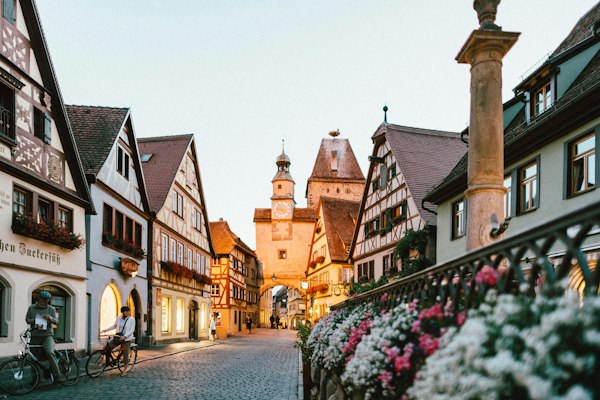
Western Europe Paris Eiffel Tower France travel
🗼 Western Europe
The Cultural Heartland

The Europe most Australians first encounter — and, repeatedly, return to. France, Italy, Spain, and Portugal form the Latin arc of the continent: the most visited, the most architecturally rich, and collectively home to more UNESCO Heritage Sites than anywhere else on earth. London and Amsterdam anchor the northwest. Every city here has a character formed over centuries of art, trade, and revolution — Paris's boulevards, Rome's layers, Barcelona's Modernisme, Lisbon's miradouros.

🇫🇷 France 🇮🇹 Italy 🇪🇸 Spain 🇵🇹 Portugal 🇬🇧 UK 🇳🇱 Netherlands 🇧🇪 Belgium
May and September are the sweet spot — warm enough for terrasse dining, the summer crowds gone or not yet arrived, and prices noticeably lower. The Eurail pass is excellent value here: Paris–Barcelona by high-speed is 6.5hrs; Paris–Rome on an overnight sleeper from A$80.
Northern Europe Norway fjords Iceland aurora Scandinavia
🌌 Northern Europe
Fjords, Aurora & Midnight Sun

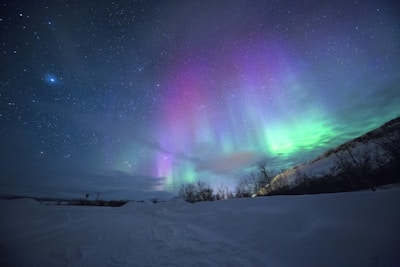
Scandinavia and the Nordic countries occupy the top third of the European continent — the region of the Northern Lights, the midnight sun, the Norwegian fjords, the Finnish lakes, and Iceland's volcanoes. Copenhagen, Stockholm, and Helsinki are three of the world's most liveable and design-forward cities. The Lofoten Islands in Norway, the Westfjords of Iceland, and Swedish Lapland are among the most remote and most beautiful landscapes in Europe. The Nordic countries are also the world's most expensive travel region.

🇳🇴 Norway 🇸🇪 Sweden 🇫🇮 Finland 🇩🇰 Denmark 🇮🇸 Iceland
Iceland and Norway are the priorities for most Australian travellers — Iceland for the complete natural spectacle (Ring Road + aurora), Norway for the fjords (Flåm railway, Geirangerfjord, Lofoten). The two combine naturally on a 3-week itinerary: Oslo → Bergen (fjords) → flight to Reykjavík → Ring Road → home.
Southern Europe Greece Santorini Mediterranean islands Croatia
☀️ Southern Europe
Mediterranean Sea, Islands & Antiquity

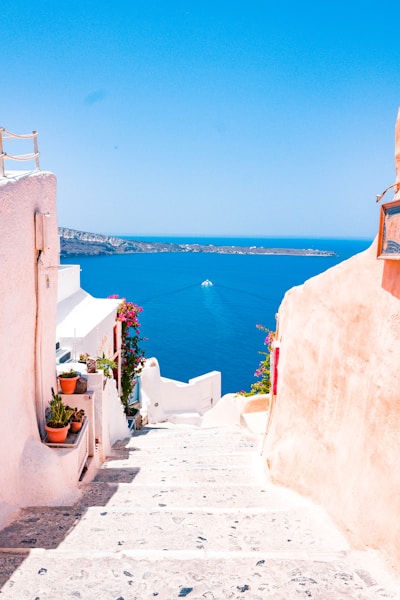
The Mediterranean coast and islands — the birthplace of Western civilisation and still one of the most beautiful inhabited coastlines on earth. Greece's Aegean island-hopping, Croatia's Dalmatian coast, Italy's Amalfi and Cinque Terre, Sicily, Malta, and Cyprus form a summer-circuit of extraordinary natural and historical wealth. The ancient sites here — Athens, Delphi, Olympia, Rome, Split's Diocletian's Palace, Syracuse — are the most physically significant surviving monuments of Western antiquity.

🇬🇷 Greece 🇭🇷 Croatia 🇮🇹 Italy (south) 🇲🇹 Malta 🇨🇾 Cyprus
Combine Greece and Croatia in a single trip — fly Athens, island-hop the Cyclades for a week, fly to Split (direct in summer), drive the Dalmatian coast to Dubrovnik, fly home. A 16-day itinerary that covers the two finest Adriatic and Aegean coastlines simultaneously.
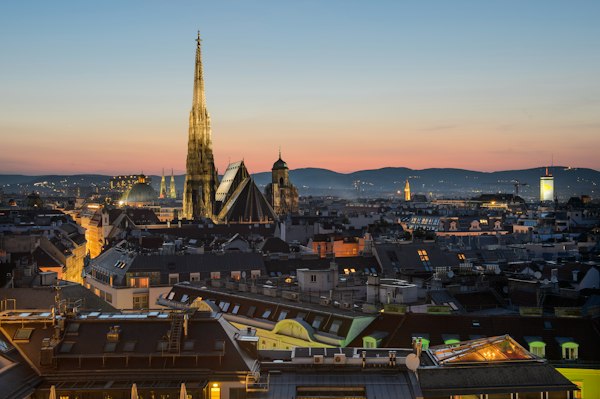
Central Europe Vienna Austria Prague Czech Republic Budapest Hungary Alps
🏰 Central Europe
Habsburg Empires, Alps & Baroque Cities

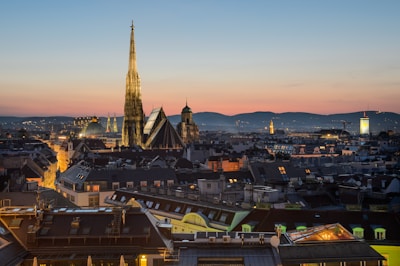
Central Europe — Austria, Switzerland, Czech Republic, Hungary, Slovakia, and Slovenia — is the continent's most architecturally baroque and most dramatically alpine region. Vienna, Prague, and Budapest form one of Europe's great city circuits, all within 300km of each other and all connected by river (the Danube flows through all three). The Swiss and Austrian Alps divide the region from the Mediterranean; Switzerland's Jungfrau, Matterhorn, and Bernese Oberland are some of the most spectacular mountain landscapes accessible by rail anywhere on earth.

🇦🇹 Austria 🇨🇿 Czech Republic 🇭🇺 Hungary 🇨🇭 Switzerland 🇸🇮 Slovenia 🇸🇰 Slovakia
The Vienna–Budapest–Prague triangle is one of Europe's finest city-break circuits — all three are extraordinary at Christmas market season (late November to December 24). Overnight trains connect all three; a Eurail pass makes the triangle highly efficient. Add Salzburg for a fourth stop with minimal extra travel time.
Eastern Europe Poland Krakow Baltic states Warsaw Balkans travel
🌿 Eastern Europe & the Balkans
Europe's Undervisited Treasure

Eastern Europe and the Balkans are the great undiscovered region of European travel for Australians — extraordinary cultural and natural depth at a fraction of Western European prices. Poland's Kraków, Warsaw, and Gdańsk are among Europe's most beautiful cities and have one of the continent's most moving collections of 20th-century history. The Balkans (Serbia, North Macedonia, Albania, Kosovo, Montenegro, Bosnia) are rapidly emerging travel destinations with medieval towns, Adriatic coast, and Ottoman heritage largely unexplored by mass tourism.

🇵🇱 Poland 🇷🇴 Romania 🇧🇦 Bosnia 🇲🇪 Montenegro 🇦🇱 Albania 🇲🇰 North Macedonia 🇧🇬 Bulgaria
Kraków is one of the most compelling cities in Europe for historical depth — the entirely intact medieval old town (UNESCO, 1978), the Wawel Royal Castle, and the proximity to Auschwitz-Birkenau make it a genuinely profound destination. Budget travel costs of €50–70/day versus €120–200 in Paris or Rome.
British Isles Scotland Ireland England Wales United Kingdom
🏴󠁧󠁢󠁳󠁣󠁴󠁿 The British Isles & Ireland
Familiar, Surprising, Extraordinary

The United Kingdom and Ireland hold a unique position for Australian travellers — the cultural familiarity of shared language, history, and institutional DNA, combined with a landscape and depth of history that consistently surprises. London is Europe's most cosmopolitan city and arguably the world's most culturally complete. Scotland's Highlands — Ben Nevis, Glen Coe, Loch Ness, the Isle of Skye — are among Europe's last genuinely wild landscapes. Ireland's Wild Atlantic Way is one of the finest coastal drives on earth.

🇬🇧 England 🏴󠁧󠁢󠁳󠁣󠁴󠁿 Scotland 🏴󠁧󠁢󠁷󠁬󠁳󠁿 Wales 🇮🇪 Ireland
London is the natural European gateway for Australians — most long-haul Australia–Europe fares connect through Heathrow, making a 2–4 night London stay essentially free at the start or end of a broader Europe trip. The BritRail Pass covers all UK trains; hiring a car at Edinburgh gives the finest approach to the Scottish Highlands.
Must-See Cities

Europe's Essential Destinations

A continent's worth of possibility, reduced to the cities and landscapes that most consistently deliver the Europe that travellers carry home with them for the rest of their lives.

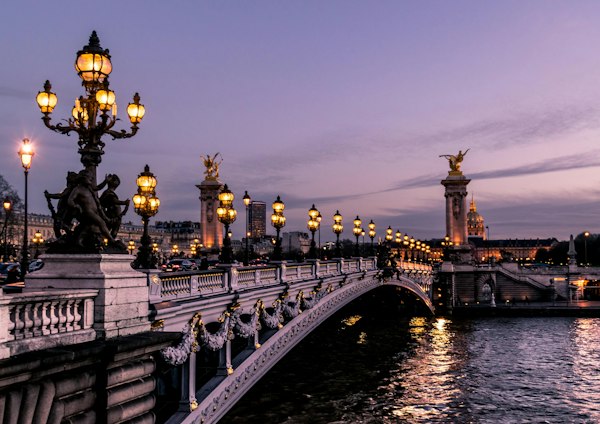
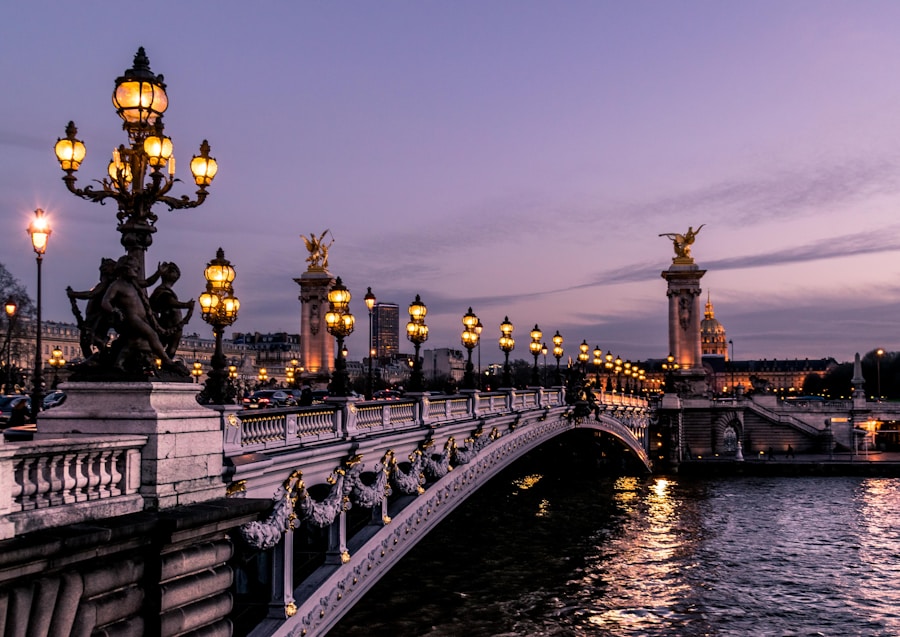
Paris France Eiffel Tower Seine River lights night
🏆 The World's Most Visited City

Paris

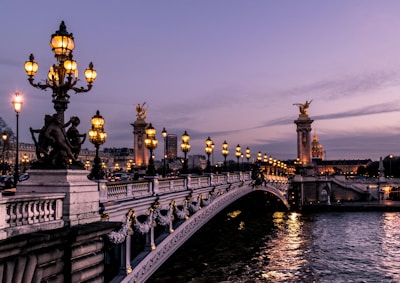
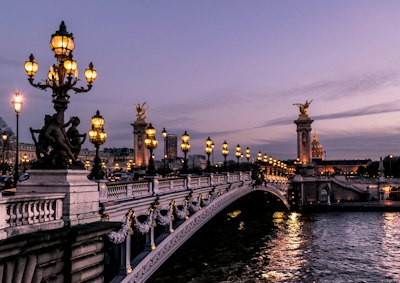
Paris is the city that all other cities measure themselves against — not for size or commerce but for the quality of ordinary life it has maintained at the street level for two centuries. The Louvre, the Musée d'Orsay, the Eiffel Tower, Versailles, Notre-Dame (now reopened after the 2019 fire). But more than the monuments: the café culture, the marché, the Seine embankments at dusk, the light on Haussmann's limestone boulevards. Paris rewards multiple visits in ways that few cities can — each arrondissement a distinct village, each season a different quality of light.

Île-de-France · CDG Airport · 4 nights minimum · Gateway to France
★ 5.0
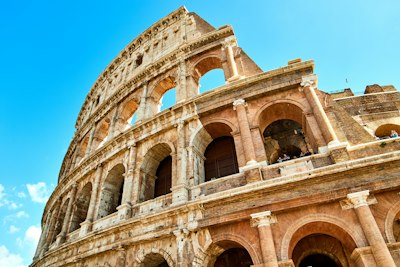
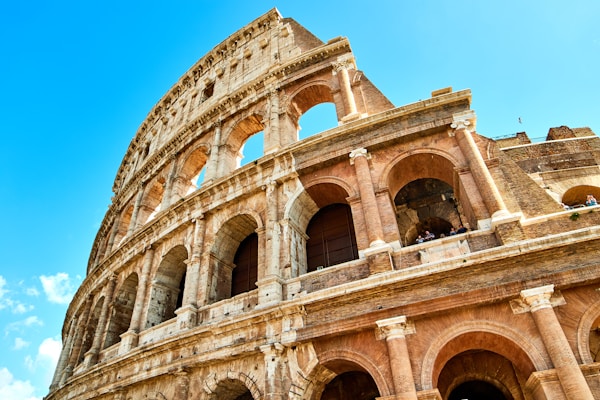
Rome Colosseum Italy ancient ruins Vatican
Eternal City

Rome

Lazio, Italy · FCO Airport · 3–4 nights
★ 5.0
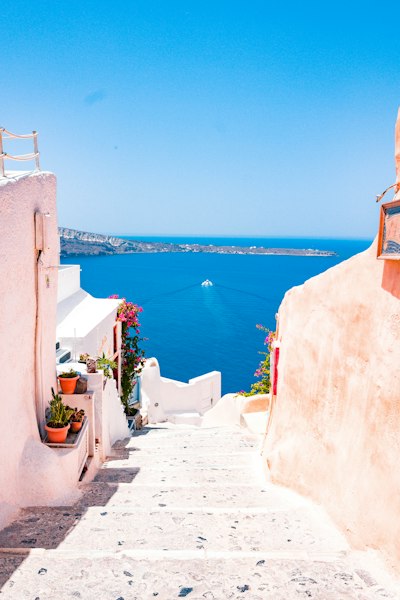
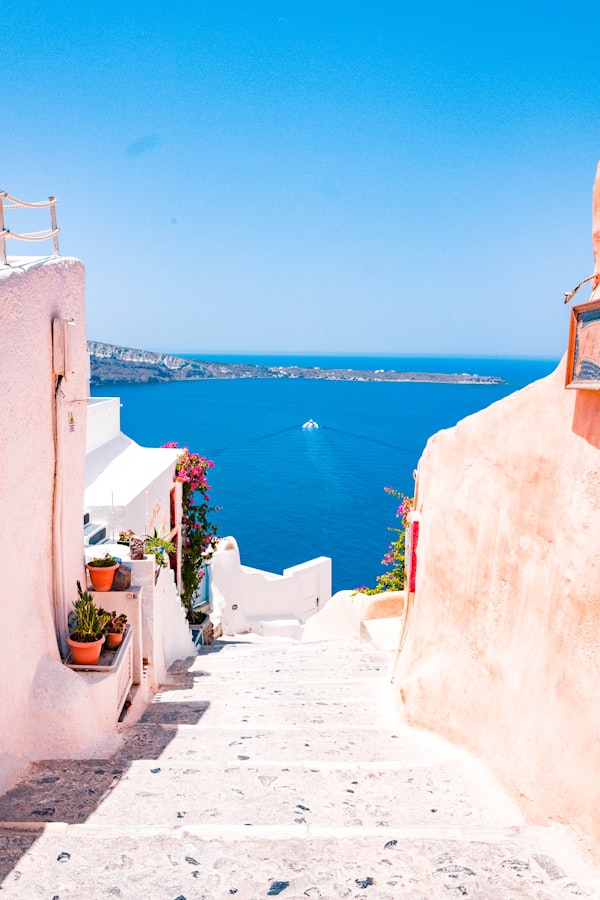
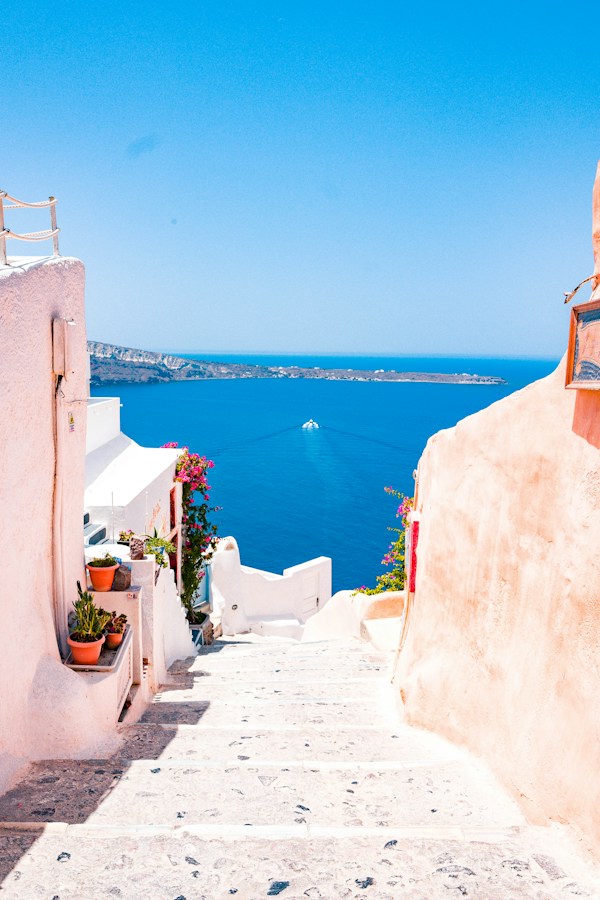
Santorini Greece Cyclades caldera blue dome white village
Aegean Icon

Santorini

Cyclades, Greece · Ferry or flight from Athens
★ 4.9
Neuschwanstein castle Bavaria Germany Alps fairy-tale
Fairy-Tale Bavaria

Bavaria & The Alps

Southern Germany · MUC Airport · 3–5 nights
★ 4.9
Iceland Northern Lights Ring Road aurora borealis
Arctic Drama

Iceland

North Atlantic · KEF Airport · 7–14 nights Ring Road
★ 4.9
Dubrovnik Croatia Adriatic coast old town walls
Adriatic Jewel

Dubrovnik

Dalmatian Coast, Croatia · DBV Airport · 2–3 nights
★ 4.8
Multi-Country Itineraries

Grand Tour Itineraries

European travel rewards multi-country circuits — the continent is compact enough that the train from Paris to Amsterdam takes as long as the Sydney–Canberra drive. These are the itineraries our team have designed and refined over 35 years of sending Australians to Europe.

⏱ 14 Days · The Western Classic
London to Rome
🇬🇧 🇫🇷 🇮🇹
Days 1–3
London — British Museum, Tower of London, Hyde Park, West End theatre. Eurostar to Paris (2.5hrs).
Days 4–6
Paris — Louvre, Musée d'Orsay, Versailles day trip, Montmartre, Seine dinner cruise. TGV to Lyon (2hrs) then Frecciarossa to Turin and Florence.
Days 7–9
Florence & Tuscany — Uffizi Gallery (pre-book), Duomo, Ponte Vecchio, Siena day trip, Chianti wine region drive.
Days 10–14
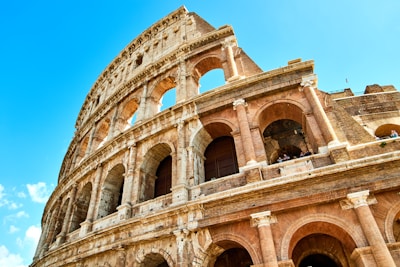
Rome — Colosseum, Roman Forum, Vatican Museums, Sistine Chapel (pre-book), Trastevere, day trip to Naples and Pompeii. Fly home from FCO.
Book This Itinerary →
⏱ 14 Days · The Mediterranean Arc
Athens to Dubrovnik
🇬🇷 🇮🇹 🇭🇷
Days 1–3
Athens — Acropolis & Acropolis Museum (8am booking), Plaka, Monastiraki, sunset from Filopappou Hill.
Days 4–7
Greek Islands — fast ferry to Santorini (5hrs); caldera, Oia sunset. Ferry to Mykonos (2hrs); windmills, Delos. Fly Athens to Bari (Italy).
Days 8–10
Southern Italy — Bari's old town, Alberobello trulli houses, Matera (sassi cave city), drive up the Adriatic coast to Ancona. Ferry overnight to Split.
Days 11–14
Croatia — Split's Diocletian's Palace, Hvar island (ferry), island-hop south, Korčula, arrive Dubrovnik. Walk the walls, sea kayak. Fly home from DBV.
Book This Itinerary →
⏱ 21 Days · The Grand European Circuit
London to Vienna — 8 Countries
🇬🇧 🇫🇷 🇨🇭 🇮🇹 🇦🇹 🇨🇿 🇩🇪 🇳🇱
Days 1–2
London — Gateway city; 2 nights, Eurostar departure to Paris.
Days 3–5
Paris — Core classics plus a day-trip to Versailles. TGV to Zurich (4hrs).
Days 6–8
Switzerland — Zurich (1 night), Jungfraujoch day trip from Interlaken, Geneva or Lucerne. Train to Milan.
Days 9–12
Italy — Milan 1 night, Venice 2 nights (Grand Canal, Doge's Palace, vaporetto to Murano), Bologna lunch. Train to Salzburg.
Days 13–15
Austria — Salzburg (Mozart, Festung Hohensalzburg), Hallstatt day trip. Train to Vienna.
Days 16–18
Vienna & Prague — Vienna 1 night (Ringstrasse, Schönbrunn, coffee house), fast train to Prague (4hrs), 2 nights old town.
Days 19–21
Berlin & Amsterdam — Train Prague → Berlin (4hrs), 1 night; train Berlin → Amsterdam (6hrs), 1 night. Fly home from AMS.
Book This Itinerary →
Train Travel

Europe by Rail — The Complete Guide

Europe's high-speed rail network is one of the wonders of the modern world — a continent-spanning system that makes city-to-city travel faster, cheaper, and more pleasurable than flying between European destinations. The Eurail Pass is the single best-value travel document an Australian can buy for a European trip of 10 days or more.

⏱ The Classic Rails
Western Europe Express
London Paris Barcelona Madrid Lisbon

The Atlantic-arc circuit — London to Lisbon through Western Europe's most storied cities. The Eurostar London–Paris (2hr 16min) is the continent's most elegant train journey; the TGV Paris–Barcelona (6hr 25min) threads through the Pyrenees. Madrid–Lisbon is overnight (Lusitânia Express, 9hrs, book early for bedroom cabins).

  • London → Paris: Eurostar, 2hr 16min, from €44
  • Paris → Barcelona: TGV/AVE, 6hr 25min, from €39
  • Barcelona → Madrid: AVE high-speed, 2hr 30min, from €25
  • Madrid → Lisbon: overnight Lusitânia, 9hrs, from €65
Book Eurostar and AVE high-speed trains 60–90 days ahead for best prices — these specific trains do not require a Eurail Pass reservation upgrade. All others: add a reservation fee (€5–30) on top of Eurail pass.
⏱ Central European Circuit
The Danube & Alpine Loop
Vienna Budapest Prague Munich Zurich

The Habsburg heartland circuit — five of Central Europe's finest cities connected by routes that have carried travellers since the age of steam. Vienna, Budapest, and Prague are within 4 hours of each other; adding Munich and Zurich closes a loop through the Alps. Best done in 10–12 days with 2 nights in each city.

  • Vienna → Budapest: Railjet, 2hr 40min, from €29
  • Budapest → Prague: RegioJet, 6hr 45min, scenic Vltava valley
  • Prague → Munich: EC train, 5hrs, from €29
  • Munich → Zurich: IC via Lindau, 3hr 15min, Lake Constance views
The Budapest–Bratislava–Vienna sequence is one of Europe's finest half-day river routes. The Danube Bend north of Budapest (Esztergom, Visegrád) is a rewarding half-day detour from Budapest by river ferry.
⏱ Scenic Masterclass
The Alpine Panorama Routes
Geneva Interlaken Lucerne Davos Milan

Switzerland's scenic rail routes are the most spectacular in the world — trains that climb to 3,454 metres, traverse glaciers, hang over valleys, and pass through landscapes of extraordinary beauty. The Glacier Express (Zermatt to St Moritz, 8hrs, 91 tunnels, 291 bridges) and the Bernina Express (Chur to Tirano over the Bernina Pass, a UNESCO route) are among the world's great train journeys.

  • Glacier Express: Zermatt → St Moritz, 8hrs, from CHF 152. Pre-book required.
  • Bernina Express: Chur → Tirano (Italy), 4hrs, UNESCO World Heritage route
  • Jungfraubahn: Interlaken → Jungfraujoch (3,454m), Europe's highest railway station
  • Golden Pass: Montreux → Lucerne, 5hrs, through Lake Geneva and Bernese Oberland
Swiss scenic trains (Glacier Express, Bernina Express, Golden Pass) require a seat reservation even with a Eurail pass (approx CHF 30–65 supplement). Book at least 4–6 weeks ahead in summer — they are popular and do sell out.
Which Pass?

Eurail Pass Guide — For Australian Travellers

The Eurail Global Pass covers 33 European countries on a single pass. Non-European citizens (including Australians) can purchase it; European citizens cannot.

🗓️
Global Pass — 4 Days

4 travel days within a 1-month period. Best for short circuits — London→Paris→Brussels→Amsterdam, or Vienna→Prague→Berlin.

From A$340
Adult 2nd class
📅
Global Pass — 10 Days

10 travel days within 2 months. The most popular pass for 3-week European trips covering 4–6 countries with multiple city-hops.

From A$680
Adult 2nd class
🌍
Global Pass — 1 Month

Unlimited travel for 1 continuous month across 33 countries. Best for extended Grand Tour itineraries covering 8–12 countries.

From A$1,340
Adult 2nd class
🎒
Youth Pass (Under 28)

All Eurail passes carry a 25–35% youth discount for travellers under 28. The most valuable discount in European rail travel.

–25–35%
vs adult fare
What to Do

Europe's Unmissable Experiences

A continent with 500+ UNESCO sites and 3,000 years of recorded history. These are the experiences — not merely the sights — that define European travel.

Paris cafés croissant morning light Latin Quarter
A European Capital at its Own Pace

Paris at 8am before the tourists, Rome's Trastevere on a Sunday morning, Vienna's Naschmarkt on a Saturday — the great European capitals reveal their true character in the hours before and after peak tourist activity. Stay in a neighbourhood rather than a hotel district; shop at the local market; eat where the locals eat. The quality of ordinary life that these cities maintain — the café, the square, the butcher, the boulangerie — is irreplaceable and cannot be experienced on a bus tour.

All year · Neighbourhood accommodation essential
Christmas market Germany Nuremberg Cologne December lights
Christmas Markets (November–December)

The German and Austrian Christmas market tradition — Weihnachtsmarkt — is Europe's finest seasonal event. Nuremberg's Christkindlesmarkt, Cologne's Cathedral market, Vienna's Rathausplatz, Salzburg's Domplatz, and Strasbourg's Marché de Noël (the oldest in France, since 1570) transform city squares from late November through December 24 with mulled wine, handcraft stalls, and a quality of festive atmosphere that has no equivalent anywhere in the Southern Hemisphere. The Central European Christmas market circuit — Munich, Salzburg, Vienna, Prague, Dresden — is one of the finest 10-day European itineraries available at any time of year.

Late November – December 24
Greek island ferry boat Aegean Mediterranean sea summer
Mediterranean Island Hopping

The Greek, Croatian, and Italian island ferry networks are among the great pleasures of European travel — boarding a ferry at Piraeus at dusk and watching the lights of Athens recede as the Aegean opens ahead; arriving at Hvar in the morning with the Dalmatian coast gleaming; the Aeolian Islands north of Sicily, the Cyclades' blue-domed villages. Island-hopping is uniquely slow, pleasurable travel that rewards patience and unplanned diversions.

May – October · Greece, Croatia, Italy
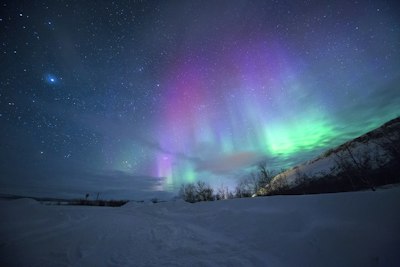
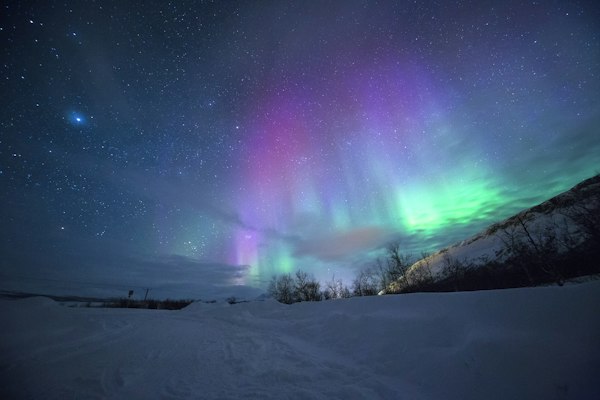
Northern Lights Iceland Norway aurora borealis winter
Northern Lights in Iceland or Norway

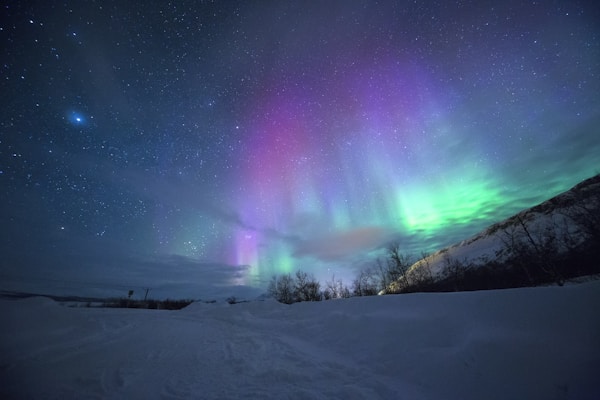
The aurora borealis — visible from Iceland, northern Norway (Tromsø, Lofoten), northern Finland, and northern Sweden between September and April — is Europe's single most dramatic natural experience. The combination of science (charged solar particles interacting with Earth's magnetic field) and visual spectacle (dancing curtains of green, purple, and white across the full sky) is unlike anything else in the natural world. Iceland's Ring Road and Norway's Lofoten Islands are the two finest aurora destinations.

September – April · Iceland & Norway best
Rome Vatican Sistine Chapel art history Italy classical
Europe's Great Museums & Galleries

The Louvre (Paris), the Uffizi (Florence), the Prado (Madrid), the British Museum (London), the Kunsthistorisches Museum (Vienna), the Rijksmuseum (Amsterdam), the Acropolis Museum (Athens), the Hermitage (St Petersburg) — Europe's art collections are the accumulated acquisitions of empires, city-states, and royal houses over 500 years. Pre-book timed-entry tickets for all major museums 4–8 weeks ahead; the Uffizi, Vatican Museums, and Versailles without advance tickets in summer means a queue of 2–4 hours.

Year-round · Pre-book all major museums
Vienna opera house music concert classical Austria Europe
Classical Music & Opera in Vienna or Salzburg

Vienna's Staatsoper, Vienna Philharmonic at the Musikverein, and the Wiener Konzerthaus are among the world's great live music venues — and standing tickets to the Staatsoper cost €5–10, available at the box office 80 minutes before curtain. Salzburg's Mozarteum, the Festspielhaus, and the Felsenreitschule (a theatre carved into a cliff face) stage the Salzburg Festival each August — the most prestigious classical music festival in the world. Edinburgh's Festival Fringe and the Bayreuth Wagner Festival complete Europe's unmatched live performance programme.

Year-round Vienna · August Salzburg Festival
Dubrovnik Croatia Game of Thrones walls Adriatic old town
Walking the Walls of a Medieval Old Town

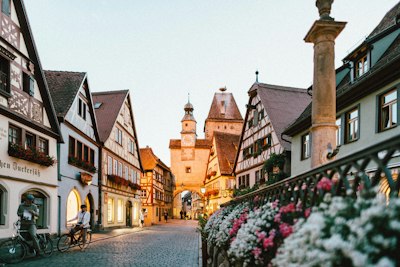
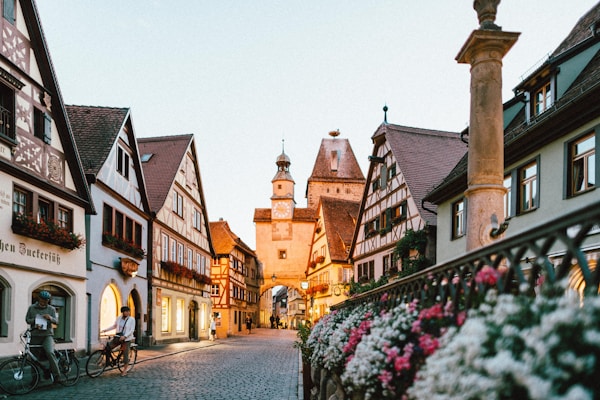
Dubrovnik's 14th-century walls (2km circuit, sea on three sides), Tallinn's remarkably intact medieval old town (Estonia — the most complete medieval streetscape in Europe outside of San Marino), Rhodes' fortified city of the Knights of St John, Rothenburg ob der Tauber's perfectly preserved medieval German town, and Avignon's papal palace city walls. Europe's walled medieval cities are among its most evocative physical environments — the experience of walking walls built in the 13th century with contemporary city life continuing inside them is uniquely European.

Year-round · Dubrovnik, Tallinn, Rhodes
Scottish Highlands Glen Coe Ben Nevis hiking wild landscape
Scotland's Highlands — Glen Coe to Isle of Skye

The Scottish Highlands are Europe's last genuinely wild landscape — the 500 Road (NC500) traces 500 miles of coastline around the north of Scotland, from Inverness past Cape Wrath and down the west coast to Glasgow. Glen Coe's U-shaped glacial valley, Ben Nevis (Britain's highest peak), the Fairy Pools on the Isle of Skye, and Eilean Donan Castle above Loch Duich have a theatrical grandeur that Scotland's weather — perpetually uncertain, occasionally violent, often breathtaking in its light — makes uniquely their own.

May–September optimal · Car hire from Edinburgh
When to Travel

Europe Through the Seasons

Europe is a four-season destination — but unlike Australia, the four seasons deliver genuinely different experiences rather than variations on a theme. Your season choice determines the entire character of the trip.

🌸
Spring — Best Overall
April – May

Spring is the consensus best season for European travel — warm enough to be comfortable, flower markets and outdoor café season beginning, the summer crowds not yet present, and prices 20–35% below July–August peaks. The Provençal lavender and Tuscany's rolling hills look their most lush in May; Amsterdam's tulip season peaks in April (Keukenhof Gardens); Paris in April has the quality of light that drew Impressionist painters. All major sites open. Book 8–12 weeks ahead for popular hotels.

☀️
Summer — Peak & Crowded
June – August

Peak season across all of Europe — the Mediterranean at its most swimmable, Scandinavia's midnight sun, and every attraction open and operational. Also the most crowded, most expensive, and most advance-booking-dependent season. July–August at major sites (Colosseum, Eiffel Tower, Alhambra, Sagrada Família, Acropolis) requires pre-booked timed entry 4–8 weeks ahead or queues of 1–3 hours. June is the best summer month: school holidays not yet started, all summer facilities open, sea temperature adequate. Pre-book all accommodation 4–6 months ahead for July–August.

🍂
Autumn — Second Choice
September – October

September is the most underrated month for European travel — the summer crowds have gone, the heat has eased, wine harvest season begins across France, Italy, Spain, and Germany, and the Mediterranean sea is still warm (24–26°C). The light in autumn across Tuscany, Provence, and the Dordogne is the quality that painters have chased since the 18th century. Iceland and Scandinavia's aurora season begins in September. October brings the first autumn colour to the Alps, the Rhine Valley, and the Bavarian forests — one of Europe's finest visual displays.

❄️
Winter — Christmas Magic
November – February

Winter in Europe divides into two distinct periods: the Christmas market season (late November through December 24) — the finest festive experience in the world, centred on Central Europe's German, Austrian, and Czech markets — and mid-winter (January–February), which offers the lowest prices, emptiest sites, and best skiing (Alps, Pyrenees) but cold, dark, and limited daylight. The Northern Lights season in Iceland and Scandinavia makes January–February rewarding for those destinations specifically. European ski resorts (Chamonix, Innsbruck, Zermatt, Verbier) peak January–March.

Expert Tips for Europe

Distilled from 35 years of designing European trips for Australians — the principles that consistently separate the extraordinary trip from the merely good one.

01
Do Less, Stay Longer in Each Place

The single most common European travel mistake is attempting too many countries and cities in too little time — the "8 countries in 14 days" itinerary that leaves travellers exhausted, having seen nothing of any place properly. Two nights anywhere in Europe is not enough to understand it. The formula that consistently works: choose 3–4 countries maximum for a 21-day trip; spend 3–4 nights minimum in each major city; allow 2 nights in smaller places you had not planned to stop; build one fully free, unscheduled day per week. Europe rewards slowness and penalises the itinerary that tries to cover everything.

02
Pre-Book the Unmissable — Or Accept the Queue

A small number of European attractions require pre-booked timed-entry tickets or will deliver an experience significantly degraded by queuing: Vatican Museums and Sistine Chapel (Rome), Uffizi Gallery (Florence), Versailles (Paris), Sagrada Família (Barcelona), Acropolis (Athens, summer only), Neuschwanstein Castle (Bavaria), Blue Lagoon (Iceland), and the Alhambra (Granada). Book all of these before you leave Australia — most open bookings 60–90 days ahead. The rest of Europe is largely walk-up accessible. These specific sites are the exceptions where advance planning has a direct and significant impact on the experience.

03
Use the Train — Even When Flying Seems Cheaper

Budget airlines (Ryanair, easyJet, Wizz Air) offer €15–40 fares between European cities — but the true cost includes: airport transfers (most budget airports are 45–90 minutes from city centres), checked luggage fees, the time cost of arriving 2 hours early, and the lost experience of the landscape in between. A 3-hour train from Paris to Lyon arrives in the city centre, has a seat with a table, runs on time 94% of the time, and delivers you through the Burgundy vineyard countryside. For journeys under 5 hours, trains are superior in almost every practical dimension. For overnight trains (Paris–Barcelona, Vienna–Warsaw, Munich–Venice), you also save a hotel night.

04
London First — It's the Natural Gateway

Most Australia–Europe long-haul fares naturally connect through London, and adding 2–4 nights in London at the start or end of a European trip costs almost nothing extra in flights. More importantly, London serves the specific function of cultural decompression that no other European city quite manages — shared language, familiar institutional frameworks, a food culture dramatically better than its reputation, and the British Museum, the National Gallery, and the V&A free of charge. Use London as the opening or closing chapter of every European trip rather than a transit city to change planes through.

Before You Go

Schengen Visa & Practicalities

Australians enjoy visa-free access to 27 Schengen countries for up to 90 days — the most permissive visa arrangement available to any non-European passport-holder. Here is everything you need to know before departure.

Entry TypeStatusDurationKey Notes for Australians
Schengen Tourist Entry 🇪🇺 ✓ Visa Free 90 days in any 180-day period The Schengen Agreement grants Australian passport-holders 90 days of visa-free travel across 27 member countries in any rolling 180-day period. This is a shared allowance — days spent in France count toward the same 90 as days in Germany, Spain, Greece, or Austria. The 27 Schengen countries include most of continental Europe: Austria, Belgium, Czech Republic, Denmark, Estonia, Finland, France, Germany, Greece, Hungary, Iceland, Italy, Latvia, Lithuania, Luxembourg, Malta, Netherlands, Norway, Poland, Portugal, Slovakia, Slovenia, Spain, Sweden, Switzerland, and Liechtenstein. Notable non-Schengen countries include the UK, Ireland, Croatia (uses Schengen since 2023), Romania, and Bulgaria.
United Kingdom 🇬🇧 ✓ Visa Free Up to 6 months The UK is not a Schengen member — it has its own separate visa arrangement with Australia. Australians can enter the UK visa-free for up to 6 months. Crucially, time spent in the UK does not count toward the Schengen 90-day allowance, making it a strategically valuable base for an extended European trip. The UK's Electronic Travel Authorisation (ETA) — a pre-travel registration similar to ETIAS — was introduced in 2024 for non-visa-required visitors including Australians; apply at gov.uk/guidance/apply-for-an-eta before departure. Cost: £10.
ETIAS (EU Pre-Travel Registration) Check Before Travel Multiple entries / 3 years The European Travel Information and Authorisation System (ETIAS) is the EU's equivalent of Australia's ETA — a pre-travel online registration required for visa-exempt travellers entering the Schengen Area. Unlike a visa, it does not require an application process; it is an automated background check. Expected cost: €7. Valid for 3 years or until passport expiry. The ETIAS launch has been repeatedly delayed; verify current implementation status at travel.europa.eu before departure. Non-Schengen EU members (Romania, Bulgaria, Cyprus) have separate entry requirements.
Extended Europe Trip (90+ Days) Requires Planning 90 days Schengen + unlimited UK Travellers planning an extended European trip beyond the 90-day Schengen window have several strategies. The most common: use the 90-day Schengen allowance for continental Europe, then move to the UK (non-Schengen, up to 6 months) for the remaining time before returning to Schengen. The 180-day rolling window means you can re-enter Schengen once 90 days have elapsed from your last Schengen entry day. Some travellers also include non-Schengen Balkans countries (Serbia, Bosnia, North Macedonia, Albania, Kosovo, Montenegro) as 'reset' periods; these typically allow 90 days visa-free independently. Extended stays for study or work require a national visa from the specific country.
Working Holiday Visa Apply in Advance 12 months (per country) Australia has bilateral Working Holiday arrangements with several European countries, each requiring a separate national application: Germany (18–30, apply at German consulate before departure, quota-based), France (PVT visa, 18–30, apply via France-Australie.com), Ireland (Working Holiday Authorisation, up to 12 months, apply online), Italy, Denmark, Sweden, Norway, and others. Each Working Holiday visa is specific to one country; working in a second country without the appropriate visa is technically illegal even under Schengen free movement. Cooee Tours can advise on the current Working Holiday visa landscape for Europe-bound Australian travellers.
✈️
Flights from Australia to Europe
  • Brisbane to London (LHR/LGW): The primary Australia–Europe long-haul route. Singapore Airlines via Singapore, Qatar Airways via Doha, Emirates via Dubai, and Qantas via Singapore or Dubai all offer competitive fares from Brisbane. Total journey: 20–24 hours including connection. One-stop routing is standard; two-stop cheaper routings exist but add significant travel time.
  • Brisbane to other European hubs: Direct-from-Australia service exists to: London (Qantas codeshare via Singapore), Frankfurt (Lufthansa via Singapore or Hong Kong), Amsterdam (KLM direct from Sydney, 17.5hrs — currently one of the world's longest non-stop flights), Paris CDG (Air France via Singapore or KL), Rome (via various Gulf/Asian hubs), and Athens (via Doha with Qatar Airways, strong connection). Flying directly into your destination country saves a London transit day and can be more economical for Southern European itineraries.
  • Best fare strategy: Book 3–5 months ahead for travel in July–August peak. Book 8–12 weeks ahead for shoulder season travel (April–May, September–October). January–February (excluding school holidays) is Europe's cheapest airfare season from Australia. Flexibility on gateway city (London vs Amsterdam vs Frankfurt vs Rome) by ±3–4 days can yield A$300–600 savings on return long-haul fares.
  • Open-jaw routing: Flying into one city and departing from another is standard practice for European rail circuit travel and avoids expensive backtracking. Fly into London and out of Rome; fly into Amsterdam and out of Lisbon; fly into Athens and out of Dubrovnik. Open-jaw fares are typically only marginally more expensive than return fares to a single city and eliminate 2–3 days of retracing the same ground.
  • Budget airlines within Europe: Once in Europe, Ryanair, easyJet, Wizz Air, Vueling, and Transavia connect almost every city from €15–80. These are worthwhile for crossing large distances quickly (London to Athens, Amsterdam to Lisbon) — but remember to factor airport transfer times and the absence of Eurail pass coverage. For journeys under 5 hours, a train is almost always preferable in experience and often competitive on total cost.
💰
Budget Guide — What Europe Costs
  • Western Europe (France, Italy, Germany, Austria, Switzerland, UK, Scandinavia): Budget travel: A$100–150/day (hostel dorms, supermarket lunches, one café dinner). Mid-range: A$200–320/day per person (3-star hotels, two meals out, activities). Comfortable: A$350–550/day (boutique hotels, wine with dinner, premium activities, private tours). Switzerland and Norway add 40–60% to these figures. London falls in the Western Europe mid-range bracket but with significantly cheaper pub meals offsetting higher accommodation costs.
  • Southern & Central Europe (Spain, Portugal, Greece, Croatia, Czech Republic, Hungary): Budget travel: A$60–90/day. Mid-range: A$130–220/day per person. Greece and Croatia's island destinations push toward Western European pricing in peak summer but remain cheaper off-season. Prague and Budapest are among Europe's finest-value city destinations: excellent food and wine for A$25–40 per person at good restaurants.
  • Eastern Europe & Balkans (Poland, Romania, Serbia, Albania, North Macedonia): Budget travel: A$40–65/day. Mid-range: A$90–150/day. Outstanding value — Kraków, Warsaw, and Bucharest offer world-class museums, architecture, and food for a fraction of Western European prices. Increasingly sophisticated accommodation and restaurant scenes without the crowds or pricing of their western counterparts.
  • Key money-saving strategies: Buy a city museum pass in each city (Paris Museum Pass, Vienna City Card, Amsterdam I Amsterdam) — typically saves 30–50% on entry fees for 3+ attractions. Book accommodation and trains simultaneously; departing one day earlier or later from a city can drop nightly hotel rates 25–40%. Eat the main meal at lunch (often identical menu at 30–40% less than dinner). Carry a Wise or Revolut card for zero-fee currency conversion across all European currencies.
  • Currency: The Euro (€) is used in 20 countries. Switzerland uses CHF, UK uses GBP, Czech Republic CZK, Hungary HUF, Poland PLN, Iceland ISK, Norway NOK, Sweden SEK, Denmark DKK, Croatia converted to Euro in 2023. All major cities accept Mastercard and Visa almost universally; carry €50–100 cash for small markets, rural areas, and the occasional cash-only local restaurant. ATMs (Geldautomat/Guichet automatique/Bancomat) are available in every city and town.
🚗
Getting Around Europe
  • Train is the default (and the best): For most European city-to-city travel under 6 hours, the train is faster, cheaper (inclusive of airport transfer time), and more enjoyable than flying. The European high-speed network (Eurostar, TGV, ICE, Frecciarossa, AVE, Thalys, Railjet) connects major cities from 2–5 hours. Book point-to-point trains at Trainline.com (all European trains, one platform) or Rail Europe (Eurail pass + individual booking). National rail websites (SNCF for France, DB for Germany, Trenitalia for Italy) often have the lowest prices but only sell domestic routes.
  • Eurail Global Pass: Best value for trips covering 4+ countries over 10+ days. Purchase before departing Australia (non-Europeans only). The Eurail app on your phone is your pass — no paper required. Remember: most high-speed trains in Europe require a compulsory seat reservation even with a Eurail pass (€5–30 per booking). Budget this into your Eurail cost calculation. Overnight trains save accommodation costs; the Vienna–Venice sleeper (6hrs) and the Paris–Berlin EuroNight (14hrs) are among the best.
  • Self-drive in Europe: Ideal for rural regions that the rail network doesn't serve well: the Scottish Highlands, the Dordogne and Provence in France, Tuscany (beyond the main Siena–Florence rail line), the Dalmatian coast, the Swiss Alps, and Ireland's Wild Atlantic Way. Australian licences are valid in all European countries for tourist travel; an International Driving Permit (IDP) — available from NRMA, RACQ, RACV for A$39 — is recommended and required in some countries including Italy and Greece. Drive on the right in all European countries except the UK, Ireland, Malta, and Cyprus. Vignettes (toll stickers) are required in Austria, Switzerland, Czech Republic, and others — buy at the border or online before entering.
  • Overnight ferries: Europe's coastal ferry networks are superb — and frequently overlooked. The Minoan Lines Athens–Venice overnight ferry (36hrs, cabin included) is one of Europe's most enjoyable journeys. Split–Ancona (Italy) overnight (9hrs), Barcelona–Mallorca (8hrs), Helsinki–Stockholm (17hrs, Viking Line or Tallink), Amsterdam–Harwich (overnight, DFDS). Ferries within the Greek islands, Croatia's Dalmatian coast, and the Norwegian fjord network are integral to island-hopping travel.
  • City transport: Every major European city has an excellent metro, tram, and bus network. The standard strategy: buy a multi-day travel card on arrival at each city's main station (Paris Navigo weekly, London Oyster/Contactless, Vienna Vienna City Card, Amsterdam GVB 24/72/96hr pass, Prague 24/72hr card). Walking is often the fastest and most rewarding transport for distances under 2km in compact European old towns — Rome's centro storico, Prague's old town, and Amsterdam's canal district are all best explored entirely on foot.

Bon voyage. Buon viaggio.
Καλό ταξίδι. Gute Reise.
Have a wonderful journey.

Our Europe specialists have eaten breakfast in Paris, lunch in Lyon, and dinner in Florence on the same day — all by train. They know which Santorini hotel has the caldera view, which Cinque Terre village to base yourself in, which Vienna coffee house opens at 7am, and which Croatian island to choose if you want to avoid the crowds. After 35 years designing European trips from Australia, we understand both the continent and how Australians travel in it. Let us build yours.

Start Planning My Europe Trip Call 0409 661 342

Trusted by 50,000+ Australian travellers · ATAS Accredited · 35+ Years

World Travel

More World Travel Guides