🌎 The Middle East · Where Civilisation Began

The World’s Oldest
Stories. Still Being
Told.

A city that is sacred to three religions simultaneously. A rose-red city carved directly into a cliff face 2,000 years ago. A desert that fills with stars so dense the horizon disappears. The world’s oldest continuously inhabited cities. The Middle East holds more of humanity’s foundational history than any comparable region on Earth — and it is closer to Australia than Europe.

7
Countries · Cooee Tours Middle East Programme
~11 hrs
Sydney to Dubai or Doha · Direct
3,000+
Years · Petra’s Continuous Occupation
3
World Religions Centred on Jerusalem
5,000+
Years · Egypt’s Recorded History
🌎 Middle East Hub
The Region · From the Bosphorus to the Sinai

Why the Middle East
Is Closer Than You Think
— in Every Sense

The Middle East (the term covering the countries of western Asia and northeastern Africa — from Turkey in the northwest through the Levant (Jordan, Israel, Lebanon, Syria) across the Arabian Peninsula (Saudi Arabia, UAE, Oman, Qatar, Bahrain, Kuwait, Yemen) and the northeastern African countries (Egypt, and sometimes Libya and Sudan in the broader definition) — a region of approximately 5.3 million km² and 400 million people) is the part of the world that Australians most consistently place in a “later” pile and then, when they do go, describe as having done so too late. The reasons for the delay are predominantly about perception. The reasons for finally going are invariably about reality.

The reality: Turkey is 11 hours from Sydney and requires only an online e-Visa. Jordan (Petra, Wadi Rum) is under 14 hours and has one of the most efficient visitor visa systems in the Arab world. Dubai is 11 hours direct and is one of the easiest international destinations on Earth to navigate. Egypt is 14–16 hours and offers the Pyramids, the Nile, and Luxor’s Valley of the Kings. Israel and Oman are similarly accessible. The Middle East as a region does not require the logistical complexity that its reputation sometimes implies — and it contains a concentration of world-defining historical sites, landscapes, and food cultures that cannot be matched at equivalent flight distance from Australia in any other direction.

The seven countries in Cooee Tours’ Middle East programme — Turkey, Jordan, the UAE, Israel, Oman, Egypt, and Saudi Arabia — each represent a distinct civilisational and geographical world. Combined on a grand circuit or individually on a focused trip, they produce the travel experiences that most visitors describe as structurally different from any other region they have visited — because the age of what you are looking at, and the layers of human civilisation stacked within a single square kilometre, is structurally different from almost anywhere else on Earth.

Seven Countries · One Region

Where to Go in the Middle East

Each country in Cooee Tours’ Middle East programme represents a distinct world — from Turkey’s Ottoman and Byzantine layers to Jordan’s Nabataean rock cities to Oman’s Arabian wilderness.
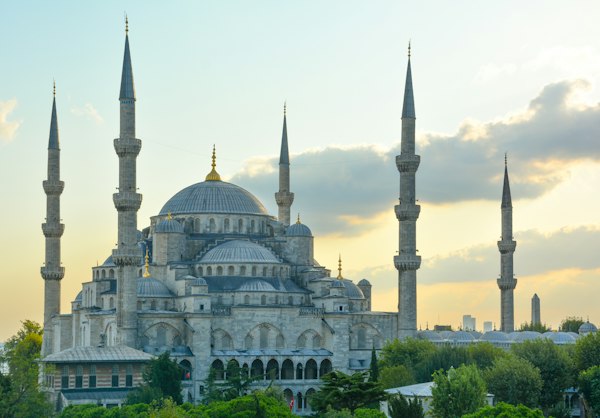
Istanbul Turkey Hagia Sophia Bosphorus Ottoman Byzantine
🇹🇷
Full Guide Available
Turkey
Istanbul · Cappadocia · Ephesus · Turquoise Coast

The only country spanning two continents. Byzantine churches, Ottoman palaces, 1,500-year-old domes, volcanic fairy chimneys at dawn with 300 hot air balloons, Aegean coastal sailing, and one of the world’s great breakfast traditions. Turkey contains more ancient ruins per square kilometre than almost any country on Earth and rewards every additional day you give it.

  • Hagia Sophia 537 CE · world’s largest dome for 900 years
  • Cappadocia · 150–300 balloons at dawn · underground cities 85m deep
  • Ephesus · Library of Celsus · arrive 8am before cruise ships
  • Blue Voyage gulet · Bodrum to Fethïye · 4–7 days
Petra Jordan Treasury rose-red city Nabataean carved rock
🇯🇴
Full Guide Coming
Jordan
Petra · Wadi Rum · Dead Sea · Jerash

The Hashemite Kingdom of Jordan contains two of the world’s most extraordinary sites within a day’s drive of each other: Petra (the rose-red Nabataean city carved into sandstone cliffs — occupied continuously from the 4th century BCE) and Wadi Rum (the desert valley of red sand and 800m sandstone monoliths — where Lawrence of Arabia crossed and where the night sky is among the darkest on Earth). Jordan is also the safest and most visitor-welcoming country in the Arab world — a consistent assessment from experienced regional travellers.

  • Petra · Siq canyon entry · Treasury at dawn · Petra by Night torchlit
  • Wadi Rum · Bedouin camp · 800m monoliths · darkest skies
  • Dead Sea · 430m below sea level · 33% salinity · float reading
  • Jerash · best-preserved Roman city outside Italy · 120,000 pop. 2nd c. CE
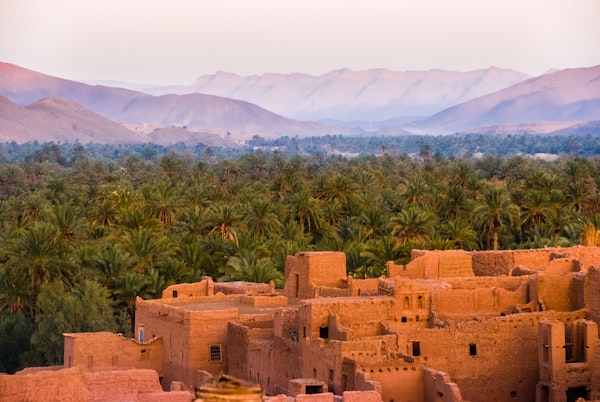
Dubai UAE Burj Khalifa skyline desert safari falcon
🇦🇪
Full Guide Coming
United Arab Emirates
Dubai · Abu Dhabi · Desert Safari · Sheikh Zayed

The UAE is the Middle East’s most accessible entry point for first-time regional visitors — 14 hours direct from Sydney on Emirates, visa-free for Australians, with infrastructure calibrated to international visitors. Dubai and Abu Dhabi offer two distinct versions of the same project: the most ambitious contemporary architecture in the world (Burj Khalifa 828m, Sheikh Zayed Grand Mosque — the largest mosque in the UAE) alongside the Arabian Peninsula’s desert landscape (the Liwa Oasis dunes, the Empty Quarter border, the traditional falcon culture). The UAE is also the most practical layover hub for the broader region.

  • Burj Khalifa 828m · 124th floor observation deck · sunrise slot
  • Sheikh Zayed Grand Mosque · Abu Dhabi · 82 domes · 40,000 capacity
  • Desert safari · dune driving · Bedouin dinner · camel riding
  • Old Dubai · Deira spice souk · gold souk · dhow crossing
Jerusalem Israel Western Wall Old City Church Holy Sepulchre
🇮🇱
Full Guide Coming
Israel
Jerusalem · Tel Aviv · Dead Sea · Galilee · Masada

Jerusalem is the only city on Earth simultaneously sacred to three world religions — Judaism (the Western Wall — the remaining section of the Second Temple destroyed 70 CE — the holiest site in Judaism at which prayer is permitted), Christianity (the Church of the Holy Sepulchre — built over the sites of the Crucifixion and the Resurrection — in continuous use since 335 CE), and Islam (the Dome of the Rock — completed 692 CE — one of the oldest extant Islamic buildings in the world — built over the Foundation Stone, sacred to all three Abrahamic traditions). Tel Aviv is a contemporary Mediterranean city with one of the world’s best restaurant and nightlife cultures. The contrast is specific to Israel.

  • Jerusalem Old City · four quarters · all three faiths in one km
  • Masada · Herod’s fortress · 73 CE siege · sunrise cable car
  • Dead Sea · 430m below · float in 33% salinity (shared with Jordan)
  • Tel Aviv · Carmel Market · Jaffa Old Port · beach culture

Oman Wahiba Sands desert wadi Muscat Sultan Qaboos mosque
🇴🇲
Full Guide Coming
Oman
Muscat · Wahiba Sands · Wadi Shab · Nizwa

Oman is the Middle East destination that experienced regional travellers consistently recommend above all others for the combination of extraordinary landscape diversity and genuine cultural warmth. In a 10-day circuit you can walk through the world’s most dramatic wadi canyons (Wadi Shab — the gorge you swim through to reach a waterfall inside a cave), camp under the stars in the Wahiba Sands (the 10,000km² sea of orange dunes in the country’s interior), explore the Sultan’s spectacular Grand Mosque in Muscat, and drive the mountain road above Jebel Akhdar (the Green Mountain — 2,980m) where rose water has been distilled from the Damask roses growing in the terraced gardens for 200 years.

  • Wadi Shab · swim through gorge · waterfall inside cave
  • Wahiba Sands · 10,000km² dunes · Bedouin camp overnight
  • Sultan Qaboos Grand Mosque · one of the world’s great interiors
  • Jebel Akhdar · 2,980m · Damask rose terraces · rose water distillation
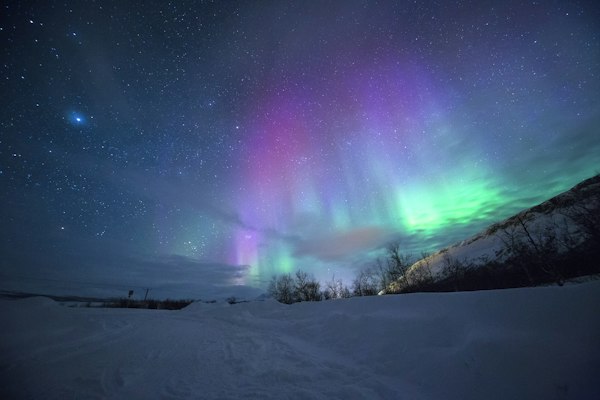
Egypt Pyramids Giza Nile Cairo sphinx ancient wonder
🇪🇬
Full Guide Coming
Egypt
Cairo · Pyramids · Nile Cruise · Luxor · Aswan

Egypt is the only country in the world where you can stand next to an ancient wonder that has been old for 4,500 years and watch the city around it go about its morning. The Great Pyramid of Khufu (the only surviving ancient wonder of the world — completed c. 2560 BCE — 2.3 million stone blocks — originally 146.5m tall — the internal chambers accessible with a separate inner tomb ticket) is 20 minutes from Cairo by taxi. The Nile cruise (Luxor to Aswan, 4–7 days, the Valley of the Kings (KV62 — Tutankhamun’s tomb — the only royal tomb found intact in the Valley), the Karnak Temple complex, the Abu Simbel temples) is the Egypt experience that most visitors underestimate in scale until they are standing inside the hypostyle hall at Karnak.

  • Great Pyramid · only surviving ancient wonder · 2560 BCE · internal chamber ticket
  • Valley of the Kings · KV62 Tutankhamun · separate ticket
  • Karnak Temple · 134-column hypostyle hall · largest religious complex ever built
  • Nile cruise Luxor–Aswan · 4–7 days · felucca or dahabiya
Saudi Arabia AlUla Hegra Madain Saleh Nabataean rock tombs desert
🇸🇦
Emerging Destination
Saudi Arabia
AlUla · Hegra · Diriyah · Jeddah Historic District

Saudi Arabia opened to international tourism in 2019 after decades of restriction — and the centrepiece of its tourism programme is AlUla, described by UNESCO as “the world’s largest living museum.” The Hegra archaeological site (Madain Saleh — the sister city of Petra — 94 monumental Nabataean tombs carved from sandstone rock formations in the Hejaz mountain desert — the site is larger than Petra and was, until 2019, accessible only to archaeologists and diplomats). The AlUla region also contains the Dadan kingdom ruins (10th–4th century BCE), the Jabal Ikmah open-air library (thousands of ancient inscriptions across a sandstone valley), and the Sharaan Natural Reserve. February is the peak month (the AlUla Arts season — the Desert X installation, the Hegra by Night walking experience).

  • Hegra (Madain Saleh) · 94 Nabataean tombs · larger than Petra · recently opened
  • AlUla · UNESCO living museum · Dadan kingdom 10th c. BCE
  • Jabal Ikmah · ancient inscriptions open-air library · Lihyanite, Aramaic, Nabataean
  • Diriyah · mud-brick capital of the First Saudi State · UNESCO 2010
💡 THE JORDAN PASS — The Single Best-Value Purchase in Middle East Travel

The Jordan Pass (available at jordanpass.jo — purchased online before arrival — from JOD 70 depending on the tier) includes the Jordanian tourist visa (normally JOD 40), free entry to Petra (normally JOD 50 for a 1-day pass), and free entry to more than 40 other Jordanian sites including Jerash, Wadi Rum’s visitor centre, the Ajloun Castle, and the Baptism Site of Jesus. The Jordan Pass pays for itself within the first day if you include Petra — even on the Wanderer tier (1-day Petra access). The standard recommendation for visitors planning 2–3 days at Petra (and the first day is always incomplete — the site requires 2 full days to reach the Monastery (Ad Deir — the second great carved monument — a 45-minute strenuous hike from the Basin restaurant — reached by the majority of Petra visitors not at all)): purchase the Explorer tier (3-day Petra access — JOD 80).

Seven Defining Experiences

What the Middle East Does That Nowhere Else Does

Across seven countries, these are the experiences that cannot be replicated anywhere else on Earth — and that visitors most consistently describe as the most significant of their travel lives.

🏛
Petra at Dawn
🇯🇴 Jordan · The Siq · Treasury (Al-Khazneh)

Petra — the rose-red city (the Nabataean capital carved from sandstone cliffs — continuously occupied from the 4th century BCE) is entered through the Siq: the 1.2km natural gorge that narrows to 2–3m width between 80m walls. The Treasury (Al-Khazneh — the most photographed monument in Jordan — 43m high — carved directly into the cliff face in the 1st century BCE as the mausoleum of King Aretas IV) appears at the end of the Siq — the first glimpse through the final narrowing — in rose-pink sandstone in the morning light. Arrive at 6am when the site opens — the Treasury with fewer than 20 people before the tour groups arrive at 8am — is the most widely cited “most beautiful thing I have ever seen in person” experience in all of Middle East travel. Petra by Night (Monday, Wednesday, Thursday — the 2km Siq walk by 1,500 candles — the Treasury illuminated at the end — a genuinely distinct experience from the daylight visit).

Wadi Rum Under Stars
🇯🇴 Jordan · Bedouin Camp · The Desert Night

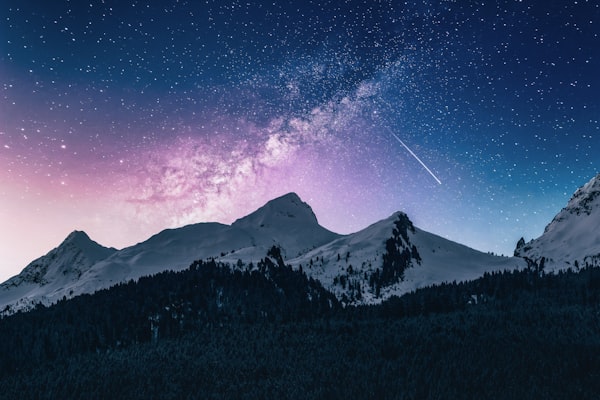
The Wadi Rum desert (the protected area in southern Jordan — 74,000 hectares — the valley of red and orange sandstone and granite rock formations rising 800m from the desert floor — where Lawrence of Arabia crossed during the Arab Revolt of 1917–1918) is the destination that most consistently produces the specific statement: “I have never seen a sky like that.” The Wadi Rum night sky (the Bortle scale rating of 1–2 in the protected area — the darkest possible classification — the Milky Way visible as a physical band across the sky rather than a suggestion — the horizon-to-horizon star density visible to the naked eye an hour after sunset) from the deck of a Bedouin camp is the experience that most structurally changes how visitors understand the word “dark.” The sunrise from the camp (the rock formations turning from charcoal to gold to orange in sequence as the light arrives from the east) is the correct companion experience to the previous night’s sky.

🏛
Jerusalem’s Old City in One Morning
🇮🇱 Israel · Four Quarters · Three Faiths

The Jerusalem Old City (1km² — four quarters (Jewish, Muslim, Christian, Armenian) — surrounded by the walls built by Suleiman the Magnificent 1538–1541 — within which the Western Wall, the Dome of the Rock, and the Church of the Holy Sepulchre are located within walking distance of each other) is the most historically and spiritually concentrated square kilometre on Earth. The sequence: arrive at the Jaffa Gate at 6:30am — the Christian Quarter at dawn (the Church of the Holy Sepulchre before the first tour group — the 12th-century Crusader facade — the stone of anointing — the tomb inside the aedicule — shared simultaneously by Armenian, Greek Orthodox, Roman Catholic, Coptic, and Ethiopian Christian communities — the arrangements for sharing governed by the Status Quo agreement of 1852 — a document that, among other things, specifies which community owns each nail in the shared church and what happens if one falls out). The Jewish Quarter and the Western Wall plaza at 8am. The Muslim Quarter’s souk by 9am.

The Dead Sea Float
🇯🇴 Jordan / 🇮🇱 Israel · 430m Below Sea Level

The Dead Sea (Yam HaMelah in Hebrew — the Sea of Salt — at 430m below sea level, the lowest point on Earth’s surface — the salt concentration approximately 33% (vs 3.5% for ocean water) — which is the figure that determines the body’s buoyancy in the water: the water is denser than the human body at any fat percentage, which is why a person cannot sink in the Dead Sea — the effort required to maintain an upright position is also why extended swimming is impossible and why the characteristic “reading a newspaper while floating” photograph requires no physical effort beyond relaxing the legs). The Dead Sea is receding at approximately 1m per year — the water level has dropped 35m since the 1960s due to water diversion from the Jordan River — the float as an experience is therefore specific to the currently existing lake and will be different (smaller) for visitors in subsequent decades. The Jordan side (the Amman Beach and private resort beaches accessible from the Dead Sea Highway) provides the experience without the Israeli border crossing complexity.

🏕
The Great Pyramid at Sunrise
🇪🇬 Egypt · Giza · 2560 BCE · The Last Wonder

The Great Pyramid of Khufu (the last surviving ancient wonder of the world — completed approximately 2560 BCE — built over 20 years by a workforce of tens of thousands of paid and fed workers (not slaves — the workers’ village discovered by archaeologist Zahi Hawass in 1990 shows a sophisticated settlement with medical care, food supply, and communal brewing — the slave narrative is a 5th century BCE Greek misreading of Egyptian labour practice)) is understood most accurately from a distance — the classic three-pyramid view from the desert plateau — and up close for the scale, which no photograph conveys accurately. The base perimeter is 922m. Each stone averages 2.5 tonnes. The pyramid was the tallest human-built structure on Earth for 3,800 years (until 1311 CE when Lincoln Cathedral’s spire was completed). The internal chamber visit (the ascending passage to the Grand Gallery to the King’s Chamber — the claustrophobic ascent — the empty granite sarcophagus — the ceiling that has not moved since 2560 BCE) requires a separate ticket booked at the site from 8am.

🌃
The Omani Desert Interior
🇴🇲 Oman · Wahiba Sands · Wadi Shab · Jebel Akhdar

Oman’s landscape diversity is the most consistently underestimated feature of Arabian Peninsula travel. In a single day’s drive from Muscat you can swim through the Wadi Shab gorge (the canyon where you swim 20 minutes through turquoise water to reach a waterfall that falls into a cave — the cave swim is in complete darkness until the waterfall chamber is reached), enter the Wahiba Sands (the continuous sea of orange dunes where the Bedouin Al Wahiba tribe has maintained a semi-nomadic presence for centuries — the overnight camp, the jeep dunne drive at sunset, the dawn light on the dune faces). The Wadi Bani Khalid (the palm-lined wadi with emerald pools — the contrast of the green pools against the orange rock) and the Jebel Shams (the “Grand Canyon of Arabia” — 1,000m drop — the rim trail with the abandoned village of Ghul visible in the valley below) complete the interior circuit that most visitors to Oman allocate too few days to.

What the Middle East Requires from Its Visitors

The Middle East asks visitors to hold multiple things simultaneously — the historical and the contemporary, the sacred and the secular, the ancient and the under construction. Jerusalem asks you to walk through a market, turn a corner, and be looking at a wall that people have prayed at for 2,000 years while a 12-year-old on a moped delivers bread behind you. Petra asks you to appreciate the engineering of a civilisation that carved a city from a cliff face for reasons we don’t entirely understand and then became a trading hub for a Roman empire that absorbed it without destroying it. Cairo asks you to look at the Great Pyramid from a camel while the suburbs of a city of 20 million people begin 300m behind you.

“The light in Wadi Rum at 5:30am, before anyone else is awake at the camp, and the orange rock faces above you and the sand still cool under your feet and the specific silence of a desert that has no wind that morning. The silence is not empty. It is full of something that takes a moment to name, and when you name it, it is simply the absence of anything made after the Bronze Age.”

The Middle East rewards visitors who arrive prepared to be surprised by what it actually is rather than by what they expected. The countries in this region are simultaneously safer, more welcoming, more beautiful, more ancient, and more contemporary than the gap between perception and reality is anywhere larger in the world of international travel. The first-time visitor to Jordan, Israel, Turkey, or Oman almost always returns. This is not a coincidence. It is the result of the region being structurally more rewarding than the conditions required to visit it.

Featured Middle East Tours

Middle East Tours from Australia

From a Jordan Petra circuit to the 21-day Middle East grand traverse — all bookable through Cooee Tours.

🇯🇴 Jordan · 8 Days
Jordan Essential — Petra, Wadi Rum & Dead Sea
⏱ 8 days / 7 nights★ 5.0(1,380 reviews)

Jordan’s three anchor experiences in 8 days. Days 1–2: Amman (the Citadel — the Roman Hercules Temple with the giant hand — the Umayyad Palace — the Rainbow Street evening, the hummus at Hashem Restaurant (the most beloved hummus in Amman, open since 1952)). Day 3: Jerash (the best-preserved Roman city outside Italy — the oval forum, the colonnaded streets, the Hadrian’s Arch). Days 4–5: Petra (Day 4: Siq + Treasury at 6am + Royal Tombs + Basin. Day 5: Monastery hike — 800 carved steps — the Ad Deir — the site’s second great monument — and the Little Petra nearby). Day 6: Wadi Rum (desert camp — the 4WD sunset tour — the Bedouin dinner — the night sky). Day 7: Dead Sea (the float — the 33% salinity — the mud mask — 430m below sea level). Day 8: Amman — fly home. Jordan Pass included (JOD 80 Explorer — visa + 3-day Petra + 40 sites).

Includes
Jordan Pass (visa + Petra 3-day)7 nights accommodationWadi Rum Bedouin campDead Sea resort accessBilingual guide throughout
🇹🇷 Turkey · 7 Days
Turkey Essential — Istanbul & Cappadocia
⏱ 7 days / 6 nights★ 5.0(2,840 reviews)

Turkey’s two anchor experiences in a week. Days 1–3: Istanbul (Hagia Sophia · Topkapı Harem · Grand Bazaar interior copper quarter · Bosphorus ferry to the Asian shore · Kadıköy kahvaltı (the 40-dish breakfast · 90 minutes · the correct meal) · Chora Church mosaics). Fly Istanbul–Kayseri Day 4 (1hr 15min). Days 4–7: Cappadocia (Göreme Open-Air Museum + Dark Church Day 4 · 4:30am balloon 150–300 simultaneous Day 5 · Derinkuyu underground city 85m deep Day 5 afternoon · Paşabağ fairy chimneys · Avanos pottery Day 6 · Uçhisar Castle sunset Day 6 · fly Kayseri–home Day 7). Full Turkey guide at cooeetours.com.au/world-travel/middle-east/turkey/travel-guide.html

Includes
6 nights (Istanbul + cave hotel)Hot air balloon (1hr)Hagia Sophia + Topkapı guidedDerinkuyu underground cityDomestic flight Kayseri return
🇪🇬 Egypt · 10 Days
Egypt Nile Circuit — Cairo, Luxor & Aswan
⏱ 10 days / 9 nights★ 4.9(1,960 reviews)

Egypt’s complete classic circuit. Days 1–3: Cairo (the Egyptian Museum (Tutankhamun’s gold mask — in the new Grand Egyptian Museum by 2026 — the world’s largest archaeological museum) · the Citadel and the Mohammed Ali Mosque (built 1830 — the Ottoman-style dome — the alabaster interior) · Khan el-Khalili bazaar. Day 3: Giza Plateau (the Great Pyramid + internal chamber ticket booked at 8am · Khafre’s Pyramid · the Sphinx (74m long · 20m high · the Dream Stele between its paws) · the Solar Boat Museum). Fly Cairo–Luxor Day 4. Days 4–6: Luxor (Valley of the Kings · KV62 Tutankhamun’s tomb separate ticket · Karnak Temple 134 columns · Luxor Temple at night). Nile cruise Days 6–9 (Luxor–Aswan · Esna, Edfu, Kom Ombo temple stops · Aswan High Dam · Philae Temple). Abu Simbel day trip Day 9 (fly from Aswan · Rameses II 4 colossal statues 21m tall · the relocation engineering). Fly home Day 10.

Includes
9 nights (Cairo + Nile cruise cabin)Giza Pyramid internal chamberKV62 Tutankhamun’s tombAbu Simbel flightEgyptologist guide throughout
🇴🇲 Oman · 9 Days
Oman Discovery — Muscat, Wahiba & Wadi Shab
⏱ 9 days / 8 nights★ 5.0(780 reviews)

Oman’s interior circuit — the destination most consistently described as “the Arab world’s best-kept secret” by travellers who have visited the region more than once. Days 1–2: Muscat (Sultan Qaboos Grand Mosque (the Swarovski crystal chandelier — 14 tonnes — the hand-knotted Persian carpet — the largest single carpet in the world (70m × 60m)) · Mutrah Souk · the Corniche · the Royal Opera House). Day 3: Wadi Shab (the gorge swim · 20-minute swim to the waterfall cave · the turquoise water · the blind cave fish below the waterfall). Days 4–5: Wahiba Sands (the jeep into the dunes · the Bedouin camp · the sunset dune colours · the 5am dawn light on the faces · the night sky Bortle 1). Days 6–7: Jebel Akhdar (the “Green Mountain” 2,980m · the Damask rose terraces · the rose water distillation · the Wadi Ghul overlook). Day 8: Nizwa (the 17th-century fort · the Friday goat market (5am — the guide arrives at 4:30am · the market is done by 6am)). Day 9: Muscat — fly home.

Includes
8 nights (Muscat + camp + mountain lodge)Wadi Shab gorge swim guideWahiba Sands Bedouin camp (2 nights)Jebel Akhdar rose farm visitAll 4WD transport
🇸🇦 Saudi Arabia · 7 Days
AlUla & Hegra — The New Frontier
⏱ 7 days / 6 nights★ 5.0(290 reviews)

AlUla — the UNESCO World Heritage site that opened to international tourism in 2019 and is still in the window where visitor numbers are low enough for a genuinely uncrowded experience at a Petra-scale site. Days 1–2: Riyadh (Diriyah — the mud-brick First Saudi capital — the Turaif district — UNESCO 2010 · the National Museum · the Kingdom Centre rooftop). Fly Riyadh–AlUla Day 3. Days 3–6: AlUla (Hegra (Madain Saleh) — the 94 Nabataean rock tombs in the desert — guided morning when the low sun lights the tomb facades · Dadan ruins (10th–4th c. BCE kingdom) · Jabal Ikmah open-air inscription library (the Lihyanite, Aramaic, and Nabataean scripts covering a sandstone valley — 7th c. BCE to 4th c. CE) · the Maraya Concert Hall (the world’s largest mirror building — 9,740 mirrored panels — visible from 20km — reflecting the desert landscape in the afternoon). Day 7: Old AlUla town · fly home. February timing: the Desert X AlUla installation art (large-scale contemporary art in the desert landscape — available Feb–Mar).

Includes
6 nights (Riyadh + AlUla Banyan Tree)Hegra guided (94 Nabataean tombs)Dadan + Jabal Ikmah guidedMaraya Concert Hall visitRiyadh–AlUla domestic flight
🌎 Grand Circuit · 21 Days
Middle East Grand Circuit — 21 Days
⏱ 21 days · 5 countries★ 5.0(180 reviews)

The definitive Middle East circuit — five countries, the region’s greatest sites, in 21 days. Days 1–4: Turkey (Istanbul Hagia Sophia + Topkapı + Grand Bazaar · fly to Cappadocia · balloon dawn · Derinkuyu). Days 5–6: Israel (fly Istanbul–Tel Aviv · Jaffa · Carmel Market · Jerusalem Old City · Western Wall · Dome of the Rock · Holy Sepulchre · Masada sunrise). Days 7–8: Dead Sea · Jordan border crossing · Wadi Rum (camp · stars · dawn dunes). Days 9–11: Petra (3 days · Jordan Pass · Treasury at 6am · Monastery Day 10 · Petra by Night Day 11). Days 12–13: Amman · Jerash · fly Cairo. Days 13–16: Egypt (Giza Pyramids + chamber · Egyptian Museum Tutankhamun · fly Luxor · Valley of the Kings KV62 · Karnak · Nile cruise 3 days). Day 17: fly Oman. Days 17–20: Oman (Muscat · Sultan Qaboos Mosque · Wadi Shab swim · Wahiba Sands camp · Jebel Akhdar). Day 21: fly home. All 20 nights · all 8 internal flights · all Jordan Pass · all entry tickets.

Includes
20 nights all accommodation8 internal flightsJordan Pass (all sites)Pyramid internal chamber ticketKV62 Tutankhamun’s tomb
Why Cooee Tours for the Middle East

What We Know That Changes the Experience

🏞
Petra at 6am — Not 9am
The Petra site opens at 6am. The Treasury at 6am has 10–20 people. By 9am, when the tour groups from Aqaba arrive, it has 500. Our Jordan itineraries are structured around the 6am opening as a non-negotiable — the accommodation in Wadi Musa and the transfer timing are built around this single decision. It is the difference between the experience described in a travel memoir and the experience of being in a crowd. We also budget 2 days at Petra, not 1 — the Monastery (Ad Deir) requires a full second day and is reached by fewer than 30% of visitors.
🏕
Ephesus at 8am — Not 10am
The Ephesus archaeological site in Turkey receives cruise ship groups at 10–11am — when a single ship can disembark 3,000 passengers. We structure the Ephesus day to arrive at the 8am opening and complete the essential sections (Library of Celsus, Terrace Houses, Great Theatre) by 10:30am before the crowd arrives. The Terrace Houses — with the in-situ Roman mosaics and frescoes — are the most significant and most consistently skipped section of Ephesus, and our guides treat them as the centrepiece of the day rather than an optional extra.
📜
The Jordan Pass — Pre-Purchased Before You Fly
The Jordan Pass (jordanpass.jo — the online purchase that covers the entry visa + Petra + 40+ sites) saves a minimum of JOD 90 per person and eliminates the on-arrival visa queue at Amman’s Queen Alia Airport. We purchase the Jordan Pass (Explorer tier — 3-day Petra access) on behalf of all Jordan tour guests as a standard inclusion — not an optional add-on. On a typical Jordan visit including Petra, Jerash, and the Baptism Site, the Jordan Pass provides between JOD 100–130 of included value on a JOD 80 purchase.
🌐
Regional Expertise Across All Seven Countries
Our Middle East specialists have travelled and guided in all seven countries in the programme — Turkey, Jordan, UAE, Israel, Oman, Egypt, and Saudi Arabia — and update their practical knowledge every year. This matters specifically for Saudi Arabia (the tourism infrastructure is changing quarterly — the Hegra site access rules, the AlUla accommodation options, and the visa process have all changed multiple times since 2019), and for Egypt (the Grand Egyptian Museum’s phased opening schedule, the Tutankhamun collection move from the Cairo Museum, and the KV62 booking requirements).

The Treasury at dawn.
The Pyramid’s internal chamber.
The Wadi Rum sky at midnight.

Seven countries. One region. The world’s greatest density of civilisational history. Closer to Australia than Europe. Our Middle East specialists will build you an itinerary around the 6am Petra opening, the 8am Ephesus arrival, the Cappadocia balloon operator that rebooks (not refunds) on weather cancellations, the Jordan Pass purchased before you fly, and the Wadi Rum camp position facing east for the dawn. Call us, or enquire below, and tell us which world you want to start with.

Plan My Middle East Trip → Call 0409 661 342

50,000+ Australian travellers · ATAS Accredited · 35+ Years