🇹🇷 Türkiye · Where Europe Meets Asia · 85 Million People

The City Where
Two Continents
Meet at Breakfast.

A dome that has defined the skyline of two empires for 1,500 years. A valley of volcanic chimneys at dawn with thirty hot air balloons rising through the mist simultaneously. A coast where the Aegean meets the Mediterranean and the water is the colour of the name they gave it. Turkey is the only country in the world that is simultaneously ancient, contemporary, Mediterranean, and Central Asian — often in the same afternoon.

537 AD
Hagia Sophia · 1,487 Years Standing
300+
Hot Air Balloons · Cappadocia at Sunrise
~11 hrs
Sydney to Istanbul · Direct Qatar Airways
4,500+
Years · Ephesus Continuously Occupied
0
Visa required for Australians · e-Visa online
🇹🇷 Turkey
Anatolia & Thrace · 783,562 km² · 85 Million

Turkey — The World’s
Only Transcontinental
Country

Turkey (officially Türkiye — 783,562 km² — 85 million people — the only country in the world that straddles two continents, with European Thrace west of the Bosphorus and Anatolia (Asia Minor) east of it — borders with Greece, Bulgaria, Georgia, Armenia, Iran, Iraq, and Syria — coastlines on the Black Sea, the Marmara, the Aegean, and the Mediterranean) is the country that most experienced travellers rank as one of the world’s greatest single destinations by the density of what it contains. In a 7-day trip you can stand in the dome of a 1,500-year-old church-turned-mosque that has survived two empires and three millennia of continuous religious use, watch thirty hot air balloons rise over volcanic valleys at dawn, swim off the hull of a traditional wooden sailing boat above Roman ruins, and eat one of the world’s great breakfasts at a table overlooking a strait that separates Europe from Asia.

Turkey’s defining anchor points: Istanbul (the only city in the world on two continents — the Hagia Sophia, the Blue Mosque, Topkapı Palace, the Grand Bazaar, the Bosphorus, the Galata Tower, the Karaköy neighbourhood, the breakfast spread of the Bosphorus waterfront hotels). Cappadocia (the volcanic plateau in central Turkey — the fairy chimneys, the underground cities, the rock-cut churches of the Göreme Open-Air Museum, and the hot air balloons — the largest hot air balloon operation in the world by volume of simultaneous flights). The Turquoise Coast (the Aegean and Mediterranean coastline from Bodrum to Antalya — the gulet sailing, the Ölüdeniz blue lagoon, the ancient Lycian ruins, the Dalyan river delta). Ephesus and the Aegean Coast (the Roman city of Ephesus — the Library of Celsus, the Great Theatre — and the surrounding archaeological sites: Troy, Pergamon, Priene, and Assos). Pamukkale (the white travertine terraces — the calcium carbonate formations over the ancient Hierapolis — the swimming pool containing submerged ancient columns).

✅ Turkey Practical Essentials
  • Visa: Australian passport holders require an e-Visa for Turkey (not a visa-free entry — but not a full embassy-visa process). The Turkish e-Visa is obtained entirely online at evisa.gov.tr — the process takes 5–10 minutes and costs USD$95 (as of 2026 — check the current fee at time of application). The e-Visa is valid for 180 days from the date of issue, with a maximum stay of 90 days in any 180-day period. It is a multiple-entry visa. Apply at least 48–72 hours before travel — the approval is typically within minutes but allow extra time. Only apply through the official government site (evisa.gov.tr) — third-party sites charge higher fees for no additional service.
  • Getting there: The most direct routing from eastern Australia to Istanbul (IST — Istanbul Airport) is via Doha with Qatar Airways (Sydney–Doha–Istanbul — approximately 22–24 hours total — Qatar Airways operates this with a typically well-timed Doha connection). Alternative routings: via Dubai (Emirates — Sydney/Melbourne–Dubai–Istanbul — approximately 22–25 hours), via Singapore (Singapore Airlines to Singapore, then Turkish Airlines to Istanbul — one of the better options as Turkish Airlines operates a very large network from Istanbul and the Singapore connection is efficient). Turkish Airlines (the national carrier) operates some of the widest international networks of any airline in the world (300+ destinations) and is a strong onward-connection option from Istanbul for travellers adding Turkey to a broader Middle East or Europe trip.
  • Currency: Turkey uses the Turkish Lira (TRY — the exchange rate has been volatile in recent years — check the current rate immediately before travel). Turkey has historically been one of the most favourable exchange-rate destinations for Australian dollar holders. Cash is widely used at markets, small restaurants, and bazaars — carry some lira for small transactions. ATMs are widely available in cities and tourist areas. Credit cards (Visa, Mastercard) are accepted at hotels, larger restaurants, and shops.
  • Getting around: Turkish domestic flights are excellent and affordable (Turkish Airlines, Pegasus, SunExpress — Istanbul to Cappadocia (Kayseri or Nevşehir airports) approximately 1hr 15min, approximately AUD$40–100 one way booked ahead). The overnight sleeper bus (the Turkish long-distance coach network — companies including Metro Turizm and FlixBus Turkey — Istanbul to Cappadocia approximately 10 hours overnight — the buses are comfortable with airline-style seats and attendant service — a legitimate budget option). The gulet (the traditional Turkish wooden sailing boat used for the Blue Voyage — Bodrum or Fethïye to Olympos — the charter market or shared boat — the correct way to experience the Turquoise Coast).
  • Culture and customs: Turkey is a secular republic with a majority Muslim population. Dress modestly when entering mosques (remove shoes, cover head for women, cover shoulders and knees for both genders — scarves are available at mosque entrances). The call to prayer (ezan — five times daily from the minarets) is an ambient feature of travel in Turkey that visitors rapidly find beautiful rather than intrusive. Tipping (10–15% at restaurants is standard — rounding up the taxi fare is normal). Turkish tea (çay — the small tulip-shaped glass — refusing is mildly impolite — accepting and not drinking is fine — it will be offered again). Bargaining (the Grand Bazaar and Egyptian Bazaar are bargaining environments — the first price is not the price — the process is social and good-humoured — a 20–40% reduction from the opening price on non-food items is common).
Six Essential Destinations

Turkey from the Bosphorus to the Balloon Valley

Each of Turkey’s anchor destinations holds layers of history and landscape that reward visitors who go deeper than the headline sites.
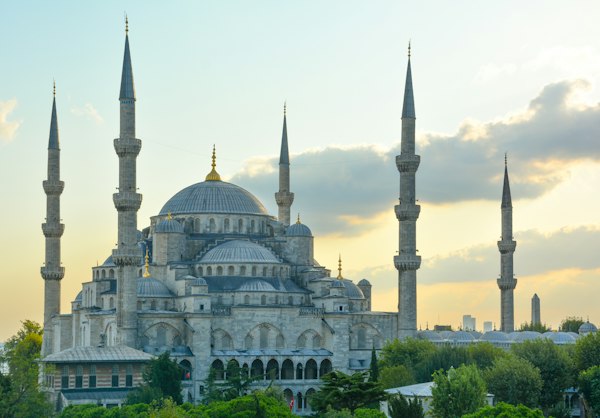
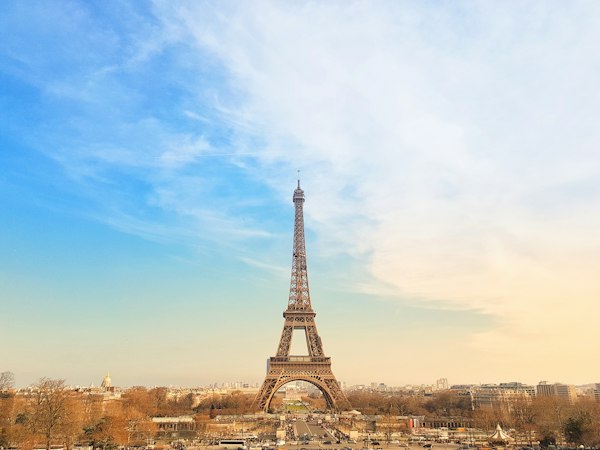
Istanbul Turkey Hagia Sophia Blue Mosque Bosphorus skyline
Istanbul
🏛 Bosphorus · Hagia Sophia · Grand Bazaar · Two Continents

Istanbul (population 15 million — the largest city in Europe and the Middle East — the only city on Earth that straddles two continents — the historical peninsula (the original city, bounded by the Bosphorus, the Marmara, and the Golden Horn) containing more UNESCO-listed monuments per square kilometre than almost anywhere on Earth — formerly Byzantium (founded 657 BCE), then Constantinople (330 CE — the capital of the Eastern Roman Empire for 1,123 years), then the Ottoman capital from 1453 to 1923) is the city that most visitors to Turkey never fully reckon with on a first visit — and return to specifically to reckon with on subsequent ones. Hagia Sophia (Ayasofya — the Byzantine church completed in 537 CE under Emperor Justinian I — the largest building in the world for nearly a thousand years — converted to a mosque in 1453 by Sultan Mehmed II (who reportedly wept at its beauty after the conquest) — converted to a museum by Atatürk in 1934 — reconverted to a functioning mosque in 2020 — the dome (55.6m high, 31.2m diameter — the engineering problem it solved (a circular dome on a square base — the pendentive — the triangular curved surface in each corner that transitions from the square walls to the circular dome — an architectural solution that Justinian’s engineers developed and that every subsequent domed building in the Western tradition, including St Peter’s Basilica in Rome, has referenced directly)). Topkapı Palace (the Ottoman imperial palace — governing the empire from 1465 to 1856 — the Harem (the 400-room residential complex for the imperial household — the most misunderstood architectural label in Ottoman history — the Harem was the domestic quarter of the palace (the Arabic ḥarām meaning “forbidden” — forbidden to unauthorised entry — not a salacious entertainment complex) — the guided Harem tour (separate ticket — essential — the rooms are extraordinary and the social history of the Ottoman household is genuinely complex and surprising)). The Grand Bazaar (Kapalıçarşı — 61 covered streets, 4,000+ shops — established 1455 — one of the oldest and largest covered markets in the world — the correct approach: ignore the tourist-facing carpet and lamp stalls at the main entrances, walk toward the interior districts (the jewellers’ quarter, the antiques lanes, the copper market) where the bazaar functions as a genuine wholesale and retail market rather than a tourist attraction). The Bosphorus (the 31km strait — the ferry from Eminönü to Anadolu Kavağı (the Asian shore — the Yoros Castle at the junction of the Bosphorus and the Black Sea — the fish restaurants on the quay) — the standard tour and the correct morning activity from Istanbul).

  • Hagia Sophia 537 CE · pendentive dome · 1,487 years continuously used
  • Topkapı Harem · separate ticket · 400 rooms · book ahead
  • Grand Bazaar interior · jewellers’ + copper quarters · not the entrance stalls
  • Bosphorus ferry Eminönü–Anadolu Kavağı · Europe to Asia in 15 minutes
  • Turkish breakfast (kahvaltı) · Karaköy · the 40-dish spread · the best meal of the day
Cappadocia hot air balloons Göreme Turkey sunrise fairy chimneys
Cappadocia
🎈 Göreme · Hot Air Balloons · Underground Cities · Fairy Chimneys

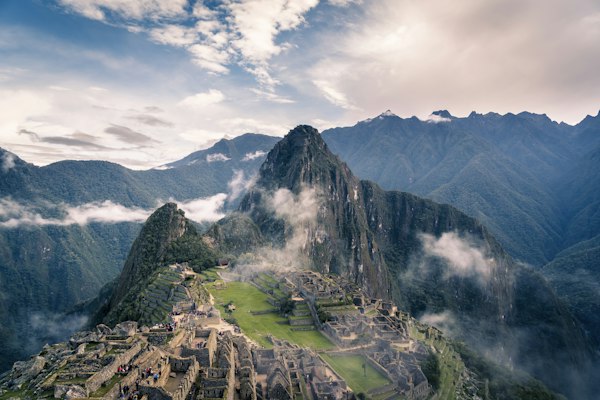
Cappadocia (the volcanic plateau in central Anatolia — Nevsehir Province — the landscape formed by volcanic eruptions of Erciyes and Hasan volcanoes approximately 10–30 million years ago, depositing thick layers of ash and lava (tuff) that subsequently eroded into the extraordinary forms visible today: the fairy chimneys (peri bacası — the tall conical rock formations, many with a harder basalt cap that protected the softer tuff column below from erosion — giving them the distinctive mushroom profile — the valley of fairy chimneys at Paşabağ (Monks’ Valley) being the most concentrated example), the valleys (the Rose Valley (Güllüdere), the Red Valley, Pigeon Valley — each named for the colour of their tuff and the uses of their cave systems), and the underground cities (Derinkuyu — the underground city descending 85m below the plateau surface — 18 floors — estimated capacity for 20,000 people — originally used by early Christians for shelter from Byzantine and later Arabic raids — the ventilation shafts (1,200 air shafts in Derinkuyu alone) and the millstone doors (rolled to block corridors in the event of attack) are the engineering elements that make the scale of the underground system comprehensible)) is the destination in Turkey that most visitors describe as the most visually surreal experience of their lives — before they have been in a hot air balloon at dawn. The Cappadocia hot air balloons (approximately 150–300 balloons take off from the Göreme region on a typical clear morning between 5:30–7am — the largest concentration of hot air balloon flights in the world — the balloons drift over the fairy chimney valleys at altitudes ranging from 30m (skimming the valley floor between the chimneys) to 600m (the full panorama of the plateau visible — Erciyes volcano on the horizon) — a 1-hour flight — landing in a field chosen by the pilot based on wind at 6am — the landing champagne). The Göreme Open-Air Museum (the UNESCO World Heritage site — the rock-cut Byzantine churches and monasteries in a small valley — the Dark Church (Karanlık Kilise — additional entry ticket — the 11th-12th century frescoes in the best state of preservation in Cappadocia because the cave’s small window allowed minimal light and therefore minimal UV damage to the paint — the Christ Pantocrator in the dome — the colour saturation at 900 years is remarkable)).

  • Hot air balloon · 5:30am · 150–300 simultaneous balloons · 1 hour
  • Derinkuyu underground city · 85m deep · 18 floors · 20,000 capacity
  • Göreme Open-Air Museum · UNESCO · Dark Church extra ticket · best frescoes
  • Paşabağ · fairy chimney concentration · basalt-capped mushroom profiles
  • Cave hotel overnight · the correct Cappadocia accommodation · book 6+ months ahead
Turquoise Coast Turkey Ölüdeniz blue lagoon gulet sailing Aegean
The Turquoise Coast
⛴ Bodrum · Ölüdeniz · Fethïye · Gulet · Lycian Way

The Turkish Turquoise Coast (the Aegean and Mediterranean coastline stretching from Bodrum in the north to Antalya in the east — approximately 1,600km of coastline — the name “Turquoise Coast” given by the travel writer Luis de Brouéard in the 1970s for the specific colour of the water, which is the consequence of the water clarity, the white limestone seafloor, and the angle of the Aegean light) is the part of Turkey that Australian visitors most consistently do not allocate enough time to, and most consistently wish they had extended. The three anchor experiences: Ölüdeniz and the Blue Lagoon (the natural lagoon south of Fethïye — the most photographed beach in Turkey — the lagoon protected from wave action by a narrow shingle spit — the water the specific turquoise-to-aquamarine gradient that makes the name Ölüdeniz (“dead sea” — named not for brine but for the absence of wave movement in the lagoon) accurate — the Babadağ mountain (1,975m) rising directly behind the lagoon — the paragliding launch from Babadağ (the most commercially active paragliding site in the world by passenger volume — the 45-minute flight from 1,975m, passing the Lycian Way cliff path 400m below, descending over the lagoon to the beach)). The gulet Blue Voyage (the Blue Voyage (Mavi Yolculuk — the term coined by the Turkish poet Cevat Şakir Kababağaçlı (Halikarnas Balıkçısı) in 1925 for the sailing journey along the Aegean coast — the wooden gulet (the double-masted Turkish sailing vessel — traditionally built from red pine in the Bodrum and Marmaris shipyards) carrying 6–20 guests along the coast, anchoring in bays not accessible by road, swimming over submerged ruins, eating fresh fish on deck). The standard Blue Voyage runs Bodrum–Fethïye or Fethïye–Bodrum over 4–7 days. The Lycian Way (the 540km marked hiking trail from Ovacık near Fethïye to Antalya — following the coast of the ancient Lycian civilisation — the ruins of Lycian cities, tombs cut into cliff faces, and rock sarcophagi in olive groves visible throughout the route — the section from Kabak to Alinca — 14km — the most dramatic coastal section, with the trail cut into the cliff 200–400m above the sea — the swimming stops in turquoise coves below the trail). Bodrum (the Aegean resort town — the Mausoleum of Halicarnassus (one of the Seven Wonders of the Ancient World — built for Mausolus, Persian satrap of Caria, 353–350 BCE — the word “mausoleum” derives from his name — the structure destroyed by earthquake, with surviving friezes now in the British Museum) — the Castle of St Peter (the 15th-century Crusader castle on the harbour headland — the Bodrum Museum of Underwater Archaeology (one of the most important underwater archaeology collections in the world — including the oldest known shipwreck ever excavated, the Uluburun wreck (c. 1300 BCE — a Late Bronze Age merchant vessel carrying copper, tin, ebony, and luxury goods from across the Mediterranean and Middle East)).

  • Ölüdeniz · Blue Lagoon · Babadağ paragliding 1,975m · world’s busiest site
  • Blue Voyage gulet · Bodrum–Fethïye · 4–7 days · bay anchoring
  • Lycian Way · 540km · cliff-cut section Kabak–Alinca · 200–400m above sea
  • Bodrum Mausoleum · original Wonder of the World · word “mausoleum” origin
  • Uluburun shipwreck · c.1300 BCE · oldest excavated · Museum Bodrum
Ephesus Turkey Library of Celsus Roman ruins archaeological site
Ephesus
🏛 Library of Celsus · Roman · 250,000 Population · Selçuk

Ephesus (the ancient city on the western coast of Anatolia — the Ionian city established by Greek colonists approximately 1000 BCE — subsequently Persian, Hellenistic, Roman, Byzantine, and briefly Ottoman — at its Roman peak (1st–2nd century CE) one of the largest cities in the Mediterranean world, with a population estimated at 200,000–250,000 — making it the second-largest city in the Roman Empire after Rome itself) is the most visited archaeological site in Turkey and one of the best-preserved Roman cities in the world. The Library of Celsus (the most photographed facade in Ephesus — built 114–135 CE as a monumental tomb for the Roman senator Tiberius Julius Celsus Polemaeanus and as the city’s public library — the facade reconstructed to its current state between 1970–1978 by an Austrian Archaeological Institute team — the four niches in the facade containing modern replicas of the original statues of Sophia (Wisdom), Arete (Virtue), Ennoia (Thought), and Episteme (Knowledge)). The Great Theatre (the semicircular theatre carved into the slope of Mount Pion — capacity 25,000 — the largest theatre in the ancient world — the scene of the riot described in Acts 19 of the New Testament (the Ephesian silversmiths who sold figurines of the goddess Artemis rioting against Paul’s preaching — the cry “Great is Artemis of the Ephesians” echoing in the very theatre that remains)). The Terrace Houses (Yamaçevler — the six Roman urban mansions preserved under a protective structure — the in-situ mosaics, frescoes, and marble floors of wealthy Roman households from the 1st to 7th centuries CE — the separate entrance fee — the most archaeologically significant and visually detailed part of Ephesus that most visitors skip — do not skip it). The Temple of Artemis (one of the Seven Wonders of the Ancient World — now reduced to a single column and a marble-scattered field 2km from the main Ephesus site — the temple four times larger than the Parthenon in its original form — the context for understanding the scale of what Roman and Hellenistic Ephesus contained).

  • Library of Celsus · 114–135 CE · Sophia, Arete, Ennoia, Episteme statues
  • Great Theatre · 25,000 capacity · Acts 19 New Testament riot setting
  • Terrace Houses · separate ticket · in-situ mosaics · do not skip
  • Temple of Artemis · Seven Wonders · 4x the Parthenon · now a single column
  • Arrive 8am opening · finish by 11am before the cruise ship crowds
Pamukkale travertine terraces Turkey white calcium carbonate Hierapolis
Pamukkale
🧴 Travertines · Hierapolis · Cotton Castle · Thermal Pools

Pamukkale (Pamuk Kale — “Cotton Castle” in Turkish — the white travertine terraces on the slope of the Çal Dağ mountain in the Denizli Province of western Turkey) is one of the most visually distinctive natural formations in the world — the terraced white pools formed by calcium carbonate-rich thermal spring water (the water contains approximately 1,200mg of calcium bicarbonate per litre — the highest concentration of any spring in Turkey — as the water flows over the cliff face and is exposed to air, the CO≥ outgasses, destabilising the calcium bicarbonate and depositing calcium carbonate (calcite) as the white mineral that forms the terraces — the process is continuous and the terraces are technically still forming at approximately 1–4mm per year). The travertine terraces (the stepped pools of warm water (the temperature at the source is 36°C — cooling as it flows down the terraces — the warmest pools at the top, the cooler at the base) — visitors wade through the pools barefoot (shoes are not permitted on the travertines — the limestone is damaged by the sole patterns of shoes) — the feeling of warm water over white rock in the afternoon light is the specific Pamukkale experience). Hierapolis (the ancient Graeco-Roman spa city built over the thermal springs — established 2nd century BCE under the Attalid kings of Pergamon — the city’s necropolis (the largest in Anatolia — 1,200 identified tombs — the Roman, Byzantine, and Jewish communities of Hierapolis buried here over 700 years) — the Plutonium (the cave at the base of the temple of Apollo — emitting carbon dioxide at concentrations lethal to birds and small animals but less than lethal to humans standing upright — known in antiquity as the entrance to the underworld — the Plutonium priests demonstrated their supernatural power by surviving what killed the animals at their feet — they survived because CO≥ is heavier than air and the priests’ heads were above the lethal concentration at floor level)). The Antique Pool (Kleopatra’s Pool — the Roman thermal pool in the Hierapolis Archaeological Museum — the ancient marble columns submerged in the thermal water — swimming among Roman columns at 36°C — the ticket is worth purchasing).

  • Travertines · 36°C water · barefoot only · 1,200mg calcium per litre
  • Hierapolis necropolis · 1,200 tombs · largest in Anatolia
  • Plutonium cave · CO≥ lethal at floor level · priests survived · the ancient trick
  • Antique Pool (Kleopatra’s) · swim among Roman columns · 36°C
  • Visit at dawn or dusk · white terraces in golden light · midday light is flat
Ankara Turkey museum Ataturk Mausoleum Anatolian Civilisations
Eastern Turkey & Further Afield
🏔 Nemrut · Ani · Cappadocia East · Çatalhöyük

Eastern Turkey is the part of the country that most visitors to Istanbul and the Aegean coast never reach — and the part that archaeologists and serious history travellers specifically fly to Turkey to access. Nemrut Dağı (the 2,150m mountaintop sanctuary of the Commagenean king Antiochus I Theos — built 1st century BCE — the colossal stone heads of Greek and Persian deities arranged in two terraces flanking the royal tomb mound (the tumulus 50m high — the precise burial location unknown — never excavated — the summit surrounded by the shattered heads of Zeus-Oromasdes, Apollo-Mithras, Tyche, and Heracles, the heads 2–3m tall, fallen from their bodies during earthquakes — visited at sunrise and sunset when the light on the limestone faces produces the photographs that exist in every Turkey travel compendium). Ani (the abandoned medieval Armenian capital on the Turkish-Armenian border — the 10th–11th century walled city with a population of over 100,000 at its peak — the Cathedral of Ani (completed 1001 CE), the Church of the Holy Apostles, the Persian Palace — all standing in varying states of ruin in a landscape of grass and wind — UNESCO World Heritage since 2016 — one of the most melancholy and extraordinary architectural sites in the Middle East). Çatalhöyük (the Neolithic settlement near Konya — one of the oldest towns in human history — occupied from approximately 7500–5700 BCE — the houses entered through the roof rather than doors — the dead buried beneath the floors — one of the most significant archaeological discoveries of the 20th century — a UNESCO World Heritage site that is genuinely difficult to understand without a specialist guide but which, with one, provides the most visceral experience of Neolithic human society available anywhere in the world). The Anatolian Civilisations Museum in Ankara (the finest collection of Anatolian artefacts in the world — the Hittite gold, the Phrygian bronze, the Urartian metalwork — the museum building itself a restored 15th-century Ottoman bedesten — the artefacts alone justify the Ankara stop).

  • Nemrut Dağı · 2,150m · colossal heads 2–3m · sunrise / sunset only
  • Ani · Armenian capital · Cathedral 1001 CE · UNESCO 2016 · border landscape
  • Çatalhöyük · 7500–5700 BCE · roof-entered houses · dead under floors
  • Ankara Anatolian Civilisations Museum · finest Hittite gold collection
  • Fethiye Lycian tombs · cliff-face rock-cut · 4th century BCE · visible from street
💡 INSIDER TIP — The Turkish Breakfast (Kahvaltı) — The Correct Way to Start Every Day in Turkey

The Turkish breakfast (kahvaltı — from kahve altı, “before coffee” — the Turkish breakfast is served before the coffee, not alongside it) is one of the world’s great morning meals and is taken seriously in Turkey as a cultural institution. The spread: white cheese (beyaz peynir — similar to feta), aged Ezine cheese, tomatoes, cucumbers, olives (4–6 varieties — green, black, herbed, stuffed), clotted cream (kaymak — made from buffalo milk — the fat content is approximately 58–65% — it is eaten with honey from the comb), honey from the comb, jams (3–4 varieties including the specific cherry preserve, the rose petal jam, and the mulberry), eggs prepared to order (menemen — scrambled eggs with tomatoes and peppers — or sucuklu yumurta — eggs with the spiced Turkish sausage), freshly baked simit (the sesame-encrusted ring bread), açma (the soft round roll), börex (the flaky pastry with cheese or spinach), and çay (Turkish black tea in the tulip glass — served continuously from a double teapot (the çaydanlık) throughout the meal — the coffee, if ordered, arrives at the meal’s end). The correct location for the full kahvaltı experience in Istanbul: the Karaköy neighbourhood, the breakfast restaurants on the Asian side (Kadıköy), or the hotel breakfast on the Bosphorus. Allow 90 minutes. This is not a meal that rewards rushing.

Turkish Food — One of the World’s Great Culinary Traditions

What to Eat in Turkey

Turkish cuisine is one of the world’s three great culinary traditions alongside French and Chinese — a claim supported by the diversity of techniques, the depth of the spice tradition, and the extraordinary range of regional variations across Anatolia.

🍖
Kebab — The Real Version
🏩 Adana · Urfa · Bursa · İskender · Döner

The kebab is not a single dish — it is a category encompassing dozens of distinct preparations regional in origin and culturally specific in meaning. The essential distinctions: Adana kebab (minced lamb mixed with hot red chilli (biber salçası) and fat, hand-moulded onto a flat skewer and grilled over charcoal — the meat must be from the Gavur Dağı mountains to be authentic — spicy, charred, served with pomegranate molasses and sumac-dressed onion). Urfa kebab (the milder black-pepper version from Şanlıurfa — the two cities’ kebabs always discussed as a pair and always ordered as a pair when visiting southeastern Turkey). İskender kebab (the Bursa preparation — döner meat over pide bread, covered in hot butter poured from a copper ladle, tomato sauce, and yoghurt — invented by İskender Efendi in Bursa in 1867 and still served at the founding family’s restaurant — a dish that cannot be ordered anywhere else and called authentic). Döner kebab (the vertical rotisserie — the original, in Turkey, made from lamb — the tourist-facing version in Istanbul is often chicken — the bread options: dürüm (flatbread wrap) or ekmek (bread roll) — the best döner in Istanbul is in the Beşiktaş and Karaköy districts from specific stalls that the guide knows by name).

🍲
Meze — The Turkish Table
🏩 Shared · fish restaurants · meyhane · raki table

Meze (the shared small dishes — the Turkish version of what the rest of the Mediterranean calls meze or mezze or tapas — in Turkey specifically associated with the meyhane (the traditional Turkish taverna) and the raki table (raki — the Turkish anise spirit — drunk with water and ice as the meal’s drink — the cloud of anise that forms when water meets raki is called “lion’s milk” (aslan sütü) — the Efes brand — consumed over a minimum of 3–4 hours at a meyhane table in an Istanbul fish restaurant). The essential meze: haydari (strained yoghurt with garlic and dill), patlıcan salatası (the fire-roasted aubergine salad — the aubergine charred directly over the gas flame until the skin blackens — the smoky interior mashed with garlic and lemon), midye dolma (stuffed mussels — the mussels filled with spiced rice and eaten cold with lemon — sold from carts along the Bosphorus — a street food as much as a meze), sigara böreği (the fried cheese-filled pastry roll — the correct shape for rolling and eating while the conversation continues), and acılı ezme (the hot tomato and pepper paste — the spread for the bread while the meze arrives — the Turkish answer to salsa — made correctly it is both hotter and more complex than its European equivalents).

🍨
Baklava & Turkish Sweets
🏩 Antep · Turkish delight · künefe · dondurma

Baklava (the layered pastry with nuts and sugar syrup — the origin contested between Turkey, Greece, and several Arab countries — the Turkish claim most specific and most compelling: Gaziantep baklava (fıstıklı baklava — the Gaziantep pistachio variety) received Protected Geographical Indication (PGI) status from the European Union in 2013 — the only food product in Turkey to have received EU PGI protection — made with Gaziantep’s specific thin-shelled pistachio (the nut grown in the Şahinbey and Şehitkamil districts — the higher oil content producing a more flavourful filling than Iranian or Syrian pistachios) and the local butter. The correct baklava in Istanbul: Karaköy Güllüoğlu (the branch of the Gaziantep institution — the cold-chain delivery from Antep — eat at the counter within 2 hours of purchase — the pastry layers are still distinct, the nut filling not yet compressed by sitting). Künefe (the hot cheese pastry from Antakya — the shredded wheat (kadayıf) encasing a fresh cheese filling, cooked on a copper plate until the exterior is golden and the interior molten, then soaked in sugar syrup and scattered with pistachio — served immediately — eaten as a dessert that doubles as a cheese course — the most surprising sweet in Turkey for those who have not encountered it). Turkish dondurma (the ice cream made with mastic (damla sakızı) and salep flour — giving it a specific elastic, stretchy texture that allows the street vendor to stretch and fold it — the dondurma performance (the cone offered and withdrawn, flipped, extended on the spatula — the standard tourist interaction that conceals a genuinely distinctive product)).

Turkish Tea & Coffee
🏩 Çay · Türk kahvesi · Rize · tulip glass

Çay (Turkish black tea — grown primarily in the Rize province on the Black Sea coast — Turkey is the world’s fifth-largest tea producer and the largest per-capita tea consumer in the world at approximately 3.5kg of dry tea per person per year — the tea is brewed in a double pot (the çaydanlık — the lower vessel boiling the water, the upper brewing a concentrated tea — poured into the tulip-shaped glass and diluted with hot water to taste — the colour described as “rabbit blood” (tavşan kanı) for the deep amber-red that indicates the correct strength). Çay is offered in every context in Turkey — at a carpet shop (before any selling occurs), at a government office (before any paperwork), at a home (before any other beverage), and on a boat (before the anchor is raised). Refusing is mildly impolite but not offensive. Türk kahvesi (Turkish coffee — the finely ground coffee (powder-fine, finer than espresso) brewed in a cezve (the small copper pot) with cold water and sugar (the sugar level specified when ordering: sade (no sugar), az şekerli (a little), orta (medium), çok şekerli (very sweet)) — the grounds settle in the cup — you drink until you reach the grounds — the remaining grounds are used for tasseography (reading the future from the cup — turn the cup upside down on the saucer, wait for it to cool, then hand to the reader — the guide will find you a reader in Cappadocia)).

🍽
Lokanta — The Working Lunch
🏩 Ev yemekleri · home cooking · daily specials · AUD$5–15

Lokanta (the Turkish working lunch restaurant — the “home cooking” restaurant that serves a rotating daily menu of prepared dishes (ev yemekleri — “home foods”) from a bain-marie display case — the equivalent of a French bistrot du jour or a South Asian thali restaurant — the lokanta is the correct way for a visitor to eat in Turkey at cost, at quality, and at authenticity simultaneously). The lokanta menu (rotating daily — announced on a board or visible in the display — typically 6–10 dishes including a soup, 2–3 vegetable dishes (zeytinyağlılar — olive oil-cooked vegetables — the slow-cooked green beans, the aubergine with tomato, the stuffed peppers — all served at room temperature or slightly warm), a bean or lentil dish (mercimek çorbası — the red lentil soup, the most universally available dish in Turkey — the lemon squeezed at the table), a meat main (a braised dish — the kavurma, the güveç — whatever was prepared that morning), and a rice or bulgur side). Point at what you want. The price is printed per portion. Sit at the communal table. The total will be AUD$5–15 for a full meal with bread and water. This is where Turks eat lunch. This is where visitors should eat lunch.

🍣
Lahmacun & Street Food
🏩 “Turkish pizza” · simit · kumpir · midye tava

Lahmacun (the thin crispy flatbread topped with a paste of minced lamb, onion, tomato, and herbs — baked in a wood-fired oven and eaten by rolling it around a handful of fresh parsley, tomato, and onion — squeezed with lemon and eaten as you walk — the “Turkish pizza” comparison is approximately correct in the way that comparing a Ferrari to a bicycle because both have wheels is approximately correct — lahmacun is a more elegant and specific thing than the comparison suggests — AUD$1–2 per piece from a dedicated lahmacun shop (not a general restaurant) — the Gaziantep version (with more herb and less tomato) is considered the benchmark). Simit (the sesame ring bread — sold from red carts throughout Istanbul — the Istanbul breakfast food — AUD$0.30–0.50 per piece — eaten with white cheese or just walking). Kumpir (the baked potato in Ortaköy, Istanbul — the potato slit and kneaded with butter and cheese, then loaded with a selection from 20–30 toppings displayed at the stall: corn, olives, mushrooms, sauces, pickles — the Ortaköy square is the canonical kumpir location — the Bosphorus visible from the eating position — AUD$4–6). Midye tava (fried mussels in batter — the Istanbul street food sold in paper cones — served with tarator sauce (the walnut and garlic sauce — the correct dipping sauce for every fried fish product in Turkey)).

What Turkey Is Actually About

Turkey contains more ancient ruins per square kilometre than almost any other country on Earth — and almost none of them are fully excavated. Ephesus, at 20–25% excavated, is the most complete major Roman city in the world. Troy, after 150 years of continuous excavation, has yielded nine distinct city layers and continues to produce surprises. Çatalhöyük is 9,500 years old and still being excavated. The context for this is important: Turkey is not a country that has a lot of history in the way that a museum has a lot of exhibits. Turkey is a country where the history is in the ground and the ground covers everything, and the people living on top of it are the direct cultural descendants of the people who put it there.

“You are standing in a Roman theatre that held 25,000 people in the city Paul of Tarsus walked through, on the exact stage where the riot described in Acts 19 broke out, in a country that was simultaneously the centre of the Byzantine Empire, the heart of the Ottoman world, and is now a secular republic with a functioning democracy and a breakfast tradition that makes the rest of the world look like it is eating poorly. This is not one thing. It is an accumulation.”

The country rewards visitors who do not try to reduce it to a single identity — not “Islamic” or “European” or “Mediterranean” or “ancient” — but who are willing to hold all of those things simultaneously in the way that Istanbul holds Europe on the west bank of the Bosphorus and Asia on the east, and a fisherman sells his catch from a rod hanging off the Galata Bridge in between. Turkey is the country that requires the most intellectual generosity from its visitors and returns the most of any destination in the world to those who provide it.

9 Curated Experiences

Turkey Tours from Australia

From a 5-day Istanbul immersion to the full 14-day Turkey circuit — all bookable through Cooee Tours.

🏠 Istanbul · 5 Days
Istanbul City Immersion — 5 Days
⏱ 5 days / 4 nights★ 5.0(2,180 reviews)

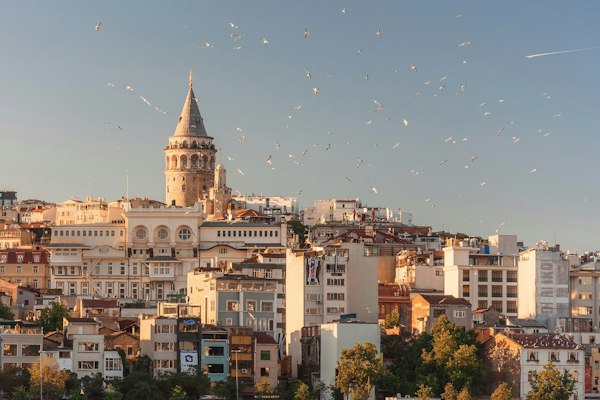
Istanbul as a destination in its own right — five days, two sides of the Bosphorus, and the full spread of what the city actually is. Day 1: arrive, Galata Tower (14th century — the view of the Golden Horn), Karaköy waterfront evening, lokanta dinner. Day 2: Hagia Sophia (the pendentive dome explained — 537 CE — 2 hours minimum), Blue Mosque (the 20,000 İznik tiles — the six minarets — the reason the Sultan nearly went to war with Mecca), Topkapı Palace (Harem separate ticket — the Imperial Treasury — the Topkapı Dagger). Day 3: Grand Bazaar (interior districts — the copper market — the jewellers’ lane — not the entrance carpet stalls), Egyptian Bazaar (spice market — the Turkish delight stalls), Bosphorus ferry Eminönü to Anadolu Kavağı (Asian shore — Yoros Castle — fish lunch on the quay). Day 4: Asian Istanbul (Kadıköy breakfast — the full kahvaltı — 90 minutes — the best breakfast district in Turkey, Çamlıca Hill, Üsküdar waterfront). Day 5: Chora Church (the 14th-century Byzantine mosaics — the finest in Istanbul and less visited than Hagia Sophia), Balık-ekmek (the fish sandwich boats on the Eminönü bridge — the correct lunch — AUD$3), fly home.

Includes
4 nights Istanbul hotel (Sultanahmet)Hagia Sophia + Topkapı guidedTopkapı Harem (separate ticket)Bosphorus ferry dayGrand Bazaar interior districts guide
🎈 Cappadocia · 3 Days
Cappadocia Hot Air Balloon & Valleys
⏱ 3 days / 2 nights★ 5.0(2,640 reviews)

The Cappadocia experience structured around the two essentials: the balloon and the landscape. Day 1: fly Istanbul–Kayseri (1hr 15min), cave hotel check-in. Göreme Open-Air Museum (Dark Church separate ticket — the 11th-12th century frescoes — the Christ Pantocrator — do not skip). Rose Valley sunset walk (the tuff turning orange to pink — the fairy chimneys in the last light — the guide brings a blanket and two cups of çay — this is deliberate). Day 2: 4:30am wake — balloon departure (the inflation, the basket boarding, the lift-off — the valley at dawn with 150–300 simultaneous balloons — 1 hour — the champagne landing). Afternoon: Derinkuyu underground city (85m deep, 18 floors — the millstone doors — the capacity for 20,000). Paşabağ (Monks’ Valley) fairy chimneys. Day 3: Pigeon Valley hike, pottery workshop in Avanos (the red clay from the Kızılırmak river — the 4,000-year-old tradition), fly Kayseri–Istanbul.

Includes
Kayseri flights return2 nights cave hotelHot air balloon (1hr)Derinkuyu underground cityGöreme Museum (Dark Church)
⛴ Blue Voyage · 7 Days
Turquoise Coast Blue Voyage Gulet
⏱ 7 days / 6 nights★ 5.0(1,840 reviews)

The Blue Voyage (Mavi Yolculuk) — Bodrum to Fethïye aboard a traditional wooden gulet. Seven days along the Turquoise Coast, anchoring in bays accessible only from the sea, swimming above Lycian ruins, eating fresh fish on deck with raki at sunset. The route: Bodrum Day 1 (embarkation — Mausoleum of Halicarnassus visit — cast off by 3pm). Gökova Gulf Day 2 (English Harbour — the sheltered bay — the water clarity — the anchor in 8m with the seafloor visible). Bozburun peninsula Day 3 (Datça — the almond groves — the Roman ruins of Knidos at the cape). Marmaris Day 4 (the castle, the old town). Köyceğiz Lake Day 5 (the freshwater lake by kayak — the sulphur springs at Sultaniye). Dalyan Day 6 (the Lycian rock tombs cut into the cliff face above the river — boat through the reed delta — the loggerhead sea turtle (Caretta caretta) nesting beach at İztuzu — the turtles protected under national conservation law). Fethïye Day 7 (disembark — Ölüdeniz optional transfer).

Includes
6 nights gulet cabin (full board)All meals on deckBodrum Mausoleum visitDalyan river + turtle beachLycian tombs guided
🏛 Ephesus · 2 Days
Ephesus & Aegean Archaeology — 2 Days
⏱ 2 days / 1 night from İzmir★ 5.0(1,960 reviews)

Ephesus and the surrounding Aegean archaeology — the Library of Celsus, the Terrace Houses, and two additional sites that most visitors miss. Day 1: fly Istanbul–İzmir (1hr), train to Selçuk (1hr). Arrive Ephesus at 8am (the gates open at 8 — the cruise ship crowds arrive at 10–11 — the 2-hour advantage is the difference between the site and the queue). Library of Celsus (the guide’s explanation: why the statues are copies, who Celsus was, why the building faces east). Terrace Houses (separate ticket — non-negotiable — in-situ mosaics and frescoes — 2 hours). Great Theatre (Acts 19 context). Afternoon: House of the Virgin Mary (the 4th century CE stone house on Mount Koressos where tradition holds Mary lived — the spring water — the pilgrimage site for Catholic and Orthodox and Muslim visitors simultaneously). Day 2: Priene (the Hellenistic city 35km south — the grid plan of Hippodamus of Miletus — the 4th century BCE — the preserved stoa columns) and Miletus (the birthplace of philosophy — Thales, Anaximander, Anaximenes — the theatre 15,000 seats). Return İzmir, fly Istanbul.

Includes
İzmir flights return1 night Selçuk hotel8am Ephesus arrival (before cruise ships)Terrace Houses guidedPriene + Miletus day
🧴 Pamukkale · Day Tour
Pamukkale Travertines & Hierapolis
⏱ Full day from Denizli or İzmir★ 4.9(2,140 reviews)

Pamukkale — the white travertine terraces and the ancient Hierapolis — structured for the correct sequence. Arrive at the north entrance (the travertines — wading barefoot through the warm 36°C pools — the sensation of calcium-rich water over white stone — the guide explains the CO≥ degassing chemistry and why the terraces are still forming at 1–4mm per year). Hierapolis walking tour (the theatre, the necropolis (1,200 tombs — largest in Anatolia), the Plutonium cave (the CO≥ explanation — the priest-survival trick — the ancient understanding of what they did not understand — the guide delivers this with the right amount of drama and the right amount of chemistry)). The Antique Pool (Kleopatra’s Pool — the swim among submerged Roman columns at 36°C — the entry ticket — the underwater flashlight — the 30 minutes in the water is the most unusual swimming experience in Turkey and possibly Europe). Return via the sunset approach: the travertines lit gold from the west — the correct photography time.

Includes
Transport Denizli returnTravertine barefoot wadingHierapolis guided (necropolis + Plutonium)Antique Pool swim (column-diving)Sunset travertine photography
⛴ Ölüdeniz · 2 Days
Ölüdeniz Blue Lagoon & Babadağ Paraglide
⏱ 2 days / 1 night · Fethïye★ 4.9(1,540 reviews)

The Ölüdeniz Blue Lagoon — the most photographed beach in Turkey — and the Babadağ paraglide from 1,975m above it. Day 1: fly Istanbul–Dalaman (1hr), transfer to Fethïye, boat trip to Ölüdeniz (the lagoon from the water — the colour gradient from aquamarine to cobalt — swim stops in coves accessible only by boat — the sunbathing platform anchored off the lagoon spit). Day 2: Babadağ tandem paraglide (the jeep to the 1,975m summit — the briefing — the run off the cliff (7 steps, then air) — the 45-minute flight over the lagoon, the Lycian Way cliff path 400m below, the beach approaching — landing on the sand directly in front of the lagoon — GoPro footage included). Afternoon: Butterfly Valley (the boat to the coastal gorge below the cliff — the valley inhabited only by the Jersey Tiger butterfly (Euplagia quadripunctaria) in vast numbers in summer — the 20-minute ladder-assisted climb to the upper valley).

Includes
Dalaman flight1 night Fethïye hotelÖlüdeniz boat tripBabadağ tandem paraglide (1,975m)Butterfly Valley access
🍲 Food & Bazaar · Half Day
Istanbul Food Walk & Bazaar Immersion
⏱ Half day · morning departure★ 5.0(3,180 reviews)

Istanbul’s food culture from the street up — the bazaars, the lokanta, and the Karaköy neighbourhood. The route: Eminönü bridge (balık-ekmek — the fish sandwich boats — AUD$3 — the correct waterside breakfast food — the guide explains why this location is specific). Egyptian (Spice) Bazaar interior (not the outer stalls — the inner courtyard — the specific spice shops the guide has used for 15 years — the Turkish saffron (significantly better value than Iranian), the isot biber (Urfa’s black pepper — the fermented dried chilli — smoky, dark, and only available in good form here), the mulberry molasses). Grand Bazaar interior (the copper quarter, the jewellers, the correct carpet shop where bargaining is taught rather than performed). Karaköy walk (the street food: lahmacun, simit, kumpir). Lokanta lunch (the guide chooses — the menu announced that morning — the ev yemekleri — AUD$8–12 for the full meal — the cultural significance of eating where Istanbul eats). Çay lesson (the double-pot brewing, the glass presentation, the sugar preference, the etiquette). 8–10 tastings throughout.

Includes
Food expert guide (Istanbul local)8–10 tastings including lokanta lunchSpice Bazaar inner courtyardGrand Bazaar copper quarterÇay brewing lesson
🏔 Eastern Turkey · Nemrut
Nemrut Dağı & Ancient Southeast
⏱ 4 days / 3 nights★ 4.9(580 reviews)

Eastern Turkey — the part of the country that most visitors never reach and that Turkey specialists describe as the most historically dense territory in the Middle East. Day 1: fly Istanbul–Adıyaman or Malatya. Transfer to the Nemrut foothill base. Day 2: Nemrut Dağı sunrise (3am departure — the 2,150m summit at 4:30am — the limestone heads of Zeus-Oromasdes, Apollo-Mithras, Heracles and Tyche facing the eastern horizon — the light arriving behind the mountains — the shadow of the tumulus across the western terrace — the 1st century BCE King Antiochus I who commissioned this for his tomb and declared himself a god in the process — the heads fallen from their bodies in earthquakes over 2,000 years). Afternoon: Karakuş tumulus and Arsameia (the Commagenean dynastic monuments). Day 3: Şanlıurfa (Gobekli Tepe — the 12,000-year-old sanctuary — 6,500 years before Stonehenge — the T-shaped monoliths — the rewriting of human prehistory). Day 4: Mardin (the 12th century citadel — the Artuqid architecture — the view of the Mesopotamian plain — fly Istanbul).

Includes
Adıyaman flight return3 nights accommodationNemrut Dağı 3am sunrise ascentGöbekli Tepe (12,000 BCE)Mardin Artuqid architecture
🇹🇷 Turkey · 14-Day Grand
Turkey Grand Circuit — 14 Days
⏱ 14 days · Istanbul + Cappadocia + Aegean + Coast★ 5.0(920 reviews)

The complete Turkey in a fortnight — the four essential regions in the correct sequence. Days 1–3: Istanbul (Hagia Sophia · Topkapı Harem · Grand Bazaar interior · Bosphorus ferry · Asian Istanbul kahvaltı · Chora Church). Day 4: fly Istanbul–Kayseri · Cappadocia (Göreme Open-Air Museum · Dark Church · Rose Valley sunset). Days 5–6: Cappadocia (4:30am balloon · Derinkuyu underground city 85m · Paşabağ chimneys · Avanos pottery). Day 7: fly Kayseri–İzmir · train Selçuk · arrive Ephesus at dusk (the site after hours view — the guide arranges). Days 8–9: Ephesus (8am sharp · Library of Celsus · Terrace Houses · Great Theatre · Acts 19 context) · Priene and Miletus Day 9. Day 10: bus to Pamukkale (3hrs · the travertines · barefoot · Hierapolis necropolis + Plutonium · Antique Pool swim). Day 11: fly Denizli–Dalaman · Fethïye · gulet embarkation. Days 11–13: Blue Voyage Fethïye–Bodrum (3-day version · Ölüdeniz · Dalyan turtles · Lycian tombs · Butterfly Valley). Day 14: Bodrum (Mausoleum · Underwater Archaeology Museum · Uluburun wreck exhibit) · fly Bodrum–Istanbul–home. All 13 nights · 4 domestic flights · all guided days · all entry tickets.

Includes
13 nights accommodation4 domestic flightsBalloon + underground cityEphesus 8am (Terrace Houses)3-night Blue Voyage gulet
When to Go

Turkey’s Seasons — and Why Spring and Autumn Are the Consensus

Turkey has a genuine winter, a hot Mediterranean summer, and two perfect shoulder seasons. The question is which version of Turkey you are visiting.

🌸
Best Season — April to June
Apr – Jun · Spring · Wildflowers · Perfect Temperatures

April through June is the consensus best season for all of Turkey simultaneously. The wildflowers (the Anatolian plateau in April — the red poppies across the fields around Cappadocia, the wild iris in the valleys, the almond blossom in the Aegean villages — the landscape at a colour saturation not present in summer). The temperature (Istanbul 15–22°C — ideal for walking — the Cappadocia plateau 12–18°C — cool for the balloon, warm for the hikes — the coast 20–28°C — warm enough to swim by late May). The crowd level (April and May are significantly less visited than June–August — the Ephesus Terrace Houses without the cruise ship groups — the Hagia Sophia queues shorter — the cave hotel availability better). Ramadan (the month of Ramadan moves annually — check the dates before travel — the iftar (the breaking of the fast at sunset) is a beautiful and welcoming cultural event to witness and participate in as a guest — the cities at dusk during Ramadan are at their most communally alive).

🍂
Second Season — September to November
Sep – Nov · Autumn · Sea Still Warm · Fewer Crowds

September and October are the second-best window — and the preferred window for coast-focused itineraries. September (the Aegean and Mediterranean water temperature at its annual peak — 26–28°C — warmer than June — the Blue Voyage at its most comfortable — the air temperature 25–32°C on the coast — warm but not the 38–40°C of August — the summer crowds thinning from mid-September). October (the Cappadocia autumn — the vines turning in the valleys — the apricot and walnut harvest — the air crisp at altitude — the balloon flights with less competition for flight slots than summer — the Istanbul autumn (the chestnuts sold from carts — the street food of October — the atmospheric light on the Bosphorus as the season changes — the city at its most livable)). November (cooler — the coast begins closing — the cultural sites less crowded than at any other time — good for Istanbul and Cappadocia — not recommended for the gulet or coast swimming).

Summer — July to August
Jul – Aug · Crowds · Heat · Sea Season

July and August are the peak tourist months and the hottest. The heat: Istanbul 28–32°C (manageable), Cappadocia 25–35°C (the plateau heats quickly — the underground cities become genuinely relevant as cool refuges), the coast 35–40°C (this is Mediterranean coastal summer — the sea at 26–28°C is the only logical location — the gulet is the correct Turkey summer choice). Ephesus in August: arrive at 8am sharp — the site is manageable until 10:30am — the 10am arrival produces a genuinely uncomfortable experience of standing in a marble oven surrounded by 3,000 cruise-ship passengers. Cappadocia balloons in July–August: the balloons operate at fuller capacity (the most balloons simultaneously visible) but the heat can cause afternoon wind events that reduce available flight days. Book balloons with an operator that offers a full refund if the flight is cancelled due to wind and rebooks you automatically for the next morning.

Winter — December to March
Dec – Mar · Low Season · Istanbul Best · Cappadocia Snow

Winter in Turkey is the low season for most visitors — and the best season for specific experiences. Istanbul in winter: the most authentic version of the city (fewer tourists, the Hagia Sophia essentially to yourself on a weekday morning, the Grand Bazaar navigable, the lokanta lunches at their most convivial — the Turks eat inside in winter rather than rushing past). Cappadocia in snow: the fairy chimneys dusted in snow (December–February) — a specifically beautiful and uncommonly photographed version of the landscape — the balloon companies still fly on clear days — the cave hotels with fireplaces are at their most appealing. The coast closes from November to April for the gulet season — Ölüdeniz operates year-round for paragliding but the sea temperature drops to 16–18°C in winter. The advantage: accommodation prices drop 30–50% in December–February at all levels.

Before You Go

Planning Your Turkey Trip

Getting to Turkey
The most direct routing from eastern Australia to Istanbul (IST — Istanbul Airport): Qatar Airways via Doha (Sydney–Doha approximately 14 hours, Doha–Istanbul approximately 4 hours — total 22–24 hours including connection). Emirates via Dubai (similar total time). Turkish Airlines via Singapore (Singapore Airlines Sydney–Singapore — Turkish Airlines Singapore–Istanbul — approximately 24–26 hours). Istanbul Airport (IST — the new airport opened 2019 — 40km northwest of the city centre — the metro connection (the Airporexpres — Istanbul Airport–Gayrettepe metro) takes approximately 35 minutes — the taxi from IST to Sultanahmet approximately 45–60 minutes — negotiate the fare in advance or use the metered taxi). Turkish Airlines’ global network makes Istanbul an excellent hub for adding Turkey to a broader Middle East or Europe trip.
🌤
The Cappadocia Balloon
The Cappadocia hot air balloon is the most popular paid experience in Turkey — approximately 150–300 balloons fly on a typical clear morning. The practical requirements: book well in advance (the top operators — Butterfly Balloons, Royal Balloon, Türkiye Balloons — sell out weeks ahead in peak season). The flight is dependent on wind conditions assessed at 5am each morning — if the wind exceeds the safety limit, the flight is cancelled and rebooked for the following morning. Operators who refund without rebooking are to be avoided. Allow 2 balloon-designated mornings in your schedule in case of weather cancellation. The standard flight is 1 hour — the standard basket capacity is 16–24 passengers — the premium balloons carry 4–8 passengers at higher cost (AUD$450–600) for more space and personal attention.
🏭
Visiting Mosques
Turkey’s great mosques (Hagia Sophia, the Blue Mosque, the Süleymaniye Mosque, the Selimiye Mosque in Edirne) are functioning places of worship and require modest dress. The requirements: remove shoes (carry a bag for them — the mosque entrance provides a shoe bag), cover shoulders and knees (both genders — sarongs and wraps are available at mosque entrances for a small fee or free), and for women: cover hair with a headscarf. Mosques close to tourists during the five daily prayer times (salah — the call to prayer (ezan) signals these — typically 20–30 minutes per prayer). The Blue Mosque and Hagia Sophia are the most visited — arrive at opening (8:30am) to avoid the midday queue. Photography inside mosques is permitted without flash.
💰
Bargaining & Money
Turkey is excellent value for Australian dollar holders in 2026 — the Turkish Lira’s exchange rate has historically made Turkey very affordable. Credit cards are accepted at hotels, restaurants, and larger shops — carry lira cash for markets, small restaurants, taxis, and the bazaar. The Grand Bazaar and Egyptian Bazaar are bargaining environments — the opening price is 30–50% above the seller’s target — counter at 50–60% of the opening price — the negotiation is social and the vendor expects it — walking away slowly is the second-most effective technique. Tipping: 10–15% at restaurants is normal and appreciated. ATMs are widely available and accept international cards — the commission rates vary — use bank-affiliated ATMs rather than independent machines.
Day by Day

Turkey Itineraries

Three structures — from the 7-day Istanbul and Cappadocia focus to the full 14-day four-region circuit.

⌛ 7 Days · Istanbul + Cappadocia
The Essential Turkey Circuit
Byzantine · Ottoman · Volcanic · Balloon
Days 1–3
Istanbul. Hagia Sophia (537 CE · 2hrs · pendentive dome explained), Topkapı Palace + Harem (separate ticket). Grand Bazaar interior districts. Bosphorus ferry (Eminönü – Anadolu Kavağı · Asian shore · Yoros Castle · fish lunch). Day 3: Asian Istanbul kahvaltı (Kadıköy · 90 minutes · 40 dishes) · Chora Church mosaics.
Day 4
Fly Istanbul–Kayseri (1hr 15min). Cave hotel check-in. Göreme Open-Air Museum (Dark Church · extra ticket · 900-year frescoes · the Christ Pantocrator). Rose Valley sunset walk · çay brought by the guide · the light on the chimneys.
Day 5
Balloon day. 4:30am wake · 5:15am inflation · 5:45am lift-off · 150–300 simultaneous balloons · 1 hour over the fairy chimney valleys · champagne landing. Afternoon: Derinkuyu (85m deep · 18 floors · 20,000 capacity · millstone doors).
Day 6
Paşabağ + Avanos. Monks’ Valley fairy chimneys · the basalt-capped profiles. Avanos pottery workshop (the red Kızılırmak clay · 4,000 years · the wheel). Sunset at the Uçhisar Castle (the highest point in Cappadocia · the plateau panorama).
Day 7
Fly home. Kayseri airport · Istanbul connection · Doha · Sydney. The lokanta lunch at the airport (the final köfte · the last çay · the çaydanlık double-pot noted for replication at home · the attempt will not fully succeed · the guide explains why).
Book This Itinerary →
⌛ 10 Days · Aegean + Coast
Ephesus, Pamukkale & Blue Voyage
Roman · Travertines · Gulet · Turquoise
Days 1–2
Istanbul. Hagia Sophia, Topkapı, Grand Bazaar, Bosphorus. The essential 2-day version before the domestic flight south.
Days 3–4
Ephesus. Fly Istanbul–İzmir (1hr) · train Selçuk. 8am arrival at Ephesus (Library of Celsus · Terrace Houses · Great Theatre). Priene and Miletus Day 4 (grid plan of Hippodamus · birthplace of philosophy · the 15,000-seat theatre).
Day 5
Pamukkale. Bus İzmir–Denizli–Pamukkale (3hrs). Travertines barefoot at dusk (golden light on white calcium · the correct photography time). Hierapolis necropolis · Plutonium cave · Antique Pool swim (36°C among the submerged columns).
Days 6–10
Blue Voyage Bodrum–Fethïye (5 nights). Gulet embarkation Bodrum Day 6 (Mausoleum visit). Gökova Gulf · Bozburun peninsula · Dalyan river (Lycian tombs · loggerhead turtle beach · reed delta kayak) · Ölüdeniz Blue Lagoon. Disembark Fethïye Day 10 · fly home.
Book This Itinerary →
⌛ 14 Days · Full Turkey
Istanbul + Cappadocia + Aegean + Coast
All Four Regions · Two Continents · 1,500 BCE–537 CE
Days 1–3
Istanbul (3 nights). Hagia Sophia + Topkapı + Harem Day 1. Grand Bazaar interior + Bosphorus ferry Day 2. Asian Istanbul kahvaltı + Chora Church Day 3.
Days 4–6
Cappadocia (2 nights). Fly Kayseri. Göreme + Dark Church Day 4. 4:30am balloon Day 5. Derinkuyu + Paşabağ + Avanos. Day 6: Uçhisar Castle · fly Kayseri–İzmir.
Days 7–8
Ephesus (1 night). Train Selçuk. 8am Ephesus (Library · Terrace Houses · Great Theatre · Acts 19). Day 8: Priene + Miletus. Bus to Pamukkale afternoon.
Day 9
Pamukkale. Travertines barefoot · Hierapolis + Plutonium · Antique Pool (36°C columns) · sunset travertines (golden light). Bus to Bodrum or fly Denizli–Bodrum.
Days 10–13
Blue Voyage (4 nights). Bodrum–Mausoleum–cast off. Gökova · Dalyan turtles · Ölüdeniz · Fethïye. Babadağ paraglide if time allows.
Day 14
Fly home. Dalaman–Istanbul or Bodrum–Istanbul–Doha–Sydney. The last çay at the airport · the last simit · the basket of honey at the hotel breakfast that should have taken 90 minutes.
Book This Itinerary →

The dome that has stood
for 1,487 years. The balloon
at dawn. The 40-dish breakfast.

Our Turkey specialists know that the Topkapı Harem requires a separate ticket and should be booked in advance, that Ephesus must be entered at 8am before the cruise ship groups arrive at 10, that the Dark Church at Göreme needs an additional entry fee that most visitors skip and should not, that the Cappadocia balloon operator must automatically rebook (not refund) for the following morning if wind cancels the flight, that the correct walk through the Grand Bazaar starts in the copper quarter not at the entrance rug stalls, and that the 90-minute Turkish breakfast in Kadıköy on the Asian side is the best meal in Istanbul for any price. They will also explain the pendentive, the Hanseatic League, and why the word “mausoleum” is Turkish in origin, before you even ask.

Plan My Turkey Trip → Call 0409 661 342

50,000+ Australian travellers · ATAS Accredited · 35+ Years