🇦🇹 Europe · Country Guide

Imperial Grandeur,
Alpine Soul &
Eternal Music

Where Habsburg emperors built palaces of impossible scale, Mozart composed his first symphony at six, and the Alps rise so abruptly from the valley floor they seem painted. Austria distils European civilisation into its most refined and beautiful form.

16
UNESCO Sites
~22hrs
Brisbane to Vienna
Visa Free
90 Days (Schengen)
€1 ≈ $1.70
AUD Exchange Rate
3,798m
Grossglockner Peak
About Austria

The Country That Turned
Civilisation into an Art Form

Austria is a country that has been refining the art of living beautifully for more than six centuries. The Habsburg dynasty — which ruled from Vienna for over 600 years — spent that time building some of Europe's grandest palaces, commissioning its greatest composers, and establishing a culture of imperial refinement that permeates the country to this day. You feel it in the coffee rituals, in the opera seasons, in the precision of the pastry case at every konditorei, and in the easy Austrian assumption that life at its best involves both a Klimt exhibition and a glass of Grüner Veltliner before dinner.

Vienna is one of the great cities of the world — compact enough to walk between its monuments, grand enough to take weeks to absorb fully. The Ringstrasse boulevard alone — lined with the Opera House, the Kunsthistorisches Museum, the Burgtheater, and the Parliament building — is a statement about what a civilisation can build when it has both the ambition and the resources. Beyond Vienna, Salzburg captivates with its baroque architecture and Mozart heritage, compressed into a city so photogenic it served as the set for The Sound of Music. And Hallstatt — the lakeside village in the Salzkammergut — is so beautiful it became UNESCO-listed and inspired a replica to be built in China.

Austria's mountains are among Europe's most dramatic — not just for skiing but for summer hiking between alpine huts, drives over high mountain passes, and the particular pleasure of sitting at a Hütte with cold schnapps and a view that makes the world below feel entirely theoretical.

🏆 Austria's UNESCO World Heritage Sites (Selected)
  • Historic Centre of Vienna — Ringstrasse, Belvedere, Schönbrunn
  • Historic Centre of Salzburg — Mozart's city, baroque masterpiece
  • Schönbrunn Palace & Gardens — the Habsburg summer palace
  • Hallstatt–Dachstein / Salzkammergut Cultural Landscape
  • Semmering Railway — world's first mountain railway (1854)
  • Wachau Cultural Landscape — Danube valley, vineyards & abbeys
  • Historic Centre of Graz & Schloss Eggenberg
Where to Go

Austria's Essential Destinations

From imperial boulevards to alpine lakes and baroque market squares — these are the places that define Austrian travel at its very finest.

Vienna Schönbrunn Palace gardens Ringstrasse imperial Austria evening
🏆 Imperial Capital

Vienna

The Habsburg capital — with its operatic boulevards, world-class museums, Freud's consulting room, Beethoven's apartments, the Spanish Riding School, and coffeehouses where nothing has changed since 1900. Vienna rewards slow, repeated visits across a lifetime.

Eastern Austria · Danube · Rail to Salzburg 2hrs 30min
★ 5.0
Salzburg Mozart birthplace baroque old town Hohensalzburg fortress
Mozart's City

Salzburg

Western Austria · Sound of Music country
★ 4.9
Hallstatt alpine lake village UNESCO Austria reflection pastel
World's Most Beautiful Village

Hallstatt

Salzkammergut · Upper Austria
★ 4.9
Innsbruck alpine mountains Tyrol old town Golden Roof Austria
Alpine Gateway

Innsbruck

Tyrol · Heart of the Alps
★ 4.8
Wachau Danube valley vineyards Dürnstein abbey Austria
Wine & River

Wachau Valley

Lower Austria · Danube Wine Region
★ 4.8
Graz clock tower Schlossberg old town Styria Austria
Styrian Gem

Graz

Styria · Austria's Second City
★ 4.7
What to Do

Austria's Unmissable Experiences

Austria generates a particular category of travel experience — refined, unhurried, and rooted in centuries of cultural achievement. These are the ones that linger longest.

Vienna State Opera Staatsoper evening Ringstrasse imperial Austria
Vienna State Opera — Standing Room

Join Viennese music lovers in the standing-room section of the Staatsoper for €4–10 — one of the world's great opera companies performing in Europe's grandest house. Arrive 80 minutes before curtain for the Operngasse door queue. Dress smartly and prepare to be moved.

Sep – June Season
Hallstatt sunrise boat lake reflection Alps Austria morning
Hallstatt Before Dawn

Arrive before sunrise, take the first boat across the lake, and watch Hallstatt's pastel façades reflected in still water as the mountains above begin to glow. Europe's most photographed village belongs to you alone in those first morning minutes. Leave by noon — midday crowds are significant.

Year-round
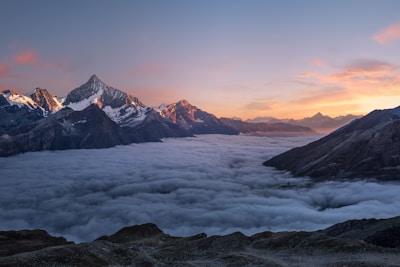
Grossglockner High Alpine Road switchbacks panorama Austria mountain
Grossglockner Alpine Road

Drive Austria's most spectacular mountain road — 48km of switchbacks climbing to 2,504m with panoramic views over the Pasterze glacier. Pull over at every viewpoint. The road is open May to October only; book the €37 toll online. A full day minimum, ideally a convertible.

May – October
Salzburg Mirabell gardens Hohensalzburg fortress baroque Austria
Salzburg Old Town on Foot

Walk the Getreidegasse to Mozart's birthplace, climb to the Hohensalzburg fortress, cross into Mirabell's gardens, and end with Salzburger Nockerl (the city's famous soufflé) at dinner. Salzburg is perfectly walkable in a long day — and perfectly lovely on a second.

Year-round
Wachau Danube cruise Melk Abbey vineyards boat Austria
Wachau Valley by Boat

Cruise the Danube between Krems and Melk through the UNESCO Wachau — terraced Riesling vineyards, 11th-century fortresses, and the baroque Melk Abbey above the river. Disembark at villages along the way, taste Grüner Veltliner at roadside cellars, take the train back.

April – October
Kitzbühel Hahnenkamm ski slopes downhill Austria winter snow
Ski Kitzbühel or St Anton

Kitzbühel's Hahnenkamm hosts the world's most dangerous downhill race every January. St Anton am Arlberg is where alpine skiing was invented — its off-piste terrain and après-ski (the Krazy Kangaruh is legendary) are both world-class. Austria's skiing is Europe's finest.

December – March
Belvedere Museum Vienna Klimt The Kiss painting golden Austria
Klimt's The Kiss at the Belvedere

Stand in front of Gustav Klimt's The Kiss in the Upper Belvedere Museum. The gold-leaf panels and intimate subject land with a physicality no reproduction can convey. Combine with the baroque Lower Belvedere and the magnificent formal gardens between the two palaces.

Year-round
Vienna Christmas market Rathausplatz Wiener Christkindlmarkt lights December
Vienna Christmas Market

The Wiener Christkindlmarkt at the Rathausplatz is Europe's most celebrated Christmas market — wooden stalls, hand-blown glass ornaments, roasted chestnuts, and Glühwein beneath 100,000 fairy lights, with the floodlit Gothic town hall as backdrop. Mid-November through Christmas Eve.

Mid-Nov – 24 Dec
A Nation of Notes

The Classical Music & Opera Guide

Austria produced Mozart, Haydn, Schubert, Brahms, Bruckner, and Mahler — and its concert halls still play their works with a fidelity and passion no other country can match. Here is where to hear it.

Vienna State Opera House exterior Ringstrasse evening lit imperial
🎭 World's Greatest Opera House
Vienna Staatsoper

The Vienna State Opera is the pre-eminent opera house in the world — 300+ performances per season, a different programme each night, a tradition going back to 1869. The house was rebuilt after WWII bombing and reopened in 1955 with Beethoven's Fidelio.

  • Standing room €4–10 — queue 80 min before curtain at the Operngasse entrance
  • Dress code: smart-casual to formal — jeans and sports shoes are frowned upon
  • Season: September through June — no opera in July/August
  • Book online: wiener-staatsoper.at — premieres sell out months in advance
The free live stream on the Staatsoper's external screen (Operplatz) on premiere nights lets you watch in the open air for nothing. Extraordinary in summer.
Salzburg Felsenreitschule rock face festival stage Festspielhaus summer
🎼 Europe's Greatest Music Festival
Salzburg Festival

The Salzburger Festspiele (late July through August) is the summit of European classical music — six weeks of opera, drama, and concerts featuring the world's finest performers across three purpose-built venues carved into the Mönchsberg cliff face above the city.

  • Dates: late July to end of August annually
  • Tickets: released each January — the most sought-after sell out within hours
  • The Jedermann morality play in the Dom square is the festival's iconic outdoor production
  • Budget tickets (under €50) exist for some concerts — check salzburger-festspiele.at in January
If the Festival is booked out, Salzburg's shoulder weeks (June and September) offer the Pfingstfestspiele and other programmes with far better availability.
Vienna Musikverein Goldener Saal golden concert hall philharmonic
🎻 The Golden Hall
Wiener Musikverein

The Musikverein's Goldener Saal — where the Vienna Philharmonic's New Year's Concert is broadcast to 50 million viewers — is acoustically perfect, visually magnificent, and the most prestigious concert hall in the world. Regular season tickets are more accessible than people expect.

  • New Year's Concert tickets allocated by ballot — apply in January for the following year
  • Regular concerts throughout the season — less expensive than the Staatsoper
  • The smaller Brahms-Saal is particularly beautiful and intimate
  • Sunday morning matinées offer a less formal entry point to the programme
Buy regular season tickets at musikverein.at rather than tourist "Mozart dinner concerts" — same venue, real Philharmonic musicians, a fraction of the price.
660 Years of Power

The Habsburg Imperial Trail

The Habsburg dynasty ruled the Holy Roman Empire — and then the Austro-Hungarian Empire — for over six centuries, leaving behind a legacy of palaces, museums, and monuments that makes Vienna one of the world's great cities of culture and history.

Schönbrunn Palace Vienna Neptune Fountain gardens Habsburg summer palace
01
Schönbrunn Palace & Gardens
Vienna · Allow 3–4 hours

The Habsburg summer palace — 1,441 rooms, the Neptune Fountain, the Gloriette hilltop belvedere, and the world's oldest zoo (still operating since 1752). Napoleon slept here. Mozart performed for Empress Maria Theresa here at age six. The Grand Tour (€22) covers 40 state rooms including the ceremonial halls where Europe's fate was decided.

Book timed entry online — Schönbrunn is Vienna's single most-visited attraction and queues without pre-booking are long.
Hofburg Palace Vienna imperial apartments Heldenplatz Austria Habsburg
02
Hofburg Imperial Palace
Vienna Inner City · Allow half a day

The Habsburg winter palace — the seat of the empire for 600 years — houses the Imperial Apartments, the Sisi Museum (the melancholy story of Empress Elisabeth), the Imperial Silver Collection, the Spanish Riding School, and the Augustinian Church where the Habsburgs' hearts are buried separately from their bodies. The Heldenplatz in front is where Hitler announced the Anschluss in 1938.

The Sisi Museum is genuinely moving — Empress Elisabeth's story of gilded imprisonment and eventual assassination is one of history's great tragic lives.
Belvedere Palace Vienna Upper gardens Klimt baroque formal French
03
Belvedere Palace Complex
Vienna · Upper & Lower Palaces

Built for Prince Eugene of Savoy, Austria's greatest military commander, the Belvedere complex comprises two baroque palaces linked by formal French gardens. The Upper Belvedere houses the world's largest Klimt collection including The Kiss and Judith. The Lower Belvedere and its Orangery host temporary exhibitions of the highest calibre. The gardens are freely accessible and magnificent in summer.

The Belvedere combined ticket covers both palaces and is better value — buy online to avoid the considerable queue at the Upper Palace entrance.
Kunsthistorisches Museum Vienna imperial art collection Ringstrasse Habsburg
04
Kunsthistorisches Museum
Vienna Ringstrasse · Allow half a day

The Museum of Art History — built in the 1890s to display the Habsburg art collection — houses one of the world's finest repositories of Old Masters: Vermeer, Raphael, Titian, Rubens, Velázquez, Caravaggio, and Dürer, displayed in rooms whose gilded ceilings and marble columns are themselves works of art. The museum café in the cupola, with its coffered ceiling and live music, is one of Europe's most beautiful.

Spend at least half a day — the Egyptian and Greek antiquities collections are extraordinary and routinely overlooked by visitors rushing to the painting galleries.
Where the Mountains Rule

Austria's Alpine & Ski Guide

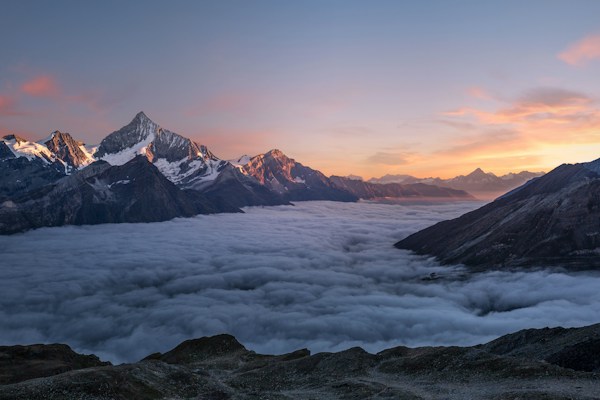
Two-thirds of Austria is covered by the Alps. Whether you're carving powder at dawn, hiking between huts in summer, or driving a switchbacking mountain pass with the windows down, the Austrian mountains deliver an experience without equal in Europe.

⛷️
St Anton am Arlberg
Tyrol · Birthplace of Alpine Skiing

Where Hannes Schneider invented the Arlberg technique in the 1920s and created modern alpine skiing. St Anton's terrain is demanding and its off-piste legendary — steep chutes, long powder bowls, and tree runs for skilled skiers. The après-ski on the Mooserwirt sun deck is equally serious.

305km
Pisted Runs
2,811m
Top Elevation
Best for: Advanced skiers and powder chasers. Combined Arlberg pass also covers Lech and Zürs.
🏔️
Kitzbühel
Tyrol · Europe's Most Glamorous Ski Town

A medieval walled town at the base of the Hahnenkamm, where the world's most fearsome downhill race takes place each January. The skiing suits all levels; the medieval old town, boutiques, and candlelit restaurants make it unlike any other alpine resort in Europe.

200km
Pisted Runs
2,000m
Vertical Drop
Best for: Mixed-ability groups and those wanting good skiing alongside a beautiful historic village. The Hahnenkamm race week (late January) is unmissable.
🌄
Sölden & Ötztal
Tyrol · 007's Mountain

Sölden's Rettenbach and Tiefenbach glaciers (featured in James Bond's Spectre) give one of Austria's longest seasons — glacier skiing from October, main area through late April. The Top Mountain Star restaurant at 3,040m is extraordinary. The Ötzi the Iceman is from this valley.

148km
Pisted Runs
Oct – Apr
Season Length
Best for: Long-season skiing and those combining the piste with Ötztal's outstanding summer hiking.
🏡
Summer Alpine Hiking
Nationwide · June – September

Austria's Alps in summer are arguably more beautiful than in winter — meadows in flower, mountain huts (Hütte) open with cold beer and Käsespätzle, cable cars accessing terrain skiers only see beneath snow. The Hohe Tauern national park, Stubai Valley, and Dachstein massif offer world-class multi-day routes.

50,000km
Marked Trails
Jun – Sep
Prime Season
Book mountain hut accommodation 2–4 months ahead for popular July and August routes — they fill completely.
🚗
Alpine Road Trips
Tyrol, Salzburg & Carinthia

The Grossglockner Hochalpenstrasse, Silvretta Hochalpenstrasse, and Gerlos Alpine Road are among Europe's great drives — open May to October, climbing above 2,000m with views over glaciers and reservoir lakes. The Grossglockner road charges a €37 toll. Worth every cent.

48km
Grossglockner Road
2,504m
Highest Point
The Grossglockner road has its own visitor centre, nature exhibitions, and viewpoints over the Pasterze glacier — Austria's largest. Allow a full day.
♨️
Thermal Spas & Wellness
Styria, Carinthia & Salzburg

Styria's spa region offers thermal spring bathing at Bad Blumau — the extraordinary Hundertwasser-designed resort — and Bad Waltersdorf. After a ski day, soaking in an outdoor thermal pool with mountain views is one of Austria's most quintessentially pleasurable experiences.

20+
Thermal Resorts
Year-round
Open
Bad Blumau's Hundertwasser spa is worth visiting purely as architecture — onion-dome towers, grass roofs, and undulating floors unlike any building in Europe.
The Art of Sitting Still

The Viennese Coffeehouse Tradition

The Viennese Kaffeehaus is recognised by UNESCO as part of Austria's Intangible Cultural Heritage. The ritual is simple: you sit, you order, you are left entirely alone for as long as you wish. Newspapers are provided on wooden holders. Nobody will hurry you. This is the point.

Kleiner Brauner

A small mocha — espresso-strength coffee in a small cup with a tiny pitcher of milk on the side. The most common Viennese coffee order. Always accompanied by a glass of water. In Vienna, refusing the water is considered slightly eccentric.

Say: "Einen kleinen Braunen, bitte"
🫗
Melange

Vienna's most beloved coffee — equal parts espresso and steamed milk, served in a large cup and topped with foam. Similar to a flat white but distinctly Viennese in character. The standard breakfast coffee of Vienna's coffeehouses since the 18th century.

Say: "Eine Melange, bitte"
🍰
Sachertorte

The iconic Viennese chocolate cake — dense layers of apricot jam between dark chocolate sponge, sealed in chocolate glaze, served with unsweetened whipped cream. Invented at the Hotel Sacher in 1832. The original is still served at Café Sacher Wien opposite the Opera House.

Best at: Café Sacher or Demel am Kohlmarkt
🗞️
The Right to Stay

In a Viennese coffeehouse, one Melange entitles you to stay as long as you wish — reading newspapers, writing, or simply watching Vienna go by. Tip 10–15% when leaving. Snapping your fingers for the waiter is not done. The three finest: Café Central, Café Landtmann, Café Hawelka.

Best coffeehouses: Café Central · Hawelka · Landtmann
When to Travel

Austria's Four Distinct Seasons

Austria is genuinely rewarding in every season — the question is which Austria you want: imperial palaces in summer grandeur, powder snow in winter, festival season in July, or the unhurried elegance of an autumn Vienna.

🌸
Spring
March – May

Austria in spring is exquisite — the Wachau's apricot trees blossom in April, Vienna's Prater fills with chestnut flowers, and the Alps become accessible as snow retreats above 2,000m. Crowds are lighter than summer, prices lower, and the opera season is at full strength. The Easter Market at Schönbrunn is one of Europe's loveliest seasonal events.

☀️
Summer
June – August

Peak season — the Salzburg Festival (late July–August) fills every hotel in the city months in advance. Vienna's outdoor bars (Schanigärten) spill onto pavements, the Vienna Philharmonic plays free concerts in Schönbrunn's gardens, and alpine hiking is at its finest — all huts open, wildflowers out, days long. Book Hallstatt accommodation in spring for summer visits.

🍂
Autumn
September – November

Austria's most underappreciated — and arguably most beautiful — season. September brings the wine harvest along the Wachau. Vienna's concert season resumes with Staatsoper and Musikverein premieres. Museums are less crowded, the autumn light is extraordinary, and the Viennese themselves call September and October their favourite months in the city.

❄️
Winter
December – February

Austria's most magical season is December — Christmas markets in Vienna, Salzburg, and Innsbruck are Europe's finest, the opera calendar is at full intensity, and a light snowfall on Schönbrunn's yellow façade is one of the most beautiful sights in European travel. Skiing begins in December with guaranteed snow above 1,500m. January–February brings best powder.

How Long Do You Have?

Suggested Austria Itineraries

Austria rewards time, but even a week planned carefully around the rail network delivers a remarkably complete picture of what makes this country so enduringly beloved by travellers worldwide.

⏱ 7 Days
Vienna & Salzburg Classic
1–3
Vienna — Schönbrunn, Hofburg, Belvedere, Staatsoper standing room, Café Central, Ringstrasse walk
4
Wachau Valley — day trip by boat: Melk Abbey, Dürnstein, Krems wine tasting
5–7
Salzburg — train from Vienna (2h30m), old town on foot, Hohensalzburg, Mirabell, Mozart's birthplace, day trip to Hallstatt
Book This Itinerary →
⏱ 10 Days
Imperial Cities & Alpine Lakes
1–3
Vienna — museums, opera, Naschmarkt, Prater, Schönbrunn
4
Graz — overnight: Schlossberg, Kunsthaus, Styrian food & wine
5–6
Salzkammergut — Hallstatt, Bad Ischl, Wolfgangsee, lake swimming or boat tours
7–10
Salzburg — two full city days plus day trip to Berchtesgaden or the Eisriesenwelt ice caves at Werfen
Book This Itinerary →
⏱ 14 Days
Grand Alpine & Imperial Circuit
1–4
Vienna — full imperial programme, Musikverein concert, Heuriger wine tavern evening in Grinzing
5–6
Innsbruck — Golden Roof, Nordkette cable car above the city, Swarovski Crystal World at Wattens
7–8
Tyrol Alps — Grossglockner road, Hohe Tauern national park, alpine hut overnight
9–10
Salzkammergut — Hallstatt, Wolfgangsee, Dachstein glacier
11–14
Salzburg — Salzburg Festival performance (if July/Aug), day trip to Berchtesgaden Eagle's Nest
Book This Itinerary →

Expert Tips for Austria

From our team who have travelled Austria across every season — the things that separate a good trip from a magnificent one.

01
Book the Salzburg Festival in January

If the Salzburg Festival is on your list, tickets go on sale each January for the following summer's programme. The most sought-after productions — particularly the opening night opera and the Jedermann in the Dom square — sell out within hours of release. Set a diary reminder. Do not assume you can book in June. The festival's official site (salzburger-festspiele.at) is the only legitimate booking source.

02
Buy the Vienna City Card Early

The Vienna City Card gives unlimited public transport (U-Bahn, tram, bus) plus discounts at 210+ museums and attractions. A 48-hour card (€17) covers most short visits comfortably. Vienna's public transport is among Europe's finest — the U-Bahn runs to all major sights and trams cover the Ringstrasse in both directions. Combined with walking, you need nothing else to navigate the city.

03
Travel Austria by ÖBB Rail

Austria's federal railway (ÖBB) is excellent — punctual, comfortable, and scenic. The Railjet from Vienna to Salzburg (2h30m) and Vienna to Innsbruck (4h) run frequently and cost less booked in advance on oebb.at. The Westbahn operator also serves the Vienna–Salzburg route competitively. For day trips from Vienna to the Wachau, the Wachaubahn narrow-gauge railway (May to October) is itself a heritage experience.

04
Hallstatt: Go Early or Stay the Night

Hallstatt receives more visitors than the village can comfortably hold between 10am and 4pm in peak season. The solution is either to arrive on the first morning boat (before 8.30am) or to stay overnight in the village itself — waking to the lake still and the day-trippers not yet arrived. Several guesthouses and a fine hotel (Seehotel Grüner Baum) sit directly on the waterfront. The evening light on the lake, with the crowds gone, is extraordinary.

Before You Go

Visas, Flights & Practicalities

Austria is part of the Schengen Area — Australians can visit for up to 90 days in any 180-day period without a pre-arranged visa. Entry is refreshingly straightforward. Here is everything else you need to know.

Permit / Entry TypeStatusDurationKey Notes for Australians
Schengen Tourist Visa 🇦🇹 ✓ Visa Free Up to 90 days in any 180-day period No pre-application required. The 90-day allowance is shared across all 27 Schengen member states — days in Germany, Italy, France etc. count toward your Austria allowance. A valid Australian passport is all you need at the border.
Schengen Combined Trip ✓ Visa Free 90 days total across Schengen zone Austria combines beautifully with Germany (Munich is 90 min from Salzburg by rail), Switzerland, the Czech Republic (Prague is 4hrs from Vienna by direct train), and Italy (Venice is 6hrs from Vienna). All share the Schengen 90-day allowance.
Working Holiday Visa Apply in Advance 12 months Australia and Austria have a Working Holiday Arrangement for citizens aged 18–30. Apply through the Austrian Embassy in Canberra before departure. Quota-limited — apply early. Allows paid work in Austria alongside travel.
ETIAS (from 2025–26) Check Before Travel Multiple trips / 3 years The EU's Electronic Travel Information and Authorisation System — similar to Australia's ESTA — is being introduced for visa-exempt visitors including Australians. Expected to cost ~€7. Check the current status at travel.europa.eu before your trip, as the rollout date has shifted.
✈️
Flights from Australia
  • Brisbane to Vienna (VIE): No direct service. Typical routing is via Dubai with Emirates (~21–23hrs total, highly competitive fares), via Singapore or Bangkok with connecting carriers (~22–25hrs), or via London/Frankfurt/Amsterdam (~24–28hrs via UK or European hub). Qatar Airways via Doha is consistently among the best-value options.
  • Sydney to Vienna: Singapore Airlines via Singapore (24hrs), Emirates via Dubai (~22hrs), or Lufthansa via Frankfurt (23hrs) are among the most popular routings. Sydney has significantly more Europe options than Brisbane — positioning to Sydney can save considerably.
  • Melbourne to Vienna: Qatar Airways via Doha (21–22hrs) and Emirates via Dubai (21–23hrs) are typically the fastest and most competitive from Melbourne.
  • Alternative gateway — fly into Munich: Munich (MUC) is 90 minutes from Salzburg by rail and 4hrs from Vienna — sometimes cheaper to route through Germany, particularly with Lufthansa Group fares combining Eurorail onwards.
  • Best booking window: 4–6 months ahead for peak summer (Salzburg Festival season) and Christmas market period. January–March and October–November offer the best fares and more flight availability.
💰
Budget & Money Guide
  • Budget travel (€80–120/day, ~$135–200 AUD): Hostels or budget hotels, eating at würstelstand (sausage stands), kebab shops and supermarkets, standing-room opera tickets, free museum days (many Vienna museums are free on the first Sunday of the month).
  • Mid-range (€150–250/day, ~$255–425 AUD): Three-star hotels or boutique guesthouses, restaurant lunches (cheaper than dinners), Staatsoper gallery seats, Schönbrunn Grand Tour, day trips by rail to Wachau or Hallstatt.
  • Comfortable / Premium (€300–500+/day, ~$510–850+ AUD): Four/five-star hotels (the Hotel Sacher, Palais Coburg, or Rosewood Vienna), Staatsoper premium seats, fine dining (Vienna's Michelin-starred restaurants are actually modestly priced by Sydney standards), private car tours.
  • Tipping: Round up or add 5–10% in restaurants — not the fixed 15–20% of the US. Simply say the total you wish to pay when settling the bill rather than receiving change. In coffeehouses, €0.50–1 per drink is conventional.
  • Cards vs cash: Vienna and larger cities are increasingly card-friendly but smaller alpine towns, mountain huts, and rural restaurants often require cash. Always carry €50–100 in notes when heading into rural Austria or mountain areas.
🚆
Getting Around Austria
  • ÖBB rail network: Austria's federal railway is excellent — book at oebb.at for advance fares that are significantly cheaper than walk-up prices. The Railjet express connects Vienna–Salzburg (2h30m), Vienna–Innsbruck (4h), and Salzburg–Innsbruck (2h). Download the ÖBB app for mobile tickets and real-time tracking.
  • Eurail Austria Pass: If you plan 5+ rail journeys, a Eurail Austria Pass (from ~€180 AUD for 3 days of travel in a month) may offer value. Buy before you leave Australia — passes cannot be purchased within Europe. The pass also covers ÖBB night trains to Munich, Zürich, and Budapest.
  • Vienna public transport: The U-Bahn, trams, and buses cover everything you need in Vienna. Buy a 24hr (€8), 48hr (€14.10), or 72hr (€17.10) unlimited pass — far better value than single tickets. The Vienna City Card bundles transport with museum discounts.
  • Car hire for alpine regions: A hire car is genuinely useful for the Salzkammergut lake district, the Grossglockner road, Tyrol valley towns, and the Wachau if you want flexibility. International driver's licence not required — Australian licence accepted. Winter tyres are legally mandatory December to April.
  • Airport connections: Vienna Airport (VIE) connects to the city centre via the City Airport Train (CAT, 16 min, €14.90) or the cheaper S7 rail service (25 min, €4.20 on a transport day pass). Salzburg Airport (SZG) is walkable to the old town boundary — 20 min on foot or 10 min by taxi.

Ready to Experience Imperial Austria?

Our Europe specialists have personal experience across Vienna's opera houses, Salzburg's Festival season, Hallstatt's lakeside mornings, and the great ski resorts of the Tyrol. We handle the complex rail connections, the advance opera bookings, and the curated hotels — so you arrive in Austria already knowing what the locals know.

Start Planning My Austria Trip Call 0409 661 342

Trusted by 50,000+ Australian travellers · ATAS Accredited · 35+ Years Experience