🏆 Top Pick
Patagonia
Argentina & Chile · End of the World
From the glaciers of Patagonia to the skyline of New York, the ruins of Machu Picchu to the rainforests of the Amazon — America hold a lifetime of adventure.
America stretch from the frozen tundra of Alaska to the storm-lashed tip of Cape Horn — a combined landmass of over 42 million square kilometres encompassing the full spectrum of human experience. This is a part of the world where ancient Inca citadels cling to Andean mist, skyscrapers pierce Manhattan clouds, pink dolphins glide through flooded Amazon forests, and blue icebergs calve into Patagonian fjords. Nowhere on Earth packs such extraordinary diversity into a single travel region.
For Australians, America offer an intriguing blend of the familiar and the utterly foreign. The United States and Canada share our love of the outdoors, our English language, and many cultural touchstones — yet deliver landscapes and experiences you simply cannot find at home. Latin America, meanwhile, is a revelation: a world of passionate culture, extraordinary cuisine, mind-bending archaeology, and some of the most biodiverse ecosystems on the planet.
Whether you're road-tripping Route 66, trekking to Machu Picchu, watching the Northern Lights in Yukon, or sipping caipirinhas on a Rio beach, the Americas will exceed your every expectation. This guide will help you navigate it all.
From iconic cities to wild frontiers — these are the destinations that define a journey through America.
Argentina & Chile · End of the World

USA · The City That Never Sleeps
Peru · Sacred Valley of the Inca
Canada · Banff & Jasper
Mexico City, Oaxaca & Yucatán
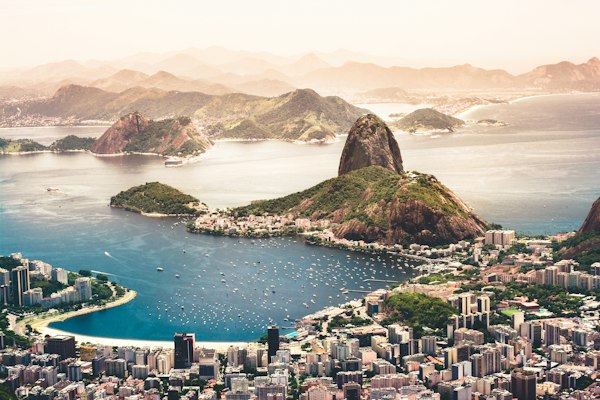
Brazil · Cidade Maravilhosa
America spans every climate zone on Earth. Timing your trip by region makes all the difference between good and extraordinary.
Summer is prime time for the USA and Canada — national parks are accessible, weather is warm, and the Canadian Rockies are at their most stunning. New England's fall foliage (September–October) is world-famous. New York, Chicago, and the West Coast are excellent year-round.
The dry season in South America coincides perfectly with winter in Australia. The Inca Trail in Peru is ideal for trekking between April and September, while Patagonia shines from November to March. The Amazon can be visited throughout the year; however, river levels are highest during the wet season (December to May), offering outstanding opportunities for wildlife viewing.
The Caribbean and Central America shine in the dry season. Mexico's Yucatán is great October through May. Avoid hurricane season (June–November) for Caribbean islands. Costa Rica's wildlife is phenomenal in the dry season when animals concentrate near water sources.
Four distinct travel regions, each with its own personality, pace, and highlights. Understanding the regions helps you plan a smarter, richer trip.

The USA and Canada offer world-class cities (New York, San Francisco, Vancouver, Toronto), legendary national parks (Yellowstone, Grand Canyon, Banff), and the ultimate road trip culture. Australia's US visa system (ESTA) makes travel seamless. Canada requires an eTA. Easy to self-drive, excellent infrastructure throughout.
Peru, Argentina, Chile, Colombia, Ecuador, and Brazil are the headline acts. South America rewards the adventurous — Machu Picchu and the Sacred Valley, Torres del Paine's granite towers, the Galápagos Islands' unique wildlife, Buenos Aires' tango and steak culture, and the sheer scale of the Amazon Basin are experiences unlike any other.

Mexico is one of the world's great travel destinations — ancient Aztec and Mayan sites, sensational cuisine, diverse ecosystems from jungle to desert, and some of the world's best beaches at Tulum, Puerto Vallarta, and the Riviera Maya. Costa Rica, Belize, and Guatemala offer extraordinary biodiversity and Mayan heritage on a smaller scale.

Cuba, Jamaica, Barbados, the Dominican Republic, and dozens of smaller island nations offer the quintessential sun-and-sea escape. Cuba is in a category of its own — vintage cars, crumbling colonial grandeur, extraordinary music, and a genuinely unique political-cultural experience. The Caribbean's diving is world-class: Belize's Blue Hole is legendary.
These are the bucket-list experiences that make the Americas one of the world's great travel destinations.
Trek four days through cloud forest and Andean passes to arrive at sunrise above the Lost City of the Inca. One of the world's great walks — permit numbers are strictly limited.
May – September Best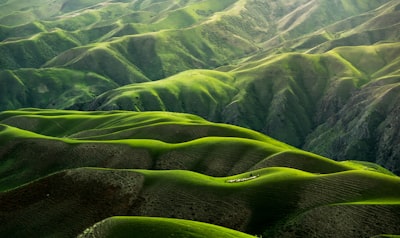
The W Trek in Torres del Paine is regarded as one of the world's top five hikes. Jagged granite towers, electric-blue glaciers, condors, and pumas in one extraordinary national park.
Nov – March Best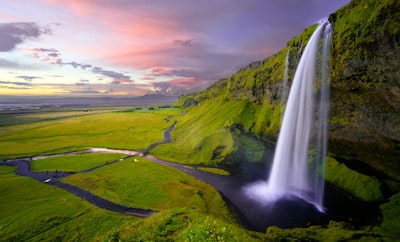
Drive the Icefields Parkway between Banff and Jasper — arguably the world's most scenic road. Turquoise glacial lakes, grizzly bears, elk, and soaring mountain walls at every turn.
June – September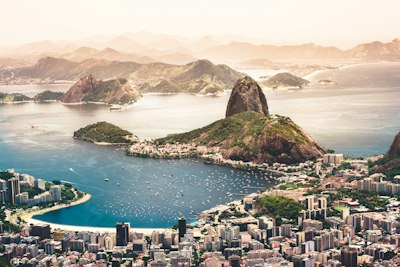
Stand atop Sugarloaf Mountain, samba at Lapa, swim at Ipanema, and join the world's greatest party during Carnival. Rio is pure energy, colour, and Brazilian soul.
Year-round
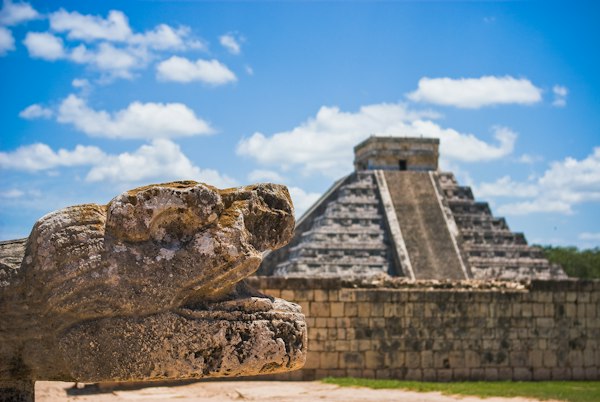
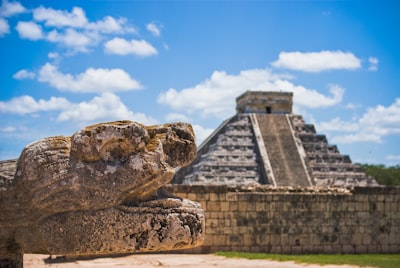
Chichén Itzá, Teotihuacán, Palenque, and Tulum — Mexico's Mayan and Aztec archaeological sites rival anything in the ancient world, often set against dramatic jungle or coastal backdrops.
History & Culture
The High Line, MoMA, Central Park, Brooklyn Bridge, world-class food from every cuisine on Earth — New York delivers more experiences per square kilometre than anywhere on the planet.
Year-round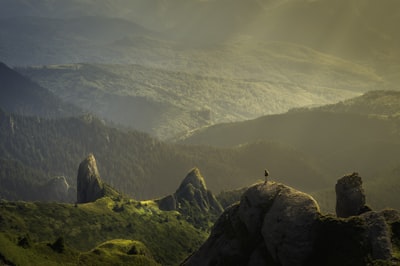
Boat deep into the world's greatest rainforest — spot pink dolphins, anacondas, macaws, and caimans. A river cruise or jungle lodge stay in the Amazon is an experience like no other on Earth.
Wildlife
Darwin's living laboratory — snorkel with sea lions, meet giant tortoises, and watch blue-footed boobies perform their comical mating dance. Wildlife here has no fear of humans.
Year-roundFrom Brisbane, America is surprisingly accessible — particularly the US West Coast. Multiple airlines offer competitive fares across the Pacific.
Most of America are relatively straightforward for Australian passport holders. Many countries offer visa-free or easy electronic travel authorisation.
| Destination | Visa Required? | Type | Notes |
|---|---|---|---|
| USA | ✓ ESTA Required | ESTA (online) | Apply at esta.cbp.dhs.gov. USD $21. Valid 2 years / multiple entries. Apply at least 72 hrs before travel. |
| Canada | ✓ eTA Required | eTA (online) | CAD $7. Required for air travel. Linked to your passport. Apply at canada.ca. Usually approved instantly. |
| Peru | ✓ Visa Free | Visa-free 183 days | No advance application. Passport must be valid 6 months beyond stay. Note: Inca Trail permits book out early. |
| Argentina | ✓ Visa Free | Visa-free 90 days | Extendable once. Note the unofficial "blue dollar" exchange rate — use official exchange or authorised providers. |
| Brazil | ✓ Visa Free | Visa-free 90 days | Brazil reintroduced visa-free access for Australians in 2024. Yellow Fever vaccination certificate recommended. |
| Mexico | ✓ Visa Free | Visa-free 180 days | Fill in the tourist card (FMM) on arrival. Ensure it's stamped — you'll need it on departure. |
| Chile | ✓ Visa Free | Visa-free 90 days | No advance application needed. Strict biosecurity on arrival — declare all food items. |
| Colombia | ✓ Visa Free | Visa-free 90 days | Colombia has transformed into a top-tier destination. Medellín, Cartagena, and the coffee region are outstanding. |
The Inca Trail to Machu Picchu sells out up to 12 months in advance. The site itself now requires time-slotted entry tickets. Book permits and accommodation in Aguas Calientes well ahead of your travel date.
If your itinerary passes through the USA — even as a transit stop — you need an ESTA. Apply at esta.cbp.dhs.gov at least 72 hours before departure. It's USD $21 and valid for 2 years.
Cusco, La Paz, and Quito sit above 3,000 metres. Arrive a day or two early before big hikes, stay hydrated, avoid alcohol initially, and ask your doctor about altitude medication. Don't fly straight from sea level and immediately trek.
The Americas are vast — don't try to cover everything. A classic combination: Lima → Cusco → Machu Picchu → Buenos Aires → Patagonia works beautifully. Or combine a US city with a national park road trip. Focus on depth, not breadth.