How do the 2026 Machu Picchu tickets work?
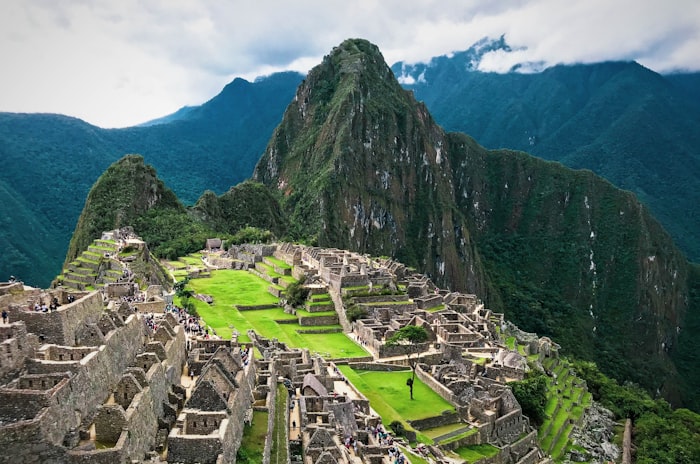
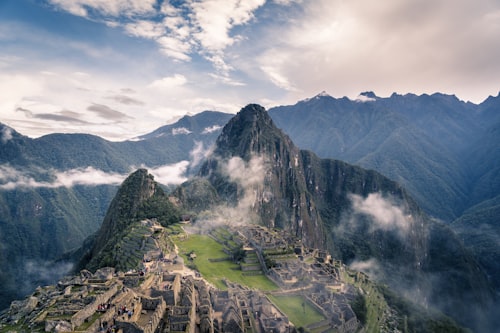
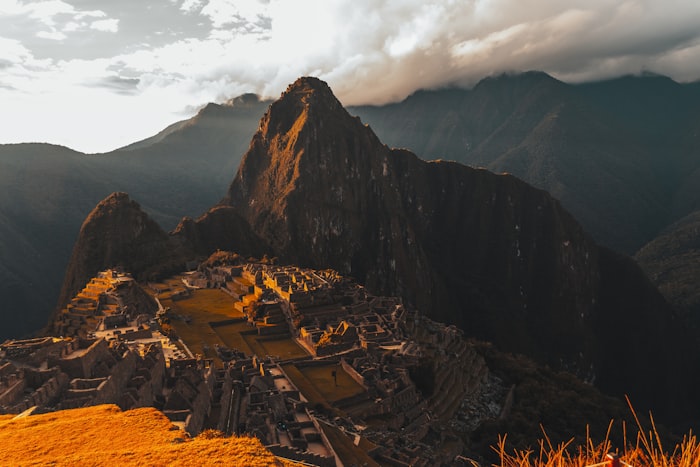
The citadel is now organised into three main circuits split into 10 colour-coded sub-routes (Red, Blue, Yellow signage). You choose ONE circuit at booking — no switching once inside. Circuit 1 covers the upper/classic postcard view; Circuit 2 offers the fullest tour of the site (our pick for first-timers); Circuit 3 explores the lower residential areas. A guide is mandatory under 2026 rules. Book at least 60 days ahead via the official Ministry of Culture site or an authorised agency. Tickets have a 3-hour reservation window once selected.
Does the Inca Trail permit include Machu Picchu entry in 2026?
Yes — following a November 3, 2025 Ministry of Culture announcement. All 2026 Inca Trail permits now automatically include Machu Picchu entry covering Circuit 1-1B (the upper classic postcard viewpoint) plus Circuit 3-3B (complete exploration of the lower citadel). The permit price rose approximately USD $50 to cover this. Previously (from June 2025 to November 2025), hikers had to buy a separate citadel ticket, which caused widespread confusion and left some hikers without valid entry — that system has been reversed for 2026.
How many days do you need for Machu Picchu?
Four days minimum for the Machu Picchu + Cusco + Sacred Valley region — one day acclimatising in Cusco, one day Sacred Valley, two days Machu Picchu and return. Five to seven days is the sweet spot, especially if you're doing an alternative trek (Salkantay, Lares, or 2-day Inca Trail). The classic 4-day Inca Trail needs a full week on the ground once you include Cusco acclimatisation and post-trek recovery. For combining with Amazon or Lima: 10–14 days is the classic Australian trip.
What's the best time to visit Machu Picchu?
April–May (end of wet season) and September–October (end of dry season) are the two sweet spots — mild temperatures, fewer crowds than peak, and green landscapes. June–August is peak dry season but also peak crowds and highest prices. November–March is wet season with cloud, rain, and potential landslide closures — but lower prices and far fewer tourists. The Inca Trail closes entirely in February for maintenance. Salkantay is also effectively closed Nov–Mar due to landslide risk.
How do I get to Machu Picchu from Australia?
Sydney/Brisbane/Melbourne to Santiago (Chile) direct on LATAM/Qantas (~13 hrs), then connect to Lima (~4 hrs), then Lima to Cusco (1 hr). From Cusco: train to Aguas Calientes (3.5–4 hrs) + bus up to Machu Picchu (25 min) — or hike an alternative trek. Total travel time from Australia: ~30 hours. From AUD $3,000 return for flights; add AUD $700+ for Cusco-Machu Picchu logistics (train + bus + citadel ticket + guide).
How much does a Machu Picchu trip cost?
For a couple from Australia: AUD $8,000–$14,000 for 10–14 days combining Machu Picchu + Cusco + Sacred Valley + Lima: $3,000 flights, $1,200 hotels, $800 Cusco-Machu Picchu train/bus/tickets, $600 food, $1,000–$2,500 guided tours or trekking. Classic 4-day Inca Trail adds USD $800–$1,500 pp through an authorised operator. Luxury trips (Hiram Bingham train, Belmond Sanctuary Lodge at MP) easily double this. Budget travellers can do the whole Peru trip for AUD $4,500 per person including one trek.
Do I need to worry about altitude sickness?
Yes — Cusco sits at 3,400 metres, higher than most Australians have experienced. Spend 2+ nights acclimatising in Cusco before any trek or strenuous activity. Drink coca tea (legal, widely available), stay hydrated (3+ litres/day), avoid alcohol the first day, eat light meals. Prescription altitude medication (acetazolamide/Diamox) helps — ask your GP 6 weeks ahead. Machu Picchu itself is only 2,430 m — lower than Cusco — so the altitude challenge is the Sacred Valley, not the citadel.
Which trek to Machu Picchu is best?
The Classic 4-day Inca Trail is iconic — the only route that arrives through the Sun Gate, but books out 6+ months ahead with 200 tourist permits daily. The Salkantay Trek (4–5 days) is the top alternative — dramatic snow peaks, no permit cap, slightly cheaper. The Lares Trek (3–4 days) is quieter and more culturally focused, passing Quechua communities. 2-day Inca Trail is a shortened version for time-pressured travellers. For non-hikers: train from Ollantaytambo is a perfectly good (and comfortable) way to reach Machu Picchu.
Is Huayna Picchu worth the climb?
Yes — if you have the knees for it. 600 steep, exposed stone steps up to a viewpoint above the citadel. Only 200 permits daily in two time slots (7am and 10am). Book 3–6 months ahead. Closed for all of June 2026. Not recommended for anyone with vertigo, recent knee issues, or mild altitude sickness. Machu Picchu Mountain is a less-famous alternative — higher (3,082 m), longer hike, easier on the knees, and easier to book.
Can I combine Machu Picchu with the Amazon?
Yes — this is the classic Australian Peru trip. From Cusco, a 45-minute flight takes you to Puerto Maldonado (Tambopata Amazon). 14-day itinerary: Lima (1 night) → Cusco + Sacred Valley (4 nights) → Machu Picchu (overnight in Aguas Calientes) → back to Cusco → flight to Puerto Maldonado → Tambopata Amazon lodge (4 nights) → Lima → home. See our Peru 14-day itinerary for the detailed breakdown.