Central America is the planet's most concentrated eco-adventure destination. Here's how to experience its wildlife and wild places at their most spectacular.
🦥
Wildlife Watching in Costa Rica
Costa Rica — Year-round
Costa Rica contains an improbable 5% of the world's biodiversity in 0.03% of its landmass. The Osa Peninsula's Corcovado National Park is the crown jewel — primary rainforest accessible only on foot or by boat, with jaguar, tapir, scarlet macaw, and all four monkey species. Tortuguero on the Caribbean coast is the world's most important nesting site for green sea turtles (July–October). Manuel Antonio offers easy wildlife access — sloths, capuchins, and white-faced monkeys metres from the beach.
Pack a lightweight rain jacket regardless of the season — "cloud forest" is not a metaphor. The best wildlife guides are worth every cent.
🌋
Volcano Hiking & Lava
Costa Rica, Guatemala, El Salvador
Central America sits atop the Pacific Ring of Fire — volcanoes are not a geological footnote but a defining geographic fact. In Costa Rica, Arenal's perfect cone and Poás's acid lake crater are accessible on day trips. Guatemala's Volcán de Fuego (Volcano of Fire) is one of the world's most active — you can watch lava flowing down its flanks from the summit of neighbouring Acatenango. El Salvador's Santa Ana is a crater lake of extraordinary turquoise — the hike up takes two hours through cloud forest.
Acatenango overnight trekking (Antigua base, pre-dawn summit) is Central America's single most dramatic adventure experience. Book a guide — the trail is steep and the top is cold.
🐢
Sea Turtle Nesting Expeditions
Costa Rica, Belize, Trinidad — Seasonal
Watching a 200kg leatherback sea turtle emerge from the Caribbean at 2am, dig her nest by instinct unchanged in 100 million years, and return to the sea is among the most profound natural experiences available to travellers. Costa Rica's Tortuguero (July–October, green turtles), Playa Grande (Oct–March, leatherbacks), and Trinidad's Grande Riviere (March–July, world's densest leatherback nesting beach) each offer guided night tours with trained conservation guides.
Torch use is strictly controlled — guides use red-filtered lights only. Do not use phone screens near nesting beaches. Book tours through official conservation programmes, not unregulated operators.
🤿
Belize Reef & Dive Experience
Belize — November to April Peak
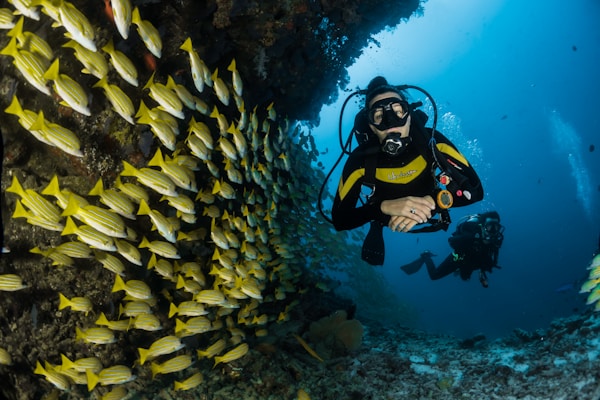
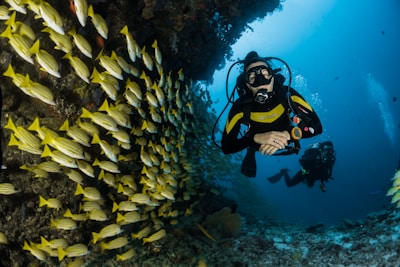
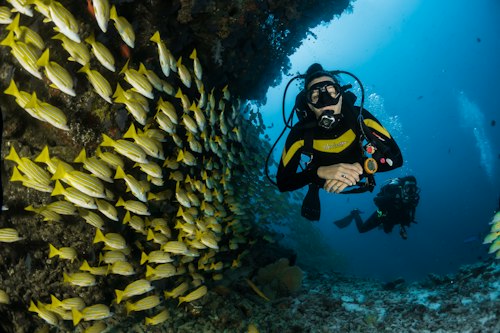
The Belize Barrier Reef — 1,000km long, the second largest in the world — offers some of the Western Hemisphere's finest diving and snorkelling. The Hol Chan Marine Reserve near Ambergris Caye is a beginner-friendly snorkel site with nurse sharks and stingrays. Shark Ray Alley delivers exactly what it promises. The Turneffe Atoll offers wall diving and marine life density comparable to the Great Barrier Reef. Ambergris Caye's San Pedro is low-key, walkable, and excellent value.
Fly to San Pedro (Ambergris Caye) on a domestic Tropic Air flight from Belize City — 15 minutes, far better than the two-hour water taxi. Book dive liveaboards to the outer atolls at least 2 months ahead.
🚣
Kayaking & River Adventures
Costa Rica, Guatemala, Belize
Central America's rivers are arteries into its wildest places. Costa Rica's Pacuare River is consistently ranked among the world's top ten white-water rafting runs — three days through primary rainforest accessible only by water, camping at an eco-lodge mid-river. Guatemala's Lake Atitlán — three volcanoes reflected in a caldera lake at 1,560m altitude — is kayaked at dawn before the afternoon winds rise. Belize's cave tubing through Actun Tunichil Muknal (ATM Cave) drifts through an underground Maya ceremonial site.
Pacuare River lodges book out months ahead — if this is on your list, plan it first. The river runs year-round but is most exciting in the wet season (June–October).
🦜
Birdwatching — A Paradise Region
Costa Rica, Guatemala, Panama
Central America is among the world's premier birdwatching destinations — the resplendent quetzal (the iridescent green-and-red bird of Maya mythology) is the region's most sought species, found in Guatemala's cloud forests and Costa Rica's Monteverde. Panama's Pipeline Road near the Canal is considered the world's best single-day birdwatching site — over 300 species recorded on one trail. Costa Rica has over 900 species — more than the entire United States and Canada combined.
The resplendent quetzal is best seen in Guatemala's cloud forests between December and April during mating season, when males display their spectacular metre-long tail feathers.