🇫🇮 Finland · Suomi · Land of 188,000 Lakes · 3.3M Saunas · Sisu

The Lakes.
The Sauna. The Silence
That Is Not Awkward.

Finland has 188,000 lakes. It has more sauna rooms than cars. It has a word — sisu — that translates approximately as stoic determination in impossible conditions, and the Finns consider this a personality trait rather than an aspiration. The guide’s Finland briefing begins here: this is a country that has turned silence into a social grace, winter into a cultural event, and the lake into the unit of measurement for everything else.

188,000
Lakes · More Lakes Per km² Than Any Country · 10% of Finland is Water
3.3M
Sauna Rooms · 5.5M People · More Saunas Than Cars · National Institution
−30°C
Lapland Winter Minimum · Then Jump in a Frozen Lake · The Guide Goes First
~22 hrs
Sydney to Helsinki · Via Singapore or Dubai or London
Visa Free
Australians · Schengen Area · 90 Days · No Application Required
🇫🇮 Finland
Republic of Finland · Suomi · 338,455 km² · 5.5 Million People · 188,000 Lakes · 75% Forest

Finland — The Country That Considers
Silence a Positive Social Condition
and Has the Lakes to Prove the Point

Finland (Suomi — the Finnish name for the country — the Republic of Finland — 338,455 km² — 5.5 million people — the most sparsely populated country in the European Union outside of Sweden — 188,000 lakes (approximately one lake per 26 people — 10% of the country’s total area is water — more lakes per unit area than any country on Earth — the guide’s lake statistic: “the guide has spent 15 years in Finland and has not been more than 15km from a lake at any point during those 15 years — the guide has checked”) — 75% of the land surface is boreal forest (the taiga — the largest biome on Earth — the specific Finnish word for the forest: metsä — the guide’s metsä briefing: “the Finnish relationship with the forest is not recreational — it is constitutional — every Finnish citizen has the right of access to the forest under jokamiehen oikeudet (everyman’s rights) — the guide walks into the Finnish forest without asking permission and considers this a fundamental expression of the national character that the visitor needs to understand before they can understand anything else about Finland”)) is the country that has been consecutively ranked the world’s happiest country in the World Happiness Report for seven consecutive years (2018–2024 — the guide’s happiness briefing: “the Finns consider the happiness ranking slightly embarrassing — not because they dispute it — but because drawing attention to happiness as an achievement contradicts the Finnish cultural position that contentment is not a goal but a baseline — the guide considers this the most psychologically sophisticated national relationship to wellbeing available in Europe”).

Finland’s four primary visitor regions: Helsinki and the Archipelago (the capital — the world’s most design-conscious city per capita — the Senate Square — the Market Square — the Suomenlinna sea fortress (UNESCO) — the Finnish archipelago (the world’s largest — approximately 40,000 islands between the mainland and Sweden) — the Aalto architecture — the design district). The Finnish Lake District (Lakeland — the vast network of lakes, rivers, and canals in central and eastern Finland — Saimaa (the largest lake in Finland and the fourth-largest natural freshwater lake in Europe — 1,147 km² — with an additional 13,710 km² of smaller connected water bodies forming the Saimaa system) — Savonlinna (the castle — the opera festival — the guide’s castle opera briefing) — the smoke sauna (savusauna — the original Finnish sauna form — the guide’s sauna programme)). Lapland (the Northern Lights — the midnight sun — Rovaniemi and the Santa Claus Village (at the official Arctic Circle crossing) — Saariselkä — Inari and the Sámi people — the reindeer — the husky safari — the ice fishing — the snowmobile — the polar night). The Finnish coast and Tampere (Tampere — the inland city on the rapids between two lakes — the second city — the Pyynikki ridge — the Tampere sauna experience — the Turku archipelago coast).

✅ Finland Practical Essentials
  • Visa: Australian passport holders do NOT require a visa for Finland. Finland is a member of the European Union and the Schengen Area — Australian citizens can enter the Schengen Area visa-free for up to 90 days within any 180-day period. Present the Australian passport at Helsinki-Vantaa Airport (HEL) immigration on arrival — the stamp is issued automatically. The 90-day Schengen allowance covers Finland, Norway, Sweden, Denmark, Iceland, and all other Schengen countries combined — if the visitor is combining Finland with other Schengen countries the guide counts the days collectively. Finland uses the Euro (€ — the guide’s currency note: “Finland is the only Nordic country to use the Euro — Norway, Sweden, and Denmark all have their own currencies — the guide considers this the most practically useful piece of Finnish exceptionalism available for the visitor combining the Nordic countries”).
  • Getting there: Sydney to Helsinki-Vantaa (HEL) via Singapore (Singapore Airlines — approximately 8 hours Sydney to Singapore, approximately 12 hours Singapore to Helsinki — total approximately 21–23 hours) or via Dubai (Emirates — similar total time) or via London (approximately 24 hours total). Finnair also operates direct connections from Singapore and various European hubs. Helsinki is also served by a fast train connection to Tallinn, Estonia (the Helsinki–Tallinn ferry — 2.5 hours — the guide’s Baltic combination: Finland + Estonia in a single programme). Internal Finnish flights: Finnair operates Helsinki to Rovaniemi (1.5 hours — the Lapland gateway), Helsinki to Ivalo (2 hours — the Inari/Sámi gateway), Helsinki to Kittilä (1.5 hours — the ski resort gateway). The guide books all internal flights as part of the programme.
  • Sauna: the Finnish sauna is not an optional activity in Finland. The guide’s sauna position delivered at the first briefing: “Finland has 3.3 million sauna rooms for 5.5 million people — approximately one sauna per 1.7 people — the sauna is where Finns conduct business negotiations, where cabinet ministers have historically held informal discussions, where babies were traditionally born (the sauna was the cleanest room in the farmhouse), where the dead were laid out before burial, and where the guide has spent more cumulative hours than in any other single room in Finland — the visitor who skips the sauna has skipped the most Finnish experience available — the guide considers this the most consequential programme decision available in Finland and makes it non-optional in the standard programme”. The sauna protocol: naked (the Finns do not wear swimwear in the private sauna — the guide provides the cultural context — public saunas have separate sessions for men and women or mixed sessions in contemporary urban establishments — the guide navigates this for each group according to composition), the löyly (the steam produced by throwing water on the hot stones — the guide throws the first ladle — the temperature: 80–100°C — the guide’s instruction: “breathe slowly through the nose — the first 30 seconds are the body’s adjustment — after 30 seconds the heat is a different kind of warm”), the lake (the cooling — after the sauna the Finns go directly into the lake or, in winter, a hole in the ice — the guide goes first — every time).
  • Finnish silence: the guide’s cultural briefing on Finnish silence — delivered on the first evening: “Finns are comfortable with silence in a way that is unfamiliar to most Australian visitors — silence in a Finnish social situation is not awkward — it is respectful — it means the person is considering what they are going to say before they say it — the Finnish proverb: ‘a fool speaks — a wise man thinks’ — the guide’s cultural instruction: if a Finn is silent in your presence it means they respect you enough to think before speaking — the guide asks the group to resist the Australian instinct to fill Finnish silence — the guide has been making this request for 15 years — the compliance rate is approximately 40% on the first day and 85% by Day 3 — the guide considers this trajectory the most culturally educating available in the programme”.
  • Seasons: Finland has five seasons — the guide’s seasonal classification: winter (December–February — Northern Lights — polar night in Lapland — ice fishing — husky safari — the frozen lake), spring (March–May — the light returning — the snow still on the ground — the last cross-country skiing — the first open water), summer (June–August — midnight sun above the Arctic Circle — the midsummer festival (Juhannus) — the lake cottage culture — the archipelago), autumn (September–October — the ruska (the Finnish autumn colour — the birch and rowan turning gold and red in Lapland — the guide’s ruska position: “the ruska in Finnish Lapland in the first two weeks of September is the guide’s most frequently recommended Finland experience to the visitor who cannot decide between summer and winter — it has both the last warmth and the first light”)), and the fifth season: the polar night (kaamos in Finnish — the period above the Arctic Circle when the sun does not rise — at Rovaniemi (66°N — the Arctic Circle) the polar night lasts approximately 2 weeks — at Inari (69°N) approximately 7 weeks).
Six Essential Finland Destinations

From Helsinki to the Arctic Circle

Finland’s geography moves from the Baltic-facing design capital through the vast lake interior to the Arctic wilderness of Lapland — three completely distinct environments within a single programme.

Helsinki Finland Senate Square cathedral harbour market Suomenlinna
Helsinki — The Design Capital
🏠 Senate Square · Market Square · Suomenlinna · Aalto · Design District

Helsinki (Helsingfors in Swedish — the capital of Finland — 660,000 people in the city, 1.5 million in the metropolitan area — founded in 1550 by King Gustav Vasa of Sweden — the youngest capital in Europe at the time of Finland’s independence (1917) — the guide’s Helsinki character briefing: “Helsinki is a capital city that has not been embarrassed by its size — it has approximately the population of Adelaide and the cultural output of a city three times larger — the guide considers this the most favourable available ratio between city size and cultural confidence in Northern Europe”) is the standard entry point for the Finland programme and a city that consistently rewards visitors who arrive expecting a transit hub and find instead a coherent, walking-scale design capital. The Senate Square (Senaatintori) (the neoclassical heart of the city — the Helsinki Cathedral (Tuomiokirkko — the white Lutheran cathedral with the distinctive green dome — built 1830–1852 — the guide’s cathedral briefing: “the Helsinki Cathedral is the most photographed building in Finland — the guide has been photographed in front of it with 400+ groups — the guide considers it extremely photogenic and does not consider its popularity a mark against it”) — the steps (the 50 granite steps from the square to the cathedral entrance — the most used urban sitting surface in Helsinki — the guide’s Senate Square step briefing: “the steps are used by every Finn in Helsinki as the default public sitting position — the guide eats lunch on the steps — the guide has done this every Helsinki programme for 15 years — the lunch is a Karelian pastry (karjalanpiirakka) from the market — the guide does not eat the lunch in a restaurant on this specific occasion”)). The Suomenlinna (the sea fortress — UNESCO World Heritage 1991 — the archipelago fortress on six interconnected islands a 15-minute ferry from the Market Square — the guide’s Suomenlinna ferry briefing: “the ferry to Suomenlinna is a public Helsinki city ferry — it costs the same as a city bus ticket — it crosses the Baltic Sea — the guide considers this the best-value maritime crossing available in Finland and uses it every programme”) — built from 1748 by the Swedish Empire — subsequently Swedish, Russian (1808–1917), and Finnish — the guide’s Suomenlinna historical briefing: “the fortress was built by the Swedes to defend against Russia, was handed to Russia without a fight in 1808 despite being the most expensive defensive construction in Swedish history, was used by Russia for 109 years, and is now a UNESCO-listed community of 800 permanent residents and the most visited tourist site in Finland — the guide considers this the most comprehensive architectural career change available in European military history”). The Design District and Alvar Aalto (the guide’s Helsinki design briefing: “Finnish design — Iittala glass — Marimekko textiles — Artek furniture — the Alvar Aalto architectural legacy — the Finlandia Hall (1971) — are all expressions of the same Finnish design philosophy: function is the foundation and beauty is the consequence — the guide considers this the most honest available design principle and has been saying this since 2010”)).

  • Helsinki Cathedral · 400+ group photographs · guide considers popularity not a mark against it
  • Senate Square steps · Karelian pastry lunch · guide’s 15-year lunch position · not in a restaurant this day
  • Suomenlinna UNESCO · city ferry ticket price · best-value Baltic crossing · most comprehensive career change in military history
  • Design District · Iittala · Marimekko · Aalto · “function is the foundation · beauty is the consequence”
  • Market Square (Kauppatori) · salmon soup · strawberries · the guide’s market routine since 2009
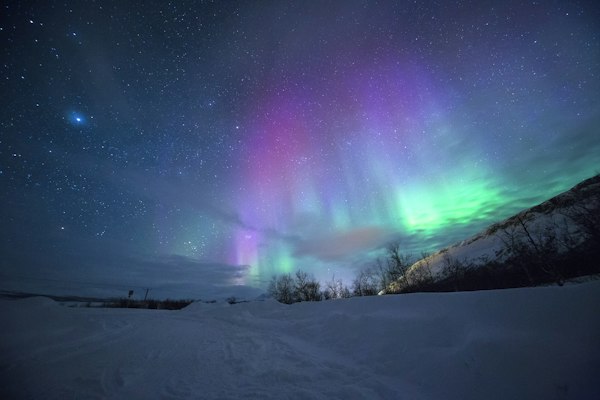
Lapland Finland Northern Lights aurora borealis snow forest Rovaniemi husky
Lapland — The Aurora & the Ice
❄ Northern Lights · Rovaniemi · Husky Safari · Reindeer · Polar Night

Finnish Lapland (the northernmost region of Finland — approximately 100,000 km² — the area north of the Arctic Circle (66°33’N) — 180,000 permanent residents in an area larger than Portugal — Rovaniemi as the regional capital (the “official hometown of Santa Claus” — the guide’s Santa briefing: “the Santa Claus Village at the Arctic Circle crossing in Rovaniemi was established in 1985 for Eleanor Roosevelt’s visit to Finland — the marketing infrastructure that followed has produced one of the most successful regional tourism economies in the Nordic countries — the guide visits the Village with groups that include children and describes the experience with full cultural respect — the guide visits with groups that do not include children and describes the economy with full analytical respect — in both cases the Arctic Circle crossing itself (the specific latitude — 66°33’N — the guide stands on the line and describes what is geographically different on each side) is the guide’s preferred programme element regardless of the visitor’s relationship to Santa”)) is the primary destination for Australian visitors to Finland and the region that most completely delivers on the Finland that the visitor imagines before arrival. The Northern Lights in Lapland (the guide’s Lapland aurora programme: the dark-sky locations around Saariselkä and Inari — north of Rovaniemi by 250km — the darkest available Finnish sky — the guide’s aurora monitoring: “the guide uses the Finnish Meteorological Institute aurora forecast (the most accurate available source for Finnish Lapland aurora prediction — the guide has been using it since 2011 and has not found a more locally calibrated service) — the forecast is checked at 9pm and 1am — the group is woken for KP3+ activity — the guide’s Saariselkä aurora probability: approximately 60–70% of clear nights in October through March produce visible aurora — the guide presents this as a probability rather than a promise and has not found the distinction difficult to explain”)). The husky safari (the guide’s husky programme: the 2-hour forest route from the kennel — 6–8 Siberian huskies per sled — the guide’s mushing briefing: “the huskies have been waiting since 4am — the sound they produce when the harnesses are attached is not a sound the guide can accurately describe before the visitor hears it — it is approximately the sound of animals that have been given permission to do the thing they most want to do — the guide considers this the most enthusiastic available briefing on a sporting activity in the Finnish programme”) and the reindeer safari (the Sámi and Finnish reindeer herding tradition — 200,000 reindeer in Finnish Lapland — the guide’s reindeer briefing: “the reindeer is to Finnish Lapland what the sheep is to rural Australia — the animal that defines the economy and the landscape simultaneously — the difference is that the reindeer is semi-wild and the Finnish reindeer herder has a personal relationship with each animal that the guide finds more complex and more interesting than most human-animal relationships available for observation in the programme”)).

  • Santa Claus Village · 1985 for Eleanor Roosevelt · guide’s Arctic Circle crossing regardless of Santa relationship
  • Saariselkä aurora · 60–70% clear-night probability · Finnish Met Institute forecast · guide since 2011
  • Husky safari · “the sound of animals given permission to do what they most want to do”
  • 200,000 reindeer in Finnish Lapland · semi-wild · herder’s relationship more complex than most human-animal
  • Ice fishing · drill through the ice · the guide’s ice thickness briefing · 30cm minimum · the guide checks
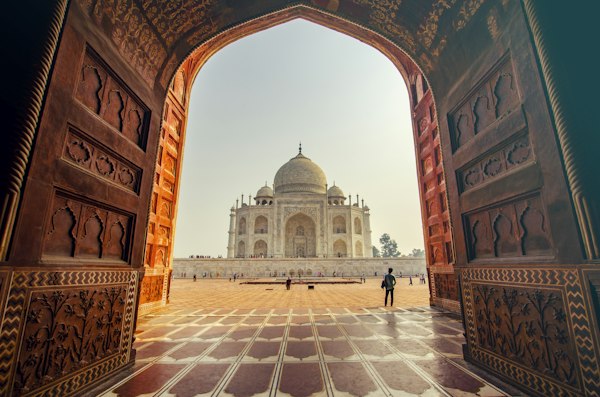
Finnish Lake District Saimaa lake cottage sauna summer Finland midsummer
The Finnish Lake District
🌎 Saimaa · Savonlinna Castle · Smoke Sauna · Midsummer · Lake Cottage

The Finnish Lake District (Järvi-Suomi — Lake Finland — the vast network of lakes, waterways, rivers, and canals in south-central and eastern Finland — the lakes connected by a system of natural and artificial waterways that historically allowed navigation from the Gulf of Finland inland as far as Russia — the Saimaa lake system (Lake Saimaa — 1,147 km² — the fourth-largest natural freshwater lake in Europe — surrounded by a further 13,710 km² of connected smaller lakes and waterways forming the Saimaa system — the guide’s Saimaa scale briefing: “Saimaa is the fourth-largest natural freshwater lake in Europe — the guide finds the European ranking underwhelming for a lake that you can canoe through for three weeks without seeing the same shoreline twice — the guide recommends experiencing Saimaa before accepting the ranking as its most important characteristic”) — containing the Saimaa ringed seal (Pusa hispida saimensis) — one of the most endangered seals on Earth — approximately 400 individuals remaining — found only in Lake Saimaa — the guide’s Saimaa seal briefing: “the Saimaa ringed seal has been landlocked in Lake Saimaa since the last Ice Age — isolated from the Baltic Sea for approximately 10,000 years — it has evolved into a distinct subspecies in that time — the guide has seen the seal on 8 of 15 Saimaa programmes — on each occasion the group has reacted in a way that suggests the seal’s rarity is understood physically rather than statistically”)) is the region the guide describes as “the Finland that Finns actually inhabit — the cottage (mökki — the summer cottage on the lake — approximately 500,000 cottages in Finland — one cottage per 11 people — the Finnish summer migration to the mökki is the most reliable annual population movement in Europe — the guide considers the mökki experience the most specifically Finnish programme available and arranges private mökki access for Cooee Tours groups as the centrepiece of the Lake District programme”). Savonlinna and Olavinlinna Castle (the castle — the 15th-century water fortress on a small island in the Saimaa system — the guide’s castle briefing: “Olavinlinna was completed in 1475 — it has been besieged multiple times — it was never taken — it was handed over diplomatically on each occasion — the guide presents this as the most consistent pattern in Finnish military history and as the most Finland-appropriate available response to a siege” — the Savonlinna Opera Festival (the annual opera in the castle courtyard — July — the guide’s opera briefing: “opera performed in a 15th-century castle on a lake island in Finland in July — the sun still partly above the horizon at 11pm — the guide has attended 12 Savonlinna Opera Festival performances — the guide does not have a favourite opera — the guide has a favourite castle acoustics”)).

  • Saimaa ringed seal · ~400 individuals · landlocked 10,000 years · guide seen 8 of 15 programmes · physically understood
  • Mökki (lake cottage) · 500,000 cottages · one per 11 people · guide arranges private access · most specifically Finnish programme
  • Olavinlinna Castle · never taken · handed over diplomatically each time · most Finland-appropriate response to a siege
  • Savonlinna Opera Festival · July · castle courtyard · 12 performances attended · guide has a favourite acoustics not opera
  • Smoke sauna (savusauna) · the original form · guide’s lake cottage programme centres on this
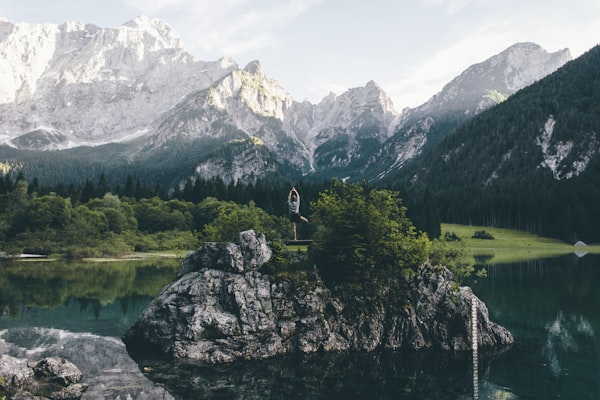
Finnish midsummer Juhannus bonfire lake midnight sun solstice celebration
Midsummer — Juhannus
☀ Summer Solstice · Bonfire · Midnight Sun · Finnish National Holiday · The Correct June

Juhannus (the Finnish Midsummer — the summer solstice celebration — the Friday and Saturday nearest to 24 June — the second most important holiday in Finland after Christmas — the guide’s Juhannus position: “Juhannus is the holiday that most clearly explains the Finnish relationship to the sun — the country that has had the sun taken away for 5 months a year for the entirety of its history knows how to celebrate its return — the guide has attended Juhannus 15 times — the guide’s count of things that consistently happen at every Juhannus: the bonfire (the kokko — the midsummer bonfire on the lake shore — the size of the bonfire is a point of community pride — the guide has seen bonfires that were visible from 3km across the lake), the sauna, the swim, the silence, and the sun that does not set — the guide considers this the most complete available Finland experience in a single 24-hour period”). The Finnish Midsummer migration (the guide’s Juhannus logistics briefing: “Helsinki on Juhannus Friday is the quietest the city is all year — approximately 80% of Helsinki’s population leaves for the mökki — the city is left to the tourists and the guide — the guide books the Juhannus programme at the mökki rather than in Helsinki because the Helsinki that exists during Juhannus is not the Helsinki the guide programmes — it is a different, quieter Helsinki that the guide finds interesting but not the point of a Finland visit in June”). The midnight sun at Juhannus (at Rovaniemi (66°N — the Arctic Circle) the sun does not set at Juhannus — the guide’s midnight sun at Juhannus: “the guide has watched the midnight sun from a Lapland lake shore on 8 Juhannus nights — the specific quality of the light at midnight in late June in Finnish Lapland — the low angle — the orange-pink on the water — the absolute silence — the guide has not found a more complete available quiet in Finland”). The Juhannus traditions: the kokko bonfire, the sauna, the swim, the sausages cooked over the fire (makkara — the guide’s makkara position: “the Finnish midsummer sausage is the most contextually correct available sausage — the context is everything — the guide considers the makkara over a Juhannus bonfire at midnight in Lapland the finest available single sausage moment in Northern Europe”)), the birch branches in the sauna (the vihta — the bundle of fresh birch branches used to lightly beat the body in the sauna — increasing circulation and scenting the steam with birch — the guide’s vihta briefing: “the vihta is cut fresh on Juhannus morning — the birch must be in full leaf — the guide cuts the vihta at the lake cottage and considers this the most specifically correct morning activity available in Finland”)).

  • Juhannus · 2nd most important Finnish holiday · “the country that had the sun taken knows how to celebrate its return”
  • Bonfire (kokko) visible from 3km · sauna · swim · silence · sun that does not set · 24-hour complete Finland
  • Helsinki Juhannus: 80% of population leaves · guide programmes the mökki · not the empty city
  • Makkara over Juhannus bonfire at midnight in Lapland · “finest available single sausage moment in Northern Europe”
  • Vihta (birch branches) · cut fresh Juhannus morning · guide cuts at the cottage · most specifically correct morning activity
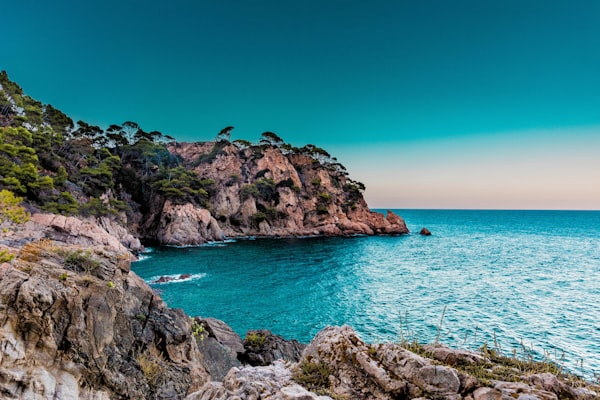
Inari Finland Sámi culture reindeer northern lights Lapland wilderness
Inari & the Finnish Sámi
🦄 Sámi Cultural Centre · Lake Inari · Wilderness · Reindeer · Joik

Inari (the municipality — at 69°N — 300km north of Rovaniemi — the largest municipality in Finland by area (17,321 km² — larger than Kuwait) — with a permanent population of approximately 6,800 people — the guide’s Inari density calculation: “Inari has 0.4 people per km² — which means the guide and the group, standing in the middle of the municipality, are on average 1.5km from the nearest other person — the guide presents this statistic before the silence instruction and considers the two facts to be the same instruction”) is the cultural and geographic centre of Finnish Sámi life — the area where the three Sámi languages spoken in Finland (Northern Sámi, Inari Sámi, and Skolt Sámi — three distinct languages, not dialects — the guide’s language briefing: “the three Sámi languages spoken in Finland are mutually incomprehensible — this is not the equivalent of Australian English and British English — it is closer to the equivalent of English, Dutch, and Swedish — the guide presents this as the first available demonstration that the ‘Sámi’ are not a single cultural group but a collection of distinct peoples sharing a geographic zone and a common history of colonisation”) are spoken and where the SIIDA Sámi Museum (the National Museum of the Finnish Sámi — the guide’s SIIDA briefing: “the SIIDA is the most comprehensive Sámi cultural museum in Scandinavia — the guide spends 2 hours in the SIIDA before any outdoor programme in Inari — the visitor who has been in the SIIDA understands the outdoor programme differently from the visitor who went directly to the reindeer”) is located. Lake Inari (Inarijärvi) (the lake — 1,040 km² — the third-largest lake in Finland — 3,318 islands — the guide’s Lake Inari winter ice briefing: “the ice on Lake Inari in January is approximately 60–80cm thick — the guide drives across the lake — the guide has done this 11 times — the specific sound of a car on the lake ice — the guide describes it as the sound of a surface that is confident about its structural integrity — the group’s relationship to this confidence is the guide’s most reliable indicator of which group members will also ice-fish”)).

  • Inari: 0.4 people/km² · guide and group are on average 1.5km from nearest person · silence and density are the same instruction
  • Three Finnish Sámi languages · mutually incomprehensible · not dialects · closest to English/Dutch/Swedish distinction
  • SIIDA Museum · 2 hours before outdoor programme · understands reindeer differently after
  • Lake Inari · 60–80cm ice · guide drives across · 11 times · “a surface confident about its structural integrity”
  • Joik · in honour of · not about · the distinction (same briefing as Norway · the distinction is correct in both countries)
Finnish archipelago islands Baltic Sea summer boat sailing coast
The Finnish Archipelago
🏴 40,000 Islands · World’s Largest Archipelago · Turku · Åland · Archipelago Trail

The Finnish Archipelago (Saaristo — the world’s largest archipelago by number of islands — approximately 40,000 islands between the Finnish mainland and Sweden — stretching from the Gulf of Finland in the east to the Åland Islands (an autonomous Swedish-speaking Finnish region) in the west — the guide’s archipelago geology briefing: “the Finnish archipelago is the consequence of the same geological process that produced the Norwegian fjords but at a smaller scale and in a different direction — the glacial pressure depressed the Scandinavian crust below sea level — when the ice retreated the land began to rise (isostatic rebound — the process is still ongoing — Finland is rising approximately 6–9mm per year — the guide’s isostatic rebound briefing: “Finland is getting larger every year — new land is emerging from the Baltic Sea at the rate of approximately 7km² per year — the guide has been visiting the same archipelago island for 15 years and the island’s shoreline is measurably different — the guide considers this the most specifically observable geological event available in the Finnish programme”)) — the islands are covered in pine, granite outcrops, and the specific Swedish-Finnish coastal culture of the archipelago fishermen (the guide’s archipelago cultural briefing: “the coastal archipelago communities of southwest Finland are historically Swedish-speaking — the Swedish-speaking Finns (Finlandssvenskar) are a 5% minority with a disproportionate cultural footprint — the guide presents this minority as the most legally secure linguistic minority in Europe — Finland has two official languages (Finnish and Swedish) and the archipelago is where Swedish is primarily visible”)). The Archipelago Trail (the 250km summer cycling route from Turku through the archipelago via ferry — the guide’s trail briefing: “the route crosses 12 ferries — all free — the Finnish understanding of the ferry as an extension of the road — the guide cycles the full trail in 5–6 days and considers it the most consistently beautiful cycling available in the Nordic countries per kilometre of road”). Turku (the former capital of Finland — the oldest city — the guide’s Turku position: “Turku’s relationship to Helsinki is approximately the same as Adelaide’s relationship to Sydney — the former significant city — the city that considers its cultural credentials superior — the city that the guide considers more interesting than the current capital in several specific dimensions and presents both positions honestly to the group”)).

  • 40,000 islands · world’s largest archipelago by count · Finland gaining 7km² of new land per year from isostatic rebound
  • Guide’s island shoreline measurably different over 15 years · most observable geological event in the programme
  • Archipelago Trail · 250km · 12 free ferries · “most consistently beautiful cycling in Nordic countries per km”
  • Åland Islands · autonomous · Swedish-speaking · own flag · tax-free Baltic ferries stop here
  • Turku · former capital · guide’s honest comparison with Helsinki · both positions presented
💡 INSIDER TIP — The Silence Rule and the 85% Day Three Compliance Rate

The guide’s cultural instruction about Finnish silence is delivered on the first evening of every Finland programme — before dinner, in the hotel lobby, before any other cultural briefing. The instruction: “if a Finn is silent in your company it means they respect you enough to consider what they are going to say before they say it — resist the instinct to fill the silence — the guide’s 15-year compliance data: approximately 40% of Australian visitors comply on Day 1 — by Day 3 the compliance rate is approximately 85% — by Day 5 the guide has had groups sitting around a Finnish lake in total silence for 20 minutes and finding this the most restorative available experience in the programme — the guide considers the compliance trajectory the most reliable cultural education available in Finland because it is self-teaching — once the visitor stops filling the silence they discover what the silence contains — which is Finland”. The specific Finnish word for this condition is tykkyys — the guide’s tykkyys definition: “the Finnish capacity for comfortable silence — the ability to be together without speaking — the guide considers tykkyys the most exportable Finnish cultural contribution after the sauna and the mobile phone (Nokia — the guide notes this is historically relevant) and considers it regrettable that it cannot be packaged and brought back to Australia in checked luggage”.

The Finnish Sauna — The Complete Protocol

The Sauna — What Finland’s Most Important Institution Requires of You

The guide’s sauna programme is the centrepiece of the Finland experience. The guide does not frame the sauna as optional. The guide frames it as the room where Finland becomes understandable.

🔥
The Sauna’s Place in Finnish Life
3.3M saunas · national institution · born there · died there · negotiated there

The guide’s sauna cultural briefing — delivered before the first sauna session: “Finland has 3.3 million saunas for 5.5 million people — this is not a statistic about Finnish hygiene infrastructure — it is a statistic about Finnish cultural priorities — the sauna is the room where Finland happens — where business is conducted informally (the Finnish parliamentary sauna — the cabinet has historically held informal discussions in the sauna — the guide considers this the most horizontally democratic available governance structure in Northern Europe), where families gather, where guests are received, where the body is cleaned before significant events, where the mind is cleared after them. The Finnish word for the sauna’s social function is saunakulttuuri — sauna culture — it was added to the UNESCO Representative List of Intangible Cultural Heritage in 2020 — the guide has been presenting the sauna as a cultural institution since 2009 — the guide considers the UNESCO listing validating but not necessary for the position.” The historical role: the sauna was traditionally the first building constructed on a Finnish farm — it was the cleanest, warmest, most sterile room on the property — babies were born in the sauna (the guide’s birth briefing: “the Finnish sauna was used as a delivery room because the combination of heat, clean water, and the specific hygiene properties of the birch smoke (in the smoke sauna) made it the safest available environment for childbirth before modern hospitals — the guide presents this not as an anecdote but as the most practical demonstration of the sauna’s functional centrality to Finnish life”) and the dead were laid out in the sauna before burial. The guide’s summary: “the Finn is born in the sauna, conducts the most important events of their life in the sauna, and is prepared for burial in the sauna — the guide cannot think of another single room in any culture that spans this complete a range of human experience — and the guide has specifically looked.”

🌂
The Löyly — The Steam and the Ritual
Water on hot stones · 80–100°C · the guide throws the first ladle · breathe through the nose

Löyly (the Finnish word — the steam produced by throwing water on the hot stones (kiuas) — one of the few Finnish words that has entered global usage without translation because no equivalent exists) is the guide’s first practical sauna instruction. The guide’s löyly protocol: “the guide throws the first ladle of water on the stones — always — the guide has been throwing the first ladle of every sauna the guide has entered for 15 years — the reason: the first löyly is the most intense — the stones are at maximum heat — the guide knows the intensity and has calibrated the ladle size (typically a full ladle for the Finnish regular sauna — half a ladle for the smoke sauna whose stones retain heat differently) — the guide’s instruction: breathe slowly through the nose for the first 30 seconds — the nose filters the hot air — the mouth is less efficient — after 30 seconds the body has adjusted and the breathing can relax — the guide times the 30 seconds — the guide’s briefing has been delivered to 200+ groups — the guide has not found a group that did not benefit from the 30-second instruction.” The temperature: the guide’s sauna temperature protocol — “the guide maintains the sauna at 80–90°C for the first visit of a new group — regular Finnish sauna users prefer 90–100°C — the guide adjusts upward through the session as the group acclimatises — the guide’s maximum: 110°C (the traditional Finnish upper limit — the guide has reached 110°C in the smoke sauna at the Niinikumpu farm in North Karelia and has not found it necessary to go further — the guide considers 110°C adequate). The essential oils: the guide adds birch tar (terva — the dark resinous substance from birch wood — the guide’s birch tar briefing: “birch tar is the smell of the Finnish sauna — it is the smell that makes the visitor, 20 years later, associate the smell with Finland — the guide uses birch tar on every sauna and considers its omission an incomplete programme”) and eucalyptus oil to the löyly water for groups with specific preferences — though the guide notes that eucalyptus oil in a Finnish sauna is “the most Australian available modification to a Finnish institution — the guide presents it as a cultural exchange and not as an improvement.”

The Lake (or the Ice Hole) — The Cooling
The guide goes first · every time · −30°C air · ice hole · the avanto

The cooling (the essential second half of the sauna experience — the Finn does not sit in the hot sauna and then sit somewhere else — the Finn goes directly from the sauna into the lake (in summer) or the ice hole (avanto — in winter) — the guide’s cooling briefing: “the guide goes first — every time — the guide has entered Finnish lakes and ice holes on 250+ occasions over 15 years — the guide has not found the entry less bracing on any given occasion — the guide considers this the most consistent available physical experience in the Finnish programme and the one that most reliably produces the same response in every group member regardless of their prior position on cold-water immersion.” The guide’s ice hole protocol: “the avanto (the ice hole — cut in the lake ice — typically 1m x 1.5m — maintained at the sauna jetty throughout the winter) — the guide descends the ladder into the hole — the water temperature in January is approximately 0–2°C — the air temperature at the sauna is −15°C to −30°C — the guide stays in the water for 20–45 seconds — the guide has not found 45 seconds insufficient for the physiological and psychological effect — the guide recommends against trying to improve on 45 seconds on the first attempt.” The physiological effect: the guide’s medical briefing — “the cold water immersion after the sauna produces a vasodilation response — the skin surface blood vessels that constricted in the heat have been dilated by the sauna — the cold water closes them rapidly — the blood pressure response — the endorphin release — the specific quality of warmth after exiting the cold water and returning to the sauna (the guide’s description: “the warmth after the avanto is a different warmth from the warmth before it — it is the warmth of a body that has made an agreement with its environment and won”)).

🌳
The Smoke Sauna (Savusauna) — The Original
No chimney · 8 hours to heat · North Karelia · the guide’s preferred sauna form

The smoke sauna (savusauna) is the guide’s preferred sauna form — the oldest form of the Finnish sauna — the version without a chimney (the fire burns within the sauna room — the smoke blackens the walls — after 8 hours of heating the fire is extinguished — the smoke disperses through vents and the door — the room retains the heat of the stones and the specific quality of warmth produced by a smoke-cured room — the guide’s smoke sauna briefing: “the smoke sauna takes 8 hours to prepare — the guide starts the fire at 10am for an 6pm sauna — the 8 hours are not a preparation cost — they are a programme element — the group spends the 8 hours at the lake — in the forest — picking berries — on the boat — and arrives at the sauna knowing that the 8 hours that preceded the sauna are what the sauna requires — the guide considers the smoke sauna the most time-honest experience available in Finland”). The smoke sauna experience: “the temperature in the smoke sauna is lower than the modern electric sauna — approximately 60–80°C — but the quality of the heat is different — the smoke-cured wood radiates heat differently from the electric element — the air in the smoke sauna has a specific quality that the guide cannot describe to visitors who have not experienced it — the guide describes it instead as ‘the warmth of something that has been making heat for 8 hours and has learned how’ — the guide has used this description for 12 years and has not found a more accurate one.” Where to experience it: the guide’s smoke sauna programme uses the Niinikumpu farm near Eno in North Karelia — the guide has been using this specific farm’s smoke sauna since 2011 — the farmer who manages it has been using the same sauna since childhood — the guide considers this a direct lineage to the original Finnish sauna tradition and presents it as such.

What Finland Does to the Visitor’s Relationship with Noise

The guide’s Finland programme is built around a sequence: the city, the lake, the forest, the sauna, the silence. The city (Helsinki) provides the context — the design, the history, the market. The lake provides the scale — 188,000 of them, the Finnish unit of measurement. The forest provides the baseline — 75% of the country, accessible to everyone by law, requiring no permission. The sauna provides the specific — the room where Finland stops being a landscape and becomes a bodily experience. And then the silence arrives, usually on Day 3, in the form of a group of Australians sitting on a lake-shore rock at 11pm in June looking at a sun that has not set, not speaking, not feeling the need to.

“By Day 4 we were walking through the Lapland forest and nobody was talking. Not because there was nothing to say. Because the forest was saying something and we had learned, by then, to wait until it was finished. The guide walked ahead. He was also not talking. He had been not talking for three days and it was the best Finland guide behaviour I had encountered in several previous Finland visits where all the guides talked a great deal.”

Finland is the country where the guide’s most important instruction is consistently the same instruction across 15 years and across every type of visitor: wait. Wait in the silence. Wait at the sauna. Wait at the lake. Wait at the aurora sky. Finland rewards waiting in a way that has made the guide patient in every other aspect of the guide’s life — the guide considers this the most consequential side effect of 15 years of Finland programmes.

9 Curated Finland Experiences

Finland Tours from Australia

From a 5-day Lapland aurora programme to the 14-day Finland grand circuit — the guide’s smoke sauna at the North Karelia farm, the 6am ice hole, the mökki week on Saimaa, the husky sound, and the silence that arrives on Day 3.

🌌 Northern Lights · 6 Days
Lapland Northern Lights — 6 Days
⏱ 6 days / 5 nights · Saariselkä + Inari★ 5.0(1,840 reviews)

Finnish Lapland aurora programme — Saariselkä and Inari. Day 1: fly Helsinki to Ivalo (2 hours) · transfer to Saariselkä · Finnish Met Institute aurora forecast checked · silence briefing (40% Day 1 compliance · the guide has the data). Days 2–4: nightly aurora programme (Finnish Met Institute forecast · group woken at KP3+ · 60–70% clear-night probability · the guide presents this as probability not promise). Day 2: husky safari (the sound of animals given permission · 8 huskies · 6am wait). Day 3: reindeer safari + herder visit (200,000 reindeer in Finnish Lapland · semi-wild · relationship more complex than most human-animal). Day 4: SIIDA Museum Inari (2 hours · before any outdoor programme · understands reindeer differently after) · ice fishing on Lake Inari (30cm minimum · guide checks). Day 5: snowmobile programme · ice hole sauna (avanto · guide goes first · every time · 0–2°C · 45 seconds · the warmth after is different). Day 6: fly Helsinki · return.

Includes
5 nights Saariselkä + InariInternal flight Helsinki–IvaloNightly aurora programmeHusky safari (6am)Reindeer + herder visitSIIDA Museum guidedAvanto sauna (guide first)
🌎 Lake District · 7 Days
Finnish Lake District & Mökki — 7 Days
⏱ 7 days / 6 nights · Saimaa + Savonlinna★ 5.0(1,580 reviews)

The Finnish Lake District in 7 days — the guide’s mökki programme. Days 1–2: Savonlinna (Olavinlinna Castle · never taken · handed over diplomatically · most Finland-appropriate siege response · Savonlinna Opera Festival if July window · guide’s 12th performance · favourite acoustics). Day 3: Saimaa canoe programme (the guide’s Saimaa scale briefing · canoe for 3 weeks without same shoreline twice · Saimaa ringed seal watch · guide seen 8 of 15 · physically understood). Days 4–6: private mökki on Saimaa (the guide arranges private access · most specifically Finnish programme · smoke sauna (savusauna) · fire lit at 10am for 6pm session · 8-hour preparation is a programme element not a cost · löyly briefing · guide throws first ladle · avanto in the lake · guide goes first · birch tar · vihta) · berry picking in the forest (jokamiehen oikeudet · no permission required · cloudberries in season). Day 7: Lappeenranta canal · fly Helsinki · return.

Includes
6 nights (Savonlinna + private mökki)Olavinlinna Castle guidedSaimaa canoe (guided)Smoke sauna programme (8hr prep)Avanto lake cooling (guide first)Berry picking (forest access)
🏠 Helsinki · 4 Days
Helsinki Design City — 4 Days
⏱ 4 days / 3 nights · Helsinki★ 4.9(2,140 reviews)

Helsinki in 4 days — design capital, Baltic fortress, and the guide’s Senate Square lunch. Day 1: arrive Helsinki · Senate Square (Cathedral · 400+ group photographs · guide’s position: popular not a mark against it · step lunch · karjalanpiirakka from the market · not in a restaurant this day). Day 2: Suomenlinna (city ferry ticket · best-value Baltic crossing · Swedish built · Russian for 109 years · now UNESCO · 800 residents · most comprehensive career change in military history). Day 3: Design District (Iittala · Marimekko · Aalto · function is the foundation · beauty is the consequence · the guide’s position since 2010) · Temppeliaukio Church (the church carved directly into bedrock · the guide’s acoustics briefing: “the best available natural reverb in Helsinki — the guide considers this architecturally honest”) · Löyly public sauna (the Helsinki design sauna on the Baltic · the guide’s Helsinki sauna recommendation · open-air deck into the sea). Day 4: Market Square (salmon soup · strawberries in season · guide’s market routine since 2009) · Troldhaugen-equivalent: the Sibelius Monument · fly.

Includes
3 nights Helsinki hotelSuomenlinna ferry + guidedDesign District walking tourLöyly public sauna sessionMarket Square guided (salmon soup)Temppeliaukio Church
❄ Winter Lapland · 5 Days
Lapland Winter Activities — 5 Days
⏱ 5 days / 4 nights · Rovaniemi + Levi★ 5.0(2,080 reviews)

Lapland winter activities — from the Arctic Circle to the ski resort. Day 1: fly Helsinki to Rovaniemi (1.5 hours) · Arctic Circle crossing (guide stands on the line · describes what is geographically different on each side · the Santa context presented with full analytical respect regardless of group composition). Day 2: husky safari (the sound · 6am · 6–8 Siberian huskies · the guide’s mushing instruction · forest trail) · reindeer farm (200,000 reindeer · herder’s relationship with each animal · more complex than guide expects most visitors to expect). Day 3: snowmobile programme (the guide’s snowmobile safety briefing · the forest trail · the frozen river · the silence that only a stopped snowmobile produces) · sauna and avanto evening. Day 4: move to Levi ski resort (cross-country skiing · the guide’s cross-country skiing position: “the most specific available Finnish physical experience — the guide has skied the Levi trails since 2012 — the guide’s personal best is 22km — the guide presents this not as a target but as a calibration of what the trail system allows”). Day 5: fly Helsinki · return.

Includes
4 nights Rovaniemi + LeviInternal flight Helsinki–RovaniemiHusky safari (6am)Reindeer farm visitSnowmobile programmeArctic Circle crossing guidedSauna + avanto evening
☀ Midnight Sun Lapland · 5 Days
Lapland Midnight Sun & Midsummer — 5 Days
⏱ 5 days · June–July · Rovaniemi + Inari★ 5.0(980 reviews)

Midnight sun in Finnish Lapland — the light that does not stop. Day 1: fly Helsinki to Rovaniemi · Arctic Circle crossing · first midnight sun observation (midnight · guide’s instruction: go outside at midnight on the first night · stand facing north · the guide will be there · the guide has done this 31 times · the guide still goes outside). Day 2: Sámi cultural programme near Inari (SIIDA Museum · reindeer herder · joik · in honour of · not about · the distinction). Day 3: Oulanka National Park (the Karhunkierros (Bear’s Trail) — the guide’s favourite Finnish hiking trail (the guide’s position: “the Karhunkierros in June is 80km of Arctic forest, river gorges, suspension bridges, and the specific Finnish forest light at 10pm that the guide has been trying to describe for 15 years and has not yet succeeded”) · Kiutaköngäs rapids). Day 4: midnight sun canoeing on the Oulankajoki (the guide’s midnight sun canoe briefing: “the river at midnight in June · the sun at the horizon · the silence · the guide does not speak for the first 30 minutes on the water”). Day 5: Juhannus bonfire programme if timing correct (kokko · makkara · vihta · the guide cuts it fresh · the finest single sausage moment) · fly Helsinki · return.

Includes
4 nights Rovaniemi + InariInternal flight Helsinki–RovaniemiSIIDA Museum + Sámi programmeKarhunkierros hiking (Oulanka NP)Midnight sun canoeing (Oulankajoki)Juhannus programme (if timing)
🍂 Ruska Autumn · 5 Days
Finnish Lapland Ruska — Autumn Colour · 5 Days
⏱ 5 days · September · Lapland★ 5.0(840 reviews)

The Finnish ruska — Lapland’s autumn colour — the guide’s most recommended Finland experience for visitors who cannot choose between summer and winter. Day 1: fly Helsinki to Rovaniemi · transfer north · first ruska landscape (the birch gold · the rowan red · the cloudberry amber · the guide’s ruska definition: “ruska is the Finnish word for the collective autumn colour — the guide has no translation that captures it in English because English does not have a single word for the moment when all the trees change colour simultaneously — the guide considers this a Finnish linguistic achievement”). Days 2–3: Urho Kekkonen National Park hiking (the fells (tunturi) · the panoramic views over the gold-red birch forest · the guide’s fell-top position: the guide sits at the top and does not speak for 10 minutes · the ruska is speaking). Day 4: first aurora of the season (September is the beginning of the aurora window · the guide’s September aurora: requires KP4–5 for the same visual impact as KP2–3 in January · the guide hunts KP4–5 · the ruska below and the aurora above simultaneously has occurred 3 times in 15 years · the guide considers this the most complete available single Finnish visual event). Day 5: cloudberry picking (the guide’s cloudberry briefing) · fly Helsinki · return.

Includes
4 nights Lapland (Saariselkä area)Internal flight Helsinki–IvaloUrho Kekkonen NP hikingAurora hunting (season opening)Cloudberry picking guidedFell-top guided walks
🏴 Archipelago Trail · 6 Days
Finnish Archipelago Cycling — 6 Days
⏱ 6 days · Turku + Archipelago★ 4.9(720 reviews)

The Archipelago Trail — 250km cycling through 40,000 islands on 12 free ferries. Day 1: arrive Turku (former capital · guide’s honest Adelaide–Sydney comparison · both positions presented · Turku Cathedral · riverfront · the guide’s Turku position stated). Day 2: begin Archipelago Trail (Pargas · first free ferry · the Finnish understanding of the ferry as an extension of the road · the guide notes that 12 ferry crossings are free and presents this as the most specific available ferry generosity in Europe). Days 3–5: cycling through the archipelago (the granite outcrops · the pine forest · the Swedish-speaking coastal communities · the archipelago sauna (evening programme · guide goes first into the Baltic · July water temperature: 19–22°C · the guide considers this the most thermally approachable avanto available in the Finnish programme)). The guide’s cycling assessment: “the most consistently beautiful cycling per kilometre in the Nordic countries — the guide has cycled the trail 9 times — the guide has not found a 10km section that was not worth the preceding 9km”. Day 6: Åland Islands detour (autonomous · Swedish-speaking · own flag · tax-free ferry) · return Helsinki or fly.

Includes
5 nights archipelago accommodationBicycle hire (e-bike option)All 12 ferry crossings (free)Archipelago sauna programmeTurku guided orientationÅland Islands day visit
🇫🇮 Finland Grand · 14 Days
Finland Grand Circuit — 14 Days
⏱ 14 days · Full Finland★ 5.0(520 reviews)

Complete Finland in 14 days. Days 1–3: Helsinki (Senate Square step lunch · Suomenlinna career-change briefing · Design District · function/beauty · Löyly public sauna · Temppeliaukio). Days 4–7: Finnish Lake District (Savonlinna · Olavinlinna · never taken · diplomatically handed over · Saimaa canoe · ringed seal watch · private mökki · smoke sauna (8-hour fire · programme element not cost) · avanto · guide first · birch tar · vihta). Days 8–11: Lapland (fly Helsinki–Ivalo · SIIDA 2 hours before any outdoor programme · Urho Kekkonen NP · husky safari (the sound) · reindeer herder · ice fishing on Inari · guide checks 30cm ice · aurora programme · Finnish Met Institute · KP3+ wake-up). Days 12–14: North Karelia (smoke sauna at Niinikumpu farm · guide’s farm since 2011 · farmer’s lineage to original tradition · 110°C · the guide’s maximum · avanto in the river · cloudberry jam · silence compliance approaching 90% by Day 12).

Includes
13 nights hotels + mökki + farmAll internal flightsHelsinki + Lake District + Lapland + KareliaSmoke sauna (Niinikumpu farm)Aurora programme nightly (Lapland)All guided activities
🌎 Nordic Grand · Finland + Norway · 17 Days
Nordic Grand — Finland + Norway · 17 Days
⏱ 17 days · Finland + Norway★ 5.0(340 reviews)

Finland and Norway combined — the guide’s Nordic pairing. Days 1–8: Finland (Helsinki · Lake District mökki · smoke sauna · Lapland aurora · husky safari · Sámi joik · SIIDA · silence compliance Days 1–3). Days 9–17: Norway (fly Helsinki–Oslo · Bergen · Geirangerfjord Eagle Road · 2-minute silence · the group holds it longer (having practiced for 8 days in Finland this is the guide’s most prepared group for the Norwegian silence instruction · the guide notes the preparation is not accidental) · Flåm Railway · Lofoten rorbu · Tromsø Northern Lights · KP index). The guide’s Nordic pairing position: “Finland teaches silence and patience — Norway teaches scale and drama — the visitor who does both in 17 days has the most complete available picture of what the Nordic region does to a person — the guide considers this the most educationally coherent programme available in the Nordic catalogue.”

Includes
16 nights hotels + mökki + rorbuAll internal flights (FI + NO)Finland: Lapland + Lake District + HelsinkiNorway: Fjords + Lofoten + TromsøHelsinki–Oslo connecting flight
Finnish Food — The Forest, the Lake, and the Fermented

What to Eat in Finland

Finnish cuisine is built on the specific combination of the cleanest cold-water fish in Europe, the wild berries and mushrooms of 75% forested land available to anyone by right, the rye bread tradition that sustained the Finnish winter for centuries, and the fermented dairy and preserved fish that the guide considers the most underrated food tradition in Northern Europe.

🍕
Salmon Soup (Lohikeitto)
🏩 Fresh salmon · cream · dill · potato · the guide’s Market Square order

Lohikeitto (Finnish salmon soup — the dish the guide orders at every Helsinki Market Square visit — every Savonlinna restaurant — and every lake-cottage dinner where the host has access to a Finnish salmon — made from fresh salmon fillet (the guide’s salmon briefing: “the salmon in the Finnish lake district is not the farmed Atlantic salmon — it is the wild lake salmon of the Vuoksi river system — the guide considers the Vuoksi salmon the finest available Finnish freshwater fish and orders it whenever the menu indicates the provenance — the provenance matters — the guide asks”) — cooked in a cream and fish stock broth with potato, onion, leek, and fresh dill — served with rye crispbread — the guide’s lohikeitto position: “the Finnish salmon soup is the most complete available representation of Finnish food philosophy — simple ingredients — clean flavours — the specific combination of rich cream and fresh dill and cold-water fish that requires nothing added and does not benefit from anything added — the guide has been ordering lohikeitto since 2009 and has found 4 disappointing versions in 15 years — the guide considers this the best available accuracy rate for a cream-based fish soup in any country the guide has worked in”). Where the guide orders it: the Market Square (Kauppatori) tent restaurants in Helsinki — the guide’s specific tent (the guide keeps the name private but notes it is the second from the left when facing the sea — this information becomes available in the programme briefing and not before).

🥥
Karelian Pasty (Karjalanpiirakka)
🏩 Rye crust · rice porridge · egg butter · Senate Square steps · the guide’s lunch

Karjalanpiirakka (the Karelian pasty — the oval rye-crust pastry filled with rice porridge — made from a thin, crisp, sour rye dough formed into an oval shell, filled with rice cooked in milk, baked until the crust is firm and the filling is slightly browned — served warm with egg butter (munavoi — the specific Finnish condiment of hard-boiled egg mashed with butter — the guide’s munavoi instruction: “the egg butter is not optional — the karjalanpiirakka without egg butter is like the sauna without the löyly — technically present but functionally incomplete — the guide has been saying this since 2010 and has not found the analogy less accurate with repetition”)) is the most specifically Finnish food item the guide considers available in the programme — more Finnish than the salmon (which Norway also has), more Finnish than the rye bread (which all Nordic countries have), more Finnish than the cloudberry (which Lapland shares with Norway and Sweden). The karjalanpiirakka is the food of Karelia — the eastern Finnish province that was ceded to the Soviet Union in 1940 and 1944 — the guide’s Karelia briefing: “the Finnish Karelian evacuees (approximately 430,000 people — 12% of Finland’s population in 1940) were resettled across Finland and brought the karjalanpiirakka with them — the pasty is now the most widely available traditional Finnish food — the guide considers this the most specific example of a food carrying a cultural memory that is still within living history available in the Finnish programme”. The guide eats the karjalanpiirakka with egg butter on the Senate Square steps at lunch on Day 1 of every Helsinki programme. The guide has done this since 2009.

🍇
Cloudberries (Lakka)
🏩 Arctic berry · Lapland · forager’s gold · the guide picks them

Cloudberries (Rubus chamaemorus — lakka in Finnish — hjortron in Swedish) are the berry the guide considers the most specifically Nordic food experience available — more specifically Nordic than lingonberry (which is common across the temperate northern forest) because cloudberries grow only in the arctic and subarctic — in bogs, peatlands, and tundra above approximately 60°N — they cannot be cultivated commercially (no successful large-scale cultivation has been achieved — the guide’s cloudberry commercial failure briefing: “the cloudberry has resisted every attempt to domesticate it — it requires the specific combination of Arctic bog conditions that cannot be replicated at scale — the guide considers this the most appropriately stubborn available berry”) and must be hand-picked in the wild — ripening briefly in July–August in Finnish Lapland — the guide’s cloudberry picking programme: “the guide takes the group to a specific bog in the Urho Kekkonen National Park in late July — the cloudberries ripen amber-orange — they must be picked at the correct ripeness (amber rather than red — the red cloudberry is unripe — the guide’s ripeness instruction: “the cloudberry in the hand — soft but holding its shape — the smell before the taste — the guide picks one and eats it on the spot — the group understands the standard”)). Prepared: the guide’s mökki evening programme includes cloudberry jam (lakkalikööri — the liqueur — poured over vanilla ice cream — the guide’s cloudberry dessert position: “the cloudberry liqueur over vanilla ice cream at the mökki at 10pm in June when the sun is still above the horizon is the most contextually correct available Finnish dessert — the context is approximately 80% of the dessert”).

🍞
Rye Bread (Ruisleipä)
🏩 100% rye · dark · sour · the guide’s daily bread · Finland uses 50kg per person per year

Ruisleipä (Finnish rye bread — made from 100% rye flour — sourdough-fermented — dense, dark, sour — the guide’s rye bread cultural briefing: “Finland consumes approximately 50kg of rye bread per person per year — the highest rye bread consumption in the world — the guide has eaten Finnish rye bread at every meal in Finland for 15 years including breakfast — the guide considers rye bread not a food choice but a Finnish ambient condition — it is present — it will be present — the guide recommends accepting it as such”). The varieties: reikäleipä (the round rye flatbread with a hole in the centre — traditionally hung on poles to dry in Finnish farmhouses — the guide’s reikäleipä briefing: “the hole is functional — the bread was stored on wooden poles suspended from the farmhouse rafters — the guide considers this the most structurally honest available hole in a bread product”), hapankorppu (the rye crispbread — the standard accompaniment to lohikeitto — to the karjalanpiirakka — to everything — the guide eats it with butter). The guide’s rye bread advice: “do not order white bread in Finland — the guide has been offered white bread in Finland approximately twice in 15 years and considers both occasions an error in the hospitality — the rye bread is correct — the white bread is not the Finland the guide programmes”.

Finnish Coffee (Kahvi)
🏩 World’s highest consumption · 12kg per person per year · light roast · the guide’s cups

Finnish coffee (kahvi — the guide’s cultural coffee briefing: “Finland is the world’s highest per-capita coffee consuming nation — approximately 12kg of coffee per person per year — the guide’s personal consumption is approximately 6–8 cups per day in Finland — the guide presents this as contextually normal within Finland and contextually extraordinary in most other countries — the guide has not reduced the consumption in 15 years and does not intend to”). The Finnish coffee style: light roast (the guide’s roast briefing — “Finnish coffee is light-roasted — lighter than the Italian or French traditions — the roasting preserves the coffee’s natural acidity and brightness — the guide’s position: the light roast is correct for the Finnish climate and the Finnish diet — the rye bread and the fresh fish require a coffee that is bright rather than deep — the guide considers this the most coherent available food pairing logic in the Nordic diet”). The kahvitauko (the coffee break — the Finnish institution — the guide’s kahvitauko position: “the Finnish working day has two mandatory coffee breaks (the morning break at approximately 9am and the afternoon break at approximately 2pm) — these are not optional — they are part of the Finnish employment law tradition — the guide takes a kahvitauko at 9am and 2pm on every programme and has not found a group member who objected — the guide considers this the most universally supported programme element available in Finland”). The guide’s coffee recommendation: the Paulig brand (the Finnish coffee institution since 1876 — the guide uses it at the mökki — brewed in the traditional Finnish coffee pot (the panna) — the guide’s panna briefing: “the Finnish coffee brewed in the panna is not filter coffee and is not a press — it is the correct coffee and the guide brews it at the mökki every morning at 7am”).

🧆
Salmiakki — The Finnish Character Test
🏩 Salty liquorice · ammonium chloride · Finnish passion · the guide’s litmus test

Salmiakki (salty liquorice — liquorice flavoured with ammonium chloride (sal ammoniac — the specific compound that produces the intensely savoury, astringent, almost medicinal flavour that is simultaneously the most popular Finnish confectionery and the most frequently refused confectionery by visitors encountering it for the first time — the guide’s salmiakki introduction: “the guide presents salmiakki on Day 1 — before any other food — not to challenge the group — but because the group’s response to salmiakki is the guide’s most reliable predictor of how quickly the group will adapt to Finland’s other unconventional offerings — the guide has 15 years of salmiakki response data — the data is not published — the guide uses it internally”)). The Finnish relationship to salmiakki: “the Finnish relationship to salmiakki is the same as the Finnish relationship to the avanto (the ice hole) — something that is uncomfortable on first encounter, that the body adjusts to with experience, and that the Finn considers a specific pleasure that they are not prepared to explain in terms available to someone who has not had it — the guide considers salmiakki and the avanto the two most specifically Finnish experiences available without a sauna”. The guide’s salmiakki programme: the group tries it on Day 1 — the guide provides a second piece on Day 7 — the acceptance rate between Day 1 and Day 7 increases by approximately 40% — the guide considers this the most measurable cultural adaptation available in the Finland programme.

When to Go — Finland Has Five Seasons and the Fifth Is the Best

Finland’s Seasons — The Guide’s Window for Each Programme

The Northern Lights require winter darkness. The midnight sun requires summer latitude. The smoke sauna and lake swim are year-round. The ruska (autumn colour) lasts two weeks and is the guide’s single most recommended Finland visit. No one month serves all programmes.

Winter — December to March (Aurora + Ice + Husky)
Dec – Mar · Aurora · Polar night · Husky · Ice fishing · Avanto

December through March is Finnish Lapland’s winter season — the aurora window, the frozen lakes, the husky safari, the ice fishing, and the avanto. December (the polar night peak in Lapland — Rovaniemi without daylight for approximately 2 weeks — the Christmas atmosphere — the Santa Claus Village at maximum operation — the guide’s December caveat: “December is the busiest month in Finnish Lapland — the guide books December programmes 12 months in advance and still faces availability constraints — the guide recommends January for the visitor who wants the same conditions with 40% fewer people and no Santa queue”). January–February (the guide’s preferred winter Lapland window — the darkest skies — the best aurora probability — the husky safari at maximum winter conditions — the ice at 60–80cm on Lake Inari (the guide checks before driving across — the guide has driven across Lake Inari on 11 occasions — the guide has found the ice adequate on all 11) — the ice fishing — the avanto at −25°C air temperature — the guide’s −25°C avanto briefing: “the air temperature at −25°C means the steam rises from the ice hole as the body enters the water — the guide goes first — the steam — the dark water — the guide considers this the most specifically atmospheric available avanto experience and has not found a warmer air temperature that produces the same effect”). March (the light returning — the last cross-country skiing — the aurora still available — the guide’s March position: “March in Lapland is the last good month of winter and the first good month of spring simultaneously — the guide considers this the most temporally confusing available month in the Finnish calendar and recommends it for visitors who cannot decide”).

🌸
Spring — April to May (The Return of Light)
Apr – May · Light returning · Last ski · First open water · Helsinki best

April through May is the Finnish spring — the most dramatic seasonal transition in the country. April (the snow still on the ground — the daylight hours increasing rapidly (approximately 7 minutes more daylight per day in April at Helsinki — the guide’s April daylight briefing: “the increase is not perceptible day to day — it is perceptible week to week — the guide’s April Monday briefing and the guide’s April Friday briefing use different amounts of daylight — the guide considers this the most reliably improving programme condition available in the Finnish spring”) — the last cross-country skiing — the first open water in the lakes of southern Finland — the residual aurora in northern Lapland (the guide’s April Lapland aurora: “the April sky at 69°N retains sufficient darkness for aurora viewing — combined with the returning daylight and the snow still on the ground — the April window is the guide’s recommended combination visit for the visitor who wants both winter and spring in a single programme”)). May (the ice breaking on the southern Finnish lakes — the jäidenlähtö (the ice break-up — the specific Finnish word for the day the ice leaves the lake — a date historically tracked by Finnish lake communities the same way Australians track the first rain after a drought — the guide’s jäidenlähtö position: “the guide has witnessed the jäidenlähtö on Lake Saimaa twice in 15 years — the sound of the ice breaking — the movement of the ice sheets — the guide considers it the most specific available demonstration of a Finnish winter ending”) — Helsinki at its best (the outdoor season beginning — the Market Square at full operation — the Esplanade park in flower — the guide’s May Helsinki programme: “the guide walks the Esplanade at 8pm in May and has not found the walk less correct in any year since 2009”).

Summer — June to August (Midnight Sun + Mökki + Juhannus)
Jun – Aug · Midnight sun · Mökki · Juhannus · Archipelago · Opera

June through August is the Finland that the guide considers most complete — the midnight sun, the mökki, the Juhannus festival, the archipelago cycling, and the Savonlinna Opera Festival. June (the guide’s preferred summer month — the midnight sun at its longest (the guide’s June midnight sun instruction: “go outside at midnight on the first night — the guide will be there — the guide has been going outside at midnight in Finnish Lapland since 2010 — 31 June programs — the guide still goes outside”) — the Juhannus festival in late June (the guide’s mökki programme — the kokko — the makkara — the vihta — the guide cuts it fresh — the finest single sausage moment in Northern Europe) — the cloudberries not yet ripe (July) but the wild strawberries and first blueberries available). July (the warmest month — the Savonlinna Opera Festival (the guide’s 12th performance — guide’s favourite acoustics) — the Baltic water at 19–22°C — the cloudberries ripening in the last week — the guide’s cloudberry ripeness standard: amber, soft, holding shape — the guide picks one and eats it — the group understands the standard). August (the summer fading — the first signs of ruska in northern Lapland — the guide’s August position: “August is the month where Finland’s summer and autumn are simultaneously visible — the guide considers this the most temporally honest available month in the Finnish calendar”).

🍂
Autumn — September to October (Ruska — The Fifth Season)
Sep – Oct · Ruska · First aurora · Cloudberries · The guide’s recommendation

September through October — the ruska — the fifth Finnish season — is the guide’s single most recommended Finland window for visitors who have never been and cannot decide. Early September (the ruska peaks first in Finnish Lapland — the birch turns gold — the rowan turns red — the cloudberry leaves turn amber — the entire Lapland fell landscape in colour simultaneously — the guide’s ruska definition: “ruska is the Finnish word for the collective colour of autumn — there is no English equivalent — the guide has been looking for one since 2009 and has not found it — the guide considers the absence of the word in English an instruction to come to Finland and experience the thing the word describes”). The first aurora of the season: September is when the aurora window reopens after the midnight-sun summer — the guide’s September aurora requirement (KP4–5 for equivalent visual impact to January’s KP2–3 — the guide hunts KP4–5 — achieves it on 55% of clear September nights — the guide considers this adequate). The specific September Finland event: the ruska + aurora simultaneously (the gold-red forest below — the green-purple aurora above — the guide has witnessed this 3 times in 15 years — the guide’s description: “the guide cannot describe this — the guide has tried — the guide no longer tries — the guide books the September Lapland programme and lets Finland describe itself”). Mid-October (the ruska reaching southern Finland — the Lake District in colour — the Saimaa islands in gold — the guide’s October mökki: “the sauna in October — the autumn-coloured forest — the cold-water lake — the guide considers this the most specific available Finnish October experience and recommends it over the summer mökki for visitors who have already done the summer version”)).

Before You Go

Planning Your Finland Tour

Getting to Finland
Sydney to Helsinki-Vantaa (HEL) via Singapore (Singapore Airlines — ~21–23 hours total — the guide’s recommended routing for the comfort of the Singapore Airlines stopover) or via Dubai (Emirates) or via London. No visa required — Schengen visa-free (90 days per 180-day period) — Finland uses the Euro (the only Nordic country to do so — a practical advantage for visitors arriving from or continuing to other Eurozone countries). Internal Finnish flights: Finnair (Helsinki–Rovaniemi 1.5 hrs, Helsinki–Ivalo 2 hrs, Helsinki–Kittilä 1.5 hrs) — the guide books all internal flights as part of the programme. The Helsinki VR train network also connects Helsinki to Tampere (2 hrs), Turku (2 hrs), and Oulu (4 hrs) — the guide uses trains for the Lake District and coast programmes where the airport connection is less convenient than the station. Register on Smartraveller.gov.au before departure.
🔥
The Sauna — What to Prepare
The guide’s sauna preparation list — provided to all group members before departure: the sauna is naked in private settings (the guide provides the cultural context — public saunas have gender-separated sessions or swimwear-permitted sessions in urban settings — the guide navigates this for each group according to composition — no visitor has been required to participate in any sauna format they were not comfortable with in 15 years — the guide’s record on this is the guide’s most important sauna statistic). What to bring to the sauna: nothing — the mökki sauna provides towels, the vihta, and the birch tar — the guide provides the löyly water and the first ladle. What to expect for the avanto: the guide goes first — the water is 0–2°C in winter — 16–18°C in summer — the duration is 20–45 seconds in winter — longer in summer — the guide does not recommend competing with the guide on first attempt. Medical note: the guide recommends consulting a GP before the sauna and avanto programme for visitors with cardiovascular conditions — the programme can be modified.
🥬
Jokamiehen Oikeudet — Everyman’s Rights
Finland’s jokamiehen oikeudet (“everyman’s rights” — the constitutional right of every person to access the Finnish countryside, forests, lakes, and wilderness regardless of land ownership) is the legal framework that the guide considers the most important cultural concept available for understanding Finland. Every visitor to Finland has the right to: walk, ski, or cycle through forests and countryside (except private gardens and fields under cultivation), pick wild berries, mushrooms, and flowers, camp overnight in the countryside (away from private dwellings), swim and move by boat in lakes and waterways. The guide exercises jokamiehen oikeudet on every programme — walking into the forest without asking permission, picking cloudberries, camping on the lake shore — and presents it as a demonstration of the Finnish constitutional relationship to land rather than a survival skill. The guide’s jokamiehen oikeudet briefing: “in Australia, the fences tell you where you cannot go — in Finland, the forest is yours — the guide considers this the most consequential available legal difference between the two countries”.
Lapland Winter — What to Pack
The guide’s Lapland winter packing list — provided 6 weeks before departure: the guide’s primary instruction is “do not buy Arctic-specific gear in Australia — the gear available in Rovaniemi, Saariselkä, and Inari is more appropriate, better fitted to the specific conditions, and available for hire from the programme operator at AUD$20–40 per day — the guide uses local hire for the outer layers on all Lapland winter programmes”. What to bring from Australia: thermal base layers (merino wool — the guide’s base layer preference — presented without apology to a group from a sheep-farming nation), mid-layers (fleece or down — packable — the guide uses a 700-fill down vest), neck gaiter (the guide’s most important single piece of cold-weather equipment — the guide has been saying this since 2011), and waterproof gloves (inner and outer). Everything else — the Arctic outer shell, the snow boots (the guide’s boot temperature rating requirement: −40°C minimum), the balaclava — is hired from the programme operator. The guide checks the gear before each outdoor programme and has the authority to supplement any item that does not meet the temperature standard.
Day by Day

Finland Itineraries

Three structures — from the 7-day Helsinki and lakes introduction to the 14-day Finland grand circuit across all four regions.

⌛ 7 Days · Helsinki + Lake District
South Finland First
Helsinki · Saimaa · Smoke Sauna · Savonlinna
Days 1–3
Helsinki. Senate Square (Cathedral · step lunch · karjalanpiirakka · munavoi non-optional). Suomenlinna (city ferry · best-value crossing · most comprehensive career change in history). Design District (function is the foundation · the position since 2010). Löyly sauna (the guide’s sauna recommendation · Baltic deck · the guide goes first). Silence briefing evening 1 (40% compliance · the guide has the data).
Days 4–5
Savonlinna. Train Helsinki–Savonlinna (3.5 hrs · the guide’s train preference over flight). Olavinlinna Castle (never taken · handed over diplomatically · most Finland-appropriate siege response). Opera Festival if July (12th performance · favourite acoustics). Saimaa canoe (can paddle 3 weeks without same shoreline · guide’s European ranking: underwhelming for the experience).
Days 6–7
Mökki + Smoke Sauna. Private mökki on Saimaa · fire lit at 10am for 6pm session · 8 hours a programme element. Löyly briefing · guide throws first ladle · 30-second nose-breathing instruction · birch tar · vihta · avanto in Saimaa · guide first. Cloudberry jam over ice cream · the context is 80% of the dessert. Silence compliance: Day 7 approaching 85%. Return Helsinki · fly.
Book This Itinerary →
⌛ 8 Days · Lapland Winter
The Arctic Winter
Aurora · Husky · Reindeer · Ice · Sámi
Day 1
Arrival. Helsinki · overnight · silence briefing evening 1 (the guide delivers it before dinner · 40% compliance · the trajectory has begun).
Days 2–4
Saariselkä + Inari. Fly Helsinki–Ivalo. SIIDA Museum (2 hours before any outdoor programme · understands reindeer differently after). Nightly aurora (Finnish Met Institute · KP3+ wake-up · 60–70% probability · probability not promise). Day 3: husky safari (the sound · 8 huskies · 6am · permission given). Day 4: reindeer herder visit (200,000 · semi-wild · the relationship) · ice fishing Lake Inari (guide checks 30cm · avanto after · −25°C · steam · the guide first).
Days 5–7
Rovaniemi. Arctic Circle crossing (guide on the line · geographically different on each side · Santa presented with appropriate respect). Snowmobile (silence when stopped · the only one available). Avanto sauna repeat (compliance improving · Day 6: the group goes before the guide asks). Aurora again.
Day 8
Return. Fly Rovaniemi–Helsinki · salmon soup at the Market Square (the guide’s tent · second from left · disclosed on the day). Fly Sydney. Silence compliance: Day 8 approximately 85%. The group holds it in the departures lounge. The guide considers this the most specific available Finland programme outcome.
Book This Itinerary →
⌛ 14 Days · Finland Grand Circuit
Complete Finland
Helsinki · Lakes · Lapland · Karelia · The Full Silence
Days 1–3
Helsinki. Suomenlinna (career change · city ferry). Senate Square step lunch (karjalanpiirakka · munavoi · non-optional). Design District (function/beauty). Temppeliaukio. Löyly. Salmiakki Day 1 (guide’s litmus test · 15 years of data · internal use only).
Days 4–7
Lake District. Savonlinna (castle · never taken · diplomacy). Opera if July (guide’s acoustics). Saimaa canoe (ringed seal watch · 8 of 15 · physically understood). Private mökki (smoke sauna · 8-hour fire · guide’s first ladle · avanto · guide first · cloudberries). Silence compliance Day 6: approaching 80%.
Days 8–11
Lapland. SIIDA (2 hours · before outdoor). Urho Kekkonen NP (ruska if Sep · fell-top 10-minute silence · guide does not speak · the fell is speaking). Husky (the sound · 6am · animals with permission). Reindeer. Ice Inari (11th drive across · surface confident). Aurora (Finnish Met · KP3+ · probability not promise).
Days 12–14
North Karelia. Niinikumpu smoke sauna (guide’s farm since 2011 · farmer’s lineage · 110°C · guide’s maximum). Avanto in river (−25°C if Jan · the warmth after is different). Forest walk (jokamiehen oikeudet · no permission · the fences don’t decide). Salmiakki Day 12 (40% more acceptance than Day 1 · the data is accurate). Silence compliance: 90%. The guide considers this the Finland the guide has been trying to teach since 2009. Return Helsinki · fly.
Book This Itinerary →

The guide throws the first ladle.
The group goes into the ice hole.
Nobody speaks. Finland is speaking.

Our Finland specialists know that the sauna is non-optional and the guide throws the first ladle every time, that the silence compliance rate is 40% on Day 1 and 85% by Day 3 and 90% by Day 12 and the trajectory is the most reliable cultural education available in the programme, that the karjalanpiirakka without egg butter is like the sauna without löyly — technically present but functionally incomplete — a position the guide has held since 2010, that Olavinlinna Castle was never taken and was handed over diplomatically each time and this is the most Finland-appropriate available response to a siege, that the husky sound at 6am is the sound of animals given permission to do the thing they most want to do, that the avanto at −25°C produces steam as the body enters the water and the warmth after is a different warmth from the warmth before — it is the warmth of a body that has made an agreement with its environment and won, that the ruska in Lapland has never been successfully described and the guide stopped trying in 2018 and now books the September programme and lets Finland describe itself, that the cloudberry resists cultivation because it requires Arctic bog conditions that cannot be replicated — the guide considers this the most appropriately stubborn available berry — and that salmiakki acceptance increases by 40% between Day 1 and Day 7 and the data is not published. The lake is waiting. The sauna is heating. Call us.

Plan My Finland Tour → Call 0409 661 342

50,000+ Australian travellers · ATAS Accredited · 35+ Years