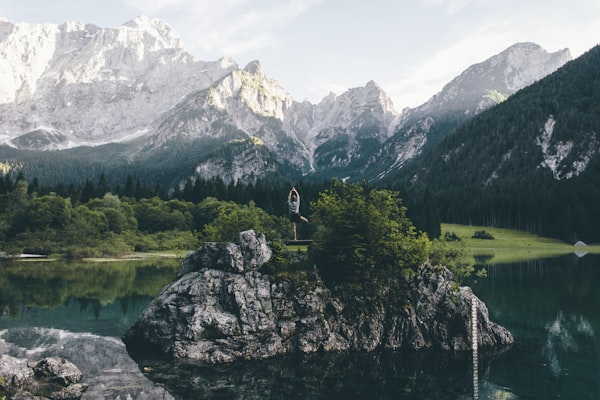
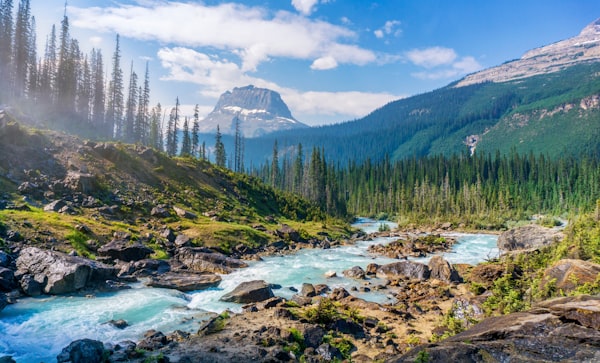
The fjords are not a landscape feature. They are the landscape. A Geirangerfjord morning in still conditions — the water a mirror at 6am before the first cruise ship arrives — the guide’s standing instruction: no talking. The Northern Lights above Tromsø in February. Svalbard at 78°N, where polar bears outnumber people. Norway is the country that recalibrates what the word ‘dramatic’ means and then recalibrates it again.
Norway (Kongeriket Norge — the Kingdom of Norway — 385,207 km² including the Svalbard archipelago — 5.5 million people — the country occupying the western and northern portion of the Scandinavian Peninsula — bordered by Sweden to the east, Finland and Russia to the northeast, and the North Sea, Norwegian Sea, and Barents Sea to the west and north — 100,915km of coastline including all islands (the second-longest coastline in the world after Canada) — 1,190 fjords — the country that has more UNESCO World Heritage Sites per capita than any other in Europe) is the destination the guide describes to first-time visitors as “the place where the landscape has not been moderated by habitation — where the mountain comes down to the water not as a scenic view but as the primary condition, and the village at the bottom is simply what happened when people decided to stay”.
Norway’s five primary visitor regions: The Fjords of Western Norway (the Sognefjord — the world’s deepest fjord at 1,308m — the Geirangerfjord — UNESCO World Heritage — the Nærøyfjord — UNESCO World Heritage — the Hardangerfjord with its apple orchard villages — Bergen as the fjord gateway). The Northern Lights Region (Tromsø — above the Arctic Circle — the most accessible Northern Lights base in Norway — Alta — the Sámi reindeer herding culture — the dog-sledding programmes). The Lofoten Islands (the dramatic archipelago 300km north of the Arctic Circle — the red and yellow fishing villages (rorbuer) — the world’s largest deep-sea coral reef — the midnight sun in June–July — the maelstrom at Saltstraumen). Svalbard (the archipelago at 78°N — the polar bear — the glacier — the polar night — the midnight sun — the most accessible High Arctic destination on Earth). The Norwegian Scenic Routes and Oslo (Oslo — the Munch Museum — the Viking Ship Museum — the Vigeland Sculpture Park — the Flåm Railway — the Trolltunga hike — the Preikestolen cliff).
Norway’s geography runs from the southwestern fjords to the High Arctic — a country where the landscape changes not just between regions but between the end of one valley and the beginning of the next.

The Geirangerfjord (UNESCO World Heritage Site 2005 — shared with the Nærøyfjord — the 15km arm of the Sunnylvsfjord in Møre og Romsdal county — the fjord most frequently reproduced in Norway tourism imagery and the one that most consistently exceeds the expectation created by that imagery — the guide’s Geirangerfjord position stated at the first view from the Ørnesvingen overlook (the Eagle Road — the 11km hairpin mountain road descending from Eidsdal to Geiranger — the guide parks at the overlook where the fjord first appears in full — the guide’s instruction to the group: stand still — look from left to right — the guide will not speak for 2 minutes — the guide has held this 2-minute silence 40+ times and has not found the group unwilling). The Seven Sisters waterfall (De Syv Søstrene — the seven distinct streams falling from 250m on the north wall of the fjord — the guide’s Seven Sisters briefing: “the seven streams are the snowmelt from seven separate hanging valleys — they fall simultaneously in spring and early summer when the melt is at its peak — the guide’s preferred visiting window is the last week of May to the first week of June — the snowpack is still complete above the falls — the falls are at maximum volume — the farms on the fjord floor below are still in the green that comes before the summer yellow — the guide has a specific photograph of this window taken in 2019 that serves as the evidence for this timing recommendation”) — opposite the Seven Sisters: The Suitor (the Friaren — the single stream waterfall on the south wall — the guide’s geological note: “the legend says the Suitor is courting the Seven Sisters and has been drinking for courage — the geology says the Suitor flows from a single hanging valley rather than seven — both explanations are presented — the guide does not rank them”). The Dalsnibba viewpoint (the 1,476m summit above Geiranger — the highest accessible road viewpoint in Norway — the guide’s Dalsnibba timing: “arrive before 8am — the tourist coaches arrive at 10am — the difference between the fjord at 7:30am and the fjord at 10:30am is the difference between a landscape and a photograph of a landscape”)).
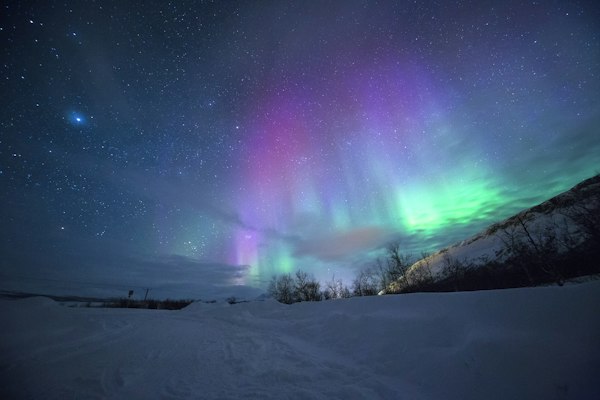
Tromsø (the city — 77,000 people — at 69°39’N — 350km north of the Arctic Circle — the largest city in northern Norway — the most accessible Northern Lights base in the world for an urban visitor (the combination of the airport with direct connections from Oslo and the city’s hotels, restaurants, and infrastructure makes Tromsø the one Arctic destination the guide recommends for visitors who want the Northern Lights without the full wilderness exposure of Svalbard or the remote Alta camps)) is the guide’s Northern Lights base of choice for the standard Australia-to-Norway aurora programme. The Northern Lights (aurora borealis) (the guide’s aurora briefing, delivered on arrival in Tromsø — before checking into the hotel — at the airport: “the Northern Lights are produced when charged particles from the solar wind interact with the Earth’s magnetic field and collide with atmospheric gases — the green aurora (the most common) is produced by oxygen at 100–300km altitude — the red aurora by oxygen above 300km — the blue and purple by nitrogen — the guide presents this physics before the first night sky because the visitor who understands what they are seeing has a different experience from the visitor who is simply surprised by the colour. The guide’s 15-year Tromsø aurora probability: approximately 72% of clear nights between October and March produce visible aurora — ‘visible’ defined as KP3 or above — the guide checks the SpaceWeather.com KP index every night at 10pm and at 1am — the group is woken if the KP index rises above 3 after midnight — the guide’s record: the group woken 8 times in a single 7-night programme — the guide considers this an adequate sample size for the methodology”). The dog sledding (the guide’s dog sled programme: 2 hours from Tromsø in the Tamokdalen valley — the guide’s mushing instruction: “the team of 8 Alaskan and Siberian huskies — the specific sound of 8 dogs who have been waiting for this since 6am — the sound of the runners on packed snow — the guide considers the dog sled at dawn in the Tamokdalen the most specific sensory experience available in the Norwegian Arctic programme”)). The polar night (26 November to 15 January in Tromsø — the guide’s polar night description: “the sun does not rise above the horizon for 51 days — the midday sky is a specific shade of blue-orange twilight — the guide has spent 15 polar nights in Tromsø and has found the light more beautiful each year — the guide considers the failure to appreciate the polar night as a landscape condition rather than a deprivation to be the most common and most correctable mistake available in the winter Arctic programme”)).
The Lofoten Islands (the archipelago — 300km north of the Arctic Circle — in Nordland county — the island chain stretching 170km from Austvågøy in the north to Moskenesøya in the south — the mountains rising directly from the sea with no coastal plain between (the guide’s Lofoten geology briefing: “the Lofoten mountains are the exposed roots of a Precambrian mountain range — what the visitor is looking at is the base of mountains that were as high as the Alps — 800 million years of erosion have removed the peaks and left the roots — the roots are still 1,000m above sea level — the guide finds the Lofoten geology the most dramatic illustration of geological time available in Norway — arguably in Europe”) — the fishing villages (the rorbuer — the red, yellow, and ochre fishing cabins on stilts above the water — originally built for the seasonal cod fishermen who came to Lofoten from across Norway for the winter Arctic cod (skrei) season — the guide’s rorbuer briefing: “the rorbu is the specific Norwegian solution to the problem of housing a fisherman in a place where there is no flat land — build on the water — the guide has spent 60+ nights in rorbuer across 15 years of Lofoten programmes and considers it the most atmospherically correct accommodation available in Norway”)) is the Norway destination the guide describes as “the one that most surprises visitors who expected the fjords to be the emotional peak — the Lofoten does something to the light that the fjords do not — a combination of latitude and Atlantic proximity and the specific reflectiveness of the water between the mountains — the guide cannot adequately prepare the group for the first view of Lofoten from the bridge at Å in the evening”. The Saltstraumen maelstrom (the tidal strait 33km from Bodø — the world’s strongest tidal current — 400 million litres of water passing through a 150m wide channel four times daily — the guide’s maelstrom timing: “the guide checks the tide tables and times the visit to the peak flow — the peak flow produces whirlpools up to 10m in diameter and 5m deep — the guide has been timing this visit for 15 years — the guide has been 7 minutes early once and considers this the most consequential 7-minute timing error available in the Norwegian programme”). The Arctic surfing at Unstad (the beach — the surf break at 68°N — the guide’s Unstad briefing: “the water temperature at Unstad in January is approximately 4°C — the surf is approximately 1–3m — there are surfers in the water — the guide does not surf at Unstad — the guide provides a 5mm wetsuit, booties, and the gloves — the group makes its own decision — 60% of the guide’s groups have people in the water at Unstad — all of them have been correct to go in”)).
Svalbard (Svalbard og Jan Mayen — the Norwegian archipelago at 74°–81°N — 62,000 km² — 3,000 polar bears — approximately 2,900 permanent human residents (of which approximately 2,100 in Longyearbyen — the main settlement — the world’s northernmost city with a permanent population above 1,000 — the guide’s Longyearbyen fact: “Longyearbyen has a rule that you cannot be born there or die there — the hospital does not perform deliveries and there is no nursing home — the town policy requires people to leave before these events become necessary — the guide presents this as the most specifically enforced human settlement policy available in any town the guide has visited”) — accessible by a 3-hour direct flight from Oslo year-round — the Svalbard Treaty of 1920 gives all signatory nations (including Australia) the right of access without a visa — the most accessible High Arctic destination on Earth) is the destination the guide reserves for the end of the Norway programme briefing — because the visitor who has been told about Svalbard first tends to treat everything south of the Arctic Circle as a warm-up. The polar bear (Ursus maritimus) (the guide’s polar bear briefing: “there are approximately 3,000 polar bears in the Svalbard archipelago — approximately 2,900 people — Svalbard is the only place the guide has worked where the wildlife outnumbers the human population by a species-based count — it is illegal to leave Longyearbyen without a licensed guide and a rifle — the guide carries both — the guide has encountered polar bears at close range on 14 Svalbard programmes — the guide has not discharged the rifle — the guide considers this both a good outcome and a correct standard for what ‘close range’ should mean in an encounter that can be resolved by the guide’s presence and voice before requiring a more definitive intervention”). The glaciers (Svalbard has approximately 2,100 glaciers covering 60% of the land surface — the guide’s glacier programme: the Zodiac boat on the Kongsfjorden approaching the Kongsbreen glacier face — the guide’s glacier sound briefing: “the sound of a glacier is not a sound the guide can describe before the visitor hears it — the calving — the crack that begins far within the ice and arrives at the face as a split — the block entering the water — the guide times the approach to the glacier face so the group is within 200m when the glacier is actively calving — the guide has mistimed this approach on 3 occasions in 15 years — on each occasion the glacier calved after the boat had moved away — the guide considers 3 mistimings in 15 years a defensible record while acknowledging the glacier’s independence from the programme schedule”)).
Bergen (the city — 283,000 people — the second-largest city in Norway — on the Byfjorden in Vestland county — surrounded by seven mountains (the Syv Fjell — the guide’s Seven Mountains briefing: “Bergen is the city that has seven mountains in the middle of it — the guide begins the Bergen programme by walking the group to the top of Fløyen (320m — 8 minutes from the city centre by the Fløibanen funicular — the guide holds the funicular ticket record at 58 individual rides in 15 years) and pointing at the other six — the group understands the city differently from above”) — the rainiest city in Norway (239 days of precipitation per year — the guide’s Bergen rain position: “Bergen has a specific relationship with rain — the Bergensers carry umbrellas without embarrassment and without discussion — the guide considers this the most climatically honest urban culture available in Norway — the guide carries an umbrella in Bergen and does not consider this a concession”)) is the standard fjord gateway — the arrival point for the western fjords programme — and a city that rewards the 2-day allocation consistently. The Bryggen (the Hanseatic wharf — the UNESCO World Heritage wooden building row on the Bergen waterfront — the medieval trading houses of the Hanseatic League (the medieval north European trade network — Bergen was one of the four principal Hanseatic Kontors (trading posts) from the 14th to the 18th century — the buildings along the wharf are the surviving physical record of this commercial network — the guide’s Bryggen briefing: “the Bryggen has burned down seven times — each time it was rebuilt in the same form with the same narrow gabled structure — what the visitor is looking at is not the original medieval building but the accumulated persistence of the same intention over 700 years — the guide finds this more interesting than the original would have been”)). The Troldhaugen (Edvard Grieg’s home — the villa on the lake south of Bergen where Grieg composed in the summer studio (the hut — the 4m x 5m wooden hut at the lake edge — the guide’s Grieg hut briefing: “Grieg composed the Peer Gynt Suites, the Piano Concerto in A minor, and the majority of his significant work in a room the size of a large bathroom — the guide does not know if the room size is causally related to the output — the guide presents the room size and lets the visitor draw conclusions”))).
The Sognefjord (the world’s deepest fjord — 1,308m — and the world’s longest fjord in Norway — 204km from the ocean at Sognefjorden to the inner arms at Skjolden — the fjord that has defined the Norwegian fjord aesthetic more than any other single landscape feature in the country) is the centrepiece of the guide’s western fjords programme and the fjord the guide uses as the calibration point for what “deep” means when applied to a body of water. The guide’s Sognefjord depth briefing: “1,308 metres deep — the Eiffel Tower is 330m — you could stack four Eiffel Towers at the bottom of the Sognefjord and still have 28 metres of water above the fourth tower’s tip — the guide presents this calculation because abstract large numbers become specific when the unit of measurement is a recognisable structure — the group’s response to the four-Eiffel-Towers calculation is always the same — a brief pause — then someone usually says ‘that’s a lot of fjord’ — which the guide considers an accurate summary”. The Nærøyfjord (the innermost arm of the Sognefjord — UNESCO World Heritage 2005 — the 17km narrowest UNESCO-listed fjord in the world — at its narrowest only 250m wide with 1,700m cliffs on both sides — accessible by electric ferry from Gudvangen to Flåm or by kayak — the guide’s Nærøyfjord kayak position: “the guide paddles the Nærøyfjord kayak programme at dawn — 6am departure — the tourist ferries do not begin until 9am — the guide’s position on the Nærøyfjord at 6am is that it is a different fjord from the Nærøyfjord at 11am — the guide does not share the 6am version with the 11am version and considers this a reasonable programme design decision”)). The Flåm Railway (the 20km descent from Myrdal at 866m to Flåm at sea level — 20 tunnels — the waterfall at Kjosfossen (the guide’s Kjosfossen stop: the train stops for 5 minutes — the guide tells the group to look at the waterfall and ignore the Huldra (the mythological forest spirit performing beside the waterfall as part of the tourist programme — the guide considers the Huldra performance contractually necessary and atmospherically incorrect and says so — the group’s opinion on the Huldra divides evenly — the guide maintains its position))).
Norway’s hiking icons — the four formations that have defined Norwegian outdoor tourism internationally — are collectively what the guide describes as “Norway’s specific contribution to the global vocabulary of commitment — the walk is the price of the view — every Norwegian iconic view requires an investment — and every Norwegian iconic view returns more than the investment required”. The Preikestolen (Pulpit Rock) (the 604m flat-topped cliff above the Lysefjord — the 3.8km / 2–3 hour hike from the Preikestolen base camp — the guide’s Preikestolen briefing: “the Pulpit Rock is a 25m x 25m horizontal platform of granite that abruptly ends in a 604m vertical drop to the Lysefjord — there is no fence — there is no barrier — there is the rock and then the air and then the fjord — the guide’s instruction at the edge is that the edge is real and the wind can be real and the guide provides the instruction before the group walks to the edge rather than after — the guide has never lost a group member over the edge — the guide considers this the most important single programme statistic available”)). The Trolltunga (Troll’s Tongue) (the 700m horizontal rock shelf jutting above Lake Ringedalsvatnet — the 22km / 8–12 hour hike — the guide’s Trolltunga briefing: “the guide does not misrepresent the Trolltunga hike — 22km roundtrip — 1,100m elevation gain — 8–12 hours depending on the group — the guide has done this with groups ranging from extremely fit to extremely determined — the guide’s advice: extremely determined is sufficient but the guide recommends fit as the more comfortable version of the same destination”)). The Kjeragbolten (the boulder wedged in a cliff crevice above the Lysefjord — 984m above the water — accessible by the 10km / 5–7 hour Kjerag hike — the guide’s Kjeragbolten position: “the guide stands on the boulder — the guide has stood on the boulder 12 times — the guide is not going to describe standing on a 1m boulder wedged in a crack 984m above a fjord in words that prepare the visitor adequately — the guide recommends standing on the boulder and not consulting the guide’s description during the experience”)).
The guide’s single most consistent Northern Lights instruction is delivered before the first night sky: “put the camera down for the first two minutes — let your eyes adapt — let your brain receive what your eyes are showing it — then photograph. The visitor who photographs the aurora without first watching it has a card full of correctly exposed photographs and a correctly unexperienced aurora. The guide has delivered this instruction to 1,800+ visitors over 15 Tromsø winters. The compliance rate is approximately 65%. The non-complying 35% get the photographs. The complying 65% get both. The guide knows which group discusses the aurora more at breakfast.” On the question of camera settings: the guide provides a specific settings card (ISO 800–3200, aperture f/2.8, shutter 5–15 seconds depending on aurora brightness and movement) and updates the card each season as camera bodies change. The guide’s Northern Lights photography principle: “the aurora that a camera records with a 10-second exposure is the aurora that your eye sees over 10 minutes — the camera compresses time — the eye extends it — neither version is wrong — the guide recommends both versions on the same night.”
The guide’s fjord geology briefing is not optional — delivered at the first viewpoint on every programme. The visitor who understands what made the fjord experiences it differently from the visitor who simply finds it beautiful.
The guide’s fjord formation briefing — delivered at every first viewpoint: “the fjord is not a river valley that was flooded — though it looks like one. The fjord was carved by a glacier. Approximately 2.6 million years ago, the Quaternary ice ages began — the ice sheets built up over the Scandinavian mountains to depths of 3,000 metres or more — the weight of the ice caused it to flow downward through the pre-existing river valleys — the glacier is harder than rock — not much harder, but persistently harder — over 2.6 million years the glacier deepened the valleys far below sea level (the Sognefjord is 1,308m deep at its deepest — this is 1,308m below current sea level — the seafloor of the Sognefjord is lower than many mountain summits) — then approximately 11,700 years ago the last ice age ended — the ice retreated — the sea level rose — the ocean followed the ice into the valleys — and the fjord was complete.” The hanging valleys: the guide’s hanging valley briefing at the Geirangerfjord — “the tributaries of the main glacier were smaller than the main glacier — they did not carve as deep — when the ice retreated and the ocean rose into the main valley, the tributary valleys were left ‘hanging’ high above the fjord water — the waterfalls (the Seven Sisters — the Suitor — the Bridal Veil) are the remnant drainage of these hanging valleys — they are falling from the level where the ice was to the level where the ocean now is — the guide considers the hanging valley waterfall the most visually specific geological event available in Norway.”
The Hardangerfjord (the second-longest fjord in Norway — 179km — in Vestland county — the fjord that the guide describes as “the Geirangerfjord’s temperamentally different sibling — the Geirangerfjord is dramatic — the Hardangerfjord is beautiful — the distinction is real and consequential for the type of visitor each suits”) is the fjord most associated with the agricultural landscape of Norway — the apple orchards of Ulvik, Lofthus, and Aga (the guide’s Hardangerfjord May briefing: “the Hardangerfjord in the last week of May is the specific landscape event that the guide considers the most reliably perfect seasonal offering in Norway — the apple blossoms (approximately 600,000 trees — the Hardangerfjord produces approximately 35% of Norwegian fruit) — the white and pink blossom above the fjord — the snow still on the Hardangervidda plateau above the orchards — the green of the young grass below the snow line — the guide’s Ulvik morning: the guide walks the group to the orchard road above the village at 7am — the fjord below — the blossom at eye level — the guide does not speak for the first 5 minutes — the guide has done this walk for 15 years and has not found it less correct on any occasion”). The Vøringsfossen waterfall (the waterfall at the inner Hardangerfjord — dropping 182m into the Måbødalen gorge — the guide’s Vøringsfossen note: “Vøringsfossen is not the tallest waterfall in Norway — it is the most dramatically positioned — the gorge below the falls is accessible by a 45-minute descent — the guide goes to the bottom — the view upward at the falls from the gorge is a different waterfall from the view downward from the road above — the guide prefers the gorge view and the guide’s preference is not arbitrary”). The Hardanger cider (the local apple production — the guide’s cider programme: the cidery visit in Ulvik — the guide considers Hardanger cider the most underappreciated Norwegian food product available and has been making this argument since 2012 — the argument has not yet been resolved by wider international agreement but the guide remains confident).
The midnight sun (the phenomenon — above the Arctic Circle (66°34’N) the sun does not set for a period in summer — at Tromsø (69°N) the midnight sun is guaranteed from 20 May to 22 July — 76 days — at Svalbard (78°N) the midnight sun lasts from 20 April to 23 August — 126 days) is the Norwegian natural phenomenon the guide finds most consistently difficult to prepare visitors for and most consistently transformative once experienced. The guide’s midnight sun briefing: “the sun at midnight is not the sun at noon. The midnight sun in the Lofoten Islands in June is at a low angle — approximately 5–10 degrees above the horizon — it produces a specific quality of long, warm, directional light — it is the golden hour that does not end — it is the light that the guide has spent 15 years trying to describe to visitors in Australia before their departure and has consistently failed to describe adequately — the guide considers the description failure appropriate — a natural phenomenon that can be fully prepared for in advance has been adequately described — the midnight sun has not been adequately described — this is the guide’s evidence that the description is correct”. The body clock effect: the guide’s practical instruction — “the midnight sun disrupts the human circadian rhythm — the body produces melatonin in response to darkness — there is no darkness — the body does not know when to sleep — the guide provides blackout curtain advice for all midnight sun accommodation — the guide also provides the specific recommendation to stay awake until midnight on the first night and stand on the hotel balcony and look at the sun — this is the disorientation that the guide considers productive — the body clock recovers — the experience of a sun at midnight does not leave”.
The Sámi people (the indigenous people of Sápmi — the Sámi homeland spanning northern Norway, Sweden, Finland, and the Kola Peninsula of Russia — approximately 80,000 Sámi people in total, of whom approximately 50,000 are in Norway — the Sámi have lived in the arctic and subarctic regions of northern Scandinavia and the Kola Peninsula for at least 5,000 years — the guide’s Sámi cultural briefing: “the Sámi are not a monolith — there are nine distinct Sámi languages, multiple distinct cultural traditions, and the specific distinction between the reindeer-herding Sámi of the inland and the coastal fishing Sámi of the coastline — the Norwegian state forced cultural assimilation on the Sámi from the late 19th century through much of the 20th century (the Norwegianisation policy — the prohibition of the Sámi languages in schools — the forced relocation of communities) — the guide presents this history as the context for understanding both the current Sámi cultural revival and the Norwegian state’s formal apology in 1997 — the guide considers the apology correct and considers the context essential for the reindeer herding visit to be something more than a cultural tourism experience”). The reindeer herding programme (the guide’s Kautokeino or Alta Sámi experience — the visit to a Sámi family’s reindeer herd — the lavvu (the Sámi tent) — the joik (the traditional Sámi vocal form — not a song in the Western sense — the guide’s joik briefing: “a joik is sung in honour of a person, an animal, or a place — not about them — in honour of them — the distinction matters — the guide provides this distinction before the joik performance and considers the distinction the most important 30-word briefing available in the Norwegian programme”))).
The fjords are not a landscape feature. The guide has been explaining this for 15 years and has not found a better explanation than arriving at the Geirangerfjord Eagle Road overlook at 6am before the fog has fully lifted and watching the Seven Sisters emerge from the cloud above the south wall while the fjord below is still entirely still. The explanation is available there. It is not available in this sentence.
The Northern Lights at 2am above Tromsø in February — the group in the snowfield, the guide with the KP index on his phone, the sky beginning to move. The guide’s instruction was: watch first, photograph second. The green began as a smear and resolved into curtains and then into the specific vertical rays that the guide describes as “the aurora deciding to make itself understood.” Norway is the country where the guide’s most important instruction is consistently the same: look before you record — the record will be there — the looking only happens once.
From a 5-day Northern Lights programme above Tromsø to the 14-day Norway grand circuit — the guide’s 2-minute Geirangerfjord silence, the KP-index wake-up call, the polar bear at 78°N, and the midnight sun that does not set.
Tromsø aurora programme — the guide’s 72% clear-night probability. Day 1: arrive Tromsø · airport briefing · aurora physics (green = oxygen at 100–300km · red = oxygen above 300km · blue/purple = nitrogen · the guide presents physics before colour). Days 2–5: nightly aurora hunting (KP index monitored at 10pm and 1am · group woken for KP3+ · guide’s record: 8 wake-ups in 7 nights · photography briefing: ISO 800–3200, f/2.8, 5–15 seconds · instruction: look first, photograph second · 65% compliance · 65% get both). Day 2 daytime: dog sledding Tamokdalen (8 huskies · the sound of 8 dogs waiting since 6am). Day 3: Sámi reindeer experience (the joik is sung in honour of — not about — the distinction is the briefing). Day 4: Arctic Cathedral · Tromsø Bridge · the polar night blue-orange twilight. Day 5: snowmobile programme. Day 6: fly Oslo · return.
The western fjords in 7 days — Bergen to Geiranger. Day 1: arrive Bergen · Fløibanen funicular (guide’s 58th ride · the city from above) · Bryggen (burned 7 times · rebuilt same form · accumulated persistence). Day 2: Hardangerfjord circuit (apple orchards Ulvik · guide’s 7am blossom walk · 5-minute silence · Vøringsfossen gorge view from below · guide prefers below · the preference is not arbitrary). Day 3: Sognefjord (Flåm Railway · 35th descent · guide watches waterfalls · Kjosfossen stop · the Huldra · guide’s position stated · group divides) · Nærøyfjord kayak 6am (“a different fjord from the 11am version”). Day 4: Sogndal · Stegastein viewpoint (650m above Aurlandsfjord · cantilevered platform · heel-over-edge instruction). Day 5: drive to Geiranger (Eagle Road · guide stops bus · engine off · 2-minute silence · the group holds it longer). Day 6: Dalsnibba 7:30am (before the coaches · “landscape vs photograph of a landscape”) · Seven Sisters at peak flow. Day 7: fly Oslo · return.
Svalbard at 78°N — 3,000 polar bears — 2,900 people. Day 1: fly Oslo to Longyearbyen (3 hours) · Longyearbyen briefing (you cannot be born here or die here · “most specifically enforced settlement policy the guide has visited”) · rifle and guide protocol. Days 2–4: polar bear search by snowmobile (winter) or Zodiac (summer) · guide’s 14-programme polar bear encounter record · rifle carried · never discharged · guide’s position on what ‘close range’ should mean. Day 3: Kongsbreen glacier Zodiac approach · 200m from the calving face · the sound briefing (before the visit · not a sound describable in advance) · 3 mistimings in 15 years · the glacier’s independence noted. Day 4: dogsled (winter) or sea kayak (summer) · pack ice if conditions allow · walrus colony at Poolepynten. Day 5: Global Seed Vault (the Svalbard Global Seed Vault — the guide’s seed vault briefing: “1.3 million seed varieties — the world’s agricultural backup — the guide visits every Svalbard programme and never finds a visitor who finds the concept less significant at the vault entrance than in the pre-departure briefing”). Day 6: fly return Oslo.
Lofoten Islands in 6 days — rorbuer, maelstrom, midnight sun, Arctic surf. Day 1: fly Oslo to Svolvær · first rorbu check-in (guide’s 60th+ night · most atmospheric accommodation in Norway). Day 2: Saltstraumen maelstrom (guide times the visit to peak flow · 400M litres per hour · whirlpools 10m wide · the 7-minute timing error noted · not repeated). Day 3: Lofoten loop drive (Å to Reine · the bridge view the guide cannot prepare the group for · the preparation is omitted by design · Hamnøy · Nusfjord · UNESCO-listed fishing village). Day 4: midnight sun hike (Ryten mountain · 543m · Kvalvika beach from above · guide’s position on the midnight sun from Ryten: “the guide has watched the midnight sun from this specific ridge 8 times — it has not resolved into a describable thing yet — the guide considers this a correct ongoing outcome”). Day 5: Unstad Arctic surf (5mm wetsuit · booties · gloves · 4°C water · guide’s 60% statistic · all correct to go in) · stockfish history. Day 6: fly Oslo · return.
Norway’s three most iconic hikes in 5 days — the guide’s commitment vocabulary. Day 1: fly Oslo to Stavanger · arrival · pre-Preikestolen briefing (604m drop · no fence · no barrier · wind real · edge real · guide’s instruction delivered before not after · guide’s most important statistic: none lost). Day 2: Preikestolen (3.8km / 2–3hr · the flat platform · the air beyond · the guide stands at the guide’s position). Day 3: Kjeragbolten (10km / 5–7hr · 984m above the Lysefjord · guide has stood on the boulder 12 times · does not describe it adequately · recommends standing on it). Day 4: drive to Odda · Trolltunga preparation (22km roundtrip · 1,100m gain · 8–12 hours · guide’s briefing: “determined is sufficient · fit is more comfortable · the destination is the same”). Day 5: Trolltunga (early start 5am · the horizontal tongue of rock above Ringedalsvatnet · the guide’s position at the top: the guide photographs the group · then the group photographs the guide · this is the correct sequence) · fly Oslo · return.
Alta and the Sámi cultural heartland — Northern Lights plus indigenous Norway. Day 1: fly Oslo to Alta · Alta Museum (UNESCO rock carvings — 7,000-year-old Sámi and pre-Sámi rock art — the guide’s rock art briefing: “the oldest art at Alta is 7,000 years old — some of the figures depicted are still hunted in the same areas today — the guide considers this the most continuous relationship between art and its subject available in Norway”). Day 2: Kautokeino (the Sámi cultural capital · the reindeer herd visit · the lavvu · the joik briefing · in honour of — not about — the distinction · the guide’s 30-word most important briefing). Day 3–4: Northern Lights hunting from the Alta darkness (the guide’s Alta vs Tromsø comparison: “Alta is darker than Tromsø — less city light — the aurora at KP2 is visible from Alta that would require KP3 in Tromsø — the guide considers Alta the correct destination for visitors who want the best possible sky at the lowest possible aurora activity level”). Day 5: ice fishing on the Alta River · fly Oslo · return.
Complete Norway in 14 days. Days 1–2: Oslo (Vigeland Sculpture Park · the guide’s Gustav Vigeland briefing · Munch Museum · The Scream (the guide’s EQA Munch position: “the guide has four different explanations for The Scream and uses them in rotation”) · Viking Ship Museum). Days 3–6: Western Fjords (Bergen · Bryggen · Hardangerfjord blossom walk · Flåm Railway · Nærøyfjord 6am kayak · Geirangerfjord Eagle Road 2-minute silence). Days 7–9: Lofoten (rorbu · Saltstraumen timed · Ryten midnight sun). Days 10–12: Tromsø (Northern Lights · KP index · dog sledding Tamokdalen · Sámi joik · the distinction). Days 13–14: Svalbard (Longyearbyen briefing · cannot be born or die here · polar bear expedition · glacier calving face · Seed Vault · the guide’s never-fired rifle).
The Hurtigruten “Coastal Express” from Bergen north to Tromsø — 7 days on the ship that has served Norwegian coastal communities since 1893. The guide’s Hurtigruten position: “the Hurtigruten is simultaneously a public transport system and the world’s most scenic ferry — it is used by Norwegian families travelling between communities and by visitors who have understood that the most honest way to see the Norwegian coast is by the same ship that delivers mail, cars, and fresh fish to coastal settlements — the guide considers this the most correct available perspective on Norwegian coastal life accessible to a non-Norwegian visitor”. 17 port calls (Bergen · Ålesund · Molde · Kristiansund · Trondheim · Rørvik · Bodø · Stamsund (Lofoten) · Svolvær · Tromsø + 7 more). Northern Lights at sea (Oct–Mar): the guide monitors the KP index from the bridge · the ship dims its deck lights on aurora nights · the guide’s ship-deck aurora experience: “the aurora above the Norwegian coast from the ship’s bow is the guide’s preferred aurora format — the fjords below — the lights above — the ship moving north — the guide has spent 11 Hurtigruten voyages confirming this preference”.
Norway and Iceland combined — two Arctic nations in 18 days. Days 1–9: Norway (Bergen · western fjords · Geirangerfjord · Lofoten Islands · Tromsø · Northern Lights · dog sledding · Sámi experience). Days 10–18: Iceland (fly Tromsø to Reykjavík via Oslo · Golden Circle (Þingvellir · Geysir · Gullfoss) · the South Coast (Seljalandsfoss · Skógafoss · Jökulsárlón glacier lagoon) · Snæfellsnes Peninsula · the Westfjords · the guide’s Iceland position: “Norway has scale — Iceland has drama — the distinction is real and the guide presents both as the correct pair for the same trip — the visitor who does both in 18 days has the most complete available picture of how two small North Atlantic island nations can be completely unlike each other”). Aurora in both countries if Oct–Mar window selected.
The Northern Lights require winter darkness. The fjords require summer light. The midnight sun requires summer at latitude. The Svalbard polar bear on sea ice requires February–April. No single month serves all programmes — the guide designs the itinerary around the specific experience the visitor has prioritised.
October through March is Norway’s Northern Lights season — the only time darkness sufficient for aurora viewing is available. The guide’s winter season breakdown: October–November (the first darkness returning to Tromsø after the midnight sun summer — the aurora probability beginning to build — the first fjord snow on the peaks — the autumn colour in the mountain birch and rowan — the guide’s October position: “October in Norway is the season that most confuses visitors who arrived expecting either summer or full winter — it is neither — it is a specific Norwegian condition that the guide considers the most underrated available window”), November–January (the polar night in Tromsø and north — the blue-orange twilight — the guide’s polar night aesthetic briefing — the highest aurora probability — the guide’s 72% clear-night rate applies to this window — Christmas and New Year in Norway: the guide’s favourite programme — the julenisse (the Norwegian Santa tradition), the gløgg, the pinnekjøtt (the salted lamb ribs — the guide’s Christmas Eve dinner since 2011)), and February–April (the Svalbard polar bear on sea ice — the guide’s preferred Svalbard window — the polar bear visible on the white ice rather than against the brown tundra — the snowmobile in full winter conditions — the daylight returning to Svalbard in late February (Soldag — Sun Day — the community celebration of the first sun after 112 days of polar night — the guide’s Soldag position: “the guide has attended 6 Solvdag celebrations in Longyearbyen — the guide finds it one of the most specifically Norwegian things available to witness — a community of 2,100 people standing outside facing the sun that they have not seen in 112 days — the guide joins them — every time”)).
April through May is the guide’s most privately preferred Norwegian season — the season that receives the fewest visitors and produces the most unexpected beauty. April (residual Northern Lights in northern Norway — the darkness still sufficient above the Arctic Circle — the Svalbard midnight sun beginning (20 April) — the guide’s April Svalbard programme combines the last polar bear on sea ice with the first midnight sun — a combination available for approximately 2 weeks per year — the guide calls this “the 2-week window I would choose if I could only visit once”). May (the Hardangerfjord apple blossom — the guide’s 7am Ulvik walk — 5-minute silence — the snow still on the Hardangervidda above the orchards — the fjord waterfalls at maximum flow from snowmelt — the guide’s preferred fjord month if June is unavailable — the guide rates May and June equally and distinguishes them by a single factor: June has longer days and May has the blossom — the guide’s preference depends on the year’s snowpack). The May 17 factor: Norway’s National Day (17 mai — Syttende mai — the Constitution Day) is the most spectacularly celebrated national holiday in Scandinavia — the guide’s Oslo Constitution Day position: “the Oslo 17 mai parade is 3+ hours of Norwegian schoolchildren in bunad (the regional traditional dress) walking past the Royal Palace — the guide has attended 8 times — the guide considers it the most genuinely joyful public event available in Norway”.
June through August is the Norway most visitors imagine — the fjords at full green, the midnight sun, the hiking season, the long days. The guide’s summer season assessment: June (the guide’s preferred fjord month — the snow still on the peaks above the fjords (the guide’s June Geirangerfjord image: “white peaks above green fjord walls above blue water — all three simultaneously — the colour range available in June is the widest available in any month — the guide’s June Geirangerfjord photograph taken in 2022 is the guide’s personal benchmark for what a fjord photograph should contain”) — the waterfalls still at near-peak flow — the midnight sun at its longest — Tromsø midnight sun guaranteed until 22 July), July (the warmest month — the busiest month — Geirangerfjord at maximum visitor density — the guide’s July Geirangerfjord programme begins at 6am to access the fjord before the first cruise ships at 8am — the guide’s 6am kayak on the Geirangerfjord in July is the guide’s most specific available privilege), and August (the beginning of the shoulder season — visitor numbers declining from July peak — the first aurora beginning to appear in very late August in northern Norway — the guide’s August Lofoten position: “the guide considers August the most complete single Lofoten month — the midnight sun fading — the first aurora emerging — the light in transition — the guide has photographed the first Lofoten aurora of the season 11 times in August and has not yet resolved whether this specific light is more beautiful than the June midnight sun or simply different in a way that cannot be ranked”).
September through October is the guide’s recommended window for the visitor who wants both the fjords (still accessible — the weather beginning to change but the landscape in autumn colour) and the first Northern Lights of the season. September (the first aurora above Tromsø and Lofoten — the guide’s September aurora briefing: “the September aurora is not the February aurora — the September sky is darker than August but lighter than January — the KP index required for good September visibility is higher than in mid-winter — the aurora at KP4–5 in September is equivalent to the aurora at KP2–3 in January in terms of visual impact — the guide presents this calibration and then takes the group out to find the KP4–5” — the mountain birch turning gold in the Lofoten and northern fjord valleys — the visitor numbers at their autumn low — the guide’s September preference for Lofoten over July: “the September Lofoten light — the low sun — the gold birch against the granite peaks — the first aurora above the rorbuer — the guide’s 15 years of Lofoten Septembers have not produced a definitive ranking of months — the guide finds this the most honest available assessment”). October: the fjord programme extending into October — the waterfalls reduced from summer peak but the atmosphere increasingly dramatic — the Northern Lights probability building rapidly — the snow arriving on the high peaks.
Norwegian cuisine is built on the specific combination of cold-water seafood (the cleanest, coldest, most productive fishing waters in the world), mountain game (reindeer, elk, ptarmigan), and fermented and preserved traditions that kept people alive through the winter for centuries and are now considered among the most sophisticated food techniques available.
Norwegian Atlantic salmon (Salmo salar — the farmed salmon of the Norwegian fjords — Norway is the world’s largest producer of farmed Atlantic salmon — approximately 1.4 million tonnes per year — the guide’s salmon position: “the guide notes that the Norwegian salmon eaten in Australian supermarkets is from the same farms as the Norwegian salmon eaten at the Bergen Fish Market — the difference is the time between the fish leaving the water and the fish arriving at the guide’s plate — at the Bergen market the guide recommends the smoked side cut at the market stand — the guide has been eating this specific cut since 2013 — the price has increased from NOK 85 to NOK 145 per 100g — the guide considers this entirely reasonable and has not changed the recommendation”). The gravlaks (the cured salmon — the guide’s gravlaks briefing: “gravlaks means ‘buried salmon’ — the original preparation involved burying the fish in the ground to ferment — the current preparation uses salt, sugar, and dill — the guide prefers the current preparation while noting the original was technically more interesting”). The lutefisk (the guide’s lutefisk position: “dried cod reconstituted in lye water — a texture and flavour that the guide presents to the group as historically important and gastronomically optional — the guide has eaten lutefisk every year for 15 years and has found 3 versions adequate — the guide considers this a defensible hit rate for a dish that is primarily a cultural statement rather than a culinary ambition”)).
Reindeer (Rangifer tarandus) is the guide’s recommended meat order at every northern Norway restaurant. The guide’s reindeer briefing: “the reindeer in northern Norway is primarily herded by the Sámi — the meat the guide orders at the Tromsø restaurant was herded by a Sámi family on the mountain above the city — the guide presents the provenance before the menu — the group that has met the Sámi family’s reindeer herd on Day 3 and is eating reindeer on Day 4 has the complete cycle available — the guide arranges the programme in this order intentionally — the guide considers the intentional sequencing the most honest available food education in Norway”. The preparation: sautéed reindeer fillet (the most common restaurant preparation — the guide’s order: medium rare — lingonberry sauce (the tart berry of the Norwegian mountain — the specific acidity that the guide considers the correct counterpoint to the richness of the reindeer) — pureed root vegetables — the guide eats this preparation at the guide’s preferred Tromsø restaurant every programme and has not found a reindeer preparation in Norway that improves on the formula). The dried reindeer (fenalår): the guide’s Sámi cultural food programme includes the dried reindeer meat (bidos in Sámi — the stew — the guide’s bidos position: “correct within the lavvu — the guide has eaten it at 20–30 Sámi cultural visits — the guide has not found a more contextually appropriate meal in the Norwegian programme”)).
Stockfish (tørrfisk) (the air-dried Arctic cod — the Lofoten Islands’ most historically significant product — the cod hung on the wooden drying racks (hjell) from January through May — the guide’s Lofoten winter arrival: “the racks of drying cod visible from the approach road — approximately 50–60 million fish per year — the smell — the guide prepares the group for the smell — the preparation is delivered with appropriate honesty — the experience confirms the honesty” — the cod dried to approximately one-fifth of its original weight — the protein concentration per kilogram is among the highest of any natural food). The trade: stockfish has been produced in the Lofoten Islands and exported to southern Europe (primarily Italy — the baccalà — Portugal — the bacalhau) since the Viking Age — approximately 1,000 years of the same food product following the same trade routes — the guide’s stockfish history briefing: “the stockfish of Lofoten built the medieval Norwegian economy — the Bergen Hanseatic merchants exported it — the Italian and Portuguese Catholic communities consumed it — the cod’s value came from its ability to be preserved without salt for years — the guide considers stockfish the most historically significant Norwegian food export and the one most likely to surprise the visitor who encounters it first as a smell”). The guide eats the stockfish at every Lofoten visit and has found 9 preparations that the guide recommends and 2 that the guide does not recommend — the guide specifies at the restaurant.
The red king crab (Paralithodes camtschaticus) (introduced to the Barents Sea by the Soviet Union in the 1960s as a commercial species — the guide’s king crab introduction briefing: “the Soviet marine biologists introduced the king crab to the Barents Sea from the Pacific in 1960 — the crab adapted — it reproduced — it is now one of the most commercially significant seafood species in northern Norway — the guide notes that the king crab is an ecological invasive species that the Norwegian government manages by commercial fishing — the guide further notes that the most effective available response to the ecological problem has produced the most delicious available response to the culinary opportunity — the guide finds this an instructive example of aligned incentives”) is the guide’s highest-rated single seafood experience available in Norway. The king crab safari (the guide’s Tromsø or Kirkenes king crab programme: the trap-pulling from the boat — the king crab pulled from the Barents Sea — cooked on the boat — eaten on the boat — the guide’s king crab eating instruction: “the claw — the leg — the body — in that order — the guide does not share the king crab with other dishes on the boat — the king crab is the dinner — the other dishes are not present”) — the guide’s king crab safari has been part of the Tromsø programme for 15 years — the guide has pulled crabs from traps on 43 occasions — the guide has found the process surprising 43 times — the guide considers this the correct response to a 12kg crustacean emerging from 200m of water.
Brunost (brown cheese — the Norwegian whey cheese — produced by boiling the whey from goat or cow milk until the water evaporates and the milk sugar caramelises — producing a sweet, brown, fudge-textured cheese that is sliced with the specific cheese plane (ostehøvel — invented in Norway in 1925 — the guide’s cheese plane historical note: “the cheese plane is the most universally distributed Norwegian invention — more Norwegian homes than any other item — more widely adopted than other inventions of the same year — the guide presents this as a correct allocation of national pride”)) is the food product that the guide considers the most specifically Norwegian available — it is consumed at breakfast, on crispbread (knekkebrød), on waffles (the Norwegian waffle — heart-shaped — the guide’s waffle briefing: “the Norwegian waffle is served with sour cream and jam in addition to the brunost — the combination of sweet caramelised cheese, sour cream, and strawberry jam on a fresh waffle is something the guide has eaten at fjord-side cafes for 15 years and has not found a morning context in which it is not the correct choice”). The guide’s brunost position: “it tastes like caramel and cheese simultaneously — the two flavours are the same substance at different stages of the same process — the guide considers this the most specifically Norwegian insight available in a cheese”.
Aquavit (akevitt in Norwegian — the Scandinavian spirit — distilled from grain or potato — flavoured primarily with caraway and/or dill — Norwegian aquavit is typically barrel-aged — the guide’s aquavit briefing: “aquavit is the spirit that was sent aboard sailing ships to age in the barrel — the ship crossing the equator twice (to the southern hemisphere and back) was found to improve the spirit — the Linie Aquavit (the most famous Norwegian aquavit brand) is still sent on ships to the southern hemisphere and back before bottling — the label lists the ship name and crossing dates — the guide has a bottle of Linie from the year the guide first worked in Norway (2010) — the guide has not opened it — the guide considers this both a commitment and an investment in the theory that it continues to improve”). The guide’s aquavit consumption programme: a single small aquavit (chilled — not on ice — the guide’s instruction on the glass temperature is delivered before the pour) before the Christmas dinner pinnekjøtt in Tromsø — a single aquavit at the Lofoten rorbu on the first evening with the stockfish — and the guide’s specific aquavit choice at both locations (the guide specifies — the guide has an opinion — the guide’s opinion has not changed since 2015 — the guide expects it to change when a better aquavit is encountered — this has not yet occurred).
Three structures — from the 7-day fjords focus to the full 14-day Norway grand circuit covering all regions.