Queensland — The Water Adventure Capital of Australia
No other state on Earth offers a water-based adventure menu quite like Queensland. With the Great Barrier Reef — the largest coral ecosystem on the planet — running 2,300 kilometres along its coast, the 74-island Whitsundays archipelago at its heart, world-class surf breaks on the Gold Coast, and tropical sea-kayaking corridors threading between volcanic islands, Queensland is simply in a league of its own for aquatic exploration.
Whether you're a certified diver chasing walls and wrecks, a first-timer hoping to spot a turtle from a glass-bottom boat, a surfer hunting perfect point breaks, or a family looking for whale watch memories, this guide covers every Queensland water activity worth knowing about — organised by type, skill level, region, and season.
🌊 One of the Seven Natural Wonders of the World
The Great Barrier Reef stretches more than 2,300 kilometres off Queensland's northeastern coast, encompassing some 2,900 individual reefs and 900 islands. A UNESCO World Heritage site since 1981, it is home to over 1,500 species of fish, 4,000 types of mollusc, 240 species of birds, and six of the world's seven marine turtle species. Visiting it is, for most travellers, the defining experience of their time in Australia.
Great Barrier Reef Snorkelling — Where & How
Snorkelling the Great Barrier Reef is accessible to virtually everyone — from confident swimmers to complete beginners — thanks to the range of platform pontoons, guided reef tours, and introductory programs offered by Queensland's award-winning operators. The reef can be accessed from multiple gateways along the coast, each offering a distinct flavour of the experience.
Cairns & Port Douglas — Outer Reef Access
Cairns is Australia's most celebrated reef gateway, offering the widest range of snorkelling, introductory diving, and full-day reef pontoon tours. Port Douglas provides access to Agincourt Reef, famed for exceptional coral formations and crystal-clear water. Tours from both depart daily, reaching the outer reef in 90–120 minutes aboard large stability-rated catamarans.
Whitsundays — Hardy Reef & Heart Reef
The Whitsundays deliver snorkelling with extraordinary visual drama. Day tours from Airlie Beach reach the Reefworld pontoon at Hardy Reef, where 1,400+ coral species and a famously friendly 2-metre groper named George await. Hill Inlet's swirling white silica sand and Heart Reef (visible by scenic helicopter) complete one of Australia's greatest single-day experiences.
Lady Elliot Island — Southern Reef Manta Rays
On the southern tip of the reef, Lady Elliot Island is accessible by charter flight from Bundaberg, Hervey Bay, or the Gold Coast. Its western coral gardens are visible from the moment you step off the beach — no boat required. Winter months bring manta rays, dolphins, and sea turtles in spectacular numbers. A bucket-list snorkel accessible from Brisbane.
Magnetic Island — Free Beach Snorkelling
Magnetic Island, a 20-minute ferry from Townsville, offers excellent reef sections around Florence Bay and Gowrie Bay — accessible directly from the beach with your own mask and snorkel. Join a guided sea kayak turtle tour from the island's northern shore for a 6km return trip encountering resident green turtles in their natural habitat.
⛔ Stinger Season Warning
From October to May, tropical northern Queensland waters (above Cairns) are home to potentially dangerous Irukandji and box jellyfish. Always wear a stinger suit provided by your tour operator, and never swim in unprotected northern waters during these months without one. Southern Queensland (Whitsundays south) is generally stinger-free year-round.
Sailing the Whitsundays — Australia's Definitive Sailing Destination
The Whitsunday Islands have been one of the world's premier sailing destinations since the 1970s — and for good reason. Seventy-four tropical islands, consistent southeast trade winds from April to October, protected anchorages, and the Coral Sea's extraordinary water clarity create near-perfect sailing conditions for most of the year.
Options range from bareboat charter (self-skippered, for those with sailing experience), to skippered yacht hire, to group sailing adventures aboard traditional wooden ketches and modern high-speed catamarans. Multi-day liveaboard sailing trips — typically 2 to 7 nights — are consistently rated among the most popular experiences on Australia's entire east coast, combining Whitehaven Beach, snorkelling at fringing reefs, island anchorages, and sunset sailing in one seamless package.
"Whitehaven Beach — with its pure white silica sand and swirling turquoise water at Hill Inlet — is nothing less than stunning. The Whitsundays knocked the socks off everything I'd done in five months in Australia."
— Traveller feedback⛵ Bareboat Charter
- Self-skippering required
- Competency certification needed
- From $400/day (3–6 berth)
- Airlie Beach & Hamilton Island bases
- Best: April – October
🚢 Skippered Yacht
- Experienced skipper provided
- No sailing experience needed
- From $200pp/night (shared)
- Crew handles all navigation
- 2–7 night voyages
🛥️ Day Sailing Tours
- Hill Inlet & Whitehaven Beach
- Snorkelling included
- From $165 per person
- Departs Airlie Beach daily
- Suitable all fitness levels
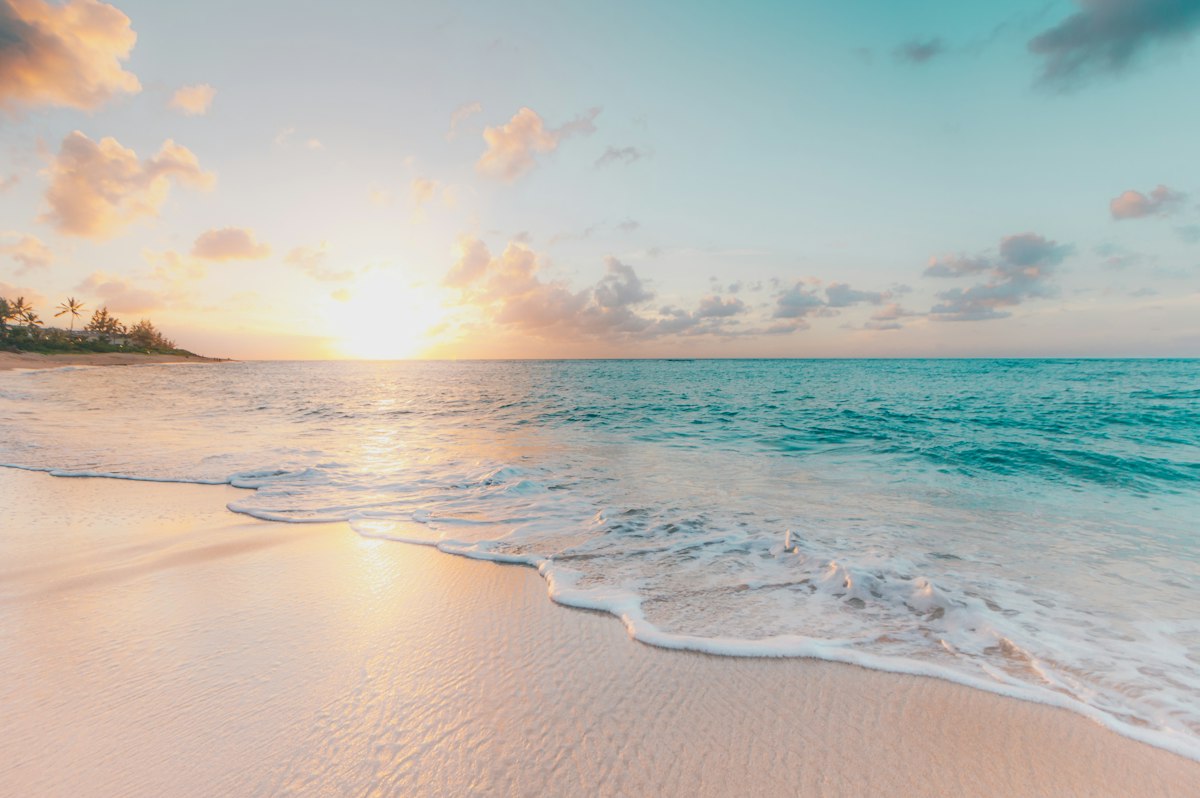
Whitehaven Beach, Whitsunday Island
98% pure silica sand · Hill Inlet tidal patterns create ever-changing marble swirls · Accessible by sailing tour, seaplane, or helicopter
Scuba Diving Queensland — From First Dive to Liveaboard
Queensland is Australia's undisputed scuba diving capital, with a variety of experiences spanning introductory dives for complete beginners through to advanced liveaboard expeditions at remote outer reef locations visited by very few travellers. The reef's 2,900 individual formations include walls, caves, pinnacles, and bommies of extraordinary diversity.
Introductory Scuba Dive
No certification needed. Dive with a qualified instructor to 4–6 metres depth among coral gardens. All equipment provided; a 30-minute pool or shallow water briefing precedes the reef dive. Available from most reef tour catamarans.
Guided Reef Dive Tours
Multi-dive day tours from Cairns visit two outer reef sites, offering wall dives, bommie dives, and encounters with reef sharks, rays, and sea turtles. Hardy Reef (Whitsundays) features a vast underwater observatory plus drift diving.
Liveaboard Reef Expeditions
2–7 night liveaboard voyages access remote northern sites including Osprey Reef (hammerhead sharks), the Ribbon Reefs, and the Coral Sea — locations impossible to reach on day tours. Experience sunrise, sunset, and night dives at some of the most pristine reef on Earth.
Helmet Diving & MOUA
Helmet diving lets non-swimmers walk on the ocean floor wearing an air-fed helmet — no swimming ability required. Townsville's Museum of Underwater Art (MOUA) — accessible to scuba divers and snorkellers — features remarkable sculptural installations by Jason deCaires Taylor at multiple sites.
Surfing Queensland — Gold Coast to the Sunshine Coast
Queensland's southern coastline delivers some of Australia's most consistent and celebrated surf. The Gold Coast alone hosts over a dozen surf breaks catering to every level — from the legendary point break at Snapper Rocks (home to the Quiksilver Pro) to mellow learner-friendly beach breaks at Surfers Paradise, Currumbin, and Tallebudgera Creek.
🏄 Gold Coast Breaks
- Snapper Rocks — world-class point
- Kirra — legendary right-hand tube
- Burleigh Heads — powerful rights
- Surfers Paradise — beginner friendly
- Currumbin Alley — sheltered inlet
🌊 Sunshine Coast Breaks
- Noosa National Park — longboard paradise
- Alexandra Headland — consistent beach
- Moffat Beach — sheltered, family-friendly
- Coolum Beach — open ocean swells
- Point Cartwright — reef break
📋 Surf Lessons & Hire
- Beginner lessons from $60/2hrs
- Soft-top boards for learners
- Wetsuit hire available year-round
- Group & private instruction
- SLSA-affiliated schools recommended
Sea Kayaking & Stand-Up Paddleboarding Across Queensland
Kayaking offers a uniquely intimate way to experience Queensland's coastlines, waterways, and islands — close to the water's surface, quietly slipping past mangroves and coral gardens in spots that motorboats can't reach. From Noosa's everglades to Airlie Beach's turquoise foreshore and Magnetic Island's turtle-rich bays, guided sea kayaking tours are available for all fitness levels across the state.
Stand-up paddleboarding (SUP) has exploded in popularity across Queensland's calm bays, estuaries, and canals. The glassy morning conditions on the Noosa River, the Broadwater on the Gold Coast, and the Whitsunday passages are world-class SUP environments — and most beach resorts offer board hire from $25/hour.
Noosa Everglades Kayak
Self-guided kayak through the Noosa Everglades — one of only two true everglades systems on Earth. Glide through the mirror-still Lake Cootharaba and the Tea Tree-stained waterways of Cooloola National Park. Half-day and full-day guided tours available; completely flat water throughout.
Whitsunday Sea Kayak Tours
Eco-certified daily sea kayak tours from Airlie Beach explore Wave Break Island, fringing reef systems, and mangrove channels invisible to larger vessels. The Magnetic Island sea kayak turtle tour — a 6km guided return paddle — encounters resident green sea turtles in open water with a marine naturalist guide.
Whale Watching in Queensland — Humpback Season
From June to November, Queensland's coastal waters host one of the most spectacular natural events in the southern hemisphere — the annual humpback whale migration. An estimated 40,000 humpback whales travel north through Queensland's waters to their tropical breeding grounds, then return south with calves. This corridor passes directly through some of the state's most accessible coastal points.
Hervey Bay is widely regarded as the whale watching capital of Australia — the protected waters of the bay act as a nursery and resting area for cow-calf pairs, meaning encounters are extraordinarily calm and extended compared to open-ocean sightings. Gold Coast, Brisbane Moreton Bay, and Mooloolaba Sunshine Coast also offer excellent whale watching tours throughout the season.
🐋 Whale Watching Tips
- ✓Best months: July and August for peak cow-calf activity in Hervey Bay
- ✓Book morning departures — calmer seas and better light for photography
- ✓Choose operators who comply with Queensland whale watching regulations (100m minimum approach distance)
- ✓Swim with dwarf minke whales available at Ribbon Reefs (Port Douglas) June–July only
- ✓Most operators offer a second trip free if no whales are sighted
White Water Rafting, Jet Boating & More Adventure Water Sports
For those who like their water activities with a shot of adrenaline, Queensland delivers in spectacular fashion. The Tully River near Mission Beach offers Australia's most consistent white water rafting — a full-day journey through Grade 3–4 rapids in a World Heritage-listed rainforest gorge. Meanwhile, jet boating on the Whitsunday passages delivers 360-degree spins, precision high-speed manoeuvres, and spray-drenched laughter in equal measure.
🚣 White Water Rafting
- Tully River — Grade 3–4 rapids
- Departs Mission Beach & Cairns
- Full-day, from $155pp
- Rainforest gorge setting
- All equipment & guide included
🚤 Jet Boating
- Whitsundays — ocean jet boat tours
- Gold Coast — Broadwater circuits
- 30–60 min sessions from $75pp
- 360° spins, high-speed drifts
- Minimum age typically 3 years
🪂 Kite Surfing & Parasailing
- Gold Coast — Southport Broadwater
- Bowen & Airlie Beach (wind capital)
- Kite lessons from $180 (3hrs)
- Parasailing from $89pp
- Year-round conditions available
When to Visit Queensland for Water Activities
The best time to visit the Great Barrier Reef is generally June to November, which coincides with peak underwater visibility, calm seas, and the humpback whale migration. The Whitsundays and southern reef can be visited year-round, while northern Queensland (Cairns and above) is best avoided November to March due to tropical storm season and marine stingers.
📅 Queensland Water Activities — Seasonal Quick Reference
| Activity | Peak Season | Rating | Notes |
|---|---|---|---|
| Great Barrier Reef Snorkelling | Jun – Nov | Best visibility | Calm, clear; avoid Dec–Mar north QLD |
| Scuba Diving (outer reef) | Jun – Nov | Peak conditions | Liveaboards book months ahead |
| Whitsundays Sailing | Apr – Oct | Excellent | SE trades consistent; avoid cyclone season |
| Surfing (Gold Coast) | Mar – Sep | Best swell | Cyclone groundswells Feb–Apr exceptional |
| Whale Watching | Jun – Nov | Essential | Hervey Bay peak: Jul–Aug |
| Sea Kayaking | Apr – Oct | Excellent | Noosa Everglades good year-round |
| White Water Rafting (Tully) | Nov – Apr | Wet season levels best | Higher water = more exciting rapids |
| Lady Elliot Island Snorkel | Jun – Sep | Manta rays peak | Accessible year-round by charter flight |
Essential Tips for Water Activities in Queensland
- 1Book reef tours in advance — Peak season (July–September) reef tours from Cairns and Airlie Beach sell out weeks ahead. Book at least 3–4 weeks out for Whitsundays sailing.
- 2Reef-safe sunscreen only — Chemical sunscreens containing oxybenzone and octinoxate cause coral bleaching. Use SPF 50+ mineral sunscreen with zinc oxide only — most operators now enforce this.
- 3Wear a stinger suit north of Cairns from Oct–May — Provided free by all reputable operators. Never refuse one in stinger season; Irukandji jellyfish are nearly invisible.
- 4Check sea conditions before booking — Weather on the outer reef can change quickly. All reputable operators monitor Bureau of Meteorology forecasts and will reschedule in unsafe conditions.
- 5Respect the Marine Park rules — No touching coral, no feeding fish, no collecting anything (including shells). Violations carry significant fines and damage the ecosystem you've come to experience.
- 6Take seasickness medication proactively — If you're prone to motion sickness, take medication 2 hours before departure. The outer reef journey can be choppy. Larger catamarans are significantly more stable than smaller vessels.
- 7Download the Eye on the Reef app — Contribute citizen science data during your reef visit by reporting bleaching, pest outbreaks, and marine life sightings. Supports reef conservation efforts directly.
- 8Non-swimmers can still experience the reef — Glass-bottom boats, semi-submersibles, underwater observatories, and helmet diving all provide extraordinary reef encounters without swimming ability.
Frequently Asked Questions
Ready to Hit the Water?
Let Cooee Tours build your perfect Queensland water adventure — reef tours, Whitsundays sailing, surf lessons, whale watching and more, all combined into a single seamless itinerary.
Build My Water Adventure →