

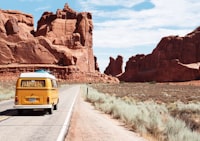




Travel surprises even experienced travellers. New countries are culturally distinct enough to catch you off guard, large enough to require real planning, and rewarding enough to repay those who prepare well. These 35 tips cover the practical ground most guidebooks skim over — money, customs, safety, and the small habits that smooth out any trip, anywhere.
⚡ Quick Reference — Travel Basics
💰
CurrencyUse the local currency. Cards work almost everywhere; carry some cash.🔌
PowerPlug types and voltage vary (110V or 230V). Pack a universal adaptor.🕐
Time ZonesCheck the time difference and whether your destination uses daylight saving.🌡️
SeasonsFlip across the equator — December is summer in the south, winter in the north.🚗
DrivingDriving side varies by country. Check if you need an International Driving Permit.🚨
Emergency112 works on GSM networks in much of the world — but learn the local number.💰 Money & Payments
Money & Payments
- Tipping customs vary enormously — research before you go. In the US, 15–20% is expected; in Japan, tipping can cause confusion or even offence; across much of Europe a small round-up is normal; in Australia and New Zealand it is appreciated but never expected. A quick check of the norm for your destination saves awkwardness either way.
- Cards are accepted almost everywhere, but carry some local cash. Tap-to-pay is widespread in most cities, though coverage varies by country and some places remain cash-first. Keep a modest amount of local currency for markets, rural areas, small vendors, and transport that doesn't take cards.
- Use a travel card for better exchange rates. Wise and Revolut typically offer near-interbank rates, far better than airport booths or your home bank. Set one up before you fly, and avoid exchanging cash at airports where the rates are consistently poor.
- ATMs are common in cities but scarce off the beaten track. Withdraw before heading into national parks, mountains, or small communities, and favour bank-operated ATMs to avoid high fees and the worst exchange rates. Some remote areas are cash-only.
- Check whether tax is included in the listed price. In much of the world (the EU, Australia, Japan) sales tax is built into the price on the tag; in the US it is added at the register. Many countries also offer tourists a VAT or sales-tax refund on eligible purchases — keep your receipts and claim at the airport on departure.
🦘 Culture & Customs
Culture & Local Customs
- Learn how locals greet and address one another. Formality, greetings, and personal space vary widely — first names in some cultures, titles and a handshake or bow in others. A few words of the local language and a sense of the local manners earn enormous goodwill.
- Dress and behave respectfully at religious and sacred sites. Many places of worship expect covered shoulders and knees, removed shoes, or head coverings. When in doubt, dress modestly and follow what locals do — it is the simplest way to show respect.
- Humour, directness, and politeness norms differ — read the room. What counts as friendly banter in one country can read as rude in another, and vice versa. Watch how locals interact and match their register before you assume a tone will land the way it does at home.
- Opening hours and rest days vary — plan accordingly. Some countries wind down on Sundays, others on Fridays; many observe midday closures or siestas, and public holidays can shut almost everything. Check hours before you build a day around a specific shop, site, or restaurant.
- Respect sacred sites and local cultural protocols. Some sites require permission to enter, restrict photography, or ask visitors to behave in specific ways. On guided visits, follow your guide's direction, and never treat a living cultural or religious site purely as a photo backdrop.
- Treat the environment with care everywhere. Littering carries heavy fines in many countries, and Leave No Trace principles apply in national parks worldwide. Removing natural materials — rocks, plants, shells, coral — from protected areas is often illegal as well as harmful.
🚌 Getting Around
Getting Around
- Distances can be deceptive — plan for more than the map suggests. Mountain roads, borders, and traffic stretch journeys well beyond what a straight line implies; what looks like a 2-hour drive may be 5. For long hops, domestic flights or fast trains are often more practical than driving.
- Driving side and licence rules vary by country. Some drive on the left, some on the right; many countries require an International Driving Permit alongside your home licence. Seat belts are compulsory in most places and speed limits are widely enforced with fixed and mobile cameras.
- Book domestic flights and trains early for the best prices. Fares rise steeply close to the date, and peak holiday periods sell out fast. Setting a price alert two to four months ahead usually catches the best fares on popular routes.
- City public transport is usually excellent — and cheaper than taxis. Most major cities run integrated train, bus, tram, and ferry networks on a single tap-and-go card or app. Pick up the local transit card on arrival; it is almost always the fastest and most economical way to get around.
- Scenic road trips are spectacular but demand planning. The world's great drives cover big distances with long gaps between services. Allow more days than the kilometres suggest, and always check fuel-station locations before setting out on remote or mountain routes.
- Driving at dawn and dusk on rural roads carries wildlife-strike risk. Deer, livestock, kangaroos, and other animals are most active in low light, and a collision at speed is a serious accident. Slow right down on rural roads at these times and watch the verges.
Skip the Logistics Tip
On a tight schedule, a guided day tour solves transport entirely — pick-up from your accommodation, a professional local guide, and all the logistics handled. In Queensland, Cooee Tours' day tours do exactly that, so you see more and stress less. See all Cooee Tours →
🛡️ Safety
Staying Safe
- Learn your destination's emergency number before you arrive. It varies — 911 in North America, 999 in the UK, 000 in Australia, 112 across the EU and on GSM networks in much of the world. Apps like what3words can give responders your precise location when you can't describe where you are.
- Swim between the flags at patrolled beaches. Ocean rips are a leading cause of drowning for visitors worldwide. Flags mark the lifeguard-patrolled zone. If caught in a rip, don't swim against it — float, signal for help, or swim parallel to the shore until you're out of the current.
- The sun is stronger than you expect near the equator and at altitude. UV climbs fast in the tropics, at high elevation, and near water or snow. Apply SPF 30+ every two hours, wear a broad-brim hat and UV sunglasses, and avoid peak midday sun without protection — sunburn can happen in minutes on a clear day.
- Research local wildlife hazards before you go. Dangerous animals and plants differ by region — crocodiles, snakes, jellyfish, big cats, bears, or simply aggressive monkeys near temples. Read up on what lives where you're heading, and heed every warning sign without exception.
- Check seasonal hazards at coastal and tropical destinations. Many regions have a jellyfish, monsoon, cyclone, or hurricane season with real risks. Look up the seasonal advisories for your dates, follow local beach and weather warnings, and don't assume the water is safe just because it looks inviting.
- Insects and snakes are manageable with sensible habits. Don't put your hands where you can't see, shake out boots and bedding in rural areas, and use repellent where mosquito-borne illness is a risk. Know the basic first-aid response for local bites and stings, and seek medical help rather than improvising.
- Remote travel requires serious preparation. Carry more water than you think you need, share your full itinerary with someone not on the trip, and consider a Personal Locator Beacon (PLB) where coverage is patchy. Register with your government's travel-advisory service for added safety.
☕ Food & Drink
Food, Coffee & Eating Out
- Local food and drink culture has its own vocabulary and etiquette. Coffee, tea, and ordering customs differ everywhere — a "flat white" in one country, a tiny strong espresso in another, elaborate tea rituals elsewhere. Learn a couple of key terms and the local way to order, and you'll be served what you actually wanted.
- Eat where the locals eat. A busy spot full of locals is almost always a better bet than an empty restaurant with a tout outside a tourist landmark — better food, fairer prices, and a more honest sense of the place. Ask your accommodation hosts where they actually go.
- Tap-water safety varies — check before you drink. It's safe in much of Europe, North America, Japan, Australia, and New Zealand, but not in many other regions. Where you're unsure, use sealed bottled water, a filter bottle, or boil first. A reusable bottle still saves money and plastic wherever the water is safe.
- Seek out regional specialities and seasonal produce. Every region has dishes and ingredients that are far better — and cheaper — close to where they're grown or caught. Ask what's local and in season, and order it; it's usually the most memorable eating of any trip.
- Watch for local dining customs and added charges. Cover charges, service charges, bread or table fees, BYO and corkage rules, and reservation norms all differ by country. A glance at the menu fine print — or a quick question before you sit down — avoids a surprise at the end of the meal.
🌤️ Climate & Seasons
Climate & When to Visit
- Seasons reverse across the equator. December to February is summer in the Southern Hemisphere and winter in the North. Shoulder seasons — roughly March–May and September–November — often bring the best balance of pleasant weather and smaller crowds, whichever hemisphere you're in.
- Many tropical destinations have a wet and a dry season. The dry season is usually the comfortable time to visit; the wet (or monsoon) season can bring storms, flooding, road closures, and extreme humidity — though it also brings dramatic waterfalls and lush landscapes. Research which window suits the experience you want.
- Confirm time zones and daylight saving when booking connections. Neighbouring regions don't always share a clock, and not everywhere observes daylight saving — so a place an hour's drive away can be an hour different. Double-check local time when booking flights, trains, and tight connections.
📱 Digital & Connectivity
Mobile, Digital & Connectivity
- Get a local SIM or eSIM on arrival for the best data value. An eSIM app like Airalo or Holafly lets you connect the moment you land, or buy a local prepaid SIM at the airport. For road trips, choose the carrier with the widest rural coverage in your destination, even if it costs a little more.
- Download offline maps before you leave coverage. Mobile signal drops outside cities and major towns. Google Maps, Maps.me, and AllTrails all support offline downloads — grab your entire route before departure. For more recommendations, see our Best Travel Apps guide.
- Save the local emergency number and a location app before remote travel. Note your destination's emergency number and install what3words or a similar tool, which shares your precise location as a simple address that responders in many countries can use — invaluable when you don't know exactly where you are, and it works offline.
Ask a Local Tip
Wherever you're heading, the best current intel comes from people on the ground — hotel staff, local guides, and visitor centres know about conditions, closures, and events that no guidebook can keep up with. Planning Queensland? The Cooee Tours team is happy to help on 0409 661 342 or contact@cooeetours.com.au.
Heading to Queensland on Your Travels?
Cooee Tours runs small-group day experiences across Queensland — Gold Coast, Brisbane, and Cairns — with guides who know these places intimately. All the tips above come to life with a local showing you the way.
❓ Frequently Asked Questions
Do you tip when travelling?
Tipping customs vary enormously by country. In the US, 15-20% is expected in restaurants; in Japan, tipping can cause confusion or even offence; across much of Europe a small round-up is normal; and in Australia and New Zealand it is appreciated but not expected. Always research the norm for your destination before you go.
Is it safe to travel in 2026?
Most popular destinations are very safe for travellers who take sensible precautions. Check your government's official travel advisory for your specific destination before booking. The most common risks are petty theft in busy tourist areas and environmental hazards such as strong sun, ocean rips, and traffic, rather than violent crime.
How should I handle money and currency abroad?
Use the local currency and expect cards to be accepted in most cities, though contactless coverage varies by country. Carry some local cash for small vendors, markets, and rural areas. Travel cards like Wise or Revolut usually beat airport exchange booths and home banks on rates. Tell your bank your travel dates so your cards are not blocked.
When is the best time to travel in 2026?
It depends entirely on your destination and hemisphere — seasons reverse across the equator, so December is summer in the south and winter in the north. Many tropical regions have distinct wet and dry seasons, and shoulder seasons (spring and autumn) often bring the best balance of good weather and smaller crowds. There is no single "best time" — it depends on where you are going.
Do I need a power adaptor when travelling?
Plug shapes and voltage vary worldwide — the Americas and Japan use about 110-120V while most of the rest of the world uses 220-240V. A compact universal travel adaptor covers the different plug types. Most modern electronics (phones, laptops) handle 100–240V automatically — check your device label before using without a converter.
Can I drink the tap water abroad?
It depends on the country. Tap water is generally safe in much of Europe, North America, Japan, Australia, and New Zealand, but is not safe in many other regions. When unsure, drink sealed bottled water, use a bottle with a built-in filter, or boil water first. Always check current advice for your specific destination.
How do I get around in a new country?
Within cities, integrated public transport (train, bus, tram, ferry) is efficient and far cheaper than taxis. Trains and coaches are good value between nearby towns, and domestic flights make sense for long distances. Renting a car is ideal for regional exploration — just check whether you need an International Driving Permit. For day trips in Queensland, Cooee Tours provides guided transport from your accommodation.
🌏 One Last Travel Tip
Leave more time than you think you need. Travellers who plan to "do it quickly" are the ones who end up regretting the rush — the distances are larger, the detours are better, and the pace that rewards you is almost always slower than you first allow for. The best travel tip is simply this: don't rush it.
For your next step, see our Travel Preparation Guide, our Best Travel Apps guide, or browse Cooee Tours' Queensland day tours — we'll be with you from before you pack to after you land back home.