🌊 Understanding Australia's Whale Migration
Australia's whale watching season is driven by one of the longest mammal migrations on Earth. Humpback whales undertake an annual round trip of approximately 10,000 kilometres between their Antarctic feeding grounds (where they spend the summer gorging on krill) and warm tropical waters off Queensland where they breed and give birth. This creates two distinct viewing opportunities along the east coast.
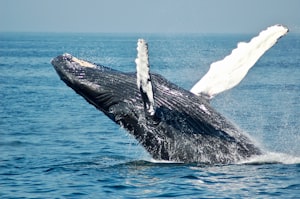
The northward migration (May–August) sees whales moving efficiently towards breeding grounds — sightings occur but tend to be briefer, as whales are focused on traveling. The southward migration (August–November) is widely considered the superior whale watching experience: mother-calf pairs travel slowly, rest in protected bays for days at a time, and display far more surface activity as calves gain strength and confidence. This is when breaching, tail slapping, spy-hopping, and playful interactions are most frequent.
In the 1960s, Australian humpback whale numbers had crashed to fewer than 500 individuals due to commercial whaling. Today, the population has recovered to over 40,000 — one of conservation's greatest success stories, and the reason sighting success rates now exceed 99% at peak season locations. The eastern Australian humpback population is healthy, growing, and increasingly comfortable around responsible whale watching vessels.
Species You'll Encounter in Australian Waters
| Species | Primary Season | Best Locations | Signature Behaviours |
|---|---|---|---|
| 🐋 Humpback Whale | May–November | East & West Coast | Breaching, tail slapping, singing, mugging vessels |
| Southern Right Whale | June–October | Southern Coast, Albany | Close-to-shore resting, nursing calves, sailing |
| Minke Whale | June–August | Great Barrier Reef | Curious, actively approaches snorkelers |
| Blue Whale | November–May | Southern Ocean, Portland | Surface feeding, enormous blow, long dives |
| Orca (Killer Whale) | Year-round | Bremer Bay WA | Hunting, pod coordination, socialising |
Beyond whales, most Australian tour operators regularly encounter bottlenose dolphins, sea turtles, and occasionally whale sharks on the Gold Coast and Ningaloo routes. Marine biologists and naturalists on board most major vessels provide education and commentary throughout each tour.
📍 Premier Whale Watching Destinations
East Coast Hotspots
Gold Coast, Queensland
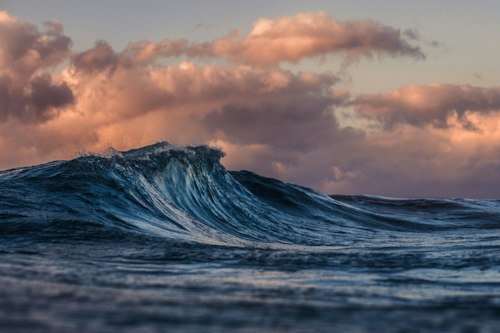
The Gold Coast sits on the Humpback Highway — but it's more than just a migration corridor. Approximately 35,000 humpbacks pass through each year, and the protected shallow bay with its sandy bottom and shelter from southeasterly winds is ideal for socialising, resting, and calving. Tours depart from Main Beach (Mariners Cove) and Surfers Paradise daily through the season. Australia's longest continuous whale watching season. 100% sighting guarantee standard across major operators.
Hervey Bay, Queensland
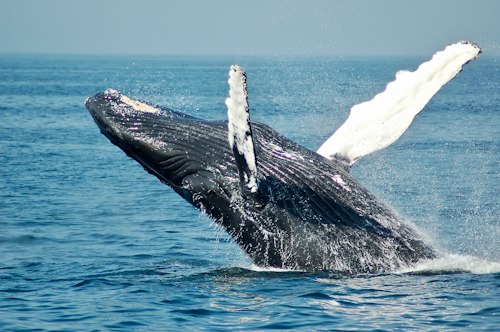
Internationally recognised as Australia's whale watching capital and, arguably, the world's best destination for intimate humpback encounters. The sheltered waters between Fraser Island and the mainland create a natural rest stop where mother-calf pairs pause for days. The defining feature: whales here are so relaxed they frequently approach vessels — a behaviour known as "mugging." The world standard for close, extended encounters.
Sydney, New South Wales
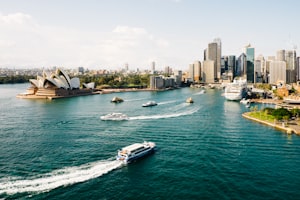
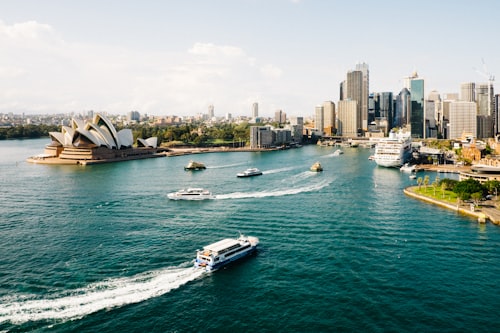
The unique experience of watching humpback whales against the Sydney Opera House and Harbour Bridge. Tours depart from Circular Quay, and whales pass remarkably close to Sydney's headlands — North Head, South Head, and The Gap are excellent shore-based viewing spots. The most accessible whale watching in Australia for city visitors.
Byron Bay, New South Wales
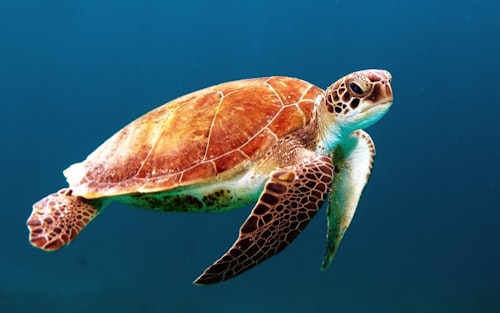
Australia's most easterly point funnels migrating whales close to shore. Cape Byron Lighthouse provides the country's finest land-based whale watching — elevated viewpoints with panoramic ocean views, frequent breaching displays. Boat tours also offer close encounters, plus dolphins, sea turtles, and manta rays.
Western Australia & Southern Regions
Ningaloo Reef, Western Australia
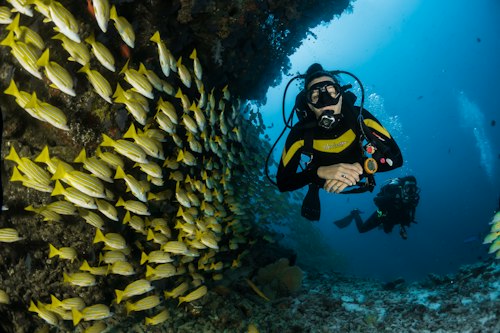
One of only a handful of locations worldwide where permits allow swimmers to enter the water alongside humpback whales. These carefully regulated programs enable snorkelers to observe resting whales and playful calves from a respectful distance. Tours are strictly limited in numbers and booked months in advance. Ningaloo also offers whale shark encounters (March–July) and manta rays year-round — Australia's most diverse marine wildlife calendar.
Albany, Western Australia
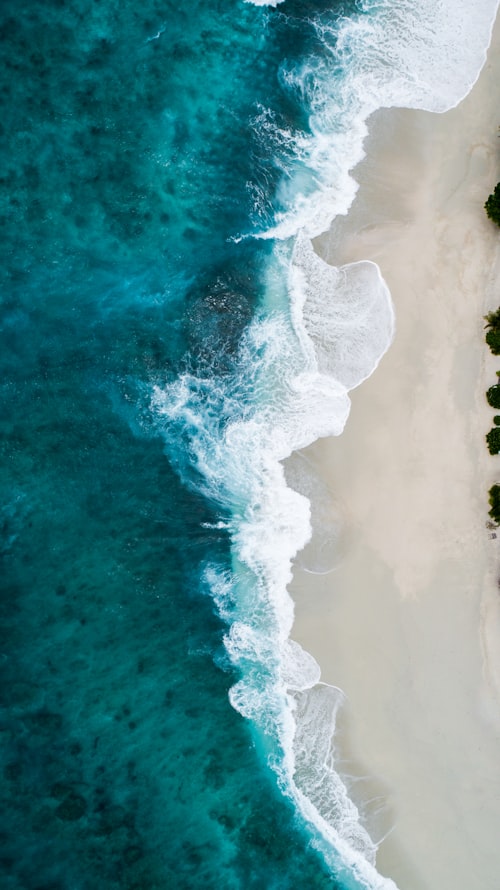
Albany's King George Sound is critical habitat for southern right whales, which arrive to calve in the sheltered bays. The historic whale station (now a museum) provides powerful conservation context. Southern right whales come within metres of shore at Frenchman Bay and Middleton Beach — some of Australia's finest land-based viewing, with a transformative educational dimension.
🌊 Gold Coast Whale Watching — Deep Dive
The Gold Coast is Cooee Tours' home territory, and it's where we've spent years getting to know the whale watching experience from every angle. Here's what we know that most guides miss.
Why the Gold Coast Is Exceptional for Whale Watching
Unlike most coastal locations where whales are simply passing through, the Gold Coast's open embayment provides shallow sandy-bottom waters and protection from southeast trade winds — conditions humpbacks actively seek for resting, socialising, and calving. According to Griffith University marine researcher Dr Olaf Meynecke, who has studied the regional population for over a decade: the Gold Coast is not a migration highway so much as a nursery and social hub. Whales don't just pass — they stay.
Main Beach Departures
Sea World Cruises Terminal, Mariners Cove. Purpose-built vessels with 3 viewing decks, marine naturalists, and underwater hydrophones. Multiple daily departures.
Surfers Paradise
Whales in Paradise boutique tours — fewer passengers, licensed bar, rail-side seating throughout. Small-group experience from the heart of Surfers Paradise.
Land-Based Viewing
Burleigh Head NP (Tumgun Lookout), Elephant Rock, Point Danger, and Coolangatta headland — free viewing spots during peak season.
Season Dates 2026
Sea World Cruises confirmed reopening from 30 May 2026. Peak season: August–October. Full season: late May–late October.
Typical Costs
From $79–$129 AUD per adult. Tours run 2–2.5 hours. 100% sighting guarantee standard — free return cruise if no whales sighted.
Bonus Wildlife
Bottlenose dolphins, green sea turtles, seabirds, and occasional minke whales regularly spotted alongside humpbacks during tours.
📅 When to Visit — Regional Season Guide
While Australia's general whale watching season spans May to November, optimal timing varies significantly by region. The southward migration (August–November) is almost universally better for whale watching — mother-calf pairs are slower, more interactive, and spend more time at the surface.
Late May – late October
Peak: Aug–Oct (mother-calf)Late July – early November
Peak: Aug–Oct (world's best encounters)May – November
Peak: Jul–Oct (southward migration)June – December
Swim season: Aug–OctJuly – October
Peak: Aug–Sep (calving)June – October
Peak: SeptemberBook morning departures when possible — whales are typically more active in calmer morning conditions before afternoon sea breezes develop. Morning light also produces the best photography conditions for capturing breaches and flukes. Most Gold Coast operators schedule peak departures between 9am and 11am.
🎒 What to Bring & How to Prepare
Seasickness
Take medication 30–60 minutes before departure. Focus on the horizon if you feel unwell. Morning tours have calmer conditions — prefer them if you're sensitive to motion.
Sun Protection
SPF 50+, hat, and sunglasses. Open water amplifies UV. Reef-safe sunscreen preferred — you may be near marine environments.
Layers
Even on warm Gold Coast days, ocean breezes at speed are cold. Bring a windproof light jacket and wear closed-toe shoes with grip.
Photography
Telephoto 200–400mm for distant breaches. Modern phone cameras are excellent. Bring extra batteries — a 2.5-hour session with whales generates more photos than you expect.
Families
Most operators are family-friendly with life jackets, safety briefings, and indoor cabins. Check minimum age requirements — typically 2–5 years.
Sighting Guarantee
All major Gold Coast operators offer a 100% sighting guarantee — free return cruise if no whales are spotted. Rarely needed, especially August–October.
🌊 Conservation: Why Responsible Whale Watching Matters
Australia's humpback whale population has recovered from fewer than 500 individuals in the 1960s to over 40,000 today — one of the most remarkable conservation recoveries in Australian wildlife history. This success reflects the cessation of commercial whaling, strong marine protection legislation, and decades of research and public education that whale watching tours directly support.
Responsible whale watching contributes to ongoing conservation by generating economic value for whale protection, funding marine research (Sea World Cruises donates 10% of sales to Humpbacks & High-rises, the Griffith University research program), and creating public awareness about marine ecosystem health. Choose operators displaying Eco-Certified accreditation or those actively contributing to marine research programs.
Australian law requires vessels to maintain minimum distances: 100 metres for most whales, 300 metres for mothers with calves (or 30 metres if the whale approaches the vessel). No more than three vessels may be within 300 metres of any whale simultaneously. Swimming with whales is prohibited throughout Australia except at specifically licensed locations in Western Australia.
Book Your 2026 Whale Watching Experience
Cooee Tours' Gold Coast whale watching tours run from late May to late October — 100% sighting guarantee, expert marine naturalists, and return-trip promise on the rare chance whales don't appear.
Book a Whale Tour →