


🏙️ Must-Visit Destinations Around the World
These six destinations belong on any traveller's shortlist — a spread of cultures, cuisines, and cityscapes across five continents. Each rewards a few unhurried days rather than a flying visit.

Tokyo
A city of dazzling contrasts — neon-lit Shibuya and serene Meiji shrine, Michelin-starred sushi and 100-yen ramen, ancient temples beside robot cafes. Ride the punctual subway, lose an afternoon in Shinjuku's backstreets, and day-trip to Mount Fuji or the temples of Nikko. Best in spring (cherry blossom) and autumn (maples).

Paris
The benchmark for the European city break — the Louvre and Musée d'Orsay, café terraces in Le Marais, Seine-side walks, and the view from Montmartre at dusk. Skip the queues with timed-entry tickets and treat the Métro as your friend. Allow at least four days, and leave room to simply wander.
New York City
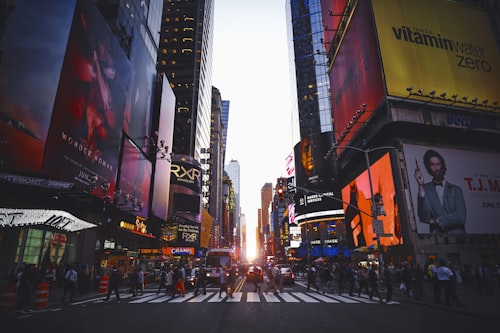
Five boroughs of relentless energy — Central Park, world-class museums, Broadway, and a food scene that spans every cuisine on Earth. Walk the High Line, ride the free Staten Island Ferry past the Statue of Liberty, and eat your way through Queens. Spring and autumn are the most comfortable seasons.
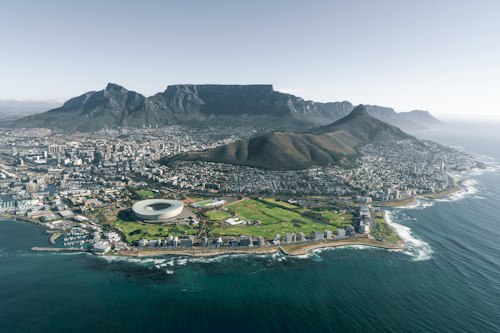
Cape Town
Where Table Mountain meets two oceans — cable-car summits, the penguins of Boulders Beach, the winelands of Stellenbosch, and a sobering, essential visit to Robben Island. Drive Chapman's Peak at sunset. The dry summer (November–March) is peak season; spring brings wildflowers.
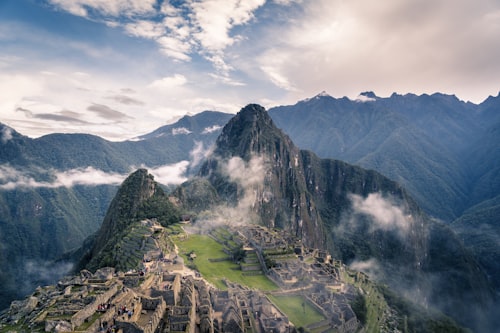
Machu Picchu
The 15th-century Inca citadel draped along an Andean ridge remains one of travel's genuine breath-catching moments. Reach it by the classic Inca Trail trek or the scenic train from Cusco — either way, acclimatise to the altitude in the Sacred Valley first. Timed entry tickets are now essential and sell out weeks ahead.
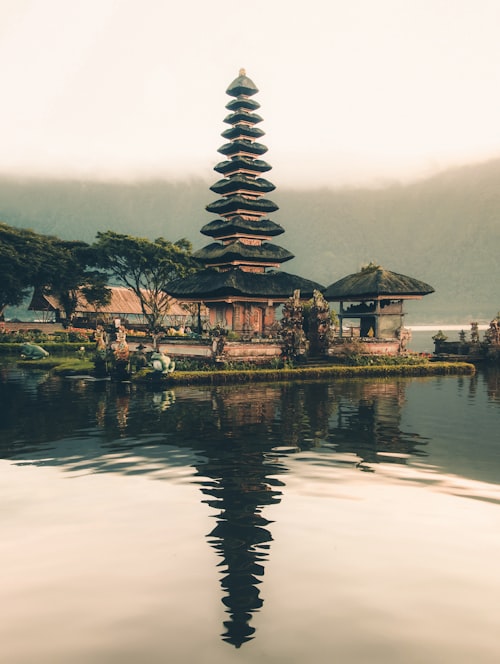
Bali
Temples, emerald rice terraces, surf breaks, and a deeply spiritual Hindu culture make Bali endlessly rewarding beyond the beach clubs. Watch sunrise from Mount Batur, explore Ubud's art villages, and treat sacred sites with the respect (and a sarong) they require. The dry season (April–October) is best.
🏔️ Natural Wonders & Great Outdoors
For travellers who measure a trip in landscapes rather than landmarks, these six deliver some of the planet's most jaw-dropping scenery — reef, fjord, mountain, savanna, and volcanic coast.
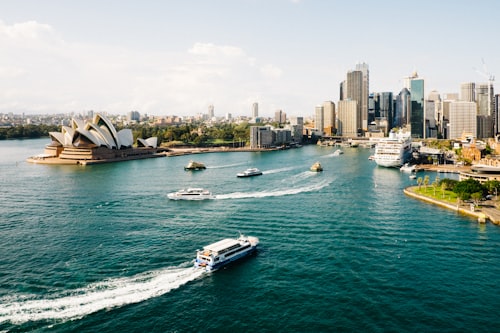
Great Barrier Reef
The world's largest coral reef system stretches 2,300km — visible from space and home to 1,500+ species of fish and endangered turtles. Best visited in the drier months for visibility. Choose operators with strong responsible-reef credentials, and use reef-safe sunscreen.
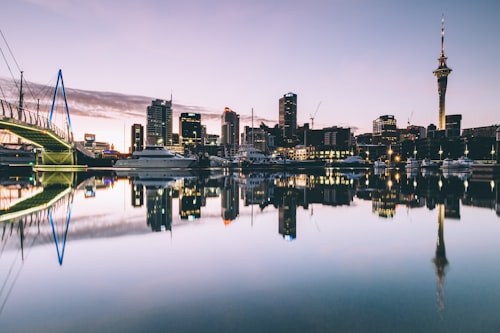
Milford Sound / Piopiotahi
Rudyard Kipling called it the "eighth wonder of the world." Mitre Peak rises 1,692m straight from the sea, waterfalls cascade year-round, and dolphins, fur seals, and Fiordland penguins patrol the water. The overnight cruise reveals what day-trippers miss — the fiord after the crowds, under a staggering Milky Way.
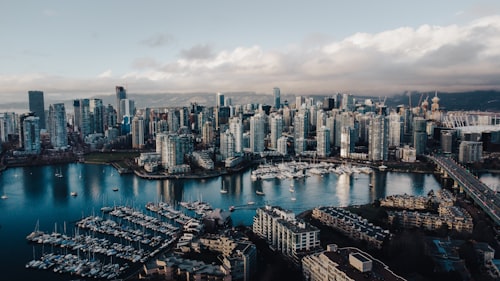
Banff & the Canadian Rockies
Turquoise glacial lakes, soaring peaks, and abundant wildlife in Canada's oldest national park. Canoe on Lake Louise, drive the Icefields Parkway to the Columbia Icefield, and ride the Banff Gondola for a 360° panorama. Summer for hiking, winter for world-class skiing and frozen-lake magic.
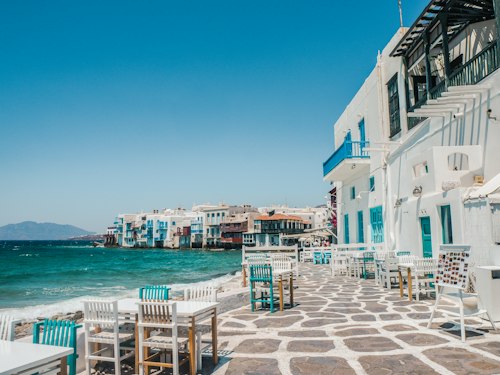
The Norwegian Fjords
Sheer cliffs, cascading waterfalls, and mirror-still water on UNESCO-listed Geirangerfjord and Nærøyfjord. Explore by silent electric ferry, ride the Flåm Railway, and in winter chase the northern lights from Tromsø. One of the easiest places on Earth to travel low-carbon.
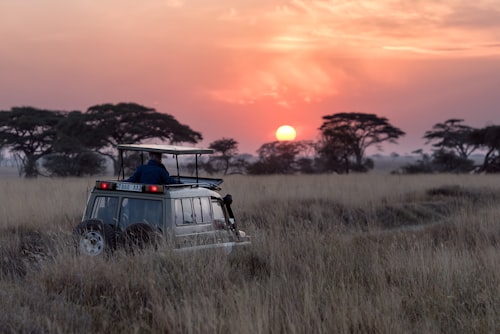
The Serengeti & Maasai Mara
The greatest wildlife spectacle on Earth — the annual migration of more than a million wildebeest and zebra across the East African plains, trailed by lions, cheetahs, and crocodiles. Choose community-owned conservancies that channel revenue to local people and conservation. River crossings peak roughly July–October.
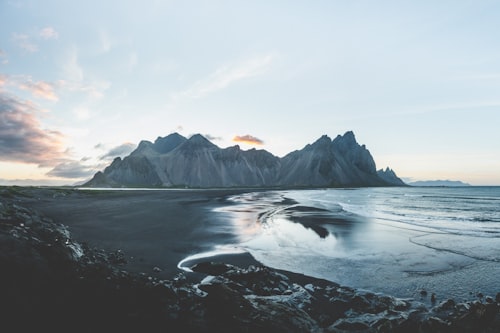
Iceland's Ring Road
A 1,332km loop past waterfalls, black-sand beaches, glaciers, geysers, and geothermal lagoons. Watch for puffins in summer's midnight sun and the northern lights in winter's long dark. Self-drive at your own pace, and always check road and weather conditions before setting out.
📅 Suggested Itineraries
Two ready-to-use two-week routes — one a classic first-timer's loop through Europe, the other a Southern Hemisphere adventure across Australia and New Zealand. Both sequence stops by geography to avoid wasteful backtracking.
Open-jaw flights (fly into one city, out of another) save days of backtracking. Trains often beat flying for journeys under about four hours once you count airport time. And for the Australia–New Zealand leg, the Cooee Tours team can help sequence connections — it's the part of the world we know best.
✈️ Essential Travel Tips
Before You Go
🪪 Entry Requirements
Check visa and travel-authorisation rules for every country on your route — many now use quick online systems (US ESTA, EU ETIAS, UK ETA, Australia ETA, NZ NZeTA). Confirm your passport has at least six months' validity and apply well before departure.
📅 Best Time to Visit
Seasons reverse across the equator, and the tropics run on wet/dry rather than four seasons. Shoulder seasons (roughly spring and autumn) usually balance good weather with smaller crowds and lower prices. Research peak, wet, and monsoon windows for each destination.
🌿 Customs & Biosecurity
Rules vary widely — some countries (Australia and New Zealand especially) enforce strict biosecurity with heavy on-the-spot fines. Declare food, plant material, and used outdoor gear, clean your hiking boots, and check duty-free and medication limits before you fly.
🏥 Travel Insurance
Non-negotiable, wherever you go. Make sure the policy covers any adventure activities you'll do (diving, skiing, hiking), medical evacuation, and trip cancellation. Uninsured medical and repatriation costs abroad can be catastrophic.
Getting Around
🚗 Road Trips
Driving side varies by country — confirm whether you need an International Driving Permit alongside your home licence. Book campervans and rentals well ahead in peak season, and budget realistically for distances, which often take longer than the map suggests.
🚆 Trains & Flights
For long distances, low-cost carriers are quick and cheap — set fare alerts a few months out. For journeys under about four hours, trains often beat flying once airport time is counted, and they drop you in the city centre. Book scenic and high-speed routes early.
💳 Money
Use the local currency; cards are widely accepted in cities but carry some cash for markets and rural areas. A travel card (Wise, Revolut) usually beats airport exchange. Tipping norms vary enormously — research each country. Tell your bank your travel dates.
📱 Staying Connected
An eSIM (Airalo, Holafly) connects you the moment you land, or buy a local prepaid SIM at the airport. For road trips, pick the carrier with the best rural coverage. Download offline maps before you leave the city.
UV climbs fast near the equator, at high altitude, and around water or snow — and the Southern Hemisphere sun is fierce (Australia and New Zealand regularly hit "extreme" UV). SPF 30+ sunscreen is not optional; apply before going outside, even on overcast days. Sunburn can happen in under 15 minutes at midday. A hat, sunglasses, and protective clothing are standard kit, not accessories.
🎒 Essential Packing Guide
Pack for the climate and activities of your specific destinations rather than a fixed list — but these versatile essentials earn their place in almost any bag, anywhere in the world.
SPF 50+ Sunscreen
Broad-spectrum, water-resistant. Reef-safe formula for marine areas. Bring more than you think you need.
Filter Water Bottle
1L minimum. A built-in filter lets you drink safely where tap water isn't, and saves money and plastic where it is.
Quality Walking Shoes
Waterproof, supportive, and broken in before you travel. Essential for hiking trails and long days on cobbled city streets alike.
Layered Clothing
Moisture-wicking base layers, a fleece mid-layer, and a waterproof shell adapt to almost any climate and changeable mountain or coastal weather.
Universal Power Adapter
Plug types and voltage vary worldwide. A single universal adapter with USB ports covers every country on your route.
Power Bank (20,000mAh)
Essential for multi-day hikes and remote areas. Photography, navigation, and emergency calls all drain battery fast.
Dry Bag (10–20L)
Protects electronics during water activities, kayaking, beach visits, and sudden rain. Multiple sizes recommended.
Polarised Sunglasses
Category 3–4 UV protection minimum. Reduces glare on water, snow, and windscreen driving. Non-negotiable.
Insect Repellent
A strong DEET or picaridin repellent is essential anywhere with mosquitoes or biting insects — important in regions with malaria, dengue, or Zika risk.
Waterproof Camera
GoPro or similar for reef snorkelling, kayaking, and white-water activities. Bring twice as many memory cards as you think you'll need.
Daypack (25–30L)
Breathable back panel, hip belt, hydration sleeve. Essential for day hikes and when your main bag stays at the accommodation.
Offline Maps
Download Google Maps, Maps.me, or Gaia GPS for key regions before you lose cell coverage. Paper maps as backup in remote areas.
Use packing cubes organised by activity type (beach, hiking, city) rather than by day. Roll clothes rather than fold — reduces volume by 30% and minimises wrinkles. Keep a separate compression bag for dirty laundry. Whatever your destination, assume some rain and pack a quality waterproof shell — staying dry is rarely something travellers regret.
🎭 Cultural Experiences
Engaging Respectfully with Local Cultures
The richest travel moments come from genuine cultural exchange — and they depend on respect. Local and Indigenous cultures everywhere are living and contemporary, not museum pieces. A little preparation goes a long way.
Learn a few words of the local language and the basics of greeting and dress. At temples, mosques, churches, and sacred sites, cover shoulders and knees, remove shoes where asked, and follow photography rules without exception. When you're with a guide, take their lead — they know what's appropriate.
Choose experiences led and owned by the communities they represent, and buy art and crafts directly from makers rather than imported imitations — whether that's Aboriginal art in Australia, Māori cultural experiences in Aotearoa New Zealand, Sámi traditions in the Arctic, or Quechua weaving in the Andes. If you're heading to Australia, see our Aboriginal Art Guide and Bush Tucker Guide for deeper context.
Food & Culinary Experiences
Food is the fastest way into a culture, and the best meals are rarely the most expensive. Seek out the dishes a place is famous for, close to where they're made — ramen counters and izakaya in Japan, family trattorie in Italy, street food in Bangkok and Mexico City, tagines in Marrakech, and the seafood and contemporary cooking of the Southern Hemisphere. A busy spot full of locals beats a tourist-trap terrace every time; ask your hosts where they actually eat.
Ready to Start Your Adventure?
Wherever your travels take you, good planning makes the difference. And when your route brings you to Australia, Cooee Tours runs small-group day experiences across South East Queensland with guides who know these places intimately.
Plan Your Journey →