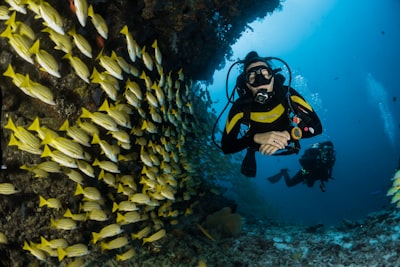

Responsible travel is not about limiting your experience — it's about deepening it. Understanding why you shouldn't photograph certain sacred sites makes them more meaningful, not less. Knowing how to give wildlife space turns encounters into genuine connections. Learning even a few words of the local language opens doors no guided tour can. These principles hold true whether you're in the Australian outback, the Peruvian Andes, or a Japanese temple town.
In 2026, the slow-travel movement is accelerating. Travellers increasingly want to connect genuinely rather than tick boxes — staying longer, going deeper, and treading more lightly. This guide will help you do exactly that, wherever in the world you're headed.
🌏 Why Responsible Travel Matters
Tourism is a powerful force — it now accounts for roughly 8% of global carbon emissions, and concentrates millions of visitors on fragile places, from coral reefs and alpine trails to living cultural sites. Over-tourism strains housing and water in destinations from Venice to Bali; wildlife is stressed by careless encounters; and sacred or ancient sites — some among the oldest evidence of human culture on Earth — are irreplaceable once damaged.
But tourism also funds conservation, sustains communities, and gives wild places economic value alive rather than exploited. When visitors act thoughtfully, the outcomes are tangible: independently certified operators reinvest in habitat restoration, community-led and Indigenous tourism funds language and cultural programmes, and reef-safe practices give corals the best chance to recover. Your choices as a traveller genuinely matter — everywhere you go.
Cultural Respect
Engaging with local and Indigenous cultures on their own terms — as living traditions, not as a spectacle staged for visitors.
Wildlife Ethics
Observing animals at their natural distance, in their natural behaviour, without feeding or disturbance that can harm or habituate them.
Marine Protection
Reef-safe sunscreens, no-anchor mooring, staying off coral — small habits that collectively make a significant difference to reef health.
Low Impact
Reducing single-use plastics, packing out what you bring in, and choosing operators with genuine environmental commitments — not just greenwash.
🤝 Respecting Indigenous Cultures & Local Communities
Indigenous and local communities are the custodians of many of the places travellers most want to see — from Aboriginal Australians, whose connection to Country spans more than 60,000 years, to the Māori of Aotearoa, the Sámi of the Arctic, the Quechua of the Andes, and Native American and First Nations peoples of the Americas. Respectful engagement doesn't just enrich your experience — it is a basic obligation of visiting someone else's home. The principles below apply worldwide; the examples are drawn largely from Australia, where Cooee Tours operates.
The words communities use for themselves change over time and place, and getting them right is a basic courtesy. In Australia, for example, the term "Aborigine" is now considered insensitive; use "Aboriginal person", "Torres Strait Islander", or "First Nations person/people", and a specific community or language-group name where you know it. The universal rule: learn the term the local community prefers, and when in doubt, ask — the question itself shows respect.
Cultural Do's and Don'ts
-
Ask before photographing people and cultural sites
Many communities and sacred sites restrict photography. A "no photography" sign is a cultural law, not a suggestion — and in the absence of signage, always ask first. This applies at sacred sites everywhere, from Uluru and Arnhem Land in Australia to temples, burial grounds, and ceremonies worldwide.
-
Buy authentic crafts directly from makers or certified sellers
Buying directly from artisans or verified fair-trade sellers ensures money reaches the maker, not intermediaries — and mass-produced "souvenir" reproductions rarely benefit local communities. In Australia, the Indigenous Art Code verifies ethical art dealers; many countries have equivalent fair-trade and authenticity schemes.
-
Choose community-led and Indigenous-owned tours
Knowledge shared by community guides — Anangu at Uluru, Māori in Aotearoa, Quechua in the Sacred Valley — is not found in any guidebook. It is living, present knowledge of place, and booking it directly funds cultural preservation and keeps tourism income in the community. Seek out genuinely community-owned operators wherever you travel.
-
Do not touch or remove items from cultural or natural sites
Removing rocks, sand, artefacts, or plants is disrespectful, often spiritually significant to custodians, and frequently illegal (in Australian national parks, for instance, under the EPBC Act). The rule is universal: leave everything exactly as you find it.
-
Do not enter areas marked as "restricted" or "closed for cultural reasons"
These restrictions exist because the area has sacred significance. Consider how you would feel about a stranger entering a closed ceremony in your own place of worship. Respect these boundaries completely, regardless of how accessible the area may appear.
-
Learn and use local and Indigenous place names
Using a place's traditional name — "Uluru" rather than "Ayers Rock", "Aotearoa" alongside "New Zealand" — acknowledges custodianship and costs nothing. Where signage shows both a colonial and an Indigenous name, choose the Indigenous one.
Some of the most meaningful travel happens on the community's own terms. Around the world, Indigenous-owned tourism is growing fast — for example, October 2026 marks 40 years since Uluru's handback to its Anangu traditional owners, with new Anangu-guided overnight experiences in the park. Look for the equivalent everywhere you go: a marae stay in New Zealand, a Sámi reindeer camp, a Quechua weaving cooperative. These directly fund the cultures you've come to learn from.
🐨 Wildlife Viewing Ethics & Safety
Wildlife encounters are a highlight of travel everywhere — and tourist interactions that seem harmless can cause lasting harm. The key principle is universal: observe, don't interact. Let wild animals behave naturally. Your job is to watch, not to be part of the scene.
Keep Your Distance
Every animal has a comfort zone. If your presence changes its behaviour, you're too close. Use a zoom lens, not your feet. Licensed operators worldwide enforce minimum approach distances (e.g. 100m for whales) for good reason — respect them.
Never Feed Wildlife
From monkeys in Asia to kangaroos in Australia and birds at campsites, feeding wild animals causes disease, aggression, and dependency, and they lose the ability to find natural food. Keep food sealed and secured.
Avoid Harmful "Attractions"
Skip anything involving captive wildlife for entertainment — elephant rides, tiger selfies, dolphin shows, drugged-animal photo ops. If you can touch, ride, or pose with a wild animal on demand, it almost always means cruelty behind the scenes.
Marine Mammals
Never swim toward whales or dolphins or chase them by boat — let them approach on their terms, and only where licensed. Cut engines at a safe distance and never use jet skis near cetaceans.
Reefs & Marine Life
Never stand on or touch coral — even dead coral takes 10+ years to recover from a footprint. Keep hands to yourself, and never handle turtles, sharks, or rays. Follow your guide's no-touch briefing.
Dangerous Wildlife
Some places have genuinely dangerous animals — saltwater crocodiles, big cats, bears, hippos. Heed all local warning signs absolutely, never approach for a photo, and follow ranger and guide instructions without exception.
If you find injured wild animals, do not attempt to treat or transport them yourself unless trained — contact local wildlife authorities or park rangers, whose numbers are usually posted at park entrances. In Australia, for example, call the relevant state service such as WIRES (NSW) 1300 094 737, Wildlife Victoria 1300 094 535, or RSPCA Queensland 1300 264 625.
🪸 Protecting Coral Reefs & Marine Life
Coral reefs worldwide — from the Great Barrier Reef to the Maldives, the Mesoamerican Reef, and the Coral Triangle — are under severe pressure, with repeated mass bleaching events driven by warming seas. While climate change is the primary driver, individual visitor practices add measurable stress. The choices of millions of reef visitors each year genuinely matter, wherever you snorkel or dive.
- Use mineral sunscreen only. Chemical sunscreens containing oxybenzone, octinoxate, and octocrylene are toxic to coral larvae at parts-per-trillion concentrations and contribute to bleaching. Use mineral formulations containing zinc oxide or titanium dioxide as active ingredients — or better, wear a full rash vest and shorts instead of applying any sunscreen at all.
- Never stand on coral. A single footprint on a coral head can kill the coral and take 10+ years to recover. The Outer Reef has deeper water and you will rarely have the option to stand — on shallower inner reef areas, keep swimming at all times.
- Do not touch, remove, or collect anything. No coral, no shells, no fish. Removing even small organisms disrupts local food chains, and it is illegal in most marine protected areas worldwide (including under Australia's Great Barrier Reef Marine Park Act) with significant penalties.
- Choose certified reef operators. Look for the Great Barrier Reef Marine Park Authority "High Standard Tourism Operator" status, and independent sustainability certification (such as GSTC-recognised schemes). These operators have demonstrated genuine environmental commitments, not just marketing claims.
- Book snorkelling and diving over glass-bottom boats when possible. Active participation means you're invested in the reef. Passive tourism through glass-bottom boats still generates boat traffic and surface disturbance without the engagement that builds conservation advocates.
- Attend the marine conservation briefing on your reef boat. All licensed operators provide these. Pay attention — the information about buoyancy control, no-touch protocols, and wildlife identification is genuinely valuable and the guides are experts in their field.
♻️ Low-Impact Environmental Practices
Leave No Trace — The Seven Principles
The internationally recognised Leave No Trace framework underpins responsible outdoor behaviour in national parks and wild places worldwide:
- Plan ahead and prepare
Research park rules, carry detailed maps (download offline before losing coverage), check fire danger ratings before heading into wild country, and let someone know your itinerary and expected return time.
- Travel and camp on durable surfaces
Stick to marked tracks and boardwalks in fragile ecosystems — vegetation and soils in many environments recover very slowly. Camp only at designated sites.
- Dispose of waste properly
Pack out all rubbish — even organic waste in national parks. Use composting toilets where provided, or follow proper waste burial protocols (60m from water sources, 15cm deep) in remote areas. Where tap water is safe to drink, refill reusable bottles rather than buying plastic.
- Leave what you find
Do not remove rocks, plants, cultural artefacts, or sand. This is both a Leave No Trace principle and, in most protected areas worldwide, illegal. The famous rule applies: take only photographs, leave only footprints.
- Minimise campfire impacts
Always check local fire bans and restrictions before lighting any fire. Use portable camp stoves instead of open fires wherever possible. Never leave a fire unattended. Extinguish thoroughly with water — not just dirt.
- Respect wildlife
Observe from appropriate distance, never feed wild animals (even small birds at campsites), keep food secured in wildlife-proof containers overnight, and follow your guide's instructions during any wildlife experience.
- Be considerate of other visitors
Keep noise low at dawn and dusk (prime wildlife viewing hours, and when others are sleeping). Yield to walkers on narrow tracks. Use headlamps on red-light mode at night stargazing sites.
Pack a reusable bottle, bag, cup, and cutlery. Where tap water is safe (much of Australia, Europe, and North America), refill rather than buying plastic — many visitor centres have free refill stations. Where it isn't, a filter bottle or purification tablets avoid a mountain of plastic. Many countries and cities have banned single-use plastics, so your reusables will usually be welcomed.
🌿 Choosing a Genuinely Responsible Tour
Not all tours that market themselves as "eco" or "sustainable" have genuine environmental credentials. Here's how to distinguish real commitments from greenwash:
The most credible signal of a genuine commitment is independent, third-party certification against a recognised standard — the global benchmark being the Global Sustainable Tourism Council (GSTC), alongside schemes such as Travelife and EarthCheck. Ask any operator claiming "eco" or "sustainable" credentials which standard they are certified against, and whether it is independently audited — that is the difference between a marketing claim and a verified commitment.
Cooee Tours — Responsible Tour Recommendations
When comparing tour options, look for clear information on group size, environmental policies, community partnerships, and transparent pricing. Here are three of our recommended responsible tour experiences:
| Tour | Group Size | Focus | Approach |
|---|---|---|---|
| Gold Coast Whale Watching | Up to 40 | Wildlife, marine science, conservation | 🌿 Marine briefing & no-touch protocols |
| Hinterland Waterfalls Day Trip | 12–20 | Low-impact hiking, habitat care, botany | 🌿 Small group · marked tracks only |
| Daintree & Cape Tribulation Eco Tour | 10–16 | First Nations cultural insights, rainforest protection | 🌿 Small group · local guides |
How Cooee Tours Supports Conservation
Closer to home, Cooee Tours contributes a share of tour revenue to habitat restoration and partners with local rangers across Queensland. Our guides receive ongoing training in responsible wildlife protocols, First Nations cultural etiquette, and Leave No Trace principles. Look for the conservation badge on individual tour pages — it indicates that a portion of that tour's proceeds directly funds a specific conservation project.
Travel with Meaning
Responsible travel comes down to a few habits you can take anywhere. And if your travels bring you to South East Queensland, Cooee Tours' guides are trained in responsible-travel principles, First Nations cultural protocols, and conservation best practice — so your visit leaves a positive impact.
Browse Responsible Tours →❓ Frequently Asked Questions
How should I refer to Indigenous peoples respectfully when travelling?
Terminology varies by place and changes over time, so learn the term the local community prefers and, when in doubt, ask. Where you know someone's specific community, nation, or language group, use that — it is always most respectful.
In Australia, for example, "Aborigine" is now considered insensitive; use "Aboriginal person", "Torres Strait Islander", or "First Nations person/people". The universal principle is the same everywhere: defer to how communities name themselves rather than to outdated or colonial labels — and asking the question itself shows respect.
How can I support Indigenous and local communities through tourism?
Choose community-owned and Indigenous-led operators wherever possible — money spent goes directly to the community. Buy authentic crafts from makers or verified fair-trade sellers (in Australia, check the Indigenous Art Code for verified sellers; most countries have equivalents). Follow all cultural protocols at sacred sites.
Seek out community-led experiences — a Uluru, marae, or Sacred Valley guide's knowledge of place is transformative and cannot be replicated. Never touch or photograph sacred objects without clear permission.
What sunscreen should I use when snorkelling near coral reefs?
Use only reef-safe mineral sunscreen containing zinc oxide or titanium dioxide. Chemical sunscreens with oxybenzone, octinoxate, and octocrylene harm coral larvae at parts-per-trillion concentrations and contribute to bleaching — and are banned in some reef destinations such as Hawaii and Palau. Check ingredient lists, since many "reef-safe" labelled products still contain harmful chemicals.
The most reef-friendly option of all is a rash vest (UPF 50+) and shorts instead of applying any sunscreen to areas that will be underwater. This applies at every reef worldwide.
Is it legal to take sand, shells, or rocks from beaches and parks?
In most national parks and marine protected areas worldwide, removing natural materials is illegal and can carry significant fines — Sardinia and Hawaii have fined tourists for taking sand, and in Australia even sand from Whitehaven Beach is illegal to remove.
Beyond the law, removing shells, rocks, sand, or coral damages ecosystems. Always leave natural objects exactly where you find them — if you want a memento, take a photograph.
How do I identify a genuinely sustainable tour operator?
The strongest signal is independent, third-party certification against a recognised standard. The global benchmark is the Global Sustainable Tourism Council (GSTC), alongside schemes such as Travelife and EarthCheck; many countries also run respected national programmes. Ask which standard an operator is certified against, and whether it is independently audited.
Be wary of operators who use terms like "eco-friendly" or "sustainable" without any independent certification to back the claims. Genuine operators are transparent about their group sizes, environmental policies, and the specific conservation activities they fund.
What are the Leave No Trace principles in Australia?
The seven internationally recognised Leave No Trace principles, applied in Australia: (1) plan ahead and prepare; (2) travel and camp on durable surfaces; (3) dispose of waste properly — pack out all rubbish; (4) leave what you find — no rocks, plants, or cultural artefacts; (5) minimise campfire impacts and check fire bans; (6) respect wildlife and never feed wild animals; and (7) be considerate of other visitors.
The same principles underpin responsible outdoor behaviour worldwide — see Leave No Trace Australia for the full guidance.
🔗 Further Reading & Official Resources
- AIATSIS (Australia)
The authoritative resource on Aboriginal and Torres Strait Islander cultures, languages, and protocols — a model for engaging respectfully with Indigenous heritage anywhere.
- Global Sustainable Tourism Council (GSTC)
The global benchmark for sustainable tourism standards — useful for checking how operators worldwide are certified.
- Coral Reef Alliance
Global reef conservation — practical guidance and ways to support reef restoration and protection worldwide.
- Leave No Trace
Full seven-principle guidance and educational resources for responsible outdoor behaviour, used worldwide.
- Indigenous Art Code (Australia)
Verify ethical art dealers — a useful model for buying authentic Indigenous and local crafts responsibly anywhere.
📖 Related Guides
Queensland Wildlife & Eco-Tourism Guide
Seasonal calendar, eco certifications & conservation tours

Red Centre Road Trip Guide
Anangu cultural protocols & responsible Uluru visiting

Best Time to Visit Australia
Seasonal timing for responsible wildlife experiences
Top 10 Places to Visit Australia
Expert picks for each destination with responsible travel notes