Whale Watching on the Gold Coast
The Humpback Migration Tours 2026
Embark on an unforgettable marine adventure and witness the majestic humpback whales during their spectacular annual migration along Queensland's stunning Gold Coast. Our premium whale watching cruises offer you a front-row seat to one of nature's most breathtaking displays, as thousands of humpback whales journey past pristine beaches and sparkling waters. With expert marine guides, guaranteed whale sightings, and family-friendly departures throughout the peak season, your Gold Coast whale watching experience promises memories that will last a lifetime.
Why Choose Our Gold Coast Whale Watching Tours?
Guaranteed Whale Sightings
We're so confident in our whale watching success that if you don't see whales on your cruise, you'll receive a complimentary return ticket. During peak season (June-October), sighting rates exceed 98%.
Expert Marine Biologists
Learn from passionate marine experts who provide fascinating live commentary about humpback whale behavior, migration patterns, and the rich marine ecosystem of the Gold Coast waters.
Premium Viewing Vessels
Cruise aboard purpose-built whale watching boats with spacious viewing decks, comfortable seating, and state-of-the-art sound systems to hear whale songs underwater.
Spectacular Marine Wildlife
Beyond whales, encounter playful dolphins, graceful sea turtles, magnificent manta rays, and diverse seabird species that call these waters home.
Photography Opportunities
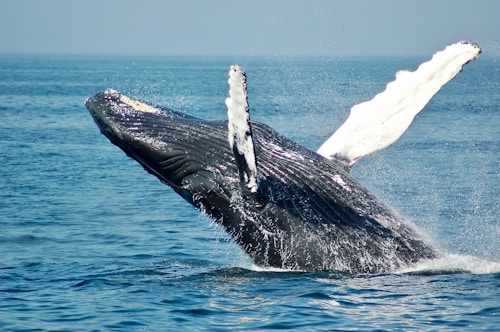
Capture stunning photos of breaching whales, tail slaps, and spy-hopping behaviors. Our vessels position strategically for optimal viewing and photography angles.
Accessible & Inclusive
Most vessels feature wheelchair access, accessible facilities, and accommodations for guests with mobility considerations, ensuring everyone can enjoy this remarkable experience.
Tour Highlights & What's Included
- Premium whale watching cruise along the Gold Coast's pristine coastline with optimal whale spotting locations
- Peak season departures from June to November to coincide with the annual humpback whale migration
- Live expert commentary from qualified marine biologists about whale behavior, biology, and conservation
- Multiple whale species sightings including humpback whales, and occasional southern right whales and minke whales
- Marine wildlife encounters with bottlenose dolphins, Indo-Pacific dolphins, sea turtles, and seabirds
- Underwater hydrophone technology to listen to ethereal whale songs and communication
- Spacious viewing decks with 360-degree panoramic views and weather-protected areas
- Onboard facilities including restrooms, refreshment areas, and comfortable seating
- Professional photography assistance and tips for capturing the perfect whale shot
- Complimentary digital whale identification guide to take home
- Suitable for all ages from toddlers to seniors, with family-friendly commentary and activities
Experience the Gold Coast's Magic
The Gold Coast Whale Watching Gallery
What to Expect on Your Whale Watching Cruise
The Gold Coast Humpback Migration
Every year between June and November, over 30,000 humpback whales undertake their extraordinary 10,000km migration journey along Australia's east coast. These magnificent marine mammals travel from their Antarctic feeding grounds to the warm tropical waters of the Great Barrier Reef to breed and calve. The Gold Coast sits perfectly positioned along this migration superhighway, offering consistently spectacular whale watching opportunities throughout the season.
Northward Migration (June - August)
During the northward journey, adult whales travel purposefully toward tropical breeding grounds. You'll witness impressive displays of speed and power as these 40-ton giants surge through Gold Coast waters. Males often compete for female attention through spectacular breaching, tail slapping, and fin waving displays.
Southward Migration (September - November)
The return journey brings the season's most heartwarming sightings as mother whales escort their newborn calves southward. These baby whales, born in tropical waters just weeks earlier, are still learning to swim and surface. Watch mothers patiently guide their young, demonstrating the strong bonds between humpback whale families. This period offers the highest probability of close encounters as mothers travel more slowly with their calves.
Typical Cruise Experience
Tours depart from convenient Gold Coast locations including Main Beach Marina, Mariners Cove, and Surfers Paradise. Most cruises last between 2.5 to 4 hours depending on your chosen operator and itinerary. Upon boarding, you'll receive a safety briefing and introduction from your expert guide.
As the vessel cruises into prime whale territory, your marine biologist guide provides fascinating insights into whale behavior, identification techniques, and conservation efforts. Modern vessels feature underwater hydrophones allowing you to hear the haunting, beautiful songs male humpbacks create during breeding season.
Expect to see whales breaching (launching their entire body from the water), tail slapping, pectoral fin slapping, spy-hopping (raising their heads above water to look around), and logging (resting at the surface). Our experienced captains follow strict wildlife viewing guidelines, positioning vessels safely while ensuring optimal viewing opportunities for all passengers.
🎯 Sighting Success Rate
During peak season (July-October), whale sighting success rates exceed 98%. Our experienced crew uses advanced spotting techniques and communicates with other whale watching vessels to locate pods. In the rare event you don't see whales, most operators offer a complimentary return cruise - your "whale watching guarantee."
Whale Watching Departure Locations & How to Get There
Our whale watching cruises depart from multiple convenient Gold Coast marina locations, all easily accessible from major accommodation precincts including Surfers Paradise, Broadbeach, Southport, and Coolangatta. Free parking is available at most departure points.
Main Departure Points
- Main Beach Marina (Seaworld Drive): The premier departure location, adjacent to Sea World. Features ample parking, cafes, and facilities. Located 5 minutes from Surfers Paradise via light rail or car. GPS: -27.9562, 153.4285
- Mariners Cove (Sea World Drive, Main Beach): A picturesque marina with boutique shops and waterfront dining. Premium tours often depart from this location. Easy access from Southport and Main Beach hotels. GPS: -27.9653, 153.4235
- Surfers Paradise (Cavill Avenue Jetty): Central tourism hub with direct beach access. Perfect if you're staying in Surfers Paradise. Walking distance from hundreds of hotels and attractions. GPS: -28.0029, 153.4291
- Runaway Bay Marina: Northern Gold Coast option offering calm water departures ideal for families with young children or those prone to seasickness. GPS: -27.9147, 153.3929
Getting to Departure Points
By Public Transport: Gold Coast's G:Link light rail provides convenient access to Main Beach and Surfers Paradise departure points. The Broadbeach South station connects to Main Beach Marina via a short bus ride (Route 704/705). Public buses service all major marinas.
By Car: All marinas offer free or low-cost parking. From Brisbane, take the M1 Pacific Motorway south (1-hour drive). From Brisbane Airport, allow 90 minutes via M1.
Hotel Transfers: Many tours include optional hotel pick-up from major Gold Coast accommodation areas for an additional fee (typically $10-15 per person). Inquire when booking.
Gold Coast Whale Watching Pricing & Tour Options 2026
We offer a range of whale watching experiences to suit every budget and preference, from affordable group cruises to exclusive private charters. All prices include expert commentary, guaranteed whale sightings policy, and access to onboard facilities.
| Tour Type | Duration | Group Size | Departure Times | Price (Adult) |
|---|---|---|---|---|
| Standard Whale Watch | 2.5 hours | Up to 100 | 9am, 12pm, 3pm | $99 |
| Premium Whale Watch | 3 hours | Up to 60 | 9am, 1pm | $139 |
| Breakfast Whale Cruise | 3.5 hours | Up to 80 | 7:30am | $159 |
| Sunset Whale Cruise | 3 hours | Up to 60 | 4pm (Sept-Nov) | $149 |
| Small Group Experience | 3 hours | Max 12 | 9am, 1pm | $189 |
| Private Charter | 3-4 hours | Max 12 | Flexible | From $1,800 |
Concession Prices
- Children (4-14 years): 60% of adult price
- Infants (0-3 years): Free (must sit on lap)
- Seniors (65+): 10% discount
- Students (with valid ID): 10% discount
- Family Pass (2 adults + 2 children): Save 15% on total
💰 Best Value Tips
Early Bird Discount: Book 14+ days in advance and save 10% on all tours. Group Bookings: Groups of 10+ receive 15% discount. Repeat Visitors: Previous guests receive a loyalty discount code for 20% off future bookings.
Ready to Witness Nature's Giants?
Don't miss your chance to see humpback whales in their natural habitat. Limited spots available during peak season!
Book Your Tour NowQuestions? Contact Us
Best Time for Gold Coast Whale Watching
Peak Season Overview
The official whale watching season on the Gold Coast runs from late May through early November, with different periods offering unique viewing experiences. Understanding the migration timeline helps you choose the perfect time for your cruise.
| Month | Migration Phase | What to Expect | Weather |
|---|---|---|---|
| June | Early Northbound | First arrivals, adult whales, moderate activity | Cool, 12-21°C |
| July | Peak Northbound | Highest numbers, competitive males, impressive displays | Cool, 11-21°C |
| August | Late Northbound | Mature whales, surface activity, mating behaviors | Cool, 12-22°C |
| September | Early Southbound | First mothers with newborn calves, gentle encounters | Mild, 14-23°C |
| October | Peak Southbound | Most mothers & calves, playful juveniles, highest interaction | Warm, 17-25°C |
| November | Late Southbound | Stragglers, adolescent pods, social behaviors | Warm, 19-26°C |
Recommended Visit Periods
Best for Action & Numbers (July-August): Peak northbound migration delivers the highest whale numbers and most spectacular displays. Males compete aggressively with frequent breaching, tail slapping, and surface activity. Ideal for photographers seeking dramatic action shots.
Best for Mother-Calf Encounters (September-October): The southbound migration's highlight period when mothers guide newborn calves past the Gold Coast. These gentle giants travel slowly, often approaching vessels out of curiosity. Perfect for families wanting heartwarming, intimate wildlife encounters.
Best Weather (September-November): Spring offers warmer temperatures, calmer seas, and longer daylight hours. Ideal for visitors sensitive to cold or seasickness, and photographers wanting better light conditions.
🌤️ Weather Considerations
Winter months (June-August) bring cooler temperatures but generally calm seas. Spring (September-November) offers warmer conditions with occasional spring showers. Tours operate rain or shine unless unsafe weather conditions arise. Whales are visible in all weather - some of our most memorable encounters happen under overcast skies when whales surface more predictably.
What to Bring & How to Prepare
Essential Items
- Layered clothing: Ocean temperatures can be 5-10°C cooler than on land. Bring a warm jacket or windbreaker even on sunny days
- Sun protection: Sunscreen (reef-safe SPF 50+), sunglasses, and a wide-brimmed hat - UV reflection off water is intense
- Camera equipment: DSLR, smartphone, or GoPro. Bring lens cleaner for salt spray. Waterproof cases recommended
- Binoculars: Enhance distance viewing, though not essential as whales often come close
- Motion sickness medication: Take 30-60 minutes before departure if prone to seasickness. Natural options include ginger tablets
- Water bottle: Stay hydrated throughout the cruise
- Snacks: Light refreshments for energy, especially on longer tours
Photography Tips
- Use fast shutter speeds (1/1000s or faster) to freeze whale movement and breaching action
- Keep camera ready at all times - whale behaviors happen suddenly and unpredictably
- Shoot in burst mode to capture perfect breach moments
- Zoom lenses (70-300mm) work well for distant whales; wide angles capture group shots and vessel context
- Protect equipment from salt spray with rain covers or dry bags
- Don't spend entire cruise behind viewfinder - balance photography with present-moment appreciation
What NOT to Bring
- Drones - strictly prohibited within 100m of whales under Australian regulations
- Glass bottles - safety hazard on moving vessels
- Excessive luggage - space is limited; bring only essentials
- Pets - service animals only with advance notice
🎒 Pro Packing List
Experienced whale watchers recommend: waterproof phone case, lens cleaning cloth, hand warmers (winter), lightweight backpack, reusable water bottle, energy bars, and a dry bag for storing electronics safely.
Safety Information & Accessibility
Safety Standards
All our whale watching operators maintain the highest safety standards, holding full maritime licenses and commercial vessel certifications. Vessels undergo regular safety inspections and carry comprehensive emergency equipment including life jackets, first aid kits, EPIRB beacons, and VHF marine radios. Experienced captains monitor weather conditions continuously and won't depart in unsafe conditions.
Seasickness Prevention
Seasickness affects individuals differently. We recommend taking preventive measures if you're concerned:
- Take motion sickness medication 30-60 minutes before departure (available over-counter)
- Eat a light meal beforehand - avoid heavy, greasy foods
- Choose morning tours when seas are typically calmer
- Stay on deck in fresh air rather than enclosed areas
- Focus on the horizon to help balance orientation
- Ginger tablets, acupressure wristbands, and peppermint can provide natural relief
Accessibility Features
We're committed to inclusive whale watching experiences. Most vessels offer:
- Wheelchair accessible boarding ramps and onboard spaces
- Accessible toilet facilities
- Reserved seating areas for guests with mobility limitations
- Staff assistance with boarding and during cruise
- Service animal accommodation (advance notice required)
- Visual and hearing impairment accommodations available on request
Age Requirements & Family Considerations
Whale watching tours welcome all ages from infants to seniors. Children under 4 travel free but must be supervised at all times. We provide child life jackets in all sizes. Family-friendly commentary keeps young ones engaged. Many operators offer kids' activity packs including whale identification sheets and coloring materials.
⚠️ Important Safety Notes
Tours may be cancelled or rescheduled due to adverse weather or rough seas - safety is our top priority. Full refunds or alternative dates provided for operator cancellations. Pregnant guests should consult physicians before booking, particularly in third trimester. Guests with recent surgeries or back conditions should discuss suitability with operators beforehand.
Create Lifetime Memories
Join thousands of delighted guests who've experienced the magic of Gold Coast whale watching
Secure Your Spot TodayWhale Conservation & Responsible Tourism
Conservation Success Story
Humpback whales represent one of conservation's greatest success stories. Once hunted to near extinction with populations as low as 500 individuals in Australian waters, they've recovered to over 30,000 thanks to international whaling bans established in the 1960s. Today's thriving population demonstrates effective conservation measures combined with community education and responsible tourism practices.
Our Commitment to Responsible Whale Watching
All our tours follow strict Australian maritime regulations and voluntary whale watching codes designed to minimize disturbance and protect these magnificent creatures:
- Maintain minimum 100m distance (300m for aircraft overhead)
- Limit time spent with individual whale pods (no more than 90 minutes)
- Approach whales from side or rear, never head-on
- Travel at slow, consistent speeds near whales (under 6 knots)
- Never chase, surround, or separate mother-calf pairs
- Exit area immediately if whales show signs of distress or avoidance
- Prohibit touching, feeding, or swimming with whales (except licensed swim-with-whale tours)
How Your Tour Supports Conservation
A portion of every whale watching ticket contributes directly to marine research and conservation initiatives. Partnering with organizations like the Australian Marine Conservation Society and Queensland Whale Research Project, we support:
- Population monitoring and photo-identification research
- Marine habitat protection and rehabilitation
- Educational programs in schools and communities
- Rescue and disentanglement operations for distressed marine animals
- Climate change impact studies on whale migration patterns
Current Threats to Humpback Whales
Despite recovery, humpback whales still face threats including ship strikes, fishing net entanglement, ocean noise pollution, plastic ingestion, and climate change affecting food availability. Responsible whale watching helps fund research addressing these challenges while educating the public about marine conservation needs.
🌍 Sustainable Tourism Practices
We use low-emission vessels, implement waste reduction programs, provide reef-safe sunscreen at check-in, and educate guests about reducing single-use plastics. Choose tour operators with EcoTourism Australia certification or Advanced Ecotourism accreditation for guaranteed sustainable practices.
Frequently Asked Questions
What is the whale watching guarantee?+
We're so confident you'll see whales that if no whales are sighted during your cruise, you'll receive a complimentary return ticket valid for any future tour within 12 months. During peak season (June-October), success rates exceed 98%. The guarantee doesn't apply to tours shortened or cancelled due to weather conditions.
How close do the whales come to the boat?+
Australian regulations require vessels maintain 100m distance from whales, but whales are free to approach boats themselves - and they frequently do! Curious humpbacks, especially mothers with calves, often swim directly alongside vessels for close encounters. Expect breathtaking views even when maintaining regulation distances. Our experienced captains position boats optimally for sightings while respecting wildlife.
What should I wear on a whale watching cruise?+
Dress in layers as ocean temperatures are cooler than land. Bring a warm jacket or windbreaker even on sunny days. Wear comfortable, closed-toe shoes with non-slip soles (boat decks can be wet). Don't forget sun protection: reef-safe sunscreen, sunglasses, and a hat. Waterproof layers recommended for winter months. Check weather forecast before departure and dress accordingly.
Are whale watching tours suitable for young children?+
Absolutely! Tours welcome children of all ages. Infants under 4 travel free but must be supervised constantly and sit on adult laps (no separate seat). Child life jackets provided in all sizes. Most cruises last 2.5-3 hours - perfect duration for younger attention spans. Family-friendly commentary and activities keep kids engaged. Choose morning tours for calmer seas if concerned about seasickness. Baby change facilities available onboard.
What if I get seasick?+
Many guests worry about seasickness but most find conditions manageable. Prevention tips: take motion sickness medication 30-60 minutes before departure, eat light beforehand, avoid alcohol, choose morning tours (calmer seas), stay on deck in fresh air, focus on horizon, and try ginger tablets or acupressure wristbands. Our stable, purpose-built vessels minimize motion. Staff are experienced in assisting guests feeling unwell.
Can I bring my camera and take photos?+
Photography is encouraged! Bring DSLR, smartphone, or action camera. Tips: use fast shutter speeds (1/1000s+), shoot in burst mode for breaches, protect from salt spray with waterproof cases, bring lens cleaning cloths. Tripods and monopods allowed but challenging on moving vessel. Our crew provides photography assistance and tips. Don't spend entire time behind viewfinder - balance capturing memories with present-moment experience!
What happens if weather conditions are poor?+
Safety is our absolute priority. Tours operate in light rain and overcast conditions (whales visible in all weather), but will be cancelled if seas are unsafe. Captains monitor conditions continuously and make final departure decisions. If operator cancels your tour, you'll receive full refund or alternative date at no charge. Whales migrate regardless of weather, so some of our best sightings occur under grey skies!
Are there toilets and refreshments onboard?+
Yes! All vessels feature accessible toilet facilities. Most operators have licensed bars serving alcoholic and non-alcoholic beverages, coffee, tea, and snacks available for purchase. Some premium tours include complimentary refreshments. We recommend bringing water bottle and light snacks, especially for longer cruises or if traveling with children. Food and drinks can be consumed on deck or in enclosed areas.
Do you offer private charters or group bookings?+
Private charters available for groups up to 12 passengers on intimate vessels, or up to 100+ on larger boats. Perfect for corporate events, celebrations, photography groups, or private family experiences. Charters offer flexible departure times, extended durations, and customizable itineraries. Group discounts (15% off) apply for standard tours with 10+ passengers. Contact us for private charter quotes and availability.
What other marine life might we see?+
Beyond humpback whales, Gold Coast waters host diverse marine life! Common sightings include bottlenose dolphins, Indo-Pacific dolphins, green sea turtles, loggerhead turtles, manta rays, and various seabirds including albatross, shearwaters, and terns. Occasionally spot minke whales, southern right whales, or even orcas. Dolphin encounters occur on 80%+ of cruises. Every tour offers unique wildlife experiences!
How far do we travel from shore?+
Most cruises travel 2-8 km offshore where continental shelf creates prime whale migration corridor. Journey to whale grounds takes 15-30 minutes depending on departure location. Vessels stay within sight of Gold Coast coastline, offering stunning skyline views. Calm protected waters mean comfortable cruising. Our captains use advanced marine radar and communication with other vessels to locate whales efficiently, maximizing viewing time.
Is hotel pick-up available?+
Many operators offer optional hotel transfers from major Gold Coast accommodation areas including Surfers Paradise, Broadbeach, Southport, and Coolangatta. Transfer fees typically $10-15 per person each way. Alternatively, marinas are easily accessible via Gold Coast light rail (G:Link), public buses, taxi, or rideshare. Free parking available at most departure points if driving.
Additional Gold Coast Whale Watching Information
Combining with Other Gold Coast Attractions
Maximize your Gold Coast visit by combining whale watching with other iconic attractions. Consider these popular combinations:
- Morning whale watch + Theme parks: Complete morning cruise by 12pm, spend afternoon at Sea World, Warner Bros Movie World, or Dreamworld
- Whale watching + Skypoint observation deck: Coastal and aerial perspectives in one day
- Weekend package: Whale cruise Saturday, hinterland rainforest tour Sunday
- Beach day combination: Morning cruise, afternoon at Burleigh Heads or Coolangatta Beach
Weather & Sea Conditions by Month
Understanding seasonal conditions helps plan your optimal visit. Gold Coast enjoys subtropical climate with mild winters and warm summers:
- June-August (Winter): Cooler air (11-22°C), calm seas, clear visibility. Bring warm layers. Ideal for photography with crisp conditions
- September-November (Spring): Warming temperatures (14-26°C), occasional spring showers, increasing daylight. Most comfortable touring conditions
- Sea state: Generally calm to moderate. Winter southeast winds create 1-2m swells. Spring brings calmer mornings with afternoon sea breezes
Whale Biology & Behavior
Enhance your experience with fascinating humpback whale facts:
- Adult humpbacks reach 12-16m length and weigh 25-40 tons (equivalent to 8-12 elephants!)
- Newborn calves measure 4-5m and weigh around 2 tons at birth
- Humpbacks can hold their breath for up to 45 minutes but typically surface every 5-15 minutes
- Male humpbacks create complex songs lasting 10-20 minutes, repeated for hours during breeding season
- Migration covers 10,000km round trip - one of longest mammal migrations globally
- Humpbacks consume 1-1.5 tons of krill and small fish daily in Antarctic feeding grounds
- Distinctive white fluke (tail) patterns allow individual identification - like fingerprints!
- Breaching serves multiple purposes: communication, parasite removal, playfulness, and displays
Booking Tips & Recommendations
- Book 2-4 weeks advance during peak season (July-October) as tours sell out quickly
- Morning departures typically offer calmest seas and best light for photography
- Mid-week tours (Tuesday-Thursday) less crowded than weekends
- Compare operators based on vessel size preference, group size comfort, and included amenities
- Check operator cancellation policies - most offer flexible rescheduling if needed
- Read recent reviews on TripAdvisor, Google, or Facebook for operator insights
- Consider travel insurance covering unforeseen tour cancellations
Your Whale Watching Adventure Awaits
Limited availability during peak season. Book now to guarantee your spot!
Book Now - From $99Call 1300 123 456
Related Gold Coast Experiences
Explore more unforgettable Gold Coast adventures: