Home of the Superbank · QLD–NSW Border

Explore Coolangatta
with Cooee Tours

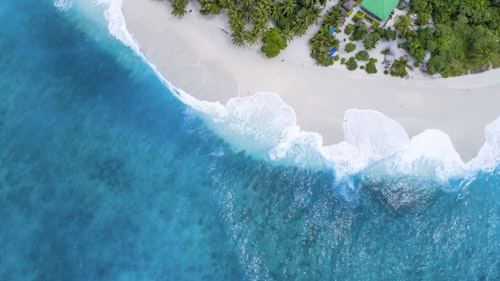
The southern gateway of the Gold Coast, right on the Queensland–New South Wales border — Snapper Rocks and the world-famous Superbank, a run of protected north-facing swimming beaches, the Point Danger headland, and a relaxed dining strip beside Gold Coast Airport.

4225
Postcode · QLD–NSW Border
Queensland, Australia
25 km
South of Surfers Paradise
30 min drive
1 km
To Gold Coast Airport
5 min · walkable
50k+
Travellers guided by
Cooee Tours since 1974
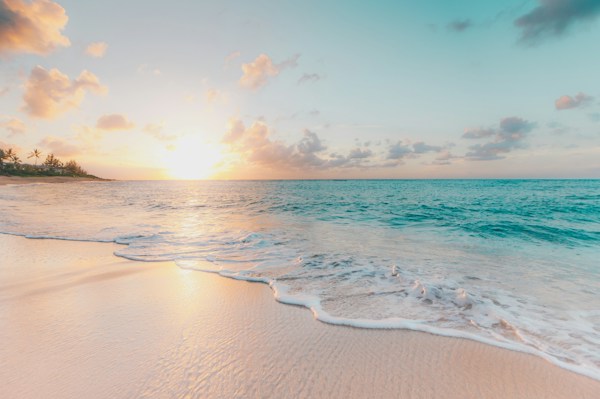
Snapper Rocks and Coolangatta beach on the southern Gold Coast
Rainbow Bay protected swimming beach Coolangatta
Where Is Coolangatta?

The Southern Gateway

Coolangatta QLD, postcode 4225, sits at the very southern tip of the Gold Coast, on the Queensland–New South Wales border — a twin town with Tweed Heads on the New South Wales side of the line. It is about 25 km south of Surfers Paradise, and Gold Coast Airport sits right on its doorstep, making it the closest beach suburb to the runway by a wide margin.

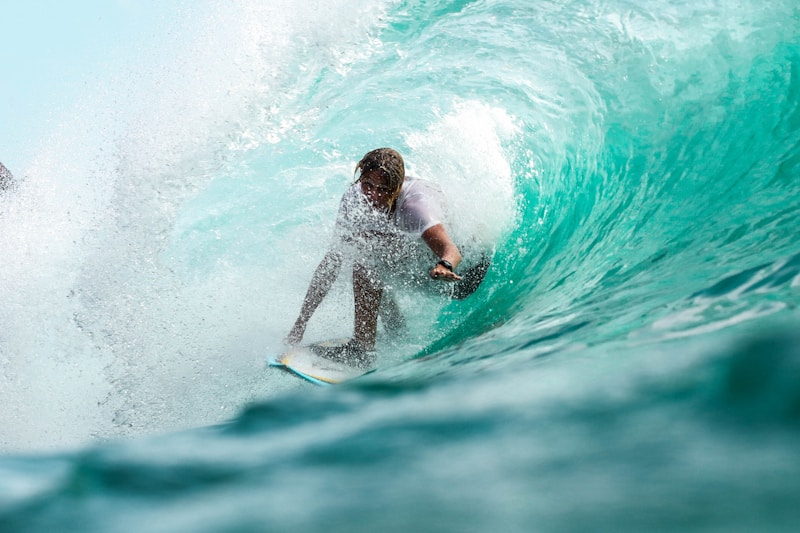
The drawcard is the surf. Snapper Rocks and the Superbank form one of the longest, most consistent sand-bottomed point breaks on earth — a wave that on the right swell can carry a surfer from Snapper through Greenmount all the way to Kirra, and which has hosted world-tour events. But Coolangatta is just as good for non-surfers: it has a rare run of north-facing, protected swimming beaches — Rainbow Bay, Greenmount and Coolangatta Beach — that are calm and family-safe.

Beyond the water there’s the Point Danger headland and the Captain Cook Memorial straddling the state border, a relaxed dining strip along Marine Parade and Griffith Street, two iconic surf clubs, and the start of the Tweed Coast running south. Low-rise and unhurried, Coolangatta keeps an old-Gold-Coast character that the northern end lost decades ago.

Snapper Rocks & the Superbank
Kirra Beach & point break
Rainbow Bay & Greenmount
Point Danger lookout
Marine Parade dining
Gold Coast Airport on the doorstep
See All Activities
Explore Coolangatta QLD

Six Essential Experiences

From a world-class point break to a string of calm family beaches and a border headland — here’s what the southern tip does best.

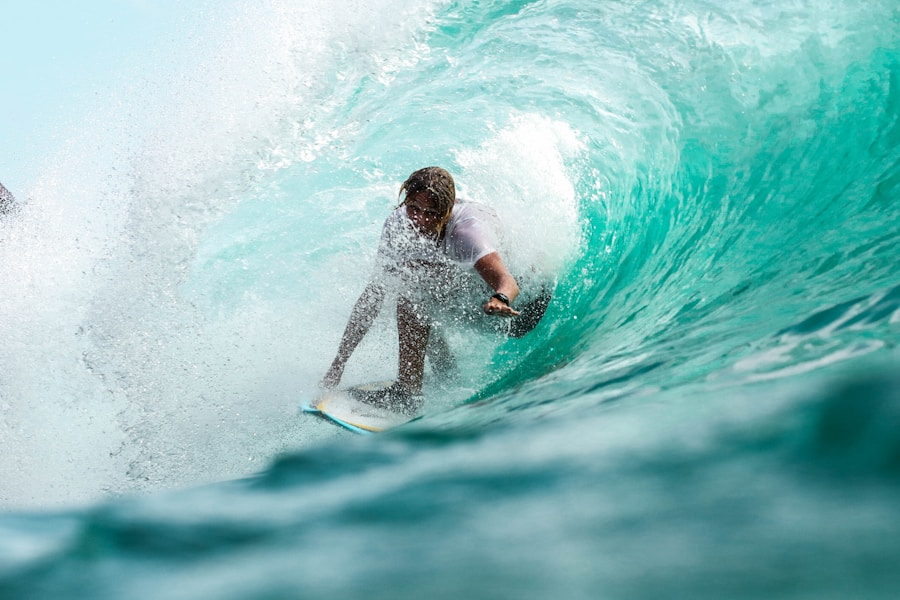
Snapper Rocks and the Superbank surf break Coolangatta
World-Class Surf

Snapper Rocks & the Superbank

The reason surfers fly in from across the world. Snapper Rocks is the take-off point for the Superbank — a sand-bottomed right-hander that links Snapper, Greenmount and Kirra on the right swell and produces rides of extraordinary length. It is a powerful, crowded, advanced wave; the rocks above it are the best free grandstand on the Coast.

Advanced point break Watch from the rocks
Kirra Beach and Kirra point break Coolangatta
Beach & Surf

Kirra Beach & Point

Just north of Coolangatta, Kirra is a legend in its own right — when the sand and swell align, the Kirra barrel is one of the finest waves in the country. Day to day it’s a relaxed patrolled swimming beach with a grassy foreshore, the Kirra groyne to walk out on, and a low-key cafe strip behind it.

Famous barrel Patrolled swim
Rainbow Bay and Greenmount protected family beaches
Family Beach

Rainbow Bay & Greenmount

Coolangatta’s secret weapon for families — a run of north-facing, headland-protected beaches that stay calm when the open coast is rough. Rainbow Bay and Greenmount are patrolled, gentle and ideal for young swimmers, linked by the short Greenmount Hill walk with its sweeping views back over the Superbank.

Calm & safe Headland walk
Point Danger lookout and Captain Cook Memorial at the border
Lookout

Point Danger & the Border

The headland where Queensland meets New South Wales. Point Danger carries the Captain Cook Memorial and the unusual lighthouse capsule, and offers a clean panorama over the Superbank and south along the Tweed Coast. From May to November it’s one of the Coast’s best free whale-watching vantage points.

May-Nov whales The state border
Coolangatta and Tweed Heads dining strip Marine Parade
Dining

Marine Parade Dining

Coolangatta’s easygoing eat strip runs along Marine Parade and Griffith Street, spilling across into Tweed Heads. Two big surf clubs — Coolangatta and Rainbow Bay SLSC — serve value beachfront meals with the best views, alongside cafes, bakeries, pubs and casual restaurants. Sunset on the foreshore is the local ritual.

Surf clubs Casual dining
Coastal walks from Coolangatta to Kirra and the Tweed
Coastal Walks

Coastal Walks & Oceanway

Coolangatta is made for walking. The Coolangatta-to-Kirra Oceanway traces the foreshore past every beach and break; the Greenmount and Kirra Hill paths add the headland views; and to the south the Tweed Coast walks begin. Flat, scenic and pram-friendly, with a coffee or a swim never far away.

Flat & scenic Sunrise & sunset
Year-Round Highlights

Coolangatta’s Constant Calendar

Coolangatta runs on its waves and its beaches, with one big nostalgic festival a year and a long whale season — the rest is pure relaxed coast.

Year-Round · Best on Swell
Surfing the Superbank

The Superbank works across the year but fires hardest on solid south-easterly and cyclone-season swells (summer to early autumn). Snapper, Greenmount and Kirra each switch on at different sizes, so there is almost always something breaking somewhere along the point. The lineup is crowded — respect the locals and the pecking order.

Best in cyclone swells
Early June
Cooly Rocks On

One of the Coast’s longest-running festivals — a rock’n’roll, nostalgia and classic-car celebration that takes over Coolangatta and Tweed Heads for several days in early June, with hot rods, retro fashion and live music along the foreshore. Coolangatta’s biggest annual event; book accommodation well ahead.

Classic cars & rock’n’roll
May to November
Whale Watching Season

Humpbacks pass close to the southern Gold Coast on their migration, and Point Danger is among the best free vantage points anywhere on the Coast. Peak northern migration runs June-July; the southern return with mums and calves passes through September-October. Calm early mornings are best.

Peak Jun-Jul, Sep-Oct
The Superbank surf break running from Snapper Rocks to Kirra
Featured Wave

The Superbank — One of Earth’s Great Waves

More than a surf spot, the Superbank is a piece of surfing folklore. Fed by sand pumped north from the Tweed River, it links a chain of points into a single long, fast, sand-bottomed right-hander that on its day delivers some of the longest rides in the world — which is exactly why it became a fixture on the professional world tour.

  • Runs Snapper Rocks → Greenmount → Kirra on the right swell
  • Sand-bottomed and shaped by the Tweed River sand-bypass system
  • Capable of extraordinarily long single rides on its best days
  • A long history of hosting professional world-tour events
  • Best on a solid south-east or cyclone swell — and always crowded
Plan a Coolangatta Stay
Coolangatta Weather

When to Visit

Coolangatta shares the warm subtropical climate of the rest of the Gold Coast, with the cleanest surf in the cyclone-swell months and whales through the cooler half of the year.

Summer (Dec-Feb)
25-30°C

Warm and busy, with the protected beaches at their most popular and the Superbank firing on cyclone swells. Afternoon storms are common. Book early for the December break; the airport-adjacent location makes it a fly-in favourite.

Autumn (Mar-May)
22-26°C

A sweet spot — warm water, clean swells, thinning crowds. The tail of cyclone season can deliver the best Superbank conditions of the year, and whale season opens in May.

Winter (Jun-Aug)
13-22°C

Mild, dry and quiet, with peak whale watching from Point Danger and Cooly Rocks On kicking off the season in early June. The north-facing beaches catch the winter sun beautifully. Best-value rates of the year.

Spring (Sep-Nov)
19-26°C

Warming ocean, the southern whale return and a relaxed shoulder season. Coolangatta is largely insulated from the Schoolies Week crowds that descend on Surfers in late November — a calm family alternative within reach of the action.

Your Questions Answered

Coolangatta FAQs

Where is Coolangatta on the Gold Coast?

Coolangatta is at the very southern tip of the Gold Coast, postcode 4225, sitting right on the Queensland-New South Wales border as a twin town with Tweed Heads in NSW. It is about 25 km (a 30-minute drive) south of Surfers Paradise, and Gold Coast Airport is on its doorstep, roughly 1 km away.

What is the Superbank and Snapper Rocks?

Snapper Rocks is the headland and take-off point for the Superbank, a sand-bottomed right-hand point break that links Snapper, Greenmount and Kirra on the right swell. It is regarded as one of the longest and most consistent waves on earth and has hosted professional world-tour events. It is a powerful, very crowded, advanced-level wave, but the rocks above make a superb free viewing spot.

What are the best beaches in Coolangatta?

Coolangatta has a rare run of north-facing, headland-protected beaches that stay calm when the open coast is rough. Rainbow Bay, Greenmount and Coolangatta Beach are patrolled, gentle and ideal for families, while Kirra just to the north is a patrolled swimming beach that doubles as a famous surf break. All are within an easy walk of each other along the foreshore.

Is Coolangatta good for families?

Yes. The protected north-facing beaches at Rainbow Bay and Greenmount offer some of the calmest, safest swimming on the Gold Coast, backed by grassy foreshores, surf clubs and a relaxed low-rise village feel. Coolangatta is also far less affected by Schoolies Week in late November than Surfers Paradise, making it a popular family alternative.

How close is Coolangatta to Gold Coast Airport?

Very close - Gold Coast Airport (OOL) at Coolangatta is about 1 km away, a five-minute drive and even walkable from parts of the suburb. That makes Coolangatta the most convenient Gold Coast beach suburb for fly-in travellers, with taxis, rideshares and shuttles all on hand at the terminal.

Does the light rail reach Coolangatta?

No. The G:Link light rail's Stage 3, expected to open in 2026, extends only as far south as Burleigh Heads, well north of Coolangatta. Public buses run along the Gold Coast Highway to Coolangatta and connect to the G:Link network further north, but a car remains the easiest way to get there from the central Gold Coast. The airport, of course, is right on the doorstep.

Coolangatta or Surfers Paradise - which is better?

They suit different trips. Coolangatta is relaxed, low-rise and surf-focused, with calm family beaches, a world-class break and the airport next door. Surfers Paradise is the high-rise, high-energy centre with nightlife, shopping and the most famous beach. Families and surfers often prefer Coolangatta; first-timers chasing the iconic skyline and buzz tend to choose Surfers.

While You’re in the Area

Nearby Destinations

Coolangatta’s border location puts the Tweed Coast just south, with Currumbin, Palm Beach and Burleigh Heads a short run north along the southern Gold Coast.

Getting to Coolangatta

How to Arrive

With the airport on its doorstep, Coolangatta is the easiest Gold Coast suburb of all for fly-in travellers.

By Air

Gold Coast Airport (OOL) is right at Coolangatta — about 1 km away, a five-minute drive. No Gold Coast suburb is closer to the runway. Taxis, rideshares and shuttles run directly from the terminal, and Brisbane Airport is roughly 100 minutes north via the M1.

By Car

From Brisbane CBD it is about 100 minutes south on the Pacific Motorway (M1); from Surfers Paradise about 30 minutes south along the Gold Coast Highway. There is metered and timed parking around the beaches and the Marine Parade strip — arrive early on summer weekends.

By Bus & G:Link

The G:Link light rail terminates at Burleigh Heads (Stage 3, expected 2026), north of Coolangatta. Frequent buses run the length of the Gold Coast Highway to Coolangatta and connect to the light rail further north. For most travellers a car or a Cooee Tours transfer is simplest.