(07) 4194 3333 contact@cooeetours.com.au ATAS Accredited · Since 2011
Bundjalung Country · NSW

Explore the Tweed Coast
with Cooee Tours

The Gold Coast’s wilder southern neighbour — Kingscliff dining, Cabarita Beach (voted Australia’s Best by Tourism Australia), Hastings Point’s village charm, Pottsville’s family beaches, and Wollumbin (Mount Warning) presiding over it all from the Bundjalung Country inland.

NSW
Tweed Shire · Northern Rivers
Postcodes 2484-2490
15 km
South of Coolangatta
Via Pacific Highway
5 km
South of Gold Coast Airport
10 min drive
50k+
Travellers guided by
Cooee Tours since 2011
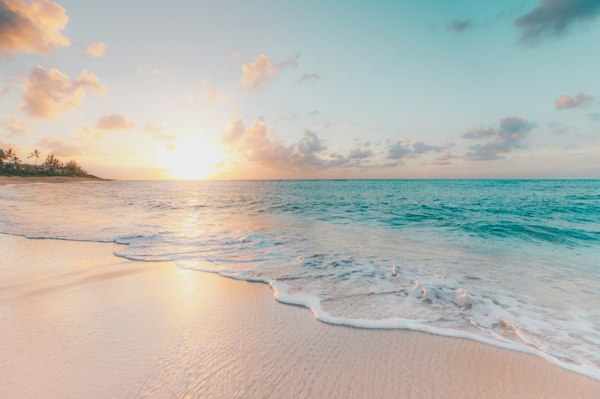
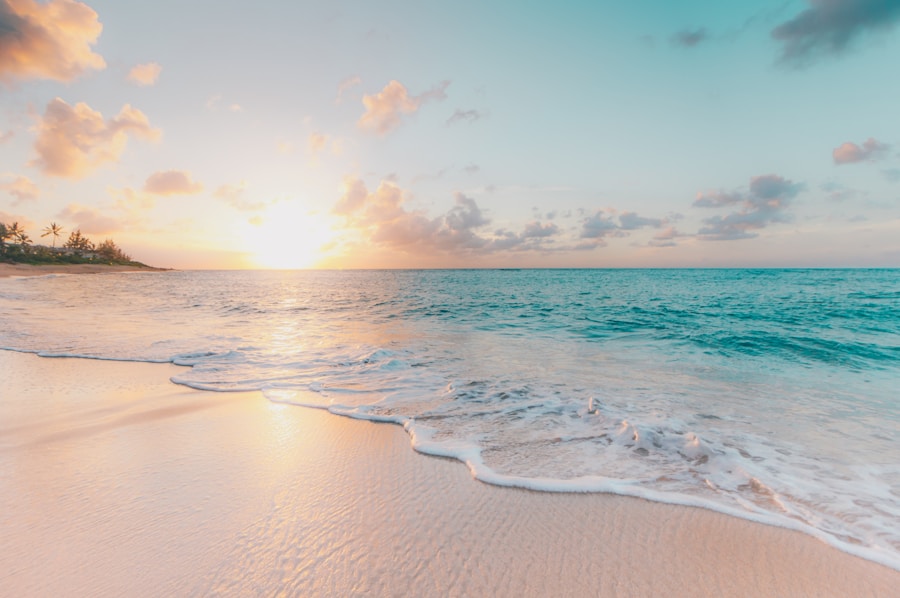
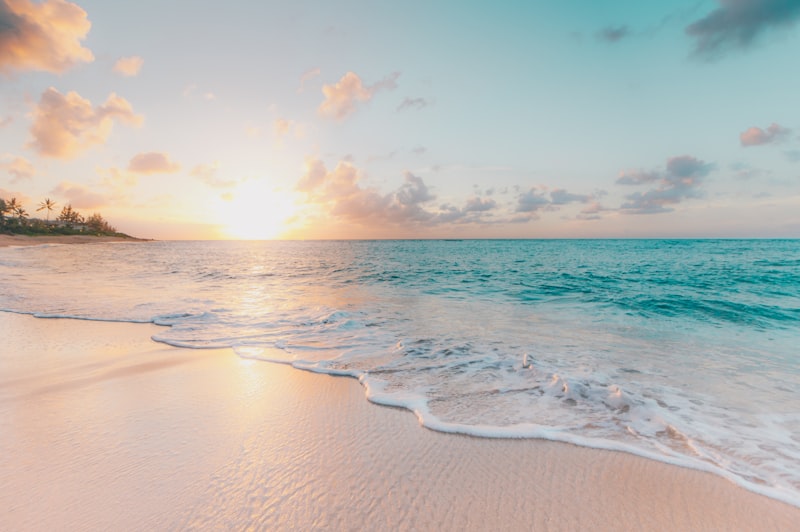
Cabarita Beach Norries Headland Tweed Coast NSW Australia's best beach
Tweed River and Wollumbin Mount Warning Bundjalung Country
Where Is the Tweed Coast?

The Gold Coast’s Wilder Southern Neighbour

The Tweed Coast is the laid-back beach strip in northern New South Wales just south of the Queensland border. It runs from Fingal Head and Kingscliff in the north through Cabarita Beach, Hastings Point and Pottsville to the Brunswick Heads area in the south. The entire Tweed Coast falls within Tweed Shire, with postcodes ranging from 2484 to 2490.

This is Bundjalung Country — not Yugambeh, like the Gold Coast just to the north. The Tweed Shire Council formally acknowledges the Ngandowal and Minyungbal speaking people of the Bundjalung Country, in particular the Goodjinburra, Tul-gi-gin and Moorung-Moobah clans as the Traditional Owners and Custodians. The Goodjinburra clan are the original custodians of the coastal strip specifically — their land traditionally stretched from the Tweed River to Mooball Creek and inland to the coastal ranges.

Where Surfers Paradise brings the high-rises and Burleigh brings the surf-town soul, the Tweed Coast brings what the Gold Coast might have looked like 40 years ago — low-rise villages, pristine beaches, fewer crowds, and quieter dining precincts that have started attracting Sydney and Melbourne travellers looking for an alternative to the busier Queensland strip. Cabarita Beach has been voted Australia’s Best Beach by Tourism Australia.

Kingscliff · Salt Village dining
Cabarita · Australia’s Best Beach
Hastings Point village & surf
Pottsville family beaches
Wollumbin views (climbing closed)
Minjungbal Aboriginal Cultural Centre
See All Activities
Explore the Tweed Coast NSW

Six Essential Experiences

From Kingscliff’s Salt Village to the Cabarita point break, Hastings Point’s headland walks to the Minjungbal Cultural Centre — here’s what the Tweed Coast does best.

Kingscliff Beach and Marine Parade NSW Tweed Coast
Village

Kingscliff & Salt Village

The largest town on the Tweed Coast — Kingscliff sits just 15 minutes south of Coolangatta. Patrolled beach with the Marine Parade promenade, plus the Salt Village precinct — an upscale dining and accommodation cluster including Peppers Salt Resort and waterfront restaurants. Paper Daisy at Halcyon House is one of the region’s most celebrated restaurants.

Salt Village dining Patrolled beach
Cabarita Beach Norries Headland Australia's best beach NSW
Iconic

Cabarita Beach & Norries Headland

Voted Australia’s Best Beach by Tourism Australia — and for good reason. Cabarita pairs a pristine patrolled beach with the iconic Norries Headland — a small grassy headland delivering one of the most consistent point breaks in northern NSW and one of the best whale-watching vantage points on the entire east coast. Low-rise village, walking access to dining, clear water.

Australia’s Best Beach Point break
Hastings Point village headland and surf Tweed Coast
Village

Hastings Point

A small, deeply loved coastal village between Cabarita and Pottsville. Hastings Point Headland offers a short, beautiful walk with panoramic ocean views and frequent whale sightings (May-November). Cudgera Creek flows out at the headland creating safe family swimming with a tidal lagoon. The village feels like a step back into the Australian beach holidays of the 1970s.

Whale watching Family lagoon
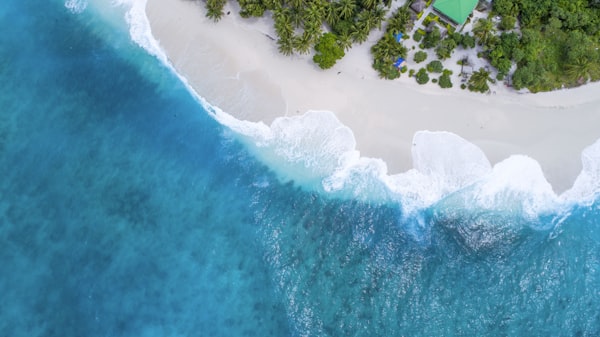
Pottsville beach family-friendly southern Tweed Coast
Family

Pottsville

The southernmost Tweed Coast village before Brunswick Heads, Pottsville is laid-back, family-focused and largely unknown to international visitors. Wide patrolled beach, large grass picnic and BBQ areas, calm Mooball Creek mouth swimming, and a small village strip with cafes and a surf shop. Far less touristy than Cabarita or Kingscliff — the locals like it that way.

BBQ & picnic Patrolled beach
Wollumbin Mount Warning Bundjalung sacred mountain Tweed Valley
Cultural

Wollumbin (Mount Warning)

The dominant inland landmark of the Tweed region — named Mount Warning by Cook in 1770 but known to the Bundjalung Traditional Custodians as Wollumbin, a deeply sacred place. The summit walk is permanently closed at the request of the Custodians, and NSW NPWS supports this decision. Wollumbin is best viewed from coastal headlands at sunrise or from designated inland lookouts — never climbed.

Viewing only Summit closed
Minjungbal Aboriginal Cultural Centre Tweed Heads Bundjalung
Culture

Minjungbal Cultural Centre

At Tweed Heads, the Minjungbal Aboriginal Cultural Centre is set in beautiful bushland and run by the area’s Aboriginal community. Museum exhibits, Aboriginal art, informative videos, a self-guided bush walk, and a Bora Ring — a ceremonial site and sacred initiation ground for the Goodjinburra clan. Tours with Bundjalung guides can be arranged. One of the most authentic cultural experiences within easy reach of the Gold Coast.

Museum & Bora Ring Bundjalung guides
Year-Round Highlights

The Tweed’s Constant Calendar

The Tweed Coast trades flashy festivals for year-round natural beauty — surfing, whale watching, and the deep cultural calendar of Bundjalung Country.

Year-Round · Surf Calendar
Tweed Coast Surf

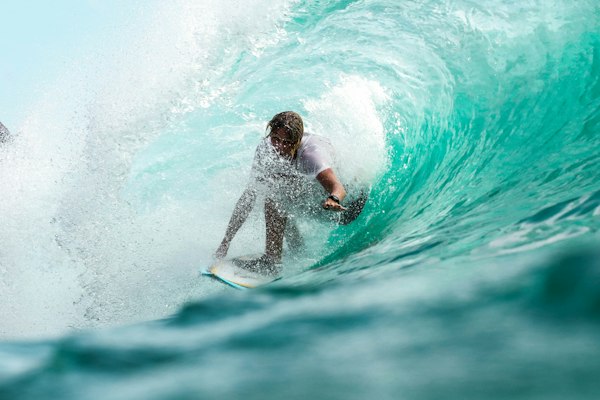
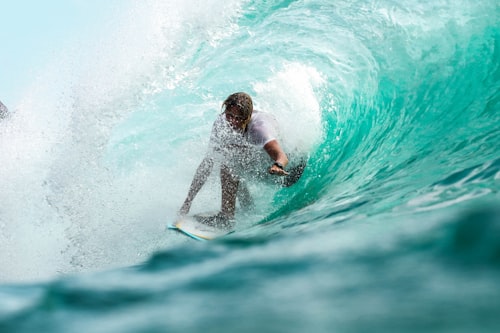
Multiple quality breaks for different abilities. Norries Headland at Cabarita is one of the most consistent right-hand point breaks on the east coast. Hastings Point offers an exposed beach break and the right-hander at the headland. Kingscliff beach break is forgiving for learners. Autumn and winter bring the cleanest conditions and most consistent swell.

Best Mar-Aug conditions
May to November
Whale Watching

The Tweed Coast offers some of the best land-based whale watching on the east coast. Norries Headland at Cabarita and Hastings Point Headland are particularly excellent vantage points. Peak northern migration June-July; southern return with mothers and calves September-October. Often just metres offshore.

Headland viewing
Year-Round · Cultural Tours
Bundjalung Cultural Tours

Year-round Bundjalung-guided cultural experiences. The Minjungbal Aboriginal Cultural Centre offers bush walks and museum tours. Tweed Escapes runs Indigenous lunch cruises on the Tweed River with Goodjinburra Elders sharing the stories. Spirit of Wollumbin Experiences also offer Bundjalung-led tours. Book ahead; small groups maintain authenticity.

Bundjalung-led · year-round
Cabarita Beach Norries Headland voted Australia's best beach Tweed Coast
Featured Anchor

Cabarita & Norries Headland

Cabarita Beach — together with the iconic Norries Headland — has been voted Australia’s Best Beach by Tourism Australia. The headland is also a place of deep cultural significance: the name Goodjinburra (the Bundjalung clan whose Country includes Cabarita) is derived from the word ‘goodgen’ or ‘cudgen’ meaning ‘red’ — a connection to the red ochre obtained from the soil at nearby Cudgen. The Goodjinburra people sustainably managed the natural abundance of this coastal strip for thousands of years.

  • Voted Australia’s Best Beach by Tourism Australia
  • Goodjinburra Country · original Bundjalung custodians
  • Norries Headland right-hand point break
  • Excellent land-based whale watching May-November
  • Low-rise village atmosphere — no high-rises
Plan a Tweed Coast Stay
Tweed Coast Weather

When to Visit

The Tweed Coast shares the warm subtropical climate of the southern Gold Coast, with slightly cooler nights and a touch more rainfall coming off Wollumbin. Remember: NSW observes daylight saving from October to April.

Summer (Dec-Feb)
25-29°C

Peak season — warm, humid, with thunderstorms common in January and February. DST in effect. Beaches at their busiest with the Sydney/Melbourne school holiday crowd, but still feels less crowded than the Gold Coast. Book Cabarita and Kingscliff accommodation well ahead.

Autumn (Mar-May)
22-26°C

The best time to visit. Warm dry days, comfortable nights, low humidity, the cleanest surf conditions of the year. DST ends in early April — phones jump back an hour. Whale-watching season starts in May with humpbacks visible from Norries Headland on the northern migration.

Winter (Jun-Aug)
10-21°C

Mild, dry, sunny — the cleanest skies of the year and the peak whale-watching season. NSW time aligns with Queensland (no DST). Cooler ocean but enthusiasts still surf the point breaks. Lowest accommodation rates of the year. Wollumbin views at their clearest.

Spring (Sep-Nov)
18-25°C

Warming ocean, southern whale return migration, longer daylight. DST starts in early October — phones jump an hour forward. The Tweed Coast is insulated from the Surfers Paradise Schoolies chaos in November — making it the perfect alternative for travellers who want quiet beaches in that period.

Your Questions Answered

Tweed Coast FAQs

Where is the Tweed Coast?

The Tweed Coast is the beach strip in northern New South Wales just south of the Queensland border, running from Fingal Head and Kingscliff in the north through Cabarita Beach, Hastings Point and Pottsville to the Brunswick Heads area in the south. The northern Tweed Coast (Kingscliff) is approximately 15 km south of Coolangatta and 5 km south of Gold Coast Airport. The entire coast falls within Tweed Shire.

Whose Country is the Tweed Coast?

The Tweed Coast is Bundjalung Country. The Tweed Shire Council officially acknowledges the Ngandowal and Minyungbal speaking people of the Bundjalung Country, in particular the Goodjinburra, Tul-gi-gin and Moorung-Moobah clans as the Traditional Owners and Custodians. The Goodjinburra clan are the original custodians of the coastal strip specifically — their land traditionally stretched from the Tweed River to Mooball Creek and inland to the coastal ranges.

What about daylight saving time?

Critical practical detail: New South Wales observes daylight saving time (AEDT, UTC+11) from early October to early April. Queensland does NOT. This means that for roughly half the year, the Tweed Coast is one hour ahead of the Gold Coast — even though they’re geographically minutes apart. Crossing the border at Tweed Heads/Coolangatta during DST means your phone jumps an hour. Check arrival times, restaurant bookings and tour pickups carefully.

Is Cabarita really Australia’s best beach?

Yes — Cabarita Beach (along with the adjacent Norries Headland) has been voted Australia’s Best Beach by Tourism Australia, helping put the Tweed Coast on the wider tourism map. The beach is loved for its pristine sand, point break surf at Norries Headland, low-rise village atmosphere and clear ocean water. Far less developed than Surfers Paradise or Coolangatta — Cabarita is what the Gold Coast might have looked like 40 years ago.

Can you climb Wollumbin (Mount Warning)?

No — the summit walk at Wollumbin is permanently closed. The mountain is a deeply sacred place to the Bundjalung Traditional Custodians, and the climb was closed by NSW National Parks & Wildlife Service at the formal request of the Custodians. Visitors are asked to respect this and view the mountain from coastal and inland lookouts rather than attempting to climb. Wollumbin is visible from many points along the Tweed Coast — particularly dramatic at sunrise from coastal headlands.

What is the Minjungbal Cultural Centre?

The Minjungbal Aboriginal Cultural Centre is set in beautiful bushland in Tweed Heads, run by the area’s Aboriginal community. It includes museum exhibits, Aboriginal art, informative videos and a Bora Ring — a ceremonial site and sacred initiation ground for the Goodjinburra clan of the Bundjalung Nation. Self-guided bush walks operate alongside arrangeable tours with Bundjalung guides. One of the most authentic cultural experiences within easy reach of the Gold Coast.

How do you get to the Tweed Coast from the Gold Coast?

By car via the Pacific Motorway (M1) which becomes the Pacific Highway in NSW — from Coolangatta to Kingscliff is approximately 15 minutes. Gold Coast Airport (OOL) is just 5 km north of the NSW border, making the Tweed Coast one of the most accessible NSW destinations for fly-in travellers. Bus services connect the major towns; for the inland Tweed Valley a car is essential. Remember the daylight saving time difference during summer months — the Tweed is one hour ahead of the Gold Coast from October to April.

While You’re in the Area

Nearby Destinations

The Tweed Coast pairs naturally with the southern Gold Coast — Coolangatta just north of the border, Currumbin Wildlife and Burleigh Heads all within 30 minutes.

Getting to the Tweed Coast

How to Arrive

The Tweed Coast is one of the most accessible NSW beach destinations — Gold Coast Airport is just 5 km north of the border, putting Kingscliff a 10-minute drive from the runway.

By Air

Fly into Gold Coast Airport (OOL) at Coolangatta — 5 km north of the NSW border. Kingscliff is a 10-minute drive south via the Pacific Highway. Brisbane Airport (BNE) is approximately 100 minutes north via the M1. Both airports have shuttle and rideshare options.

By Car

From Brisbane CBD: approximately 100 minutes south via the Pacific Motorway (M1)/Pacific Highway. From Surfers Paradise: 30 minutes south. A car is essential for exploring beyond Kingscliff — the Tweed Valley villages and Wollumbin viewing areas are not well-served by public transport.