France FR
France is the benchmark against which the wine world measures itself — the birthplace of the idea that where a wine comes from matters as much as how it's made. Its great regions are also some of Europe's most beautiful and historic places to travel.
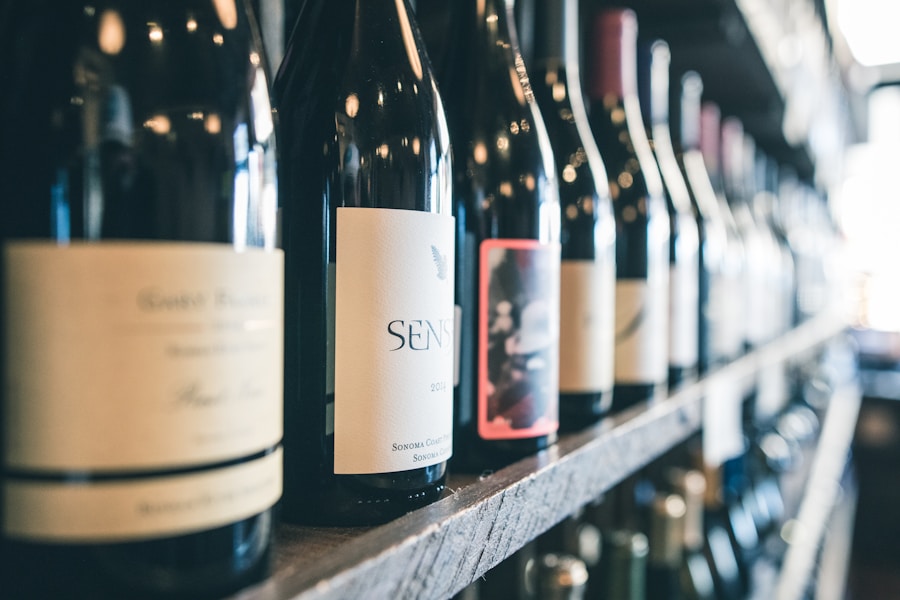
The Region
The Left Bank (Médoc, Pauillac, Margaux) is Cabernet Sauvignon country, producing structured, age-worthy reds from grand classified châteaux; the Right Bank (Saint-Émilion, Pomerol) leans on Merlot for plusher styles. Saint-Émilion itself is a UNESCO-listed medieval town that makes a perfect base.
Names to Know
- Saint-Émilion — UNESCO town, walkable châteaux
- The Médoc — grand classified-growth estates
- Book ahead — top châteaux require appointments

The Region
Burgundy is the world's reference for Pinot Noir and Chardonnay, grown on a patchwork of tiny, fiercely-mapped vineyards (climats) along the Côte d'Or. The town of Beaune, with its historic Hospices, is the ideal base for tasting your way through Burgundy's villages.
Names to Know
- Beaune — historic wine capital and base
- Côte de Nuits & Côte de Beaune — the great slopes
- Chablis — mineral Chardonnay to the north
Also in France: Champagne, the Rhône & the Loire
Champagne (around Reims and Épernay, easily reached from Paris) is the only place whose sparkling wine can carry the name. The Rhône Valley runs from the Syrah of the steep northern slopes (Côte-Rôtie, Hermitage) to the Grenache-based blends of the south (Châteauneuf-du-Pape). The Loire offers crisp Sauvignon Blanc (Sancerre) and Chenin Blanc, paired with fairytale châteaux.
Italy IT
Italy makes more wine, from more native grape varieties, than any country on earth — and wraps it in food, art, and landscape that are reason enough to visit on their own.
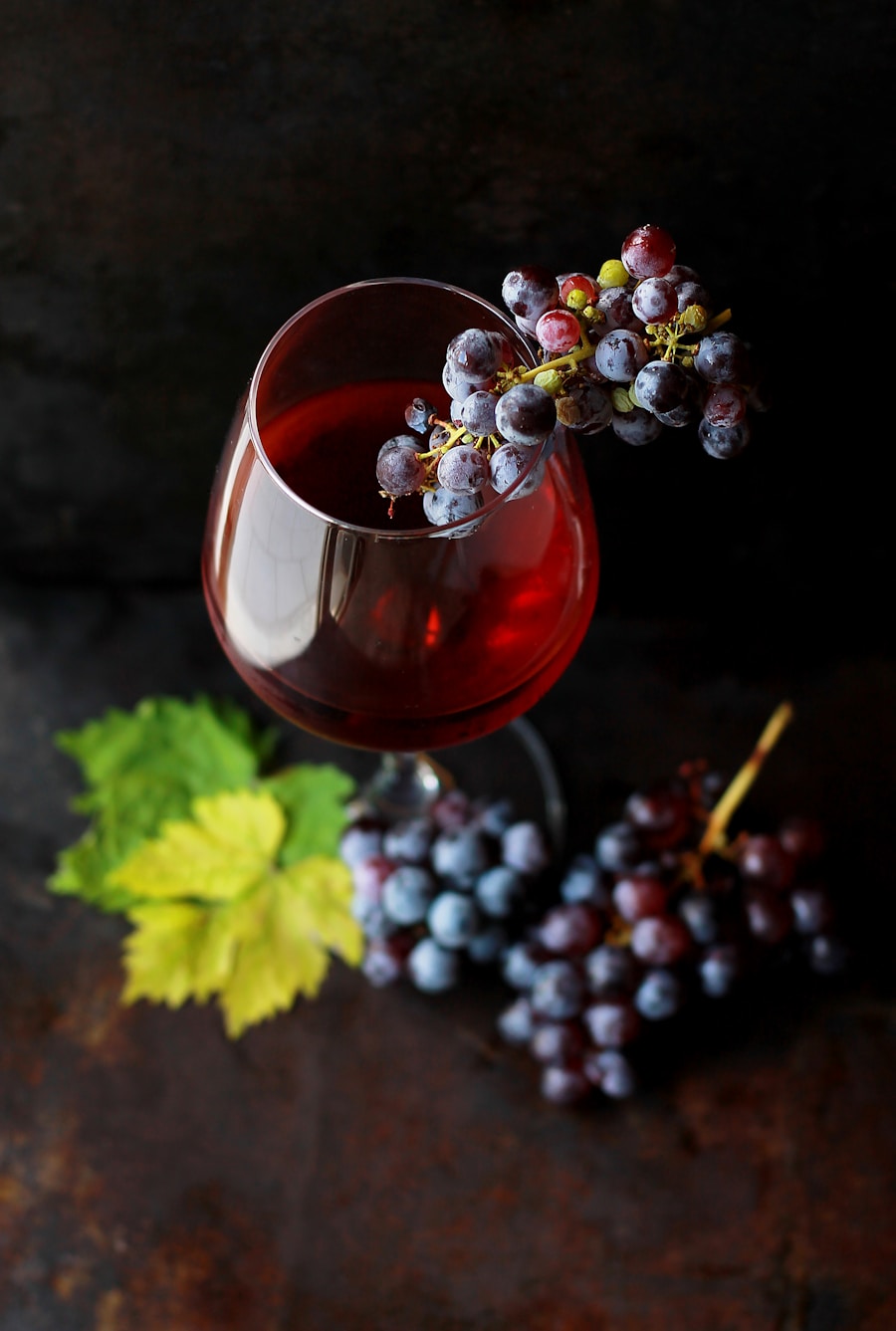
The Region
Tuscany is Sangiovese country: the cherry-and-herb reds of Chianti Classico, the powerful Brunello di Montalcino, and the modern “Super Tuscans” of the coast. Rolling hills, cypress avenues, and Renaissance towns make it one of the most beautiful wine regions anywhere — Florence and Siena are perfect gateways.
Names to Know
- Chianti Classico — the black-rooster heartland
- Montalcino & Montepulciano — hilltop wine towns
- Base in Florence, Siena, or a country agriturismo
Also in Italy: Piedmont & the Veneto
Piedmont, in the foggy northwest, is home to Nebbiolo — the noble grape behind the powerful, long-lived Barolo and Barbaresco — plus white truffles and the food capital of Alba. The Veneto, near Venice, gives the world Prosecco, Soave, and the rich Amarone della Valpolicella. Both pair beautifully with a wider Italian itinerary.
Spain ES
Spain has more land under vine than any other country and offers some of the best value in fine wine — alongside extraordinary food, from Basque pintxos to Riojan lamb.
The Region
Rioja is Spain's most famous region, built on Tempranillo aged in American and French oak to produce supple, savoury reds graded by ageing: Crianza, Reserva, and Gran Reserva. The region blends grand old bodegas with striking modern winery architecture, and the town of Haro is its tasting hub.
Names to Know
- Haro — historic bodega quarter
- Look for Reserva & Gran Reserva on the label
- Pair with the food of San Sebastián nearby
Also in Spain: Ribera del Duero, Priorat & Cava Country
Ribera del Duero produces some of Spain's most prestigious (and powerful) Tempranillo. Priorat, in Catalonia, makes intense reds from old-vine Garnacha and Cariñena on dramatic slate slopes. And the Penedès, near Barcelona, is the home of Cava — Spain's traditional-method sparkling wine and superb value.
United States US
California turned the wine world on its head in the 1970s and hasn't looked back. Napa and Sonoma offer the most polished wine-tourism experience anywhere — and the rest of the West Coast is catching up fast.
The Region
Napa is the New World's answer to Bordeaux — opulent, age-worthy Cabernet Sauvignon from a compact, beautiful valley packed with world-class wineries, restaurants, and architecture. It's polished and not cheap, but the cellar-door experience is second to none. Neighbouring Sonoma is larger, more rustic, and excellent for Pinot Noir, Chardonnay, and Zinfandel.
Names to Know
- Napa — iconic Cabernet & fine dining
- Sonoma — Pinot, Chardonnay, Zinfandel
- Book tastings ahead — most require reservations
Also in the USA: Oregon & Washington
Oregon's Willamette Valley has become one of the world's most exciting sources of cool-climate Pinot Noir, with a laid-back, small-producer feel. Washington State's Columbia Valley makes bold, well-priced Cabernet, Merlot, and Syrah. Both reward travellers willing to venture beyond California.
Australia AU
This is our home, and it earns its place on any world list. Australia's strength is diversity — from the warm, old-vine Shiraz of the Barossa to the maritime cool of Margaret River and Tasmania — and its cellar doors are famously relaxed and welcoming.
The Region
Settled by German immigrants in the 1840s, the Barossa grows some of the world's oldest continuously producing Shiraz vines, pre-dating the phylloxera that devastated Europe's vineyards. Its warm climate produces full-bodied, intense reds — and the higher, cooler Eden Valley alongside it makes some of Australia's finest Riesling.
Names to Know
- Penfolds — home of Grange
- Henschke — Hill of Grace, from 160-year-old vines
- Yalumba — Australia's oldest family winery (1849)
The Region
Margaret River pairs a maritime climate with stunning coastline to produce elegant, structured Cabernet Sauvignon and benchmark Chardonnay that rank among Australia's finest. Vineyards sit minutes from surf beaches and tall-timber forest, making it as scenic as it is serious about wine.
Names to Know
- Leeuwin Estate — Art Series Chardonnay
- Vasse Felix & Cullen — founding estates
- Stay 2–3 nights — everything is within 40 minutes
Also in Australia: the Hunter, the Yarra & Tasmania
The Hunter Valley (2 hours from Sydney) makes the world's most distinctive Semillon — ageing from crisp citrus to honeyed complexity. The Yarra Valley and Mornington Peninsula near Melbourne excel at cool-climate Pinot Noir and Chardonnay, and Tasmania is the country's most exciting emerging region, producing pure Pinot and traditional-method sparkling that genuinely rivals Champagne.
Closer to home, the hinterland around Brisbane — Mt Tamborine, the Canungra Valley, and Sirromet at Mount Cotton — offers boutique cellar doors perfect for a day trip. Cooee Tours runs guided wine day tours with hotel pickup, vineyard lunch, and no driving — the easiest way to taste South East Queensland.
New Zealand NZ
Small but mighty, New Zealand redrew the global map for Sauvignon Blanc and now makes Pinot Noir to rival Burgundy — all in some of the planet's most spectacular scenery.
The Region
Marlborough's intensely aromatic, zesty Sauvignon Blanc became a global phenomenon and still defines the style worldwide. The region also makes excellent Pinot Noir and traditional-method sparkling, and its sunny, mountain-ringed valleys are easy and rewarding to tour.
Names to Know
- Cloudy Bay — the name that started the boom
- Blenheim — the region's touring base
- Cycle the flat vineyard trails between cellar doors
Also in New Zealand: Central Otago & Hawke's Bay
Central Otago, around Queenstown, is the world's southernmost wine region, making intense, pure Pinot Noir amid jaw-dropping alpine scenery. Hawke's Bay on the North Island is the country's oldest region and its strongest for Bordeaux-style reds and Syrah.
🍇 What to Taste — The World's Great Grape Varieties
Shiraz / Syrah
The same grape, two faces. In Australia's Barossa it's bold, dark-fruited, and rich; in France's Northern Rhône (as Syrah) it's more peppery, savoury, and mineral. One of the world's great red grapes either way.
Cabernet Sauvignon
The king of structured, age-worthy reds — blackcurrant, cedar, firm tannins. Bordeaux is the benchmark; Napa makes it opulent; Margaret River and Coonawarra give it elegance. Ages magnificently for decades.
Pinot Noir
Notoriously fickle, gloriously rewarding — silky, red-fruited, perfumed. Burgundy is the spiritual home; New Zealand's Central Otago and Australia's Tasmania now make world-class versions in cooler climates.
Nebbiolo & Sangiovese
Italy's noble reds. Nebbiolo (Barolo, Barbaresco) is powerful, tannic, and floral; Sangiovese (Chianti, Brunello) is bright, cherry-and-herb, and made for the table. Both define their regions.
Sauvignon Blanc
Zesty, aromatic, and refreshing. New Zealand's Marlborough made the punchy, tropical style world-famous; France's Loire (Sancerre) offers a leaner, more mineral take. The world's favourite crisp white.
Chardonnay
The world's most versatile white — steely and mineral in Chablis, rich and buttery in California, precise and elegant in Margaret River. Burgundy's white wines remain the global reference point.
Riesling
One of the most underrated whites — from delicate, off-dry German Mosel to bone-dry, lime-and-steel Australian Clare Valley. Strikingly ageworthy, developing honey and toast over decades.
Sparkling
Champagne is the benchmark for traditional-method fizz; Spain's Cava and Italy's Prosecco offer great value; and Tasmania now makes sparkling with acidity that genuinely rivals the French original.
🍽️ Food Pairing — Wine at the Table
| Wine | Region | Best With |
|---|---|---|
| Shiraz / Syrah | Barossa · Rhône | Grilled red meats, slow-braised lamb, aged hard cheese, rich stews |
| Cabernet Sauvignon | Bordeaux · Napa | Roast beef, lamb, steak, aged hard cheese, duck confit |
| Pinot Noir | Burgundy · Otago | Duck, salmon, mushroom risotto, charcuterie, soft cheese |
| Chardonnay | Burgundy · Margaret River | Lobster, roast chicken, creamy pasta, rich white fish |
| Sauvignon Blanc | Marlborough · Loire | Goat's cheese, oysters, salads, fresh white fish, asparagus |
| Riesling | Mosel · Clare Valley | Thai & Vietnamese food, sushi, mild curries, pork |
| Sangiovese | Tuscany | Tomato-based pasta, pizza, cured meats, roast pork |
| Champagne / sparkling | Champagne · Tasmania | Oysters, canapés, soft cheeses, fried foods, any celebration |
🚗 Wine Tourism — A Practical Guide
The golden rule travels everywhere: never drive a wine route while intending to taste seriously. Almost every major region is accessible by guided tour, local shuttle, or, in flatter regions, by bike. Designated drivers miss out on the best part, and drink-driving limits are strictly enforced worldwide.
Pick a base, not a tour-of-everything: one good town (Beaune, Saint-Émilion, Tanunda, Healdsburg) puts dozens of cellar doors within easy reach. Book the famous estates ahead — many now require appointments. Use a guide or shuttle so everyone can taste. Go at harvest (autumn) for the most atmosphere. Near Brisbane? Cooee Tours guided wine day tours cover Mt Tamborine and Sirromet with hotel pickup and lunch — no driving required.
Best season: harvest is the most exciting time to visit — and it falls in autumn, which means roughly September–October in the Northern Hemisphere (France, Italy, Spain, the USA) and February–April in the Southern Hemisphere (Australia, New Zealand). Spring brings fresh new releases and quieter cellar doors. Most operate year-round, but always confirm hours before visiting smaller boutique producers.
Planning a Wine Day Near Brisbane?
Wherever your wine travels take you, plan around the season and let someone else drive. And if you're in South East Queensland, Cooee Tours' guided wine day trips cover Mt Tamborine's boutique cellar doors and Sirromet's estate — CBD hotel pickup and vineyard lunch included.
Book a Brisbane Wine Tour →