
Adventure tourism in Australia isn't a trend — it's a response to a continent that physically demands engagement. You cannot fly over the Red Centre and feel it. You cannot understand the Great Barrier Reef from a postcard. You cannot know the Daintree without the heat on your skin and the sound of the rainforest at 4am. Australia is designed to be experienced actively, not observed passively.
In 2026, the adventure landscape has expanded significantly. The world-first Happitat cliffside park has opened above the Gold Coast hinterland. Queensland's Dreaming Trails Tour is bringing First Nations knowledge-holder-led adventures to the Sunshine Coast. The Larapinta Trail is welcoming more visitors with improved access. And whale shark season at Ningaloo Reef is drawing record numbers. This is the most complete 2026 adventure guide to Australia available.
01 Why Adventure Tourism is Booming in 2026
The global adventure tourism market is projected to exceed $1.6 trillion by 2028 — and Australia is at the leading edge of this growth. The shift is structural, not cyclical. Modern travellers are actively moving away from pre-packaged itineraries toward experiences that require physical engagement, cultural exchange, and genuine wilderness encounters.
Expedia's Unpack '26 report found that 50% of travellers are now seeking "Slow Down Towns" and meaningful connection over destination-ticking. Australia's adventure operators have responded: specialized packages for wildlife encounters, multi-day stargazing in Outback Queensland, First Nations-led bush tucker journeys, and reef conservation diving programmes have expanded access beyond the traditional thrill-sport market.
Three world-first or Australia-first experiences have opened in 2026: Happitat (cliffside adventure park above Lamington NP, Gold Coast hinterland), the Dreaming Trails Tour (First Nations knowledge-holder-led Sunshine Coast hinterland journey), and Dinosaur Canyon at the Australian Age of Dinosaurs Museum in Winton (April 2026, combined with the Jump-Up Dark Sky Sanctuary for stargazing). The Ghan, Indian Pacific, and Great Southern rail journeys also unveiled new luxury Australis carriages from April — Australia's great adventure train experiences at a new level.
02 New Adventure Experiences Opening in 2026

Happitat Cliffside Adventure Park
World-first adventure park perched on the edge of World Heritage-listed Lamington National Park, 90 minutes from Brisbane. Three ziplines, an 80-metre via ferrata above the Numinbah Valley, tightropes, and timber crossings suspended over rugged hinterland. 160 bird species visible from the heights. Perfect for groups, first-timers, and serious height-seekers alike.
Dreaming Trails Tour
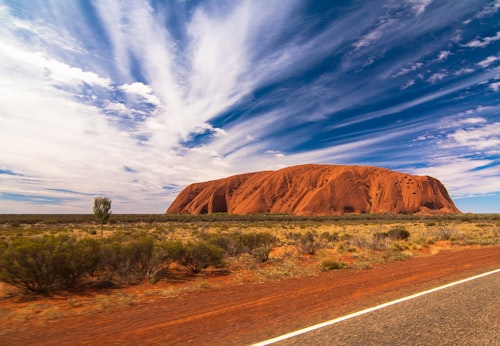
Full-day First Nations knowledge-holder-led journey through the Sunshine Coast hinterland, sharing stories of deep cultural significance along lesser-known routes. Includes QCamel Dairy (family camel farm), and a seasonal bush tucker experience with Indigenous chef Aunty Dale. Combines adventure with cultural depth in a way that is genuinely rare.
Dinosaur Canyon + Dark Sky Sanctuary
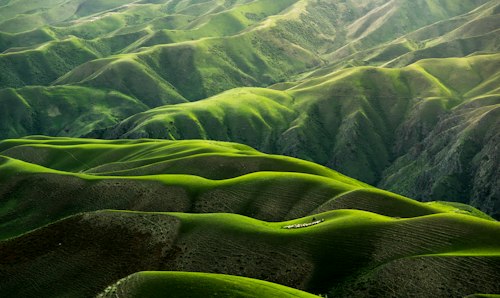
A multi-sensory experience at the Australian Age of Dinosaurs Museum in Winton — walk through Dinosaur Canyon as prehistoric sounds fill the gorge and shadowy dinosaur silhouettes flicker across ancient rock. Then as night falls, the Jump-Up Dark Sky Sanctuary opens for one of Australia's finest stargazing experiences under some of the clearest skies on Earth.
Monarto Safari Resort
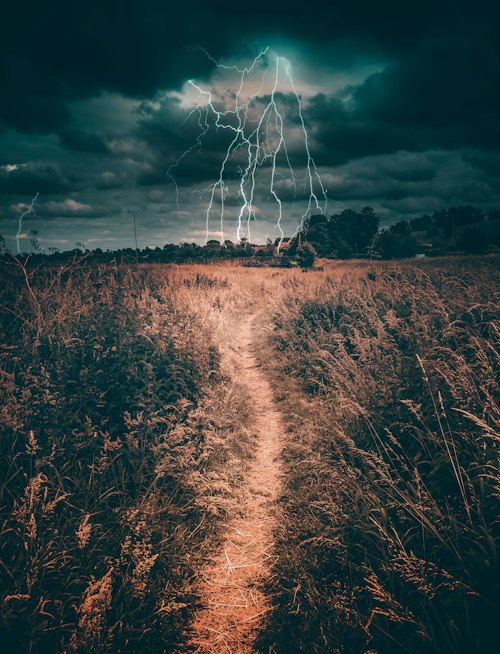
Luxury accommodation inside Australia's largest open-plains zoo, one hour from Adelaide. From April 2026, 20 glamping tents join 78 lodge suites, set among the savannah-esque landscape of Monarto Safari Park. Guided safari experiences include encounters with giraffes, rhinos, lions, and cheetahs — Africa-style wildlife adventure without leaving South Australia.
03 Australia's Premier Adventure Destinations
The Outback — Red Desert Adventures
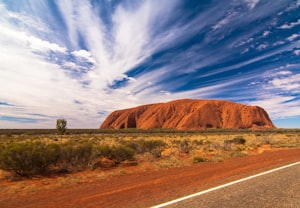
The Australian Outback covers over 70% of the continent and represents one of Earth's last genuinely wild landscapes. Multi-day 4WD expeditions through the Simpson Desert, Kakadu, and the Kimberley offer unmatched star-gazing, First Nations cultural experiences, and wildlife encounters unavailable anywhere else on Earth. Adventure activities include camel trekking across red sand dunes, quad biking through ancient gorges, and rock climbing on billion-year-old formations.
223 kilometres along the West MacDonnell Ranges, Northern Territory — widely considered one of Australia's greatest long-distance walks. Divided into 12 sections, typically walking 12–20 days for the full trail through extraordinary desert gorges, waterholes, and Aboriginal cultural sites. Best April to September. Guided, self-guided, and supported options available.
Great Barrier Reef & Whitsundays — Aquatic Adventures
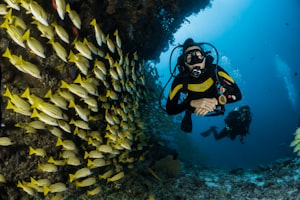
The Great Barrier Reef stretches 2,300 kilometres — the world's largest living structure and home to over 1,500 fish species and 411 types of hard coral. Scuba diving and snorkelling the Outer Reef from Cairns or Port Douglas delivers encounters with manta rays, reef sharks, sea turtles, and (June–November) migrating humpback whales. For certified divers, liveaboard dive trips access remote outer reef sites rarely seen by day visitors.
The Whitsunday Islands provide the perfect sailing base — 74 islands in the heart of the Marine Park, Whitehaven Beach 7km of pure silica, and Heart Reef visible only from scenic flights above. Sea kayaking through sheltered bays, stand-up paddleboarding in crystal lagoons, and sunset sailing cruises from Airlie Beach round out an aquatic adventure programme that rivals anywhere in the world.
Tasmania — Wilderness Island
Tasmania dedicates 40% of its land to national parks and World Heritage areas. The Overland Track (6 days, Cradle Mountain to Lake St Clair) is one of Australia's iconic multi-day treks. White-water rafting the Franklin River provides grade IV rapids through remote, roadless wilderness. Sea kayaking the Freycinet Peninsula, mountain biking 85 wilderness tracks west of Hobart, and cave exploration in the Ida Bay karst system complete a year-round adventure programme.
Daintree Rainforest — Tropical Adventure
The world's oldest tropical rainforest (180+ million years) offers zip-lining through the canopy, canyoning down waterfalls, guided night walks revealing cassowaries and tree kangaroos, and Daintree River crocodile cruises. The adjacent Kuku Yalanji cultural tours transform hiking into deep cultural education with Indigenous guides who have lived within this ecosystem for thousands of years.
Victorian Alps — Year-Round High Country
Falls Creek and Mount Hotham deliver world-class skiing and snowboarding (June–September), while summer transforms the high country into mountain biking, trail running, and fly fishing territory. Rock climbing in the Grampians and at Mount Arapiles attracts climbers from across the world to what many regard as Australia's finest climbing destinations.
04 Top Adventure Activities — By Thrill Level
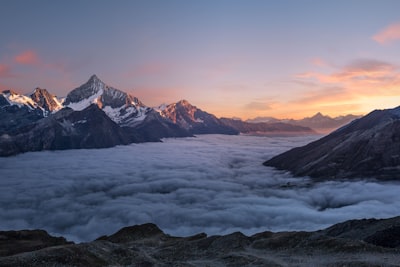
Reef Snorkelling
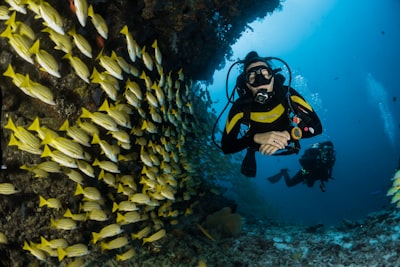
Day boats from Cairns to the Outer Reef. No experience needed. Coral, turtles, rays and 1,500 fish species.
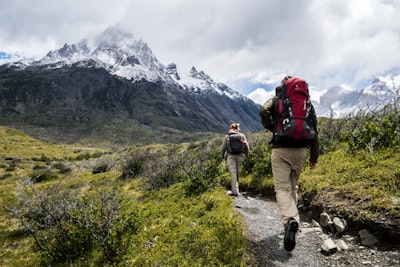
Multi-Day Trekking
Larapinta Trail, Overland Track, Great Ocean Walk, Thorsborne Trail. Preparation essential; rewards transformative.
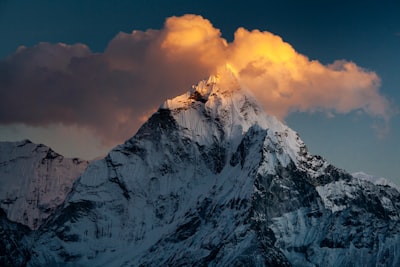
Tandem Skydiving
15,000ft over Mission Beach, Byron Bay, or the Reef. 60 seconds freefall. No experience required for tandem.
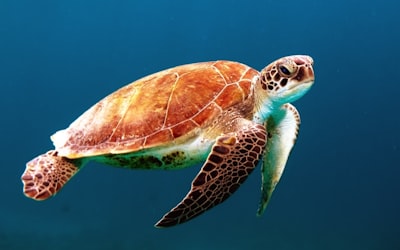
Tully River Rafting
Grade IV rapids year-round in tropical Queensland. Full-day guided trips from Mission Beach or Cairns. Outstanding.
Kakadu Safari
Yellow Water Billabong cruises at dawn. Saltwater crocodiles, jabiru storks, 280+ bird species in dry season only.
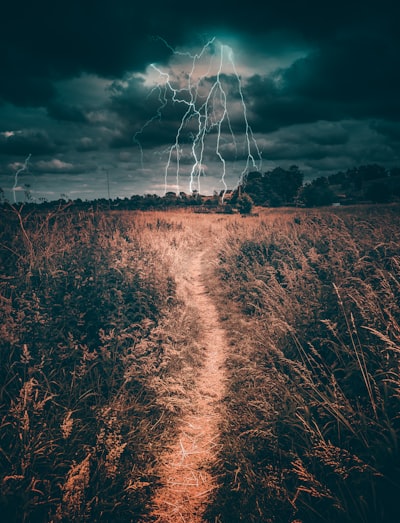
Swim With Whale Sharks
Ningaloo Reef, WA. March–July. The world's largest fish in the most extraordinary swimming experience on Earth.
Iconic Multi-Day Hikes
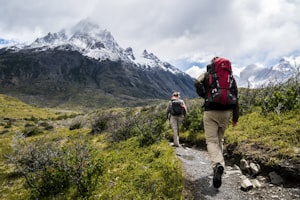
Australia's long-distance trails are some of the world's finest. The Larapinta Trail (NT, 223km, 12–20 days) tracks the West MacDonnell Ranges through desert gorges and Aboriginal cultural sites. The Overland Track (Tasmania, 65km, 6 days) passes Cradle Mountain, alpine lakes, and ancient rainforest. The Great Ocean Walk (Victoria, 104km, 8 days) follows cliff-top coastline to the Twelve Apostles. The Thorsborne Trail (Queensland, 32km, 4 days, permit required) is Hinchinbrook Island — one of Australia's most remote and beautiful walks.
Water Adventures
Australia's 36,000km of coastline and river systems create an extraordinary aquatic adventure canvas. Surfing breaks range from beginner-friendly at Byron Bay and Bells Beach to world-class at Margaret River (home of the WSL Championship Tour's second event in 2026) and Gold Coast's Snapper Rocks. Sea kayaking routes include Sydney Harbour, the Whitsundays, and multi-day expeditions around Maria Island, Tasmania. White-water rafting peaks on the Tully River (grade IV, Queensland) and the Snowy River (Victoria) through spectacular gorge scenery.
05 Adventure by Experience Level
Adventure tourism in Australia has genuine entry points for every level. No prior experience is required to snorkel the Reef, tandem skydive, or walk the Blue Mountains. The continent scales seamlessly from half-day guided encounters to months-long solo wilderness expeditions.
No experience needed. All equipment & safety briefings provided.
- Reef snorkelling (Cairns, day trip)
- Tandem skydiving (Gold Coast, Byron Bay)
- Guided rainforest walks (Daintree)
- Happitat zipline experience
- Easy coastal walks (Blue Mountains, Bondi)
- Whale watching (Gold Coast, Jun–Nov)
Reasonable fitness, some skill. Training ahead recommended.
- Tully River rafting (grade III–IV)
- Multi-day section hiking (Larapinta)
- Sea kayaking expeditions
- Open-water scuba diving (PADI)
- Mountain biking (Victorian High Country)
- 4WD Outback adventures (Kimberley)
Extensive experience & preparation essential.
- Full Larapinta Trail (12–20 days solo)
- Overland Track (6-day multi-day)
- Franklin River rafting (grade V)
- Technical rock climbing (Grampians, Arapiles)
- Cave diving (flooded karst systems)
- Unsupported Outback expeditions
06 Safety & Preparation
Australian adventure tourism is among the world's most regulated — licensed operators carry appropriate insurance, follow strict operational protocols, and are required by law to maintain safety equipment to government standards. But personal preparation is equally important, particularly for Australia's unique hazards.
Sun & Heat
Sunburn in 10–15 minutes. SPF 50+, hat, and UV clothing are non-negotiable. Outback temperatures exceed 45°C — carry 3x more water than you think you need.
Crocodiles
In the tropical north, treat all waterways as crocodile habitat. Obey all warning signs absolutely. Never swim, wade, or stand near water's edge at dawn, dusk, or night.
Marine Hazards
Box jellyfish are present in northern waters October–May. Always swim at patrolled beaches between the flags. Wear stinger suits in tropical waters during season.
Wildlife
Wear boots when bushwalking. Watch where you place hands and feet. Never handle wildlife. Snakes are generally far more afraid of you — back away slowly and give them space.
Remote Areas
Carry a personal locator beacon (PLB) for any remote area travel. Register your PLB with AMSA. Satellite communicators (Garmin inReach) allow two-way messaging anywhere.
Insurance & Preparation
Always book operators with current licensing and insurance. Get comprehensive travel insurance including adventure activity coverage. Consider a wilderness first aid course before multi-day hikes.
Always verify operators hold current adventure activity licences, appropriate insurance, and Ecotourism Australia ECO certification (where applicable). Check reviews specifically for safety records, not just enjoyment. Legitimate operators will proactively discuss risks and emergency protocols before you book — if they don't, ask.
07 Cultural Immersion Adventures
The most profound Australian adventure experiences combine physical challenge with cultural learning. Australia's First Nations peoples have navigated, managed, and thrived in these landscapes for 60,000+ years — their knowledge of Country is not history, it is an active, present body of ecological intelligence that can fundamentally transform how you experience the landscape.
Indigenous-guided adventure tours exist at every level: from Dreamtime walks in the Daintree with Kuku Yalanji guides, to guided gorge walks in the MacDonnell Ranges with Arrernte knowledge-holders, to the new 2026 Dreaming Trails Tour in the Sunshine Coast hinterland. Each transforms hiking from exercise into cultural education — and the economic contribution directly supports community programs and language preservation.
Beyond First Nations experiences: remote cattle station stays (working farm participation, mustering experiences), conservation volunteer programs (Great Barrier Reef Eye on the Reef dive surveys, habitat restoration in national parks), and agricultural farm stays provide immersive contemporary Australian cultural encounters impossible to replicate on standard tours.
08 Planning Your Adventure Journey
Best Seasons by Adventure Type
Outback & desert adventures (Uluru, Larapinta, Kakadu, Kimberley): April–September. Outback summer (December–February) exceeds 45°C — genuinely dangerous for outdoor exertion. Great Barrier Reef diving: May–October for maximum visibility (30m+) and calm conditions. Whale shark swimming at Ningaloo Reef: March–July (peak April–June). Humpback whale watching (Gold Coast, Sydney): June–November. Alpine skiing (Victorian Alps): June–September. Surfing: Year-round across different coasts — autumn/winter for best swell consistency.
Building a Multi-Region Itinerary
Australia's distances are genuinely vast — Sydney to Perth equals New York to Los Angeles, and flying is required between most adventure regions. The most efficient adventure itinerary for first-timers: Cairns (reef, Daintree, Tully River rafting) → Red Centre (Uluru, Larapinta section hike) → Gold Coast/Sunshine Coast (Happitat, hinterland, Gold Coast beaches). This triangle covers reef, outback, and hinterland adventure in a logical flight pattern.
Guided Outer Reef day trips from Cairns: $180–$280. Tully River full-day rafting: $185–$220. Tandem skydiving: $199–$349 (higher altitude = higher price). Multi-day guided Larapinta Trek: $2,800–$4,500 per person for 12 days supported. Self-guided camping options cost $400–$700 in permits and supplies. Factor in adventure activity travel insurance (add ~$50–$100 to comprehensive travel insurance), park entry fees, and equipment rental or purchase.
Your Australian Adventure Starts Here
Cooee Tours connects you with Queensland's best adventure experiences — from Gold Coast hinterland thrills to reef day trips, whale watching, and guided outback encounters.
Browse Adventure Tours →09 Frequently Asked Questions
What is the best adventure activity for first-timers in Australia?
When is the best time for adventure activities in Australia?
What is Happitat and when did it open?
Is adventure tourism in Australia safe?
Can Cooee Tours arrange adventure experiences in Australia?
10 Related Guides

Queensland Adventure & Outdoors Guide
50+ experiences across 7 QLD regions
Queensland Wildlife & Eco-Tourism
Wildlife seasonal calendar & ethical encounters
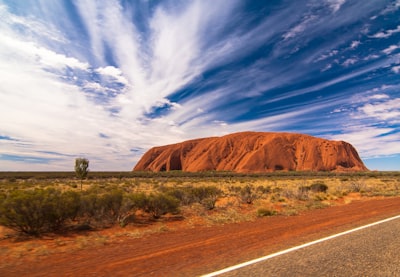
Red Centre Road Trip Guide
Uluru, Kings Canyon & Larapinta region
Responsible Travel Guide
Safety, ethics & sustainable adventure