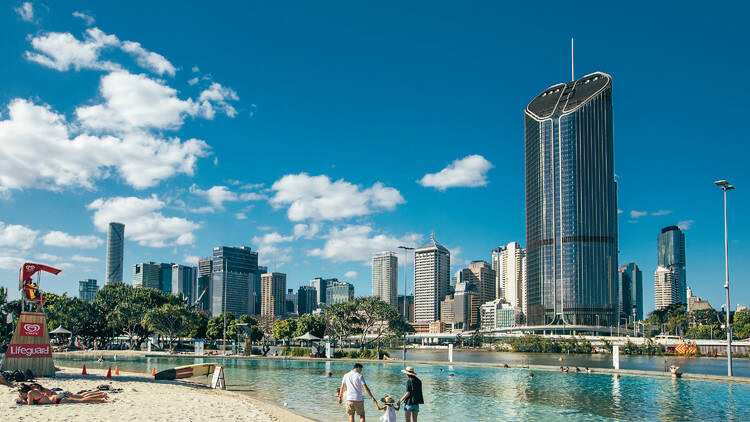
There's a running joke among Queenslanders that winter is when everyone else finally realises what they've been missing. While the southern states shiver, Brisbane settles into its best behaviour: day after day of clear blue skies, comfortable temperatures, almost no rain and cool, fresh mornings. If your idea of a good winter holiday involves sunshine rather than snow, Brisbane in June, July and August is genuinely hard to beat.
The weather: mild, dry and sunny
Brisbane's winter is the driest, sunniest part of the year. Daytime highs hover around 21 to 23°C — t-shirt weather by the middle of the day — under skies that stay clear for weeks at a time. July, the coldest month, still averages daytime maximums above 21°C and is the driest month of all, with only around 30 to 35 mm of rain.
The catch, such as it is, comes early and late in the day. Mornings can drop to around 10°C, and inland suburbs a little lower, so early starts and evenings call for a jacket. But there's no real cold to contend with — Brisbane has essentially never recorded a freezing day — and the low humidity makes the whole season feel fresh and invigorating rather than harsh.
Whale-watching season
Winter's headline act happens offshore. From about June, humpback whales begin their annual migration along the Queensland coast, and Moreton Bay — right on Brisbane's doorstep — becomes one of the country's most reliable whale-watching spots. Calm winter seas make for superb viewing, with breaching and tail-slapping displays a common sight. For many visitors, this alone justifies a cool-season trip.

What to do
The dry, clear weather makes winter prime time for the outdoors. The city's lookouts — Mount Coot-tha above all — reward you with crisp, haze-free views clear to the bay and the coast. Bushwalks in the D'Aguilar Range and the Scenic Rim are at their comfortable best, and day trips to the Gold and Sunshine Coasts, Moreton Bay and the hinterland are easy in the settled conditions. Back in the city, riverside dining, the CityCat, koala sanctuaries, South Bank and the weekend markets are all at their most pleasant when you're not battling summer humidity.
Winter events
The biggest is the Ekka — the Royal Queensland Show — which takes over the Brisbane Showgrounds each August, complete with showbags, sideshows, agricultural competitions and its very own Brisbane public holiday. Beyond it, the cooler months bring a full calendar of markets, food and sporting events, all made easier to enjoy by the reliable weather.
Think layers. Bring t-shirts and light clothing for warm days, plus a jumper and a light jacket for cool mornings and evenings. You won't need a heavy coat. And don't leave the sunscreen at home — Queensland's winter sun is still strong enough to burn.
Crowds and cost
Winter is popular — the mild weather and school holidays in late June and early July mean it's far from a secret. Book accommodation ahead over the holiday weeks and around the Ekka. Outside those windows, midweek stays offer good value, and Queensland's flat 50-cent public transport fares keep getting-around costs almost nothing year-round. See our travel costs guide for the full picture.
Brisbane in winter is warm-natured, sun-soaked and reliably dry, with whales in the bay and a lively events calendar. If you want the safest bet for good weather and comfortable sightseeing, the cool season delivers. Just pack a jacket for the mornings — and expect to shed it by lunchtime.
Curious how it compares to the rest of the year? Our best time to visit Brisbane guide breaks down every season and month — and our Brisbane in summer guide covers the warm, stormy other end of the calendar.
What is the weather like in Brisbane in winter?
Mild and dry. June to August days average around 21 to 23°C under clear, sunny skies, with cool mornings that can dip to around 10°C. It's the driest, sunniest stretch of the year — July is the driest month.
Is Brisbane cold in winter?
Not really. Daytime temperatures stay comfortable in the low twenties. Mornings and evenings are cool enough for a jacket, but Brisbane essentially never freezes, and heavy winter clothing isn't needed.
Can you swim in Brisbane in winter?
The sea cools to around 21 to 22°C, which hardy swimmers still enjoy, and many pools (including South Bank's) are heated. It's not prime beach weather, but plenty of visitors still take a dip on sunny winter days.
Is winter a good time to visit Brisbane?
Yes — arguably one of the best. You get reliable sunshine, low humidity, comfortable sightseeing weather, whale-watching season and a busy events calendar. It's popular for good reason.
What is there to do in Brisbane in winter?
Whale watching in Moreton Bay, clear-sky lookouts and bushwalks, the Ekka in August, riverside dining, koala sanctuaries, day trips to the coast and hinterland, and markets — all made easy by the dry, sunny weather.
Cooee Tours acknowledges the Turrbal and Yuggera/Jagera peoples as Traditional Custodians of the land on which Brisbane stands, and pays respect to Elders past and present.