Queensland
Brisbane and the Gold Coast are useful bases for city touring, hinterland drives and winery outings. For the South Burnett or Capricorn Coast, choose a starting point around your broader route.
Plan a Brisbane day out, a regional food and wine trip or a longer Australian journey with transport, timing and stops suited to your group.
In Australia, a private tour reserves the services described in your quote for your group. Start with your hotel, airport, cruise terminal or the next town on your itinerary. The pickup point helps determine which stops fit and how much of the day you’ll spend on the road.
One base works well for a day tour. For longer routes, choose overnight stops before adding activities. A Melbourne-based Great Ocean Road outing and a coastal trip that continues west can include some of the same stops, with different finish points and travel days. For remote routes, discuss fuel and meal stops, road conditions and accommodation early.
Popular wineries, islands, wildlife parks, cruises and cultural sites may operate set admission or departure times. Your group can have private road transport and still join a scheduled crossing or guided visit. We identify these details while planning your route.
Explore Cooee’s published private-tour and charter pages, then enquire with your date, starting point and passenger numbers. Each trip is subject to availability.
Brisbane and the Gold Coast are useful bases for city touring, hinterland drives and winery outings. For the South Burnett or Capricorn Coast, choose a starting point around your broader route.
Ask about coastal and hinterland touring through the Northern Rivers. If Sydney is your base, use the Blue Mountains itinerary below as a separate starting point.
Allow time for a coastal drive or plan around wildlife-viewing and venue schedules.
Allow time for cellar-door appointments or make a coastal day out the centre of your trip.
Choose between a Perth-based itinerary and extra time in the Margaret River region. Share your accommodation plans when you enquire.
Consider separate bases for Hobart and the Tasman Peninsula, the East Coast and the north. Discuss route length and walking requirements for national park visits.
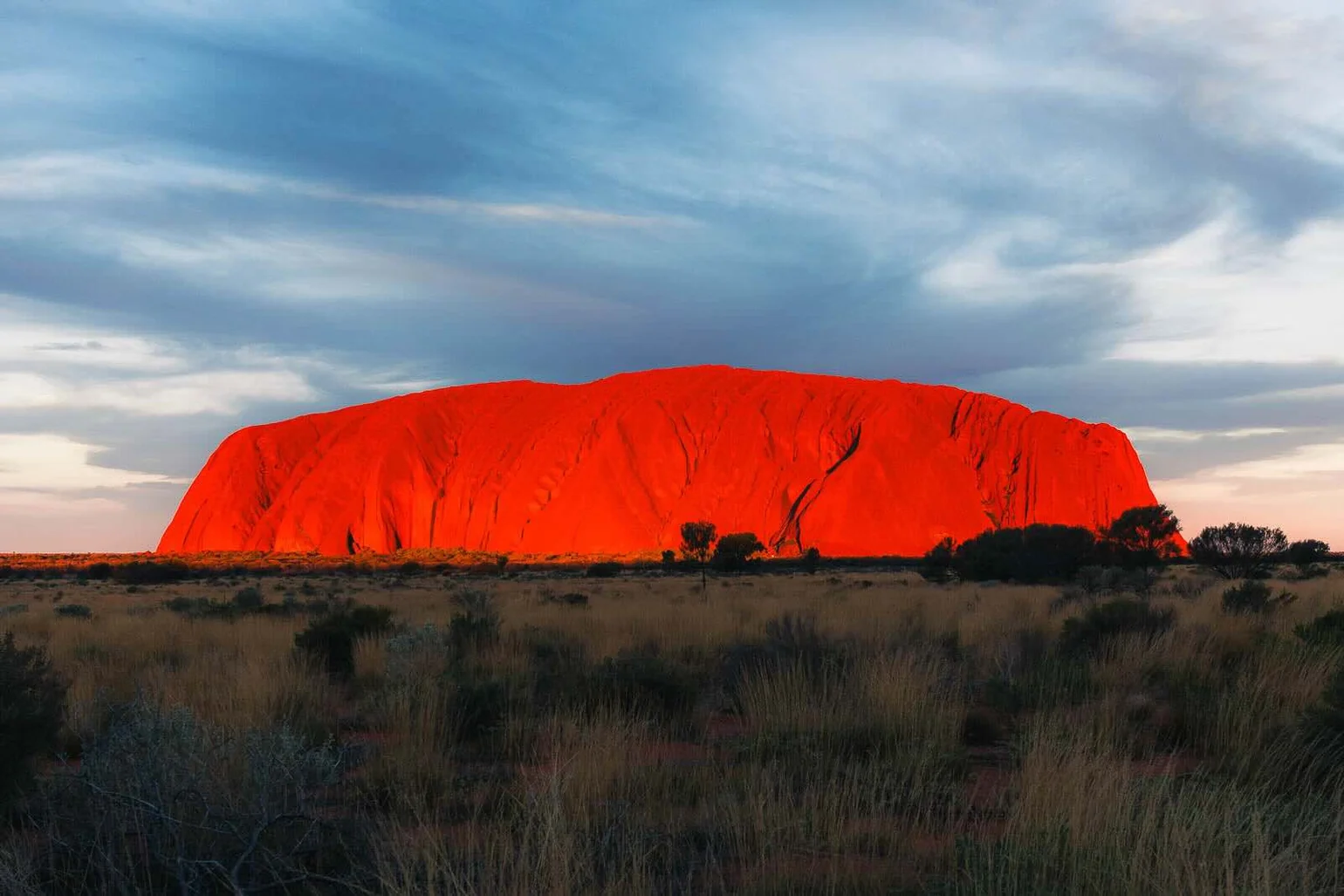
Base your trip in Darwin, Alice Springs or near Uluṟu according to what you want to see. Ask about heat, operating seasons and the walking demands of your stops.
Tell us if you want Canberra’s national institutions, a food and wine route or a day shaped around a particular event.
The pages below describe published routes or collections. Ask which elements can be adapted for a private booking and which operate on a shared schedule.
These examples show how to frame a bespoke day or a longer trip. Ask us to check your dates, pickup, group size and venue availability against the route you choose.
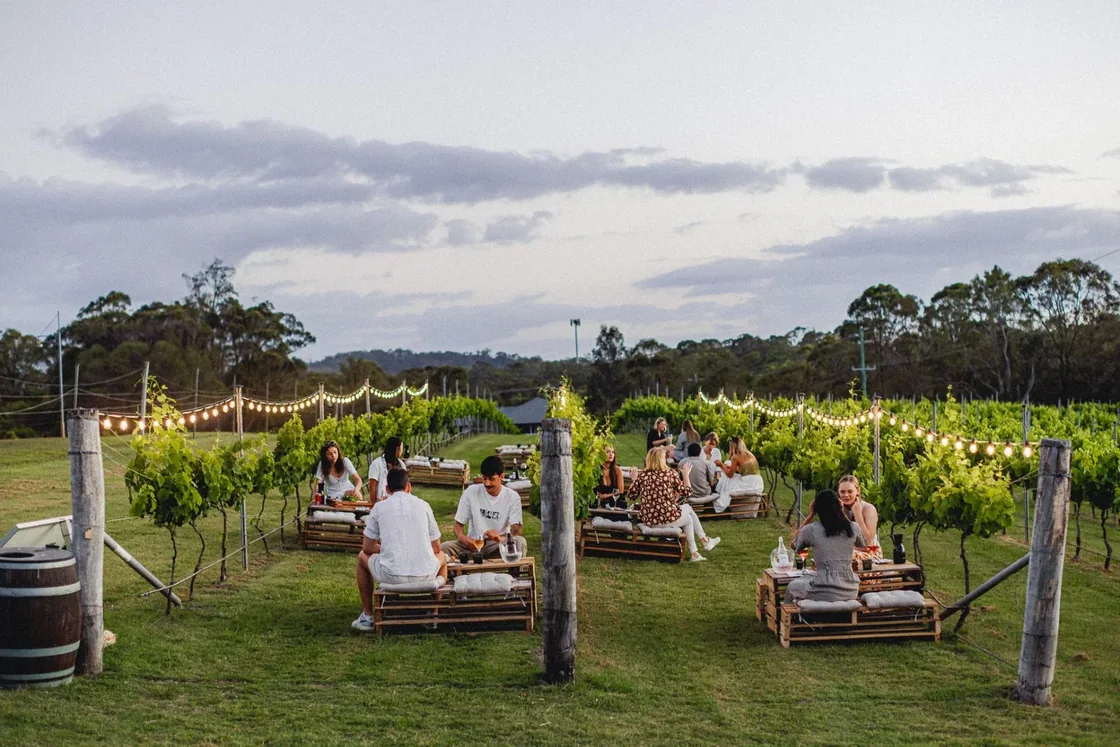
Use a single hotel or central meeting point and build the day around an agreed tasting and lunch. A Mount Cotton winery visit gives the group time in one place, which can suit guests catching up after a long journey or a family booking that includes several generations. If your group wants to make a few stops, ask about a hinterland wine route with appointments at selected cellar doors. Make room for a break and enough time for the venue to serve the whole party.
Send the number of adults, children and non-drinking guests, and explain the occasion. Ask about a reserved table, the planned drinks and meal, and whether cakes or photography can be arranged. Give us the time you want to return to Brisbane so we can discuss the number of stops and practical pickup points.
Explore the Sirromet winery day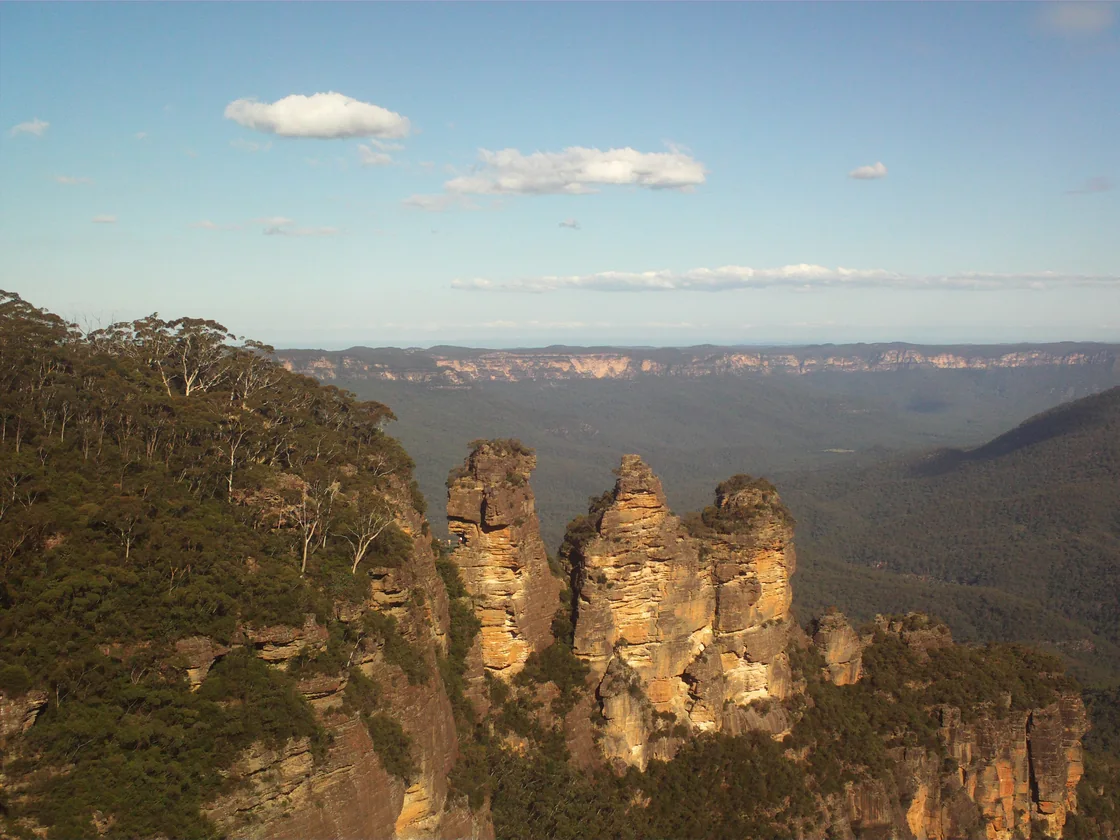
Start from Sydney with enough time to account for city traffic. Choose a small number of stops around Katoomba or Leura, with lunch at a convenient point. The Three Sisters area can be a first point of interest, with additional time for a village visit or another lookout if access and conditions suit. For a group interested in photography, discuss the time of day and whether quieter viewpoints would suit your priorities.
Tell us what kind of walking feels comfortable and what you want to do in mist or rain. Ask about the path between parking and each viewpoint, whether a venue has indoor space, and whether tickets or reserved access are needed for any activities. If you have a performance or dinner booked after the tour, confirm the expected finish and a suitable buffer.
Compare Blue Mountains tours from Sydney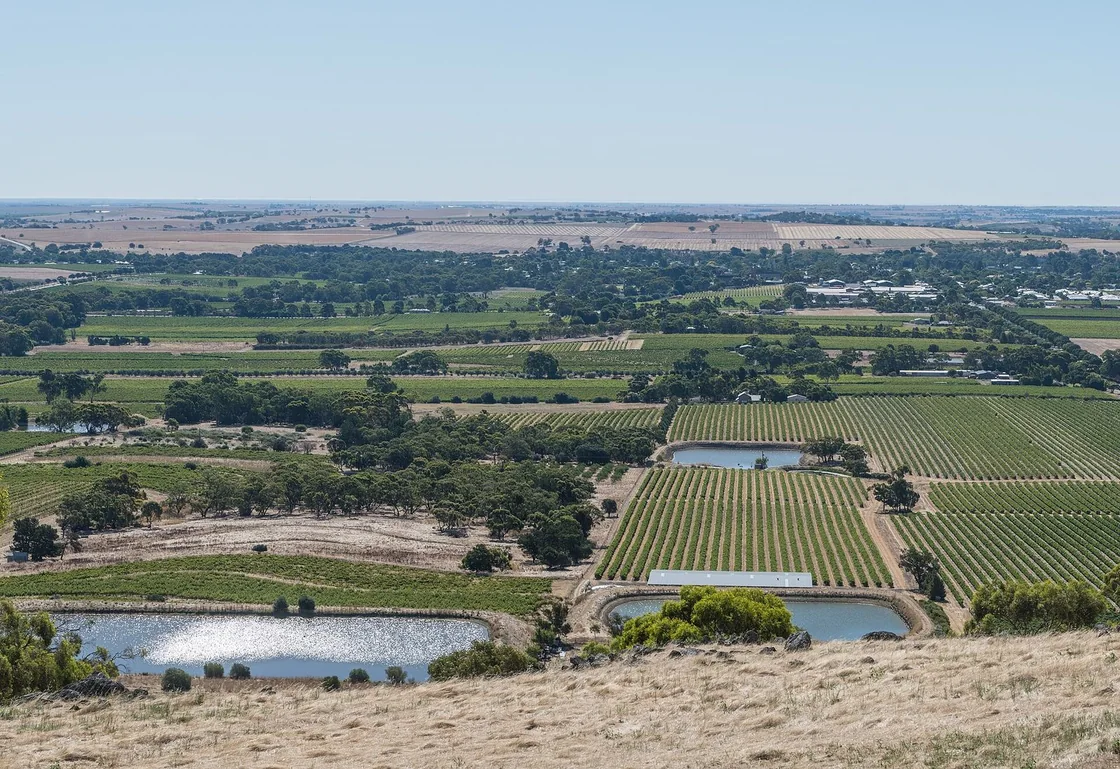
Choose Adelaide as a starting point for a focused wine or coastal day, or add overnight time to explore a distinct region. A Barossa visit can bring together one or two cellar doors and a relaxed meal. A Fleurieu itinerary can suit travellers who want township and coast time with an optional wine stop. If Kangaroo Island is a priority, discuss the ferry or flight arrangements and how much time you want to spend on the island.
Build your plan around what you want to do on the ground. Some cellar doors need advance bookings and have limits on larger groups, while coastal plans rely on suitable weather and access. Ask which experiences can be held for your group, which are shared and whether a driver-guide or a separate local specialist is available.
Explore private South Australia toursPick one or two priorities for a day out. Allow time for loading, traffic, meal stops and transfers between venues. A long lunch or a slower walking pace works best when we build it into the schedule from the start.
Confirm how your group gets to the terminal, whether the crossing or wildlife activity is shared, and the arrangements if weather changes the service. Ask about boarding steps, walking surfaces and equipment requirements.
Include enough time for a community-led or locally guided visit. Follow the venue or guide’s directions about access and photography, especially at culturally significant sites.
Share ship and terminal details, flight times or your event’s start time. We’ll discuss realistic buffers and a pickup plan that works with your group’s luggage and arrival arrangements.
A city base gives the group useful options when guests have separate plans. You can use a short orientation tour early in the trip, then add a full day to an outlying region. In Melbourne, for example, a city visit and a Great Ocean Road day have different travel demands. Decide whether the coastal drive is the focus, and whether you’d like extra time near the coast before continuing to another destination.
Ask us to identify where city traffic can affect pickup order and whether multiple hotels can be accommodated. A central gathering point can give the group a longer day at the destination. If people have different energy levels, choose a site where some guests can rest or have coffee while others join a guided walk. Agree on a meeting point before leaving the vehicle.
Australia rewards a route built around a clear interest. A group shaped around gardens or agriculture can spend a useful day in one food-growing region. A wildlife day may work best with early or later visits, within the hours that the vehicle and guides are available. A photography trip can focus on the light at one site, with time for a meal or an indoor venue during the middle of the day.
Ask for pickup and finish addresses to be written into the itinerary, especially if the group moves between different hotels. Local opening hours, rest stops and road conditions influence which route is realistic. If a vehicle needs to continue to your next town after the tour, make clear which luggage is travelling with you and whether it needs to stay in the vehicle during visits.
Plan the overnight bases first, then work out how much time to spend at each stop. A longer east coast trip, for example, can mix selected coastal, hinterland and city days with time off the vehicle. An inland route may depend more on the practical gaps between meals, fuel, accommodation and reception. Ask where your smaller bags will be stored and how luggage handling works on hotel change days.
If the group includes different room needs, send a rooming outline early. Identify singles, twins, doubles, family rooms and accessibility requests. Ask whether rooms, breakfasts and evening meals are included, and confirm what happens if a group member wants a different property. Where you want rest time, leave a genuine half-day in one place that can be enjoyed independently, with a single easy meeting point for the next departure.
Start by deciding if you want to spend your day inland or on the water. From Cairns, a rainforest and coast route and a reef day call for different equipment, start times and booking arrangements. If you want a reef outing, ask about boarding at the marina, the format of the vessel and how the day operates for guests who prefer to stay dry. Discuss whether your land transfer and your on-water activity will use different operators.
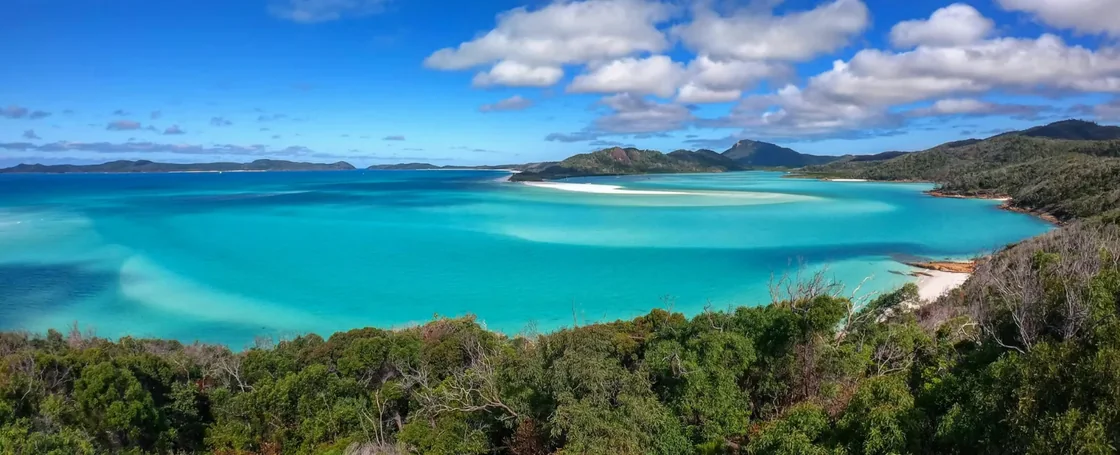
Build in time for the handover between transport and a scheduled boat. Ask which terminal the vehicle uses, how early you should arrive and where you meet after the return. If an island day has weather-sensitive access, identify an alternative that suits the same group. Discuss any booking terms that apply when the boat operator changes or cancels its service.
A cultural experience benefits from time and context. Ask whether a First Nations guide or community-led activity can be arranged in the area you are visiting. Build that activity into the itinerary at the time offered, with room to listen, ask questions and follow any directions about photography, places of significance or access. Tell us if the group includes students or corporate guests with a particular learning focus.
In national parks and on regional roads, opening conditions may change with weather, maintenance or local access arrangements. For an itinerary that relies on one site, agree on a nearby alternative with similar travel time and walking demands. With wildlife, ask what the activity is set up to show, how guests should behave around animals and how the schedule accounts for conditions on the day.
For a sports group, wedding party, conference or visiting delegation, share the exact event times and where passengers are expected to arrive. Tell us whether the venue has a coach bay, a separate service entrance or steward instructions. If you plan sightseeing around the event, leave enough time for passengers to change clothing, collect equipment or move through busy venues, and establish the latest useful departure time.
When a vehicle is needed after an event, ask whether it stays with you, returns at an agreed time or serves several runs. Confirm pickup points, expected loading time and the arrangements for guests who depart separately. If you add an international flight or a cruise connection, give us the terminal and the required check-in time so the route can be planned with a buffer.
Ask which vehicle and whether a driver, driver-guide or separate guide is included. Share all luggage and equipment, especially where the tour includes a one-way transfer. If your group is carrying golf clubs, sports gear or an unfolded mobility aid, that may affect the vehicle even if the seat count is correct. Confirm where your vehicle can wait at the must-see stops and what guests do if they want to return early.
Check the quoted meal, tasting and entry arrangements. Some costs may be charged per traveller and some for the whole group. Ask whether the tickets are held as part of the quote or paid directly at the stop, and whether planned activities at scheduled venues are shared. If your group may change size, ask what revisions to the route, price or vehicle could follow.
A guest’s needs can be specific to the place. For a city group, it may mean step-free doors, seats with backrests and a shorter walk from the vehicle. In the country, it might mean a predictable toilet stop, shaded waiting area or more time getting into and out of the vehicle. Give us the practical requirements so we can check the selected places and explain the arrangements before your group commits.
For an overnight tour, include dietary needs, room preferences and a realistic daily start time. For a private day, tell us if there is a fixed time for medication, a child’s nap or a meal. Ask which stops provide reliable space to take a break and how much time you can spend there. Small adjustments can make the itinerary easier to follow for the whole group.
Review the proposed pickup, exact meeting point, expected return and all transfers between providers. Ask what happens when attendance changes or an activity runs late. If an optional stop is weather-dependent, identify the alternative route and whether any extra admission, distance or time would change the cost. Share freight, equipment or food requirements that might affect loading or the places you can stop.
Make sure the person travelling has the confirmation and knows who to call. Keep your event, cruise or flight contact details available, and check whether your phone will work during the trip. Once the group agrees on the plan, pass on the meeting time, luggage allowance, meal arrangements and payment instructions relevant to each traveller.
Yes, you can enquire about exclusive transport for a published itinerary or your own plan. Tell us if you also want a guide, attraction reservations or meals arranged.
Tell us who is travelling and which venues you’re considering. We can check venue access for children and discuss dining, estate time and alcohol-free options.
Send your cruise date, port, ship name, expected disembarkation and all-aboard time. The route depends on the time available and the capacity of the chosen vehicle and venues.
It depends on the itinerary. Ask whether one driver-guide covers the route or local specialists join at selected stops. Your quote should identify the guiding arrangements.
We’ll discuss feasible adjustments and any supplier terms that apply. Ferry, reef and remote-route decisions may depend on conditions and on local operators or authorities.
Tell us the town or region you want to visit and where you need to be at the end of the day or trip.
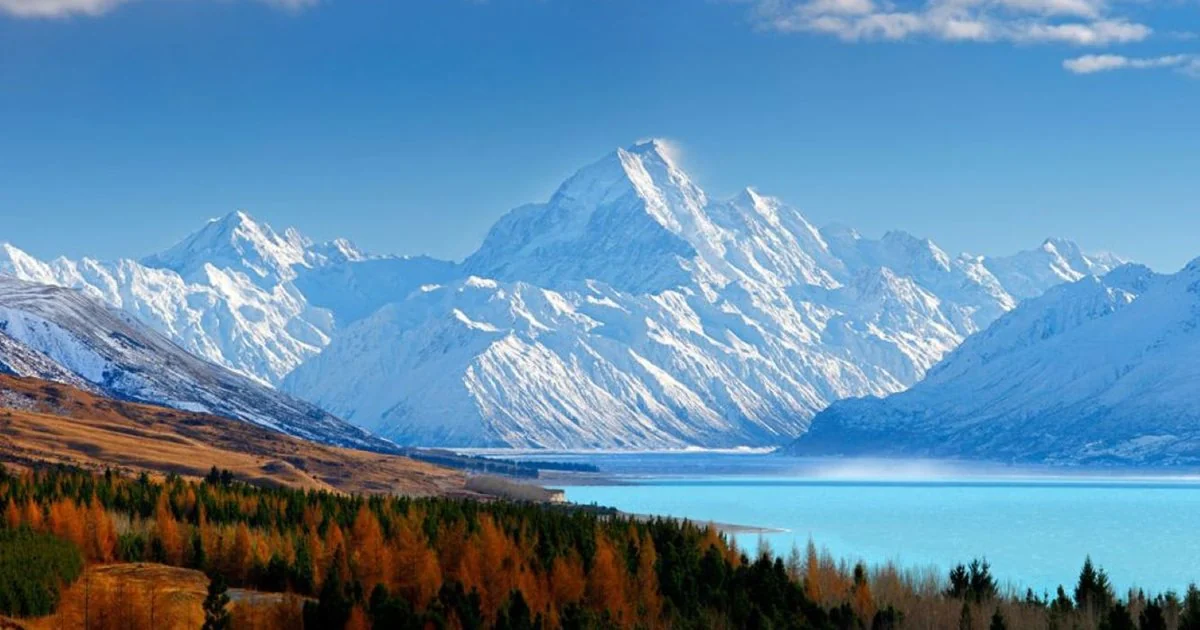
Compare North and South Island touring, private wine enquiries and published New Zealand itineraries.
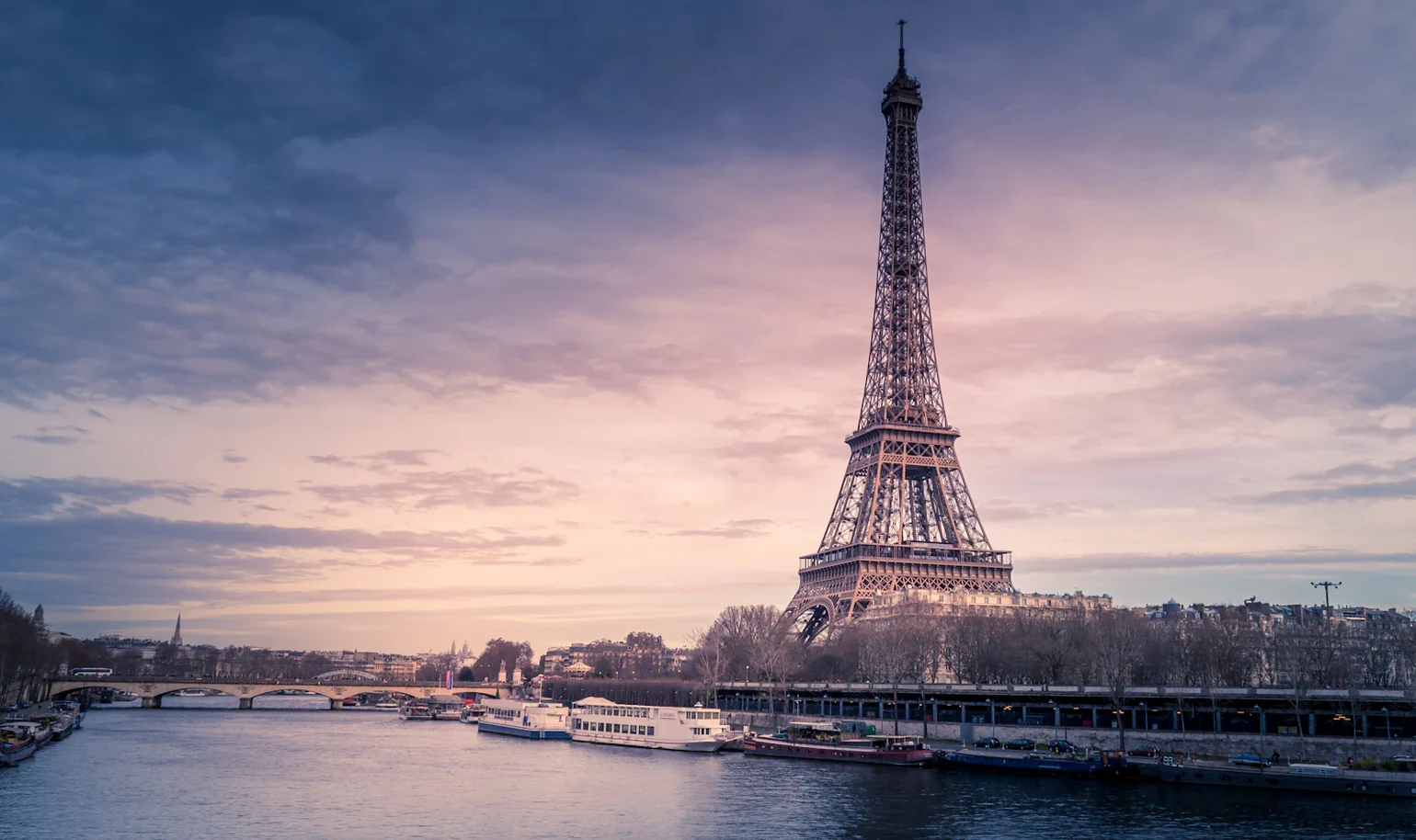
Explore international private journeys, local guiding and ideas for your next overseas trip.
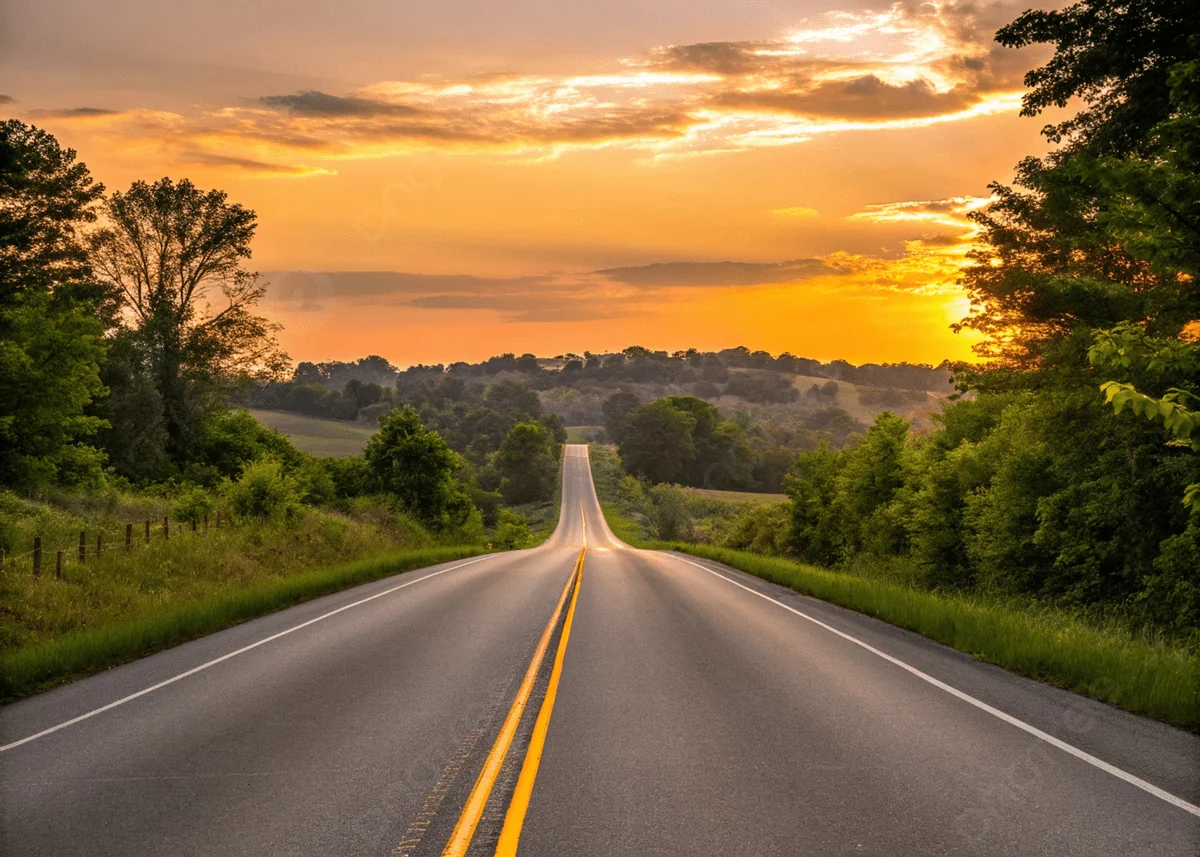
How private touring works, what we confirm in writing and what to share when you ask for a quote.
