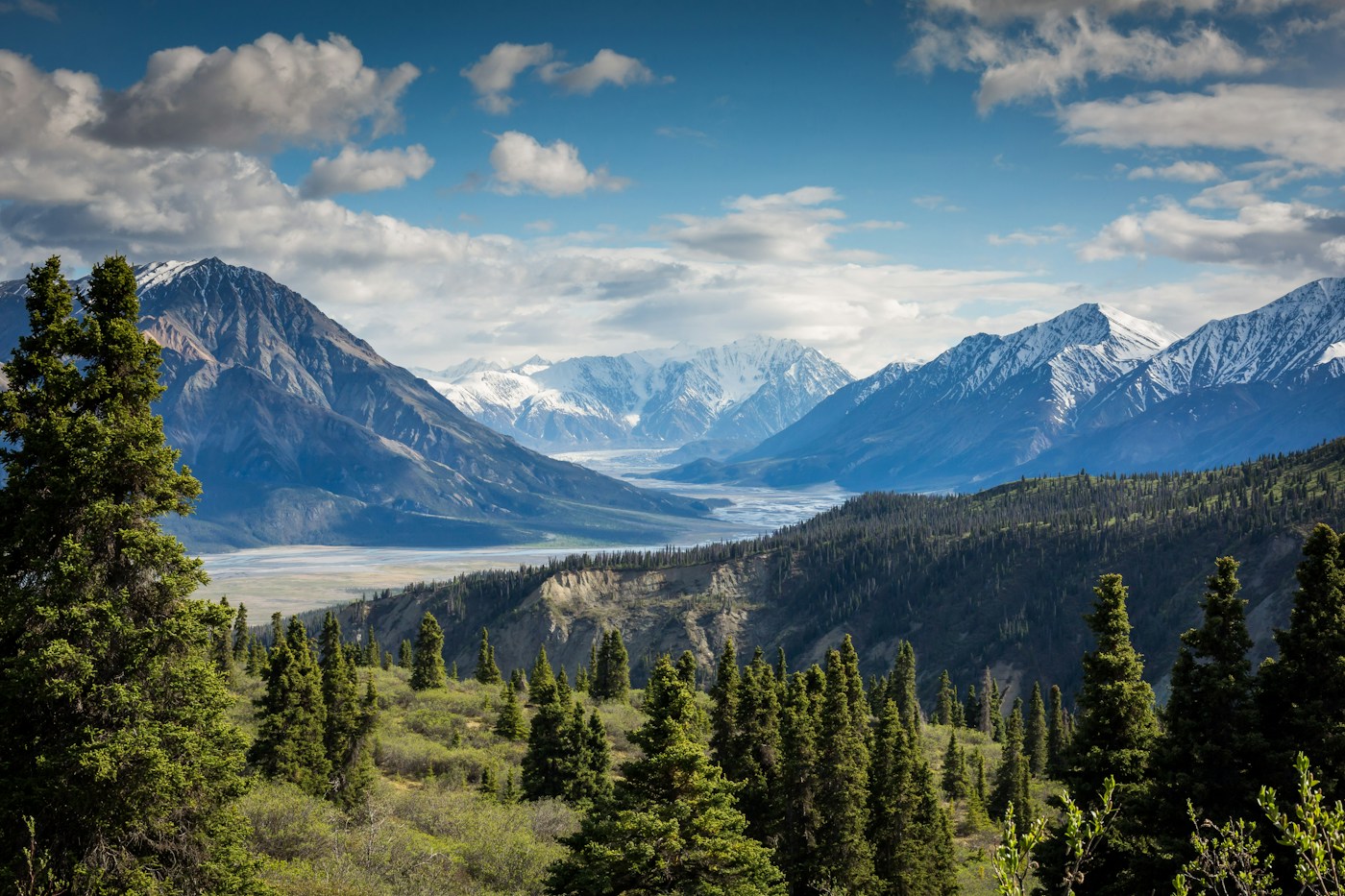


🚧 MacKenzie Falls — CLOSED Until Mid-2026
The MacKenzie Falls carpark and all walking tracks in the precinct (including Broken Falls Walk, MacKenzie Falls Walk, Bluff Lookout Walk and parts of MacKenzie River Walk) are closed from February 2026 for major construction works — including a new viewing platform at the base, carpark upgrades and safety improvements. Works are expected to finish in the second half of 2026. Alternative waterfall walks are available nearby.
⚠️ Partial Closures — Fire Recovery Areas
The 2024/25 summer bushfires affected southern and western parts of the park. Some roads and tracks remain closed in the Sundial, Mt William, Victoria Range, Victoria Valley and Wallaby Rocks areas. Mt William Summit Walk, Sundial Peak Walk, Major Mitchell Plateau Circuit and several others remain closed. Always check Parks Victoria's Change of Conditions page before visiting.
✅ Grampians Peaks Trail — Fully Open as of 2 March 2026
Five central and southern hike-in campgrounds reopened on 2 March 2026. The full 164 km Grampians Peaks Trail from Mt Zero (Mura Mura) in the north to Dunkeld in the south is available for hiking and overnight camping. Stay on formed tracks — the fire-affected landscape is recovering and fragile.
The Grampians — known as Gariwerd to the Djabwurung and Jardwadjali peoples — is one of Australia's most dramatic hiking destinations. A series of ancient sandstone mountain ranges rising abruptly from the western Victorian plains, the national park offers world-class walking trails, the largest collection of Aboriginal rock art in southern Australia, extraordinary spring wildflowers, abundant wildlife and the 164 km Grampians Peaks Trail — one of Australia's great long-distance hikes. Listed on the Australian National Heritage List for both its Aboriginal cultural heritage and natural beauty, the Grampians sit approximately three hours west of Melbourne and reward hikers from casual half-day walkers to committed multi-day adventurers.
The Grampians Peaks Trail
The Grampians Peaks Trail (GPT) is a world-class 164 km hiking experience running north-to-south from Mt Zero (Mura Mura) through the heart of Gariwerd to Dunkeld. The full trail takes 13 days and 12 nights, passing over dramatic peaks — including Gar (Mt Difficult), Redman Bluff, Signal Peak, Mt Abrupt (Murdajoog) and Mt Sturgeon — traversing rocky ridgelines, fern gullies, sweeping panoramas and landscapes of profound Aboriginal cultural significance. As of 2 March 2026, the full trail is open following staged bushfire recovery works.
Northern Section
Mt Zero → Halls Gap. Massive sandstone outcrops, Hollow Mountain and Gar (Mt Difficult). Most dramatic alpine terrain.
N1–N4 · ~52 kmCentral Section
Halls Gap through Wonderland Range. The Pinnacle, Redman Bluff and the heart of the Wonderland Range.
C1–C5 · ~55 kmSouthern Section
Major Mitchell Plateau → Dunkeld. Mt Abrupt and Mt Sturgeon deliver the trail's dramatic finale above the Southern Grampians town.
S1–S2 · ~57 kmDay walks on the GPT: You don't need 13 days — the GPT includes many recommended single-day sections. The trail is best completed north to south. Three-day sections (visiting over a long weekend and returning for more) are increasingly popular. Guided walks through licensed operators include camping logistics, meals and cultural interpretation.
Best Day Walks — 2026 Status
🗻 The Pinnacle via Grand Canyon OPEN
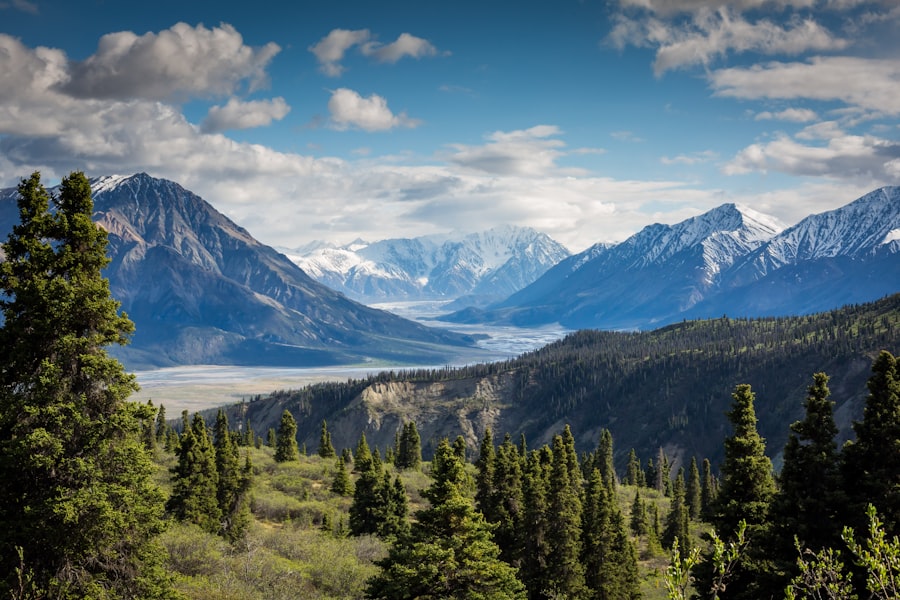
The Grampians' most beloved walk — and for excellent reason. The trail winds through the moss-covered, narrow Grand Canyon gorge before climbing to The Pinnacle, a dramatic rocky outcrop with sweeping 360-degree views over Halls Gap and the surrounding sandstone ranges. Best at sunrise or late afternoon to avoid peak crowds. Note: access is via the Sundial carpark (alternative to the closed Sundial Peak Walk). The Pinnacle Walk itself remains open.
💧 MacKenzie Falls 🚧 CLOSED — Until Mid-2026
Victoria's largest permanently flowing waterfall is currently closed for major construction works — a new viewing platform at the base, carpark upgrades and safety improvements. Expected to reopen in the second half of 2026 with significantly improved visitor infrastructure. When open, the falls are spectacular after rainfall and in winter. Alternative: Silverband Falls Walk (1.4 km return, Grade 2) near Halls Gap is open and offers a beautiful alternative waterfall experience.
💎 Venus Baths OPEN
A beautiful, easy walk through a lush gully following Stony Creek past smooth sandstone boulders to natural rock pools. Ideal for families, first-time Grampians visitors and those seeking a gentle introduction to the landscape's beauty. Stunning on warm days when the pools make for perfect rest stops. An underrated gem near Halls Gap.
🌅 Boroka Lookout OPEN
One of the most accessible and dramatic viewpoints in the park — a short walk from the car park to a viewing platform perched on the edge of a cliff. Sweeping views over Lake Bellfield and the Halls Gap valley far below. A favourite for sunrise and sunset. The drive to Boroka is also beautiful, winding through eucalyptus forest with frequent kangaroo sightings.
🌊 Silverband Falls Walk OPEN
While MacKenzie Falls is closed, Silverband Falls is an excellent nearby alternative — a gentle walk through tall eucalyptus forest to a picturesque waterfall in a sandstone amphitheatre. Best after rain. A peaceful and uncrowded walk that offers much of the waterfall drama of its more famous neighbour.
⛰️ Mt William (Duwul) Summit Walk CLOSED
The highest point in the Grampians (1,167 m) remains closed due to the 2024/25 bushfire damage and ongoing road repairs. Mt William Road repair works commenced January 2026. Also closed: Boundary Gap Walk, Sheep Hills Track and Major Mitchell Plateau Circuit. Check Parks Victoria for reopening updates. The 360-degree summit views are exceptional — this walk will be a highlight of your next visit once reopened.
🏔️ Hollow Mountain & Stapylton Loop OPEN
In the northern Grampians near Mt Zero, Hollow Mountain offers fascinating rock climbing terrain and scrambling through massive boulders with rewarding views. The Stapylton Loop from Stapylton Campground connects key northern landmarks. Note: Mt Zero Picnic Area trailhead construction is now complete — access the northern GPT via the improved trailhead.
Aboriginal Rock Art & Cultural Heritage
The Grampians (Gariwerd) contain approximately 80% of Victoria's known Aboriginal rock art — the largest concentration in southern Australia, with paintings dating back thousands of years. The Djabwurung and Jardwadjali peoples have a deep, continuing connection to this landscape they call Gariwerd — a living cultural landscape of immense spiritual significance.
Bunjil's Shelter — a painting of the creator spirit Bunjil with two dingo companions, considered one of the most sacred sites in the Grampians. Located near Stawell, this is one of the most significant Aboriginal rock art sites in Australia. Billimina Shelter and Manja Shelter in the western ranges are also accessible with self-guided walks. All rock art sites are sacred — stay on marked paths, touch nothing, and visit with genuine respect for the living culture these paintings represent.
Brambuk Cultural Centre (Halls Gap): Cultural tours, activities and venue hire are unavailable during 2026 while the centre undergoes a significant reimagining in partnership with Traditional Owners from Barengi Gadjin Land Council, Eastern Maar Aboriginal Corporation and Gunditj Mirring Traditional Owners. The park information centre and gift shop remain open daily. When complete, Brambuk will reflect a new era of Traditional Owner management — an important cultural evolution worth returning for.
Wildlife — What You'll See
Kangaroos & Wallabies
Abundant around Halls Gap at dawn and dusk — they graze in the town itself, often within metres of visitors. Eastern grey kangaroos and swamp wallabies are commonly spotted throughout the park.
Wedge-tailed Eagles
Australia's largest bird of prey soars on thermals above the sandstone ranges. Look up from any ridge walk — they circle high above in the afternoon warmth, wingspan reaching over 2 metres.
Echidnas
One of the world's few egg-laying mammals forages along trail edges and open grasslands. Encountering a wild echidna — nosing methodically through leaf litter — is a genuinely delightful Grampians experience.
Birds — 200+ Species
Crimson rosellas, eastern rosellas, kookaburras, peregrine falcons, flame robins and superb fairy-wrens all inhabit the park. The wildflower-rich heathlands attract honeyeaters in spring.
Emus
Victoria's largest native bird strides through open grasslands and along roadsides, particularly in the park's northern and eastern areas. Groups of emus with chicks can occasionally be seen in spring.
Spring Wildflowers
Over 1,000 plant species — including many found nowhere else on earth. September to November transforms the ranges with showy wattles, banksias, orchids, heath and hakeas. The annual Grampians Wildflower Festival celebrates this extraordinary display.
Dunkeld — Southern Gateway
The small town of Dunkeld at the southern end of the Grampians Peaks Trail has become one of regional Victoria's most celebrated food and hospitality destinations. Royal Mail Hotel has earned a reputation as one of Australia's finest rural dining experiences — its kitchen garden and wine program attract food lovers from Melbourne and beyond. The two mountains flanking Dunkeld — Mt Abrupt (Murdajoog) and Mt Sturgeon — are outstanding day hikes from the town, with sweeping views across the Southern Grampians plains. Dunkeld is increasingly popular as a destination in itself, not merely a Grampians transit point.
Halls Gap — Base Town
Halls Gap is the Grampians' main base town, centrally located within the park with a relaxed village atmosphere, excellent accommodation across a wide range, cafes, restaurants and the Brambuk information centre (open daily). Kangaroos graze along roadsides and in the caravan park — Halls Gap is one of Australia's most accessible places to observe kangaroos in the wild. Lake Bellfield and Fyans Creek provide kayaking and fishing opportunities just beyond the town edge.
Best Time to Visit
🌸 Spring (Sep–Nov)
Premier season — over 1,000 species of wildflowers bloom across the ranges. Comfortable temperatures, flowing waterfalls and the annual Grampians Wildflower Festival. The most visited season — book accommodation ahead.
🍂 Autumn (Mar–May)
Stable weather, golden light and fewer crowds. Comfortable temperatures for all-day hiking. Waterfalls still flowing. Highly recommended for serious hikers who want the landscape without peak-season visitors.
❄️ Winter (Jun–Aug)
Powerful waterfall flows (when MacKenzie Falls reopens), moody mountain scenery and very few visitors. Cold and sometimes wet — pack layers and waterproofs. Ideal for those who prefer solitude and dramatic light.
☀️ Summer (Dec–Feb)
Hot — often 35°C+ with bushfire risk. Hike early morning before 10am. Carry at least 2 litres of water per person. Check fire danger ratings daily. The Grampians can be spectacular in early morning light but summer demands careful preparation.
Suggested Itineraries
Depart Melbourne
Early start via Western Freeway. Arrive Halls Gap by 9:30am. The early start allows you to beat the day-trip crowds at The Pinnacle.
The Pinnacle via Grand Canyon
The Grampians' iconic walk — narrow canyon to a summit with sweeping 360-degree views. Allow 3 hours including the return. Take water and sunscreen.
Lunch in Halls Gap
Cafe lunch in Halls Gap village. Kangaroos graze on the roadside as you eat — a genuinely surreal and wonderful experience.
Venus Baths
Easy walk through fern gully to natural rock pools — perfect as a gentle afternoon walk after the morning exertion of The Pinnacle.
Boroka Lookout
Drive to the cliff-top lookout for panoramic views over Lake Bellfield and the valley. Excellent for golden-hour photography before the drive home.
Return to Melbourne
Via Western Freeway. Arrive Melbourne approximately 7:30pm. A long but deeply rewarding day in one of Victoria's most dramatic landscapes.
Melbourne → Halls Gap → Northern Grampians
Drive via Stawell (Bunjil's Shelter rock art). Afternoon at Hollow Mountain scramble and Stapylton Loop. Dinner in Halls Gap. Overnight.
Pinnacle + Silverband Falls + Boroka
Sunrise at The Pinnacle (Grand Canyon route). Silverband Falls walk (open MacKenzie Falls alternative). Boroka Lookout for the view. Afternoon return to Melbourne via Dunkeld (Royal Mail Hotel lunch if budget allows).
Planning & Safety
Getting There
The Grampians are approximately 260 km (3 hours) west of Melbourne via the Western Freeway to Stawell, then the Grampians Road into Halls Gap. The road is sealed and suitable for all vehicles. Fuel in Halls Gap or Stawell — prices are higher inside the park. Mobile coverage is patchy throughout the park.
The Grampians landscape is currently recovering from significant bushfire damage. Stay strictly on formed tracks — walking through recovering vegetation causes lasting harm. Dogs are not permitted anywhere in the national park. Campfires are restricted — check Parks Victoria for current fire regulations and Total Fire Ban days.
Safety Essentials
Carry at least 2 litres of water per person — water is available only at serviced tanks along the GPT and most day walk trailheads. All GPT water is untreated and requires purification. Download offline maps via AllTrails before arrival. Stay behind all barriers at cliff-edge lookouts — sandstone is soft and edges can collapse. Check fire danger ratings in summer; if a Total Fire Ban is declared, reconsider your plans. Tell someone your intended route before hiking.
Experience the Grampians with Cooee Tours
From the 360-degree drama of The Pinnacle and the stories inscribed in rock art shelters thousands of years old, to kangaroos grazing at dusk outside your accommodation and wildflowers carpeting the ranges in spring — the Grampians (Gariwerd) deliver one of Victoria's most profound outdoor experiences. Our guided tours from Melbourne handle all logistics, with expert guides who bring both the natural and cultural landscape to life.