🇳🇿 New Zealand · South Island · 9 Regions

Fjords, Glaciers,
Southern Alps &
Infinite Sky

Where Milford Sound’s vertical walls plunge straight into still water, two glaciers flow into temperate rainforest, sperm whales feed year-round off Kaikoura, and the world’s adventure capital sits on the luminous shore of a glacial lake.

Distinct Regions
9
Curated Tours
16
UNESCO World Heritage Sites
3
Aoraki / Mount Cook
3,724m
Currency · ~AUD $0.91
NZD

South Island at a Glance

Iconic Sights of Te Waipounamu

The South Island — in Māori, Te Waipounamu, “the waters of greenstone” — is the larger of New Zealand’s two main islands, holding three UNESCO World Heritage areas, the country’s tallest peaks, longest glaciers, and deepest fjords.

Nine Distinct Regions

Explore the South Island of New Zealand

The South Island contains more UNESCO World Heritage landscapes per square kilometre than almost any country on earth. Nine regions, each with its own character — from the adventure capital to wilderness fjords, glacier rainforest to wildlife coast.

Queenstown — The Adventure Capital Has Its Own Guide

We’ve built Queenstown its own dedicated guide covering the Nevis Bungy, AJ Hackett’s three jump sites, NZONE skydiving over The Remarkables, the Shotover Jet, heli-skiing, and Gibbston Valley wine country — with full 4, 5, and 7-day itineraries. If Queenstown is on your circuit, read it.

Queenstown Full Guide →
Queenstown South Island New Zealand on the shore of Lake Wakatipu with the Remarkables mountain range, Cecil Peak, gondola and Skyline restaurant overlooking the adventure capital

Queenstown

Adventure Capital · 2 tours + full guide

On the shores of Lake Wakatipu, framed by the Remarkables and Cecil Peak — a glacial-carved lake town that has organised itself around the proposition of doing things you weren’t sure you could survive. The world’s highest bungy at the Nevis (134m), some of the world’s most awarded tandem skydiving over The Remarkables, the Shotover Jet through 3cm rock clearances at 90km/h, and the Milford Sound day tour as the essential South Island pilgrimage from its most visited base.

  • Nevis Bungy
  • Shotover Jet
  • Skyline Gondola
Lake Wanaka with the famous lone willow That Wanaka Tree growing out of the lake water and Roys Peak in the background, gateway to Mount Aspiring National Park

Wanaka

Lake & Mountains · 1 tour

An hour north of Queenstown over the Crown Range Pass, Wanaka is the alternative the locals quietly recommend — quieter, more outdoor-driven, and (most importantly) on a lake every bit as beautiful as Wakatipu. Roys Peak (16km return, 1,228m climb — the most photographed summit walk in New Zealand, the ridge view at sunrise the iconic Wanaka image), Mount Aspiring National Park (UNESCO World Heritage as part of Te Wāhipounamu), the Rob Roy Glacier track, and “That Wanaka Tree” — the lone willow growing out of the lake, the most photographed single tree in New Zealand.

  • Roys Peak
  • That Wanaka Tree
  • Mt Aspiring
Milford Sound in Fiordland National Park with Mitre Peak rising 1692 metres directly from the fjord water and waterfalls cascading down vertical cliffs UNESCO World Heritage

Fiordland

UNESCO Wilderness · 2 tours

Fiordland National Park — 1.25 million hectares, UNESCO World Heritage, the largest national park in New Zealand — contains Milford Sound (the “eighth wonder of the world” in Rudyard Kipling’s often-quoted line) and Doubtful Sound (three times longer, far less visited, more wild). Mitre Peak (1,692m, rising directly from the Milford Sound surface) and the permanent Stirling and Lady Bowen Falls complete the Milford picture. The Milford Track — 53.5km, 4 days — is widely regarded as one of the world’s finest tramping routes.

  • Milford Sound Cruise
  • Doubtful Sound Overnight
  • Milford Track
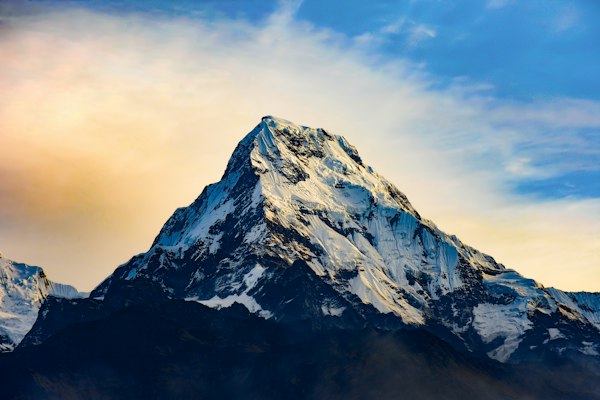
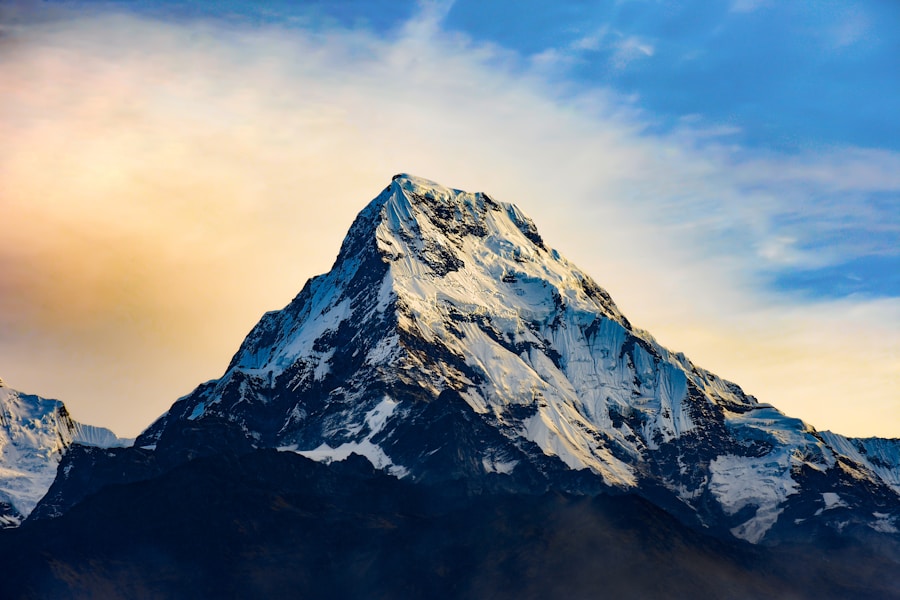
Aoraki Mount Cook 3724 metres New Zealands highest peak rising above the Tasman Glacier 23 kilometres long the largest glacier in the Southern Alps

Aoraki / Mount Cook

NZ’s Highest Peak · 1 tour

Aoraki / Mount Cook (3,724m — New Zealand’s highest peak, named for the Māori sky father Aoraki) rises above the Tasman Glacier — at 23km, the longest glacier in New Zealand. The Hooker Valley Track (10km return, 3hrs, mostly flat — the most rewarding walk per effort-spent ratio in NZ, passing two glacial lakes and ending with Aoraki directly above) is the best free experience in the national park. Aoraki / Mt Cook is also a UNESCO Dark Sky Reserve — the Milky Way visible to the naked eye, the Earth & Sky telescope sessions at the Mt John Observatory the finest accessible stargazing in the Southern Hemisphere.

  • Tasman Glacier Heli-Hike
  • Hooker Valley Track
  • Dark Sky Reserve
Franz Josef Glacier terminating in temperate rainforest on the West Coast at low altitude, with helicopter for heli-hike landing on upper glacier ice and Hokitika pounamu greenstone region

West Coast

Glaciers & Greenstone · 2 tours

Two glaciers — Franz Josef (Ka Roimata o Hine Hukatere — the Tears of the Avalanche Girl) and Fox — terminate in temperate rainforest at low altitude, a combination found nowhere else on earth outside Patagonia. Both have receded significantly since the 1990s, but the heli-hike onto the upper glacier remains extraordinary. Hokitika is the centre of New Zealand’s pounamu (greenstone / nephrite jade) tradition — the rivers of the West Coast are the only legal source of authentic NZ pounamu, all of it owned by Ngāi Tahu. Punakaiki Pancake Rocks (limestone formations with blowholes erupting at incoming tide) and the Hokitika Gorge (improbable turquoise from glacial flour) round out the region.

  • Heli-Hike Franz Josef
  • Pancake Rocks
  • Hokitika Pounamu
Abel Tasman National Park golden sand beaches with kayakers paddling clear turquoise water and the Marlborough wine region nearby producing world-famous Sauvignon Blanc

Nelson & Marlborough

Beaches & Wine · 2 tours

Nelson is one of the sunniest cities in New Zealand (around 2,400 sunshine hours per year) and the gateway to Abel Tasman National Park — one of the most visited national parks in the country, its 60km coastal track passing golden-sand beaches accessible only on foot or by sea. The Marlborough Sounds (drowned river valleys to the east) and the Marlborough wine region (over 700 vineyards, the majority of New Zealand’s wine exports, and the world’s most internationally celebrated Sauvignon Blanc) are the complementary experiences via SH6 from Nelson or by ferry from Wellington into Picton.

  • Abel Tasman Kayak
  • Marlborough Sauvignon Blanc
  • Marlborough Sounds
Kaikoura coastline where the Southern Alps meet the Pacific Ocean with the deep submarine Kaikoura Canyon close to shore providing year-round sperm whale habitat

Kaikoura

Whale Coast · 1 tour

Kaikoura (Māori for “food of crayfish”) sits where the Southern Alps meet the Pacific Ocean. The Kaikoura Canyon — an underwater chasm dropping over 1,000m within just 1km of shore — concentrates deep-water nutrients close to the coast, supporting one of the few places in the world where sperm whales can be reliably seen year-round. Dusky dolphin pods of 100–300 are common; New Zealand fur seals colonise Ohau Point. The November 2016 magnitude 7.8 earthquake permanently raised the seabed by up to 6 metres, creating a new intertidal zone visible all along the coast road.

  • Sperm Whale Watching
  • Dusky Dolphins
  • Crayfish & Seafood
Christchurch garden city with the Avon River winding through the central business district, Cardboard Cathedral, and Banks Peninsula extinct volcano with Akaroa Harbour beyond

Christchurch & Canterbury

Gateway City · 2 tours

Christchurch — Ōtautahi — is the South Island’s largest city and its primary entry point. After the 2010–2011 earthquake sequence (the February 2011 event killed 185 people and destroyed the city centre), Christchurch underwent the most ambitious urban rebuild in New Zealand’s history. The result: the Cardboard Cathedral (an emergency cathedral built from 98 cardboard tubes — now permanent), the Re:START retail district, and the Transitional City projects that have made Christchurch the most architecturally experimental city in Australasia. Banks Peninsula — the volcanic plug east of the city, with Akaroa harbour, the Hector’s dolphin habitat, and New Zealand’s only French-influenced town — is the essential half-day excursion.

  • Akaroa Hector’s Dolphins
  • TranzAlpine Train
  • Cardboard Cathedral
Dunedin Scottish heritage city with railway station and Otago Peninsula yellow-eyed penguin and royal albatross colony at Taiaroa Head, Catlins petrified forest at Curio Bay

Otago & Dunedin

Wildlife & Heritage · 3 tours

Dunedin (Edinburgh of the South) is New Zealand’s most architecturally Scottish city — the result of the 1848 Free Church of Scotland settlement — with the country’s oldest university (Otago, 1869), the Dunedin Railway Station (one of the most photographed buildings in the country), Larnach Castle (NZ’s only castle), and Baldwin Street (often cited as the world’s steepest residential street, 35% gradient). The Otago Peninsula carries the only mainland breeding colony of the Northern Royal Albatross at Taiaroa Head and protected habitat for the yellow-eyed penguin (hoiho — the world’s rarest penguin). South: the Catlins coast — Nugget Point Lighthouse, Curio Bay’s 180-million-year-old petrified forest, and Cathedral Caves.

  • Yellow-eyed Penguins
  • Royal Albatross Colony
  • Catlins Coast

16 Curated Experiences

South Island New Zealand Tours

All tours curated and bookable through Cooee Tours. Filter by region using the bar above or browse the full list below.

⚓ Fiordland · Iconic

Milford Sound Day Tour

  • ★ 4.9
  • (3,420 reviews)

The classic South Island day from Queenstown: an early coach through the Eglinton Valley (Mirror Lakes, the Avenue of the Disappearing Mountain), the Homer Tunnel (1.27km carved through solid rock), and the full Milford Sound scenic cruise under Mitre Peak. The cruise passes Stirling Falls (151m) and Lady Bowen Falls (162m — Fiordland’s only permanent waterfall), reaching the Tasman Sea outlet where dolphins, fur seals, and Fiordland crested penguins are regular sightings. On the return, the coach stops at the Chasm — the Cleddau River forced through a 3-metre-wide rock slot.

Includes

  • Scenic coach from Queenstown
  • Milford Sound 2hr cruise
  • Lunch on board
  • Naturalist guide

From $285

per person

⚓ Fiordland · Wilderness

Doubtful Sound Overnight Wilderness Cruise

  • ★ 4.8
  • (892 reviews)

Doubtful Sound — named for Captain Cook’s doubts about navigating out against the prevailing winds — is three times the length of Milford Sound, far less visited, and inaccessible by road. The only access is via Lake Manapouri by boat, then by coach over the Wilmot Pass (670m) to Deep Cove. The overnight cruise anchors in the fiord’s arms far from any settlement. The silence at anchor — broken only by waterfalls and fur seals — is among the most complete natural quiet available in the Southern Hemisphere. The resident bottlenose dolphin pod is one of the world’s few resident fiord populations.

Includes

  • Lake Manapouri crossing
  • Wilmot Pass coach
  • Overnight cabin
  • All meals
  • Kayaking included

From $575

per person

⛽ Queenstown · Extreme

Nevis Bungy Jump

  • ★ 5.0
  • (1,876 reviews)

New Zealand’s highest bungy jump — 134 metres above the Nevis River in the schist-rock Nevis Gorge, accessed by cable car from the canyon rim. AJ Hackett invented the commercial bungy at Kawarau Bridge in 1988; the Nevis (opened 2003) is the statement jump: 8.5 seconds of freefall at up to 130km/h, the deepest single pendulum swing in the world, and a rebound cycle that takes you within metres of the gorge walls. The Nevis isn’t for those who want to experience bungy — it’s for those who want to go as high as commercial bungy goes.

Includes

  • Return transport to Nevis
  • Full safety equipment
  • Pro video & photos
  • AJ Hackett certificate

From $345

per person

⛽ Queenstown · Adventure

Shotover Jet Canyon Run

  • ★ 4.8
  • (4,210 reviews)

The most internationally recognisable jet boat ride in the world — a 25-minute thrill through the narrow Shotover River Canyons at speeds up to 85km/h, with rock-wall clearances measured in centimetres and the signature 360-degree spins that have featured in countless travel ads. Hamilton Jet boat invented the propeller-less jet drive in New Zealand in the 1950s; the Shotover Jet operation has run continuously since 1965 and is the only commercial operator licensed for the inner Shotover Canyons. Hotel pickup, change rooms, and waterproof gear all provided.

Includes

  • 25-min canyon ride
  • Wet-weather gear
  • Hotel transfers
  • Photo & video options

From $159

per person

🏔 Wanaka · Adventure

Roys Peak Sunrise Hike

  • ★ 4.9
  • (1,340 reviews)

The summit walk of New Zealand’s most photographed ridge — 16km return, 1,228m of climbing — with the iconic photographer’s viewpoint two-thirds of the way up where the ridge falls away on both sides over Lake Wanaka. The sunrise hike departs in the dark (around 4am in summer) for first light at the saddle and proper sunrise on the summit, with Mount Aspiring (3,033m) visible 30km west and the entire Southern Alps spine running south. Track closes for lambing in October–mid-November.

Includes

  • Hike guide
  • Headlamp & gear
  • Pre-dawn pickup
  • Summit breakfast

From $135

per person

🏔 Aoraki / Mt Cook · Adventure

Tasman Glacier Heli-Hike

  • ★ 4.9
  • (1,245 reviews)

Helicopter to the upper Tasman Glacier at 2,500–3,000m altitude, landing on the ice where the crevasse field is intact and the views of Aoraki / Mount Cook’s summit ridge are most immediate. The Tasman Glacier — 23km long, 3km wide, up to 600m deep — is the largest glacier in New Zealand. The terminal face has retreated into the Tasman Glacier Lake (a proglacial lake that formed only in 1973 and is now over 7km long). The heli-hike lands on the upper glacier where ice conditions are dramatic. Crampons, ice axes, and full instruction provided — no prior experience required.

Includes

  • Scenic helicopter
  • Crampons & ice axe
  • Mountain guide
  • Glacier photography

From $495

per person

🏪 West Coast · Nature

Franz Josef Glacier Walk

  • ★ 4.7
  • (2,103 reviews)

Walk through the Franz Josef Glacier valley — a temperate rainforest valley with grey glacial meltwater and the ice terminal visible at the valley head — to the current glacier viewpoint. The Franz Josef Glacier (Ka Roimata o Hine Hukatere) has retreated significantly since its 20th-century maximum but remains New Zealand’s most accessible glacier on foot. The valley walk passes the Waiho River, the glacial outwash plain, and moraine walls from historical advance periods. After the walk: the Franz Josef Hot Pools (geothermally heated outdoor pools at the valley base — included).

Includes

  • Guided valley walk
  • Safety briefing
  • Hotel transfers
  • Hot Pools entry

From $165

per person

🏪 West Coast · Culture

Hokitika Pounamu & Greenstone Experience

  • ★ 4.8
  • (612 reviews)

Hokitika is the spiritual centre of New Zealand’s pounamu (greenstone / nephrite jade) tradition. By Treaty of Waitangi settlement, all naturally occurring pounamu in the South Island is owned by Ngāi Tahu — the only legal source for authentic NZ pounamu carving. The experience covers the Hokitika Gorge (the source-river of the West Coast pounamu — improbable turquoise water from glacial flour), a working master carver’s studio, and a hands-on session where you finish a pre-shaped pendant under guidance. You leave with a piece of authentic, certified pounamu in a custom shape, and the cultural context that makes it meaningful.

Includes

  • Hokitika Gorge visit
  • Master carver studio
  • Hands-on carving
  • Take-home pendant

From $185

per person

🌊 Nelson · Adventure

Abel Tasman Kayak & Walk

  • ★ 4.8
  • (1,567 reviews)

Paddle the golden beaches and clear water of Abel Tasman National Park — New Zealand’s smallest national park and one of its most visited — and walk a section of the Abel Tasman Coastal Track (one of the country’s most popular multi-day walks, bookable in sections as day walks or in full as a 3–5 day Great Walk). The kayak approach reveals the park from sea level: arches and sea caves at Arch Point, the resident fur seal colony at Tonga Island Marine Reserve, and lagoons accessible only at high tide or by boat. Water taxi return from Totaranui or Awaroa allows the park’s northern, quietest section.

Includes

  • Double sea kayak
  • Water taxi return
  • Coastal walk guide
  • Lunch on beach

From $215

per person

🌊 Marlborough · Culture

Marlborough Wine Tour

  • ★ 4.9
  • (978 reviews)

Marlborough produces the majority of New Zealand’s wine exports and the world’s most internationally celebrated Sauvignon Blanc — the style New Zealand effectively defined for international audiences through the Cloudy Bay 1985 vintage. The Wairau Plains (a flat, stone-ridged alluvial plain between the Richmond and Wither Hills) hold over 700 vineyards in remarkable visual order. The tour visits premium boutique estates (Fromm, Dog Point, Seresin — the benchmark biodynamic producers) alongside the major houses. Sauvignon Blanc is the centrepiece; Pinot Noir is the revelation. Lunch at a vineyard restaurant.

Includes

  • 3 premium wineries
  • Guided tastings
  • Vineyard lunch
  • Return ex-Blenheim

From $185

per person

🐋 Kaikoura · Wildlife

Kaikoura Whale Watch

  • ★ 4.8
  • (2,890 reviews)

Kaikoura is one of the few places in the world where sperm whales can be reliably seen year-round. The Kaikoura Canyon — an underwater chasm dropping over 1,000m within just 1km of shore — concentrates deep-water nutrients close to the coast, supporting a resident population of sperm whales (the world’s largest toothed predators — up to 18m long, diving over 2km deep on hunts that last up to 90 minutes). The catamaran approaches surfacing whales at protected distances; on most trips, dusky dolphins (in pods of 100–300) and NZ fur seals are also encountered. Operated by Whale Watch Kaikoura — Māori-owned, certified by the Department of Conservation.

Includes

  • Modern catamaran
  • Marine biologist
  • Sighting guarantee*
  • Refreshments

From $185

per person

🏠 Christchurch · Nature

Akaroa Harbour & Hector’s Dolphins

  • ★ 4.7
  • (1,432 reviews)

Akaroa Harbour — a drowned volcanic crater on Banks Peninsula, 84km southeast of Christchurch — is one of the few year-round habitats of the Hector’s dolphin in the South Island. The Hector’s dolphin (tutumairekurai) is the world’s smallest and rarest marine dolphin: 1.2–1.6m long, 35–60kg, with a distinctive rounded black dorsal fin, and a global population of around 15,000. The cruise offers swimming with the dolphins under DOC-regulated protocols. The harbour itself — the caldera rim rising 800m above the water, and Akaroa town (NZ’s only French settlement, established 1840) on the western shore — is among the most visually complete harbours on the South Island.

Includes

  • Harbour cruise
  • Dolphin encounter
  • Wetsuit & snorkel
  • Marine biologist

From $125

per person

🏠 Christchurch · Iconic

TranzAlpine Train Journey

  • ★ 4.9
  • (3,540 reviews)

Often listed among the world’s great train journeys: 223km across the Southern Alps from Christchurch to Greymouth, climbing through the Canterbury Plains, the Waimakariri River gorges, the high country tussock of Arthur’s Pass National Park (920m at the summit, 8.5km Otira Tunnel), and down through the West Coast beech forest to the Tasman Sea. The KiwiRail Scenic carriages have full panoramic windows, an open-air viewing carriage, and onboard commentary. Most travellers do the round trip in a single day; some break the journey for a night in Hokitika or Punakaiki for the Pancake Rocks.

Includes

  • Scenic class seats
  • Open-air carriage
  • Commentary & snacks
  • Round-trip option

From $239

per person

🐧 Otago · Wildlife

Otago Peninsula Wildlife Tour

  • ★ 4.9
  • (1,124 reviews)

The Otago Peninsula is one of the world’s great single-day wildlife experiences. Taiaroa Head — the only mainland breeding colony of the Northern Royal Albatross (3-metre wingspan, 50-year lifespan) anywhere in the world — is the centrepiece. The peninsula also protects critical habitat for the yellow-eyed penguin (hoiho, the world’s rarest penguin — under 4,000 birds remaining), New Zealand sea lions returning to mainland breeding after a 150-year absence, and large NZ fur seal colonies at Sandfly Bay. Late afternoon is the best window: returning penguins and active albatross flights coincide.

Includes

  • Royal Albatross Centre entry
  • Penguin viewing hide
  • Conservationist guide
  • Dunedin pickup

From $215

per person

🐧 Dunedin · Heritage

Dunedin Scottish Heritage Walk

  • ★ 4.7
  • (486 reviews)

Dunedin — from the Scottish Gaelic Dùn Èideann, “Edinburgh” — was founded by the Free Church of Scotland in 1848 and remains the most architecturally Scottish city in the Southern Hemisphere. The walk covers the Dunedin Railway Station (Flemish Renaissance, opened 1906 — said to be New Zealand’s most photographed building), the Octagon (city centre with the Robert Burns statue), Olveston Historic Home (an Edwardian mansion preserved exactly as the Theomin family left it in 1966), and Baldwin Street — widely cited as the world’s steepest residential street, with a maximum gradient of about 35%. Optional finish at Speights Brewery (1876, NZ’s most South Island beer brand).

Includes

  • Heritage guide
  • Olveston entry
  • Railway Station tour
  • Baldwin Street climb

From $79

per person

🐧 Catlins · Nature

Catlins Coastal Day Tour

  • ★ 4.8
  • (395 reviews)

The Catlins coast — the wild south-east corner between Dunedin and Invercargill — is the South Island’s least-visited and most botanically intact stretch of coastline. Nugget Point Lighthouse (perched on a narrow headland with the “nuggets” — rock stacks — offshore, the lighthouse keeper’s walk one of NZ’s most photographed coastal scenes), Curio Bay (a 180-million-year-old petrified Jurassic forest exposed at low tide, with rare Hector’s dolphins frequenting Porpoise Bay alongside), Cathedral Caves (huge sea caves accessible only at low tide), and Purakaunui Falls (the most photographed three-tier waterfall in the country).

Includes

  • Small-group 4WD
  • Local guide
  • Lunch & snacks
  • Tide-timed itinerary

From $245

per person

Kāi Tahu · The South Island Iwi

A Visitor’s Primer to South Island Māori Culture

Most of Te Waipounamu — the South Island — is the rohe (tribal area) of Ngāi Tahu (also Kāi Tahu in southern dialect), the largest iwi by area in New Zealand.

Pounamu greenstone nephrite jade carved into traditional Maori toki adze and koru spiral pendant from the West Coast where Ngai Tahu hold sole legal ownership of South Island greenstone
Pounamu (greenstone) carving — the South Island’s defining taonga (treasure). All natural pounamu is owned by Ngāi Tahu by law.

Te Waipounamu — The Greenstone Waters

The South Island’s Māori name Te Waipounamu means “the waters of greenstone” — a reference to pounamu (nephrite jade) found in the rivers of the West Coast. Pounamu is the most culturally significant material in Māori art, used for weapons (mere), tools (toki), and pendants (hei tiki, koru). By the 1997 Ngāi Tahu Pounamu Vesting Act, all naturally occurring pounamu in the South Island is legally owned by Ngāi Tahu — this is what authenticates a piece as genuine NZ pounamu.

The Treaty Settlement You Should Know

The 1998 Ngāi Tahu Settlement (Te Kerēme) was one of New Zealand’s largest Treaty of Waitangi settlements: NZD $170 million, return of culturally significant lands including the Aoraki / Mount Cook summit (gifted back to the nation by Ngāi Tahu), and recognition of Ngāi Tahu’s sole authority over pounamu.

Engaging Respectfully

Place names matter: Aoraki / Mount Cook, Ōtautahi / Christchurch, Ōtepoti / Dunedin. When buying pounamu, ask whether it’s NZ pounamu or imported jade (much sold to tourists is imported — the genuine West Coast piece comes with provenance documentation). Tradition is that pounamu is gifted, not bought for yourself.
Before You Go

Plan Your South Island Adventure

Best Time to Visit

December–February for long days and reliable Milford access. June–August for skiing (the Remarkables, Coronet Peak, Mt Hutt). Autumn (March–May) is the finest season for uncrowded touring and the most dramatic light on the fiords.

Getting Around

Self-drive is essential for the South Island’s distances. Classic circuit: Christchurch → Mt Cook → Queenstown → Milford → West Coast → Nelson → Picton. Allow 10–14 days minimum. The TranzAlpine train and Intercity bus are alternatives.

Milford Weather

Milford Sound receives around 6,500mm of rainfall annually — the wettest permanently inhabited place in NZ. Heavy rain creates hundreds of temporary waterfalls down the fiord walls. Pack waterproofs regardless of season.

Great Walks Booking

The Milford, Routeburn, and Kepler Tracks are DOC Great Walks — hut bookings open in late June for the following October–April season. Milford and Routeburn book out within hours. Set a reminder for the June DOC release at bookings.doc.govt.nz.

Visa & Entry

Australian passport holders enter NZ without a visa under the Trans-Tasman Travel Arrangement — no visa, no NZeTA needed for Australian citizens. Direct flights from Sydney, Melbourne, Brisbane, Perth land in Christchurch (CHC) and Queenstown (ZQN).

Money & Payments

The NZ Dollar trades at roughly AUD $0.91 in 2026. Contactless card and mobile payment is universal. Australian cards work everywhere. Tipping is not customary, though appreciated for exceptional guided experiences.

Food & Wine

South Island specialties: Bluff oysters (May–August season — the world’s most prized oyster, harvested from Foveaux Strait), Marlborough Sauvignon Blanc, Central Otago Pinot Noir, salmon, lamb, and Kaikoura crayfish.

Packing Essentials

Layers regardless of season — Southern Alps weather changes hourly. Waterproof jacket essential. Sturdy walking shoes for Hooker Valley and Roys Peak. Strong sunscreen. Insect repellent for sandflies in Fiordland and the West Coast.

When to Visit

South Island Seasonal Guide

South Island weather is more variable than the North — alpine, west coast, and Marlborough each carry their own climate. This table sets out which experiences work when.

South Island climate & activity windows by season (avg. temperatures shown for Queenstown)
SeasonMonthsTemperatureGreat WalksBest For
SummerDec–Feb10–22°CAll openHiking, fiords, sailing — peak season & pricing, long daylight
AutumnMar–May5–17°COpen until late AprilWanaka golden poplars, harvests, fjord light, fewer crowds
WinterJun–Aug-1–9°CClosed (avalanche risk)Skiing Remarkables/Coronet/Mt Hutt, southern lights, snow scenery
SpringSep–Nov5–16°COpens late OctoberLambs, gardens, ski tail-end (Sep), shoulder pricing

Day by Day

South Island Itineraries

Three South Island circuits — designed around the island’s logic, its real distances, and the experiences that most reward your time.

⌛ 7 Days · Classic South Island

Christchurch to Queenstown

Glaciers · Fiords · Adventure Capital

  1. Day 1

    Christchurch arrival. Cardboard Cathedral and Re:START. Punting on the Avon. Botanic Gardens. Overnight CHC.

  2. Day 2

    Aoraki / Mount Cook. Drive 3.5hrs via the Mackenzie Basin. Hooker Valley Track (10km, 3hrs). Stargazing at Mt John Observatory, Lake Tekapo. Overnight Mt Cook Village.

  3. Day 3

    Tasman Glacier Heli-Hike. Morning heli-hike on the upper Tasman Glacier. Drive Queenstown via the Lindis Pass (2.5hrs). Overnight Queenstown.

  4. Day 4

    Queenstown adventures. Nevis Bungy or Shotover Jet morning. Skyline Gondola for sunset. Dinner waterfront precinct.

  5. Day 5

    Milford Sound Day Tour. Full-day from Queenstown (12hrs). Coach via Te Anau, Mirror Lakes, Homer Tunnel. Cruise (2hrs). Return 9pm.

  6. Day 6

    Gibbston Valley wine & Arrowtown. Pinot Noir at Chard Farm, Gibbston Valley Winery, Peregrine. Arrowtown gold-rush heritage. Overnight Queenstown.

  7. Day 7

    Depart. Fly home from Queenstown (ZQN) or connect Christchurch.

Book This Itinerary →

⌛ 5 Days · Fiordland Focus

The Fiords & Queenstown

Milford · Doubtful · Lake Wakatipu

  1. Day 1

    Queenstown arrival. Fly ZQN. Waterfront orientation. Skyline Gondola for the Queenstown basin panorama.

  2. Day 2

    Milford Sound Day Tour. Full-day from Queenstown. Homer Tunnel, Milford cruise. Return 9pm.

  3. Day 3

    Doubtful Sound Overnight. Drive Te Anau (2hrs). Lake Manapouri. Wilmot Pass. Deep Cove embarkation. Anchor in silence. Overnight on board.

  4. Day 4

    Doubtful dawn & return. Dawn in the fiord (resident dolphins often visit). Drive Queenstown (4hrs). Evening Nevis Bungy if stamina permits.

  5. Day 5

    Queenstown final day. Shotover Jet morning. Arrowtown or Gibbston Valley afternoon. Depart ZQN.

Book This Itinerary →

⌛ 12 Days · Complete South Island

Picton to Queenstown

All 9 Regions · Full Circuit · Self-Drive

  1. Days 1–2

    Nelson & Marlborough. Arrive Picton by Interislander ferry (3hrs). Day 1: Marlborough Wine Tour. Day 2: Abel Tasman Kayak & Walk.

  2. Day 3

    Kaikoura. Drive south (3.5hrs along the post-2016-quake coast road). Kaikoura Whale Watch afternoon. Crayfish dinner at Nin’s Bin.

  3. Days 4–5

    West Coast. Drive via Lewis Pass (5hrs). Day 4: Punakaiki Pancake Rocks, drive Hokitika — Pounamu Experience. Day 5: Franz Josef glacier walk + heli-hike.

  4. Days 6–7

    Aoraki / Mount Cook. Drive via the Haast Pass. Day 6: Hooker Valley Track + Lake Tekapo stargazing. Day 7: Tasman Glacier Heli-Hike.

  5. Day 8

    Wanaka. Drive Wanaka via Lindis Pass (2.5hrs). Roys Peak Sunrise Hike (start 4am). That Wanaka Tree at golden hour.

  6. Days 9–10

    Queenstown & Fiordland. Drive Queenstown via Crown Range. Day 9: Nevis Bungy + Gibbston Valley. Day 10: Milford Sound full day.

  7. Day 11

    Otago Peninsula. Drive Dunedin (3.5hrs via Cromwell). Otago Peninsula Wildlife Tour — royal albatross + yellow-eyed penguins.

  8. Day 12

    Dunedin to Christchurch. Dunedin Heritage Walk morning. Drive Christchurch (4.5hrs) or fly DUD. Depart from CHC or DUD.

Book This Itinerary →

From Australian Travellers

What Our Travellers Say

A small selection from the more than 50,000 Australian travellers we’ve sent to New Zealand.

★★★★★
Doubtful Sound at dawn was the single best experience of any trip we’ve ever taken. Cooee booked us into the cabin on the bow, and the dolphins came alongside while we were having coffee on deck before breakfast. Worth every dollar of the upgrade from a Milford day tour.

Rachel & Tom W.

Brisbane, QLD ·

★★★★★
We did the 12-day complete circuit. Roys Peak at sunrise was punishing in the dark but the view at the saddle made every step worth it. Our Cooee specialist had the timing right — we got a clear morning, and apparently the day before had been wind and cloud.

James C.

Sydney, NSW ·

★★★★★
Kaikoura whale watch — we had three different sperm whales surface within an hour, plus a pod of about 200 dusky dolphins on the way back. The boat operator was Māori-owned and the cultural commentary was as good as the wildlife.

Sophie H.

Melbourne, VIC ·

Common Questions

South Island NZ Travel FAQs

The questions we’re asked most often by Australian travellers planning their first South Island trip.

How many days do I need for a South Island trip?

Minimum 7 days, ideally 10–14. 7 days covers Christchurch to Queenstown via Mt Cook and Milford. 10 days adds the West Coast glaciers properly. 14 days gives the complete circuit including Kaikoura, Otago Peninsula, and Wanaka.

Should I do Milford Sound or Doubtful Sound (or both)?

Milford if you have one day; Doubtful if you have two. Milford is more spectacular and more accessible (day tour from Queenstown). Doubtful is wilder, far less visited, and the overnight cruise delivers a quality of silence the Milford day tour can’t match. If you can do both, Milford on Day 1 and Doubtful overnight afterwards.

Are the glaciers still worth visiting given the recession?

Yes — but heli-hike, don’t valley-walk, if budget allows. Both Franz Josef and Fox have retreated significantly since the 1990s. The valley walks now end well short of the ice. The heli-hike lands you on the upper glacier where the crevasse field is intact. The Tasman at Mt Cook is the largest and most spectacular.

Do I need to book Great Walks in advance?

Yes — book the moment the DOC system opens in late June. Milford and Routeburn Tracks sell out within hours for popular dates. If you don’t book in time: day-walk sections (no booking needed), or do the Hooker Valley Track at Mt Cook (no booking, finest free walk in the country).

Can I see the southern lights (aurora australis)?

Possible from late autumn through early spring (Mar–Sep), best from the deep south. Aoraki / Mt Cook (UNESCO Dark Sky Reserve), the Catlins coast, and Stewart Island offer the best chances. Apps like Aurora Forecast give real-time alerts.

Is self-drive necessary, or can I get around without a car?

Self-drive is the optimal mode for most South Island itineraries. The TranzAlpine Train and Intercity bus handle Christchurch–Queenstown via the main route. But Fiordland, the West Coast, and the Catlins are difficult without a vehicle. Campervans are popular — book early for summer.

What does the average South Island trip cost from Australia?

For a 10-day mid-range trip, expect AUD $5,000–7,500 per person. Roughly: return flights $500–900, accommodation $200–320/night, rental car $90–140/day, meals $80–130/day, tours $1,000–1,800 across the trip. Cooee bundles can reduce total by 10–15% versus piecemeal booking.

Can I combine the South Island with the North Island?

Yes — 14 days is the sweet spot. Most efficient: fly into Auckland, work down through the North Island over 7–8 days, ferry from Wellington to Picton (3hrs across Cook Strait), 6–7 days through the South Island, fly out from Queenstown or Christchurch.

Do I need a visa to visit New Zealand from Australia?

No. Australian passport holders enter NZ under the Trans-Tasman Travel Arrangement — no visa, no NZeTA needed for Australian citizens. Just a valid passport for the duration of your stay.

Anchored in silence
in Doubtful Sound at dawn.
The dolphins arrive uninvited.

Our South Island specialists have the Milford Sound day tour on the calm-morning forecast, the Doubtful Sound overnight in the vessel’s quietest cabin, and the Mt Cook stargazing booked for the moonless night. After 35 years, we know the South Island properly.

Plan My South Island Trip → Call 0409 661 342

50,000+ Australian travellers · ATAS Accredited · 35+ Years