🇰🇪 Kenya · Jamhuri ya Kenya · Crossroads of the Equator

One Million
Wildebeest.
One River.

One and a half million wildebeest crossing a crocodile-held river in the same direction at the same time. An elephant family at the base of the highest free-standing mountain on Earth. A lion on a termite mound at dawn in a light that makes gold look understated. A Maasai warrior walking a cattle track that has been walked for three thousand years. Kenya is the country that made the word “safari” necessary.

1.5M
Wildebeest · Great Migration · July–October
5,895m
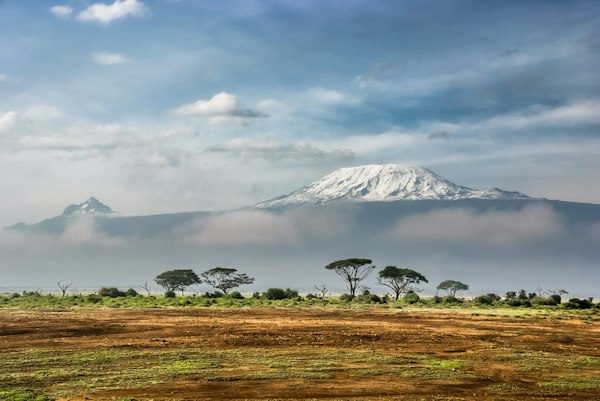
Kilimanjaro · Visible from Amboseli at Dawn
Big Five
Lion · Elephant · Buffalo · Leopard · Rhino
~14 hrs
Sydney to Nairobi · via Dubai or Doha
e-Visa
Australians · USD$50 · evisa.go.ke
🇰🇪 Kenya
East Africa · 580,367 km² · 55 Million People · Equatorial

Kenya — Where Safari
Was Invented and
Still Done Best

Kenya (Jamhuri ya Kenya — the Republic of Kenya — 580,367 km² in East Africa — 55 million people — straddling the equator from the Indian Ocean coast in the east to the shores of Lake Victoria in the west — bordered by Ethiopia and South Sudan to the north, Uganda to the west, Tanzania to the south, and Somalia to the northeast — the Great Rift Valley splitting the country from north to south — the country that gave the word “safari” to the travel vocabulary (from the Arabic safar — meaning simply “journey” — adopted into Swahili as the word for overland travel, and from Swahili into the English language via the 19th-century hunters and naturalists who followed the Swahili coastal trade routes inland)) is the country that most Australians imagine when they imagine Africa in the sense of the Serengeti, the savanna, the migration, the pride of lions on the kopje at dusk — and the specific distinction of Kenya is that what visitors imagine is, in the Masai Mara and Amboseli, substantially accurate.

Kenya’s anchor safari destinations: The Masai Mara National Reserve (the savanna ecosystem in the southwest — the Kenyan extension of the Serengeti — the site of the Great Migration’s most dramatic river crossings — the Big Five — the balloon safari at dawn). Amboseli National Park (the elephant park — Kilimanjaro visible behind the elephant families in the swamp — the most photographed image in East African wildlife). Samburu National Reserve (the Northern Frontier District — the remote and arid north — the special five species unique to northern Kenya: Grevy’s zebra, reticulated giraffe, Beisa oryx, gerenuk, and Somali ostrich). The Laikipia Plateau (the conservancy system — wild dogs, black rhino, and the private conservancy model that has become the most successful rhino and wild dog recovery programme in East Africa). Nairobi (the capital — the David Sheldrick Wildlife Trust elephant orphanage, the Giraffe Centre, Nairobi National Park). The Kenyan Coast (Lamu — the UNESCO Swahili old town — dhow sailing — Diani Beach).

✅ Kenya Practical Essentials
  • Visa: Australian passport holders require a visa for Kenya. The Kenya e-Visa (the Electronic Travel Authorisation — ETA — available at evisa.go.ke — USD$50 per application — the processing typically 1–3 business days — apply at least 2 weeks before departure) is the correct approach for tourists. The e-Visa covers a single entry for up to 90 days. The East Africa Tourist Visa (USD$100 — the multi-entry visa covering Kenya, Uganda, and Rwanda — available at the same portal — the correct choice for visitors adding Uganda (gorilla trekking) or Rwanda (mountain gorillas) to the Kenya safari). Apply through the official government portal only — third-party sites charge additional fees for no additional service.
  • Getting there: Sydney to Nairobi (NBO — Jomo Kenyatta International Airport) requires one connection. The most common routings: via Dubai (Emirates — Sydney to Dubai approximately 14 hours, Dubai to Nairobi approximately 5 hours, total approximately 22–24 hours) or via Doha (Qatar Airways — similar total time). Via Addis Ababa (Ethiopian Airlines — a strong option that often provides excellent value and the best connection times for Nairobi from Australian cities). From Nairobi, the domestic flights to safari destinations (Wilson Airport — the small domestic airport 6km from Jomo Kenyatta — the Masai Mara (45 minutes), Samburu (1 hour), Amboseli (45 minutes), Lamu (1 hour 30 minutes)) are the correct onward connection — the road network in Kenya is extensive but the drives to the major parks are 4–6 hours on roads that test vehicle suspensions.
  • Currency: Kenya uses the Kenyan Shilling (KES — approximately KES 80 = AUD$1 in 2026). The USD is widely accepted at safari lodges, national park fees, and higher-end restaurants — carry crisp, unmarked USD bills (the Kenyan banking system is specific about the condition of foreign currency — crumpled, torn, or old-series (pre-2006) USD bills are frequently rejected). National park entry fees are paid in USD at the gate or pre-paid through the Kenya Wildlife Service eSafari system. The M-Pesa mobile money system (Safaricom’s mobile payment platform — the most widely used mobile money system in the world — used by approximately 65% of Kenya’s adult population) is increasingly used for small purchases in Nairobi and larger towns — the guide manages park fees and local purchases.
  • Health and vaccinations: Yellow fever vaccination is recommended for Kenya (and required if arriving from a yellow fever endemic country — consult your doctor and smartraveller.gov.au). Malaria prophylaxis: Kenya has malaria risk throughout most of the country except Nairobi and highland areas above 2,500m — the guide and your doctor will specify the correct prophylaxis for your circuit. Typhoid, Hepatitis A, and Hepatitis B vaccinations are routinely recommended. The altitude in Nairobi (1,800m) and Laikipia (1,600–2,000m) is sufficient to affect some visitors in the first 24 hours — hydrate adequately on arrival. Altitude sickness is not a significant risk at safari altitudes but Mount Kenya trekkers require specific preparation above 3,500m.
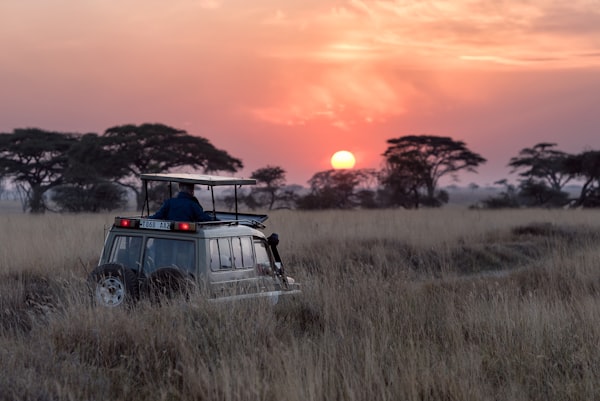
  • Safari etiquette: in the vehicle — the guide positions the vehicle for the best viewing angle and makes the decision about approach distance from animals (the guide’s judgment overrides visitor requests to get closer — the correct response to a visitor request to approach a cheetah more closely is “we are at the limit — the cheetah is watching the Thomson’s gazelle, not us, and if we move forward we will become the most interesting thing in its field of view”). Do not stand in the vehicle beyond the roof hatch — the silhouette of a standing human is not a prey animal but it is also not a standard feature of the savanna landscape from a lion’s perspective. Silence (not absolute silence — subdued conversation — no shouting, no sudden loud movement) during predator sightings. Photography: the guide is not a photography assistant but most Kenyan guides understand light direction, background composition, and animal behaviour well enough to be asked for input on positioning — the guide welcomes this collaboration.
Six Essential Safari Destinations

Kenya’s Safari Circuit

Kenya’s parks and reserves are distinct ecosystems with different wildlife profiles — the correct safari combines at least two of them for the full range of what the country offers.
Masai Mara Kenya wildebeest migration lion safari Big Five savanna
The Masai Mara
🌎 Savanna · Big Five · Great Migration · Balloon Safari

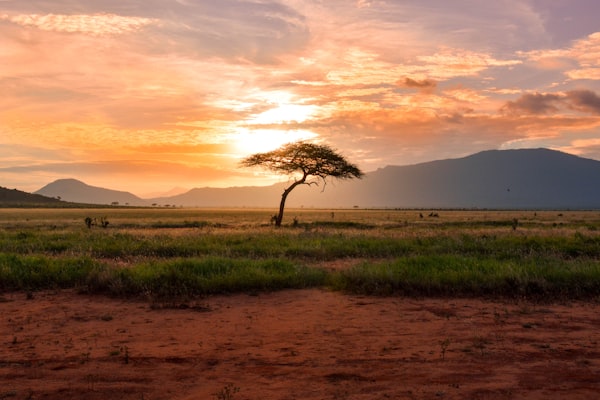
The Masai Mara National Reserve (the 1,510 km² national reserve in the Narok County of southwestern Kenya — the Kenyan extension of the Serengeti ecosystem (the combined Mara–Serengeti ecosystem totalling approximately 40,000 km² across Kenya and Tanzania — the most intact large mammal ecosystem on Earth) — the Mara River forming the northern boundary — the grass plains (musiara, mara, and talek ecosystems) extending into the Serengeti in Tanzania to the south — the Maasai pastoralist community whose ancestral lands overlap with and surround the reserve) is the safari destination that most visitors to Kenya specifically travel to see and the one that most consistently produces the experience they came for. The Big Five (the term — originally a hunting term for the five most dangerous African animals to hunt on foot: lion (Panthera leo), elephant (Loxodonta africana), Cape buffalo (Syncerus caffer), leopard (Panthera pardus), and black rhinoceros (Diceros bicornis) — the term repurposed by conservation tourism as the five species that define the East African safari experience — all five present in the Mara) are genuinely accessible in the Masai Mara in a way that no other accessible East African ecosystem matches — the Mara’s grass plains (the short-grass plains of the Musiara area are the lion habitat — 6–8 lions in a pride on the musiara marsh grassland at 7am is a statistically common event, not an exceptional one). The balloon safari (the hot air balloon from the Mara camps at 5:30am — the Mara from 300m — the game visible from the air (the elephant family crossing the marsh visible from above — the hippo pod in the ox-bow section of the Mara River — the wildebeest column moving south visible from 3km) — the champagne breakfast in the bush after landing (the correct landing is in the long grass — the vehicle follows the balloon and arrives within 5 minutes — the breakfast table is set in the vehicle’s clearing — the guide locates three species while the breakfast is being served — 1 hour 15 minutes from launch to second cup of coffee)). The Mara River crossings (the Great Migration crossings — addressed in the dedicated section below).

  • Big Five · all present in the Mara · lion most reliably sighted in Africa
  • Balloon safari · 5:30am · champagne bush breakfast · AUD$600–700
  • Mara River crossings · July–October · the wildebeest · the crocodiles
  • Musiara Marsh · best lion habitat in Kenya · resident prides
  • Night drive (private conservancies only) · the National Reserve prohibits after-dark driving
Amboseli Kenya elephant Kilimanjaro mountain backdrop dust savanna
Amboseli National Park
🏔 Kilimanjaro · Elephants · 5,895m backdrop · Swamp

Amboseli National Park (392 km² — in the Kajiado County at the base of Mount Kilimanjaro — the park’s name from the Maasai word “Empusel” meaning “salty, dusty place” — the park’s landscape: the dry dusty floor (the ancient lake bed of a lake that filled and evaporated with Pleistocene climate cycles — the silicic dust rising from the pan surface in the wind — the reason the dust devils are so dense and the elephants’ backs are coated in white powder) and the Enkiama swamp (the spring-fed wetland at the park’s centre — fed by snowmelt from Kilimanjaro that percolates through the volcanic rock and emerges at the surface 80km away in the Amboseli basin — the swamp is what sustains the elephant population and the landscape's resident wildlife through the dry seasons)) provides the most iconic single image in East African wildlife photography: the elephant family in the swamp with Kilimanjaro’s snow-capped summit visible behind them in the morning light. Kilimanjaro (5,895m — the highest free-standing mountain in the world — 5,895m above sea level but rising from a base plateau at approximately 900m — the visual rise of approximately 5,000m — visible from Amboseli in the morning before the clouds form at the summit — the correct window is 6–9am — the guide times the game drive to be at the Enkiama swamp viewpoint before 7am). The Amboseli elephant population (approximately 1,500 elephants using the park — the highest density of large bull elephants in Kenya — the Amboseli Elephant Research Project (the longest-running elephant research project in the world — established 1972 by Cynthia Moss — every elephant in the Amboseli population known by name and individual history) — the guide can identify specific family groups and individuals by ear shape, tusk length, and behavioural patterns — a skill that distinguishes a Kenyan safari guide from a generic tour guide at a level that is visible in the first 15 minutes). The Observation Hill (the volcanic hill at the swamp’s edge — the view of the entire Amboseli basin and the Kilimanjaro massif — visited at sunset when the clouds that obscure Kilimanjaro during the day sometimes part briefly — the guide is positioned at the hill 20 minutes before sunset regardless of cloud cover — the cloud-parting is not guaranteed — the hill view without Kilimanjaro is still the correct sunset).

  • Kilimanjaro backdrop · 6–9am window · clouds build by 10am
  • 1,500 elephants · Cynthia Moss research project · 50+ years of individual data
  • Enkiama swamp · Kilimanjaro snowmelt · the water source that makes the ecosystem
  • Large bull elephants · the highest density in Kenya · tuskers present
  • Observation Hill · sunset · full basin view · Kilimanjaro sometimes
Samburu Kenya gerenuk reticulated giraffe northern frontier reserve arid
Samburu National Reserve
🌎 Northern Frontier · Special Five · Ewaso Ng’iro River · Remote

Samburu National Reserve (165 km² — in Samburu County in the Northern Frontier District — approximately 350km north of Nairobi — accessible by 1-hour flight from Wilson Airport — the reserve on the south bank of the Ewaso Ng’iro river (the brown-water river that flows east through the reserve — the focal point for all wildlife in the dry season — the leopards in the doum palms along the bank, the crocodiles in the deeper pools, the elephant families at the river crossing points at dawn)) is the destination that most experienced Kenya travellers add to the Masai Mara — because the Mara and Samburu together show the full range of what Kenya’s wildlife actually is. The Samburu Special Five (the five species endemic to the northern dryland ecosystem and not found in the Masai Mara): the Grevy’s zebra (Equus grevyi — the largest and most endangered wild equid in Africa — distinguishable from the common plains zebra by its narrower, more closely spaced stripes, its large rounded ears, and its white belly — approximately 3,000 remaining in the wild — the majority in northern Kenya), the reticulated giraffe (Giraffa reticulata — the most distinctively patterned giraffe subspecies — the large chestnut polygons with white lines between — the pattern more geometric than the masai or common giraffe — the guide notes that the reticulated giraffe’s pattern is unique to each individual at the level of fingerprint identification — approximately 15,000 remaining), the gerenuk (Litocranius walleri — the “giraffe-necked gazelle” — the antelope that stands on its hind legs to browse the high branches of acacia trees — the specific posture (standing fully upright on hind legs, front legs braced against the branch) is so specific and unexpected that first-time viewers consistently take several seconds to process it as real), the Beisa oryx (Oryx beisa — the large antelope with the straight parallel horns (which in profile appear as a single horn — the proposed origin of the unicorn myth) — the grey-white colouring with the black face and leg markings), and the Somali ostrich (Struthio molybdophanes — blue-necked — distinguishable from the common ostrich (pink-necked) — the males in breeding season with the neck and legs an intense powder blue). The Samburu guide names all five in the first game drive — the group does not always believe all five are present until the fifth appears.

  • Grevy’s zebra · narrower stripes · white belly · ~3,000 remaining globally
  • Reticulated giraffe · geometric pattern · individual fingerprint level
  • Gerenuk · stands on hind legs to browse · the most unexpected posture in Kenya
  • Beisa oryx · parallel horns · unicorn origin · the guide explains this every time
  • Ewaso Ng’iro river · leopard in doum palms · crocodiles · elephant crossings at dawn
Laikipia Kenya black rhino wild dog conservancy Ol Pejeta plateau
Laikipia Plateau
🌎 Conservancies · Black Rhino · Wild Dog · Ol Pejeta

The Laikipia Plateau (the highland plateau north of Mount Kenya — approximately 9,000 km² at elevations of 1,600–2,600m — the plateau divided between large private ranches and community conservancies that together constitute the Laikipia Ecosystem — one of the most successful wildlife conservation models in Africa) is where Kenya’s wildlife conservation story is told most clearly and where visitors most consistently understand the connection between the tourism dollar and the living animal. The Ol Pejeta Conservancy (the 364 km² private conservancy on the Laikipia Plateau — the largest black rhino sanctuary in East Africa — home to both black and white rhinoceros — the site of the three surviving northern white rhinos (the near-extinct subspecies (Ceratotherium simum cottoni) — as of 2026 only female individuals survive — Sudan, the last male, died at Ol Pejeta in March 2018 — the assisted reproduction programme ongoing — the species functionally extinct but biologically not quite — the guide discusses this with the group at the northern white rhino enclosure)) and the African wild dog (Lycaon pictus — the painted wolf — the most endangered large carnivore in Africa — approximately 6,600 surviving in the wild — the Laikipia Plateau containing one of the highest densities of wild dogs in Kenya — the pack structure, the hunting technique (the coordinated pursuit of impala over 3–4km at speeds of up to 70 km/h), and the cooperative pup-rearing system (every pack member contributes food to the nursing mother and pups) — the guide finds the pack by tracking the radio-collar signal — the pack visible from the vehicle at 30–50m — this is the wildlife sighting that most experienced safari travellers say is the rarest and most valuable). The Laikipia private conservancy experience: night drives (permitted on private land — the nocturnal species: aardvark, serval, bush baby, African wild cat — the guide’s spotlight technique), walking safaris (with an armed ranger and a guide — the experience of approaching wildlife on foot), and fly camping (the overnight in a temporary fly-camp in the bush — the sounds of the African night without the lodge walls — the hyena at 2am — the dawn exactly as loud).

  • Ol Pejeta · largest black rhino sanctuary in East Africa · northern white rhino enclosure
  • African wild dog · rarest large carnivore · ~6,600 globally · pack hunting at 70km/h
  • Night drives permitted (private land) · aardvark · serval · civets
  • Walking safari with armed ranger · the only way to understand scale at ground level
  • Fly camping overnight · no lodge walls · the hyena at 2am
Nairobi Kenya giraffe centre David Sheldrick elephant orphanage national park city
Nairobi
🏠 Giraffe Centre · Elephant Orphanage · National Park · Karen

Nairobi (the capital of Kenya — population 4.4 million in the city, approximately 5.8 million in the greater metropolitan area — the fourth-largest city in sub-Saharan Africa — at 1,795m above sea level — the largest city in East Africa — the regional hub for commercial aviation, international organisations (UNEP — the United Nations Environment Programme — has its global headquarters in Nairobi — one of only two UN headquarters in the developing world), and the East African community) is a city that most Kenya visitors treat as a transit stop and that rewards a 2-day stay. The David Sheldrick Wildlife Trust (the elephant orphanage in the Nairobi National Park — the most successful elephant orphan rehabilitation programme in the world — the programme rescues, raises, and reintegrates elephant calves whose mothers have been killed by poachers or human-wildlife conflict — the orphan “mudbath” (the daily public feeding and mudbath session at 11am — 1 hour — the calves (2 months to 3 years) brought out by their keepers — each keeper with a specific elephant they have bonded with — the keeper who sleeps next to the elephant calf at night, matching the maternal relationship that the calf requires for psychological stability — the guide explains the keeper programme in the context of the poaching crisis that produces the orphans)). The Giraffe Centre (the African Fund for Endangered Wildlife’s breeding programme for the Rothschild giraffe (Giraffa camelopardalis rothschildi — the most endangered giraffe subspecies — approximately 2,500 remaining — the Giraffe Centre breeding programme has been releasing Rothschild giraffes into Kenyan national parks since 1979) — visitors feed giraffes from a raised platform (the giraffe tongue — 45cm — blue-black — designed to strip acacia thorns — the guide allows the visitor to feel the tongue on their hand — this is always the group’s most discussed sensory experience of the Nairobi day)). The Nairobi National Park (the only national park in the world within a capital city — 117 km² of savanna and bush immediately south of the city centre — the Nairobi skyline visible above the tree line from the interior of the park — lion, cheetah, giraffe, rhino, and hippo within 20 minutes of the CBD). The Karen Blixen Museum (the farmhouse from which the Danish author Isak Dinesen wrote “Out of Africa” (1937) — the Ngong Hills visible from the veranda — the guide reads the opening line of the book from the veranda: “I had a farm in Africa, at the foot of the Ngong Hills.”).

  • David Sheldrick Trust · elephant orphans · mudbath 11am · keeper sleep-in programme
  • Giraffe Centre · Rothschild giraffe · 45cm blue-black tongue · breeding programme
  • Nairobi National Park · only national park in a capital city · skyline above the trees
  • Karen Blixen Museum · Out of Africa · Ngong Hills · guide reads the opening line
  • Wilson Airport · domestic flights to all safari destinations · 20min from CBD
Lamu Kenya Swahili old town UNESCO donkeys dhow Indian Ocean coast
Lamu & the Kenyan Coast
🌊 UNESCO · Swahili · Dhow Sailing · Diani Beach

The Kenyan coast (the Indian Ocean coastline from the Somali border in the north to the Tanzanian border in the south — approximately 536km of coast — the coral reef system running parallel to the coast — the Swahili cultural belt (the East African coastal civilisation that developed through 2,000 years of Indian Ocean trade connecting the East African coast with Arabia, Persia, India, and China — the Swahili language and culture the synthesis of Bantu African and Arab Islamic influences — the UNESCO-listed old towns of Lamu and Mombasa the most intact surviving expressions of Swahili urban architecture)) provides the coastal component that most Kenya safari visitors either add as a 2–3 day extension or plan as a full week. Lamu (Lamu Old Town — UNESCO World Heritage since 2001 — the best-preserved Swahili settlement in East Africa — on Lamu Island in the Lamu Archipelago 200km north of Malindi — accessible only by boat or light aircraft — the old town has no cars (donkeys and boats are the only transport — approximately 3,000 donkeys serving the 15,000 residents of Lamu town — the guide describes this as “the world’s only serious urban donkey infrastructure”) — the carved wooden doors (the 14th–19th century carved hardwood doors of the Lamu townhouses — the decorative work (the geometric Islamic patterns, the floral Arabic calligraphy, the brass studs) — the guide has documented 150 of the most significant surviving doors — the tour follows the guide’s personal door map) — the dhow sailing (the traditional lateen-sailed wooden dhow on the Lamu Channel — the sunset dhow from the Lamu waterfront to the sand dunes at Shela — the wind in the sail the only sound)). Diani Beach (the beach south of Mombasa — the 17km of white sand — the reef snorkelling (the Kisite-Mpunguti Marine National Park — the spinner dolphins that appear on the channel crossing), the watersports, and the colobus monkey sanctuary (the Colobus Conservation — the white-and-black Angolan colobus monkey (Colobus angolensis palliatus) — the forest remnant in the coastal strip)).

  • Lamu UNESCO · no cars · 3,000 donkeys · best-preserved Swahili settlement
  • Carved wooden doors · 14th–19th century · guide’s personal door map
  • Sunset dhow sailing · Lamu Channel to Shela dunes · the wind in the sail
  • Diani Beach · Kisite-Mpunguti Marine Park · spinner dolphins · reef snorkel
  • Fly Nairobi–Lamu · 1hr 30min · Wilson Airport · correct approach
💡 INSIDER TIP — The Masai Mara Private Conservancies — Why They Change the Safari

The Masai Mara National Reserve (the main reserve — administered by the Narok County Council) has a specific limitation that most visitors do not know before arrival: no night drives and no off-road driving are permitted within the reserve. Both activities are permitted in the private conservancies that surround the reserve — the Olare Motorogi, Naboisho, Ol Kinyei, and Mara North conservancies (community-owned conservancies established in partnership between the Maasai landowners and conservation organisations — the conservancy model paying the Maasai a per-acre conservation fee that makes wildlife more economically valuable than cattle — the model that has reversed land use change in the areas surrounding the reserve). The private conservancy experience: fewer vehicles per sighting (the conservancies limit the number of camps and therefore the number of vehicles — a leopard sighting in the Naboisho conservancy at 8am typically involves 2–4 vehicles — the same sighting 5km across the reserve boundary may have 15–20 vehicles), night drives (the nocturnal predators — spotted hyena hunting, lion on night patrol, serval cat stalking — visible only after dark), and off-road driving (following the cheetah through the long grass rather than watching from the road). Cooee Tours operates exclusively from conservancy-based camps rather than reserve-interior lodges — the guide and the vehicle are the same. The experience is categorically different.

The Great Migration — The World’s Largest Overland Wildlife Movement

Understanding the Great Migration

The Great Migration is not a single event. It is a year-round circuit of 1.5 million wildebeest across 40,000 km² of savanna — and the Mara River crossings are the specific chapter that happens in Kenya.

🐔
The Numbers — The Scale of the Movement
1.5M Wildebeest · 200,000 Zebra · 500,000 Thomson’s Gazelle

The Great Migration (Ndutu katika Kiswahili — the “migration” in Swahili — officially the Wildebeest Migration, though “Great Migration” has become the established term in safari usage) involves approximately 1.5 million wildebeest (Connochaetes taurinus — the blue wildebeest — the most numerous large mammal on Earth in a single migratory population), 200,000 Burchell’s zebra (which migrate in association with the wildebeest — the zebra’s digestive system processes the tough tops of grass stems that the wildebeest then follow to eat the more nutritious lower stems — the relationship is mutualistic and the two species consistently travel together), and approximately 500,000 Thomson’s gazelle (which follow the wildebeest as grazers of the very short grass exposed after the wildebeest has passed). The combined mass of this population: approximately 5 billion kilograms of herbivore in continuous motion across the ecosystem — the largest terrestrial wildlife movement on Earth. The circuit (the approximate annual pattern — the specific timing varies year to year depending on rainfall — the guide tracks the current position of the migration in real-time and adjusts game drive routes accordingly): January–March in the southern Serengeti (calving season — approximately 8,000 wildebeest calves born per day during the peak — the fastest animal on land per unit of body mass — can run within minutes of birth — a specific and important fact for survival), April–June moving northwest toward the Grumeti River (Tanzania), July–October in the Masai Mara (the Kenya chapter), November–December returning south.

🌊
The Mara River Crossings
July–October · Crocodiles · The Wait · The Decision

The Mara River crossings (the most dramatic chapter of the migration — the moment when the wildebeest column arrives at the Mara River and must cross to reach the Kenyan grass plains) are the specific event that most visitors to the Mara specifically travel to witness — and the most commonly misunderstood event in African wildlife tourism. The crossing is not a scheduled event — it cannot be predicted beyond a window of days — the guide uses the current position of the column, the water level in the Mara River, and 15 years of personal observation to estimate which crossing point is most likely to be used and when. The mechanics: the approach (the column arrives at the riverbank and the front animals stop — they can smell the crocodiles and see the far bank but the decision to enter is made by a specific individual — the “pioneer” — whose identity is not predetermined by social hierarchy but by circumstance — sometimes the column waits for hours — sometimes days — the guide’s instruction to the group is “do not count the minutes”), the trigger (the moment the pioneer enters the water — the crossing begins — thousands of wildebeest follow within seconds — the combined noise (the snorting, the hooves on the stones, the water) audible from 500m), and the crossing (the Nile crocodiles (Crocodylus niloticus) that use the Mara crossings as their primary feeding event of the year — the guide can identify the specific crocodile individuals known to use each crossing point — the crocodile does not wait at the centre of the current — it waits at the entry point or the exit point where the animals are slow).

🔋
The Wait — How to Witness a Crossing Correctly
Position · Patience · Silence · The Guide’s Reading

The correct approach to witnessing a crossing: arrive at the crossing point before the column arrives (the guide’s estimate — not guaranteed — a 3–4 hour wait at the river with nothing happening is more common than a 10-minute wait with a crossing). The wait is not wasted time — the hippo pool below the crossing point, the crocodile movements in the river, the martial eagle on the acacia above the bank — the guide’s observation of what the river is doing before the wildebeest arrives is the period in which the guide provides the most detailed wildlife narration of the trip. The vehicle position: the guide parks the vehicle slightly upstream from the anticipated crossing point — the crossing animals pass in front of the vehicle rather than away from it — the dust, the noise, and the downstream movement visible simultaneously. During the crossing: no talking above a murmur — the guide is watching the crocodiles and will narrate — the photographer’s best shots are at the entry and exit points where the animals are slow and the water drops from their bodies in the light. After the crossing: the guide waits — sometimes a second wave crosses — sometimes the crossing stops and the column retreats to the bank — the crossing resumed 90 minutes later at a different point — the migration decides. This is not a tour programme schedule. It is an animal movement. The guide’s experience is in reading what the animals are going to do before they do it — and in communicating that to the group so that the wait makes sense.

📅
The Migration Calendar — When to Go to the Mara
July–October · Crossings peak Aug–Sep · Shoulder season value

The Great Migration in the Masai Mara is present from approximately July through October — the specific timing varying year to year based on the Long Rains (April–June in the southern Serengeti) which drive the wildebeest north. July: the advance guard arrives in the Mara — the crossings beginning at the Sand River in the south. August–September: the peak crossing period — the most wildebeest in the Mara simultaneously — the crossings at the Musiara, Serena, and Ol Kiombo crossing points at their most frequent — the most visited months and the most expensive (the peak season premium at most Mara camps is 30–60%). October: the return migration south begins — the crossings continue but the column is moving south — the crossing dynamic is the same but the water level in the Mara River is typically lower after the dry season. The non-migration Masai Mara: the Mara is a year-round safari destination — the Big Five resident population (the lion prides, the leopard territories, the elephant families, the buffalo herds) is present year-round — the January–February dry season (the short dry season before the Long Rains) produces excellent predator visibility as the animals concentrate at the remaining water sources. The migration crossing is the most dramatic event — but the Mara without the migration is still the finest savanna wildlife experience in Kenya.

What Kenya Does to Visitors

The first morning game drive in the Masai Mara — the 6am departure from the camp, the vehicle crossing the dewy grass in the early light, the plains stretching to the horizon in three directions, the acacia flat-tops standing in silhouette against the pale sky — produces in most visitors a specific and rarely predicted response: silence. Not the polite silence of someone who has nothing to say. The silence of someone who is looking at something so far outside the scale of their previous visual experience that language needs a moment to locate itself. The guide knows this silence. It is the reason he became a guide.

“The lion was on the termite mound at 6:47am. There were six lions and the termite mound gave the dominant male 1.5 metres of elevation over the plain. The light was at 15 degrees above the horizon and falling on the mound from the east and the male’s mane was the colour of the grass and the grass was the colour of the light. This is not a description. This is a recall of a thing that has no adequate description.”

Kenya is also the country where the poaching crisis, the human–wildlife conflict at the conservancy boundaries, the ranger who has not been paid for two months, and the Maasai herder who lost three cows to a lion last week are all happening simultaneously with the dawn game drive. The guide will tell you about all of these things — not because it diminishes the experience but because the experience is incomplete without understanding what makes it possible. The Kenya safari is the single experience most consistently cited by Australian travellers as having changed them — not just the way they travel, but the way they think about the planet. This is what the morning game drive is actually doing. The lion is just the most obvious part.

Kenyan Food — The Nyama Choma Nation

What to Eat in Kenya

Kenyan food culture is less internationally known than the safari — and more specifically itself than visitors expect.

🍖
Nyama Choma — The National Dish
🏩 Roasted meat · charcoal · Kikuyu + Luo tradition · social ritual

Nyama choma (the Swahili for “roasted meat” — the closest Kenya has to a national dish and the closest Kenya comes to a food-based social institution) is the centrepiece of the Kenyan weekend: the goat, lamb, or beef (the specific species and cut determined by the region and the occasion — the Maasai tradition is goat, the coastal tradition is goat or beef, the Kikuyu tradition often includes chicken) slow-roasted over charcoal for 1–3 hours, served at a communal table and eaten with the hands from a shared platter — the meat cut from the roasted carcass at the table with a knife, the pieces shared without strict individual portions, the eating social and unhurried. The correct nyama choma experience: a roadside nyama choma joint on a Saturday afternoon — the charcoal smoke visible from the road — the plastic chairs, the communal table, the sukuma wiki (the braised kale (Brassica oleracea acephala — the African variety — the name meaning “stretch the week” — indicating its historical role as the affordable vegetable that made a small amount of meat last longer)) alongside the ugali — the group of four Kenyan men at the next table who have been there since noon and show no indication of leaving. The guide eats nyama choma twice a week and is specific about which joints are correct. This information is not available in any guidebook.

🍼
Ugali — The Kenyan Staple
🏩 White maize meal · stiff porridge · national staple · every meal

Ugali (the stiff maize meal porridge — the national staple food of Kenya — made by adding white maize flour (posho — the finely ground white maize) to boiling water and stirring continuously until it reaches a consistency firm enough to be pinched from the pot and shaped into a ball with the right hand — the finished ugali resembling a dense polenta — eaten with the fingers as the delivery mechanism for the accompanying dishes (nyama choma, sukuma wiki, beans, stew)) is the food that Kenyan meals are built around in the way that rice builds Thai meals and bread builds French ones. The eating technique: break a small piece of ugali from the shared pot, roll it in the fingers of the right hand into a ball, make a small depression in the ball with the thumb (creating a scoop shape), use the scoop to collect the stew or greens from the serving bowl, eat the whole piece. The guide demonstrates this on Day 1 — the group attempts it — the correct result takes 2–3 attempts. Ugali at the safari camp: the camp cook who makes ugali from memory (no measuring, no timer — the hand test for consistency — the ugali is ready when it pulls cleanly from the pot wall in a single piece — a skill that the camp cook has performed every day for 20 years and that the guide acknowledges as a skill of the same order as tracking (both requiring calibrated sensation and accumulated experience to perform reliably)).

Kenyan Chai — The National Drink
🏩 Milky spiced tea · boiled · cardamom · ginger · every hour

Kenyan chai (the tea — from the Hindi chā — the Kenyan version of the masala chai tradition that arrived with Indian workers during the construction of the Uganda Railway (1896–1901) — the “Lunatic Line” — the British-funded railway from Mombasa on the Indian Ocean to Kisumu on Lake Victoria — whose Indian workforce and their food culture permanently entered the East African culinary tradition) is the most consumed beverage in Kenya and the social lubricant of every meeting, journey, and meal. The preparation: the tea leaves (Kenya is the third-largest tea producer in the world — the highlands of Kericho and Nandi Hills — the specific flavour of Kenyan tea (a brisk, bright, second-flush character) is different from Indian or Sri Lankan tea in a way the guide describes as “the tea that actually wants to be boiled with milk” — because Kenyan chai is made by boiling milk and tea together rather than adding milk to brewed tea — the cardamom (the pods cracked and added to the pot — 2–3 pods per cup — the guide does not measure), the ginger (a 1cm piece — bruised — the bruising releases the volatile oils), and the sugar (significant — the guide’s personal ratio is 2 teaspoons per cup — the camp cook’s ratio is 3 — the guide does not contest this). Chai is offered at every safari camp at 5:30am before the morning drive, at 10:30am on returning to camp, at 3:30pm before the afternoon drive, and at 7pm before dinner. Refusing chai in Kenya is not offensive — accepting it is the correct social signal of comfort and trust.

🍲
Swahili Coastal Cuisine
🏩 Pilau · coconut · tamarind · biryani · Arabic–Indian–African fusion

Swahili coastal cuisine (the food tradition of the Kenyan coast — the synthesis of 2,000 years of Indian Ocean trade that brought Arabic spice merchants, Persian traders, Indian laborers, and Chinese sailors into contact with the Bantu-speaking coastal peoples of East Africa) is the most complex and internationally underappreciated food culture in East Africa. The essential dishes: pilau (the spiced rice dish — the Swahili version distinct from Persian pilaf and Indian biryani in its specific spice combination (whole black pepper, cumin seeds, cardamom pods, cloves, and cinnamon bark — all whole, all dry-roasted in the pot before the meat and rice are added — the browning of the onions until dark — darker than most Western cooks would attempt — the guide is specific about the colour — “the colour of mahogany, not the colour of a tan”) — the pilau at a Lamu restaurant is the dish that most visitors describe as the most unexpectedly affecting food of the Kenya trip), samaki wa kupaka (the grilled fish in coconut sauce — the fish (red snapper, kingfish, or the local kambale) marinated in tamarind and turmeric, grilled over charcoal, and served with a sauce of coconut milk, tomato, and the coastal spice paste (the mchuzi — the Swahili term for sauce — the basis of most coastal dishes)), and mahamri (the sweet coconut-milk doughnut — triangular, soft, fried — eaten with chai for breakfast — the guide’s daily breakfast on the coast).

🍧
Safari Camp Cuisine
🏩 Bush breakfast · sundowner · bush dinner · fire + stars

Safari camp cuisine (the food at the tented camps and lodges of the Masai Mara, Amboseli, and Samburu) has evolved from the functional camp cooking of the classic safari era (the oil lamp, the folding table, the tinned corned beef) to a specific genre of bush fine dining that draws on both Kenyan and international traditions — the correct comparison being a well-run country house hotel where the nearest supermarket is 90km and a lion walked through the property at 3am. The bush breakfast (the post-morning-game-drive meal — typically laid out on a folding table in the bush or in the camp dining room — the full cooked option (eggs to order, grilled sausage, bacon, toast, fresh fruit from the highland farms above Nairobi, Kenyan honey from the Laikipia plateau apiaries) plus the cereals, the yoghurt, and the chai (always the chai — the camp will not serve breakfast without chai). The sundowner (the pre-dinner drink in the bush — the guide stops the vehicle at a viewpoint at approximately 6:30pm — the sundowner box from the vehicle (the folding table, the cold beers, the gin and tonics, the juices) — the drinks served against the sunset — the impala moving through the grass behind the vehicle — the guide pointing at the hyena 200m to the north while pouring a Tusker lager). The bush dinner (the dinner in the open air — lit by lanterns — the sound of the bush — the fire at the centre of the camp — the guide’s transition from driver–tracker to natural historian at the dinner table as the conversation moves from the game drive to the ecosystem to the conservation economics to the guide’s personal life, in that order, over two hours).

🍍
Kenyan Highland Produce
🏩 Arabica coffee · tea · avocado · strawberry · passion fruit

Kenyan highland agriculture (the Central Highlands — the Mount Kenya massif and the Aberdare Range — at 1,500–2,500m — the rich volcanic soil and reliable rainfall producing the highest-quality agricultural output in East Africa) produces the ingredients that appear on every safari camp breakfast table without fanfare and should receive more. Kenyan arabica coffee (the AA grade — the largest bean size — grown in the Kirinyaga and Nyeri districts at 1,700–2,100m on the slopes of Mount Kenya — the coffee consistently rated among the top 10 origins in the world by specialty buyers — the blackcurrant and citrus acidity — available on the breakfast table of every safari camp and typically presented as instant coffee by camps that do not know they have the best ingredient in the room — the guide requests filter coffee from the kitchen — this is always possible and always better). Kenyan avocado (the Hass avocado grown in the Central Highlands — Kenya is the third-largest avocado exporter in the world — the avocados on the breakfast table at a Laikipia camp are from 20km away — the ripeness is specific to the altitude). Kenyan strawberries (the Kijabe region — the cool highland air — the berries smaller and more flavourful than the Australian commercial variety — available at every highland camp in season).

9 Curated Safari Experiences

Kenya Safari Tours from Australia

From a 5-day Masai Mara focus to the full 14-day Kenya grand circuit — all designed around the correct seasons, the private conservancies, and the specific wildlife knowledge that makes the difference.

🌎 Masai Mara · 5 Days
Masai Mara Classic Safari — 5 Days
⏱ 5 days / 4 nights · conservancy camp★ 5.0(1,840 reviews)

The Masai Mara in 5 days — from a conservancy camp that provides night drives, off-road driving, and fewer vehicles per sighting than the reserve interior. Fly Nairobi–Masai Mara (45min from Wilson Airport). 4 nights in the Naboisho or Olare Motorogi conservancy. Six game drives (3 morning + 3 afternoon) · 2 night drives · 1 guided bush walk with Maasai guide. The guide tracks the Big Five from the first drive · the lion pride (Musiara area · 6–8 individuals · resident) · the leopard territory (riverine forest · the guide knows the female with the two cubs) · elephant (the families moving between the marsh and the plains). Migration crossing standby (July–October · the guide reads the column position daily · the drive adjusted accordingly · the crossing is not guaranteed · the wait is part of it). Maasai village visit (the guide facilitates · the visit is to the manyatta (the family homestead) · not a performance · the guide’s relationship with the family is 8 years · this matters). Fly Mara–Nairobi on Day 5.

Includes
Wilson Airport–Mara flights return4 nights conservancy camp (full board)6 game drives + 2 night drivesBush walk with Maasai guideAll park + conservancy fees
🎈 Balloon Safari · Mara
Masai Mara Balloon Safari — Dawn Flight
⏱ Dawn flight add-on · any Mara stay★ 5.0(2,480 reviews)

The Masai Mara hot air balloon — the dawn experience that no game drive can replicate — as a standalone add-on to any Mara itinerary or as part of a Mara package. 5am wake at camp · transfer to launch site · inflation briefing (the balloon is 25m tall when fully inflated — the guide notes that visitors consistently underestimate this until standing next to it) · 5:30am launch (the basket tilted horizontal for boarding then righted as the balloon lifts — the guide’s instruction: “whatever position you are in when the basket rights itself is the position you will be in for the next hour” — most visitors find this funnier after landing than before). The flight (1 hour · the pilot reads the Mara wind currents · altitude from 30m (skimming the tree line) to 300m (full plain panorama) · the game visible from above (the elephant families, the hippo pool, the wildebeest column in migration season) · the Mara River visible from 5km · the Serengeti in Tanzania to the south). Champagne bush breakfast after landing (the vehicle with the breakfast table has been tracking the balloon for 1 hour · arrival at the landing site within 5 minutes · the Taittinger (or local equivalent) · the guide identifies three species during breakfast without being asked).

Includes
1-hour balloon flight (dawn)Champagne bush breakfastAll pre-flight transfersCertificate of flightSafety briefing + equipment
🏔 Amboseli · 4 Days
Amboseli — Elephants Under Kilimanjaro
⏱ 4 days / 3 nights · Amboseli★ 5.0(1,640 reviews)

Amboseli — the elephant park — with Kilimanjaro visible behind the elephant families at dawn — the most iconic single image in East African wildlife. Fly Nairobi–Amboseli (45min). 3 nights Amboseli lodge or tented camp. The guide’s approach: the first game drive goes directly to the Enkiama swamp at 6am (the 6–9am Kilimanjaro window — the guide times the drive to be at the Observation Hill viewpoint with the swamp and the mountain simultaneously visible — this is the photograph — the guide knows the specific spot). The elephant families (the guide identifies individual elephants — the matriarch family EB15 (the guide’s preferred family — the matriarch is 42 years old — the Amboseli Elephant Research Project has tracked her since 1985)). Large bull elephant sightings (the musth bulls — the guide recognises musth (the hormonal state — the temporal gland streaming (the dark line visible between the eye and the ear) — the slightly lowered head — the guide repositions the vehicle without explanation — the group understands why from the context)). Observation Hill sunset. Cultural visit to Maasai boma (the guide’s relationship with the boma — the community fee paid directly to the family — not a performance). Fly Amboseli–Nairobi or Amboseli–Masai Mara on Day 4.

Includes
NBO–Amboseli flights return3 nights Amboseli (full board)4 game drives (6am Kilimanjaro window)Observation Hill sunsetAll park fees
🌎 Samburu · 4 Days
Samburu — Northern Frontier Special Five
⏱ 4 days / 3 nights · Samburu NR★ 5.0(980 reviews)

Samburu — the Northern Frontier District — the arid ecosystem with the five species found nowhere else in Kenya. Fly Nairobi–Samburu (1hr from Wilson Airport). 3 nights Samburu camp on the Ewaso Ng’iro river. The guide’s morning game drive structure: the first drive specifically to locate and identify all five Samburu Special Five before noon of Day 1 (Grevy’s zebra · reticulated giraffe · gerenuk · Beisa oryx · Somali ostrich — the guide has done this on all but 3 of his 200+ Samburu game drives — the three failures involved rain — Samburu is a dry park — rain changes everything). Gerenuk (the standing hind-leg browse — the guide positions the vehicle for the broadside view — the group sees it through the binoculars before they see it with the naked eye — then they look up from the binoculars and realise they could have seen it without them — the guide allows this to happen — it is funnier that way). Leopard in the doum palms (the Ewaso Ng’iro riverine forest — the guide knows the female who uses the camp’s river stretch — 3 sightings in the last 10 groups). River drive at sunset (the elephant families crossing the river). Beaded jewellery workshop with Samburu women (the guide facilitates — the proceeds directly to the women’s cooperative).

Includes
NBO–Samburu flights return3 nights Samburu camp (full board)4 game drives (Special Five focus)River sunset driveAll park fees
🌎 Laikipia · 4 Days
Laikipia Plateau — Wild Dog & Rhino
⏱ 4 days / 3 nights · Laikipia★ 5.0(680 reviews)

The Laikipia Plateau — the conservancy system — wild dogs, black rhino, night drives, and the conservation story told from the inside. Fly Nairobi–Ol Pejeta or Lewa (1hr). 3 nights at a Laikipia conservancy camp. Day 1: afternoon game drive · black rhino tracking with KWS ranger (the ranger carries a radio — the rhino are monitored continuously — the approach to within 30m on foot with the ranger and guide — the guide’s safety briefing before the walk — the rhino’s directional blindness explained (the black rhino sees poorly at distance — responds primarily to smell — the approach is always downwind — the wind check is done by releasing dry soil from the fingers at eye level — the ranger does this without being asked — it is the correct protocol)). Day 2: African wild dog tracking (the radio collar signal — the pack located — the hunting behaviour observation — the guide explains the pack structure — the alpha female — the pup care — the guide’s position: seeing a wild dog pack is the most significant wildlife sighting available in Kenya — he has held this position for 12 years). Night drive (nocturnal species — the guide’s spotlight technique). Day 3: Northern white rhino enclosure at Ol Pejeta (the guide’s presentation on the assisted reproduction programme — the specific grief of watching the last of a subspecies — the guide does not skip this).

Includes
NBO–Laikipia flights return3 nights conservancy (full board)Black rhino walk with KWS rangerWild dog tracking (radio-collar)Night drives + walking safari
🌊 Nairobi Day · Wildlife
Nairobi Day — Elephant Orphans & Giraffes
⏱ Full day · Nairobi★ 5.0(3,240 reviews)

Nairobi’s wildlife day — the city that has a national park — structured around the two most affecting wildlife experiences available in the capital. Morning: David Sheldrick Wildlife Trust elephant orphanage · the 11am public feeding and mudbath · the keepers with their specific elephants · the guide explains the keeper sleep-in programme (each keeper sleeps beside their orphan calf at night to provide the psychological stability the calf requires — the keeper rotates after 12–18 months to prevent the calf becoming too attached to a single person — this is the hardest part of the keeper’s job — the guide has spoken with four keepers about this moment and says the same thing each time: “they all cry — the keepers, not the elephants — the elephants seem to adjust within a week — the keepers take longer”). Giraffe Centre (the Rothschild giraffe · the hand-feeding · the 45cm blue-black tongue on the hand · the guide’s description: “like having your hand licked by a warm piece of sandpaper that weighs 800 kilograms and is making direct eye contact”). Nairobi National Park afternoon (Nairobi skyline above the tree line · lion on the morning game drive route · rhino in the rhino sanctuary section · hippo at the Hippo Pool). Karen Blixen Museum (the veranda · the Ngong Hills · the guide reads the opening line).

Includes
David Sheldrick elephant mudbathGiraffe Centre (Rothschild feeding)Nairobi National Park PM driveKaren Blixen MuseumGuide + vehicle + all entry fees
🌊 Lamu · 4 Days
Lamu Swahili Coast — UNESCO Old Town & Dhow
⏱ 4 days / 3 nights · Lamu Island★ 4.9(780 reviews)

Lamu — the UNESCO Swahili old town — no cars — 3,000 donkeys — 600 years of Indian Ocean architecture — as the coastal extension of a Kenya safari. Fly Nairobi–Lamu (1hr 30min from Wilson Airport · the light aircraft over the northern coast · the Lamu Archipelago visible from the sea approach). Day 1: the old town walking tour with the guide (the carved wooden door circuit · the guide’s personal door map of 150 documented doors · the 16th-century Riyadha Mosque · the Lamu Museum (the Swahili seafaring tradition · the dhow collection · the siwa horns (the ceremonial brass horns — unique to Lamu — used for ceremonial occasions since the 14th century — one of only a handful surviving in the world — in the Lamu Museum))). Day 2: sunset dhow (the lateen-sailed wooden dhow · the Lamu Channel to the Shela sand dunes · the wind in the sail · the guide on the bow pointing at the mangrove herons while the dhow captain adjusts the sail · the arrival at Shela at sunset). Day 3: Manda Island (the Takwa ruins · the abandoned Swahili city · the baobab trees growing through the mosque walls · the guide reads the Arabic inscriptions). Day 4: fly Lamu–Nairobi.

Includes
Nairobi–Lamu flights return3 nights Lamu guesthouseOld town guided walk (door circuit)Sunset dhow to ShelaManda Island Takwa ruins
🌎 Migration Safari · 7 Days
Great Migration Safari — 7 Days Masai Mara
⏱ 7 days / 6 nights · Jul–Oct only★ 5.0(1,280 reviews)

The Great Migration crossing safari — the specific July–October itinerary built around maximising the chances of witnessing a Mara River crossing. The 7-day structure allows the guide to position for crossings at multiple points of the migration column rather than waiting at a single crossing point for 3 days. Days 1–2: arrival and orientation game drives · the current position of the migration column established · the guide contacts the crossing point network (the radio network of guides and scouts who monitor the Mara River crossing points from dawn to dusk during migration season — the guide receives calls when column builds at a crossing — the vehicle is positioned within 20 minutes of the call). Days 3–5: crossing standby (the guide’s honest position: “in 7 days during the peak crossing season (August–September), I have seen at least one crossing on all but 2 occasions — those 2 occasions the column was in the Serengeti and had not yet arrived — this happens and it is the correct answer to give rather than promising a crossing that the animal has not agreed to perform”). Day 6: balloon safari (dawn · the Mara from 300m). Day 7: fly Mara–Nairobi.

Includes
Wilson Airport–Mara flights return6 nights conservancy camp (full board)10 game drives (crossing-focused)Balloon safari (Day 6)Crossing network access
🇰🇪 Kenya Grand · 14 Days
Kenya Grand Safari — 14 Days
⏱ 14 days · Nairobi + Samburu + Laikipia + Mara + Coast★ 5.0(490 reviews)

The complete Kenya in a fortnight — all ecosystems, all the wildlife, the Swahili coast as the closing chapter. Days 1–2: Nairobi (David Sheldrick mudbath · Giraffe Centre · Nairobi National Park · Karen Blixen Museum). Days 3–5: Samburu NR (fly Wilson Airport · Special Five (Grevy’s zebra · reticulated giraffe · gerenuk · Beisa oryx · Somali ostrich) · Ewaso Ng’iro river · leopard in doum palms). Days 6–8: Laikipia Plateau (fly Samburu–Laikipia · wild dog tracking · black rhino walk · night drives · northern white rhino enclosure at Ol Pejeta). Days 9–12: Masai Mara (fly Laikipia–Mara · conservancy camp · Big Five · balloon safari Day 10 · migration crossings Jul–Oct · Maasai village). Days 13–14: Lamu coast (fly Mara–Lamu via Nairobi · old town walking tour · carved doors · sunset dhow). Fly Lamu–Nairobi–home. All 13 nights · all domestic flights (6) · all park fees · full board throughout.

Includes
13 nights all accommodation (full board)6 domestic flightsAll national park + conservancy feesBalloon safari (Mara)Wild dog + rhino + Special Five
When to Go

Kenya’s Safari Seasons — Four Distinct Windows

Kenya’s wildlife calendar is structured around the rains rather than temperature — the dry seasons concentrate wildlife at water sources, and the migration adds a fifth dimension from July through October.

🐔
Migration Season — July to October
Jul – Oct · Masai Mara · River Crossings · Peak

July through October is the migration season in the Masai Mara — the river crossings, the maximum wildlife density, the peak visitor numbers, and the highest prices (30–60% above low-season rates at most camps). July: the advance guard of the migration arrives — crossings begin at the Sand River in the south of the Mara. August–September: the peak crossing period — the most wildebeest simultaneously in the Mara — the crossings most frequent — the predator activity at its highest (the lion, cheetah, and leopard populations following the prey concentration). October: the migration moves south — the crossings continue — the Mara River water level lower after the dry season — the crossing dynamics the same but the scenery of the parched dry grass is specifically beautiful in the morning light. The non-Mara parks during migration season: Amboseli, Samburu, and Laikipia are uncrowded and excellent during the July–October period — the resident wildlife programmes are not affected by the migration — visitors who combine Mara with Samburu during this season get the best of both Kenya ecosystems with different crowd densities.

Long Dry Season — January to February
Jan – Feb · Dry · Excellent · Best Value

January and February are the long dry season — arguably the second-best safari season in Kenya (after the migration) and the best value. The savanna grass is short (the dry season rains have not fallen — the grass low — the game visibility excellent), the wildlife concentrates at permanent water sources (the Mara River, the Amboseli swamps, the Samburu riverbeds), and the accommodation prices are 20–30% below peak season. Amboseli is at its best in January–February: the Kilimanjaro visibility is highest during the short dry season (less atmospheric moisture — the summit visible early in the morning before the clouds build — the guide’s success rate for the Kilimanjaro sighting in January is approximately 80%, compared with 50% in July). The Masai Mara in January–February: the resident lion prides, the resident elephant families, the cheetah on the open plains — all excellent and without the migration-season vehicle density. The calving season in the southern Serengeti (January–March — the wildebeest calving — approximately 8,000 calves per day — accessible from northern Tanzania — the guide can arrange a Tanzania extension for visitors who want the calving season).

🌧
Long Rains — April to June
Apr – Jun · Green Season · Lowest Prices · Birdlife

April through June is the Long Rains season — the most significant rainfall of the year in most of Kenya. The Masai Mara and the highland parks become intensely green, the rivers run fast, and some camp access roads become difficult — which means fewer visitors, significantly lower prices (the lowest of the year — 40–60% below peak season at some properties), and a specific photographic aesthetic (the green savanna, the clearing rain, the rainbow over the Mara River). The birdlife: the Long Rains bring migratory birds from Eurasia and northern Africa — the Masai Mara in May has the highest bird species diversity of any month (over 400 species recorded) — the guide’s secondary speciality is birds and the green season is when the guide is in his secondary element. The trade-offs: the Lamu coast receives the Southeast monsoon from June–September — the dhow sailing is reduced — the Diani beach conditions deteriorate. The Samburu dry-season game viewing is reduced (the dispersed rainfall means wildlife disperses from the river). The green season advantages: the landscape is genuinely beautiful, the prices are genuinely low, and the Nairobi day tours (elephant orphanage, Giraffe Centre) are completely unaffected by the rains.

🌟
Short Dry Season — Late June to July
Jun · Transition · Migration Builds · Good Value

Late June (approximately the second half of June — the transition between the Long Rains and the Dry Season) and early July provide a specific window that experienced Kenya travellers often exploit: the rains have largely ended, the grass is still green, the migration is building in the southern Mara, the prices have not yet reached peak season levels, and the rivers are at full flow producing dramatic landscapes. The Mara crossings have not begun in volume — but the guide knows where the leading edge of the migration is from the daily scout reports and can position the group at the Sand River crossing points where the first crossings typically occur. Mount Kenya trekking: the short dry season (January–February) and the long dry season (June–July) are the two main trekking windows — the Sirimon Route (the most popular approach to Point Lenana at 4,985m — the trekking summit — 4–5 days) or the Naro Moru Route (the steeper, shorter approach — 3–4 days). Mount Kenya (5,199m — the highest mountain in Kenya and the second-highest in Africa after Kilimanjaro — the twin technical summits (Batian and Nelion) requiring technical mountaineering equipment — Point Lenana the trekking summit accessible without technical gear).

Before You Go

Planning Your Kenya Safari

Getting to Kenya
Sydney to Nairobi (NBO — Jomo Kenyatta International Airport) via Dubai (Emirates — Sydney to Dubai approximately 14 hours, Dubai to Nairobi approximately 5 hours, total approximately 22–24 hours including connection) or via Doha (Qatar Airways — similar total time) or via Addis Ababa (Ethiopian Airlines — sometimes the best value option from eastern Australian cities). From Nairobi, the domestic flights to safari destinations depart from Wilson Airport (6km from Jomo Kenyatta — the transfer between airports typically 20–30 minutes by taxi or Uber — allow 3 hours between the international arrival and the domestic departure). The safari flights are operated by Air Kenya, Safarilink, and Fly-SAX — the guide arranges the Wilson Airport connection for all Cooee Tours groups.
🐘
What to Pack for Safari
Neutral colours for game drive clothing (khaki, olive, brown, tan — the animals do not care about colour but the guide does not want the cheetah looking at the fluorescent yellow hiking vest). Light layers (the Masai Mara at 6am is cold — 12–15°C — the Mara at noon is hot — 28–32°C — the same person needs a fleece and a t-shirt within 5 hours). Sun protection (SPF 50+, sunglasses, wide-brim hat — the equatorial UV is extreme). Binoculars (8x42 — the guide has a pair for the vehicle but personal binoculars dramatically improve game viewing — the guide recommends Nikon Monarch or Bushnell Legend as the correct price-to-performance ratio for safari use). Camera (any camera is better than no camera — the guide’s positioning and timing are more important than the camera body — a telephoto lens (200–400mm) makes a significant difference). Dust bag for the camera.
💊
Health & Vaccinations
Yellow fever vaccination is recommended for Kenya and required if arriving from a yellow fever-endemic country — consult your GP and smartraveller.gov.au. Malaria prophylaxis: the major safari parks (Masai Mara, Amboseli, Samburu) have malaria risk — your doctor will prescribe the appropriate prophylaxis for your specific circuit. Nairobi (above 1,800m) and the highland areas have minimal malaria risk. Typhoid and Hepatitis A vaccinations are routinely recommended. Tetanus and rabies (the latter for extended bush activities) are worth discussing with your doctor. The camp medical kit (all Cooee Tours camps carry a comprehensive medical kit — the guide is a certified first-aider — the nearest hospital for the Masai Mara is in Narok (1.5 hours) or the AMREF Flying Doctors service which covers the Mara area with a response time of approximately 45 minutes for a life-threatening emergency).
💰
Budget & Tipping
Kenya safari costs are structured around the park fees (significant — the Masai Mara peak season is USD$200–300/person/day in park fees alone, separate from the camp cost) and the camp rates (the full-board inclusive camp rate typically covers accommodation, all meals, two game drives per day, and park entry). Budget AUD$400–700/person/day for a mid-range lodge safari all-inclusive. The balloon safari is a significant additional cost (approximately AUD$650/person). Tipping is an important part of the Kenyan safari economy — the guide expects approximately USD$20–25/person/day, the camp staff USD$10–15/person/day, the cook USD$5–10/person/day (all in cash — the guide collects tip envelopes on the final evening). These are not arbitrary figures — they represent a significant proportion of the guide’s income and the camp staff’s income and should be considered part of the safari cost when budgeting.
Day by Day

Kenya Safari Itineraries

Three structures — from the 7-day Masai Mara focus to the full 14-day Kenya grand circuit.

⌛ 7 Days · Masai Mara + Amboseli
The Classic Kenya Safari
Big Five · Kilimanjaro · Elephants · Migration (Jul–Oct)
Day 1
Arrive Nairobi. Jomo Kenyatta Airport · hotel · evening briefing on the safari circuit, the guide’s approach, the packing requirements, and the correct behaviour in the vehicle when the leopard appears. Also: the tipping protocol · the anti-malarial timing · the chai.
Days 2–4
Masai Mara. Fly Wilson Airport–Mara (45min). Conservancy camp check-in. Afternoon game drive Day 2 (lion pride location · guide calls the crossing network · the column position assessed). Day 3: crossing standby (Jul–Oct) or plains game drive · balloon safari Dawn Day 4 (5:30am · champagne breakfast in the bush). Maasai village visit.
Days 5–7
Amboseli. Fly Mara–Amboseli (1hr). Day 5 afternoon: Enkiama swamp (6am window Day 6 · Kilimanjaro behind the elephant families · guide at the Observation Hill viewpoint before 7am). Day 6: Amboseli elephant families · guide identifies matriarch EB15 · large bull musth males. Day 7: Observation Hill sunset · fly Amboseli–Nairobi · fly home.
Book This Itinerary →
⌛ 10 Days · Samburu + Mara + Lamu
Northern Kenya + Migration + Coast
Special Five · Big Five · Swahili Coast
Day 1
Nairobi. David Sheldrick elephant orphanage (11am mudbath) · Giraffe Centre (Rothschild giraffe tongue on the hand) · Karen Blixen Museum (the opening line of Out of Africa from the veranda) · hotel briefing.
Days 2–4
Samburu NR. Fly Wilson Airport–Samburu (1hr). All five Special Five located Day 2 (the guide’s commitment). Gerenuk on hind legs. Ewaso Ng’iro river at sunset (elephants crossing). Leopard in doum palms Day 3. Samburu women’s beadwork workshop.
Days 5–8
Masai Mara. Fly Samburu–Mara (1hr 30min). Big Five focus. Migration crossing standby (Jul–Oct · the guide’s position in the crossing network). Balloon dawn Day 7 (5:30am · champagne in the bush). Night drive Day 6 (conservancy · the hyena, the serval, the bush baby).
Days 9–10
Lamu. Fly Mara–Lamu via Nairobi. Old town door tour · Riyadha Mosque · Lamu Museum. Sunset dhow to Shela dunes · the wind in the lateen sail · the guide on the bow pointing at the herons. Fly home Day 10.
Book This Itinerary →
⌛ 14 Days · Grand Circuit
Complete Kenya
All Ecosystems · Rhino + Wild Dog · Balloon · Dhow
Days 1–2
Nairobi (2 days). Day 1: David Sheldrick · Giraffe Centre · Karen Blixen. Day 2: Nairobi National Park (lion · rhino · hippo pool · city skyline above the trees · the guide’s favourite absurdity of his career).
Days 3–5
Samburu (3 days). All Special Five located · Ewaso Ng’iro sunset drives · leopard tracking · elephant at the river · Samburu women’s beadwork.
Days 6–8
Laikipia (3 days). Fly Samburu–Laikipia. Wild dog pack tracking · black rhino walk with KWS ranger · northern white rhino enclosure (the guide’s presentation · the last of a subspecies · the grief and the science simultaneously). Night drive · aardvark · serval.
Days 9–12
Masai Mara (4 days). Fly Laikipia–Mara. Big Five · crossing network (Jul–Oct) · balloon Day 10 · night drive · Maasai village. The guide counts this as the correct Mara allocation. 3 nights would also be acceptable. 2 nights would not.
Days 13–14
Lamu (2 days). Fly Mara–Lamu. Old town doors · Takwa ruins on Manda Island · sunset dhow · pilau dinner at a family restaurant the guide has been eating at for 11 years. Fly Lamu–Nairobi–home.
Book This Itinerary →

The lion on the termite mound.
The wildebeest at the river.
The elephant under Kilimanjaro.

Our Kenya specialists know that the Mara crossing cannot be scheduled — it can only be positioned for — and that 7 days in the Mara gives the guide enough time to use the crossing network correctly. They know that the Kilimanjaro window in Amboseli is 6–9am and that the guide must be at the Observation Hill viewpoint before 7am. They know that the Samburu Special Five requires a guide who can identify all five in the first drive — and that the gerenuk standing on its hind legs is the sighting that takes the longest to process as real. They know that the David Sheldrick keeper sleeps next to the elephant calf at night, that the crisp USD bills are non-negotiable at the park gates, and that the bush breakfast after the balloon landing is the best meal of the safari — not because the food is different but because of what just happened in the preceding hour. Call us before the migration season fills up. It fills up.

Plan My Kenya Safari → Call 0409 661 342

50,000+ Australian travellers · ATAS Accredited · 35+ Years