🇰🇭 Cambodia · Preah Reachéanachakéa Kâmpúchéa

The Largest Temple
Ever Built. Still
Intact.

The largest religious monument in the history of the world, at sunrise, reflected in a pool still enough to double every tower. Stone faces 2 metres high carved into a 12th-century tower gazing in four directions simultaneously. A strangler fig root descending over a carved doorway for 600 years. Cambodia holds things the rest of the world lost, and wears the weight of what it has been through with a grace that stops visitors mid-sentence.

162.6 ha
Angkor Wat · World’s Largest Religious Monument
216
Stone Faces · Bayon Temple · Angkor Thom
~8 hrs
Sydney to Siem Reap via Bangkok or KL
1113 CE
Angkor Wat Begun · Suryavarman II
USD$37
Angkor Pass · 1 Day · Buy at Gate
🇰🇭 Cambodia
Kingdom of Cambodia · 181,035 km² · 17 Million People

Cambodia — Where the
Khmer Empire Built
What No One Has Surpassed

Cambodia (Preah Reachéanachakéa Kâmpúchéa — the Kingdom of Cambodia — 181,035 km² in mainland Southeast Asia — bordered by Thailand to the north and west, Laos to the northeast, and Vietnam to the east — 17 million people — the Mekong River running through its eastern length and the Tonle Sap Lake (the largest freshwater lake in Southeast Asia, whose water level fluctuates between 2,500 km² in the dry season and 16,000 km² in the wet season — one of the most dramatic seasonal hydrological events in Asia) dominating its centre) is a country defined by two overwhelming historical facts that exist in the same space: the Khmer Empire’s architectural achievement (the Angkor complex — 400 km² of temples, reservoirs, and urban infrastructure built between the 9th and 15th centuries) and the Khmer Rouge genocide (1975–1979 — approximately 1.5–2 million people killed — 25% of the population — within living memory). Cambodia’s tourism is shaped by both facts and does not avoid either.

Cambodia’s four anchor destinations: Siem Reap and the Angkor Archaeological Park (the temple complex — Angkor Wat, the Bayon, Ta Prohm, Preah Khan, Banteay Srei — the most concentrated collection of Khmer architectural achievement accessible by bicycle, tuk-tuk, or guided vehicle in a 2–3 day circuit). Phnom Penh (the capital — the Royal Palace, the Silver Pagoda, the National Museum, and the Tuol Sleng Genocide Museum and Choeung Ek (the Killing Fields) — the city that carries Cambodia’s 20th-century history in a way that demands attention). The Southern Coast and Islands (Koh Rong, Koh Rong Sanloem, Koh Ta Kiev — the Gulf of Thailand islands with white sand beaches, bioluminescent plankton at night, and infrastructure ranging from basic to boutique resort). Kampot and Kep (the riverside town famous for the world’s most acclaimed black pepper, the French colonial architecture, and the Kep crab market where the seafood is sold by weight at the dock).

✅ Cambodia Practical Essentials
  • Visa: Australian passport holders require a visa for Cambodia. The e-Visa is the easiest option — available at evisa.gov.kh — USD$36 processing fee — valid for 30 days — single entry — available within 3 business days. The visa on arrival is available at Phnom Penh International Airport (PNH), Siem Reap International Airport (SAI — the new airport, opened late 2023, is 50km from Siem Reap city), and major land border crossings — USD$30 standard tourist visa. The e-Visa avoids the on-arrival queue which can be substantial at peak times. Apply at least 3 days before departure. The Angkor Pass (purchased at the Angkor Enterprise office on the road to the temples — USD$37 for 1 day, USD$62 for 3 days (non-consecutive), USD$72 for 7 days (non-consecutive)) is a separate purchase from the visa.
  • Getting there: Sydney to Siem Reap (SAI — the new Siem Reap Angkor International Airport, opened October 2023 — replacing the old Siem Reap International Airport which closed) requires one connection — the most common routings: via Bangkok (Thai Airways, Bangkok Airways — the Bangkok–Siem Reap leg is approximately 1 hour), via Kuala Lumpur (AirAsia, Malaysia Airlines — the KL–Siem Reap leg is approximately 1.5 hours), or via Singapore (Silk Air or Cambodia Angkor Air — approximately 1.5 hours). Phnom Penh (PNH) is also a viable entry point — most Australia–Phnom Penh routings go via Bangkok, Singapore, or KL — approximately 8–10 hours total from Sydney.
  • Currency: Cambodia uses the Cambodian Riel (KHR) as the official currency but the US Dollar is the de facto currency for all transactions above approximately USD$1 — hotels, restaurants, and shops quote prices in USD — change is given in Riel for amounts below USD$1 (4,000 KHR = USD$1). Carry small USD bills — USD$1, USD$5, USD$10 — the change problem (getting a USD$50 bill changed at a local restaurant) is real. ATMs are available in Siem Reap and Phnom Penh and dispense USD — Canadia Bank and ABA Bank are reliable choices with reasonable fees.
  • Getting around: The tuk-tuk (the motorbike-pulled passenger cart — the standard transport in Siem Reap and Phnom Penh — negotiated per trip or per day — a full day tuk-tuk for Angkor typically USD$15–20) is the correct local transport. Bicycles are available for hire in Siem Reap for Angkor (USD$2–5/day for a standard bicycle, USD$8–15 for an electric bicycle — the electric bicycle is the correct choice for the Angkor outer circuit in the heat). Between cities: the fastest option is domestic flights (Cambodia Angkor Air or Lanmei Airlines — Phnom Penh to Siem Reap 45 minutes — USD$60–120). The bus (Giant Ibis is the premium company — Phnom Penh to Siem Reap 6 hours, Phnom Penh to Kampot 3 hours — air-conditioned and reliable). The Phnom Penh to Siem Reap boat service along the Tonle Sap (the scenic option — 5–6 hours in the wet season when the lake is navigable — not available in the dry season).
  • Responsible tourism: Cambodia’s tourism income is significant to its economy and the decisions visitors make within the country — where they eat, stay, and buy — have measurable impacts on local communities. Orphanage visits (the practice of visiting “orphanages” as a tourist attraction has been identified by UNICEF, World Vision, and multiple children’s rights organisations as harmful — many children in Cambodian “orphanages” have living parents who placed them there for the tourist income — the visits fuel demand that incentivises family separation — Cooee Tours does not include orphanage visits in any Cambodia itinerary and discourages independent visits). The purchase of Artisans Angkor products (the social enterprise training Siem Reap artisans in Khmer crafts), dining at local Khmer restaurants, and staying at locally owned guesthouses are all meaningful contributions to the local economy.
Six Essential Destinations

Cambodia from the Temple Complex to the Pepper Coast

Cambodia rewards visitors who move beyond Angkor — not because Angkor is anything less than extraordinary, but because the country around it is equally worth knowing.

Angkor Wat sunrise Cambodia reflection pool towers Siem Reap Khmer
Angkor Wat
🏛 12th c. · 162.6 ha · UNESCO · World’s Largest Religious Monument

Angkor Wat (the temple-mountain — built between approximately 1113 and 1150 CE under King Suryavarman II — dedicated to the Hindu god Vishnu and oriented to the west (the direction of sunset and death — Angkor Wat is believed to have been conceived as both a temple and a royal mausoleum — the western orientation, which is unusual for Hindu temples, is the strongest evidence for the funerary interpretation)) is the largest religious monument ever constructed — 162.6 hectares of temple complex (the outer wall alone enclosing an area of 820m × 1,024m) — the central tower rising 65m above the ground — the five towers representing Mount Meru (the cosmic mountain at the centre of the Hindu universe) — surrounded by a 190m-wide moat (the most accessible view of the complete temple profile is from the moat causeway). The bas-reliefs (the 800m of continuous carved sandstone narrative panels running around the third gallery of the temple — the longest continuous bas-relief in the world — depicting the Churning of the Ocean of Milk (the Hindu creation myth — the 92 asuras (demons) and 88 devas (gods) pulling the cosmic serpent Vasuki around Mount Mandara to churn the primordial ocean and produce the nectar of immortality — the entire narrative depicted in extraordinary detail over 49m of carved stone), the Battle of Kurukshetra, the Army of Suryavarman II (the historical panel — the king himself identifiable by his larger scale and the white parasols above him — the only known contemporary portrait of Suryavarman II in the complex), and the 37 heavens and 32 hells (the Hindu afterlife depicted with the same matter-of-fact specificity as the battle scenes)). The sunrise: Angkor Wat opens at 5am (with the Angkor Pass). The reflection pool in front of the western causeway (the left-side pool visible from the causeway — not the right — the guide positions the group at the correct pool for the reflection composition) fills with the pre-dawn sky before the sun clears the jungle horizon. The five towers appear in the water before they are fully lit. This is the most replicated photograph in Cambodia and it is exactly as extraordinary as the photographs suggest — and completely unprepared for in terms of scale.

  • World’s largest religious monument · 162.6 hectares · five towers = Mount Meru
  • Sunrise reflection pool · left-side pool · arrive by 5:15am (ticket office opens 5am)
  • 800m bas-reliefs · world’s longest continuous carved stone narrative
  • Churning of the Ocean of Milk · 49m panel · 92 asuras + 88 devas
  • Western orientation · funerary temple theory · only known Suryavarman II portrait
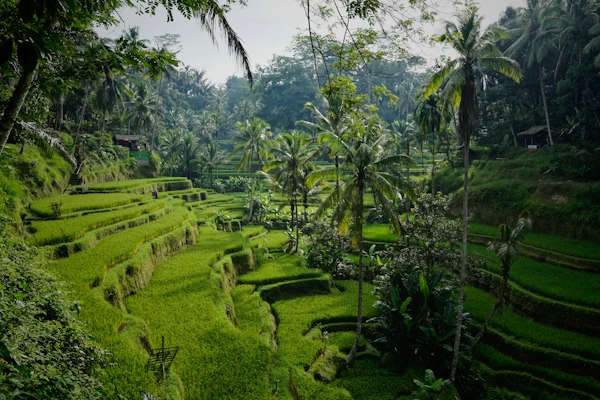
Bayon temple Angkor Thom stone faces Cambodia Khmer smile
Angkor Thom & the Bayon
🏛 12th–13th c. · 9 km² · 216 Stone Faces · Ta Prohm

Angkor Thom (the Great City — the walled capital of the Khmer Empire — 9 km² enclosed by an 8m wall and 100m-wide moat — built under King Jayavarman VII, the greatest builder king of the Khmer Empire, who came to power after the Cham people sacked the previous Khmer capital in 1177 — the city was home to approximately 1 million people at its peak in the 13th century — making it the largest city in the pre-industrial world at that time) contains several of Angkor’s most extraordinary monuments, of which the Bayon is the most immediately distinctive. The Bayon (the state temple of Jayavarman VII — built in the late 12th to early 13th century CE — the 54 towers each carved with four enormous faces (the faces are 2.2m high — the identity of the face is debated: the serene smiling visage is sometimes interpreted as the Bodhisattva Avalokitesvara (the Bodhisattva of compassion), sometimes as a deified portrait of Jayavarman VII himself — the king who converted the empire from Hinduism to Mahayana Buddhism — or as a synthesis of both — the 216 faces gazing in four cardinal directions simultaneously create the specific effect of being observed from every angle as you move through the temple). The South Gate of Angkor Thom (the 23m gate tower flanked by a 54-figure causeway of gods and demons each pulling the body of the cosmic serpent Naga — the same Churning of the Ocean of Milk depicted in Angkor Wat’s bas-reliefs — the figures weathered but extraordinary in their scale and concentration). Ta Prohm (the temple “as it was found” — partially cleared but with the enormous strangler fig (Tetrameles nudiflora — the species specifically) and silk-cotton tree roots deliberately preserved draped over the stone galleries — the roots descending over carved doorways, the stones lifted and split by tree growth over 600 years — the most photographed non-Angkor Wat image of the Angkor complex — used as a filming location for Tomb Raider (2001) — the guide is specifically careful not to over-emphasise the Tomb Raider connection, which undermines the archaeological and botanical significance of a site that is genuinely extraordinary independent of its film history). Preah Khan (the “Sacred Sword” — a further Ta Prohm-like site of overgrown ruins — less visited and arguably more atmospheric — the two-storey columned building (the only two-storey structure in the Angkor complex — its original purpose unknown)).

  • Bayon · 216 stone faces · 2.2m high · Jayavarman VII or Avalokitesvara
  • South Gate · 54 gods + 54 demons · cosmic serpent Naga causeway
  • Ta Prohm · strangler fig roots over stone · deliberately preserved
  • Preah Khan · less visited than Ta Prohm · only two-storey structure at Angkor
  • Angkor Thom · 9km² · 1 million people at peak · largest pre-industrial city
Phnom Penh Cambodia Royal Palace Silver Pagoda Mekong river capital
Phnom Penh
🏠 Royal Palace · National Museum · Tuol Sleng · Mekong

Phnom Penh (the capital — population 2.3 million — at the confluence of the Mekong, the Tonle Sap, and the Bassac rivers — the city the Khmer Rouge evacuated on 17 April 1975 (within hours of entering the city — all 2.5 million residents forced into the countryside — the empty city — one of the most extreme social engineering experiments of the 20th century) and which has since been rebuilt into a functioning, growing, and culturally complex capital) is the city that most Cambodia visitors allocate too little time to — treating it as a transit point between Angkor and the coast rather than as a destination in its own right. The Royal Palace and Silver Pagoda (the royal residence — the Throne Hall, the Napoleon III-gifted pavilion, the Moonlight Pavilion — and the Silver Pagoda (Wat Preah Keo Morokat — the “Pagoda of the Emerald Buddha” — the floor of which is tiled with 5,329 silver tiles weighing approximately 1kg each — 90kg total — the floors partially visible (not all areas walkable for visitors) — the bejewelled Emerald Buddha (actually Baccarat crystal) and the gold Maitreya Buddha studded with 9,584 diamonds (the 25-diamond crown, the diamond on the chest, the multiple neck chains) — the Ramayana mural running around the compound wall (the Cambodian version of the Hindu epic — 641m of painted narrative — the guide walks selected sections)). The National Museum of Cambodia (the terracotta-red French colonial-era building — the finest collection of Khmer sculpture in the world — the statues originally from the Angkor temples — the Jayavarman VII face in the collection (the same serene expression as the Bayon faces — rendered at human scale in the museum rather than 2.2m above your head) is the object that most visitors stand in front of longest). The Tuol Sleng Genocide Museum (S-21) and the Choeung Ek Genocidal Centre (the Killing Fields): these are addressed in the Phnom Penh deep dive section below — they require specific preparation and are treated with the gravity they deserve.

  • Royal Palace · Silver Pagoda · 5,329 silver tiles · 90kg total
  • National Museum · finest Khmer sculpture collection · Jayavarman VII portrait
  • 641m Ramayana mural · Royal Palace compound wall · guide walks selected sections
  • Mekong riverfront · Sisowath Quay · Cambodian BBQ evening
  • Allow 2 days minimum · Phnom Penh is not a transit city
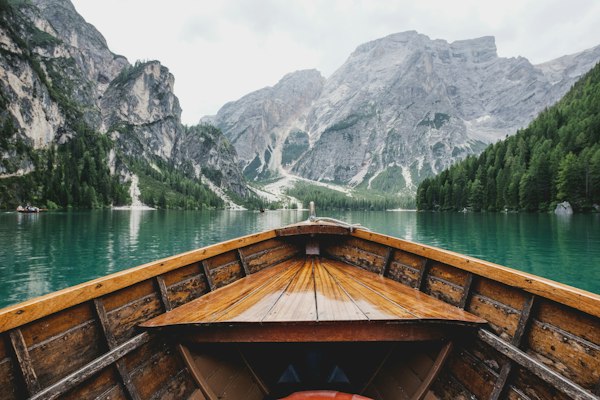
Koh Rong Cambodia island beach palm trees Gulf of Thailand turquoise
Koh Rong & the Islands
🌊 Gulf of Thailand · Bioluminescence · Koh Rong Sanloem

Cambodia’s southern coast (the Gulf of Thailand coastline from Sihanoukville south to the Vietnamese border — the islands accessible by ferry from Sihanoukville) provides the beach component that rounds the standard Cambodia itinerary and extends naturally from Kampot. The principal islands: Koh Rong (the largest island — 78 km² — the Long Beach (7km of white sand on the island’s western side — the longest accessible beach in Cambodia) — village accommodation through boutique resorts — the island has electricity only in specific areas and partial bungalow operations run on generators — this is the correct infrastructure level for the experience — the bioluminescent plankton (Noctiluca scintillans — the marine dinoflagellate that emits cold blue light when disturbed — visible in the water around the island and on the beach in wet sand from approximately August through January — the night swim in bioluminescent water (the guide specifically does not over-describe what this looks like from inside the water — some experiences are not improved by prior description)) and Koh Rong Sanloem (the smaller island 3km from Koh Rong — the Saracen Bay (the protected bay on the island’s east side — the calm water inside the bay (the western Gulf of Thailand swells are blocked by Koh Rong itself — the bay is bathtub-still even when the outer coast has waves — the correct bay for swimming at any skill level) — the boutique resorts (Song Saa Private Island is the most acclaimed — the overwater bungalows — the environmental conservation programme that makes Song Saa’s claims about its environmental impact more credible than most comparable resorts in Southeast Asia) and the backpacker bungalows on the bay’s northern end — both available on the same island)). The ferry from Sihanoukville (the Speed Ferry Cambodia service — 45 minutes to Koh Rong, 30 minutes to Koh Rong Sanloem — multiple departures daily — book the return ticket on arrival at the island).

  • Koh Rong · Long Beach 7km · white sand · bioluminescent plankton (Aug–Jan)
  • Koh Rong Sanloem · Saracen Bay · bathtub calm · boutique to backpacker
  • Bioluminescence night swim · do not over-research this · arrive without expectations
  • 45 min ferry from Sihanoukville · book return ticket on arrival
  • Song Saa Private Island · overwater bungalows · conservation programme

Kampot Cambodia river town French colonial pepper plantation Bokor Hill
Kampot & Kep
🌎 Pepper · French Colonial · Crab · Bokor Mountain

Kampot (the riverside town on the Preaek Tuek Chhu river — the Kampot Province in southwestern Cambodia — 4 hours from Phnom Penh or 1.5 hours from Sihanoukville) is the destination that most experienced Cambodia travellers describe as the country’s most relaxed and most rewarding extended stay — and the town that produces the single agricultural product most widely cited by professional chefs as the finest of its kind in the world. Kampot pepper (the black, red, and white peppercorns grown on the limestone hillsides and river plains of the Kampot Province — Kampot pepper received Protected Geographical Indication status from the European Union in 2016 — the only Cambodian agricultural product with PGI protection — the specific soil composition (the laterite soil of the Elephant Mountain foothills), the microclimate, and the altitude combine to produce a peppercorn with a fruity, complex flavour profile distinctly different from Vietnamese or Malaysian pepper at the same Piper nigrum species — the fresh green pepper on the vine (available in the wet season — June through October — the fresh peppercorn before drying — consumed immediately or preserved in brine — the flavour is herbaceous, bright, and nothing like dried pepper) — the plantation visits available from Kampot — the La Plantation estate (the most visitor-accessible Kampot pepper farm — the guided tour of the growing cycle, the tasting room, the shop)). Kep (the former French colonial seaside resort — 25km from Kampot — the Kep National Park (the forested hill above the town — trails to the summit viewpoint — the butterflies (Kep is one of the most diverse butterfly habitats in Southeast Asia — the Butterfly Garden in the national park documents 160+ species)) and the Kep crab market (the floating market on Kep’s waterfront where the local crab boats offload directly to the restaurants — the Kep blue swimmer crab (Portunus pelagicus) cooked with Kampot green pepper — the defining dish of the province — eaten at one of the waterfront platforms with the crab boiled or stir-fried to order — the combination of the freshest possible crab cooked with the world’s finest pepper 25km away is the most specific food experience available in Cambodia)). Bokor Hill Station (the abandoned French hill station on Bokor Mountain — 1,079m — built 1921–1925 — the ruined Bokor Palace Hotel (the former casino-hotel — the Art Deco building visible through the mountain mist — a building whose ruins are more interesting than its original function — used as the filming location for the 2002 film City of Ghosts)).

  • Kampot pepper · EU PGI · world’s most acclaimed black pepper · La Plantation
  • Kep crab market · blue swimmer + green Kampot pepper · the defining dish
  • Bokor Hill Station · 1,079m · Art Deco ruins in mountain mist
  • River kayak · Kampot waterfront at sunset · the fireflies in the mangroves
  • 4hrs from Phnom Penh · Giant Ibis bus · stay 2–3 nights minimum
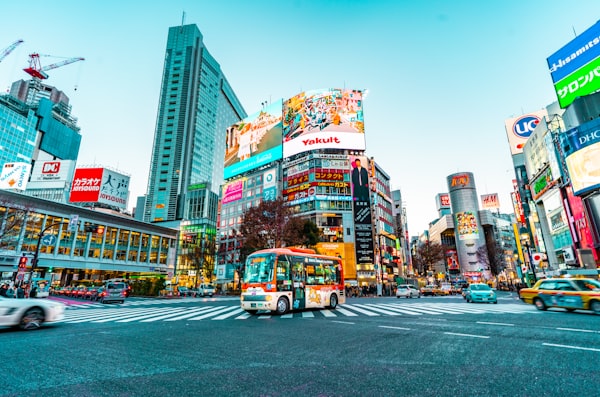
Battambang Cambodia bamboo train norry temple ruins French colonial
Battambang & the Interior
🏭 French Colonial · Bamboo Train · Phare Circus · Rice Country

Battambang (the second-largest city in Cambodia — in the northwest, 3 hours by road from Siem Reap — the most intact French colonial urban centre in Cambodia — the riverside street of French shophouses (the 1920s–1940s architecture — the covered walkways, the shuttered upper floors, the wrought-iron balconies — largely intact because Battambang was less directly affected by the Khmer Rouge era than Phnom Penh) and the Bamboo Train (the nori — the Khmer word for the handmade bamboo platform on a single axle driven by a repurposed motorbike engine — the narrow-gauge railway line originally built by the French — the platform travels at 40–50 km/h along the track — when two platforms meet on the single track, the less-loaded one is dismantled and set aside to let the other pass (the entire dismantling and reassembly takes 90 seconds — this is not presented as a problem but as a solution) — the bamboo train experience connects two points 8km apart and is one of the most specifically Cambodian transportation experiences available). The Phare, the Cambodian Circus (the social circus enterprise operating from Battambang and Siem Reap — the graduates of the Phare Ponleu Selpak arts school — the acrobatics and circus arts programme for at-risk Cambodian youth — the performances (90 minutes, every evening in Siem Reap, several evenings per week in Battambang) integrate Cambodian mythology, contemporary stories, and physical performance in a way that consistently produces standing ovations from audiences who arrived without expectations — the correct Siem Reap evening activity regardless of your interest in circus). The Tonle Sap Lake (accessible from Siem Reap or Battambang — the floating villages (the communities that live year-round on the surface of the lake — on boats, on stilted platforms, on floating platforms — moving with the water level across a 13,000 km² range as the lake expands and contracts seasonally) and the sunset over the lake from the Phnom Krom hill are the most accessible ways to understand the scale of the Tonle Sap).

  • Bamboo train (nori) · 40–50km/h · platform dismantled in 90 seconds to pass
  • French colonial shophouses · most intact in Cambodia · 1920s–1940s
  • Phare Circus · Siem Reap + Battambang · social enterprise · mandatory attendance
  • Tonle Sap Lake · floating villages · 2,500–16,000 km² seasonal range
  • 3hrs from Siem Reap · half day or overnight · combine with lake visit
💡 INSIDER TIP — Banteay Srei — The Temple Most Visitors Underestimate

Banteay Srei (the “Citadel of the Women” or “Citadel of Beauty” — 38km north of Siem Reap — the only significant Angkor-era temple not built by a Khmer king but by a Brahmin scholar-official, Yajnavaraha, in 967 CE — 146 years before Angkor Wat) is the most intricate carved sandstone temple in the Angkor complex and arguably the most beautiful. The scale is the surprise — Banteay Srei is built at approximately 60% of normal human scale (the doorways require crouching, the passages are narrow, the towers low enough to be examined at close range) — which means the carvings (the devata goddesses, the narrative friezes, the kala (the monster face) above each doorway) are seen at a distance that Angkor Wat’s scale does not permit. The rose-pink sandstone of Banteay Srei catches the morning and afternoon light differently from the grey sandstone of Angkor Wat — the 10am and 4pm light on the western facade is the correct photography condition. The temple was famously burgled in 1923 by the young French novelist André Malraux (who removed four devata figures before being arrested in Phnom Penh — the incident that began one of the most remarkable careers in 20th-century French literature (Malraux later became France’s Minister of Cultural Affairs under de Gaulle) — the guide provides the full story). Add Banteay Srei to the Day 2 Angkor circuit — not as an afterthought but as the centrepiece.

Phnom Penh — Understanding Cambodia’s Recent History

Tuol Sleng & the Killing Fields — Visiting with Preparation

The Tuol Sleng Genocide Museum and the Choeung Ek Genocidal Centre are not optional for visitors to Phnom Penh. They are the sites that provide the historical context for everything else Cambodia is. Here is how to visit them correctly.

🏭
Tuol Sleng Genocide Museum (S-21)
Former High School · 1975–1979 · 17,000 Prisoners · 7 Survivors

Tuol Sleng (the Security Prison 21 — the former Tuol Svay Prey High School converted by the Khmer Rouge into a detention and interrogation centre between 1975 and 1979 — in the years between the fall of Phnom Penh (17 April 1975) and the Vietnamese liberation of the city (7 January 1979) approximately 17,000 people were imprisoned here — only 7 survived the entire period. The prison was discovered by Vietnamese soldiers and Cambodian journalists on 7 January 1979 — the bodies of the last 14 prisoners were found in the cells — the photographs taken that day are in the museum. The Khmer Rouge’s systematic documentation of their prisoners (every prisoner photographed on entry — the photographs preserved and now displayed — the faces looking directly at the camera) is what makes Tuol Sleng different from other genocide sites: the victims are known, photographed, and face you directly. How to visit: allow 2–3 hours. The audio guide is essential — it includes testimony from survivors (Chum Mey and Bou Meng, two of the seven survivors — both were kept alive because of skills useful to the prison administration: one a mechanic, one a painter). The buildings are largely as they were found in 1979. The guide is available to walk the compound separately — the guide’s role is to provide historical context for what the prisoner photographs and the instruments visible in the cells represent within the broader history of the Khmer Rouge period. Children under 10 are not recommended for the visit.

🌍
Choeung Ek — the Killing Fields
15km from Phnom Penh · Memorial Stupa · 8,985 remains

Choeung Ek (the genocidal centre — 15km southwest of Phnom Penh — one of approximately 20,000 sites across Cambodia where Khmer Rouge victims were executed and buried — between 1975 and 1979 approximately 17,000 people were brought from Tuol Sleng and other prisons to Choeung Ek and killed — the bodies buried in 129 mass graves covering the site — 86 of the graves have been excavated — 8,985 remains recovered — the remaining graves left undisturbed out of respect). The Memorial Stupa (the 17-storey Buddhist stupa at the centre of the site containing 5,000 skulls arranged by age and sex — the skulls the basis of the forensic evidence used in the Khmer Rouge tribunals (the Extraordinary Chambers in the Courts of Cambodia — the international tribunal that began in 2006 and produced its first conviction in 2010 — the trial of Nuon Chea (the Khmer Rouge’s chief ideologist, known as “Brother Number Two”) and Khieu Samphan (the Khmer Rouge head of state) produced convictions for crimes against humanity and genocide in 2018 — both died in custody)). The visit sequence: Choeung Ek is typically visited after Tuol Sleng on the same day — the sequence from the prison to the execution site is historically accurate and narratively complete. The audio guide (included in entry) includes music, ambient sound, and survivor testimony that frames the site without over-narrating it — the guide recommends allowing 90 minutes at Choeung Ek and eating a substantial meal before, not after, the visit.

👤
The Historical Context
1975–1979 · 1.5–2 Million Deaths · 25% of Population

The Khmer Rouge (the Communist Party of Kampuchea — led by Saloth Sar (known as Pol Pot) — came to power on 17 April 1975 after defeating the US-backed Lon Nol government in a civil war (1970–1975)) enacted the most extreme social revolution of the 20th century in the 3 years, 8 months, and 20 days of their rule. The urban populations were forcibly evacuated into the countryside to work as agricultural labourers (Year Zero — the Khmer Rouge’s vision of restarting Cambodian society from the beginning). Money, markets, religion, and schools were abolished. The professional classes (doctors, teachers, lawyers, people who wore glasses — because glasses implied literacy — people who spoke a foreign language) were systematically targeted. An estimated 1.5–2 million people died from execution, starvation, disease, and forced labour between 1975 and 1979 — approximately 25% of Cambodia’s entire population at the time. The survivors: the majority of Cambodia’s population today was alive during the Khmer Rouge period or is the direct child of survivors. This is not distant history in Cambodia — it is a living memory. The Cambodians who show visitors through Tuol Sleng, who drive tuk-tuks in Siem Reap, who cook at Phnom Penh restaurants — many of them lost parents, grandparents, or siblings in the genocide. Visiting these sites with the appropriate seriousness is an act of respect toward every Cambodian you meet during your trip.

🏡
Phnom Penh Today — The Other Side
Sisowath Quay · Food Scene · Art · Coffee Culture

Phnom Penh in 2026 is a city that has been rebuilt — physically, economically, and culturally — and is doing so with considerable energy. The Sisowath Quay (the riverfront promenade along the Tonle Sap — the restaurants, the cafes, the Cambodian barbecue stands at dusk — the sunset over the junction of the Mekong and the Tonle Sap (the Chaktomuk — the “four faces” — the confluence visible from the Quay — the exact point where Mekong, Tonle Sap, and Bassac rivers meet)). The Psah Thmei (Central Market) (the Art Deco central market building — the yellow dome visible from multiple blocks — built 1937 — the stalls inside: Cambodian gold jewellery, silk, watches, dried goods — the market as a functioning daily commercial space rather than a tourist market — the breakfast stalls in the outer ring at 7am serving bai sach chrouk (pork and rice — the Phnom Penh breakfast standard)). The contemporary art scene (the Meta House (German-Cambodian cultural centre — the film screenings, the exhibitions, the rooftop bar — the most useful introduction to contemporary Cambodian culture for international visitors), the Factory Phnom Penh, and the Sa Sa Art Projects). The coffee culture (the Cambodian robusta coffee, grown in the Mondulkiri and Ratanakiri highlands — the Phnom Penh third-wave coffee scene is small but serious — the Roastery and Brown Coffee are the correct starting points).

What Cambodia Asks of Its Visitors

Cambodia asks visitors to hold two things at the same time. The first is the Khmer Empire’s architectural achievement — the largest religious monument ever built, the most intricate carved stone temple in Asia, the 12th-century hydraulic engineering system (the Angkor baray reservoirs — 8km × 2.1km — the largest man-made water reservoir in the pre-industrial world) that sustained a city of 1 million people in a tropical environment. The second is what happened between 1975 and 1979. Both are Cambodia. Neither can be fully appreciated without the other. Visitors who see only Angkor see a remarkable ruin. Visitors who understand the full arc of Cambodian history — from the Khmer Empire’s height to the French protectorate, the civil war, the Khmer Rouge, and the rebuilding of the country since 1979 — see something that requires no category.

“The Bayon at 7am, after the sunrise crowd from Angkor Wat has moved through and before the tour buses arrive. Just the 216 faces looking down from every angle simultaneously, and the guide standing quietly until you have counted enough of them to understand that you cannot count them. The stones are 800 years old and still being looked at. That is what the Khmer Empire left.”

The Cambodian people are the most often cited reason that visitors return — a consistency of warmth that is sometimes described as surprising given what the country has been through and that Cambodians themselves sometimes address directly: “We choose not to live in the past,” is the formulation one guide uses. Cambodia is not a country that needs the visitor’s pity. It needs the visitor’s attention — and it rewards that attention with an experience that is unlike anywhere else in Southeast Asia.

Cambodian Food — The Khmer Table

What to Eat in Cambodia

Cambodian cuisine is the least internationally known of the mainland Southeast Asian food cultures — and the most consistently surprising to visitors who arrive expecting a lesser version of Thai or Vietnamese food.

🍲
Fish Amok — The National Dish
🏩 Khmer · steamed coconut curry · banana leaf

Fish amok (amok trey — the dish most consistently identified by Cambodians as their national food — a mousse-like curry preparation unique to Cambodian cuisine) is the dish that most confounds visitors who expect the word “curry” to mean what it means in Thai or Indian cooking. Amok is a steaming method: the fish (freshwater Mekong catfish — or chicken or tofu in non-fish versions) is marinated in kroeung (a Khmer spice paste — galangal, lemongrass, kaffir lime leaves, turmeric, garlic, and shallots blended with coconut cream) then beaten with egg to create a specific airy, mousse-like consistency (the eggs are what distinguish amok from a standard curry — the protein sets the mousse) and steamed in a banana leaf cup. The result is firm but yielding, aromatic but mild — the kroeung paste is the flavour spine of Khmer cuisine in the same way that mirepoix is the spine of French cuisine — and the mousse texture is specific to the Cambodian steaming tradition. The Viroth’s Restaurant and Marum in Siem Reap serve the most respected versions available to international visitors in a restaurant setting. The home cooking version (available at the markets — the local equivalent of a street food stall — sold from the banana leaf cup — USD$1.50) is different in texture and better in flavour.

🍝
Lok Lak — The Every Day Dish
🏩 Khmer · French influence · wok-fried beef · lime + pepper

Lok lak (the wok-fried marinated beef cubes — the dish available at virtually every restaurant in Cambodia from the cheapest local eatery to the hotel dining room) is the Cambodian dish that most demonstrates the French colonial influence on Khmer cooking — the beef, the fried egg on top, the butter-enriched sauce, and the accompanying French bread (baguette — Cambodia’s French baguette tradition is the best in mainland Southeast Asia and arguably rivals any in the region — the Phnom Penh morning market baguettes at 6am are a specific and correct reason to wake early). The specific Cambodian element of lok lak: the dipping sauce — the lime juice, salt, and Kampot black pepper sauce that accompanies the beef. The Kampot pepper in this context (fresh-ground, not pre-ground — the difference is substantial) is the dish’s defining element. The full lok lak experience: beef lok lak at a Phnom Penh riverside restaurant (USD$5–8) with the fried egg on top, the Kampot pepper dipping sauce, and the sliced cucumber and tomato alongside — a 10-minute lunch that most visitors order again the next day without instruction.

🍣
Nom Banh Chok — The Cambodian Breakfast
🏩 Khmer · rice noodles · fish-based green curry broth · 5–7am

Nom banh chok (the “Khmer noodles” — the breakfast dish of Cambodia — the dish that most Cambodians eat before 7am and that most tourists in Siem Reap miss because they sleep through it) is the correct lens through which to understand what Cambodian food is when it is not performing for tourists. The preparation: fresh rice vermicelli (made daily from rice soaked overnight and ground, then extruded through a sieve — the freshness is the difference between nom banh chok and dried rice noodles — the texture is specifically silky and slightly resistant in a way that commercial dried noodles cannot replicate) placed in a bowl and topped with a fish-based green curry broth (the broth made from freshwater fish, lemongrass, turmeric, and galangal — the colour is specifically grass-green from the lemongrass — the consistency thin and aromatic rather than rich and coconut-heavy), then scattered with whatever fresh herbs and vegetables the vendor provides: banana blossom, bean sprouts, mint, cucumber, long beans, and sometimes a spoon of prahok (the fermented fish paste — the Khmer equivalent of fish sauce — the backbone flavour of Cambodian cooking — strong, funky, irreplaceable — an acquired characteristic that most visitors acquire on Day 2). Find nom banh chok at the Siem Reap Old Market at 6am. A bowl costs USD$1–1.50. The guide will be there already.

🍣
Kep Crab with Green Kampot Pepper
🏩 Kep province · Portunus pelagicus · the defining dish

Kep crab with green Kampot pepper (the dish whose specific combination — the freshest possible blue swimmer crab from the Gulf of Thailand + the world’s most acclaimed pepper 25km away from the crab’s boat — is available only in a 25km radius of Kep and is the single most site-specific food experience in Cambodia) is not a dish that can be adequately described without the ingredient proximity context. The blue swimmer crab (Portunus pelagicus — the same species available in Australian seafood markets but caught differently — the Kep crab boats bring their catch directly to the floating platforms at the Kep crab market — the crabs alive in caged traps in the water — you point to the cage and the crab is cooked to order — the wait is 15 minutes) is cooked either steamed and served with the green pepper dipping sauce (the fresh Kampot peppercorns on the vine — the herbaceous, bright flavour of a peppercorn before it has been dried — the flavour difference from dried black pepper is the same as the difference between fresh tomato and sun-dried tomato) or stir-fried with the peppercorns in butter, garlic, and oyster sauce. The meal costs approximately USD$8–12 per person. The guide eats here every time he brings a group to Kep. He orders for the table. The order is always the same.

🍯
Bai Sach Chrouk — Phnom Penh Breakfast
🏩 Phnom Penh · pork + rice · 6–9am · USD$1.50

Bai sach chrouk (grilled pork and rice — the Phnom Penh breakfast — pork marinated in coconut milk and garlic and grilled over charcoal, served over rice with a light broth, fresh cucumber, pickled vegetables, and a cup of sweetened soy milk) is available from the mobile carts that set up outside markets and at street corners in Phnom Penh and Siem Reap from approximately 6am and usually sell out by 9am. The correct bai sach chrouk: the pork slightly caramelised at the edges from the coconut milk’s sugar, the rice fresh-cooked and not sitting in a pot, the broth light and clear, the pickles sharp enough to cut through the richness. Price: USD$1.50–2.00. The meal that most visitors to Cambodia describe as their most-missed food after returning home — not because it is complicated or exotic but because it is exactly what it is, every morning, made by someone who has made exactly this dish for 20 years and will make it tomorrow for the same price. The cart near the Central Market in Phnom Penh at 7am is the one the guide recommends. It will not have a sign.

🍦
Cambodian Street Food Culture
🏩 Num pang · grilled corn · banana fritters · night market

Num pang (the Cambodian baguette sandwich — the French baguette filled with pork paté, cold cuts, fresh cucumber, coriander, carrot and daikon pickle, chilli, and mayonnaise — the Cambodian banh mi — the specific Cambodian version distinguished by a slightly sweeter pork paté and a more aggressive pickle-to-meat ratio than the Vietnamese version — available from street stalls throughout Phnom Penh and Siem Reap from 6am — USD$1–2) is the portable breakfast and lunch of Cambodia. Grilled corn (the roadside corn (Zea mays — the Cambodian variety — smaller kernels, starchier than Australian sweet corn, grilled directly over charcoal and brushed with butter and salt — USD$0.50 — the standard buy at the Siem Reap night market — eaten walking)). Banana fritters (chek ktiss — the whole banana coated in a batter of rice flour, coconut cream, and sesame seeds and deep-fried until the exterior is shatteringly crisp and the banana inside has collapsed into caramel — USD$0.50 per stick — the street food that most visitors eat for the first time by accident and then cannot stop ordering). The Siem Reap Night Market (the evening market — the correct sequence: num pang at 6pm (dinner has not started), Phare Circus at 8pm, return to the night market at 10pm for banana fritters and sweetened condensed milk coffee (the iced coffee with the condensed milk pooled at the bottom — USD$1.50 — the guide stirs it tableside to demonstrate the correct ratio)).

9 Curated Experiences

Cambodia Tours from Australia

From a 3-day Angkor focus to the full 12-day Cambodia circuit — all bookable through Cooee Tours.

🏛 Angkor · 3 Days
Angkor Temple Circuit — 3 Days Expert Guided
⏱ 3 days / 2 nights · Siem Reap★ 5.0(3,240 reviews)

The Angkor complex across 3 days — the correct time to see it properly without the sensation of racing through 1,000 years of civilisation. Day 1: 5am Angkor Wat sunrise (reflection pool — left side — the guide positions the group before the light arrives — the 800m bas-reliefs with the Churning of the Ocean of Milk panel explained in full). Day 2: Angkor Thom (South Gate — Bayon (the 216 faces — the guide names the key faces and their directional significance — the Terrace of the Elephants — the Terrace of the Leper King)), Ta Prohm (the strangler figs — the botanical and archaeological explanation of the root system), Preah Khan. Day 3: Banteay Srei (the rose-pink sandstone — the Malraux theft story — the sub-human-scale doorways and their consequence for carved detail — the 10am light on the western facade). Nom banh chok breakfast at the market each morning at 6am before temple entry. Phare Circus evening Day 2 (included). 3-day Angkor Pass (USD$62) included.

Includes
3-day Angkor Pass (USD$62)Expert Khmer archaeology guideSunrise reflection pool positioningPhare Circus eveningDaily tuk-tuk transfers
🏠 Phnom Penh · 2 Days
Phnom Penh — History, Palace & Riverfront
⏱ 2 days / 1 night★ 5.0(1,840 reviews)

Phnom Penh structured for both the historical depth and the living city. Day 1 morning: Royal Palace and Silver Pagoda (the 5,329 silver floor tiles — the guide walks the Ramayana mural (selected sections of the 641m painting)) — National Museum (the Jayavarman VII portrait — the best Khmer sculpture collection in the world — allow 90 minutes — the guide identifies the statues that were moved from specific Angkor temples during the French protectorate period). Day 1 afternoon: Tuol Sleng Genocide Museum S-21 (audio guide included — 2.5 hours — the guide is present for historical context but not for narration — the audio is the primary guide). Day 2 morning: Choeung Ek Genocidal Centre (the Killing Fields — 1.5 hours — audio guide included — the memorial stupa — the mass grave excavation sites). Day 2 afternoon: Central Market (Psah Thmei — the 1937 Art Deco dome — the bai sach chrouk stalls in the outer ring (if morning)), Sisowath Quay riverside (the sunset over the Tonle Sap–Mekong confluence — the Cambodian BBQ for dinner — the live Apsara dance performance).

Includes
1 night Phnom Penh hotelRoyal Palace + Silver PagodaNational Museum guidedTuol Sleng + Choeung Ek (audio guides)Apsara dance evening
🌊 Koh Rong · 3 Nights
Koh Rong Sanloem — Island Escape
⏱ 3 nights · Koh Rong Sanloem★ 4.9(1,280 reviews)

Koh Rong Sanloem — the smaller, calmer, and more boutique-accessible island — for 3 nights. The ferry from Sihanoukville (30 minutes — the guide arranges timing around the bus from Phnom Penh or Kampot). Saracen Bay (the east-side protected bay — the guide explains why this specific bay is calm when the outer coast has waves — the bathtub-still water, the white sand, the hammocks). Day 1: arrive, swimming, snorkelling from the beach (the reef off the bay’s southern headland — the coral system — bring a reef-safe sunscreen — the guide is specific about this — Zinc oxide only). Day 2: full island day — the jungle trail to M’pai Bay on the island’s west side (2.5hrs return — the guide leads — the M’pai fishing village — the boat back). Night swim in the bioluminescence (August–January — the plankton is active — the guide specifically does not describe what this looks like until you are in the water). Day 3: kayaking around the island headlands. Return to Sihanoukville and onward.

Includes
3 nights Saracen Bay accommodationFerry Sihanoukville returnM’pai Bay jungle trail guidedBioluminescence night swim (seasonal)Kayak half-day
🌎 Kampot · 3 Days
Kampot Pepper & Kep Crab — 3 Days
⏱ 3 days / 2 nights · Kampot★ 5.0(980 reviews)

Kampot — the town most Cambodia veterans describe as the country’s most rewarding extended stay — and the region that produces the world’s most acclaimed pepper. Day 1: arrive Kampot (4hrs from Phnom Penh via Giant Ibis bus — USD$15 — the guide meets at the bus stop). River kayak at sunset (the fireflies in the mangroves on the Kampot river — the guide times the departure for the 6pm light — the fireflies visible from approximately 7pm — the kayak is paddled in near-silence — the fireflies are not a metaphor). Day 2: La Plantation pepper estate (the guided tour — black, red, white, and fresh green pepper on the vine — the tasting room — the PGI explanation — the shopping — the guide recommends what to bring home and how to pack it). Kep crab market for lunch (25km — the crab cage pointed at — the wait — the crab with green Kampot pepper — the correct meal). Bokor Hill Station afternoon (the 1921 French hill station ruins in the mist — the Art Deco Bokor Palace Hotel). Day 3: Kep National Park butterfly morning, return Phnom Penh.

Includes
2 nights Kampot guesthouseLa Plantation pepper tourKep crab market lunchSunset river kayak + firefliesBokor Hill Station
🌓 Sunrise · Banteay Srei
Angkor Sunrise & Banteay Srei — Full Day
⏱ Full day from Siem Reap★ 5.0(2,480 reviews)

The best single day at Angkor — optimised for both the most iconic and the most overlooked temples. 4:45am tuk-tuk departure (the guide has seen the sunrise at Angkor Wat over 400 times — the left-side reflection pool position is not a suggestion — it is the only position that produces the symmetric reflection of all five towers). Sunrise at Angkor Wat (5:15–6:30am — the pool, the light, the towers). 7am: the 800m bas-reliefs (the guide walks the Churning of the Ocean panel — 49m — each figure identified — the Suryavarman II portrait panel). Nom banh chok breakfast near the Angkor Wat ticket office (7:30am — USD$1.50 — essential). 9am: Bayon (the 216 faces — the guide spends 45 minutes — not 15). Ta Prohm (the strangler figs — the botanical explanation first, then the photography). Midday break at the hotel. 2:30pm: Banteay Srei (the 38km drive — the rose-pink sandstone in the afternoon light — the Malraux story — the scale surprise — the guide allows 90 minutes). Return Siem Reap 5:30pm. 1-day Angkor Pass (USD$37) included.

Includes
1-day Angkor Pass (USD$37)4:45am tuk-tuk pickupSunrise reflection pool positioningBanteay Srei (rose sandstone)Nom banh chok breakfast
🏭 Tonle Sap · Floating Villages
Tonle Sap Lake — Floating Village Boat Tour
⏱ Half day from Siem Reap★ 4.9(1,680 reviews)

The Tonle Sap Lake — the largest freshwater lake in Southeast Asia — and the floating villages whose populations live year-round on the water. The afternoon departure (2pm — the 30-minute drive to the lake at Chong Kneas — the transition from the road to the floating village channel is the moment the scale of the seasonal water world becomes apparent). The boat through the floating village (the guide explains the seasonal mechanics of the Tonle Sap (the lake reverses its flow direction twice a year — in the wet season the Mekong backs up into the Tonle Sap, raising the water level from 2,500 km² to 16,000 km² — the floating communities move with the waterline — the concept of property boundaries in this context — the guide addresses the ethical complexity of the tourism directly)). The lake at sunset (the Phnom Krom hill above the lake — the 9th-century pre-Angkor temples on the hill — the 360-degree view of the lake from the summit at the moment the sun reaches the water — the flooded forest in the wet season visible as a canopy above the waterline).

Includes
Transport Siem Reap–Chong KneasBoat through floating villagePhnom Krom sunset climbLake sunset viewingSeasonal context briefing
🏭 Battambang · 2 Days
Battambang — Bamboo Train & Phare Circus
⏱ 2 days / 1 night · Battambang★ 4.9(840 reviews)

Battambang — the most intact French colonial city in Cambodia — on the route between Siem Reap and Phnom Penh or as a standalone day trip. Day 1: the bamboo train (nori — the 8km railway journey — the 40–50km/h platform on the French-built narrow-gauge track — the 90-second dismantling when two platforms meet — the rice paddy landscape on both sides — the guide on the front of the platform pointing out the egrets (the cattle egret follows the water buffalo through the fields — the relationship between bird and buffalo (the egret eats the insects disturbed by the buffalo’s hooves — mutualism) is one of those small biological facts that the landscape makes visible)). The French colonial shophouse street (the riverside — the 1920s–1940s architecture — the guided walk). Wat Banan (the Angkor-era hilltop temple 22km south — 358 steps — the five towers — the view of the rice paddies). Evening: Phare Ponleu Selpak arts school circus performance (the Battambang home of the social circus — the smaller, more intimate venue than Siem Reap — available Wednesday and Saturday evenings — USD$18).

Includes
1 night Battambang hotelBamboo train (nori)French colonial walking tourWat Banan 358-step templePhare Circus (Wed or Sat)
🏭 Phare Circus · Siem Reap
Phare, The Cambodian Circus — Evening Performance
⏱ Evening · Siem Reap · nightly★ 5.0(3,840 reviews)

Phare, the Cambodian Circus — the social enterprise performing arts company whose graduates trained at the Phare Ponleu Selpak arts school in Battambang — performs nightly at the Phare Big Top in Siem Reap (Route 6, adjacent to the airport road). The performance (approximately 60 minutes — no intermission — original production integrating acrobatics, juggling, contemporary dance, music (original score — the musicians on stage throughout), and Cambodian narrative — the stories drawn from Cambodian mythology and contemporary Cambodian experience). The specific show changes seasonally — Phare operates multiple productions in rotation — the guide confirms which production is running and briefs the group on the narrative beforehand. The artistic standard (the Phare performers have trained from approximately age 6 — the physical technique is at an international circus standard — the thematic depth is what distinguishes Phare from comparable acrobatic shows in Southeast Asia — the integration of Cambodian history and identity into a circus arts format is the most sustained successful example of artistic reconstruction in Southeast Asia). Tickets from USD$18 to USD$40 (the premium tier includes a pre-show dinner). Book at pharecirucs.com — sells out in peak season (November–February).

Includes
Phare performance ticket (standard)Pre-show narrative briefingTransfer to Big Top + returnSocial enterprise contextPost-show meet performer option
🇰🇭 Cambodia · 12-Day Grand
Cambodia Grand Circuit — 12 Days
⏱ 12 days · Angkor + Phnom Penh + Coast + Kampot★ 5.0(720 reviews)

The complete Cambodia in 12 days. Days 1–4: Siem Reap (Angkor Wat sunrise Day 1 · 800m bas-reliefs · Bayon 216 faces · Ta Prohm strangler figs Day 2 · Banteay Srei (rose sandstone, Malraux story) + Preah Khan Day 3 · Tonle Sap floating village + Phnom Krom sunset Day 4). Phare Circus evening Days 2 or 3. Days 5–6: Battambang (bamboo train · French colonial · Wat Banan · bat cave at Phnom Sampeau · Phare Battambang performance). Fly or bus Phnom Penh Day 6. Days 7–8: Phnom Penh (Royal Palace + Silver Pagoda · National Museum Day 7 · Tuol Sleng + Choeung Ek Day 8 (audio guides · full morning + afternoon) · Sisowath Quay sunset · Cambodian BBQ). Days 9–10: Kampot (river kayak + fireflies · La Plantation pepper · Kep crab market). Days 11–12: Koh Rong Sanloem (ferry from Sihanoukville · Saracen Bay · bioluminescence if August–January · jungle trail to M’pai Bay). Fly home from Phnom Penh. All 11 nights · all Angkor Passes · all entry fees.

Includes
11 nights all accommodation3-day Angkor Pass (USD$62)Phare Circus Siem ReapTuol Sleng + Choeung Ek (audio)Koh Rong Sanloem ferry + 2 nights
When to Go

Cambodia’s Seasons — Two Very Different Countries

The dry season and the wet season in Cambodia are not simply “better” and “worse” weather — they are genuinely different travel experiences.

Dry Season — November to May
Nov – May · Dry · Cool to Hot · Best for Angkor

November through February is the consensus best window for Cambodia. The monsoon has ended, the temperatures are manageable (25–32°C — warm but not the punishing heat of April–May), and the tourist infrastructure is at its most operational. November–December: the residual green from the wet season remains in the landscape — the temples surrounded by jungle in its densest state, the moats at Angkor full, the countryside intensely green. The Water Festival (Bon Om Touk — typically November — the celebration of the reversal of the Tonle Sap River’s flow — the boat races on the river in Phnom Penh — one of the most significant Cambodian festivals). January–February: peak season — the most visitors, the best weather, the highest accommodation prices. Book Angkor sunrise positions, Phare Circus tickets, and accommodation 3–6 months ahead. March–May: increasingly hot (35–40°C by April) — the 5am Angkor sunrise start is no longer a preference but a survival mechanism — the temples at 11am are genuinely unpleasant. The Khmer New Year (Khmer New Year — 13–15 April — the most important Cambodian holiday — the country largely closes — avoid travelling on 13–14 April).

🌧
Wet Season — June to October
Jun – Oct · Rain · Green · Fewer Tourists · Bioluminescence

June through October is the wet season — and a genuinely different Cambodia. The rain (the monsoon — typically afternoon showers of 1–3 hours rather than all-day rain — the mornings are often clear — the temples can be explored 6–11am before the rain arrives in most of the wet season) produces a landscape of extraordinary green. The Tonle Sap Lake at its maximum extent (June–November — the flooded forest visible — the floating villages in their expanded locations — the boat to the villages moves through submerged trees). The specific wet-season advantages: the bioluminescent plankton on the islands (Koh Rong and Koh Rong Sanloem — August through January — the activity peaks in the wet season), the fresh green Kampot pepper on the vine (June–October — the only season for fresh green peppercorn consumption), and significantly fewer tourists at Angkor (the 6am Treasury sunrise with 5 people rather than 20 — the Bayon in September without a tour group in sight). The wet season concession: the roads to outlying temples can flood, some rural roads become impassable, and the mosquito population is higher — DEET-rated repellent is non-optional in June–October.

🏛
Angkor Timing — Whatever the Season
Sunrise: 5am · Best light 5–9am + 3–5pm

The single most important timing rule at Angkor: visit before 9am and after 3pm — regardless of season. The midday heat (November–February: 28–33°C at midday — April: 38–40°C) combined with the crowd peak (the tour buses from Siem Reap arrive from 9am and the cruise-ship day-trippers arrive from 10am) makes the 10am–2pm window the worst time at Angkor in any metric. The correct Angkor day: 5am sunrise at Angkor Wat, temples until 10am, hotel rest + pool from 10am–2pm, temples again from 2pm (the afternoon light on the west-facing bas-reliefs at Angkor Wat and on the rose-pink sandstone at Banteay Srei is specifically better than morning light for photography and general visual experience). The Angkor Pass (USD$37 — USD$62 for 3 days — non-consecutive — which means you can use one day for the sunrise and the full morning, take the afternoon off, and use the second day count the following morning) is the correct approach for 2–3 day passes.

🍲
Food Seasonality in Cambodia
Mango (Mar–May) · Green pepper (Jun–Oct) · Crab (year-round)

Cambodia’s food is seasonal in specific ways that affect what is available at its best. Mango season (March–May — the Cambodian mango (khmer keo — the green-when-ripe variety — the flavour a combination of mango and citrus — the thin skin edible — the flesh denser than Australian varieties — eaten green with salt and chilli or ripe with sticky rice and coconut milk)). Fresh green Kampot pepper (June–October — the fresh peppercorn on the vine — available only in the wet season — the flavour categorically different from dried pepper). Nom banh chok (year-round but the broth is seasonally adjusted — the dry-season version lighter, the wet-season version richer as a warming measure). Kep crab (year-round — the blue swimmer crab is not specifically seasonal — but November–January produces the largest specimens — the guide knows who to ask at the market). Durian season (June–August — the Cambodian durian (Mon Thong variety) from the Kampot and Koh Kong highland orchards — the guide eats durian — whether you do is a personal decision and the guide has learned not to make it for you).

Before You Go

Planning Your Cambodia Trip

Getting to Cambodia
Sydney to Siem Reap (SAI — the new Siem Reap Angkor International Airport, 50km from city, opened October 2023) via Bangkok (Thai Airways or Bangkok Airways — 8–10 hours total) or Kuala Lumpur (AirAsia or Malaysia Airlines — 9–11 hours). Sydney to Phnom Penh (PNH) via Bangkok or Singapore (8–10 hours). The new SAI airport is significantly further from Siem Reap city centre than the old airport (50km vs 7km) — the transfer takes 45–60 minutes and costs USD$15–30 by taxi or shared shuttle. Book the airport transfer in advance through your hotel. Cambodia Angkor Air and Lanmei Airlines operate domestic flights between Phnom Penh and Siem Reap (45 min — USD$60–120).
🏛
The Angkor Pass
Purchased at the Angkor Enterprise ticket office on the road to the temples (not online — there is no legitimate online purchase for the Angkor Pass as of 2026 — any third-party online seller is not authorised). The ticket office opens at 5am for the sunrise. Your photograph is taken at the time of purchase — the pass is photo-ID validated at each temple gate. The 3-day pass (USD$62) is non-consecutive — you can use Day 1 on Monday, Day 2 on Wednesday, Day 3 on Saturday — the days do not need to be sequential. The 7-day pass (USD$72) is similarly non-consecutive — the best value if you are in Siem Reap for a week. Do not try to enter without a valid pass — the gates are staffed and the validation system is effective.
🏠
Health & Safety
Malaria: Cambodia has malaria risk in rural and forested areas, but the main tourist areas (Siem Reap, Phnom Penh, Sihanoukville) are considered low risk. Consult your GP for current advice — antimalarial prophylaxis may be recommended for rural travel (Kampot forests, Mondulkiri highlands). Dengue fever: present year-round, no vaccine for most travellers, mosquito avoidance the only protection — DEET (30%+) rated repellent is essential June–October. Drinking water: do not drink tap water — filtered or bottled water only — your hotel provides filtered water. Food safety: eat hot food hot — the nom banh chok at the market and the bai sach chrouk carts are safe if the food is freshly cooked — avoid the cold displays at buffets. Unexploded ordnance (UXO): present in rural areas outside the major tourist zones — stay on marked paths in forested areas and follow guide directions strictly.
👓
Culture & Etiquette
Dress modestly at temples — covered shoulders and knees required at all Angkor temples and at Phnom Penh’s Royal Palace (sarongs available at some temple gates — USD$1 — always carry your own). Remove shoes before entering temple shrines and pagodas (the guide will indicate). The Cambodian greeting (the sampeah — the hands pressed together at chest height with a slight bow — used for greeting monks (hands above the forehead level), elders (forehead), peers (chin), and children (chest)) is appreciated when used correctly but not required — a smile and a nod are always understood. Photographing monks: permitted in most contexts but ask before photographing a monk at close range — the guide will facilitate. Never touch a monk (particularly for women — monks observe strict non-contact rules with women). Do not buy souvenirs that appear to be authentic antiques — the export of genuine Khmer artefacts is illegal and customs in Australia enforces this.
Day by Day

Cambodia Itineraries

Three structures — from the 5-day Angkor and Phnom Penh focus to the full 12-day country circuit.

⌛ 5 Days · Siem Reap + Phnom Penh
The Essential Cambodia
Angkor Sunrise · Bayon · History · Riverfront
Day 1
Arrive Siem Reap. Airport transfer. Afternoon: Old Market orientation walk (tuk-tuk briefing · local restaurant for fish amok · the Phare Circus check for tonight’s show). Evening Phare Circus (USD$18 · 60 minutes · mandatory).
Day 2
Angkor Sunrise + Inner Circuit. 4:45am tuk-tuk · Angkor Wat left reflection pool (5:15am) · 800m bas-reliefs (the guide explains the Churning of the Ocean of Milk · 49m panel) · nom banh chok breakfast · Bayon (216 faces · 45 minutes minimum) · Ta Prohm (strangler figs). Hotel rest 11am–2pm.
Day 3
Banteay Srei + Outer Circuit. Morning: Preah Khan · Neak Pean (the island temple · the baray reservoir). Afternoon 2:30pm: Banteay Srei (rose-pink sandstone · the Malraux theft story · the 10am or 2:30pm light on the facade). Fly Siem Reap–Phnom Penh (45 min).
Day 4
Phnom Penh History Day. Royal Palace + Silver Pagoda (5,329 tiles · the Ramayana mural). National Museum (Jayavarman VII portrait). Tuol Sleng Genocide Museum S-21 (audio guide · 2.5 hrs · the 7 survivors). Sisowath Quay sunset. Cambodian BBQ dinner.
Day 5
Choeung Ek + fly. Choeung Ek (the Killing Fields · 1.5 hrs · memorial stupa · the mass grave sites). Central Market (bai sach chrouk at the outer stalls · the 1937 Art Deco dome). Fly home from PNH.
Book This Itinerary →
⌛ 8 Days · Temples + Coast
Angkor, Phnom Penh & Islands
Sunrise · History · Koh Rong · Bioluminescence
Days 1–3
Siem Reap + Angkor. Day 1: Phare Circus evening. Day 2: 4:45am sunrise · Bayon · Ta Prohm · nom banh chok. Day 3: Banteay Srei · Tonle Sap floating village + Phnom Krom sunset. Fly Phnom Penh.
Days 4–5
Phnom Penh. Royal Palace + National Museum Day 4. Tuol Sleng + Choeung Ek Day 5 (audio guides · full day · the historical context that makes Cambodia comprehensible). Sisowath Quay · sunset confluence view.
Day 6
Kampot. Giant Ibis bus from Phnom Penh (3hrs · USD$15). Arrive afternoon. River kayak at sunset (fireflies in the mangroves at 7pm · paddle quietly). La Plantation for dinner (the pepper tasting before the meal · the guide’s selection).
Days 7–8
Kep crab + Koh Rong Sanloem. Day 7 morning: Kep crab market (the crab · the green Kampot pepper · the correct meal). Ferry Sihanoukville–Koh Rong Sanloem afternoon. Day 8: Saracen Bay · swimming · bioluminescence night swim (if Aug–Jan). Fly home from Phnom Penh Day 9.
Book This Itinerary →
⌛ 12 Days · Complete Cambodia
The Full Cambodian Circuit
All Regions · History · Temples · Pepper · Islands
Days 1–4
Siem Reap + Angkor (4 days). Day 1: Phare Circus. Day 2: 5am Angkor Wat sunrise · Bayon · Ta Prohm. Day 3: Banteay Srei · Preah Khan. Day 4: Tonle Sap + Phnom Krom. 3-day Angkor Pass.
Days 5–6
Battambang (2 days). Bamboo train (nori) · French colonial · Wat Banan 358 steps · bat cave at Phnom Sampeau (the million bats emerging at dusk · the hawks hunting in the column · the correct Day 5 sunset). Phare Battambang circus (Wed or Sat).
Days 7–8
Phnom Penh (2 days). Royal Palace · National Museum · bai sach chrouk breakfast. Tuol Sleng + Choeung Ek · full day · the audio guides · the evening on the Sisowath Quay is the correct decompression after these sites.
Days 9–10
Kampot + Kep (2 days). River kayak + fireflies. La Plantation pepper estate. Kep crab market. Bokor Hill Station ruins. Kep National Park butterfly morning.
Days 11–12
Koh Rong Sanloem (2 nights). Ferry from Sihanoukville. Saracen Bay · reef snorkelling · jungle trail · bioluminescence. Return · fly Phnom Penh home. The 10-hour flight home from the Gulf of Thailand after 12 days in Cambodia.
Book This Itinerary →

The Angkor Wat sunrise
reflection pool at 5:15am.
The left pool. Not the right.

Our Cambodia specialists know that the left-side reflection pool at Angkor Wat is the correct one for the symmetric five-tower reflection (the right-side pool is at the wrong angle — the guide positions the group before the light arrives — not during it). They know that the Bayon requires 45 minutes not 15, that Banteay Srei’s rose sandstone is best at 10am or 2:30pm, that Phare Circus sells out in November–February and must be booked before you fly, that the Tuol Sleng audio guide is the primary narrator and the guide’s role is historical context, and that the Kep crab with green Kampot pepper eaten at a floating platform 25km from the pepper farm is a meal available only within those 25km. They will also explain the Churning of the Ocean of Milk, the Malraux arrest, and why the Angkor 3-day pass (USD$62) can be used on non-consecutive days — and which days to use first.

Plan My Cambodia Trip → Call 0409 661 342

50,000+ Australian travellers · ATAS Accredited · 35+ Years