The Comparison Most Australians Haven’t Made
Australians go to Japan in enormous numbers — it has been the dominant Asian travel story for the past decade. Taiwan barely registers by comparison, despite being the same flight time, visa-free for 90 days, and significantly cheaper. This guide makes the comparison that most Australian travel content hasn’t bothered to make: not “where should I go in Japan” but “should I go to Japan at all, or is Taiwan the smarter choice in 2026?”
The honest answer is that Japan is spectacular — there is genuinely nothing quite like it on earth — but 2026 has brought a wave of new fees, taxes, and overtourism management measures that are materially affecting the experience. Taiwan has none of those problems. The right choice depends entirely on what kind of traveller you are and what kind of trip you want.
Japan — Choose it for the irreplaceable
Cherry blossom season. Onsen in a mountainside ryokan. The Shinkansen. Kyoto’s preserved historic districts. The unique depth of Japanese pop culture — anime, manga, arcades, vending machines. Ramen perfected over decades. The concept of omotenashi. Japan offers experiences that genuinely cannot be replicated anywhere else on earth — and is worth the higher cost and the crowds if those experiences are your priority.
Taiwan — Choose it for extraordinary value and discovery
The world’s best night markets. Taroko Gorge — a marble canyon of extraordinary drama. 90 days visa-free, 30% cheaper than Japan, less crowded everywhere. The same Smartraveller rating. A food culture that rivals anything in Asia, and a destination that still has the quality of discovery that Japan lost to overtourism five years ago. Taiwan is the better-value trip with a lower friction, higher reward experience in 2026.
Japan
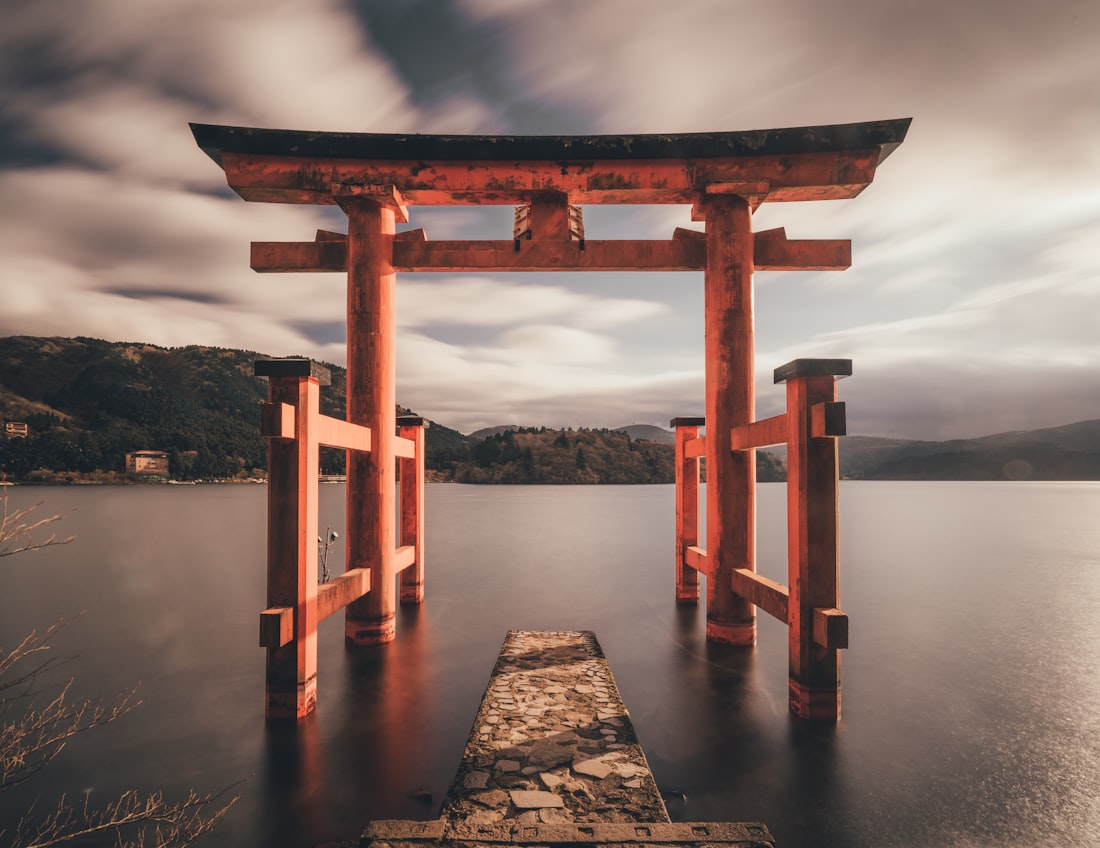
Japan 2026 — Key Entry Facts
Visa-free 90 days for Australian passport holders. Your passport only needs to be valid for the actual duration of your stay — Japan does not require 6 months validity beyond departure. Visit Japan Web (vjw.digital.go.jp) is free, optional but strongly recommended — complete it before departure for QR code-based fast-track immigration instead of paper forms. JESTA (Japan Electronic System for Travel Authorization) is confirmed from 2028 — not required as of April 2026. Smartraveller: Exercise Normal Safety Precautions.
Japan 2026 — New Fees & Taxes Australians Must Budget For
Kyoto lodging tax (from March 2026): up to ¥10,000 (~A$105) per person per night at luxury level; ¥500–¥1,000 (~A$5–11) at mid-range. Mount Fuji Yoshida Trail: ¥4,000 (~A$42) climbing fee — doubled from previous years. Dual pricing at cultural sites: foreign tourists increasingly pay double the Japanese resident rate at shrines, temples, and castles including Himeji. Tax-free shopping ends November 2026: no more in-store exemptions; must claim refund after departure. Hokkaido introducing its own accommodation tax 2026. Budget conservatively: Japan is more expensive than it was two years ago.
- Cherry blossom (sakura) season — March to early April. Nothing on earth matches Japan in full bloom. Maruyama Park in Kyoto, Shinjuku Gyoen in Tokyo, and the Philosopher’s Walk are among the world’s great seasonal experiences.
- The Shinkansen bullet train — Tokyo to Osaka in 2.5 hours at 320km/h. The JR Pass (if bought strategically) opens the whole country. The experience of the bullet train is itself a travel highlight.
- Onsen culture — hot spring bathing in a ryokan (traditional inn) is one of Japan’s most distinctive and deeply restorative experiences. Hakone, Beppu, Kinosaki, and Arima Onsen are outstanding. Unique to Japan.
- Kyoto’s temples and shrines — Fushimi Inari (thousands of vermilion torii gates), Kinkakuji (Golden Pavilion), Arashiyama bamboo grove, Gion’s machiya townhouses. The density of cultural heritage is extraordinary.
- Japanese food depth — ramen, sushi, izakaya culture, wagyu, tempura, yakitori, okonomiyaki, konbini (convenience store) food that genuinely surprises. Every region has its own specialties; Osaka alone warrants a food trip.
- Pop culture — anime, manga, gaming arcades (Game Centers), cosplay in Harajuku, Studio Ghibli Museum, Akihabara’s electronics district. Unique to Japan and deeply immersive for those interested.
- Autumn foliage (kōyō) — November. Kyoto’s temple gardens in autumn colour are as spectacular as cherry blossom season and often less crowded.
- Significantly more expensive than Taiwan — budget daily spend from A$100–150 vs Taiwan’s A$65–90. In 2026, new accommodation taxes, doubled site entry fees, and dual pricing for foreigners are pushing costs further.
- Severe overtourism at peak destinations — Kyoto’s Gion district has restricted tourist access on certain streets. Mount Fuji has daily caps. Shibuya at cherry blossom season is genuinely overwhelming. Japan received 36.87 million visitors in 2024 — about 29% of its entire population arriving as tourists in one year.
- Golden Route congestion — Tokyo–Kyoto–Osaka is what most first-timers do, and it is severely congested during cherry blossom (March–April) and autumn foliage (November) peaks. Off-peak or off-route travel is strongly recommended.
- Language barrier — English is less universally spoken outside tourist areas than in Taiwan. Google Translate is essential; some rural and regional experiences require effort to navigate independently.
- Cash dependence (improving) — Japan has been historically cash-heavy; this is improving but many smaller restaurants, temples, and rural businesses remain cash-only. IC card (Suica/Pasmo) covers transport but carry cash.
- New administrative requirements approaching — JESTA mandatory from 2028. Tax-free shopping refund system from November 2026 adds process for shoppers. Worth staying informed before travel.
Taiwan
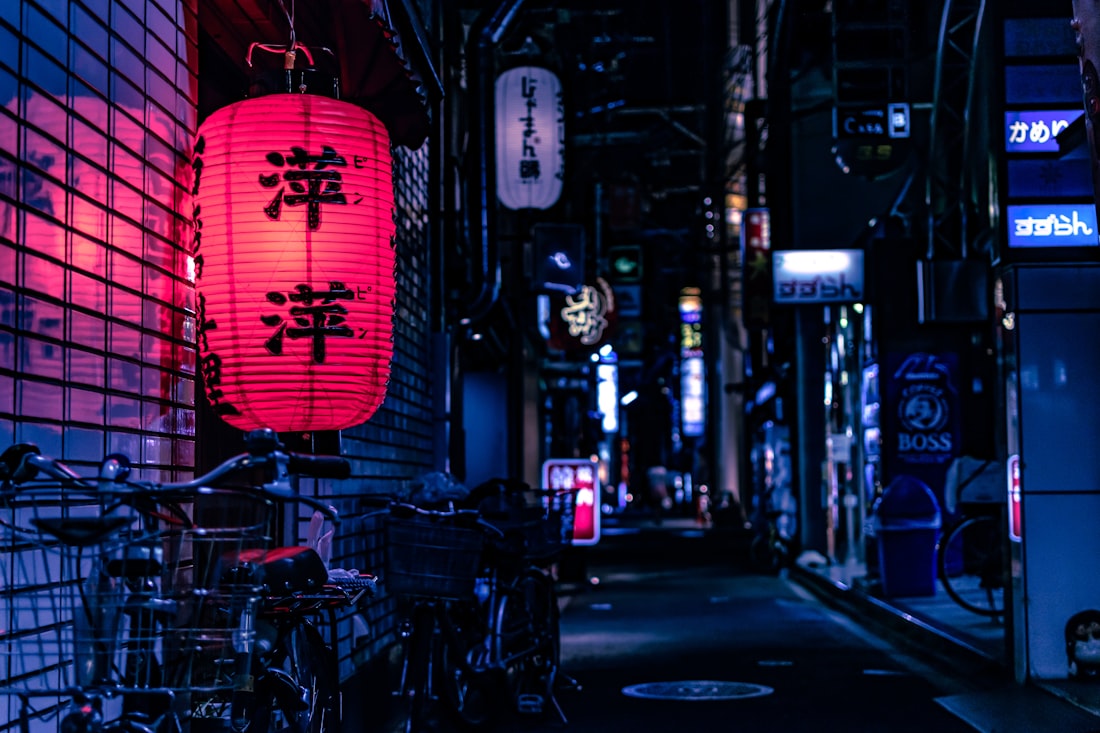
Taiwan 2026 — Key Entry Facts
Visa-free 90 days for Australian passport holders. Passport valid 6+ months from entry date. TWAC (free digital arrival card) within 72 hours before travel at acard.immigration.gov.tw. Confirmed return/onward ticket required. No extensions. Smartraveller: Exercise Normal Safety Precautions — same level as Japan. NT$50 ≈ A$1 (April 2026). No accommodation taxes, no dual pricing for foreigners, no entry fee proposals as of April 2026.
- Extraordinary food culture — birthplace of bubble tea, world-class night markets with Michelin-recognised stalls, the xiaochi small-eats tradition from NT$60 (~A$1.20). The food argument for Taiwan is genuinely competitive with Japan’s.
- Taroko Gorge — a marble canyon carved by the Liwu River in eastern Taiwan that genuinely astonishes first-time visitors. Sheer walls rising hundreds of metres, emerald water, and a road tunnelled through solid marble. Accessible from Taipei by HSR + train as a day trip.
- 30–40% cheaper than Japan — street food A$1.20–3, budget hotel A$60–100, Taipei MRT rides A$0.50–1.20. Budget travellers get significantly more in Taiwan. Couples who would spend A$300/day in Japan spend A$180 in Taiwan.
- Not overrun — Taiwan’s tourist volumes are a fraction of Japan’s. Night markets are busy but not suffocating. Taroko Gorge is accessible without caps or entry fees. Jiufen can be done comfortably on a weekday morning. The breathing room Japan has lost, Taiwan still has.
- World-class public transport — Taipei MRT English-signposted, punctual, inexpensive. EasyCard (~A$6) works everywhere. HSR connects north to south in under 2 hours. Independent travel is seamless.
- Jiufen and the east coast — Jiufen’s clifftop teahouses and lantern-lit alleyways are one of Asia’s most atmospheric evening experiences. The east coast rail line is one of the world’s most dramatic train journeys.
- Genuine discovery — Taiwan still delivers the quality of experience that comes from going somewhere genuinely underrated. Most of the Australians you meet there are repeat Asia travellers who have moved beyond the obvious. That says something.
- No cherry blossom equivalent — Taiwan has its own seasonal beauties (Alishan mountain sunrise, Shei-Pa National Park in winter) but nothing that generates the same iconic imagery or emotional resonance as Japan’s sakura season.
- No onsen culture — Beitou has hot spring bathing near Taipei and is excellent, but it is not the same as spending a night in a mountain ryokan with a private rotenburo (outdoor onsen bath). Onsen is uniquely Japanese.
- Limited beach options — Taiwan’s beaches exist but are not a strong draw. If a beach holiday is the priority, neither Taiwan nor Japan is the right answer.
- Less depth of pop culture — Taiwan has a vibrant contemporary culture but nothing equivalent to Japan’s anime, manga, and gaming ecosystem for travellers whose interest runs in that direction.
- Summer heat and typhoon risk — June through September brings high heat, intense humidity, and typhoon season. Best visited March–May or October–November.
- Cross-strait tensions — the geopolitical relationship between Taiwan and mainland China is a factor some travellers consider. It does not affect the day-to-day visitor experience but is worth factoring into longer-term planning.
💵 Costs Compared: Japan vs Taiwan (2026)
All figures approximate Australian dollar equivalents. Japan figures reflect 2026 post-tax-increase costs: ¥95 ≈ A$1. Taiwan: NT$50 ≈ A$1.
| Item | Japan 🇯🇵 | Taiwan 🇿🇼 | Winner |
|---|---|---|---|
| Street food / quick meal | A$8–15 | A$1.20–3 | 🇿🇼 Taiwan |
| Sit-down restaurant meal | A$15–35 | A$5–16 | 🇿🇼 Taiwan |
| Budget hotel per night | A$80–150 | A$60–100 | 🇿🇼 Taiwan |
| Mid-range hotel per night | A$180–350 | A$100–180 | 🇿🇼 Taiwan |
| Kyoto lodging tax (2026) | A$5–105/person/night | None | 🇿🇼 Taiwan |
| City transport (single) | A$2–4 (Metro) | A$0.50–1.20 (MRT) | 🇿🇼 Taiwan |
| High-speed rail (2hrs) | A$135–160 (Shinkansen) | A$20–50 (HSR) | 🇿🇼 Taiwan |
| Bubble tea / street drink | A$5–8 | A$1.50–2.50 | 🇿🇼 Taiwan |
| Budget daily spend | A$100–150+ | A$65–90 | 🇿🇼 Taiwan |
| Iconic entry fees | Dual pricing foreigners 2× | No dual pricing | 🇿🇼 Taiwan |
| Smartraveller advisory | Normal | Normal | — Equal — |
| Visa-free days | 90 days | 90 days | — Equal — |
| Cherry blossom / onsen | Iconic — unique | Limited equivalent | 🇯🇵 Japan |
| Overtourism pressure | High — escalating | Low–Moderate | 🇿🇼 Taiwan |
⚔️ Category by Category
Draw
Both are world-class. Japanese ramen, izakaya, and konbini culture vs Taiwan’s night markets and xiaochi tradition. Different styles; both extraordinary.
Taiwan wins clearly
30–40% cheaper across all categories. 2026 Japan tax increases have widened the gap further.
Japan wins
Cherry blossom and autumn foliage are genuinely unique to Japan and worth the trip alone if timed correctly.
Taiwan wins on value
Japan’s Shinkansen is faster and more iconic. Taiwan’s HSR is the same concept for a quarter of the price.
Taiwan wins clearly
Japan’s peak spots are genuinely struggling. Taiwan still has the quality of experience that comes from being undervisited.
Draw
Both carry Smartraveller’s Normal Safety Precautions — the lowest possible advisory level. Equally safe.
Japan edges ahead
The sheer volume and variety of Japan’s temples, shrines, gardens, and cultural institutions is extraordinary. Taiwan is excellent but can’t match Japan’s scale.
Draw
Japan has Mount Fuji, the Japanese Alps, and Hokkaido. Taiwan has Taroko Gorge, the Central Mountain Range, and the dramatic east coast. Both exceptional.
Japan wins
Onsen culture is unique to Japan and deeply restorative. Taiwan’s Beitou is good but not the same experience.
Taiwan wins
Japan is one of the world’s most visited countries. Taiwan is genuinely underrated. The feeling of discovery is still fully intact.
Japan wins
Anime, manga, arcades, Harajuku — if this is part of your trip, Japan is irreplaceable. Taiwan has a vibrant contemporary culture but not this specific ecosystem.
Taiwan wins
Kyoto accommodation taxes, doubled Mount Fuji fees, dual pricing, and JESTA in 2028. Taiwan has none of these 2026 complications.
✅ Who Should Choose Which
🇯🇵 Japan
You want to experience cherry blossom or autumn foliage — which are genuinely irreplaceable. You’re interested in onsen culture and a night in a traditional ryokan. Japan’s specific pop culture (anime, manga, gaming) is part of your trip. You want the Shinkansen experience specifically. You’re a first-time Japan visitor and the icons — Kyoto temples, Fushimi Inari, Shibuya crossing — are on your list. You have a higher travel budget and can absorb 2026’s new fees comfortably. Just travel outside cherry blossom and Golden Week if you can — off-peak Japan is dramatically less crowded.
🇿🇼 Taiwan
Value matters and you want to maximise what your Australian dollar buys in Asia. You are passionate about food culture and want the world’s best night markets at world’s best prices. You want to go somewhere you haven’t been that will genuinely surprise you. You have been to Japan already and want the next chapter. You want 90 days visa-free in a destination that is still discovering how good it is, rather than managing how many people know about it. You want Taroko Gorge without entry fees, night markets without crowd caps, and a HSR that costs A$25 instead of A$150. Taiwan in 2026 is simply the smarter value trip.
The Third Option — Do Both
Japan and Taiwan are not mutually exclusive. With 90 days visa-free in each, a combined Japan–Taiwan itinerary is entirely practical — fly into Tokyo, travel Japan for 2–3 weeks, then fly to Taipei (1.5–2 hours — one of the world’s most convenient international hops) and spend another 2 weeks in Taiwan before flying home. The contrast between the two countries — Japan’s depth and ceremony vs Taiwan’s warmth and informality — makes for one of Asia’s great combined itineraries. And seeing Taiwan after Japan is the fastest way to understand exactly how underpriced and undervalued it is.
Plan Your Japan, Taiwan, or Combined Trip
Whether you’re going to Japan, Taiwan, or both — our team can help you build an itinerary that gets the most from whichever destination you choose.
Talk to Our Team Taiwan Guides →Frequently Asked Questions
Both are exceptional but suit different priorities. Japan is better for iconic cultural experiences (Kyoto temples, cherry blossom, onsen), the Shinkansen, and Japan’s unique pop culture. Taiwan is better for value (30–40% cheaper), the world’s best night markets, Taroko Gorge, and a destination that still has the discovery quality Japan has lost to overtourism. Both carry Smartraveller’s Normal Safety Precautions advisory and are visa-free for 90 days.
Yes, significantly — and the gap has widened in 2026. Japan’s budget daily spend starts around A$100–150 vs Taiwan’s A$65–90. Kyoto’s new accommodation tax (up to A$105/person/night at luxury level from March 2026), doubled Mount Fuji climbing fees, and dual pricing for foreign tourists at cultural sites have all increased Japan’s costs. Taiwan has no equivalent fees, no dual pricing, and no accommodation taxes as of April 2026.
No. Australian passport holders enter Japan visa-free for up to 90 days for tourism. Your passport only needs to be valid for the actual duration of your stay. Visit Japan Web (free, optional but strongly recommended) allows digital pre-registration replacing the paper arrival card. JESTA — Japan’s new electronic travel authorisation — is confirmed from 2028 but is not required as of April 2026. Always verify at Smartraveller before departure.
Japan’s overtourism is a genuine and escalating issue in 2026. Japan received 36.87 million visitors in 2024 — roughly 29% of its entire population arriving as tourists in one year. Kyoto’s Gion geisha district has restricted tourist access on some streets. Mount Fuji has daily hiker caps and doubled fees. Tokyo and Osaka are severely congested during peak seasons. Off-season travel (February–March pre-blossom, May–June, September–October) dramatically improves the experience.
Japan offers experiences Taiwan cannot replicate: the Shinkansen bullet train network, authentic onsen (hot spring) culture in a mountain ryokan, cherry blossom and autumn foliage seasons, Japan’s extraordinary pop culture ecosystem (anime, manga, gaming arcades, Studio Ghibli), the specific aesthetic of Kyoto’s preserved historic districts, Nara’s free-roaming deer, and Hokkaido’s winter landscapes. Taiwan’s advantages are value, Taroko Gorge, accessibility, less crowding, and a food culture that genuinely rivals Japan’s at a fraction of the price.