The Honest Answer
Taiwan is underrated for Australians for a simple, slightly embarrassing reason: most people have just never thought about it. The conversation about Asian travel for Australians has historically been dominated by Japan, Thailand, Bali, and Vietnam — and Taiwan has sat quietly in the gap between them, doing exactly what it does and waiting to be noticed.
That period is ending. Australians who have been to Taiwan come back evangelical about it. The food, the ease of getting around, the warmth of the people, the extraordinary variety of landscapes compressed into a relatively small island — and above all, the sense of discovering somewhere genuinely world-class that still hasn’t been overrun. The case for Taiwan in 2026 is, frankly, compelling. Here it is.
🇿🇼 8 Reasons Taiwan Should Be on Every Australian’s List
No Visa. 90 Days. No Application.
Australian passport holders can enter Taiwan visa-free for up to 90 days for tourism or business. No application, no waiting, no fee. You need a passport valid for at least 6 months from entry, a confirmed return or onward ticket, and you must complete the free digital arrival card (TWAC) online within 72 hours before arrival — a 5-minute form. That is it. Compare this to the ESTA for the USA, the ETA for the UK, or the growing paperwork associated with Japan, and Taiwan’s entry is about as simple as international travel gets.
Same Flight Time as Japan — A Fraction of the Cost
Direct flights from Sydney or Melbourne to Taipei Taoyuan Airport (TPE) take approximately 9 to 9.5 hours — broadly the same as Tokyo. But once you arrive, the cost comparison becomes dramatic. A street food meal at a Taipei night market costs roughly A$1.20 to A$3. A sit-down local restaurant meal is A$5 to A$14. A daily budget for Taipei starts around A$65 versus A$100+ in Tokyo. The New Taiwan Dollar (NT$) gives Australians excellent purchasing power, making Taiwan one of the best value high-quality destinations in Asia.
The Food is World-Class and Constantly Underestimated
Taiwan’s food culture is one of the world’s great culinary achievements, and most Australians have no idea. This is the country that gave the world bubble tea (boba — invented in Taichung in the 1980s), that perfected beef noodle soup, that turned the night market into an art form, and where Michelin inspectors have awarded stars to street food stalls. The xiaochi tradition — literally “small eats” — means that grazing through a night market is not a budget compromise but a genuine culinary experience. Oyster omelets, scallion pancakes, stinky tofu, pork pepper buns, taro ball desserts, dan bing egg pancakes for breakfast — the variety and quality are extraordinary at every price point.
The Night Markets Are Genuinely Unlike Anything Else
Taiwan’s night markets are not tourist attractions in the theme-park sense — they are living social institutions where locals eat, shop, play, and gather. Taipei alone has over 30 night markets. Raohe Night Market has multiple Michelin Bib Gourmand stalls — including the famous Fuzhou Black Pepper Bun (queue starts forming before they open) and Chen Dong Ribs. Ningxia Night Market is where locals go, with some of the most authentic xiaochi and a fraction of the tourist crowds. Shilin has over 500 vendors and has been operating for over 100 years. Walking them is the entry point to understanding Taiwan.
The Public Transport is World-Class
Taipei’s MRT system is one of Asia’s best — clean, punctual, English-signposted, and inexpensive. A single journey costs roughly A$0.50–1.20. The EasyCard (purchased at any MRT station for around A$6) works on the MRT, buses, YouBike rentals, and even convenience stores. Between cities, the Taiwan High Speed Rail (HSR) connects Taipei to Kaohsiung in under 2 hours for around A$50 — making the island feel remarkably small. Getting around Taiwan independently requires minimal planning and zero stress, even without Mandarin.
The Landscapes are Extraordinary and Varied
Taiwan is a mountainous island roughly the size of Tasmania, but it packs in a landscape diversity that is genuinely astonishing. Taroko Gorge in the east — a marble canyon carved by the Liwu River through the Central Mountain Range, with sheer marble cliffs rising hundreds of metres — is one of Asia’s most dramatic landscapes and is accessible as a day trip from Taipei. Sun Moon Lake in Nantou County is one of Taiwan’s most beautiful high-altitude lakes, surrounded by forested mountains. Jiufen, the clifftop old town of narrow lanes, red lanterns, and teahouses overlooking the Pacific, is the closest thing to magic on a clear evening. The northeast coast, the wild Kenting Peninsula, the volcanic Yangmingshan — all within easy reach.
It is Safe, Friendly, and Easy to Navigate
Taiwan carries the Australian Government’s lowest Smartraveller advisory level — Exercise Normal Safety Precautions — making it one of Asia’s genuinely low-risk destinations. English is widely spoken in cities, comprehensively signposted on public transport, and readily available at hotels, restaurants, and tourist sites. Taiwanese hospitality — rénqíng wèi (human warmth) — is one of the things travellers mention most. The culture is a unique layering of indigenous Austronesian traditions, the Hoklo Chinese heritage of the majority population, and the Japanese colonial period (1895–1945) that left architectural, culinary, and cultural traces that make Taiwan feel unlike anywhere else in Asia.
It is Not Overrun — Yet
This is the argument that matters most in 2026. Japan is managing overtourism crises in Kyoto and Mount Fuji. Bali’s most visited areas are feeling the strain. Thailand’s most famous destinations are congested year-round. Taiwan — with all its extraordinary qualities — still has breathing room. The crowds at the major sites are manageable. Night markets are busy but not suffocating. The mountain trails are accessible. This will not be true indefinitely — Taiwan’s profile is rising — but right now, in 2026, it is genuinely possible to have the experience most people are looking for when they choose Asia.
💵 What Things Actually Cost: Taiwan vs Japan vs Bali
Numbers make the case more clearly than words. All figures are approximate Australian dollar equivalents in 2026.
| Item | Taiwan 🇿🇼 | Japan 🇯🇵 | Bali 🇮🇩 |
|---|---|---|---|
| Night market / street meal | A$1.20–3 | A$8–15 | A$3–8 |
| Sit-down local restaurant | A$5–14 | A$15–30 | A$6–20 |
| Budget hotel per night | A$60–100 | A$100–180 | A$40–90 |
| Mid-range hotel per night | A$100–180 | A$200–350 | A$90–200 |
| City transport (single trip) | A$0.50–1.20 | A$2–4 | A$1–3 (ride-share) |
| Intercity train (2hrs) | A$20–50 (HSR) | A$80–150 (Shinkansen) | N/A |
| Pearl milk tea (boba) | A$1.50–2.50 | A$4–7 | A$2–4 |
| Museum entry | A$7–15 | A$10–25 | A$8–20 |
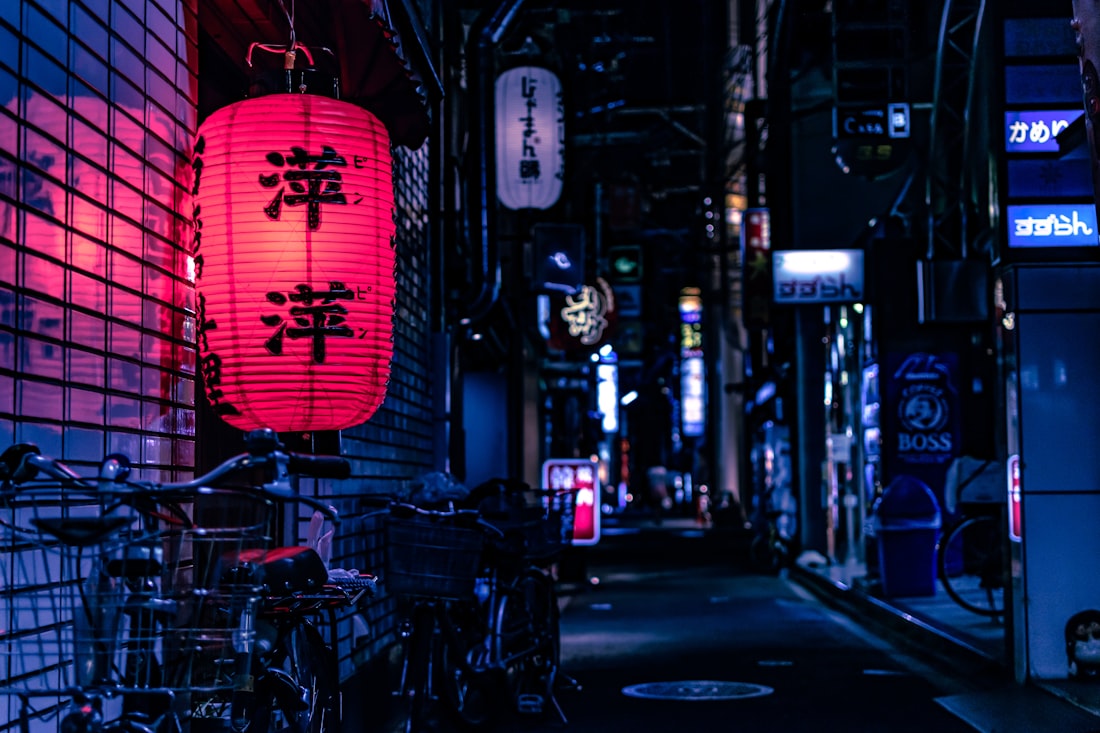
🌆 Taiwan’s Night Markets: Where to Start
The night market is the most important institution in Taiwanese social life. They are where people eat, meet, play games, and spend their evenings. Understanding the night market is understanding Taiwan. Here are the essential starting points.
Raohe Night Market 饒河街
Songshan, Taipei · Most PopularCurrently Taipei’s most popular night market, anchored by the stunning Songshan Ciyou Temple at its entrance. The Fuzhou Black Pepper Bun stall (expect a queue) and Chen Dong Ribs both carry Michelin recognition. More food-focused than Shilin — walk in one end, out the other. Come before 6pm or after 10pm to avoid peak crowds.
Ningxia Night Market 寧夏
Datong, Taipei · Most LocalThe night market that serious food visitors prefer — more locals, fewer tourists, and some of Taipei’s most authentic xiaochi. Liu Yu Zi’s deep-fried taro balls stuffed with egg yolk and pork floss are legendary. Excellent oyster omelets and the most concentrated Michelin Bib Gourmand selections of any Taipei market. Easy 10-minute walk from Shuanglian MRT.
Shilin Night Market 士林
Shilin, Taipei · LargestThe oldest and largest night market in Taipei — over 100 years old and 500+ vendors. A renovated underground food court (reopened April 2025) handles the volume well. Best for first-time visitors who want the full sensory introduction to what a Taiwanese night market is. Shopping, games, and food in roughly equal measure.
Keelung Miaokou 基隆廟口
Keelung Port · Most CharmingThe personal favourite of many Taiwan regulars. Located in the port city of Keelung, 45 minutes by train from Taipei. Every stall is numbered with its speciality labelled in English, Mandarin, and Japanese — unlike any other market in Taiwan. The hanging yellow lanterns on weekends and the temple at its core make it visually magnificent. Try the thick crab soup and dingbiancuo.
🏔️ What to See: The Taiwan Essentials
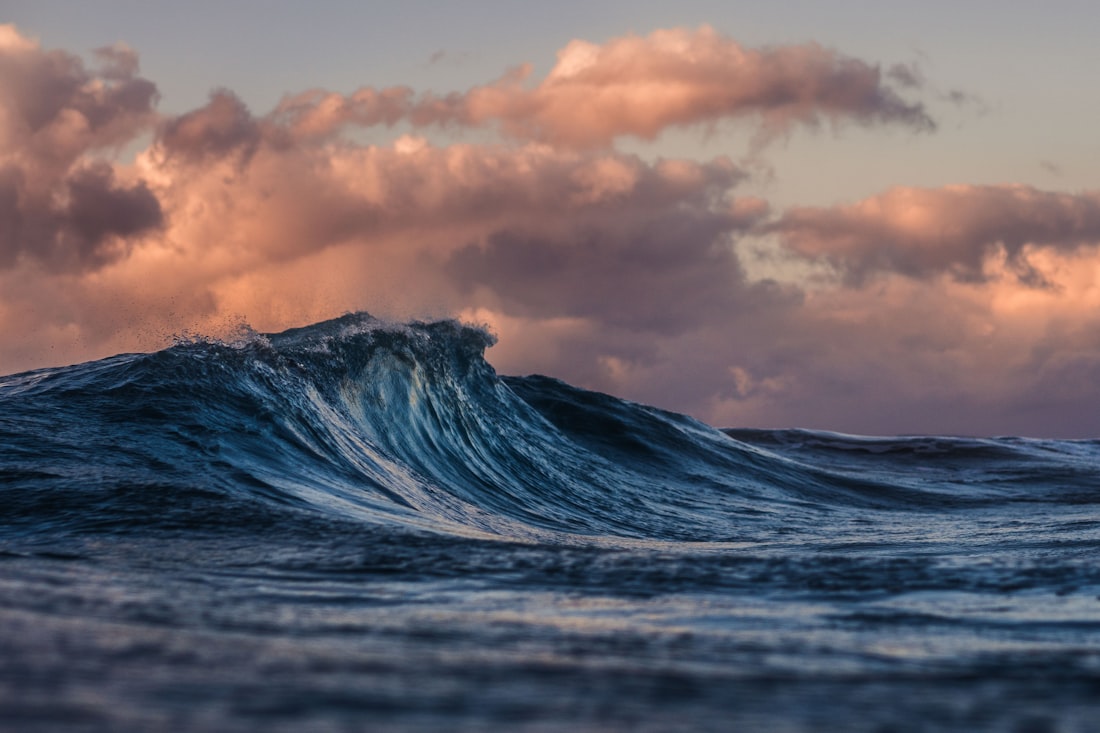
Taroko Gorge (Hualien): Taiwan’s most spectacular natural landmark — a marble canyon in the Central Mountain Range where the Liwu River has carved gorges with sheer walls rising hundreds of metres. The Taroko Gorge Road threads through tunnels blasted through solid marble. Accessible from Taipei by HSR + local train or by flight to Hualien. A full day’s excursion that genuinely stops people in their tracks.
Jiufen (Ruifang District): The clifftop gold-mining town of narrow stone stairs, red-lanterned teahouses, and views over the Pacific coast that become extraordinary at dusk when the lanterns are lit. Jiufen is often called one of the most atmospheric places in Asia after dark — the winding lanes, the descending steps, the smell of tea and incense. 1.5 hours by bus or train from Taipei.
National Palace Museum, Taipei: One of the world’s great museums — housing over 690,000 items from the Chinese imperial collection, brought to Taiwan in 1948. The permanent collection is genuinely extraordinary. Entry around A$11 standard, A$5 with student ID. Allow at minimum half a day; a full day rewards serious visitors.
Elephant Mountain (Xiangshan), Taipei: A 20-minute hike from Xiangshan MRT that delivers one of the world’s great urban views — Taipei’s skyline with Taipei 101 (once the world’s tallest building at 508 metres) surrounded by mountains. Free. Best at dusk when the city lights come up. This is the photograph most people take and show everyone when they return.
Sun Moon Lake (Nantou County): Taiwan’s largest lake at 748 metres above sea level — a glassy, mountain-ringed expanse in the heart of the island surrounded by Thao indigenous villages, temples, and cycling paths. The 33km cycling trail around the lake is one of CNN’s 25 best bike rides in the world. A 2-hour train from Taipei followed by a bus, or a direct HSR + shuttle package.
Beitou Hot Springs, Taipei: A natural hot spring district a 30-minute MRT ride from central Taipei — a genuinely unusual experience of geothermal bathing in an urban mountain neighbourhood with Japanese-era architecture. Public hot spring pools from around A$5, private onsen bathhouses from A$15–30. An evening here is deeply restorative after a week of city walking.
📌 Practical Information for Australians
✅ What You Need to Know Before You Go
- Entry — Visa-Free 90 DaysAustralian passport holders enter Taiwan visa-free for up to 90 days. Requirements: passport valid 6+ months from entry date, confirmed return/onward ticket, and the free digital arrival card (TWAC) completed online within 72 hours before arrival at acard.immigration.gov.tw. No extensions permitted.
- FlightsDirect Sydney and Melbourne to Taipei Taoyuan (TPE): approximately 9–9.5 hours. Airlines include China Airlines, EVA Air, Qantas, and Jetstar. Brisbane and Perth typically require a connection via Singapore, Kuala Lumpur, or another hub.
- CurrencyNew Taiwan Dollar (NT$ or TWD). As of April 2026, approximately NT$50 ≈ A$1. Cards are widely accepted in cities; bring cash for night markets, small restaurants, and local transport. Bank of Taiwan and Mega Bank ATMs typically don’t charge foreign card fees.
- Getting AroundGet an EasyCard (NT$100 deposit) at any MRT station on arrival — it works on all Taipei MRT, buses, YouBike rentals, and 7-Eleven and FamilyMart convenience stores. For intercity travel, the HSR is fast and comfortable; book online or at stations. For Taroko Gorge and east coast destinations, local TRA trains serve the east coast line.
- Best Times to VisitSpring (March–May) and autumn (October–November) offer the best weather. Summer (June–August) is hot, humid, and typhoon season. Winter (December–February) is mild in Taipei (15–20°C) and excellent value for Australians who want to travel during their own summer — while Taiwan is in its cooler, clearer season.
- SafetySmartraveller advisory: Exercise Normal Safety Precautions — the lowest risk level. Taiwan is one of Asia’s safest destinations. Australian consular support: Australian Office in Taipei, 27th–28th Floor, President International Tower, 9–11 Song Gao Road, Xinyi District. Phone: (+886 2) 8725 4100.
- LanguageMandarin Chinese is the official language. English is widely spoken in Taipei, English signage is comprehensive throughout the MRT and major tourist sites, and most younger Taiwanese people in cities have functional to excellent English. Outside cities, a translation app handles virtually everything.
Ready to Discover Taiwan?
Cooee Tours can help you plan a Taiwan itinerary that goes well beyond the standard tourist trail — from Taipei’s night markets to the marble gorges of Taroko and everything in between.
Talk to Our Team See Multi-Day Tours →Frequently Asked Questions
No. Australian passport holders can enter Taiwan visa-free for stays of up to 90 days for tourism or business. You need a passport valid for at least 6 months from your entry date, a confirmed return or onward ticket, and must complete the free digital arrival card (TWAC) online within 72 hours before arrival. No extensions are granted under the visa-free scheme.
Direct flights from Sydney or Melbourne to Taipei Taoyuan Airport (TPE) take approximately 9 to 9.5 hours — broadly the same as Tokyo. China Airlines, EVA Air, Qantas, and Jetstar operate Australia–Taiwan routes. Brisbane and Perth typically require a connection via Singapore or Kuala Lumpur.
Yes, significantly. Street food at night markets costs roughly A$1.20 to A$3 per dish. A budget daily spend in Taipei starts around A$65 compared to A$100+ in Tokyo. The New Taiwan Dollar offers excellent value for Australians, with approximately NT$50 equalling A$1 as of 2026. The intercity High Speed Rail (Taipei to Kaohsiung, under 2 hours) costs around A$20–50, compared to A$80–150 for an equivalent Shinkansen journey in Japan.
Yes. The Australian Government’s Smartraveller advisory for Taiwan is the lowest risk level — Exercise Normal Safety Precautions. Taiwan consistently ranks among Asia’s safest destinations. The Australian Office in Taipei provides consular support at 27th–28th Floor, President International Tower, 9–11 Song Gao Road, Xinyi District, Taipei. Phone: (+886 2) 8725 4100.
Spring (March to May) and autumn (October to November) offer the best conditions — mild temperatures, low humidity, and clear skies. Summer (June to August) brings high heat, humidity, and typhoon risk. Winter (December to February) is mild in Taipei at 15 to 20 degrees Celsius, making it an excellent option for Australians during their own peak summer — Taiwan’s cooler, clearer season coincides neatly with Australian school holiday travel periods.