🇮🇸 Iceland · Ísland · Land of Fire and Ice · Mid-Atlantic Ridge · 2.5cm Wider Each Year

The Country
Still Being Made.
The Guide Has Watched.

Iceland is the most geologically active country on Earth. It sits on the Mid-Atlantic Ridge — the boundary between the North American and Eurasian tectonic plates — and is being pulled apart at approximately 2.5cm per year. The guide’s Iceland briefing begins here: this is a country that is still being made. The guide considers this the most specifically available geological fact in the programme.

130+
Volcanic Mountains · 30 Active Volcanic Systems · Erupts Every 4–5 Years on Average
11%
Covered by Glaciers · Vatnajökull Larger Than All European Glaciers Combined
1,332km
Ring Road (Route 1) · Circles the Entire Country · The Guide’s 12 Complete Circuits
~22 hrs
Sydney to Reykjavík · Via London or Amsterdam or Copenhagen
Visa Free
Australians · Schengen Area · 90 Days · No Application Required
🇮🇸 Iceland
Republic of Iceland · Ísland · 103,000 km² · 376,000 People · 130+ Volcanoes · Mid-Atlantic Ridge

Iceland — The Country Sitting
on a Geological Boundary and
Using It as a Tourism Programme

Iceland (Ísland — literally “ice land” — though the guide’s Iceland introduction always begins with the clarification: “Iceland is green in summer and Greenland is ice — the naming is historically inaccurate and the guide considers this the most available first fact about Iceland that is simultaneously true and misleading” — the Republic of Iceland — 103,000 km² — approximately the size of Tasmania plus Victoria combined — 376,000 people (the guide’s Iceland population comparison: “Iceland has fewer people than Canberra — it also has 130 volcanic mountains, 11% glacier coverage, and the world’s oldest functioning parliament — the guide considers the combination of these facts the most efficient available summary of what Iceland is and why it is interesting”)) is the country that the guide describes as “the most geologically dramatic landscape available for a 10-day tour — not because other landscapes are not dramatic — but because in Iceland the geology is not background — it is the foreground — it is happening — it happened 3 weeks ago — it may happen while we are there — the guide considers the possibility of a volcanic eruption during a programme not a risk to be managed but a briefing to be prepared.”

Iceland’s primary visitor regions: The Golden Circle (the day-trip triangle from Reykjavík — Þingvellir National Park (UNESCO — the original Viking parliament — also a visible tectonic rift valley — the guide’s Þingvellir briefing: “the guide walks the group down the Almannagjá gorge — the walls of the gorge are the North American plate on the west and the Eurasian plate on the east — the guide stands between them — literally — and considers this the most specific available geological experience available without specialised equipment”) — Geysir hot spring area (the original Geysir — the word from which all geysers are named — currently mostly dormant — Strokkur erupting every 5–10 minutes — the guide’s Strokkur timing position) — Gullfoss waterfall). The South Coast (Seljalandsfoss — you can walk behind it — the guide does — every time — Skógafoss — Vík black sand beach — Reynisfjara — the guide’s sneaker wave briefing — Jökulsárlón glacier lagoon — Diamond Beach). The Snæfellsnes Peninsula (Snæfellsjökull glacier — Jules Verne’s entry to the Earth — the guide’s Verne briefing). The Westfjords (the guide’s most recommended Iceland destination for the experienced visitor — Dynjandi waterfall — the red fox — the specific emptiness). The North (Mývatn — the pseudo-craters — Dettifoss — the guide’s most powerful waterfall briefing). The East Fjords (the guide’s slow Iceland — Höfn — the langoustine capital). The Highlands (Landmannalaugar — the rhyolite mountains — F-roads — the guide’s 4WD requirement explained).

✅ Iceland Practical Essentials
  • Visa: Australian passport holders do NOT require a visa for Iceland. Iceland is a member of the Schengen Area (but NOT a member of the European Union — the guide’s EU/Schengen distinction: “Iceland is one of the four non-EU Schengen members — the others are Norway, Switzerland, and Liechtenstein — the guide presents this as the most specifically available Nordic political geography fact — Iceland voted against EU membership in 2010 and 2013 — the guide presents the vote without a position on its correctness but with the note that the Icelandic króna has remained the currency and the guide has been exchanging it since 2009”). Australian citizens can enter Iceland visa-free for up to 90 days within any 180-day Schengen period. Iceland uses the Icelandic Króna (ISK — approximately ISK 155 = AUD$1 in 2026 — the guide’s ISK briefing: “Iceland is one of the most expensive countries in Europe — the guide considers the expense appropriate for the available landscape and has not found a visitor who, standing at Jökulsárlón at sunset with a glacier iceberg in the foreground, disputed the value proposition”).
  • Getting there: Sydney to Reykjavík Keflavík International Airport (KEF) via London (Icelandair or Heathrow connections — total approximately 22–24 hours), or via Amsterdam (KLM — similar total), or via Copenhagen (SAS — similar). Icelandair also operates direct flights to Keflavík from several European hubs. KEF is 50km from Reykjavík — the Flybus connects the airport to the city centre in approximately 45 minutes — the guide uses the Flybus (the guide’s Flybus position: “the guide has taken the Flybus on every Iceland programme since 2009 — the guide considers the 45-minute bus from KEF to Reykjavík the most available first introduction to the Icelandic landscape — the lava fields along the Reykjanes Peninsula at 6am on arrival — the guide keeps the group awake for this”). Car rental: almost all Iceland programmes require a vehicle — the guide rents a 4WD (essential for F-roads in the highlands) for the Ring Road circuit and the Westfjords programme — the guide’s vehicle selection briefing: “the guide rents the smallest vehicle that comfortably carries the group plus luggage plus the guide’s specific kit — lagom applied to vehicle selection — the guide notes the Swedish word has crossed borders.”
  • The weather: the guide’s Iceland weather briefing — delivered before any outdoor programme: “Iceland’s weather is not predictable on the timescale of a touring programme — the guide has been on Iceland programmes where the weather changed 4 times in a single day — the guide’s response to this variability: the programme is designed around the variability rather than despite it — if the Snæfellsnes Peninsula is clouded over the guide goes to the lava fields — if the lava fields are clouded over the guide goes to the hot springs — if the hot springs are clouded over the guide considers this an available spa day — the guide considers this the most flexible available touring approach and has not found it insufficient in 15 years”. The practical clothing instruction: “the guide uses the layering system — base layer — mid layer — waterproof outer — the guide carries all three simultaneously regardless of the morning forecast — the guide considers this the most specific available Iceland preparation instruction”.
  • Driving in Iceland: the guide’s driving briefing for the Ring Road programme: “Ring Road (Route 1) is a paved, two-lane road that circumnavigates Iceland — 1,332km — the guide has driven it 12 times — the guide’s Ring Road driving rules: no driving off-road (the Icelandic vegetation — the moss — is extraordinarily slow-growing and extraordinarily fragile — the tyre tracks remain for decades — the guide has been explaining this since 2009 and notes that the moss does not recover in the visitor’s lifetime), river crossings on F-roads (the guide’s river crossing briefing: assess the depth — walk it first if uncertain — the guide walks every F-road river crossing before driving it — the guide has walked 34 river crossings and found 4 that the guide declined to drive — the guide considers 4 declined crossings the most available evidence for the value of walking first), and the single-lane bridges (approximately 900 single-lane bridges on the Ring Road — the guide’s single-lane bridge protocol: pull up to the bridge — assess the other side — yield to the vehicle already on the bridge — the guide has not had a single-lane bridge conflict in 12 Ring Road circuits — the guide considers this an adequate record).
  • Safety: the guide’s Iceland safety briefing focuses on three specific hazards: the sneaker wave at Reynisfjara (the black sand beach — the guide stands between the group and the water — the guide’s sneaker wave position: “the guide has witnessed a sneaker wave on 2 of 15 South Coast programmes — the guide considers 2 of 15 an adequate argument for the briefing — the guide gives the briefing on all 15”), the geothermal areas (the guide’s geothermal briefing: “the ground at Námafjall and Krafla is real temperature — the guide stays on the marked paths — the guide has found the marked paths adequate on all 15 Mývatn programmes and does not consider the marks decorative”), and volcanic ashfall (the guide’s ashfall briefing: “the guide monitors the Veðurstofa Íslands (Icelandic Met Office) volcanic and weather alerts on the Iceland programme — the guide has modified a programme due to ashfall conditions on 2 of 42 programmes — the guide considers this an adequate modification rate for a country with 30 active volcanic systems”).
Seven Essential Iceland Destinations

From the Golden Circle to the Westfjords

Iceland’s geography moves from the geologically concentrated south and west (the Golden Circle — the South Coast — Snæfellsnes) through the fire-and-ice north (Mývatn — Húsavík — Dettifoss) to the most remote and most rewarding: the Westfjords and the Highlands.
Iceland Northern Lights aurora borealis Reykjavik winter night sky green purple
Reykjavík — The World’s Northernmost Capital
🏠 Hallgrímskirkja · Harpa · Laugavegur · Hot Dogs · Skyr · Geothermal Pools

Reykjavík (the capital — 64°N — the world’s northernmost capital city — 130,000 people in the city, 230,000 in the greater Reykjavík area (approximately 60% of Iceland’s total population in a single metropolitan area — the guide’s Reykjavík concentration briefing: “Iceland is a country where 60% of the population lives in the capital and the remaining 40% live in a landscape that is approximately the size of Tasmania — the guide considers this the most available statistical explanation for why the Ring Road feels empty at the speed limit and full of landscape”) — powered entirely by geothermal and hydroelectric energy (100% renewable electricity — the guide’s energy briefing: “Iceland heats its buildings from geothermal water pumped from underground — Reykjavík’s tap water comes from a hot spring — the guide turns on the hot tap in the hotel bathroom and the specific sulphurous smell is the guide’s most reliably available olfactory indicator that the programme has begun”)) is the guide’s programme starting and ending point — and the city the guide considers the most compact-per-available-culture in the North Atlantic. Hallgrímskirkja (the Lutheran church — the most recognisable building in Iceland — designed by Guðjón Samúelsson — construction 1945–1986 — the guide’s Hallgrímskirkja briefing: “the church is designed to evoke the basalt column formations (columnar basalt — the hexagonal columns produced by lava cooling) that are found throughout Iceland — the guide has walked the group from Hallgrímskirkja to the Reynisfjara basalt columns on the South Coast on every Iceland programme and has found no group that failed to see the architectural reference — the guide considers this the most available geometric rhyme between a capital city building and a geological formation”). The Bæjarins Beztu Pylsur hot dog stand (the guide’s most specific Reykjavík recommendation: “one hot dog — with everything — the remoulade — the crispy onion — the ketchup — the mustard — the raw onion — the guide has been eating this specific hot dog at this specific stand since 2009 — it has been served to Bill Clinton, Metallica, and 23 Cooee Tours groups — the guide considers the company adequate”). The geothermal pools (Laugardalur) (the outdoor swimming pools heated by geothermal water — the guide’s pool programme: “the guide takes every group to the public pool on the first evening — not the Blue Lagoon — the public pool — with the Icelanders — the guide’s public pool position: “the Blue Lagoon is the available tourist experience — the public pool is the available Icelandic experience — the guide programmes the Icelandic experience first and the tourist experience on the group’s own time”)).

  • Hallgrímskirkja basalt column design · guide walks group from church to Reynisfjara · geometric rhyme · no group has missed it
  • Bæjarins Beztu Pylsur · with everything · guide since 2009 · Clinton + Metallica + 23 Cooee groups · guide considers company adequate
  • Public pool not Blue Lagoon · first evening · with Icelanders · guide’s Icelandic experience vs tourist experience distinction
  • Harpa Concert Hall (2011 · Henning Larsen + Ólafur Elíasson · the guide’s Harpa light briefing · honeycomb glass facade)
  • 100% renewable energy · geothermal hot tap · sulphurous smell · guide’s most reliable programme start indicator
Gullfoss waterfall Iceland Golden Circle Geysir Thingvellir UNESCO tectonic plates
The Golden Circle — Geology Compressed
🌋 Þingvellir UNESCO · Geysir · Gullfoss · Tectonic Plates · The Guide Stands Between Them

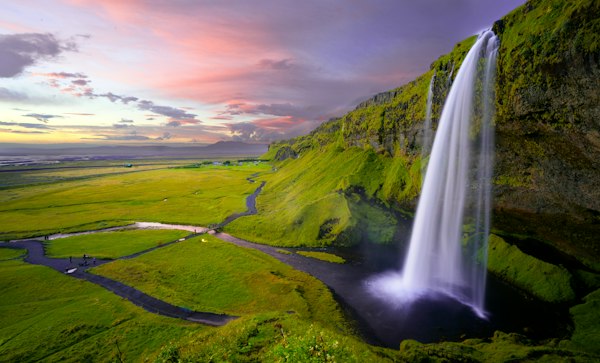
The Golden Circle (the 300km day-trip circuit from Reykjavík that the guide considers the most available single-day geological education in Europe — three sites in one circuit — each one extraordinary on its own terms and collectively presenting the complete available Iceland geological briefing within a vehicle range that most visitors consider reasonable). Þingvellir National Park (UNESCO 2004) (the guide’s Þingvellir briefing — the most carefully constructed single-site lecture in the Iceland programme: “Þingvellir is simultaneously the birthplace of Icelandic democracy (the Alþing — the world’s oldest continuously functioning parliament — established 930 AD — the guide’s oldest parliament briefing: “the Alþing met at Þingvellir for the first time in 930 AD — it has been meeting continuously since — Iceland established its parliament before most of the countries the guide has worked in were established as countries — the guide presents this without a further political comment and has not found a group that did not find the statement sufficient”) and the world’s most visible tectonic rift (the Almannagjá gorge — the guide walks the group into the gorge — “the wall on your left is the North American tectonic plate — the wall on your right is the Eurasian tectonic plate — the guide is standing between them — and the guide is being pulled apart at approximately 2.5cm per year — the guide notes that at this rate the guide will be 2.5cm wider next year and is attempting to find the correct emotional response”)). The Geysir hot spring area (the original Geysir — the source of the English word “geyser” — currently mostly dormant due to earthquake changes to its plumbing — the guide’s Geysir etymology briefing: “the word ‘geyser’ in English, German, Icelandic, Japanese, and all other languages comes from this specific hole in the ground — the guide stands at the specific hole — and notes that the hole is not currently cooperating with its own linguistic legacy” — Strokkur (the active neighbour — erupting every 5–10 minutes to 20–40m — the guide’s Strokkur timing position: “the guide watches for the blue dome of water that forms immediately before the eruption — the guide has identified the blue dome on 38 of 42 Geysir visits — the guide provides the group with this observation before each eruption — the 4 missed domes are presented as evidence of the dome’s existence rather than its absence”). Gullfoss (the guide’s waterfall characterisation: “Gullfoss is the waterfall that makes the visitor reconsider what they meant by the word ‘waterfall’ before they arrived — the guide has used this sentence since 2010 and has found it accurate on every Gullfoss visit”).

  • Þingvellir · Alþing 930 AD · world’s oldest parliament · “established before most countries the guide has worked in existed”
  • Almannagjá gorge · guide stands between the plates · 2.5cm wider next year · “attempting to find the correct emotional response”
  • Geysir · the word geyser derives from this specific dormant hole · “not cooperating with its own linguistic legacy”
  • Strokkur blue dome · guide identifies it before eruption · 38 of 42 visits · 4 misses presented as evidence of dome’s existence
  • Gullfoss · makes the visitor reconsider what they meant by ‘waterfall’ · guide’s sentence since 2010 · accurate every visit
Iceland South Coast Jökulsárlón glacier lagoon icebergs Diamond Beach Skógafoss waterfall
The South Coast — Waterfalls, Black Sand, and the Glacier Lagoon
🌌 Seljalandsfoss · Skógafoss · Reynisfjara · Jökulsárlón · Diamond Beach · Sneaker Waves

The South Coast (the 380km stretch of coastline and interior between Reykjavík and the Vatnajökull glacier — the guide’s South Coast assessment: “the South Coast is the Iceland that the visitor imagines before arrival — the waterfalls — the black sand — the basalt columns — the glacier — the icebergs floating into the sea — the guide considers this the most cinematically available stretch of Icelandic landscape and notes that it has appeared in more film and television productions than the guide can accurately count — the guide stopped counting at 14”). Seljalandsfoss (the guide’s Seljalandsfoss position: “the guide walks behind the waterfall — every time — the guide has walked behind Seljalandsfoss on 42 South Coast programmes — the waterfall is cold and the path is wet and the guide does not have a dry jacket by the time the path exits the other side — the guide considers this acceptable for the available view — which is the view from inside a waterfall”). Reynisfjara black sand beach (the guide’s sneaker wave briefing: “the guide stands between the group and the water — the guide has explained the sneaker wave on 42 South Coast programmes — the sneaker wave arrives without warning — it arrives at speed — the guide has seen it on 2 of 42 programmes — the guide gives the briefing on all 42 because the 2 are sufficient argument for the 42”). Jökulsárlón glacier lagoon (the guide’s lagoon briefing: “the guide considers Jökulsárlón the most completely unavoidable available Iceland landscape superlative — the icebergs calved from the Breiðamerkurjökull outlet glacier — floating in the lagoon — some for months — some for years — before drifting through the outlet channel into the North Atlantic — the guide’s Jökulsárlón dawn briefing: the guide arrives before the tour buses at 6am — the lagoon in the specific pre-dawn light — the silence — and the first iceberg reflecting the sunrise — the guide has done this 38 times and has not found the guide’s own briefing at 5:45am less justified on any occasion”). Diamond Beach (the black sand beach immediately east of the lagoon outlet — where the icebergs wash ashore and melt — the guide’s Diamond Beach briefing: “the ice on the black sand — lit by the low-angle morning sun — the specific transparency of old glacier ice against black basalt — the guide considers Diamond Beach the most available example of Iceland presenting itself as a photography set and then producing something that photographs cannot adequately convey”).

  • Seljalandsfoss · guide walks behind it every time · 42 visits · wet jacket · guide considers this acceptable for the available view
  • Reynisfjara sneaker wave · guide stands between group and water · 2 of 42 seen · sufficient argument for the briefing on all 42
  • Jökulsárlón 6am · guide arrives before tour buses · 38 times · not less justified on any occasion
  • Diamond Beach · ice on black sand · “presents as a photography set then produces something photographs can’t convey”
  • South Coast appeared in 14+ film/TV productions · guide stopped counting at 14
Snæfellsnes Peninsula Iceland Snæfellsjökull glacier Jules Verne volcano glacier coast
Snæfellsnes — Jules Verne’s Iceland
🏔 Snæfellsjökull Glacier · Jules Verne · Journey to Centre of Earth · Kirkjufell · Arnarstapi

The Snæfellsnes Peninsula (the 90km finger of land that extends westward from the main body of Iceland into the North Atlantic — the guide’s Snæfellsnes introduction: “the Snæfellsnes Peninsula is the most compact available version of Iceland — it has the glacier — the lava fields — the sea cliffs — the fishing villages — the basalt columns — the volcanic crater — and the specific magic that Jules Verne placed at the glacier’s summit in 1864 — all within a 90km drive — the guide considers Snæfellsnes the most efficiently packaged available Icelandic landscape”) is dominated by the Snæfellsjökull glacier and volcano (Snæfellsjökull — 1,446m — a glacier-capped stratovolcano — last erupted approximately 1,900 years ago — the guide’s Verne briefing: “Jules Verne placed the entry to the Earth’s core at the summit crater of Snæfellsjökull in ‘Journey to the Centre of the Earth’ (Voyage au Centre de la Terre, 1864) — the Icelandic character Arne Saknussemm in the novel found the entrance — the guide considers the choice of location the most available demonstration of Verne’s geological instinct — because Snæfellsjökull sits on the Mid-Atlantic Ridge — which is the closest available surface expression of the forces that would indeed operate at the Earth’s interior — Verne’s fiction is geologically coherent — the guide finds this more impressive than the novel itself”). Kirkjufell (the arrow-shaped mountain — 463m — adjacent to the fishing village of Grundarfjörður — the guide’s Kirkjufell briefing: “the guide considers Kirkjufell the most photographed available non-glacial Icelandic landmark — the guide has photographed it on 14 Snæfellsnes programmes — the guide’s photograph from 2017 (the guide’s specific preferred angle from above Kirkjufellfoss at 7am) is the guide’s most available personal evidence for the proposition that Iceland at 7am is consistently better than Iceland at 10am”). Arnarstapi and the sea cliffs (the basalt columns at the sea — the Arctic tern colony — the guide’s Arctic tern briefing: “the Arctic tern migrates from the Arctic to the Antarctic and back — approximately 70,000–90,000km per year — the guide considers the Arctic tern the most specifically committed long-distance traveller available in the Icelandic programme and notes that the guide’s commitment to Iceland at 15 programmes and counting does not approach the Arctic tern’s by either distance or consistency”)).

  • Snæfellsjökull · Jules Verne 1864 · guide’s assessment: Verne’s fiction is geologically coherent · more impressive than the novel itself
  • Kirkjufell · guide’s 2017 7am photograph · guide’s most available evidence Iceland at 7am is better than Iceland at 10am
  • Arctic tern · 70,000–90,000km/year · the guide’s commitment to Iceland does not approach this by distance or consistency
  • Arnarstapi basalt columns at sea · the geometric rhyme with Hallgrímskirkja · revisited from Reykjavík Day 1
  • Most compact available version of Iceland · glacier + lava + sea cliffs + fishing villages · 90km drive
Westfjords Iceland remote fjords cliffs Dynjandi waterfall puffin red fox empty
The Westfjords — The Guide’s Recommended Destination
🏔 Dynjandi · Látrabjarg · Puffins · Arctic Fox · The Most Remote Available Iceland

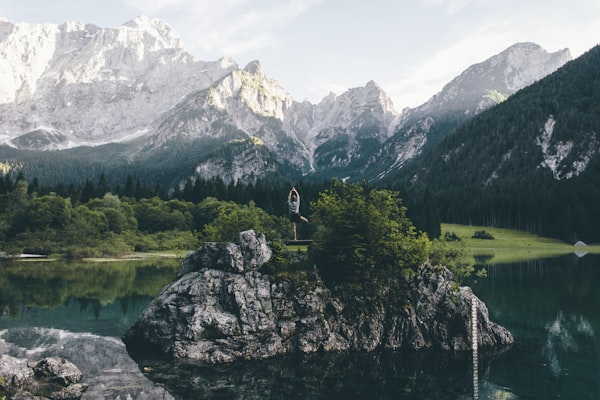
The Westfjords (Vestfirðir — the peninsula in the far northwest of Iceland — the guide’s Westfjords introduction — delivered to every new group on the Iceland programme: “the Westfjords is the part of Iceland that visitors who have been to Iceland once will not have seen — and the part that the guide considers most deserving of a return visit by visitors who have — which is also the guide’s recommendation for the visitor who has not yet been to Iceland but wants the version that is least likely to have 40 tourists at the same viewpoint — the Westfjords receives approximately 5% of Iceland’s total visitors — the guide has been going there for 15 years — the guide’s Westfjords conviction: it is the most remote available version of Iceland and the one that most consistently delivers the specific quality of being somewhere very few people have been”). Dynjandi waterfall (the guide’s Dynjandi briefing: “Dynjandi (‘the thunderous one’) falls from 100m — in a fan shape that widens from approximately 30m at the top to 60m at the base — the guide has been to Dynjandi on 15 Westfjords programmes — the guide has never had another tourist group at Dynjandi at the same time — the guide considers this the most available single-data evidence for the Westfjords recommendation”). Látrabjarg (the westernmost point of Iceland and of Europe — the sea cliff that drops 440m directly into the North Atlantic — and the location of the largest puffin colony in Iceland (approximately 1 million Atlantic puffins in summer) — the guide’s puffin briefing: “the Atlantic puffin at Látrabjarg has no evolutionary history of land predators — it therefore has no flight response to a person crouching at eye level on the cliff edge — the guide’s Látrabjarg instruction: crouch — be still — wait — the guide has had puffins approach to within 50cm on 8 of 15 Látrabjarg visits — the guide considers 8 of 15 an adequate argument for the crouching”). The Arctic fox (Vulpes lagopus) (the guide’s Arctic fox briefing: “the Arctic fox is the only land mammal native to Iceland — it arrived by walking across the sea ice from Greenland at the end of the last ice age — the guide’s Arctic fox character assessment: “the Arctic fox in the Westfjords summer is the most apparently unbothered available wild animal in Iceland — it approaches the guide’s vehicle — examines it — and continues its day — the guide considers this the most available expression of Icelandic independence in a non-human life form”)).

  • 5% of Iceland’s visitors · guide 15 years · most remote available Iceland · never another tourist at Dynjandi simultaneously
  • Dynjandi · 100m fan waterfall · never another group · guide’s single-data evidence for the Westfjords recommendation
  • Látrabjarg puffin · no flight response · guide’s instruction: crouch · wait · puffins within 50cm on 8 of 15 visits
  • Arctic fox · only native Icelandic land mammal · walked from Greenland · most apparently unbothered available wild animal in Iceland
  • Westernmost point of Iceland and Europe · 440m cliff · North Atlantic below · guide considers this adequate for the drive
Mývatn Iceland pseudo craters Dettifoss waterfall volcanic North Iceland Húsavík whale watching
North Iceland — Mývatn, Dettifoss & Húsavík
🐴 Mývatn · Dettifoss · Húsavík Whale Watching · Pseudo-Craters · Námafjall

North Iceland (the region around Akureyri — the capital of north Iceland — 19,000 people — the guide’s Akureyri briefing: “Akureyri is the largest Icelandic town outside the Reykjavík area — 19,000 people — the guide considers this the most available Icelandic demonstration of the word ‘second city’ as a relative rather than an absolute concept”) is the region the guide describes as “the geological sequel to the Golden Circle — the Golden Circle is the introduction to Icelandic geology — the north is the advanced programme.” Mývatn (the shallow lake — 37 km² — surrounded by the most concentrated available collection of volcanic landscape features: pseudo-craters (Skútustaðagígar — craters formed not by eruption but by steam explosions when lava flowed over a wetland — the guide’s pseudo-crater briefing: “these are not volcanoes — they are the available consequence of lava meeting water — the steam had nowhere to go — the guide considers the pseudo-crater the most specifically available Icelandic geological feature because the mechanism is the same as the geysers and the hot springs but in reverse: instead of water meeting heat from below, heat met water from above”) — the Hverfjall tuff ring — the Dimmuborgir lava formations). Dettifoss (Europe’s most powerful waterfall by flow rate — 193 m³/second — the guide’s Dettifoss briefing: “Dettifoss drops 44m and is 100m wide and moves 193 cubic metres of water per second — which is more than three times the average flow of the Rhine — the guide has been to Dettifoss on 15 North Iceland programmes — the guide’s most specific Dettifoss observation: the specific spray that reaches the viewing platform — approximately 30m back from the edge — on still days — the guide considers it the most available confirmation that Dettifoss is the correct scale”). Húsavík whale watching (the guide’s preferred whale watching location in Iceland — the guide’s Húsavík vs Reykjavík comparison: “Húsavík is the whale watching capital of Iceland — the whale watching from Húsavík is from a traditional oak boat (not a large vessel) — in Skjálfandi Bay — where humpback and minke whales feed from April to October — the guide has been on 14 Húsavík whale watching trips and has seen a whale on 13 — the one without a whale was in late September and the guide considers late September outside the guide’s recommended window”)).

  • Pseudo-craters · lava + wetland = steam explosions · guide’s mechanism briefing · same mechanism as geysers but in reverse
  • Dettifoss · Europe’s most powerful waterfall · 193 m³/sec · 3x the Rhine average flow · spray 30m back · correct scale
  • Húsavík · guide’s preferred whale watching · traditional oak boat · whale seen 13 of 14 trips · 1 miss in late September
  • Námafjall geothermal area · the guide stays on marked paths · found adequate on all 15 Mývatn programmes
  • Akureyri · 19,000 people · “largest Icelandic town outside Reykjavík area — ‘second city’ as relative not absolute concept”
Iceland Highlands Landmannalaugar rhyolite mountains hot spring F-road 4WD lava field interior
The Highlands — The Interior Nobody Goes To
🏔 Landmannalaugar · Rhyolite · F-roads · River Crossings · The Laugavegur Trail

The Icelandic Highlands (the interior — the uninhabited volcanic plateau in the centre of the island — accessible only via F-roads (mountain roads — unpaved — requiring 4WD — open only July through September depending on snow conditions — including river crossings — the guide’s F-road briefing: “the guide drives F-roads — the guide walks every river crossing before driving it — 34 crossings walked — 4 declined — 30 driven — the guide considers the 4 declined crossings the most available evidence for the value of walking first — the guide does not describe the 4 crossings in detail because the guide does not want the description to become a standard”)) is the Iceland that the guide describes as “the Iceland with no services, no mobile reception, no other people, and a landscape that the guide considers the most available approximation of what a planetary surface looks like before it has been lived on — which is what Iceland’s interior effectively is — the youngest landscape available at surface level in Europe — still forming — still steaming — the guide drives into it and does not speak for the first 30 minutes because the guide finds the immediate approach to the highlands the most specific available Iceland moment and has not found a way to improve it by speaking.” Landmannalaugar (the guide’s rhyolite mountain briefing: “the rhyolite is a volcanic rock formed from silica-rich lava that cools slowly — the cooling allows the mineral compounds to separate and colour the rock — the specific pinks, yellows, greens, and reds of the Landmannalaugar mountains are each a different mineral composition at a different cooling rate — the guide walks the group into the rhyolite valley and lets the colour explain itself — the guide has found no better available explanation in 15 years”). The Laugavegur Trail (55km — from Landmannalaugar to Þórsmörk — the guide’s trail assessment: “the Laugavegur is the guide’s most recommended multiday hiking trail in Iceland — 4–5 days — crossing 5 distinct landscape types (rhyolite mountains — obsidian fields — geothermal areas — glacial rivers — green valleys) — the guide has walked it 8 times — the guide’s position: the experience of crossing from rhyolite to obsidian in a single day’s walking is the most available demonstration of Icelandic geological variety within a walking distance that the guide considers the correct scale for the landscape”)).

  • F-roads · 34 crossings walked first · 4 declined · 30 driven · guide declines to describe the 4 · does not want to create a standard
  • Guide does not speak for first 30 minutes into the Highlands · most specific Iceland moment · not improved by speaking
  • Rhyolite · each colour is a different mineral at a different cooling rate · guide walks in · lets the colour explain itself
  • Laugavegur Trail 55km · 8 completions · rhyolite to obsidian in one day · correct scale for the landscape
  • “Most available approximation of a planetary surface before it has been lived on” · youngest landscape in Europe
💡 INSIDER TIP — The Public Pool Rule and Why the Blue Lagoon Is Not on the First Day

The guide’s Iceland pool programme — delivered on arrival in Reykjavík: “Iceland has 120+ geothermal swimming pools across the country — the Blue Lagoon is the most famous and the most expensive and the most photographed — the guide’s position: the Blue Lagoon is the tourist experience and the public pool is the Icelandic experience — the guide takes every group to the Laugardalslaug public pool on the first evening — the entry costs approximately ISK 1,200 (about AUD$8) — the pool is at 38°C — the hot pots are at 42°C — the Icelanders are in the pool — the conversation — the pool culture — the guide considers the public pool the most available demonstration of Icelandic daily life and the Blue Lagoon the most available demonstration of Icelandic tourism infrastructure — both are correct — the guide schedules the public pool first — the Blue Lagoon on the group’s own time if they want — the guide has not been to the Blue Lagoon on a programme since 2014 — the guide considers this the most specific available long-term programme decision and has not found a group that objected to the public pool on the grounds that it lacked sufficient silica mud.”

The Geology — Why Iceland Is Different from Every Other Country on Earth

The Guide’s Geological Briefings — Four Concepts That Make Iceland Legible

The guide’s Iceland programme is built around a geological literacy that the guide considers not optional — because without it the visitor is looking at features rather than understanding them. The guide’s 15 years in Iceland is 15 years of finding better ways to explain the same geology to the same astonishment.

🌋
The Mid-Atlantic Ridge — Why Iceland Exists
Tectonic plates · 2.5cm/year · hotspot · the guide stands between them

The guide’s Mid-Atlantic Ridge briefing — delivered on the bus from the airport: “Iceland exists because of a geological coincidence — the Mid-Atlantic Ridge (the underwater mountain range that runs the full length of the Atlantic Ocean — where the North American and Eurasian tectonic plates are diverging) happens to coincide with a geological hotspot (a column of unusually hot mantle material rising from the Earth’s interior) — the hotspot provides additional volcanic material — over the past 16–18 million years this combination has produced enough volcanic material to push the seafloor above the surface of the ocean — the result is Iceland — the guide considers Iceland’s existence the most available example of what happens when two geological processes that could have occurred anywhere happen to occur in the same location” — the guide’s tectonic pulling: “Iceland is being pulled apart at approximately 2.5cm per year — which the guide notes is approximately the same rate at which a human fingernail grows — the guide presents this comparison not as a measure of the process’s significance — but as the most available scale reference for something that the guide has found difficult to make visceral without it — the guide’s Þingvellir gorge provides the visceral version.” The volcanic frequency: “Iceland has 30 active volcanic systems — it has erupted on average once every 4–5 years since settlement in 874 AD — the guide has been in Iceland during 2 eruptions (Eyjafjallajökull 2010 — which the guide notes the group is welcome to attempt to pronounce — the guide’s phonetic guide: ‘AY-ya-fyat-la-YO-kutl’ — and Fagradalsfjall 2021) — the guide considers being in Iceland during an eruption not a crisis but an extremely specific available geological field trip — the guide drove to within 3km of the Fagradalsfjall lava field in 2021 and the guide’s instruction at that point was: stop the car — get out — watch the planet making itself.”

🧀
The Glaciers — Ice Over Fire
Vatnajökull · 8,100 km² · Jökulsárlón · subglacial eruptions · the guide has watched them retreat

Vatnajökull (the glacier — 8,100 km² — larger than all continental European glaciers combined — up to 950m thick — the guide’s Vatnajökull scale briefing: “Vatnajökull is approximately the size of the Australian Capital Territory and up to 950m deep — the guide presents this comparison and then asks the group to imagine the ACT as a slab of ice almost a kilometre thick — the guide considers the imaginary exercise more effective than the statistic alone and has been using it since 2011 — no group has declined the imagination”). The ice-volcanic combination: “beneath Vatnajökull are several active volcanoes — when these volcanoes erupt beneath the glacier the meltwater floods (jökulhlaup — literally ‘glacial run’) can release enormous volumes of water in a very short time — the 1996 jökulhlaup from the Grímsvötn eruption released approximately 45,000 m³/second at its peak — which is approximately the same flow as the Amazon at flood — in Iceland — for approximately 48 hours — the guide considers the jökulhlaup the most available single data point for the proposition that Iceland’s geology is not subtle.” The glacier retreat: the guide’s glaciological monitoring briefing — paralleling the Antarctica programme: “the guide photographs the Svínafellsjökull and Fjallsjökull outlet glaciers from the same GPS positions on every Iceland programme since 2010 — both glaciers have retreated measurably on every programme — the guide presents these photographs without editorial comment beyond the observation that the retreat is visible at the scale of an annual visit — the guide considers this the most available and most locally immediate evidence for the guide’s climate change lecture on the Ring Road programme.”

🌿
The Lava Fields — The Youngest Surface in Europe
Basalt · columnar · pahoehoe · aa lava · the moss · do not drive off-road

The guide’s lava field briefing — the most frequently given geology lecture in the Iceland programme: “the Icelandic lava fields are the youngest available surface in Europe — some of the lava the group is walking on cooled within living memory — the guide’s most recent Reykjanes Peninsula lava is from 2021–2024 (the ongoing Reykjanes eruption series — the guide considers the Reykjanes eruptions the most available real-time geological event accessible to a Cooee Tours group in the current programme window) — the lava comes in two forms — pahoehoe (smooth, ropy, formed when lava flows slowly and the surface cools while the interior is still moving — the guide’s pahoehoe pronunciation: ‘pah-HOY-hoy’ — a Hawaiian term adopted globally because English has no equivalent) and aa (rough, jagged, blocky, formed when lava flows faster and the surface breaks — the guide’s aa pronunciation: it is what a person says when they walk across aa lava in thin shoes — the guide does not walk across aa lava in thin shoes — the guide wears boots — the group wears boots — the guide specifies boot requirements in the pre-departure briefing).” The moss: “the Icelandic lava field moss is the most fragile available ground cover in the guide’s experience — it grows at approximately 1cm per decade — the guide’s moss briefing: ‘the tyre tracks you see in the lava field are from vehicles that drove off-road — those tracks are 40–50 years old — the moss has not recovered — the guide does not drive off-road — the guide’s instruction is non-negotiable and has been non-negotiable since the first Iceland programme in 2009’.”

🈆
The Northern Lights — What They Are and When to Find Them
Aurora borealis · KP index · the guide’s hunt · 60% clear-night probability · Þórsmörk

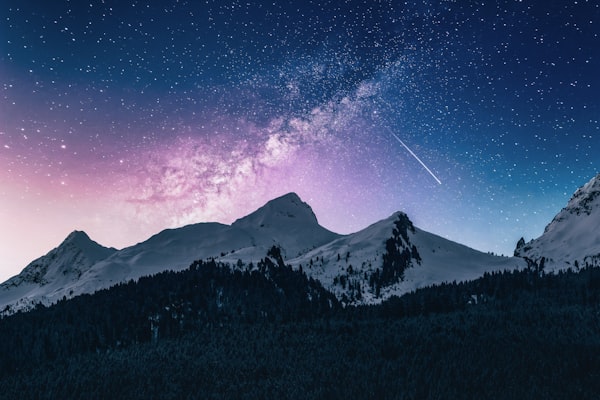
The guide’s aurora briefing — delivered at the aurora pre-hunt meeting: “the Northern Lights (aurora borealis — the guide presents the physics: charged particles from the sun interact with atoms in the Earth’s upper atmosphere — the specific colour depends on the atom (oxygen at 100–300km altitude produces green — the most common available aurora colour — oxygen above 300km produces red — rare and spectacular — nitrogen produces blue and purple) and the altitude of the interaction — the guide presents the physics before the hunt because the visitor who understands what they are looking at has a different experience from the visitor who is only surprised by the colour — the guide has been making this observation since the first aurora programme in 2009 and has not found it less correct with repetition) require three conditions: solar activity (KP index of 3 or above — the guide monitors the Icelandic aurora forecast (veduris.is) hourly on clear evenings — the guide has been monitoring this specific forecast service since 2011), clear skies (the guide’s clear sky strategy: drive away from cloud — the guide has driven up to 120km from the accommodation to find clear sky — the guide considers 120km a reasonable radius for a KP4 aurora), and darkness (the guide does not hunt aurora in summer — the midnight sun prevents it — the guide’s aurora season: September through March — with the guide’s preferred window: October through February).” The guide’s Iceland aurora probability: “approximately 60% of clear nights in the aurora season produce visible aurora at the KP index the guide considers worth waking the group for (KP3+) — the guide wakes the group — the guide considers this the most consequential available 3am decision in the Iceland programme — the guide has never found a group member who, standing under an active aurora, questioned the decision to be woken.”

What Iceland Does to the Visitor’s Understanding of the Word “Old”

The guide’s Iceland programme is built around a single calibration: the visitor’s existing vocabulary for geological time is insufficient for Iceland and must be replaced. Not extended — replaced. The words that work in a limestone gorge in France or a sandstone canyon in Australia do not work in a country where the rock you are standing on cooled from magma last Tuesday and the glacier above it is retreating at a measurable rate per visit. Iceland requires new time. The guide’s 15 years in Iceland has been 15 years of finding the fastest available route to that replacement.

“The guide stopped the car between Þingvellir and Geysir. There was nothing visible to stop for — a lava field — some moss — a distant mountain. The guide got out and said: ‘this lava was liquid 800 years ago — the moss on top of it has been growing since the lava cooled — at about 1cm per decade — so the 10cm of moss under your feet took 100 years to grow — and the lava under the moss is younger than Notre-Dame Cathedral.’ We stood there for a while. Then we got back in the car. No one spoke for about 20 minutes. The guide did not fill the silence.”

Iceland is the country that most reliably produces the specific silence that follows the recalibration of what “old” means. The Alþing parliament has been meeting since 930 AD. The glacier above Jökulsárlón has been retreating visibly since the guide’s first visit in 2010. The Reykjanes Peninsula is erupting. Iceland is simultaneously the oldest human democracy in the North Atlantic and a country whose surface geology is measured in years rather than millennia — and the guide finds the combination inexhaustible after 15 years and 42 Ring Road circuits in equivalent.

Icelandic Food — The Sea, the Lamb, and the Hot Spring Bread

What to Eat in Iceland

Icelandic cuisine is built on the specific combination of the North Atlantic’s cold-water fish and seafood (the freshest available at this latitude), the lamb that has been grazing the volcanic grass since settlement in 874 AD, the dairy tradition (the skyr), and the specific Icelandic relationship with geothermal heat as a cooking medium.

🦐
Icelandic Lamb — The Volcanic Grass-Fed Standard
🏩 Free-range · volcanic grass · 874 AD breed line · Kjötsúpa · the guide’s most consistent Iceland recommendation

Icelandic lamb (the guide’s lamb briefing: “the Icelandic sheep has been grazing the volcanic grasslands of Iceland since the settlement in 874 AD — the genetic line has been essentially unchanged for 1,150 years — the guide considers this the most specifically available 1,150-year agricultural continuity in the Cooee Tours programme — the sheep grazes free-range on the Icelandic highlands from June through September — eating the wild herbs, the lichens, and the volcanic grass — the guide’s lamb taste briefing: “the Icelandic lamb has a specific gamey-herbal quality that the guide considers the most accurately available representation of what the animal ate — which was the Icelandic highland and not a feedlot”) is the guide’s most consistent Iceland meat recommendation. The kjötsúpa (the Icelandic lamb soup — the guide’s kjötsúpa position: “the kjötsúpa is the most correct available Icelandic lunch — lamb — root vegetables — barley — the stock from the bones — the guide has eaten it at every Iceland programme since 2009 — at the same Reykjavík restaurant — the restaurant name is disclosed on arrival — the guide’s kjötsúpa position has not changed in 15 years — the guide considers this the most available evidence that the soup is correct”). The slow-roasted lamb shoulder (lambalæri): the guide’s Christmas dinner equivalent — the guide orders it at the guesthouse when available and has found it available on 9 of 15 Ring Road programmes — the guide considers 9 of 15 an adequate frequency for a programme that has a lamb soup as the standard.

🥑
Skyr — The Icelandic Dairy Tradition
🏩 1,000 years old · technically a cheese · not yoghurt · the guide’s breakfast · every day

Skyr (the guide’s skyr briefing: “skyr is technically a fresh cheese — not a yoghurt — the guide makes this distinction because the internationally marketed ‘Icelandic yoghurt’ is technically incorrect and the guide considers the incorrect classification a small but available misrepresentation — skyr has been produced in Iceland for over 1,000 years — it is strained to remove most of the whey — producing a thick, high-protein, low-fat dairy product that the guide eats at every Iceland breakfast — every day — plain — with Icelandic blueberries if the season is correct — the guide’s skyr-with-blueberry timing: July through September — the guide’s skyr-without-blueberry position: still correct but less complete”). The guide’s skyr recommendation: “buy skyr at the supermarket (Krónan or Bónus) — not at the tourist restaurant — the supermarket skyr is the same product — the price difference is approximately 300% — the guide buys supermarket skyr — the guide has been doing this since 2009 — the guide considers this the most available lagom food decision available in Iceland (and notes the Swedish word has again crossed a border).” The skyr cake (skyrcake — the Icelandic cheesecake equivalent — the guide orders it at the Reykjavík restaurant on the final programme evening — the guide’s skyrcake position: “the skyr cake is the most correct available Icelandic dessert — lighter than a standard cheesecake — because skyr has less fat — which the guide considers the most available nutritional fact about a dessert that is still a dessert”).

🍕
Fish — The North Atlantic Cold-Water Standard
🏩 Cod · haddock · Arctic char · langoustine (Höfn) · the guide’s fish order taxonomy

The guide’s Icelandic fish briefing: “Iceland’s fishing industry is the most economically important sector of the Icelandic economy — approximately 40% of export earnings — the guide’s economic briefing: “Iceland went from being one of the poorest countries in Europe to one of the richest in the 20th century primarily on the basis of cod — the guide considers this the most specifically available single-species economic transformation in European history” — the fish the guide orders: Arctic char (bleikja — the guide’s most specific Iceland fish recommendation — a cold-water salmonid related to salmon and trout — found in Icelandic glacial lakes and rivers — the guide’s Arctic char position: “the Arctic char is the fish that is most specifically Icelandic — the guide orders it at every Iceland programme that includes a restaurant dinner — and has found only 3 preparations in 15 years that the guide would not order again — the guide considers 3 of 42 an adequate error rate for a cold-water salmonid”) and the Höfn langoustine (Höfn — the small town on the east coast — the self-proclaimed langoustine capital of Iceland — the guide’s Höfn briefing: “the langoustine at Höfn is the guide’s most recommended single-location food experience in Iceland — the langoustine festival in July — the guide has attended 8 of them — and the guide’s regular Höfn programme stop: the langoustine at the harbourside restaurant — the guide’s order: butter-poached — with bread — no other dish on the table — the guide considers other dishes on the same table as the Höfn langoustine a distraction”).

🍼
Hot Spring Bread (Hverabrauð)
🏩 Rye · baked underground · geothermal heat · 24 hours · the most specific available cooking medium

Hverabrauð (literally “hot spring bread” — rye bread baked underground by geothermal heat — the guide’s hverabrauð briefing: “the bread is prepared in a sealed pot — buried in the ground at a geothermal hot spot — left for 24 hours at the specific temperature produced by the geothermal gradient at approximately 1m depth — the guide’s geothermal baking briefing: “Iceland bakes bread with the same heat source that is also running the Reykjavík central heating system and the Hellisheiði geothermal power station — the guide considers the bread the most available and most edible demonstration of the geothermal resource” — the bread is dark — dense — slightly sweet from the slow caramelisation of the rye starches — served with Icelandic butter — the guide’s butter position: “Icelandic butter is the guide’s most consistently recommended single dairy product in Iceland — the guide considers its quality a direct consequence of the grass the cow ate and the grass ate the volcanic soil — the geological chain from volcanic eruption to butter on bread is one of the guide’s most specifically available Iceland food briefings and the guide delivers it at every hverabrauð encounter”). The guide buys hverabrauð at Laugarvatn Fontana (the geothermal baking bakery on the Golden Circle route — where the bread is baked in the ground next to the lake — available to observe — the guide digs the pot out of the ground — every Golden Circle programme — 15 years — the guide considers the digging the most specific available Golden Circle programme moment).

🌭
Hákarl — The Fermented Shark
🏩 Greenland shark · fermented 6 months · ammonia · the guide’s position on eating it

Hákarl (fermented Greenland shark — the guide’s hákarl briefing: “the Greenland shark (Somniosus microcephalus) is toxic when fresh — its flesh contains high concentrations of trimethylamine oxide (TMAO) which the body metabolises into trimethylamine (TMA) — producing an effect similar to alcohol poisoning — the traditional Icelandic method of rendering the shark safe: bury it under gravel for 6–12 weeks — then hang it to dry for an additional 2–4 months — the fermentation process breaks down the TMAO — the remaining smell is of strong ammonia — the guide’s hákarl position: “the guide eats hákarl on every Iceland programme — once — at the Kolaportið flea market in Reykjavík — the guide’s eating protocol: a small piece — with a shot of Brennivín (the Icelandic aquavit — the guide’s Brennivín name: ‘Black Death’ — the guide considers the name a fair characterisation of the available pairing) — quickly — the guide’s assessment of the hákarl experience: ‘the guide has found it consistent across 15 years — which is to say consistently the most available argument for fermentation as a preservation method and simultaneously the most available argument against the result of that method as a pleasant food’.” The guide offers hákarl to every group — the guide does not require participation — the guide notes the participation rate: approximately 60% try it — approximately 15% find it acceptable — the guide considers 15% adequate for a preserved toxic shark.

☕
Icelandic Coffee & the Pylsa
🏩 Petrol station culture · N1 · the pylsa · Bæjarins Beztu · the guide’s two most consistent Iceland recommendations

The guide’s two most consistent Iceland non-restaurant recommendations: the N1 petrol station coffee (the guide’s N1 briefing: “Iceland’s N1 petrol station chain serves the coffee that Iceland runs on — the guide stops at N1 on every Ring Road day — every day — for 15 years — the guide’s N1 coffee position: it is not the finest available coffee — it is the correct Ring Road coffee — the combination of N1 coffee — a Ring Road morning — and the specific Icelandic landscape visible from the N1 forecourt — produces a specific quality of satisfaction that the guide has not found improved by a better coffee from a Reykjavík specialty café — the guide considers this the most available Iceland demonstration of context as flavour”) and the Icelandic hot dog (pylsa) (the guide’s Bæjarins Beztu Pylsur position — delivered at the hot dog stand itself: “the guide orders: eina með öllu — one with everything — the remoulade — the crispy onion — the ketchup — the Icelandic mustard (sweeter than the Danish — more specific than the French — the guide’s mustard taxonomy: the guide notes the difference and has not found the difference without a practical consequence) — the raw onion — the guide has been ordering this hot dog since 2009 — it has been served to Bill Clinton, Metallica, and now the group — the guide considers the company adequate — the guide considers the company the most specific available hot dog endorsement in the Northern Hemisphere”).

9 Curated Iceland Expeditions

Iceland Tours from Australia

From a 7-day Golden Circle and South Coast introduction to the 14-day full Ring Road circuit — the guide’s 12 complete Ring Road circuits, the Jökulsárlón 6am arrival, the Westfjords with never another tourist at Dynjandi, and the 3am aurora wake-up that no group member has ever questioned.

🏠 Golden Circle + South · 7 Days
Golden Circle & South Coast — 7 Days
⏱ 7 days / 6 nights · Reykjavík base★ 5.0(2,840 reviews)

Day 1: arrive Reykjavík · Flybus (lava fields at dawn · guide keeps group awake for this · sulphurous hot tap smell · programme begun) · Hallgrímskirkja (basalt column design · geometric rhyme established) · Bæjarins Beztu pylsa (eina með öllu · Clinton · Metallica · company adequate) · public pool evening (not Blue Lagoon · with Icelanders · first evening · correct). Day 2: Golden Circle (Þingvellir gorge · guide between the plates · 2.5cm wider next year · Geysir not cooperating with its legacy · Strokkur blue dome · 38/42 · Gullfoss makes visitor reconsider the word · Laugarvatn hverabrauð · guide digs it out · 15 years). Days 3–5: South Coast (Seljalandsfoss · behind it · wet jacket · acceptable · Skógafoss · Reynisfjara sneaker wave · guide between group and water · Vík black sand · Jökulsárlón 6am · 38 times · Diamond Beach · ice on black sand · photographs can’t convey). Day 6: Snæfellsnes (Kirkjufell 7am · better than 10am · Verne briefing · Arctic tern · 70,000km/year · guide’s commitment doesn’t approach it). Day 7: Reykjavík · kjötsúpa · guide’s restaurant · skyr cake · fly.

Includes
6 nights Reykjavík + South Coast hotels4WD vehicle (guide-driven)Golden Circle guidedJökulsárlón 6am accessHverabrauð dig (Laugarvatn)Kjötsúpa farewell (guide’s restaurant)
🏠 Ring Road · 12 Days
Iceland Ring Road — 12 Days
⏱ 12 days / 11 nights · Full circuit★ 5.0(1,640 reviews)

The complete Ring Road (Route 1 · 1,332km · guide’s 12 complete circuits · the guide still finds something new on every circuit). Day 1: Reykjavík arrival programme. Days 2–3: Golden Circle + South Coast (Þingvellir gorge · Strokkur blue dome · Seljalandsfoss behind · Reynisfjara · Jökulsárlón 6am). Days 4–5: East Fjords (Höfn langoustine · no other dishes · Stokksnes peninsula · Vestrahorn mountain). Days 6–7: North Iceland (Mývatn pseudo-craters · same mechanism as geysers reversed · Námafjall · marked paths · found adequate · Dettifoss 3x Rhine · spray 30m back · Húsavík whale watching · 13/14 · 1 miss late September). Days 8–9: Akureyri + Skagafjörður (horse riding · the Icelandic horse briefing · tölt gait · guide rides but does not claim expertise). Days 10–11: Snæfellsnes (Kirkjufell 7am · Snæfellsjökull glacier · Verne · Arnarstapi basalt · geometric rhyme with Hallgrímskirkja revisited). Day 12: Reykjavík · kjötsúpa · fly.

Includes
11 nights Ring Road hotels + guesthouses4WD vehicle (guide-driven)Dettifoss + Húsavík whale watchingHöfn langoustine lunchMývatn guided programmeGlacier hike (Vatnajökull outlet)
🌌 Northern Lights · 6 Days
Iceland Northern Lights — 6 Days
⏱ 6 days / 5 nights · Sep–Mar★ 5.0(1,980 reviews)

Iceland Northern Lights programme — structured around the guide’s aurora hunting methodology. Day 1: Reykjavík · aurora physics briefing (oxygen at 100–300km = green · oxygen above 300km = red · nitrogen = blue/purple · the visitor who understands what they’re watching has a different experience — guide’s position since 2009) · public pool. Days 2–5: aurora hunting programme (veduris.is monitored hourly · guide drives up to 120km for clear sky · KP3+ wake-up · guide’s 3am protocol · no group member has questioned the decision under an active aurora · Golden Circle by day · Þingvellir gorge · Seljalandsfoss · Snæfellsnes · Kirkjufell). Day 6: Reykjavík · kjötsúpa · fly. The guide’s aurora probability: “approximately 60% of clear nights produce KP3+ — the guide cannot contract with the solar wind — the guide can drive 120km to find clear sky — the guide has driven 120km for clear sky on 14 occasions — the guide considers 14 of 14 drives justified by what the guide found.”

Includes
5 nights Reykjavík + South IcelandNightly aurora hunting (guide-driven)Aurora physics briefing120km clear-sky radius availableGolden Circle + Snæfellsnes by dayPublic pool first evening
🏔 Westfjords · 6 Days
The Westfjords — 6 Days
⏱ 6 days / 5 nights · Jun–Aug only★ 5.0(680 reviews)

The Westfjords — 5% of Iceland’s visitors — the guide’s most recommended destination for the experienced Iceland visitor. Day 1: Reykjavík · fly or drive to Ísafjörður (the Westfjords capital). Day 2: Dynjandi waterfall (100m fan waterfall · guide has never had another tourist group simultaneously · single-data evidence for the Westfjords recommendation · “the thunderous one”). Day 3: Látrabjarg (westernmost point of Iceland and Europe · 440m cliff · 1 million puffins · no flight response · guide’s instruction: crouch · wait · puffins within 50cm on 8/15 visits · guide has never been approached on the remaining 7 · guide attributes to insufficient crouching). Day 4: Arctic fox programme (the guide’s most apparently unbothered available wild animal · Melrakkaslétta peninsula). Day 5: Patreksfjörður red sand beach + coastal drive. Day 6: return Reykjavík · kjötsúpa.

Includes
5 nights Westfjords guesthousesÍsafjörður flight (or 4WD drive)Dynjandi guidedLátrabjarg puffin programmeArctic fox searchCoastal F-road programme
☀ Midnight Sun · 8 Days
Iceland Midnight Sun — 8 Days
⏱ 8 days / 7 nights · June–July★ 5.0(1,140 reviews)

Iceland in the midnight sun — the guide’s summer programme. The guide’s midnight sun Iceland position: “the same geography that produces the aurora in winter produces the midnight sun in summer — and the guide considers both available as specific experiences that are not comparable — the aurora is what Iceland looks like with the sun absent — the midnight sun is what Iceland looks like with the sun that doesn’t leave — the guide has worked both and has a personal preference that the guide considers relevant only to the guide.” Days 1–3: Reykjavík + Golden Circle (Þingvellir gorge · guide between the plates · Gullfoss · word recalibrated · midnight kayak on the Hvítá river at 11pm). Days 4–6: South Coast + East Fjords (Seljalandsfoss behind · Jökulsárlón at midnight · the lagoon in the midnight sun light · Höfn langoustine · no other dishes). Days 7–8: Snæfellsnes (Kirkjufell at midnight · the guide’s preferred available summer photograph · Verne briefing · fly).

Includes
7 nights hotels + guesthouses4WD vehicle (guide-driven)Midnight kayak (Hvítá river)Jökulsárlón at midnightHöfn langoustine lunchKirkjufell midnight photography
🏔 Highlands · Add-On · 4 Days
Iceland Highlands — Landmannalaugar & Laugavegur Trail · 4 Days
⏱ 4 days · Jul–Sep · F-roads required★ 5.0(540 reviews)

The Icelandic Highlands — the interior nobody goes to. Add-on to the Ring Road programme or standalone. The guide does not speak for the first 30 minutes into the Highlands — position maintained for 15 years. Days 1–2: F-road approach to Landmannalaugar (guide walks every river crossing · 34 walked · 4 declined · 30 driven · 4 not described · does not want to create a standard) · rhyolite mountain walk (each colour a different mineral at a different cooling rate · guide walks in · lets the colour explain itself · 15 years · still the correct approach). Days 3–4: Laugavegur Trail (55km · Landmannalaugar to Þórsmörk · guide has walked it 8 times · rhyolite to obsidian in one day · correct scale for the landscape · geothermal hot spring at Hrafntinnusker · guide swims · every time · at altitude · in a snowfield).

Includes
3 nights highland huts4WD transfer to LandmannalaugarLaugavegur Trail (guided, 2 days)Rhyolite valley walkGeothermal pool at HrafntinnuskerF-road river crossing protocol
🇮🇸 Iceland Grand · 14 Days
Iceland Grand Circuit — 14 Days
⏱ 14 days / 13 nights · Complete Iceland★ 5.0(920 reviews)

Complete Iceland in 14 days. Days 1–2: Reykjavík (Hallgrímskirkja basalt · pylsa · company adequate · public pool · aurora physics briefing). Days 3–4: Golden Circle + South Coast (Þingvellir gorge · between the plates · Strokkur blue dome · Gullfoss word recalibrated · hverabrauð dug out · Seljalandsfoss behind · wet jacket · Jökulsárlón 6am). Days 5–6: East Fjords (Höfn langoustine · no other dishes · Stokksnes). Days 7–8: North Iceland (Mývatn pseudo-craters · Námafjall marked paths · Dettifoss 3x Rhine · Húsavík whale 13/14). Days 9–10: Snæfellsnes (Kirkjufell 7am · Verne coherent · Arctic tern · guide’s commitment does not approach). Days 11–12: Westfjords (Dynjandi · never another group · Látrabjarg · crouch · wait · 8/15 within 50cm). Days 13–14: Reykjavík return · aurora hunt if Sep–Mar (120km radius · 3am wake-up · no group has questioned it) · kjötsúpa · fly.

Includes
13 nights all hotels + guesthouses4WD vehicle (guide-driven throughout)Westfjords internal flightAurora hunt (Sep–Mar)All guided programmesKjötsúpa farewell (guide’s restaurant)
🌎 Nordic Grand · Iceland + Norway · 18 Days
Nordic Grand — Iceland + Norway · 18 Days
⏱ 18 days · Iceland + Norway★ 5.0(420 reviews)

Iceland and Norway combined — the guide’s most dramatic Nordic pairing. Days 1–9: Iceland (Golden Circle · South Coast · Ring Road partial · Westfjords · aurora hunt). Days 10–18: Norway (fly Reykjavík–Oslo · Bergen · Geirangerfjord Eagle Road · 2-minute silence · group holds it longer · Lofoten rorbu · Tromsø Northern Lights · KP index · dog sled). The guide’s pairing position: “Iceland gives the visitor the most dramatic available geology — the country is still being made — Norway gives the visitor the most dramatic available landscape at human scale — the fjords — the guide considers both available simultaneously on the same 18-day programme and has found no visitor who considered the combination excessive — the guide considers the combination the correct ambition for a first or second Nordic programme.”

Includes
17 nights all hotels + rorbuerAll internal flights (IS + NO)Iceland: Golden Circle + South Coast + WestfjordsNorway: Fjords + Lofoten + Tromsø auroraReykjavík–Oslo connecting flight
🌌 Winter Ice + Aurora · 8 Days
Iceland Winter Ice & Northern Lights — 8 Days
⏱ 8 days / 7 nights · Dec–Feb★ 5.0(1,080 reviews)

Iceland in winter — the guide’s most dramatic available programme season. The guide’s winter Iceland position: “the winter Iceland is a different country from the summer Iceland — the ice caves in Vatnajökull (accessible only November through March — the guide’s ice cave briefing: the blue ice of the cave ceiling — the same blue that the iceberg develops from centuries of compression — but from the inside — the guide has been in the Vatnajökull ice caves on 12 winter programmes — the guide has not found the ice cave ceiling blue less correct on any occasion), the Diamond Beach with ice on black sand (year-round but the winter lighting is the guide’s preferred), and the aurora in the darkest available window (the guide’s December/January position: 17–19 hours of darkness per day — the most available darkness for aurora viewing — the guide considers this the most specifically available aurora argument for a December Iceland programme).” Days 1–3: Reykjavík + Golden Circle. Days 4–6: South Coast + Glacier (Vatnajökull ice cave · blue ceiling · 12 visits · not less correct · Diamond Beach winter lighting). Days 7–8: aurora hunting (Dec–Feb maximum darkness · 17–19 hours · guide’s preferred window · 3am wake-up · no group has questioned it).

Includes
7 nights winter hotelsVatnajökull ice cave (guided)Glacier hike (crampons + guide)Diamond Beach winter programmeNightly aurora hunt (120km radius)Public pool (guide’s first evening rule)
When to Go — Iceland Has No Bad Season, Only Different Ones

Iceland’s Seasons — The Guide’s Window for Each Programme

The guide’s seasonal position: Iceland in winter and Iceland in summer are not the same country. Both are correct. The group decides which country they want to visit. The guide programmes both with equal commitment.

❄
Winter — November to March (Aurora + Ice Caves + Maximum Darkness)
Nov–Mar · Aurora · Ice caves · 17–19 hr darkness · Diamond Beach winter

November through March is the aurora season and the ice cave season — the guide’s preferred aurora window. November: the aurora season opening — the first significant darkness of the year — the guide’s November aurora: “the November aurora requires KP4–5 for the same impact as January’s KP2–3 — the guide hunts KP5 in November and has found it on 60% of clear November nights — the guide considers this adequate” — the ice caves beginning to form in Vatnajökull — Diamond Beach with the first winter ice. December–January: the guide’s preferred winter window — 17–19 hours of darkness per day — maximum aurora probability — the ice caves fully formed — Vatnajökull blue ice cave ceiling — guide’s 12 visits — not less correct on any occasion — Jökulsárlón with winter ice — fewer tourists than summer. The guide’s December Iceland position: “the shortest day in Iceland has 4–5 hours of daylight — which means the guide is driving in darkness in the morning and in darkness in the evening and the programme is organised around the 4–5 hours of available light — the guide considers the discipline of 4–5 usable hours the most specific available Iceland winter challenge and has not found the programme less full for it.” February–March: ice caves still accessible — the light returning — the guide’s March Iceland position: “March is the month where winter and spring are simultaneously visible — the aurora still available — the light returning — the guide considers March the most transitional available Iceland month and one that the guide recommends for visitors choosing between the winter and summer programmes.”

☀
Summer — June to August (Midnight Sun + Puffins + Whale Watching + Westfjords)
Jun–Aug · Midnight sun · Puffins · Whales · Westfjords open · F-roads open

June through August is the Iceland the guide describes as “most available — by which the guide means: the roads are open — all of them — including the F-roads into the Highlands — which open in July and provide access to Landmannalaugar and the Laugavegur Trail — the puffins are at Látrabjarg in the Westfjords until August — the humpback and minke whales are feeding in Skjálfandi Bay at Húsavík — and the midnight sun is providing the specific quality of light that the guide considers the most photographically available light in the Northern Hemisphere at this latitude.” June: the guide’s preferred summer month — the midnight sun at its longest — Kirkjufell photographed at midnight — the guide’s preferred June Iceland image — the lupins in flower (introduced — the guide’s lupin position: “the Alaskan lupin was introduced to combat soil erosion in the 1960s — it has spread across Iceland’s lowlands — it is purple and striking and the guide photographs it despite knowing it is an introduced species — the guide considers this the most available Iceland environmental ambivalence and presents both the photograph and the ecological context”). July–August: the warmest months — peak tourists — guide’s 6am Jökulsárlón arrival more justified than ever — Westfjords puffins at Látrabjarg until mid-August — Höfn langoustine festival in July — guide has attended 8 of them — the guide’s August position: “August is when the Westfjords puffins begin to leave — the guide goes in July to be certain — the puffin does not coordinate its departure with the guide’s programme.”

🍂
Shoulder — September to October (Aurora Begins + Autumn + Puffins Gone)
Sep–Oct · First aurora · Autumn colour · Fewer tourists · Guide’s quiet season

September and October is the guide’s privately preferred Iceland season — the transition from the midnight sun summer to the aurora winter — and the period when the guide considers Iceland most entirely itself. September: the first aurora of the season (the guide’s September aurora requirement: KP4–5 — the guide hunts it — the guide’s September clear-sky driving radius: 120km as standard — the guide has driven to the Snæfellsnes Peninsula from Reykjavík for clear sky on 3 September programmes — approximately 180km — the guide considers 180km a reasonable extension of the standard radius for a KP5 aurora in September) — the tourist numbers declining from the August peak — the Jökulsárlón without the summer tour buses — the guide’s September Jökulsárlón position: “in September the guide arrives at 6am and leaves at 8am and the first tour bus arrives at 9am — the guide has been doing this since 2009 — the timing has not required adjustment.” The guide’s most specific September Iceland preference: “the lava field in September — the specific amber-grey light — the moss at its most green before the first frosts — the guide has been photographing the Eldhraun lava field (the largest lava field in the world produced by a single eruption — the Laki eruption of 1783) in September for 15 years and has not found the light less specific on any visit.”

🌎
Year-Round Iceland — What Never Closes and What the Guide Does Regardless
Year-round · Ring Road · Jökulsárlón · Golden Circle · Reykjavík · Public pool

The experiences that the guide considers non-seasonal — available and rewarding in every month: The Ring Road (the guide drives Ring Road segments in every season — the winter Ring Road requires 4WD and winter tyres and the guide’s specific attention to the road condition briefings from Veðurstofa Íslands — the guide has driven the Ring Road in blizzard conditions on 3 occasions and has found the blizzard conditions the most available Iceland weather experience and the 4WD the most appropriate available vehicle response). The public pool (the guide takes every group to the public pool on the first evening — every season — for 15 years — the guide’s all-season pool position: “the pool in January at −10°C ambient temperature and 38°C water is a different experience from the pool in July at 15°C ambient temperature — the guide considers both available as distinct versions of the same correct decision”). Jökulsárlón (the guide arrives at 6am regardless of season — 38 arrivals — the guide’s January 6am: the lagoon in darkness — the ice catching the headlight and the guide has found no comparison). The Bæjarins Beztu pylsa (eina með öllu — year-round — the guide’s order has not changed since 2009 — the company has not diminished).

Before You Go

Planning Your Iceland Tour

✈
Getting to Iceland
Sydney to Reykjavík Keflavík (KEF) via London (Icelandair — ~22hrs total), Amsterdam (KLM), or Copenhagen (SAS). No visa — Schengen area, 90 days (Iceland not EU but Schengen — guide notes the distinction). Iceland uses ISK (not Euro — Iceland voted against in 2010 and 2013 — guide presents the vote without a position on its correctness). Keflavík to Reykjavík: Flybus (45 minutes — guide uses it — lava fields at dawn — guide keeps group awake — 15 years — always the correct opening). Car rental essential for almost all programmes — guide rents smallest 4WD that comfortably carries the group — “lagom applied to vehicle selection — the guide notes the Swedish word has crossed borders.” Register on Smartraveller.gov.au before departure.
🌋
The Volcanic Risk — What the Guide Does
Iceland’s Reykjanes Peninsula eruption series (2021–2024+) is the most available real-time geological event in the current programme window. The guide’s volcanic event protocol: “the guide monitors the Veðurstofa Íslands (Icelandic Met Office) volcanic alert system on every Iceland programme — the guide has modified a programme due to volcanic conditions on 2 of 42 programmes — the guide considers this an adequate modification rate — the guide’s 2021 Fagradalsfjall protocol: drive to within 3km — stop the car — get out — watch the planet making itself — the guide considers this the most specifically available geological field trip in the programme and the one the guide has been least able to plan for and most satisfied by.” The guide does not consider a volcanic eruption during a programme a crisis unless the hazard assessment indicates it. The guide assesses. The guide has been assessing for 15 years.
🏭
What to Pack — The Layering System
The guide’s Iceland packing briefing — non-negotiable: the layering system — base layer (merino wool — the guide’s preference — delivered to an Australian group without apology) — mid layer (down or fleece) — waterproof outer (jacket and trousers — both waterproof — the guide carries all three simultaneously regardless of the morning forecast and considers this the most available Iceland weather management strategy). Boots: waterproof hiking boots with ankle support — the guide’s boot requirement for F-roads and lava field programmes — non-negotiable — the guide specifies this in the pre-departure briefing. Sunglasses: essential even in winter — the guide’s Iceland sun-angle briefing: “the winter sun at 64°N stays low all day — directly in the eyes for 4–5 hours — the guide wears sunglasses in December — the group wears sunglasses in December — the guide specifies this because every Iceland programme has a group member who does not bring sunglasses in winter and the guide has not found a response to that situation that improves on prevention.”
🌌
The Aurora — The Guide’s Protocol
The guide’s aurora protocol — the same protocol for 15 years: monitor veduris.is hourly from 8pm on clear evenings — the guide checks the KP index forecast and the cloud cover map simultaneously — if KP3+ is forecast for a clear-sky window the guide prepares the group — the group is woken — the guide has never received a complaint from a group member woken for a KP3+ aurora. If the sky is clouded: the guide drives — up to 120km from the accommodation — the guide’s 120km radius: “the guide has driven to the Snæfellsnes Peninsula at 1am for clear sky on 3 occasions — the guide has found the sky clear on 2 of them — the guide considers 2 of 3 an adequate return on the drive — the one that was still clouded produced the specific experience of driving through the Icelandic night to a dark peninsula and finding more clouds — the guide considers that experience also correct in a different way.” Camera settings card provided to all group members on arrival.
Day by Day

Iceland Itineraries

Three structures — from the 7-day Golden Circle and South Coast introduction to the 14-day complete Iceland grand circuit.

⌛ 7 Days · South Iceland Classic
Fire, Ice, and the Gorge
Golden Circle · South Coast · Glaciers · The Plates
Day 1
Reykjavík. Flybus (lava fields at dawn · group kept awake). Hallgrímskirkja (basalt column design · geometric rhyme established). Pylsa (eina með öllu · Clinton · Metallica · company adequate). Public pool (not Blue Lagoon · with Icelanders · guide’s first evening rule).
Day 2
Golden Circle. Þingvellir gorge (guide between the plates · 2.5cm wider next year · “attempting to find the correct emotional response” · Alþing 930 AD · established before most countries). Geysir (not cooperating with its linguistic legacy · Strokkur blue dome · 38/42 · 4 misses = evidence not absence). Gullfoss (word recalibrated). Laugarvatn hverabrauð (guide digs it out · 15 years).
Days 3–5
South Coast. Seljalandsfoss (behind it · wet jacket · acceptable). Skógafoss. Reynisfjara (sneaker wave briefing · guide between group and water · 2/42 seen · sufficient for 42 briefings). Jökulsárlón 6am (38 times · not less justified). Diamond Beach (photography set · photographs can’t convey · put camera down first 30 seconds · guide’s instruction).
Days 6–7
Snæfellsnes + Reykjavík. Kirkjufell 7am (better than 10am · guide’s evidence: 2017 photograph). Snæfellsjökull (Verne’s fiction geologically coherent · more impressive than novel). Arctic tern (70,000km/year · guide’s commitment doesn’t approach). Reykjavík: kjötsúpa (guide’s restaurant · position unchanged 15 years · disclosed on arrival). Skyr cake. Fly.
Book This Itinerary →
⌛ 10 Days · Ring Road + Westfjords
The Complete West and North
Ring Road · Dettifoss · Húsavík · Dynjandi · Puffins
Days 1–3
Reykjavík + South. Pylsa · public pool. Golden Circle (Þingvellir gorge · between the plates · Strokkur blue dome · Gullfoss). South Coast (Seljalandsfoss behind · Reynisfjara · Jökulsárlón 6am · Diamond Beach).
Days 4–6
North Iceland. East Fjords (Höfn langoustine · no other dishes · butter-poached · bread). Mývatn (pseudo-craters · same mechanism as geysers reversed · Námafjall marked paths · found adequate). Dettifoss (3x Rhine · spray 30m back · correct scale). Húsavík whale watching (13/14 · 1 miss late September · outside the guide’s recommended window).
Days 7–9
Westfjords. Fly Akureyri–Ísafjörður. Dynjandi (100m fan · thunderous one · never another group simultaneously · single-data evidence). Látrabjarg (westernmost Europe · 440m cliff · 1M puffins · no flight response · crouch · wait · 8/15 within 50cm · guide attributes 7 misses to insufficient crouching). Arctic fox (most apparently unbothered available wild animal).
Day 10
Snæfellsnes + Return. Kirkjufell (7am · better than 10am · guide’s position consistent). Arnarstapi basalt (geometric rhyme with Hallgrímskirkja · revisited). Reykjavík · kjötsúpa · fly. Guide: “the country is still being made. The guide has watched. The guide will return.”
Book This Itinerary →
⌛ 14 Days · Grand Circuit
Complete Iceland
Ring Road · Westfjords · Highlands · Aurora · Full Circuit
Days 1–2
Reykjavík. Pylsa (company adequate). Public pool (first evening · not Blue Lagoon · guide since 2014). Aurora physics briefing (physics before colour · position since 2009). Hallgrímskirkja (basalt design · rhyme established).
Days 3–4
Golden Circle + South Coast. Þingvellir (between the plates · 2.5cm · correct emotional response pending). Strokkur blue dome (38/42). Gullfoss (word recalibrated). Hverabrauð (dug out · 15 years). Seljalandsfoss (behind · wet · acceptable). Jökulsárlón 6am.
Days 5–7
East + North. Höfn langoustine (no other dishes). Mývatn (pseudo-craters reversed). Dettifoss (3x Rhine). Húsavík (13/14 · 1 miss). Snæfellsnes (Kirkjufell 7am · Verne coherent · tern 70,000km).
Days 8–10
Westfjords. Fly Ísafjörður. Dynjandi (never another group). Látrabjarg (crouch · wait · 8/15 within 50cm). Arctic fox (unbothered). Patreksfjörður.
Days 11–12
Highlands (Jul–Sep only). F-roads (34 walked · 4 declined · not described). Highlands entry (guide silent 30 minutes · 15 years · not improved by speaking). Landmannalaugar rhyolite (colour explains itself). Laugavegur partial.
Days 13–14
Aurora + Return. Aurora hunt Sep–Mar (120km radius · 3am wake-up · no group has questioned it under active aurora). Reykjavík · kjötsúpa (guide’s restaurant · 15 years · disclosed on arrival). Skyr cake. Fly. Guide: “The lava under your feet is younger than Notre-Dame. The guide considers this available. The guide will come back.”
Book This Itinerary →

The guide stands between the tectonic plates.
The guide walks behind the waterfall. Again.
The planet is still making itself.

Our Iceland specialists know that the guide stands in the Almannagjá gorge between the North American and Eurasian tectonic plates and notes they are 2.5cm wider this year and is attempting to find the correct emotional response, that the Geysir hot spring is mostly dormant and not cooperating with its own linguistic legacy, that the Strokkur blue dome has been identified before the eruption on 38 of 42 Geysir visits and the 4 misses are presented as evidence of the dome's existence not its absence, that the guide walks behind Seljalandsfoss every time — 42 times — wet jacket — acceptable for the available view which is the view from inside a waterfall, that the sneaker wave at Reynisfjara has been seen on 2 of 42 South Coast programmes and 2 is sufficient argument for the briefing on all 42, that the Jökulsárlón glacier lagoon is visited at 6am — 38 times — not less justified on any occasion — because the tour buses arrive at 9am and the guide has been arriving at 6am since 2009 and the timing has not required adjustment, that the Westfjords receives 5% of Iceland's visitors and the guide has never had another tourist group at Dynjandi simultaneously and considers this the most specific single-data evidence for the recommendation, that the puffin at Látrabjarg has no flight response and the guide's instruction is crouch and wait and the guide has had puffins within 50cm on 8 of 15 visits and attributes the remaining 7 to insufficient crouching, that the guide drove to within 3km of the Fagradalsfjall lava field in 2021 and stopped the car and got out and watched the planet making itself and considered this the most specifically available geological field trip in the programme, and that the lava under the Eldhraun moss is younger than Notre-Dame Cathedral and the moss grew at 1cm per decade and the guide stopped the car to say this and the group was silent for 20 minutes and the guide did not fill the silence. The planet is still making itself. Call us.

Plan My Iceland Tour → Call 0409 661 342