Ancient Maya pyramids rising from jungle canopy. Colonial streets pulsing with salsa. Volcanic peaks tumbling into turquoise Caribbean waters. This is the Americas' most underrated adventure corridor.
This is where ancient civilisations, colonial grandeur, and raw tropical wilderness collide. Mexico's Yucatán hides Maya cities in the jungle. Costa Rica protects 6% of the world's biodiversity in its national parks. Cuba is a living time capsule of 1950s splendour.
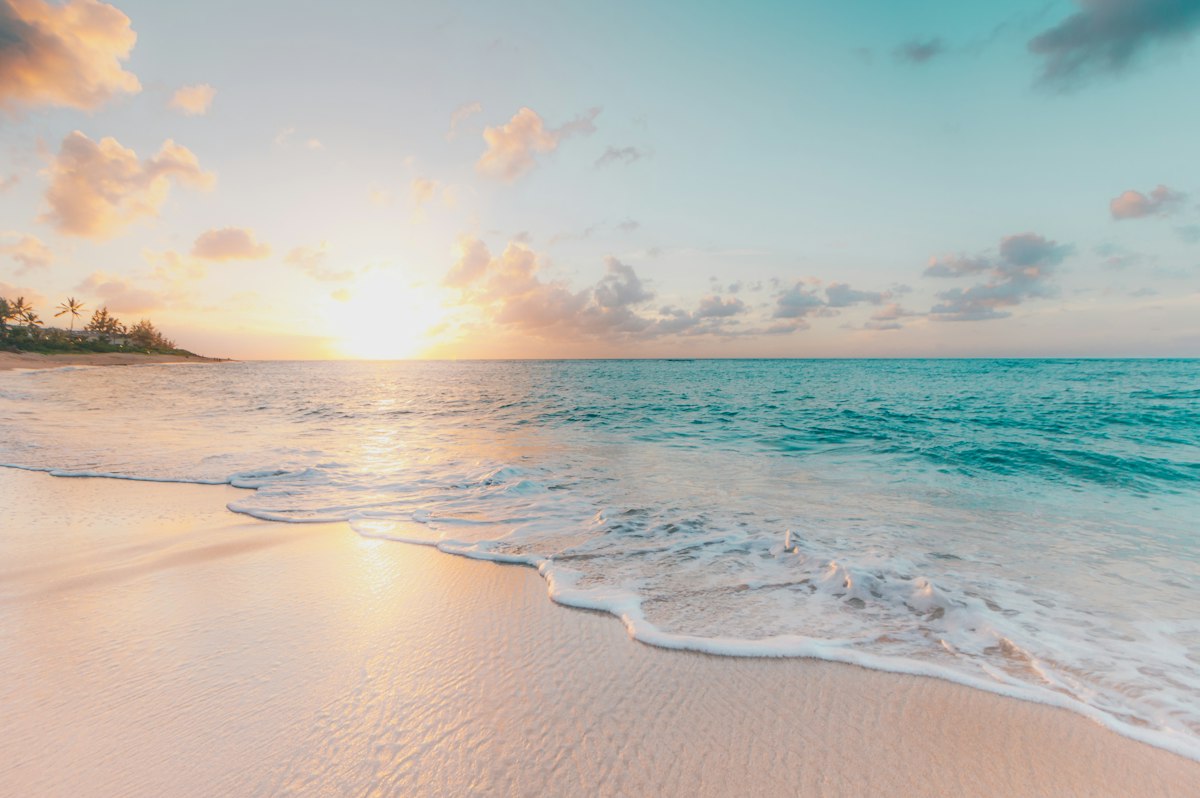
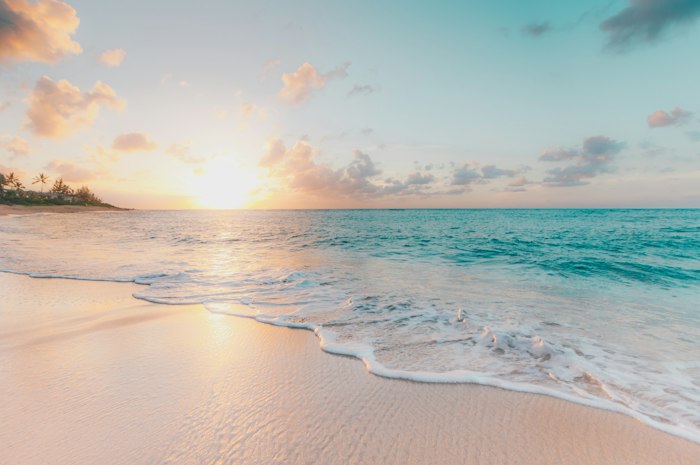
Add Caribbean islands with white sand, cenotes you can swim in, volcanic hot springs, and some of the most vibrant food and music cultures on the planet — and you've got one of the world's most exciting travel regions.
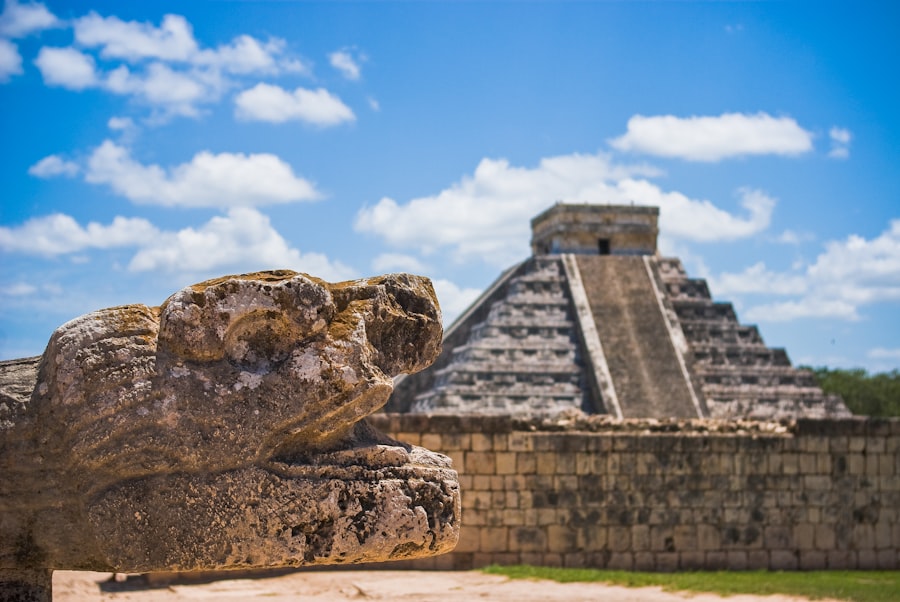
Chichén Itzá, Tikal, Palenque, Tulum — walk through 3,000 years of Maya civilisation, from jungle-swallowed cities to clifftop temples.
Zip-line through cloud forests, hike volcanic trails, spot toucans and howler monkeys, and soak in natural hot springs in Costa Rica.
Dive into crystal-clear underground sinkholes — the Yucatán has over 6,000 cenotes, sacred to the Maya and perfect for swimming.
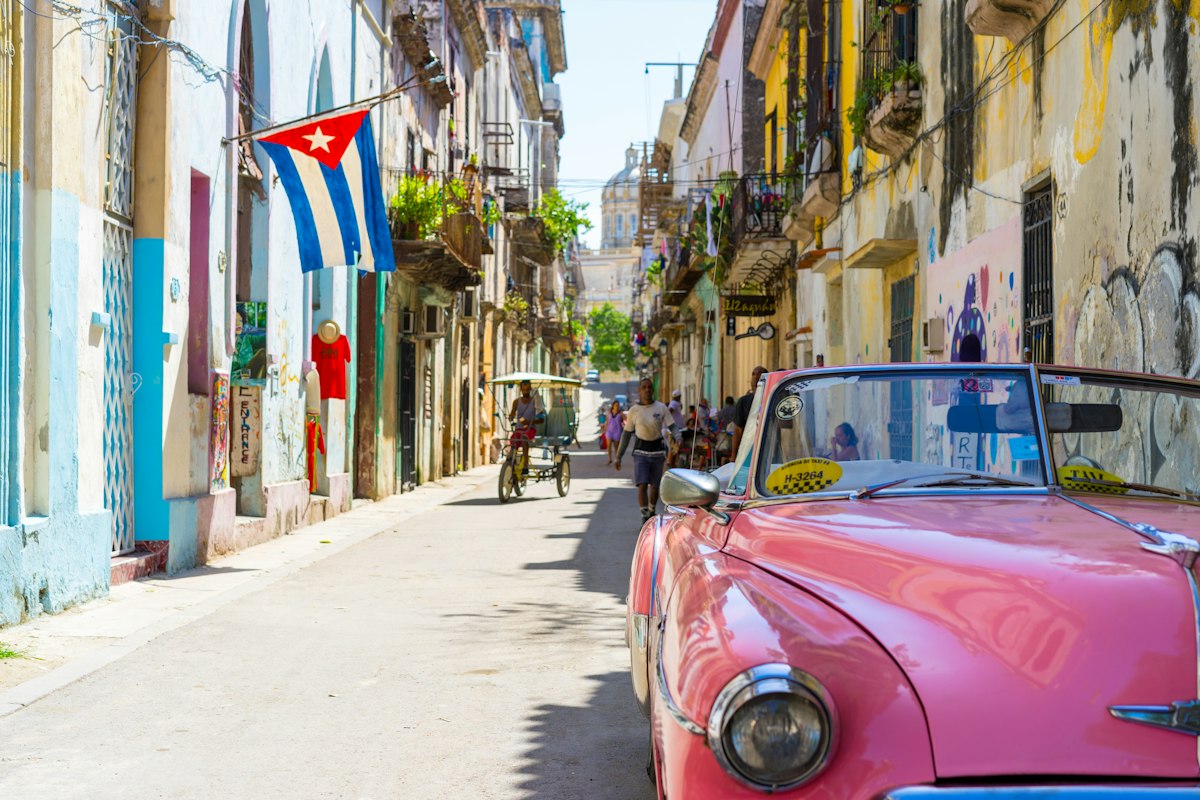
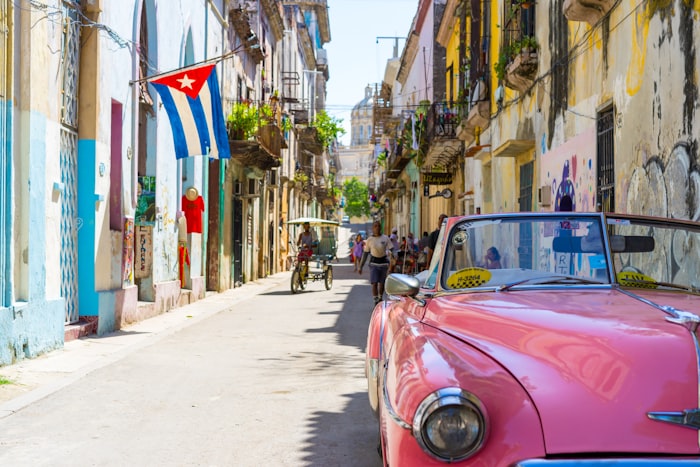
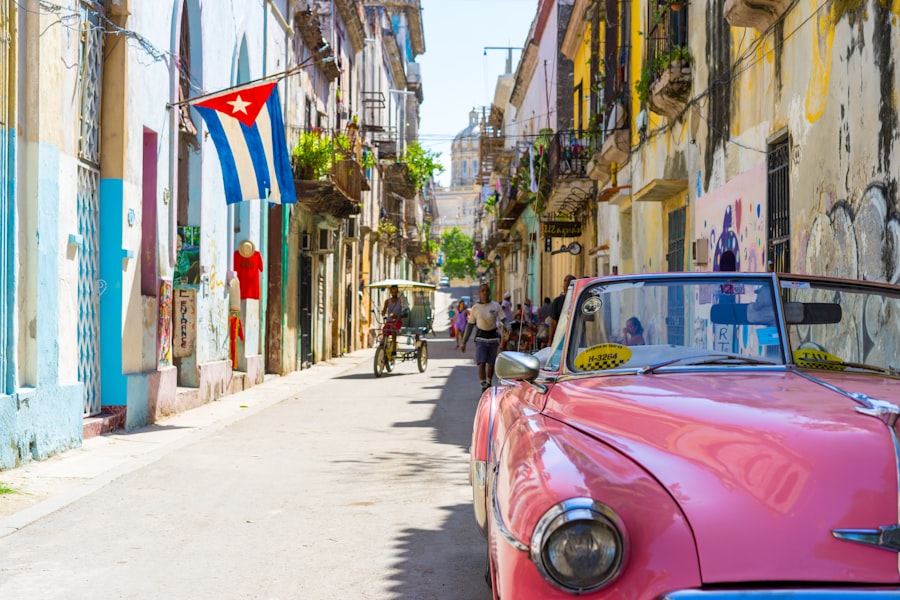
Cruise the Malecón in a 1950s Chevrolet, explore Old Havana's colonial plazas, sip mojitos at La Bodeguita, and dance salsa till dawn.
Belize's Blue Hole, Cozumel's reefs, Bonaire's shore dives — the Caribbean offers world-class diving in bathtub-warm water.
Tacos al pastor in Mexico City, mole in Oaxaca, ceviche on the coast, and mezcal under the stars — Mexican cuisine is UNESCO-listed for a reason.
Peak travel season across the region. Clear skies, warm days, lower humidity. Best for Mexico, Costa Rica, Caribbean, and Guatemala.
Afternoon showers bring lush landscapes. Great value and fewer crowds. Costa Rica's wildlife is most active. Caribbean hurricane risk increases.
Sea turtle nesting in Costa Rica, whale sharks off Mexico, and humpback whales passing through Caribbean waters.
Día de los Muertos (Nov), Carnaval across the Caribbean (Feb), and Semana Santa (Easter) bring explosive colour, music, and celebration.
Mexico City to Manuel Antonio — ruins, cenotes, volcanoes, and tropical coastline across two unforgettable countries.
Welcome to CDMX. Evening walk through the Zócalo, Palacio de Bellas Artes, and tacos al pastor in Roma Norte.
Teotihuacán pyramids, Frida Kahlo museum, Chapultepec Castle, and the city's incredible food markets and mezcalerías.
Mezcal distilleries, Monte Albán ruins, artisan markets, and the best mole in Mexico. Evening street food crawl.
Arrive on the Caribbean coast. Clifftop Tulum ruins, cenote swimming, and a beachside dinner under swaying palms.
Day trip to Chichén Itzá — one of the New Seven Wonders. Stop at Cenote Ik Kil for a swim on the return.
Snorkelling at Akumal with sea turtles, Sian Ka'an biosphere reserve boat tour, or a cooking class in Playa del Carmen.
Welcome to Costa Rica. Transfer to Arenal volcano region. Evening soak in volcanic hot springs under the stars.
Hanging bridges walk through the canopy, La Fortuna waterfall hike, optional zip-lining or white-water rafting.
Drive to the cloud forest. Night walk for tree frogs and sleeping birds. Morning canopy tour above the treetops.
Hummingbird garden, coffee tour, butterfly conservatory, and wildlife spotting — sloths, quetzals, and howler monkeys.
Drive to Manuel Antonio. Afternoon at the beach — one of Costa Rica's most beautiful stretches of coastline.
Guided nature walk through the park — monkeys, iguanas, toucans, and pristine beaches fringed by rainforest.
Surf lessons, catamaran sunset cruise, or simply hammock time. Evening dinner with feet in the sand. Pura vida.
Morning transfer to San José airport — or extend to the Osa Peninsula, Panama, or Caribbean coast.
Australians get visa-free entry to Mexico (180 days), Costa Rica (90 days), Guatemala, Belize, and most Caribbean islands. Cuba requires a tourist card.
Mexican Peso, US Dollar widely accepted in Central America. Caribbean islands have varied currencies. Card is accepted in tourist areas; cash essential in rural zones.
Hot and humid year-round, especially lowlands. Pack light breathable clothing, reef-safe sunscreen, and a hat. Highland areas (Oaxaca, cloud forests) are cooler.
Consult a travel doctor for Hepatitis A, typhoid, and malaria prophylaxis (some areas). Mosquito repellent is essential. Drink bottled water only.
English is limited outside tourist areas. A few Spanish phrases go a long way — locals appreciate the effort and it opens doors everywhere.
Domestic flights connect major cities cheaply. Shuttle vans are the best way between tourist hubs. Rental cars work well in Costa Rica and Mexico.
June–November is hurricane season in the Caribbean and Gulf coast. Travel insurance with trip cancellation cover is essential if visiting during this period.
Essential. Ensure cover for medical evacuation, adventure activities (zip-lining, diving), and trip disruption from weather or natural events.
From Maya ruins and Costa Rican cloud forests to Cuban salsa and Caribbean reef diving — let us design your perfect Central American adventure.
Start Planning Your Trip