A land where marble palaces rise from desert sands, sacred rivers flow through ancient cities, and every market, temple, and mountain trail overwhelms the senses in the most extraordinary way.
India doesn't just fill your camera roll — it rewires your perspective. From the pink palaces of Rajasthan and the serenity of Kerala's backwaters to the raw power of the Himalayas and the spiritual intensity of Varanasi, nothing prepares you for the scale of it.
Add the beaches of Sri Lanka, the mountain kingdoms of Nepal and Bhutan, and the Maldives' overwater luxury — and the subcontinent becomes one of the most diverse travel regions on Earth.
From desert forts and jungle temples to snow-capped peaks and tropical coastlines — the subcontinent has it all.
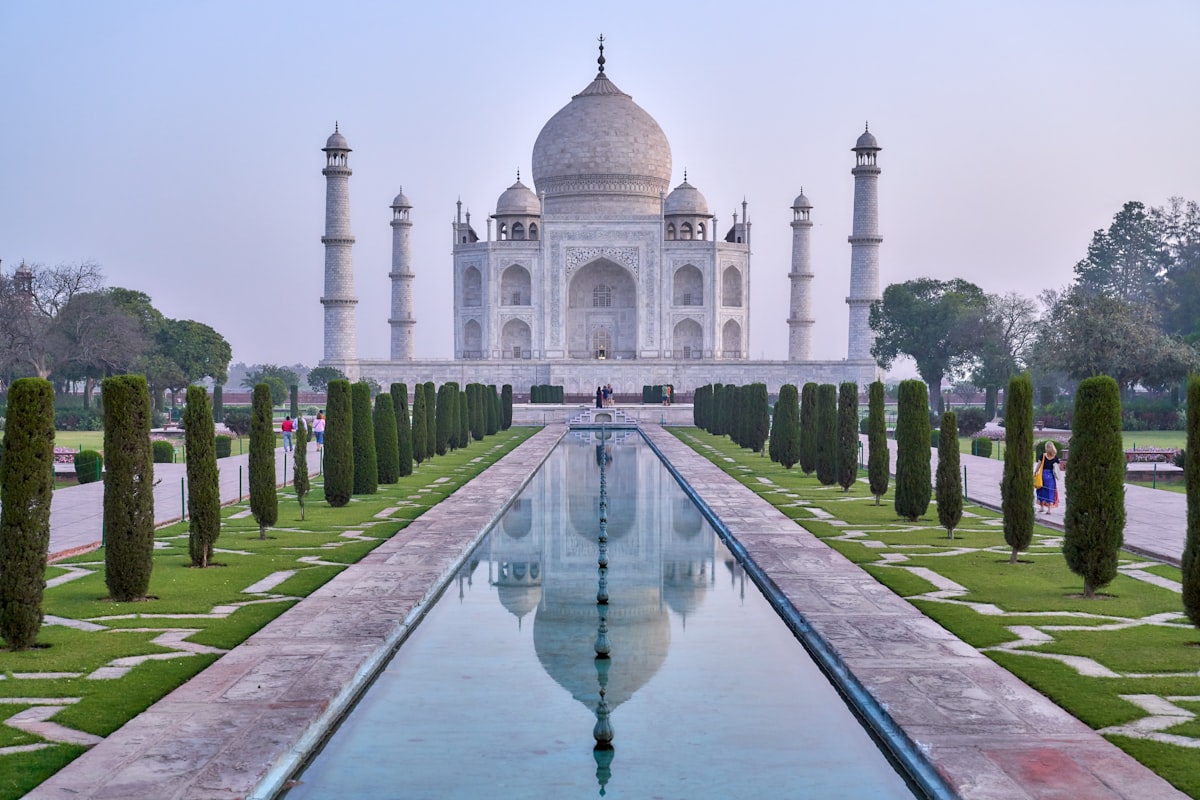
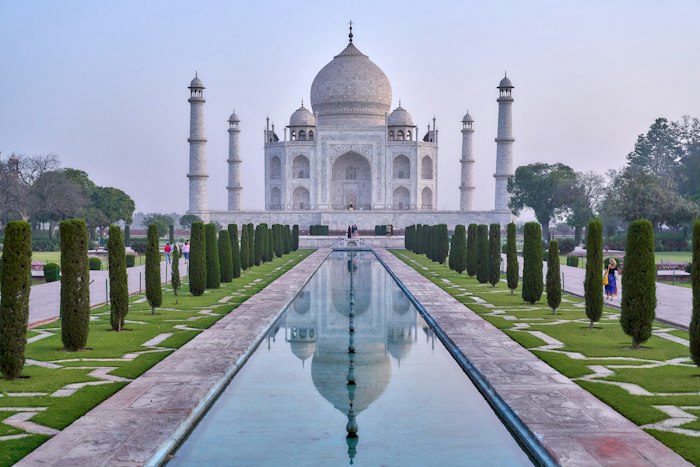
Watch the world's most famous monument glow pink, gold, then white as the sun rises — arrive at first light to beat the crowds.
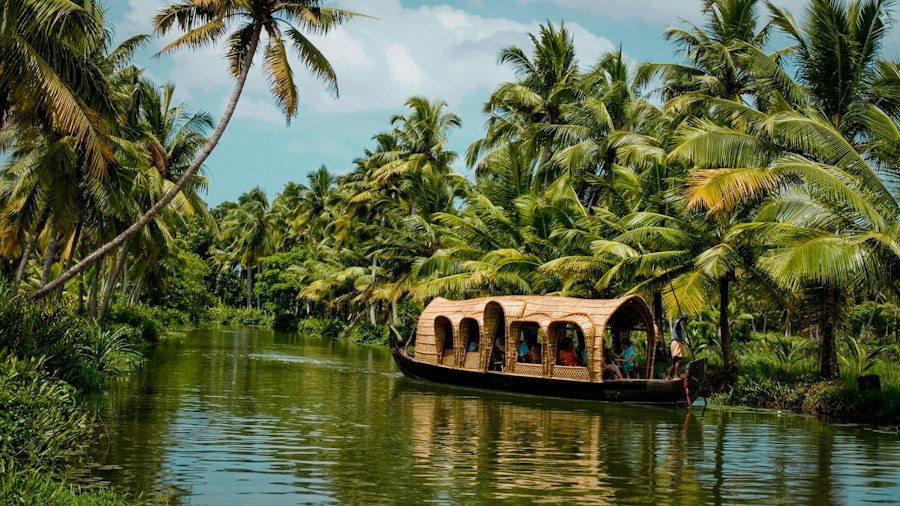
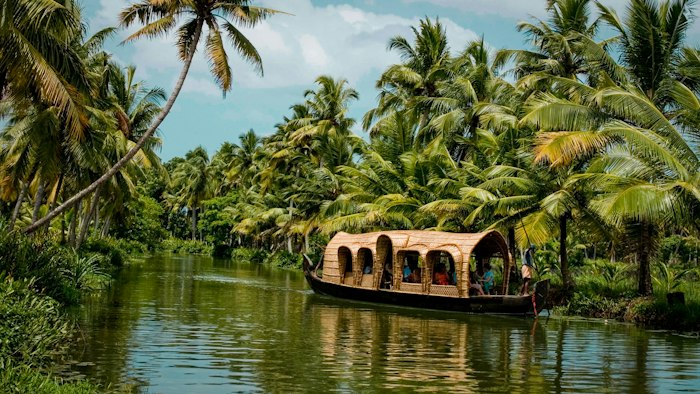
Drift through palm-lined canals on a traditional kettuvallam houseboat — freshly caught fish for lunch, sunset from the upper deck.
Sleep in converted maharaja palaces — Udaipur's Lake Palace, Jodhpur's Umaid Bhawan, and Jaipur's Rambagh Palace are living history.
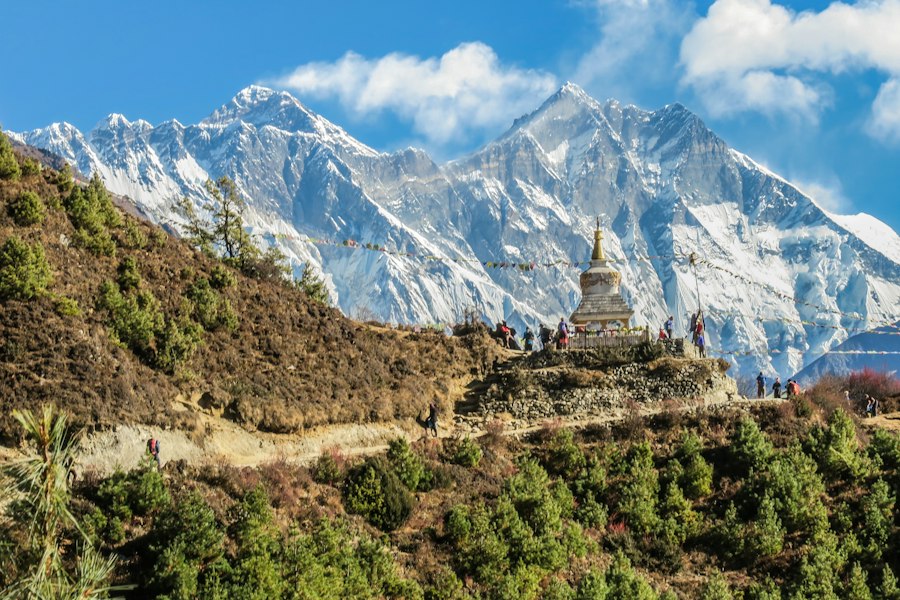
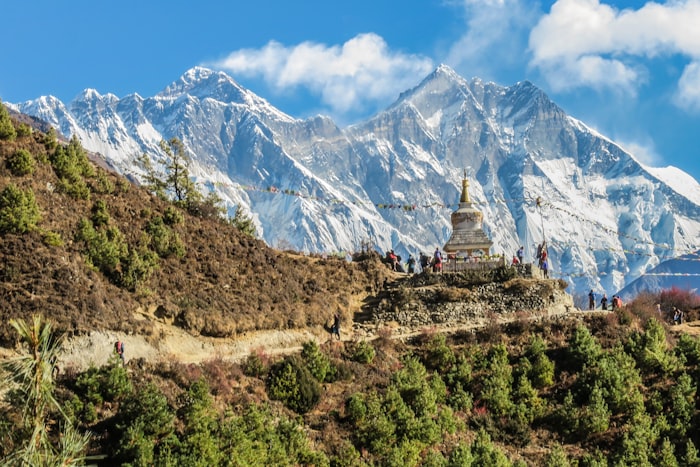
From Everest Base Camp to Ladakh's high passes and Bhutan's Tiger's Nest monastery — the roof of the world awaits.
Watch Varanasi's nightly fire ceremony from a boat on the Ganges — thousands of candles, chanting priests, and profound spirituality.
The Kandy-to-Ella train winds through emerald tea plantations, waterfalls, and misty peaks — one of the world's most scenic rail journeys.
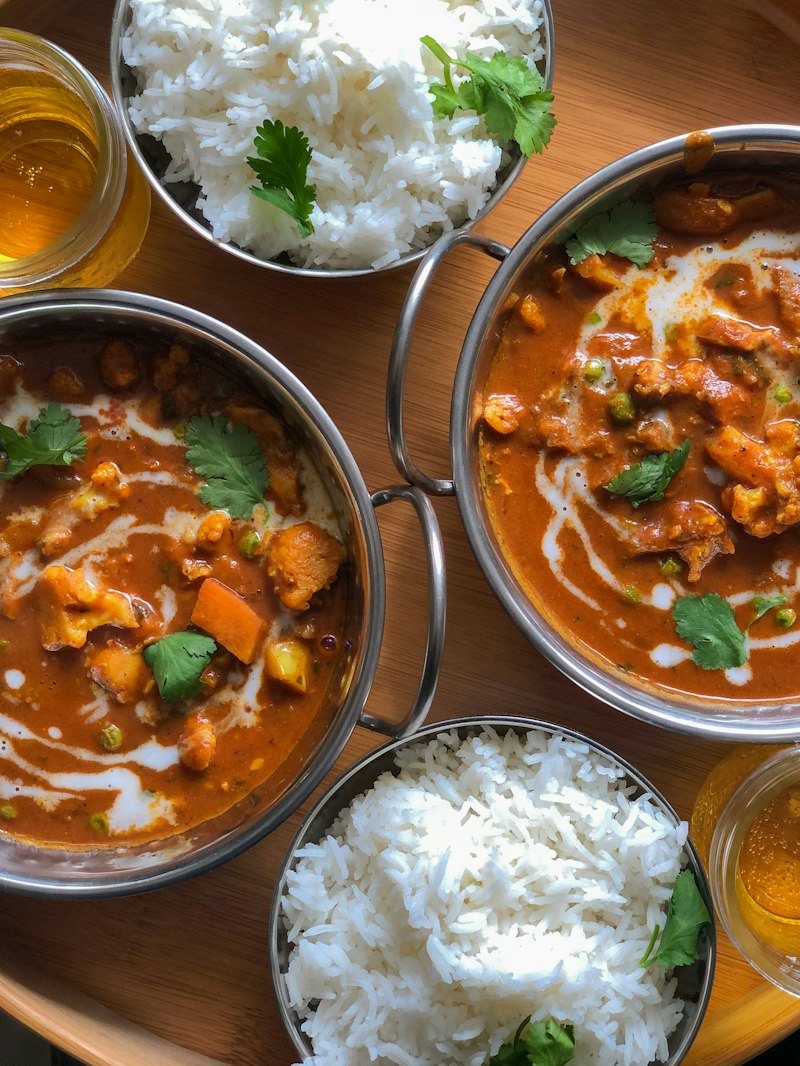
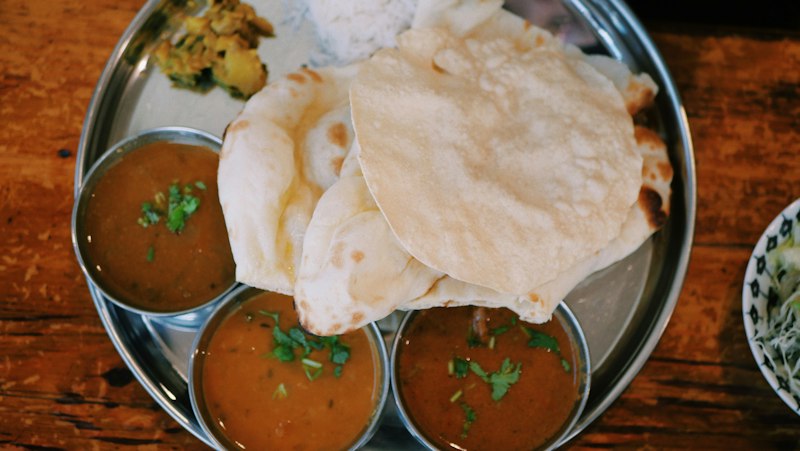
Rich Mughlai curries, tandoori breads, aromatic biryanis, and dal fry — the complex spice traditions of the north are legendary.
Crispy dosas, coconut curries, fresh seafood, and filter coffee — Kerala and Tamil Nadu's food is lighter, brighter, and utterly addictive.
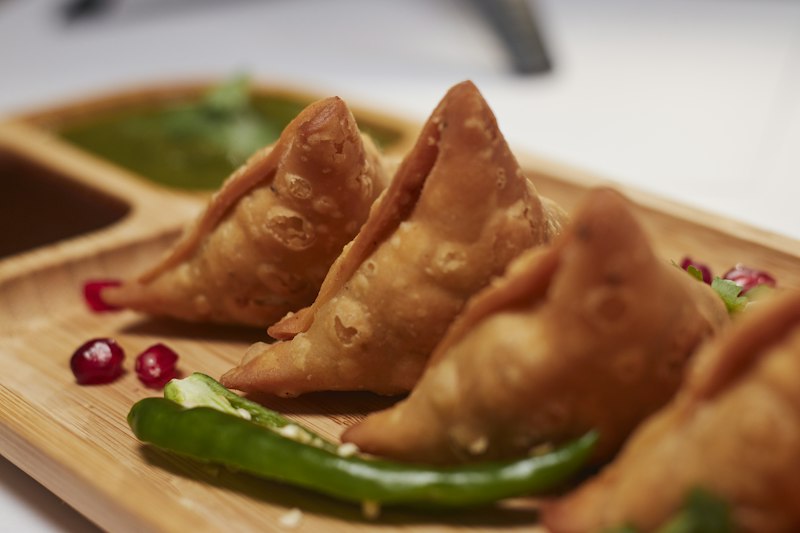
Chaat, samosas, pani puri, vada pav, and chai from every corner — India's street food is a flavour bomb that no restaurant can replicate.
Cool, dry, and comfortable across most of India and Sri Lanka. Ideal for Rajasthan, Kerala, and the Golden Triangle. Book well ahead.
India's monsoon brings dramatic rains — lush landscapes, fewer tourists, and lower prices. Kerala and Goa are magical in the rain.
Trekking season in Nepal, Ladakh, and the Indian Himalayas. Clear skies, open passes, and mountain wildflowers at altitude.
Diwali (Oct/Nov), Holi (Mar), Pushkar Camel Fair (Nov), Durga Puja (Oct) — time your visit around India's dazzling festivals.
Delhi to Cochin — palaces, the Taj Mahal, tiger country, and houseboat serenity on India's most popular route.
Welcome to India. Evening rickshaw ride through the chaos and colour of Old Delhi — Chandni Chowk, Jama Masjid, and street food.
Humayun's Tomb, Qutub Minar, India Gate, and the Sikh temple of Bangla Sahib. Afternoon in Lutyens' New Delhi.
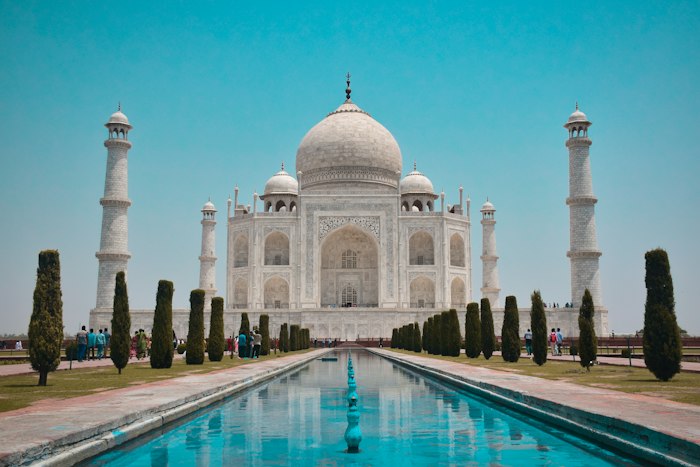
Drive to Agra. Afternoon at the Taj Mahal — the world's greatest monument to love, bathed in golden light.
Sunrise Taj from across the Yamuna. Visit Agra Fort, then drive to Jaipur via the abandoned Mughal city of Fatehpur Sikri.
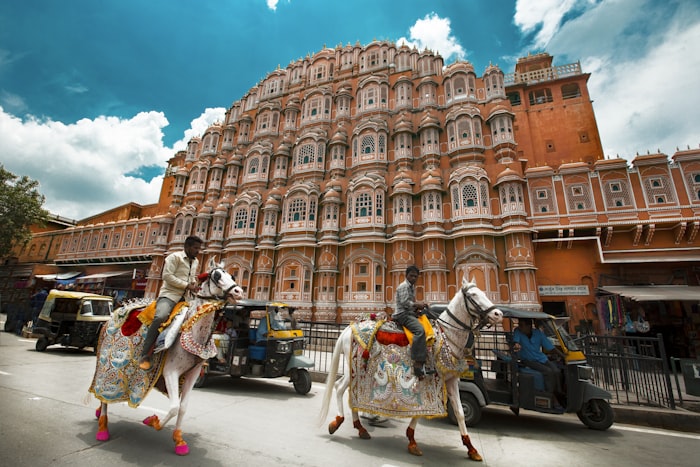
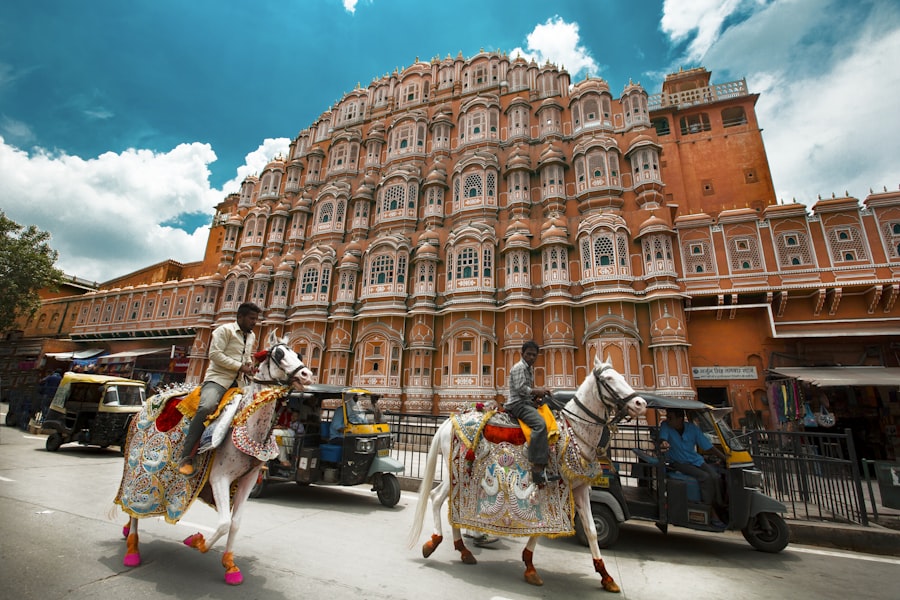
Amber Fort elephant ride, Hawa Mahal, City Palace, and Jantar Mantar observatory. Evening bazaar shopping for textiles and gems.
Drive to the Blue City. Mehrangarh Fort towers above a sea of indigo houses. Evening rooftop dinner watching sunset paint the walls.
Drive through Aravalli hills to Udaipur — the City of Lakes. Check into a haveli on the lake, evening boat ride at sunset.
City Palace, Jagdish Temple, Saheliyon ki Bari gardens. Optional cooking class or miniature painting workshop.
Safari in Ranthambore National Park — one of India's best chances to see wild Bengal tigers in the wild among ancient ruins.
Morning and afternoon game drives. Leopards, sloth bears, spotted deer, and — with luck — the magnificent tiger.
Arrive in Cochin — spice capital of the Malabar Coast. Evening Kathakali dance performance and fresh seafood dinner at the harbour.
Chinese fishing nets, Jewish Quarter, Dutch Palace. Afternoon drive to Munnar — tea plantations stretching across the Western Ghats.
Tea estate visit, spice plantation tour, and Eravikulam National Park for Nilgiri tahr sightings. Misty mountain serenity.
Descend from the hills to the backwaters. Board a traditional kettuvallam houseboat — canals, rice paddies, and village life at water level.
Full day drifting through Kerala's waterways. Fresh fish lunch on deck, toddy tapper visits, and sunset from the upper deck.
Morning Ayurvedic massage, then transfer to Cochin airport — or extend to Marari Beach, the Maldives, or Sri Lanka.
Australians need an e-Visa for India (apply online). Sri Lanka requires an ETA. Nepal offers visa on arrival. Apply at least 4 weeks before travel.
See a travel doctor 6–8 weeks before. Hepatitis A&B, typhoid, and routine boosters recommended. Avoid tap water — drink bottled only.
Cover shoulders and knees at temples and religious sites. Lightweight, breathable fabrics are ideal. Remove shoes before entering temples.
Indian Rupee (INR). Cash is essential for markets and smaller shops. Bargain firmly but respectfully — start at 30–40% of the asking price.
Hire a driver for intercity travel — it's affordable and eliminates the stress of Indian roads. Trains are a cultural experience in themselves.
Summer temperatures hit 45°C+. Travel Oct–Mar for comfort. Carry water, wear sun protection, and plan sightseeing for morning and late afternoon.
Eat at busy places with high turnover. Avoid raw salads and ice from unknown sources. Your stomach will adjust — bring rehydration salts just in case.
Non-negotiable. Ensure cover for medical evacuation (especially if trekking), trip cancellation, and adventure activities in Nepal.
From palace hotels and tiger safaris to backwater houseboats and Himalayan treks — let our specialists craft your perfect subcontinent journey.
Start Planning Your Trip