Six extraordinary adventure experiences across the world's most ecologically diverse continent — from 35,000km of coastline and the world's largest coral reef to ancient rainforests, red desert, and vertical sandstone. Pick one. Build outward from there.
Australia's scale and ecological diversity mean you can go from ancient red desert to the world's largest living structure in a single trip. Reef, rainforest, outback, coast, vertical rock, open water — these six adventure types are where the country earns its reputation. Here's exactly what each delivers, and how to do it well.
Australia is one of the very few countries where you can dive the world's largest coral reef, walk ancient rainforest, traverse a red desert, surf a world-class break, abseil off a sandstone cliff, and stand under the clearest night sky on Earth — all within the same trip. The continent's sheer size (nearly the area of mainland Europe) means each of these experiences exists in an environment vast enough to feel genuinely wild, not managed or miniaturised.
What makes Australian adventure exceptional is not just the landscapes but the depth of experience available within each. A "reef tour" can range from a glass-bottomed boat for children to a multi-day liveaboard for serious divers exploring outer walls and bommies that see relatively few visitors. An "outback trip" can mean a day tour from Alice Springs or a 12-day 4WD traverse of the Simpson Desert. The best adventure experiences here reward engagement — the more you bring, the more you get back.
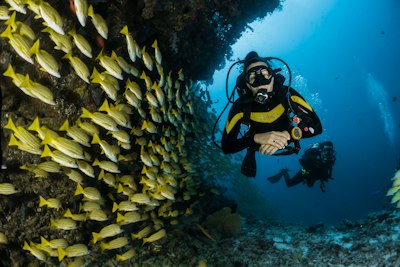
The Great Barrier Reef is one of those places you've seen in photographs your entire life — but nothing prepares you for the reality of putting your face in the water for the first time. The scale is incomprehensible from above: a living reef system stretching over 2,300 kilometres along Queensland's coast, covering 344,400 square kilometres and comprising more than 2,900 individual reefs and 900 islands. It is the largest living structure on Earth, visible from space, and home to over 1,500 species of fish, 4,000 types of mollusc, 240 species of bird, and an extraordinary array of sharks, rays, sea turtles, and marine mammals.
The reef experience divides broadly into three tiers. Day trips from Cairns or Port Douglas reach the outer reef in 90 minutes, with glass-bottomed boat tours, guided snorkelling, and introductory or certified diving available to suit every ability level. Whitsundays-based trips allow island hopping alongside reef access, with the extraordinary Whitehaven Beach and Hill Inlet providing scenery that competes with the underwater world above. Multi-day liveaboard diving trips — some of the finest in the world — access remote outer reef systems and coral walls that relatively few visitors reach.
The outer reef, further from shore and subject to less terrestrial runoff, consistently offers the best visibility and the most diverse coral communities. Operator and timing matter enormously: choose GBRMPA-accredited eco-operators with marine biologist guides, keep your group size small, and go in the dry season for the calmest seas and best light.
Australia's interior is one of the most profound travel experiences on Earth — but it is not simply a landscape. It is the most continuously inhabited terrain in human history, carrying 65,000 years of Aboriginal cultural knowledge in its rocks, waterholes, and sky. The best outback adventures go beyond driving through red desert and connect you to what the landscape actually means and has always meant to the people whose Country it is.
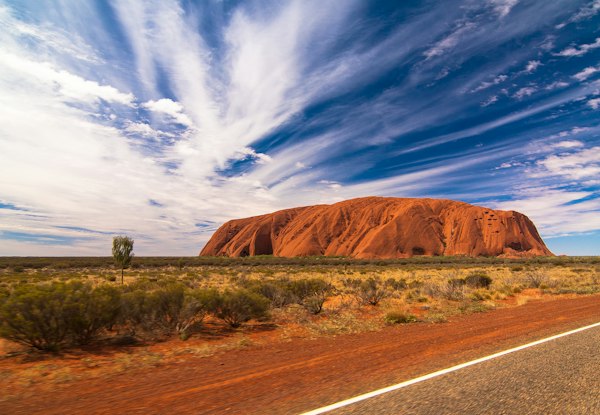
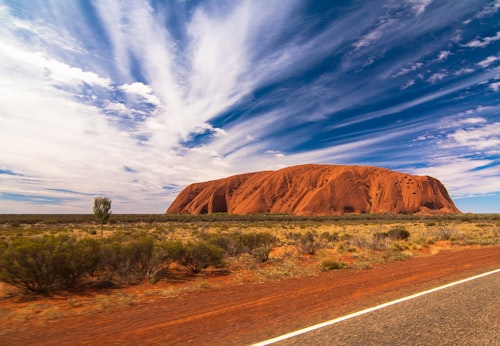
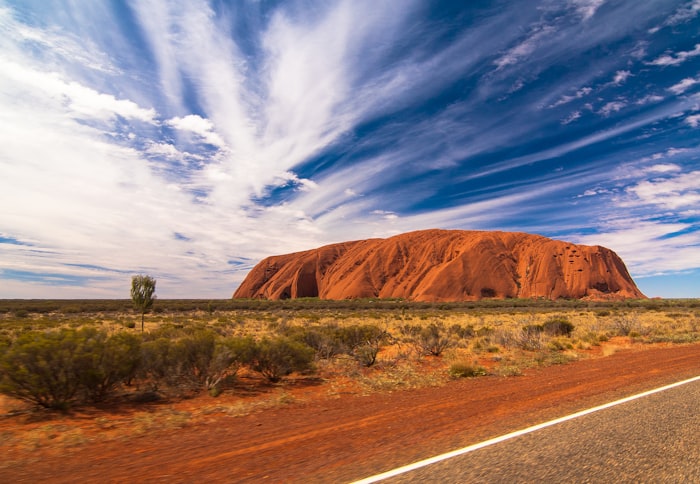
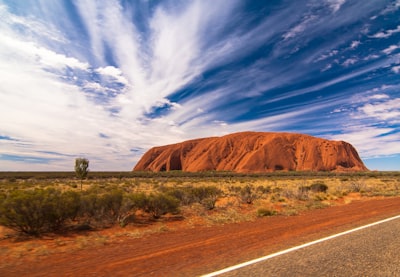
The Red Centre — Alice Springs, Uluru-Kata Tjuta, Kings Canyon — is the most accessible Outback experience and among the most extraordinary. Uluru alone is worth the journey: at 348 metres high and extending kilometres below the surface, the sandstone monolith shifts colour through the day from dusty pink at dawn to blazing ochre at noon and deepest crimson at sunset. The Anangu-guided base walk (10.6km, 3–4 hours) provides cultural context that transforms what might otherwise be a photographic exercise into a genuine encounter with one of the world's living cultures. Climbing is permanently prohibited — and rightly so.
Further afield, multi-day 4WD expeditions cross red sand plains, negotiate rocky creek beds, and camp under skies of extraordinary clarity. The Kimberley in Western Australia's far north represents perhaps the most dramatic remote destination: 420,000km² of ancient gorges, remote waterfalls, tidal estuaries, and traditional Aboriginal country. The Gibb River Road is one of Australia's great drives — rugged, challenging, and unforgettable.
Remote outback travel requires proper preparation and, for first-time visitors, an experienced guide. Cooee Tours' outback expeditions handle all logistics — vehicle prep, water, provisions, satellite communications, and cultural access — leaving you to focus entirely on the experience.
Australia's 35,000 kilometres of coastline include some of the world's most dramatic and beautiful walking terrain — and the reward-to-effort ratio is exceptional. The combination of towering sea cliffs, golden beaches, headland views, and accessible trail infrastructure makes coastal walking one of the best-value adventure activities in the country. Many trails are free, well-maintained, and suitable for most fitness levels.
The Great Ocean Walk in Victoria — 104km from Apollo Bay to Glenample Homestead — is widely considered Australia's finest coastal long walk. It passes behind and along the famous Twelve Apostles limestone stacks, through temperate rainforest sections, across heath and along clifftops above violent southern ocean surf. Eight designated campsites allow the walk to be completed over seven to eight days. Shorter sections can be done as day walks, with the Gibson Steps and the Apostles precinct among the most dramatic single-day coastal walking on the continent.
Sydney's Bondi to Coogee Coastal Walk (6km, 2–3 hours) is one of the world's great urban hikes — coastal sandstone headlands, ocean pools carved into rock platforms, crashing Pacific surf, and the remarkable sweep of beach after beach. The path is accessible year-round, entirely free, and provides extraordinary Sydney Harbour and ocean views that cost hundreds of dollars from a harbour cruise boat.
Queensland's coastal headland walks offer a tropical variant: Burleigh Head National Park (Gold Coast) threads through subtropical rainforest to cliff-edge lookouts above the surf; Noosa National Park covers 15km of tea-tree-scented headland walking; Cape Tribulation in the Daintree combines beach walking with rainforest that has existed continuously for 110 million years.
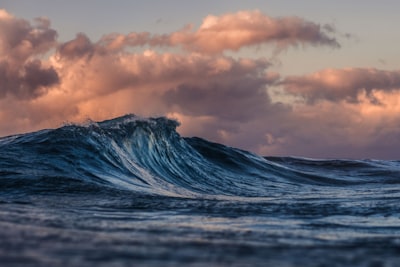
With 35,000 kilometres of coastline encompassing tropical, subtropical, and temperate zones, Australia is one of the world's premier water sports destinations. The range of conditions — from the flat, protected waters of the Whitsundays and Great Barrier Reef lagoon to the powerful Southern Ocean swells of Victoria and the legendary breaks of the Gold Coast, Byron Bay, and Margaret River — means there is genuinely a world-class water experience for every ability level and preference.
Surfing is woven into Australian coastal identity in a way that goes beyond sport. Byron Bay, Bells Beach, Snapper Rocks, Margaret River's main break, and Sydney's Manly Beach all offer waves that have shaped world surfing culture. Introductory surf lessons are available everywhere along the coast — most schools work with absolute beginners and get students standing within two hours. The Gold Coast's Superbank (the world's longest man-made surf break, created by the Tweed River sand pump) delivers waves up to 2km long that have produced more professional surfers per capita than anywhere else on earth.
Sea kayaking offers an entirely different relationship with Australian waterways: paddling alongside dolphins in Jervis Bay, exploring the sea caves of the Ningaloo Coast, or gliding across the glassy early-morning surface of the Whitsundays with the forested island shoreline reflected in the water. Wildlife encounters from a kayak are fundamentally different from those on a powered vessel — the quiet approach changes what's possible. Whale sharks at Ningaloo, dugongs at Shark Bay, and sea lions off the Eyre Peninsula can be approached with extraordinary intimacy.
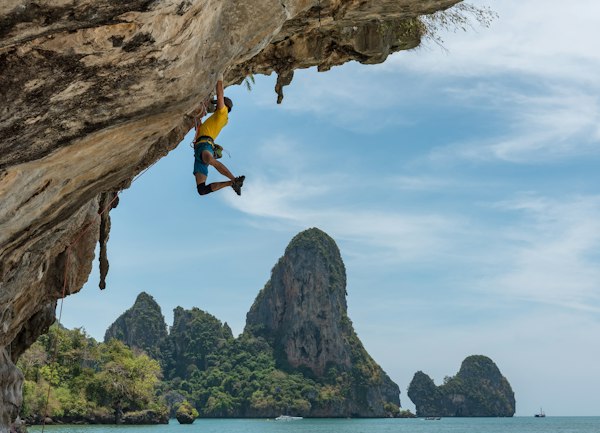
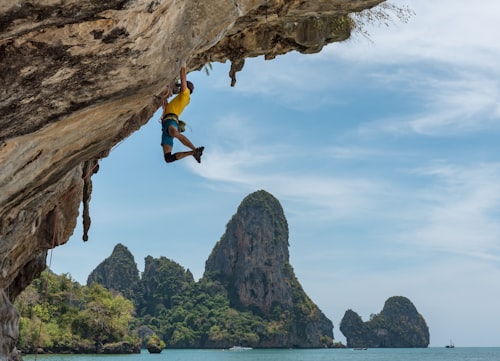
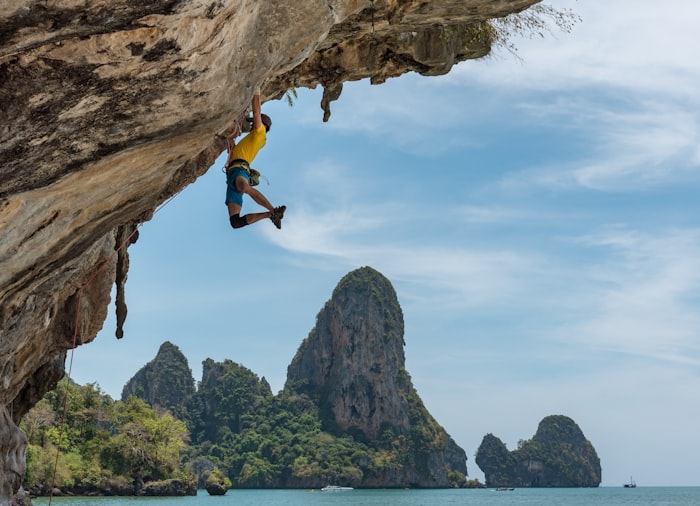
Australia's varied geology — sandstone, granite, basalt, and volcanic — produces climbing terrain across every difficulty level and style. The Blue Mountains west of Sydney are the country's most celebrated destination, with over 25,000 documented routes on towering cliff systems that stretch for over 100km. The Katoomba and Blackheath areas are the epicentres, offering everything from accessible beginner multi-pitch routes to serious hard free routes that attract climbers from around the world.
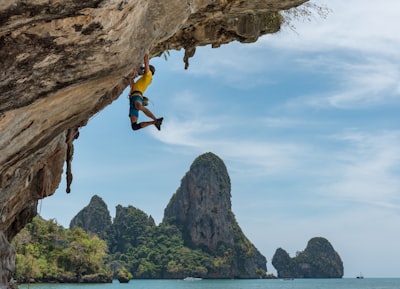
For most visitors, abseiling (rappelling) provides the most accessible entry point to vertical adventure. Controlled descents down cliff faces — ranging from 20 metres to over 100 metres on the Blue Mountains' greatest walls — deliver genuine height exposure and extraordinary views without requiring the technical skills needed for climbing. Guided introductory half-days are available with all equipment and safety briefing included, and no prior experience is necessary. Many people find their first abseil descent a genuinely transformative experience — the moment of leaning back over the edge and committing to the rope is one of the great psychological tests in accessible adventure.
Queensland offers excellent urban and near-urban climbing. Kangaroo Point Cliffs in Brisbane — floodlit at night — provide 20–30m routes immediately accessible from the city. The Glasshouse Mountains, an hour north of Brisbane, offer multi-pitch routes on extraordinary volcanic plugs rising abruptly from a flat coastal plain, with summit views encompassing Moreton Bay and the D'Aguilar Range. Mt Ngungun, in particular, is considered one of the finest short mountain walks in Queensland, with a summit ridge providing 360-degree exposure views that feel far larger than the hike suggests.
Queensland's World Heritage rainforests are among the oldest on Earth — and photographs simply cannot capture them. The acoustic richness alone is extraordinary: the constant calling of birds, the percussion of insects, the deep resonance of the canopy in wind. Then there is the scale — trees 40 metres high with buttress roots spreading 5 metres from the trunk, strangler figs that have engulfed their hosts over centuries, and an understorey dense enough that midday feels like dusk.
The Daintree Rainforest north of Cairns is the crown jewel — the world's oldest continuously existing tropical rainforest, surviving in this form for some 135 million years (making it older than the Amazon). It grows to the edge of the Coral Sea at Cape Tribulation, creating one of the world's most extraordinary ecological intersections: two World Heritage areas — the Daintree and the Great Barrier Reef — meeting at a beach where you can literally snorkel the reef and then walk back through ancient rainforest. Cassowaries — the largest bird in Australia and one of the most extraordinary animals on Earth — wander the walking tracks here with studied indifference to human observers.
The Gold Coast hinterland provides extraordinary subtropical rainforest within 90 minutes of one of Australia's busiest coastal cities. Lamington National Park — 211km² of sub-tropical and warm temperate rainforest — contains over 900km of walking tracks, including the remarkable Border Track and the Tree Top Walk canopy boardwalk at O'Reilly's. Springbrook National Park, particularly the Natural Bridge section (a waterfall passing through a collapsed cave ceiling into a grotto, its walls covered in bioluminescent glow-worms), is among the most magical short walks in Australia.
Australia's adventure landscape is enormous — and the best way in is to pick one experience that genuinely excites you, and build outward from there. These are the moments that stay with you long after you've landed home.
— Cooee Tours Travel Director · 30 years guiding AustraliaAustralia's size means no single season works for every region simultaneously. Use this guide to match your adventure type with the right time of year — it can make the difference between a good trip and an extraordinary one.
| Adventure Type | Summer (Dec–Feb) | Autumn (Mar–May) | Winter (Jun–Aug) | Spring (Sep–Nov) |
|---|---|---|---|---|
| Great Barrier Reef | Good — stinger season N. QLD | Excellent — calming conditions | Best visibility, calmest seas | Excellent — coral spawning (Nov) |
| Outback / Uluru | Avoid — 45–50°C in Central Aus | Excellent — rapidly cooling | Peak season — cool & dry | Good — warming quickly in Oct+ |
| Coastal Walks | Hot — early starts essential | Best QLD headlands | Peak for Great Ocean Walk (VIC) | Wildflowers on southern walks |
| Water Sports (QLD) | Warm — stinger precautions needed | Excellent all water activities | Best for surfing swell, clear water | Whale watching season begins |
| Rock Climbing | Brisbane year-round · NSW hot | Excellent Blue Mountains | Best grip conditions — cool & dry | Good — warming from Oct |
| Rainforest | Wet season Daintree — lush, moody | Best hinterland walks | Dry season — all tracks open | Good — Daintree Wet approaching |
We've been running guided Australian experiences since 1963 — 60+ years of perfecting what makes an adventure genuinely memorable rather than just completed. Small groups, expert local guides, complete logistics, and access to experiences that simply aren't available independently.