Two and a half million square kilometres of red earth, ancient gorges, sacred rock, and the oldest living culture on Earth. This is the definitive guide to experiencing Australia's extraordinary interior — safely, respectfully, and unforgettably.
The Australian Outback is not simply a landscape — it is the oldest continuously inhabited environment on Earth, a place where the land itself tells a story 65,000 years in the making. It demands respect, preparation, and the right guide. This is yours.
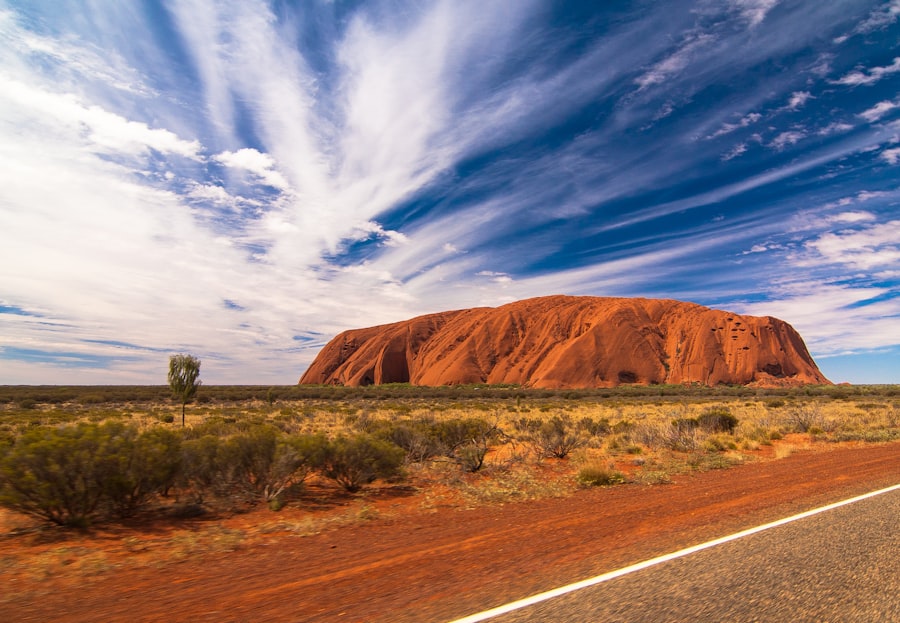
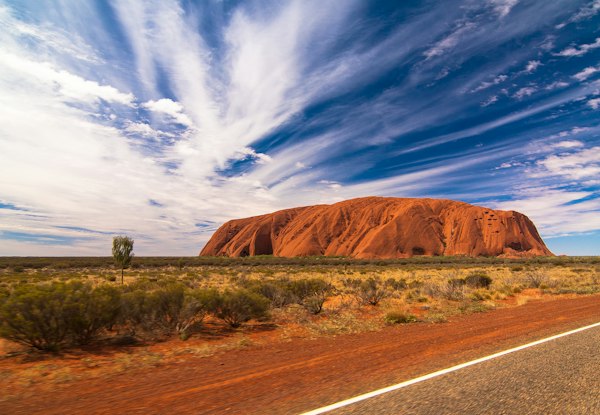
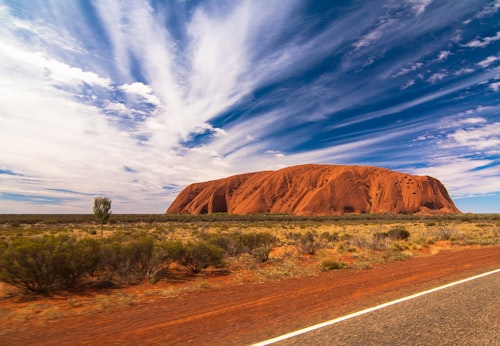
Uluru at sunset — the sacred heart of Australia glows deepest red in the last hour of daylight
The Simpson Desert — 1,100 parallel sand dunes in the world's largest sand dune field
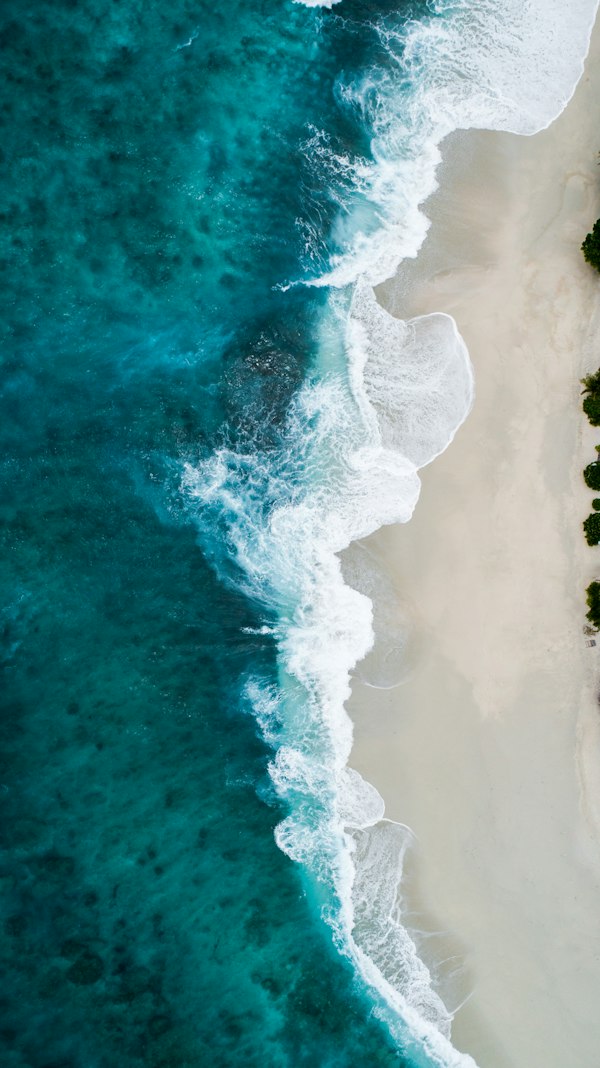
Kakadu's waterfalls and gorges — utterly different from the desert but equally spectacular
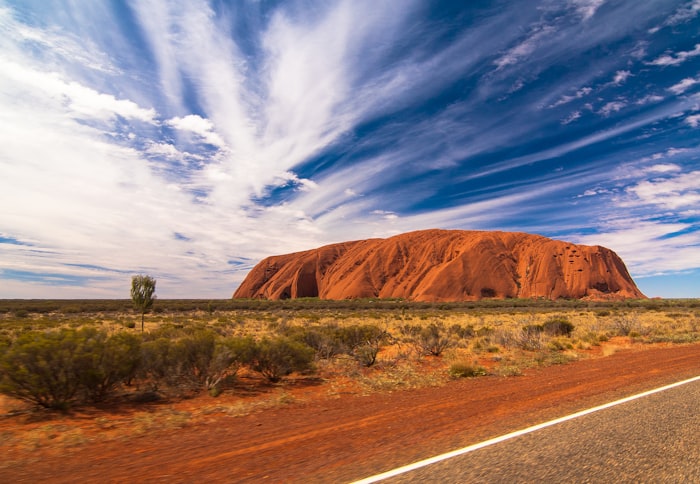
The Stuart Highway — 2,720km of straight red road through the continent's centre
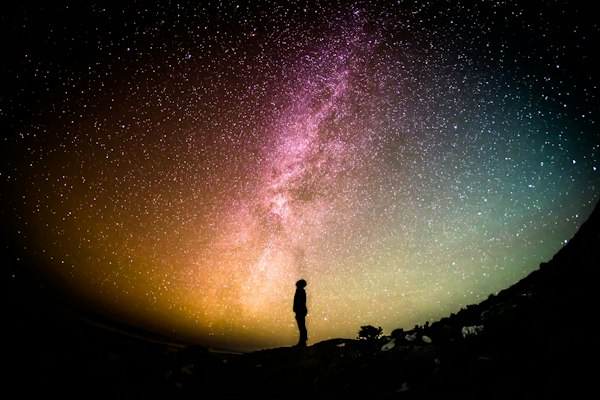
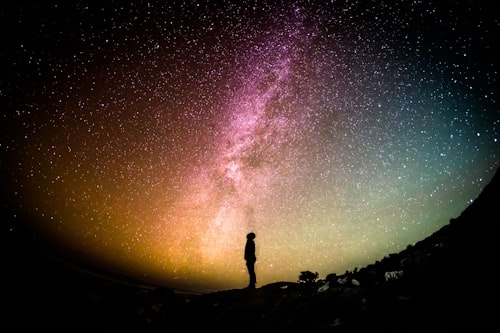
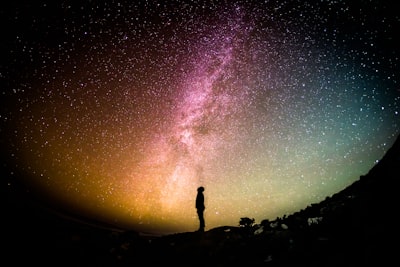
The Outback's greatest spectacle may be its night sky — no light pollution for hundreds of kilometres
The Foundation
Understanding the Australian Outback
The term "Outback" refers broadly to the vast, remote interior of Australia — everything beyond the coastal fringe where most Australians live. It covers approximately 2.5 million square kilometres, or roughly 70% of the continent's landmass, yet is home to fewer than 60,000 people. Understanding what the Outback actually is — and what it is not — is the first step to travelling it well.
The Outback is not one place. It is a collection of dramatically different landscapes: the red sand dunes of the Simpson Desert, the ancient sandstone gorges of the West MacDonnell Ranges, the tropical wetlands and billabongs of Kakadu, the remote coastal wilderness of the Kimberley, and the sacred red monoliths of Uluru-Kata Tjuta. What unites them is scale, silence, and deep time. The rocks you walk on at Uluru are among the oldest exposed rocks on Earth — nearly 550 million years old. The culture you encounter predates every other continuous civilisation by tens of thousands of years.
Practically, the Outback demands different planning than any other travel destination. Distances are extreme — Alice Springs is over 1,500km from the nearest major city. Mobile phone coverage is sparse to non-existent across most of the interior. Temperatures can exceed 50°C in summer and drop below zero overnight in winter. Water is scarce and must be carried. Roads range from sealed highways to unmaintained outback tracks requiring high-clearance 4WD vehicles. None of this should deter you — it should prepare you. With the right guide and the right preparation, the Outback is among the most extraordinary travel experiences on Earth.
Cooee Tours Outback Expertise: Our guides have been leading Outback expeditions since 1963. Every Cooee Tours Outback journey includes detailed safety briefings, all water and provisions, satellite communication, 4WD-capable vehicles, and expert guides with deep cultural knowledge and first aid certification. You focus on the experience — we handle the logistics.
Where To Go
7 Must-See Outback Destinations
Each of these destinations offers a completely different face of the Outback. From the sacred to the surreal, the ancient to the impossibly beautiful — these are the places that will stay with you forever.
🔴 #1 Iconic
Northern Territory · Central Australia
Uluru-Kata Tjuta National Park
The sandstone monolith of Uluru (Ayers Rock) is Australia's most recognisable natural landmark and one of the world's most sacred sites. Rising 348 metres above the desert plain — and extending some 2.5km below the surface — Uluru shifts colour dramatically through the day, from dusty pink at dawn to blazing ochre at noon and deepest crimson at sunset. The 10.6km base walk is among Australia's finest. Climbing is permanently closed out of respect for the Anangu traditional owners. Nearby Kata Tjuta — 36 domed rock formations spread across 21km — offers the extraordinary Valley of the Winds walk through deep, silent gorges.
Base Walk 10.6kmSunrise/Sunset ViewsAnangu Cultural ToursKata Tjuta Gorges
🕐 Best: May–Aug📍 467km from Alice Springs
🏔️ Dramatic
Northern Territory · Watarrka National Park
Kings Canyon
Watarrka National Park's Kings Canyon plunges 270 metres to the canyon floor, exposing 440-million-year-old Mereenie sandstone worn into extraordinary beehive-like domes. The 6km Kings Canyon Rim Walk — one of Australia's great hikes — winds along cliff edges with panoramic views across the surrounding desert, then descends into the Garden of Eden: a sheltered amphitheatre with a permanent waterhole, cycad palms, and lush vegetation that exists nowhere else on this landscape.
Kings Canyon Rim WalkGarden of EdenCanyon Floor WalkAncient Rock Art
🕐 Best: Apr–Sep📍 323km from Uluru
🏞️ Gorge Country
Northern Territory · Near Alice Springs
MacDonnell Ranges
The ancient, deeply eroded MacDonnell Ranges run east and west of Alice Springs, offering some of Australia's most accessible and varied Outback scenery. Standley Chasm narrows to just 9 metres wide at the base, blazing orange for 20 minutes when the midday sun strikes the walls. Ellery Creek Big Hole is one of the Outback's most beautiful swimming spots. Ormiston Gorge combines towering quartzite walls with a deep permanent waterhole. Emily and Jessie Gaps are sacred sites with striking ochre rock art. The 223km Larapinta Trail is one of Australia's premier long-distance walks.
Standley ChasmEllery Creek SwimmingLarapinta TrailRock Art Sites
🕐 Best: May–Sep📍 Near Alice Springs
🌿 World Heritage
Northern Territory · Arnhem Land Border
Kakadu National Park
Australia's largest national park — 20,000km² listed on the World Heritage register for both its natural and cultural significance — Kakadu is unlike anywhere else in the Outback. Six distinct ecosystems transition across the park, from the magnificent Arnhem Land Escarpment to floodplains teeming with thousands of birds, wetland billabongs hosting saltwater and freshwater crocodiles, and monsoon rainforest pockets. The park contains some of the world's oldest and most extensive Aboriginal rock art, some dating back 20,000 years. Jim Jim Falls and Twin Falls are among Australia's most spectacular — accessible only in the dry season.
Jim Jim FallsUbirr Rock ArtYellow Water CruiseWildlife Spotting
🕐 Best: May–Oct📍 250km from Darwin
🌊 Remote & Wild
Western Australia · North-West
The Kimberley
The Kimberley is the last great wilderness frontier — 421,000km² of ancient red gorges, tidal estuaries, remote waterfalls, and traditional Aboriginal country that makes everywhere else feel small. The Gibb River Road is one of Australia's greatest 4WD adventures: 660km through towering gorges, across river crossings, and past cattle stations. The Horizontal Falls — tidal water rushing through narrow cliff gorges creating a waterfall on its side — is one of the world's great natural phenomena. Mitchell Falls offers a four-tiered cascade into pristine pools accessible only by helicopter or a challenging two-day walk.
Gibb River Road 4WDHorizontal FallsMitchell FallsBungle Bungles
🕐 Best: Apr–Sep📍 Broome as base
💎 Unique
South Australia · Far Outback
Coober Pedy
The self-described "Opal Capital of the World" produces over 70% of the world's supply of the gemstone — and is one of the most genuinely surreal places on Earth. Temperatures regularly exceed 50°C, prompting residents over generations to build their homes, churches, shops, and hotels entirely underground (called "dugouts"), creating a subterranean town that stays a constant 24°C year-round. The surrounding landscape — vast, flat, treeless, moonlike — was used as the surface of a post-apocalyptic planet in Mad Max: Beyond Thunderdome. Opal fossicking is permitted in designated areas and you can legally keep what you find.
Underground HomesOpal FossickingBreakaways ReserveUnderground Church
🕐 Best: Apr–Sep📍 846km from Adelaide
🪨 Sacred
Northern Territory · Barkly Tableland
Devils Marbles — Karlu Karlu Conservation Reserve
A sacred site of extraordinary beauty, Karlu Karlu — known in English as the Devils Marbles — is a collection of enormous granite boulders scattered across the flat red desert, seemingly balanced at improbable angles. In reality, the boulders are the product of two billion years of geological process: ancient granite plutons thrust to the surface, then rounded and split by millions of cycles of heating and cooling. To the Kaytetye, Warumungu, Warlpiri, and Alyawarr peoples, these are sacred eggs of the Rainbow Serpent. Best visited at sunrise or sunset when the boulders glow against the dramatic Outback sky.
Beyond the famous icons, the Outback holds extraordinary lesser-known places that reward the curious traveller.
🌴
Finke Gorge National Park
Palm Valley — an oasis of 3,000 rare Central Australian fan palms, species found nowhere else on Earth. Accessible by 4WD only.
🏜️
Simpson Desert
1,100 parallel sand dunes — the world's largest sand dune field. Extreme, remote, and utterly magnificent for experienced 4WD explorers.
🎨
Ochre Pits
Sacred Aboriginal pigment site in West MacDonnell Ranges — multicoloured ochre cliffs used in ceremony and traditional art for thousands of years.
🌊
Lake Eyre — Kati Thanda
Australia's largest salt lake — 144km long — transforms into a vast, shimmering mirror when rare rainfall flows in. An event that happens only a handful of times per decade.
🌅
Breakaways Reserve
Dramatic mesa-top formations near Coober Pedy, glowing in extraordinary layered reds and whites. Featured in Mad Max and Priscilla Queen of the Desert.
What To Do
Outback Activities
The Outback rewards those who engage with it actively. These are the experiences that turn a visit into a journey.
01
4WD Adventures
Navigate the Gibb River Road, Oodnadatta Track, or Birdsville Track on guided or self-drive 4WD expeditions. The remote tracks are the Outback at its rawest.
02
Hiking & Trekking
Kings Canyon Rim Walk, Valley of the Winds, Uluru Base Walk, Larapinta Trail — the Outback offers world-class walks through ancient and breathtaking landscapes.
03
Cultural Experiences
Anangu-guided walks at Uluru, Kakadu rock art interpretation, bush tucker experiences, Dreamtime storytelling, and traditional art workshops led by community elders.
04
Wildlife Spotting
Red and grey kangaroos, dingoes, emus, wedge-tailed eagles, bilbies, echidnas, and remarkable reptiles. Dawn and dusk are prime wildlife hours in the Outback.
05
Camping & Stargazing
Remote campsites with zero light pollution offer the Milky Way in extraordinary clarity. The Southern Cross, the Magellanic Clouds, and the dark constellations of Aboriginal astronomy await.
06
Landscape Photography
The Outback's extraordinary light — particularly at golden hour — produces images found in no other landscape on Earth. Uluru at sunset, the Bungle Bungles, red dunes at dawn.
The Outback doesn't need you to conquer it. It asks only that you arrive quietly, pay attention, and leave it exactly as you found it. Do that, and it will give you more than you imagined possible.
— Cooee Tours Senior Guide · 25 years in Central Australia
Plan Your Journey
3 Expert Outback Itineraries
These three itineraries are designed by our Outback specialists to deliver the best experiences within each region, balancing driving time, walks, cultural experiences, and time to simply absorb the silence.
Central Australia — Red Heart
Alice Springs · Uluru · Kata Tjuta · Kings Canyon
3 Days
1
Alice Springs — Gateway to the Red Centre
Arrive in Alice Springs and orient yourself with the extraordinary desert landscape. Visit the Alice Springs Desert Park to encounter the region's wildlife — bilbies, thorny devils, and wedge-tailed eagles. Spend the afternoon at the Museum of Central Australia. Walk the Telegraph Station Historical Reserve at dusk as the light turns the hills to copper. Settle in for your first night under an impossibly clear sky.
Desert ParkCultural OrientationWildlifeStargazing
2
Uluru — Sacred Monolith at Sunrise & Sunset
Depart Alice Springs early for the 5-hour drive south to Uluru-Kata Tjuta National Park. Arrive in time for sunset at the dedicated viewing area, where Uluru shifts through pink, orange, vermillion, and finally deep plum as the light fails. Join a Cooee guide for the Uluru Base Walk — 10.6km of sacred landscape, extraordinary close-up geology, and stories from our Anangu cultural partners. End the day with a stargazing session in one of Australia's darkest skies.
Uluru Base WalkSunset ViewingAnangu CultureNight Sky
3
Kata Tjuta Gorges & Kings Canyon Rim
Rise before dawn for the Uluru sunrise, then drive 50km west to Kata Tjuta for the Valley of the Winds walk. Drive north to Kings Canyon, arriving in late afternoon for the Canyon Rim Walk (6km) along cliff edges and through the beehive domes to the Garden of Eden waterhole. Return to Alice Springs, stopping at Devils Marbles as the sun drops behind the horizon.
Kata Tjuta WalkKings Canyon RimGarden of EdenDevils Marbles
Northern Top End — Ancient Kakadu
Darwin · Kakadu National Park · Arnhem Highway
4 Days
1
Darwin to Kakadu — Wetlands & Crocodiles
Depart Darwin on the Arnhem Highway, with flocks of magpie geese lifting off the paperbark wetlands in the golden morning light. Take the Yellow Water Billabong cruise — an hour and a half on the water with saltwater crocodiles on every bank, thousands of waterbirds, and reflections of the Arnhem Land Escarpment in the still water. Camp at Cooinda Lodge under the stars.
Yellow Water CruiseWetlandsCrocodile SpottingWaterbirds
2
Jim Jim Falls & Twin Falls — Dry Season Only
Take the 60km unsealed 4WD track to Jim Jim Falls, where a vast sheet of water plunges 150 metres from the Arnhem Land Escarpment into a gorge of extraordinary beauty. Continue to Twin Falls for one of Australia's most spectacular natural settings.
Jim Jim FallsTwin Falls4WD TrackGorge Swimming
3
Nourlangie Rock Art & Ubirr Sunset
Spend the morning at Nourlangie Rock, where overhanging sandstone shelters contain layered Aboriginal rock art depicting Dreamtime creation figures. Drive to Ubirr in the afternoon for more rock art galleries, then climb to the lookout at sunset as the floodplains glow gold and vast flocks of birds move across the sky. One of Australia's greatest sunsets.
Nourlangie Rock ArtUbirr GalleryRanger TourSunset Lookout
4
Wildlife Walk & Return to Darwin
Rise early for a dawn walk along the Mamukala Wetlands boardwalk — thousands of magpie geese rising in waves as the sun clears the horizon. Visit the Bowali Visitor Centre before making the leisurely drive back to Darwin via the Fogg Dam Conservation Reserve.
Dawn Wildlife WalkMamukala WetlandsFogg DamReturn Darwin
Arrive in Broome, the former pearling capital of the world. Take a camel ride along Cable Beach as the sun drops into the Indian Ocean. Explore the Chinatown precinct and the extraordinary pearl showrooms that are Broome's luxury legacy.
Cable BeachCamel RidePearl HistorySunset Colours
2
Gibb River Road — Gorges & Station Country
Head east on the legendary Gibb River Road — 660km of unsealed station road through the ancient Kimberley ranges. Stop at Windjana Gorge for a walk past dozens of freshwater crocodiles. Continue to Tunnel Creek, where a 750m underground walk passes through a natural cave system under the Napier Range.
Gibb River Road 4WDWindjana GorgeTunnel CreekRemote Camping
3
Horizontal Falls & Talbot Bay
One of the world's great natural phenomena — tidal water forced through two narrow gorges creates a waterfall that runs horizontally, with a 4-metre height difference at peak tides. Access is by floatplane or helicopter from Derby or Broome, over the extraordinary tidal flats of the Buccaneer Archipelago.
Join a Ngarinyin or Wunambal cultural guide for a morning bush tucker walk and introduction to the extraordinary Wandjina and Gwion Gwion rock art traditions. In the afternoon, fly to Mitchell Falls by helicopter (or walk the challenging 8.7km trail) to stand above the four-tiered cascade as it tumbles through ancient sandstone.
Wandjina Rock ArtBush Tucker WalkMitchell FallsMitchell River NP
5
Bungle Bungles & Return to Broome
Drive south to Purnululu National Park to walk among the extraordinary beehive-shaped sandstone domes of the Bungle Bungles — striped orange and black by algae and silica. The Cathedral Gorge walk ends in a vast natural amphitheatre of perfect silence. Return to Broome via the Great Northern Highway.
Bungle BunglesCathedral GorgePurnululu NPReturn to Broome
Deep Culture
Aboriginal Cultural Insights
The Australian Outback is not empty. It is the most continuously inhabited landscape on Earth, carrying 65,000 years of human story in its rocks, waterholes, songlines, and sky. Every outcrop, waterhole, and desert plain has a name, a story, and a custodian. Travelling the Outback without understanding this is like visiting the Louvre with your eyes closed.
The Anangu people are the traditional custodians of Uluru-Kata Tjuta, and the world's most recognisable geological formation is, to them, a sacred landscape of profound spiritual significance — the site of ancestral creation journeys (called Tjukurpa, often translated as Dreamtime) that give law, meaning, and structure to the universe. Climbing Uluru was permanently prohibited in 2019 out of respect for Anangu wishes, and the base walk with an Anangu-guided component now offers something far richer: an understanding of what the rock actually means, told by the people whose culture it anchors.
In Kakadu, the Bininj and Mungguy peoples' connection to Country spans millennia. The rock art galleries at Ubirr and Nourlangie document species now extinct, spiritual figures, and scenes of daily life stretching back 20,000 years — the longest continuous art tradition on Earth. In the Kimberley, the Wandjina and Gwion Gwion rock art traditions represent a strikingly different artistic vocabulary — stylised ancestral figures with halo-like heads, extraordinary in their artistry and cultural specificity. These images are not merely old paintings; they are living presences that must be maintained and repainted by community members with the right to do so.
Cultural Respect Essentials: Never climb or enter areas marked as restricted. Always ask before photographing people, ceremonies, or sacred objects. Do not reproduce rock art images beyond respectful documentation. Engage with Aboriginal-owned and Aboriginal-guided tourism wherever possible. Listening is more valuable than asking.
We don't own this Country. We belong to it. When you walk here with respect and genuine interest in understanding, you are welcome. This is the oldest welcome on Earth.
— Anangu Cultural Guide, Uluru-Kata Tjuta National Park
When To Visit
Outback Seasonal Guide
Timing your Outback visit correctly is critical — not just for comfort but for access. Some of Australia's most spectacular destinations are completely inaccessible in the wrong season.
🍂
Autumn
March – May
★★★★★
Cooling rapidly after summer. Excellent for Central Australia and the Kimberley. May near-perfect across most regions. Wildflowers begin in some areas.
❄️
Winter
June – August
★★★★★
The peak Outback season. Daytime 15–25°C, cold nights. All tracks accessible. Kakadu and Kimberley at their best. Book well ahead.
🌸
Spring
September – November
★★★★★
Warming quickly. September–October excellent; November increasingly hot. Wildflower season in South Australia and WA. Some northern tracks begin to close.
☀️
Summer
December – February
★★★★★
Central Australia: extreme heat (often 45–50°C+). Avoid unless acclimatised and expert. The Wet in the north closes Kakadu's remote tracks.
Track Conditions: Always check current road conditions before heading into remote areas. The Northern Territory Government's TrackCare app and the NT Road Report website provide real-time conditions. Many Outback tracks require 4WD with high clearance and can be impassable after heavy rain. Cooee Tours monitors conditions daily and adjusts itineraries where necessary.
Capture It Well
Outback Photography Tips
The Outback offers photographers some of the most extraordinary light, colour, and scale in the world. Here are the techniques that make Outback images transcendent rather than merely good.
🌅
Golden Hour — Both Ends of the Day
The hour after sunrise and before sunset turns the red desert to an almost impossible depth of colour. Plan to be in position 30 minutes early. Uluru's sunrise is equally spectacular to its sunset — and significantly less crowded.
🔭
Night Sky — Milky Way & Southern Stars
The Outback's zero light pollution delivers the finest night sky photography in Australia. Use ISO 1600–6400, f/2.8 or wider, 15–25 second exposures. Include a desert foreground — a lone tree, a rocky formation — for scale and drama.
📷
Lenses for the Outback
Wide-angle (16–35mm equivalent) for desert vistas and night sky. 70–200mm for wildlife — kangaroos, birds, and reptiles will not tolerate close approach. A polarising filter eliminates glare from waterholes and deepens blue sky dramatically.
🧭
Compose for Scale & Depth
The Outback's greatest challenge is conveying scale. Use a human figure, a solitary tree, a vehicle on a straight road to anchor the vastness. Lead the eye with tyre tracks, ridgelines, or the straight red road disappearing to a vanishing point.
💧
Protect Your Gear
Red Outback dust is exceptionally fine and gets into everything. Use a dust-rated bag, change lenses inside a vehicle or tent, and carry a blower brush. Sand particles in a lens or sensor are expensive to fix. Seal your bag between shoots.
🎨
Colour Relationships
The Outback's palette — vermilion rock, ochre sand, cobalt sky, jade-green spinifex — is already extraordinary. In post-processing, deepen these relationships rather than neutralise them. The colours you see with your eyes are real.
Stay Safe
Outback Safety Essentials
The Outback is not inherently dangerous — but it is unforgiving of poor preparation. Every year, visitors require emergency rescue because of preventable mistakes. These fundamentals keep you safe.
💧
Water & Hydration
Minimum 4 litres per person per day in mild weather
8–10 litres per person in hot conditions (above 35°C)
Carry 20L per person emergency reserve in remote areas
Never assume waterholes or tanks are full or drinkable
Drink before you feel thirsty — thirst is already dehydration
Electrolyte supplements for extended hiking in heat
🧭
Navigation & Communication
Carry printed maps AND download offline GPS maps before departure
Register your trip with state police or the EPIRB Register
Satellite communicator (Garmin inReach or SPOT) for remote tracks
PLB (Personal Locator Beacon) for all remote overnight trips
Tell someone your exact route and expected return date
Agree on an overdue alert time with a contact
🚗
Vehicle Preparation
4WD with high clearance required for most remote tracks
Two full-size spare tyres (one is not enough in remote areas)
Tyre repair kit, compressor, and high-lift jack
20–40L extra fuel for tracks between service stations
Shovel, traction boards (MaxTrax), and tow strap
Check track conditions the morning of departure, not the week before
☀️
Sun & Heat Protection
SPF50+ sunscreen reapplied every 2 hours — no exceptions
Wide-brim hat (not a cap — the neck and ears burn fastest)
Long-sleeve, lightweight, UV-rated clothing for hiking
UV-400 rated sunglasses — eye damage is cumulative
Avoid hiking between 10am–3pm in hot weather
Know the early signs of heat exhaustion and heat stroke
🐍
Wildlife Hazards
Australia's most venomous snakes live in the Outback — watch where you walk
Never reach under rocks or logs without checking first
Shake out boots and clothing left overnight before wearing
Never swim in NT/Kimberley waterways without croc-safe confirmation
Animals on roads at dawn and dusk — slow down after dark
Carry a comprehensive first aid kit with snake bandages
🏥
Medical & Emergency
Comprehensive first aid kit including blister treatment and eye wash
Know the nearest Royal Flying Doctor Service contact
Emergency number in Australia: 000
Consider travel insurance with emergency evacuation cover
If your vehicle breaks down: stay with it — far easier to find than a person on foot
With Cooee Tours: all guides are Wilderness First Aid certified
The Golden Rule: If your vehicle breaks down in a remote area, do NOT walk for help unless you can see a building or person. A stationary vehicle is visible from the air and from several kilometres away. A walking person in the desert is almost impossible to spot. Stay with your vehicle, deploy your PLB or satellite communicator, and wait. Our Cooee Tours vehicles carry redundant communications and are monitored throughout every trip.
Book with Confidence
Cooee Outback Tours
Sixty years of Outback expertise. Expert guides. All logistics handled. These are Australia's finest guided Outback experiences.
Central Australia · 3 Days
Uluru & Kata Tjuta Cultural Journey
Sunrise and sunset views, the full Uluru Base Walk with an Anangu cultural guide, Valley of the Winds at Kata Tjuta, and stargazing under the desert sky.
Alice Springs to Uluru to Kings Canyon — the complete Central Australian circuit. Rim Walk, Garden of Eden, MacDonnell Ranges gorges, and Devils Marbles.
Yellow Water Billabong cruise, Jim Jim and Twin Falls, Ubirr and Nourlangie rock art, and the extraordinary wetlands wildlife of Australia's largest national park.
Gibb River Road 4WD, Horizontal Falls, Mitchell Falls, Bungle Bungles, and Aboriginal cultural experiences with Ngarinyin guides. Australia's ultimate remote adventure.
Join over 50,000 travellers who have explored Australia's extraordinary interior with Cooee Tours. Expert guides, complete logistics, small groups, and experiences you simply cannot find alone.
The best time to visit the Outback is during the cooler months of April to September (Australian autumn and winter). Central Australia — Uluru, Kings Canyon, Alice Springs — is most comfortable from May to August with daytime temperatures of 15–25°C and cold but manageable nights. Kakadu in the Northern Territory is best visited in the dry season (May–October), as the wet season floods many roads. The Kimberley is superb from April to September. Summer (November–March) brings extreme heat to Central Australia (regularly above 45°C) and should be avoided by inexperienced visitors.
Experienced 4WD travellers with the right vehicle preparation and remote experience can self-drive parts of the Outback, particularly the main sealed routes between Alice Springs, Uluru, and Kakadu. However, guided tours are strongly recommended for first-time visitors, for remote areas like the Kimberley or Simpson Desert, for anyone who wants to genuinely engage with Aboriginal cultural experiences, and for anyone unfamiliar with remote vehicle preparation and emergency procedures.
No — climbing Uluru was permanently prohibited in October 2019, at the request of the Anangu traditional custodians for whom Uluru is a deeply sacred site. The prohibition is enshrined in law. The 10.6km Uluru Base Walk — with optional guided sections providing extraordinary cultural context — offers a far richer experience. Dedicated sunrise and sunset viewing areas allow the dramatic colour changes to be photographed without any need to climb.
The minimum recommendation is 4 litres of water per person per day in mild weather (15–25°C). This rises to 8–10 litres per person per day in summer heat or during strenuous hiking. For remote vehicle travel, carry at least 20 litres per person as an emergency reserve on top of your daily drinking supply. Water sources along remote Outback tracks are unreliable and should never be assumed to be available.
Some Outback waterholes are safe and wonderful for swimming — Ellery Creek Big Hole in the West MacDonnell Ranges is a beautiful example. However, many waterholes in northern regions (Northern Territory, Kimberley, Kakadu) may harbour saltwater or freshwater crocodiles. Saltwater crocodiles are extremely dangerous. Never swim in any Northern Territory or Kimberley waterway without checking current signage and confirmation from park rangers.